scroll top

A while back, I sat down and added up what I was actually spending every month. Not what I thought I was spending. What I was actually spending. The gap was genuinely embarrassing. A streaming service I hadn’t opened since January. A gym app on my phone I’d replaced with a different gym app. Groceries I was throwing away every week because I hadn’t planned. Delivery fees on top of delivery fees. A phone plan I’d had for four years that was quietly charging me about twice what it should.

I wasn’t doing anything dramatic. I wasn’t buying boats or taking luxury vacations. I was just leaking money in a dozen small ways that added up to a real number every week.

What’s below isn’t a list of extreme couponing strategies or tips that require a spreadsheet and three hours on a Sunday. These are 15 habits I actually started, most of them within a few minutes of deciding to. Together, they add up to well over $50 a week in savings, and some of them I barely think about anymore. They’re just how I do things now.

Stop paying for subscriptions you don’t use

checking subscriptions
Image Credit: Shutterstock

The average American now spends about $219 a month across all subscriptions, but nearly 60% of people are paying for at least one they never touch, at an average wasted value of around $26 a month. That’s not a catastrophic sum on its own, but it’s real money going out every month for nothing.

The fix is tedious but one-time. Go through your bank and credit card statements line by line, looking for recurring charges. Check your phone’s subscription settings too, since Apple and Google bill for a lot of apps quietly. Make a list and cancel anything you haven’t used in the past 30 days. If you’re not sure, pause it instead of canceling. Most services will let you.

For anything you want to keep but use less, check whether a free or lower tier exists. Many apps have a free version that covers most of what you actually need. The goal isn’t to deprive yourself of things you genuinely use and enjoy. It’s to stop paying for digital ghost subscriptions that have been charging you since you signed up for a free trial two years ago.

Switch to store brands for the right grocery items

best buy sign
Image Credit: Shutterstock

Store brands now account for 24% of all U.S. grocery purchases, up from under 18% just a few years ago. People figured out that the quality gap, on most items, is largely imaginary. Consumer Reports found store brands can cost 15 to 25% less than name-brand equivalents, and that number jumps to 35 to 50% for personal care products and cleaning supplies.

The categories where switching is an obvious win: canned goods, dried pasta, rice, frozen vegetables, dairy, eggs, bread, cooking oils, cleaning products, paper towels, and most condiments. These are commodity products made in the same facilities as the name brands. The categories where you might want to stay with what you know: medications, baby products, and anything with a very strong flavor preference you’ve had for years.

Don’t try to switch everything at once. Pick two or three items this trip, try them, and if they work, make them your default. A family spending $800 a month on groceries could save $200 or more just by making those swaps consistently. That’s $2,400 a year without going to a different store or clipping a single coupon.

Bring your lunch instead of buying it

make a packed lunch the night before
Image Credit: Shutterstock

A typical restaurant lunch runs $15 to $20 after tax and tip. A meal you bring from home costs around $4 to $5. Do that five days a week and you’re looking at $50 to $75 in savings, every week, from one habit. That’s one of the highest-impact switches on this entire list.

The practical version of this isn’t cooking something separate every morning. It’s making slightly more food at dinner than you need and packing the rest. If you’re already making pasta, make a bigger batch. If you’re roasting vegetables, roast a full sheet pan. It doesn’t add meaningful cooking time, and it eliminates the daily decision fatigue of figuring out what to do for lunch.

This gets easier if you own a decent insulated bag and a couple of good containers that don’t leak. The small upfront investment pays for itself inside a week. For people who buy lunch every workday, this single habit is probably the fastest path to hitting $50 in weekly savings by itself.

Use a gas cashback app every time you fill up

woman filling up car with gas
Image Credit: Shutterstock

Two apps, used together, make a real difference at the pump. Upside pays you cash back per gallon at participating stations, averaging around 11 cents per gallon with offers sometimes reaching 25 cents. GasBuddy shows you the cheapest gas prices near you in real time, so you can find the lowest base price before you even activate an Upside offer.

A casual driver filling up once a week can realistically save $80 to $200 a year from Upside alone. Stack that with finding a station that’s 10 to 15 cents cheaper per gallon than the one you habitually use, and the savings go up further. Both apps are free. Upside pays out via PayPal, bank transfer, or gift cards once you hit $1 in earnings. There’s no pre-clipping or weekly reset. You open the app before you fill up, claim the offer, and that’s it.

The best approach: use GasBuddy to find a cheap station near you, then check whether that station has an active Upside offer. When both align, you’re stacking a price advantage and a cashback reward on the same gallon. Over a year of regular driving, that adds up to a few hundred dollars without any real effort beyond changing which station you pull into.

Stack Ibotta and Rakuten for grocery and online purchases
ibotta logo
Image Credit: Ibotta, public domain via Unsplash

Ibotta is a cashback app built around grocery shopping. You browse its offers before you shop, buy the qualifying items, and scan your receipt. Many supported stores, including Kroger, Walmart, and Albertsons, let you link your loyalty card directly so there’s no receipt scanning required. The average Ibotta user earns $10 to $20 a month, with active users earning significantly more. Once you hit $20, you cash out to PayPal, your bank, or a gift card.

Rakuten handles online purchases. Install the browser extension and it activates cash back automatically when you shop at participating retailers, ranging from 1% to 15% back depending on the store. Rakuten’s average active member earns around $120 a year just from online purchases they were already making. New members get a $30 welcome bonus after their first qualifying purchase, which makes signing up essentially free money.

Run both apps at the same time. Use Ibotta for groceries and in-store purchases, Rakuten for anything you buy online. Neither one requires changing where you shop or what you buy. They just pay you a small amount back on spending you were already doing. Stack either one with a cashback credit card and the effective rate on everyday purchases gets meaningfully higher.

Call your internet provider and ask for a lower rate

paying Internet bill
Image Credit: Getty Images via Unsplash

Most internet customers are paying the post-promotional rate on a plan they signed up for a year or two ago. Providers run discounts to attract new customers, let those expire quietly, and count on people not noticing. Calling to negotiate can save $10 to $40 a month, and the script is simple: mention a competitor’s current offer in your area, say you’re considering switching, and ask what they can do for you on your current plan.

Most representatives can offer a promotional rate, a loyalty discount, or a bundle adjustment, but only if you ask. If you’re not comfortable doing it yourself, services like Rocket Money will negotiate on your behalf for a percentage of what they save you in the first year. Either way, one phone call, one afternoon of hold music, and you may be walking away with a $15 to $30 monthly reduction that stays in place for 12 months before you need to repeat the process.

Also worth checking: whether you’re renting a modem or router from your provider. Equipment rental fees run $10 to $15 a month. Buying your own compatible modem pays for itself within a year and eliminates that charge permanently. Your provider has a list of compatible devices on its website, and a decent modem costs well under $100.

Shop the markdown rack at your grocery store

expensive grocery bill
Image Credit: Shutterstock

Most grocery stores mark down meat, bakery items, and sometimes produce when those items are approaching their sell-by date. The discounts are real, often 30% to 50% off. The timing varies by store, but meat markdowns often happen in the morning, and bakery clearance tends to happen in the late afternoon. A quick conversation with someone in the meat department will tell you exactly when their store does it.

Marked-down meat is not bad meat. Sell-by dates are for the store’s inventory management, not a safety cutoff. If you’re cooking it that day, there’s no concern. If you’re buying a discounted family pack of chicken to freeze, you’re getting full-priced quality at a significant discount. The same principle applies to bread and bakery items, which freeze well and toast back to nearly the same texture.

Make this a habit on every grocery trip. Check the clearance shelf before you pick up full-price items in the same category. On a week when you hit a couple of good markdowns, you might save $15 to $20 without buying anything different from what you planned. Over a month that’s real money, and it takes about 30 extra seconds per grocery trip.

Downgrade your streaming tiers

streaming services
Image credit: Oscar Nord via Unsplash

American households spend an average of $52 a month on streaming services, up 18% from just a year earlier. The reason is partly that prices have gone up, but it’s also that most households are paying for premium ad-free tiers on multiple services simultaneously.

Ad-supported tiers on Netflix, Max, Peacock, Hulu, Paramount+, and Disney+ cost meaningfully less than their ad-free versions, often by $4 to $6 per service. If you’re on three or four premium tiers, switching them all to the ad-supported option can save you $12 to $24 a month with virtually no change to what you can actually watch. The ads are typically shorter than what you’d see on broadcast TV.

Also worth doing at the same time: cancel the one service you watch least and rotate in a different one every few months instead of paying for all of them year-round. Most of the content worth watching on any given service comes out in clusters. You don’t need six services running simultaneously every month to see what you want to see. Pause the ones you’re not actively using and resume them when something good is out.

Buy more of your stuff secondhand

buying secondhand
Image Credit: Shutterstock

Thrift store shoppers save an average of $1,760 a year, or about $150 a month, compared to buying everything new. The categories with the best secondhand value are clothing, furniture, kitchen equipment, small appliances, sports gear, books, and children’s items. These are things that hold their function perfectly well after one owner and lose a large percentage of their retail price the moment someone takes them home.

Online resale has made this much easier. eBay, Facebook Marketplace, Poshmark, ThredUp, Mercari, and OfferUp mean you can find a specific item without driving to six thrift stores. For furniture especially, Facebook Marketplace routinely turns up nearly new items for 20 to 30% of retail because people move, downsize, or redecorate and just want it gone. Goodwill says shoppers can save up to 80% by buying secondhand versus buying new in the same category.

The shift in mindset worth making: before you buy something new, spend five minutes checking if a secondhand version is available. For anything non-perishable and non-personal, it almost always is. You won’t find it every time, but when you do, the savings are hard to replicate any other way.

Replace two delivery or takeout dinners with home cooking

man delivering take away food to a woman
Image Credit: Shutterstock

A delivery order, by the time you add the delivery fee, service fee, and a reasonable tip, runs $25 to $40 for a meal that might cost $5 to $8 to make at home. Replacing two delivery orders a week with home-cooked meals saves roughly $1,456 a year. That’s more than $28 a week from changing two dinner decisions.

The hardest part is the Tuesday evening when you’re tired and the phone is right there. The practical fix is keeping the refrigerator stocked with things that cook fast. A package of pasta, a jar of good sauce, and some parmesan. Eggs, frozen vegetables, and rice. Chicken thighs that take 25 minutes in the oven. The goal is having a few 20-minute dinners in your back pocket so that cooking is genuinely easier than waiting 45 minutes for delivery.

Two nights a week is achievable without feeling like you’re constantly depriving yourself. You can still order food. You’re just changing the ratio. At $30 saved per delivery order avoided, hitting two per week gets you $60 in weekly savings on this item alone, which more than covers the $50 target for the whole list.

Switch your cell phone plan to an MVNO

cell phone bill
Image Credit: Shutterstock

If you’re paying $80 to $100 a month for a single line with Verizon, AT&T, or T-Mobile, you can get the exact same network coverage for $25 to $30 a month through an MVNO, a carrier that leases the major networks’ towers and passes the savings to you. Mint Mobile runs on T-Mobile’s towers. Visible is owned by Verizon. US Mobile lets you choose which network you run on. The service is functionally identical for most people in most situations.

The trade-off is what’s called deprioritization. During peak network congestion, MVNO users may get slower speeds than direct customers of the parent carrier. In practice, most people in most areas don’t notice a difference. If you’re in a major metro area and you’re not a heavy data user, you’re probably paying a $50-a-month premium for a marginal speed benefit during the 20 minutes a week when the network is actually congested.

Switching takes about 20 minutes, and most MVNOs make it simple. Keep your existing number, get a new SIM or an eSIM sent digitally, activate it, and cancel your old plan. A household with two lines on a major carrier paying $160 a month could drop that to $50 to $60 a month on an MVNO. That’s $100 a month staying in your pocket for the same coverage and the same phone you already have.

Install a smart thermostat

Close Up Of Woman Setting Digital Smart Heating Thermostat
Image Credit: Shutterstock

HVAC accounts for around half of a home’s total energy use, which makes it the single biggest lever most people can pull on their utility bill. A smart thermostat from Nest or Ecobee saves an average of 10 to 15% on heating and cooling costs, working out to roughly $130 to $190 a year for a typical home. Ecobee’s own data puts potential savings higher, up to 26%, though real-world results vary by home and climate.

The savings come from something most of us are bad at: actually remembering to adjust the temperature when we leave, when we sleep, and when we’re away for a weekend. A smart thermostat does all of that automatically. It learns your schedule, uses geofencing to detect when you’ve left, and shifts the temperature accordingly without you thinking about it.

The devices cost $130 to $250, but many utility companies offer rebates of $50 to $100 for installing one. Check your electric company’s website before you buy, and check whether your state’s energy efficiency program has an additional incentive. In some states, the rebate plus first-year savings covers the entire purchase price. Installation takes about 30 minutes and requires no electrician.

Start meal planning to stop throwing food away

food waste in a garbage pail
Image Credit: Toa Heftib via Unsplash+

The average U.S. household throws away one in every four bags of groceries, costing around $1,866 a year in wasted food. The research from ReFED puts total consumer food waste at nearly $800 per person annually. Most of it isn’t intentional. It’s produce that went soft before you got to it, bread that molded, leftovers that sat in the back of the fridge until they were unusable.

Meal planning directly addresses this. Before your weekly grocery trip, look at what’s already in your fridge and pantry, decide what meals you’re actually going to make, and write a list based on exactly those meals. You stop buying a bag of salad every week on the theory that you might eat it. You stop over-purchasing produce. You stop buying three chicken breasts for a recipe that only needs two.

You don’t need to plan every meal for seven days. Planning three or four dinners per week is enough to get most of the benefit. Start there, and adjust as the habit becomes easier. The money saved isn’t from buying cheaper food. It’s from actually eating what you buy. For a household currently wasting $30 to $40 a week in spoiled groceries, which is entirely typical, meal planning alone gets you to the $50 weekly savings target.

Use your library card for digital content you’re currently paying for

student and library card
Image Credit: Shutterstock

A library card in most American cities gets you access to Libby for ebooks and audiobooks, Kanopy for ad-free movie and documentary streaming, Hoopla for music, comics, and more films, and in many systems, free access to LinkedIn Learning, PressReader for thousands of magazines and newspapers, and digital versions of major newspapers. Kanopy alone has more than 30,000 titles, including Criterion Collection films, PBS documentaries, and international cinema, all without ads.

Most people with a library card have no idea this exists. The library has quietly expanded into digital services over the past decade, and the offerings are genuinely substantial. If you’re currently paying for Audible, a book-reading app, or a standalone magazine subscription, there’s a reasonable chance your library covers it for free.

Go to your library’s website and look through the digital resources section. In most cities you can get an eCard without ever visiting the library in person. Set up Libby and Kanopy on your phone in about ten minutes. If you swap even one paid subscription for something your library already covers, you’ve saved $5 to $15 a month from a service you’ve already been paying for with your tax dollars.

Ask for generic medications every time you fill a prescription

pills at home
Image Credit: Shutterstock

Generic drugs are FDA-approved to be bioequivalent to their brand-name counterparts, meaning they work the same way in your body at the same dosage. They typically cost 80 to 85% less. That’s not a rounding error. On a prescription that costs $80 brand-name, the generic version might run $12 to $16.

About 90% of all prescriptions filled in the U.S. are already for generics, which means most people are already doing this. But if you’re in the 10% still filling brand-name prescriptions for medications that have a generic available, and the reason is habit rather than a specific medical requirement, it’s worth asking your pharmacist. Sometimes a prescription is written for a brand-name drug simply because that’s what the doctor wrote, not because there’s a clinical reason to prefer it over the generic.

You can also ask about GoodRx, which provides discount coupons that can dramatically reduce the cost of generic medications even beyond what your insurance covers. On some common generic prescriptions, GoodRx pricing is lower than an insured copay. It takes about 30 seconds to check. For anyone on a regular prescription with brand-name pricing, this is one of the fastest money recoveries on this list.

Small, consistent changes, stacked on top of each other, do more than most people expect. None of the 15 things above require a dramatic lifestyle shift. They just require doing a few familiar things slightly differently.
There’s a whole industry built around convincing you that cooking at home requires more equipment. A machine for this, a gadget for that, an appliance for the one time a year you feel ambitious. Most of it just moves from the store shelf to your cabinet shelf, with a brief stop on the counter where you use it twice and feel vaguely guilty every time you see it.

Some of these things are cheap enough that the waste stings only a little. Others run $100 to $300, which is real money. The 18 items below are genuinely worth skipping, whether you’re setting up a kitchen from scratch, trying to clear out the clutter, or just wondering why your drawers won’t close.

Bread maker

breadmaker on a kitchen surface
Image Credit: Shutterstock

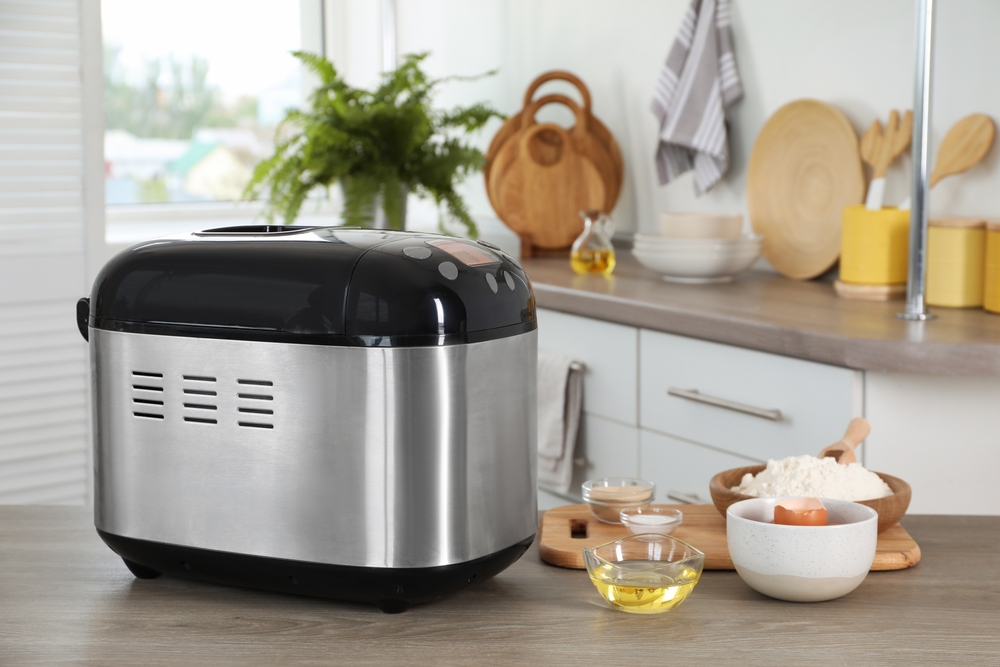
The bread maker fantasy is easy to understand. Fresh bread every morning, homemade loaves for almost nothing, the smell of it baking while you sleep. The reality is that most people use a bread maker a few times, then find a permanent spot for it in the back of a cabinet or on Marketplace for $25.

The machines themselves run from around $80 to $200 for popular home models, and the savings on ingredients are modest. At current grocery prices, making a loaf at home costs roughly $1.87, compared to about $3 to $5 for a store-bought loaf depending on the brand. That margin sounds appealing until you factor in that a $100 machine needs to produce over 50 loaves before you break even, which requires genuine, sustained commitment to home baking. Most people don’t have that, and that’s fine.

If you actually bake bread regularly, a Dutch oven and a good no-knead recipe will produce a better loaf than most bread machines. The texture is superior, the crust is crunchier, and you already own the pot.

Centrifugal juicer

woman using a centrifugal juicer
Image Credit: Shutterstock

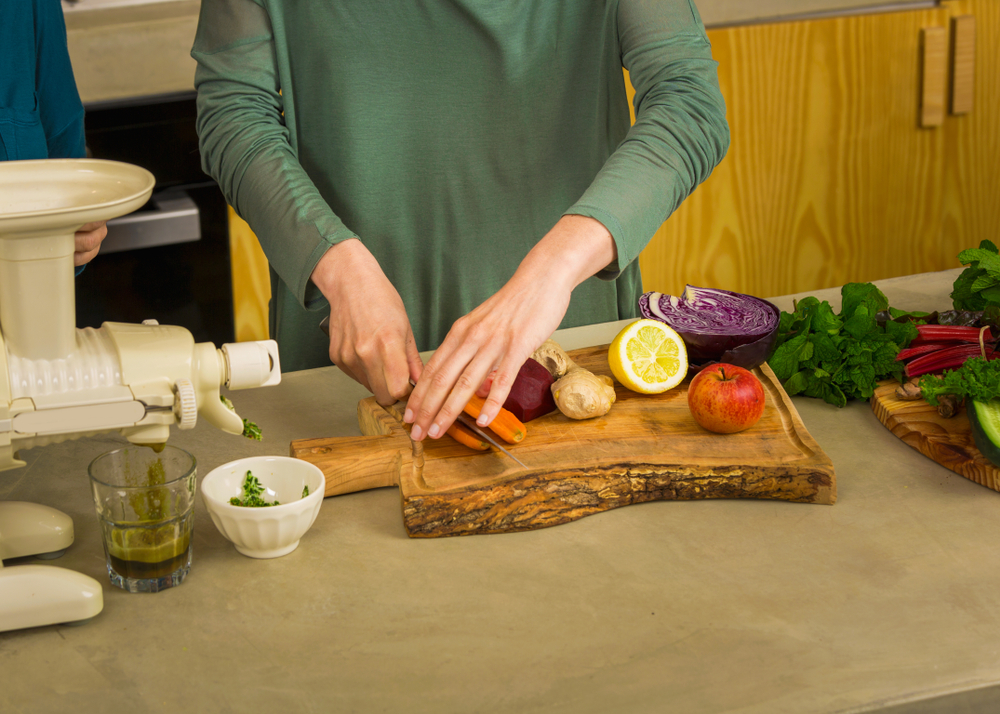
Juicers are a classic aspirational purchase. You buy one in January, make three glasses of carrot-ginger juice, and then never use it again because cleaning the thing takes 20 minutes and makes the whole process feel like a project. The machine itself runs from $60 to $150 for a centrifugal model, plus the cost of the produce, which disappears into pulp at a rate that will genuinely surprise you.

A centrifugal juicer spins fast and generates heat, which degrades some of the nutrients you’re paying all that produce money to extract. Cold-press masticating juicers do a better job, but they cost $300 to $700 and take even longer to clean. Neither type is a good buy for someone who juices occasionally.

For most households, a blender works better and wastes nothing. If you want straight fruit or vegetable juice without the fiber, buying a bottle of cold-pressed juice when the mood strikes is almost certainly cheaper than owning a machine you rarely use, once you add up the produce cost and the time.

Quesadilla maker

Quesadilla maker
Image Credit:
iha-08 via eBay

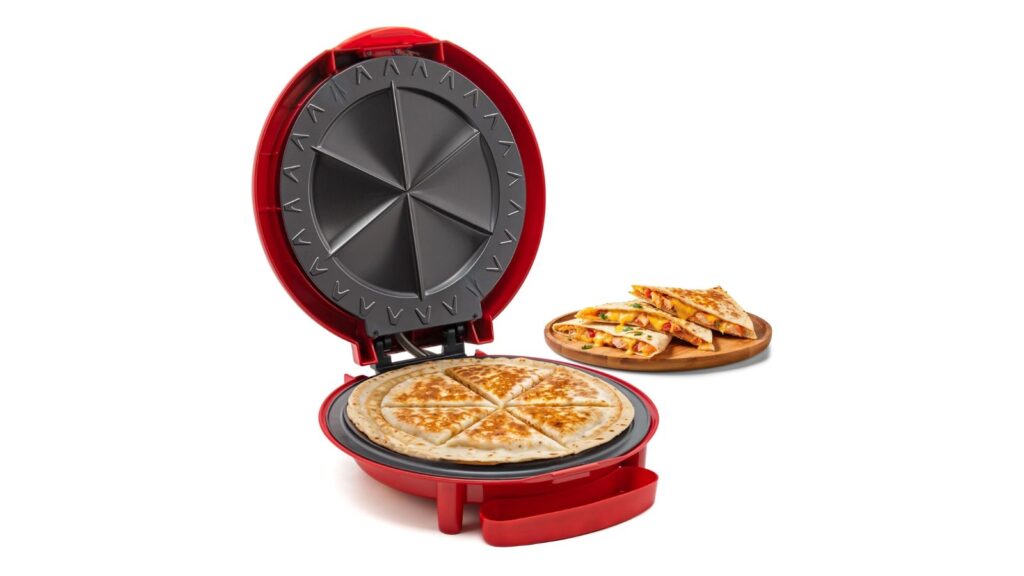
A quesadilla maker is a round, countertop appliance that costs between $25 and $60. It does exactly one thing: heats a tortilla with fillings inside it. You can do the same thing in a skillet in the same amount of time, with better browning control and no extra appliance to wash. The quesadilla maker doesn’t even have an advantage in speed or result quality.

These turn up constantly at thrift stores because there’s a very short window between “this seems useful” and “why do I own this.” The nonstick plates are hard to clean properly, they degrade with use, and the round shape forces you to use smaller tortillas than you’d actually want. A 10-inch skillet with a lid for the first 30 seconds does the job with less hassle.

If you find yourself making quesadillas three or four times a week, a panini press at least gives you flexibility for other sandwiches. But the single-purpose quesadilla maker is a solution to a problem that a pan already solved.

Single-use fruit and vegetable gadgets

avocado slicer
Image Credit: Shutterstock

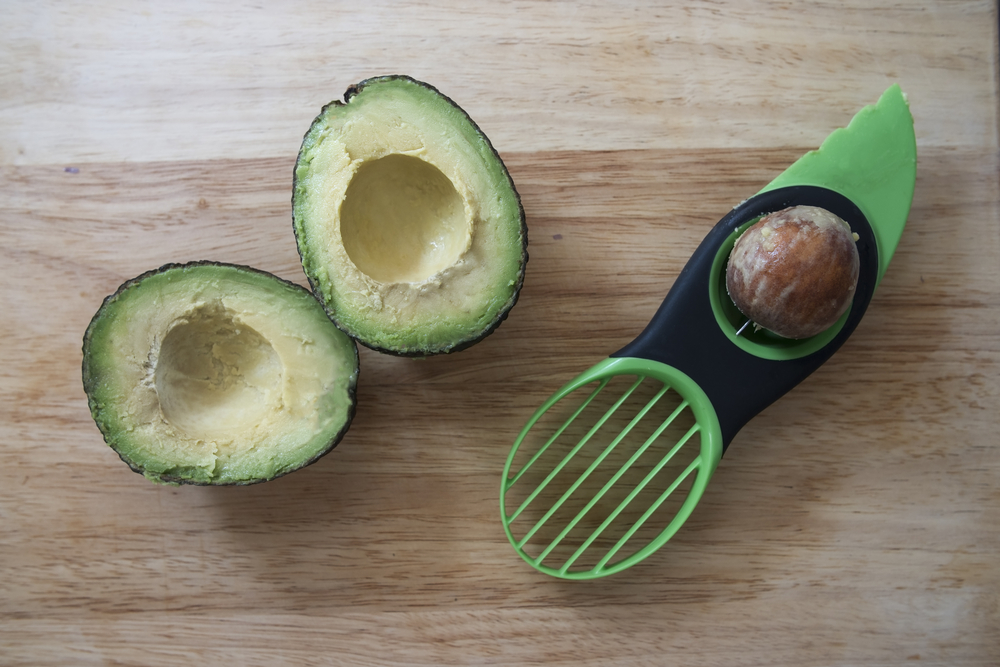
Avocado slicers, strawberry hullers, cherry pitters, pineapple corers, mango splitters, corn strippers. Every one of these costs between $7 and $20, takes up drawer space, and does something a knife does in roughly the same time once you know the technique. The avocado slicer is the canonical example: it splits the fruit, removes the pit, and slices the flesh, but a chef’s knife does all three things in about 15 seconds.

These gadgets accumulate because they’re cheap and seem clever in the store or while watching a kitchen reel online. The problem is that most people eat avocados or strawberries infrequently enough that they never build the muscle memory to make the gadget faster than their hands. Then it sits in the drawer, dull and vaguely sticky, until a drawer cleanout produces the question of why it was purchased at all.

The exception, if there is one, is the cherry pitter if you pit cherries in volume for baking. But for most households, none of these earn their real estate. A sharp paring knife and a few YouTube videos on basic knife skills will make every one of these redundant.

Electric can opener

electric can opener
Image Credit:
Productos De Ventas via eBay

An electric can opener costs $20 to $50. A manual can opener costs $8 to $15. Opening a can takes about 20 seconds either way. The electric version requires a power outlet, takes up counter or drawer space, and adds a motor and gears that will eventually break, at which point you’ll need a manual opener anyway.

The case for electric can openers is usually convenience or ease of use for people with limited hand strength or grip issues, and for that specific purpose, they make sense. For everyone else, the manual opener does the same job with zero electricity, easy storage in a drawer, and a lifespan measured in decades if you buy a decent one. A good manual can opener, like the OXO Good Grips, runs about $12 and will outlast several electric models.

The “smooth edge” style of manual opener, which cuts the side of the lid rather than the top, leaves no sharp edges and costs the same as a standard one. Either way, this is a $12 purchase, not a $40 one.

Oversized knife block sets

Knife block
Image Credit: HENCKELS via Amazon

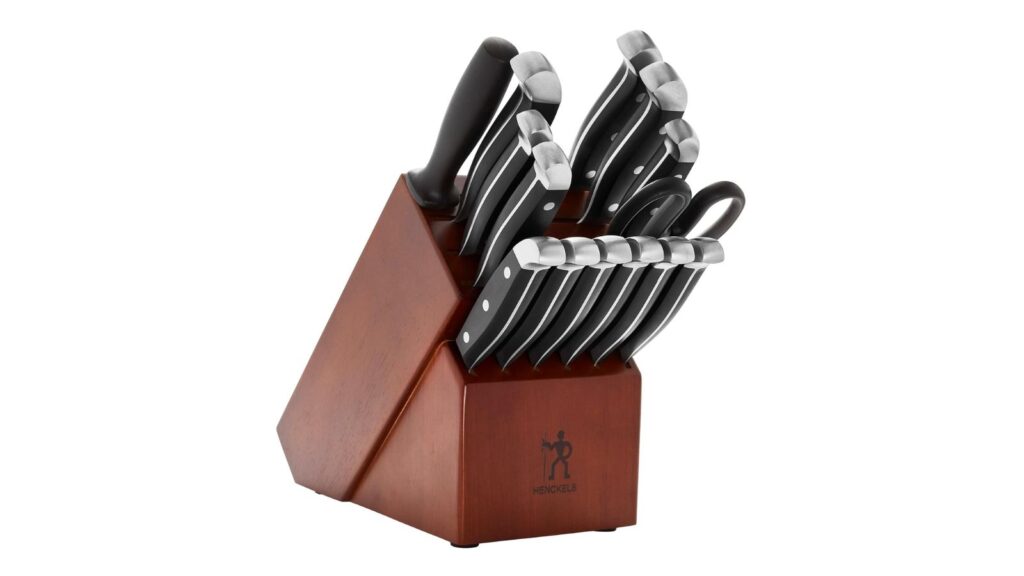
The 16-piece or 20-piece knife block set looks impressive and signals that someone is serious about cooking. In practice, most of those slots hold knives that will never be used: a boning knife for the household that doesn’t bone, a bread knife that rarely gets pulled, a carving fork, a sharpening steel that requires skill to use properly, and six steak knives that are inferior to the ones you’d buy separately.

The actual knives you need are three: a good chef’s knife (8 to 10 inches), a paring knife, and a serrated bread knife. Those three will cover almost everything a home cook does. A quality 8-inch chef’s knife from a reputable brand like Victorinox runs about $45 and will outperform many of the blades that come in a $200 block set, because the economics of a big set mean cost-cutting on the individual knives.

Block sets also encourage bad storage habits. The wooden slots dull knife edges over time as blades drag across the wood with each insertion and removal. A magnetic knife strip, which costs $20 to $40, stores knives edge-safe, keeps them accessible, and takes up zero drawer or counter space.

Pre-filled matching spice rack

rotating spice rack
Image Credit: Shutterstock

The countertop spice rack with 20 or 24 matching jars looks organized and intentional. The catch: you’re paying for the aesthetic, not the spices. Pre-filled spice racks sold as sets almost always contain spices in very small quantities, often in jars that are already months old by the time they reach the shelf. Spices lose their potency over time, and a jar of dried oregano that sat in a warehouse and then a store for six months is already fading before it reaches your kitchen.

The other problem is that the set dictates what spices you own rather than what you actually cook with. Most of those 20 jars will sit untouched while you run out of cumin and garlic powder constantly. Buying spices individually, in larger quantities from a bulk store or a quality spice retailer, costs less per ounce and produces far fresher results.

If you want uniform storage, buy matching empty jars and fill them yourself. You’ll pay $15 for a set of jars instead of $40 to $80 for a pre-filled rack, and you’ll know how old your paprika is.

Waffle maker

waffle maker
Image Credit: ALDI

Waffle makers have the same problem as most single-use appliances: the ratio of cabinet space to actual use is terrible. The machine costs $30 to $150 depending on the model, and most households use it on occasional Sunday mornings until the novelty wears off, then it migrates to a high shelf or a box.

The cleaning is what kills the habit for most people. Batter drips into the hinge, the plates don’t detach on budget models, and getting the machine fully clean requires more effort than it feels worth on a weekend morning. There’s also the issue that it only makes waffles. A good griddle or even a skillet can handle pancakes and French toast and eggs, which are all faster and don’t require a specialized appliance.

If waffles are a genuine weekly ritual in your household, the machine earns its place. But be honest about how often you’ll actually use it before spending $70 on a Belgian waffle maker that takes 10 minutes to heat up.

Electric pasta maker

Philips Pasta Maker
Image Credit: azul_verde via eBay

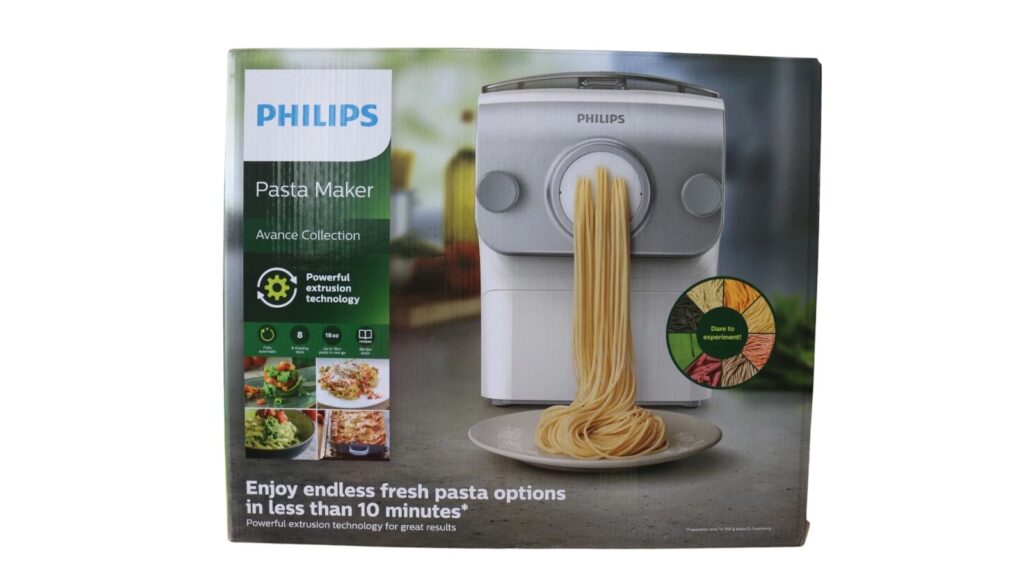
An electric pasta maker, like the Philips Avance model, runs about $300. It automates the kneading and extruding process, which sounds great until you realize that making fresh pasta from scratch still requires planning, ingredient prep, and cleanup of a machine with multiple small parts. The result is genuinely delicious, but the time commitment doesn’t disappear just because a machine handles the kneading.

Most people who buy an electric pasta maker use it enthusiastically for a few weeks, then drift back to dried pasta because it’s faster and works fine in 90% of recipes. Dried pasta from a good Italian brand costs a fraction of what fresh pasta costs in time and ingredients, and in sauces with strong flavors, the difference is minimal.

If fresh pasta is something you want to make regularly, a hand-crank pasta machine costs about $50 to $80 and does the rolling and cutting just as well with a little practice. It takes up less space, cleans easily, and costs a third of the electric version. The KitchenAid pasta attachment, at around $170, is a reasonable middle option if you already own the stand mixer and would genuinely use it weekly.

Ice cream maker

Ice Cream Maker
Image Credit: Shutterstock

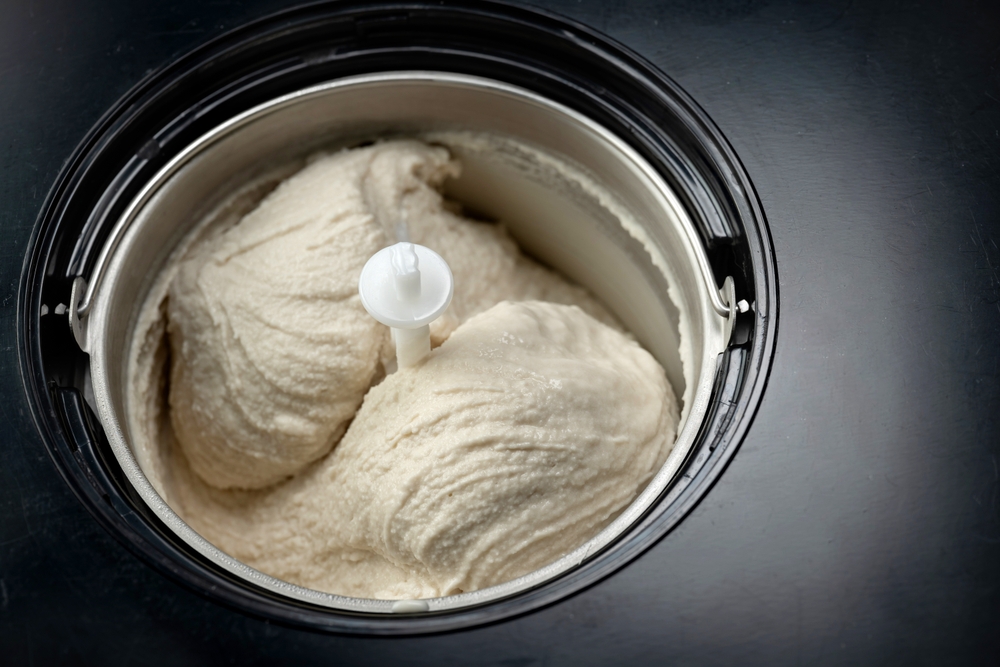
Ice cream makers fall into two categories: the bowl-freeze type that costs $30 to $80, and the compressor type that costs $200 to $400. Both make decent ice cream at home. Both also require planning, chilling, and the purchase of cream, milk, eggs, and flavorings in quantities that make a single batch cost $8 to $12 before you consider the machine.

The bowl-freeze models require you to freeze the bowl for at least 12 to 24 hours before you can use them, which means impulse ice cream making is impossible. If you forget to freeze the bowl, you’re back to buying a pint at the store. The compressor models fix that problem but cost as much as a small appliance and take up significant counter or cabinet space.

For most households, good-quality ice cream from the grocery store is $5 to $8 a pint. Making it at home can produce better results, but the machine cost, ingredient cost, and time rarely pencil out for the occasional user. This is one that home bakers and dessert enthusiasts with a regular schedule can justify. Everyone else should buy the pint.

Electric wine opener

Electric wine opener
Image Credit: Shutterstock

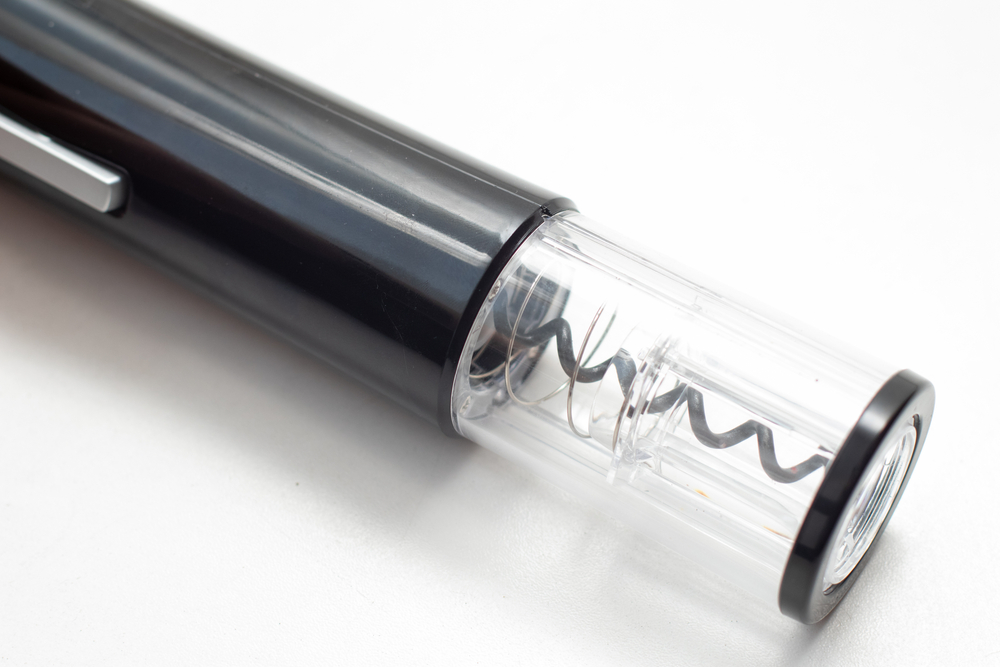
An electric wine opener costs $20 to $60 and removes a cork in about six seconds. A waiter’s corkscrew costs $10 and removes the same cork in about eight seconds. The electric version requires a charge, will eventually stop holding a charge, and adds one more small appliance to the drawer. It also doesn’t work on natural corks that are crumbling or synthetic corks that require a little torque to seat properly.

The waiter’s corkscrew, also called a wine key, is the version used by every bartender and restaurant server in the country because it is fast, reliable, and fits in a pocket. It cuts the foil and removes the cork in two motions and has essentially no moving parts to break. Learning to use one properly takes about five minutes.

The electric opener exists because it feels like an upgrade. It’s not. Same wine, same result, more to lose, more to charge, more to throw away when it dies in two years.

Egg cooker

egg cooker
Image Credit: Walmart

The egg cooker, which is a small plastic appliance designed to hard boil, soft boil, or poach eggs using steam, sells for $20 to $40. It does work. It also does exactly what a pot of water does, in roughly the same time, but requires counter space, a cord, and periodic descaling because the heating element accumulates mineral deposits.

Hard boiling an egg in a pot requires: filling the pot, setting the burner to medium-high, setting a timer. That’s it. Poached eggs in a saucepan take a little practice with the swirling technique, but most people get it on the second or third try. Neither process requires a specialized appliance that can only cook eggs.

The people who use egg cookers consistently tend to be making large batches of meal-prep eggs, and for that specific case there’s a real argument for the convenience. For most households making two to four eggs at a time, a small saucepan and a timer work just as well and don’t need to be stored anywhere special.

Mandoline slicer

Mandoline slicer in kitchen
Image Credit: Shutterstock

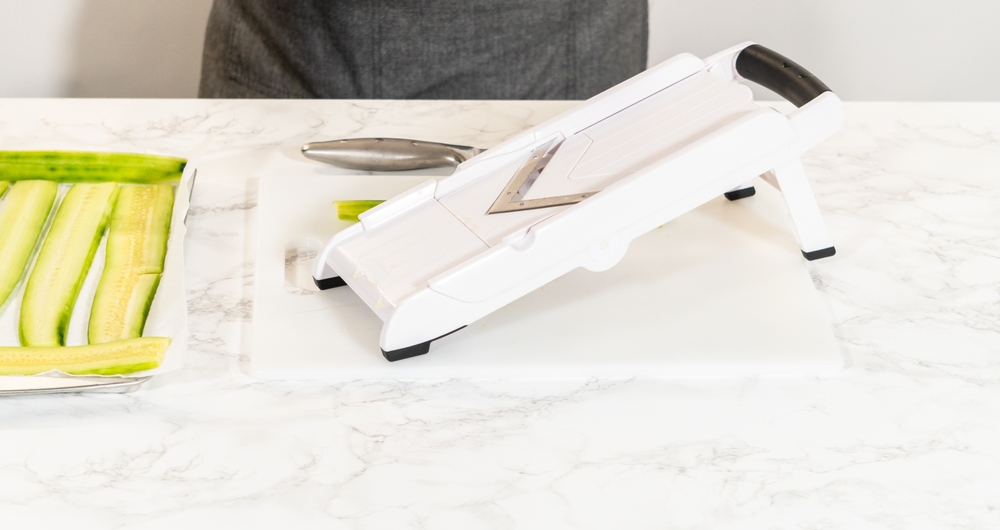
The mandoline creates dangerously thin, uniform slices at high speed. It is also one of the most injury-prone pieces of kitchen equipment in home use, because the blade is fixed and extremely sharp, the hand guard is awkward, and most people stop using the guard after the third time it slows them down. The result is a tool that cuts vegetables beautifully and fingers easily.

Mandolines run from $25 for a cheap plastic version up to $150 for a quality stainless steel model. The cheap ones flex under pressure, which makes them unpredictable. The good ones work well but still require full attention and cut-resistant gloves every single time. Even professional cooks treat mandolines with genuine respect.

For most home cooks, a sharp chef’s knife and a little patience produces slices that are good enough for the things they’re actually making. Gratins, potato dishes, and thin salads don’t require mandoline-level precision. If you’re making dishes that actually require paper-thin, consistent slices at volume, the mandoline earns its place. For the occasional thin slice, it doesn’t.

Spiralizer

Spiralizer
Image Credit: oneillyde_50 via eBay

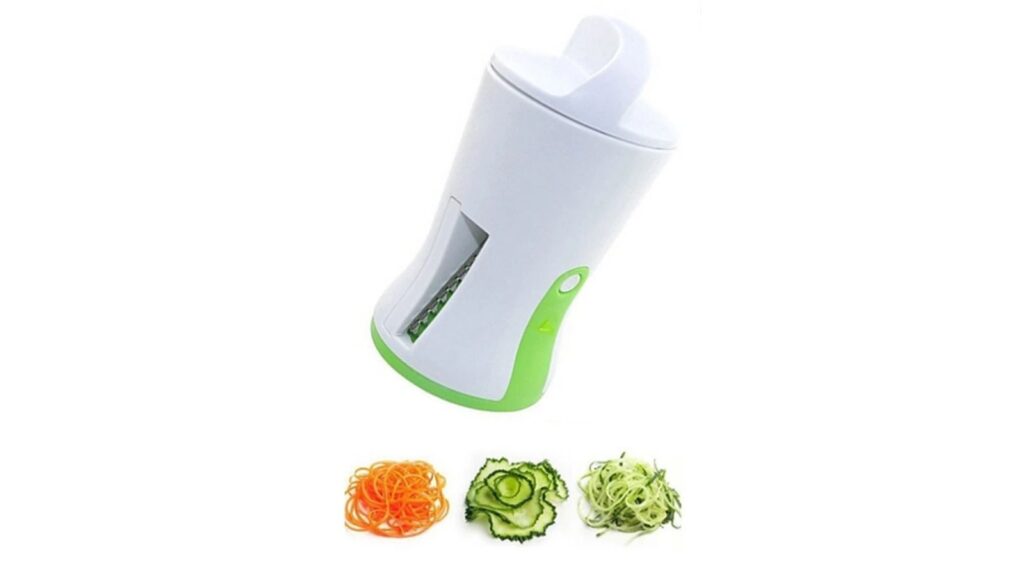
The spiralizer had a big cultural moment when zucchini noodles became a low-carb trend. That moment peaked, and most spiralizers now sit in the back of cabinets next to the quesadilla maker. The standalone countertop spiralizer costs $30 to $60, takes up real space, and creates zucchini or cucumber or carrot spirals that, if we’re being direct, aren’t a genuine substitute for pasta to anyone who’s eaten actual pasta.

The spiralizer also requires vegetables of a specific size and firmness, creates a significant amount of vegetable waste from the ends and cores, and produces a cleanup task out of proportion to what it actually makes. A julienne peeler, which costs about $8, does a similar job for most applications. A box grater does another version of it.

If spiralized vegetables are genuinely part of your regular cooking, the KitchenAid spiralizer attachment is a reasonable option if you already own the stand mixer. The standalone spiralizer is harder to justify. The phase passes, and then you have a large plastic contraption that doesn’t fit anywhere neatly.

Soda maker

soda stream
Image Credit: joviname via eBay

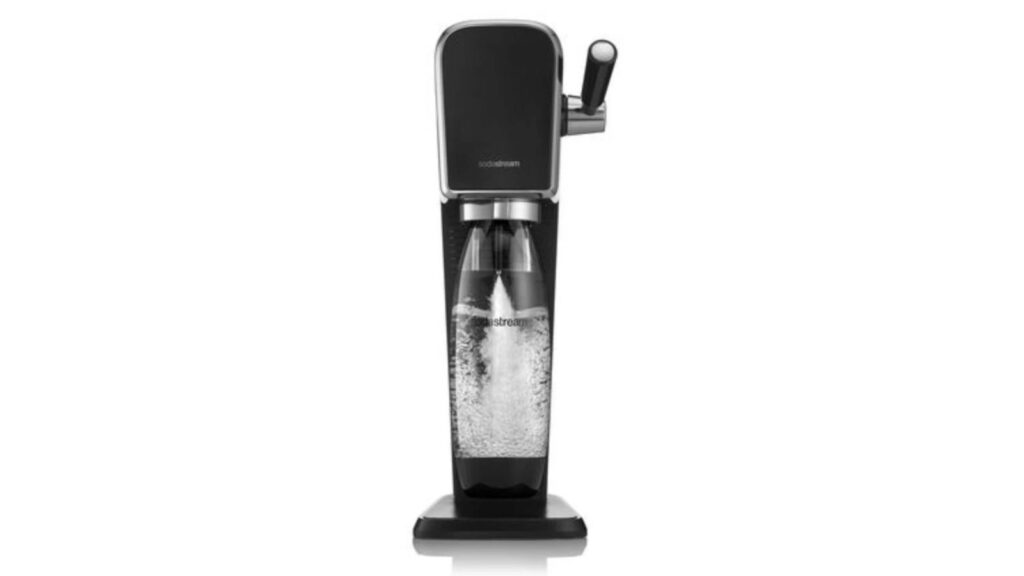
A SodaStream or similar soda maker costs $80 to $200 for the machine, plus ongoing CO2 cylinder costs of around $15 to $25 per refill, with each cylinder carbonating roughly 60 liters. The savings over store-bought soda are real but modest: roughly $0.22 per liter compared to generic store-brand soda. At that margin, a $100 machine needs to produce hundreds of liters before it pays for itself, which works out to well over a year of heavy use even for a dedicated fizzy water household.

The machine makes sense if you drink a lot of sparkling water and care about reducing plastic waste, and if you’ll actually stick with the CO2 refill routine. The inconvenience is real: you need to track when the cylinder is running low, return it for an exchange, and remember to carbonate ahead of time. That’s not much friction, but it’s enough that many people drift back to buying cans and bottles within a few months.

For pure sparkling water, store-brand canned seltzer at Costco or Aldi runs about $0.10 to $0.15 per can, which is hard to beat even with a SodaStream once you factor in the machine cost and refill trips. The environmental case is stronger than the financial one, and that’s a personal calculation each household has to make.

Cheap nonstick cookware sets

nonstick cookware sets
Image Credit: Shutterstock

The 12-piece nonstick cookware set for $60 at a big box store is appealing because it seems like a complete kitchen solution at a low price. The problem is that cheap nonstick coatings, particularly the ceramic-coated variety marketed as “safe” and “green,” degrade faster than traditional PTFE coatings and are often chipping and staining within 12 to 18 months of regular use. At that point, you’ve bought a set of pans twice in three years instead of once in ten.

Cheap nonstick pans also tend to warp under high heat because the aluminum base is too thin to stay flat. A warped pan sits unevenly on the burner, cooks unevenly, and will frustrate you every time you use it. The nonstick coating is usually already compromised by the time the warping starts.

A better approach is to buy fewer, better pans: one 10-inch or 12-inch nonstick skillet for eggs (a Tramontina or Cuisinart commercial-grade pan runs $30 to $50 and will last years with normal care), plus a stainless or cast iron pan for everything that needs higher heat. That’s $80 to $100 for two pans that will genuinely serve you rather than $60 for a set you’ll replace in a year.

Salad spinner

salad spinner
Image Credit: Shutterstock

The salad spinner dries washed greens by spinning them in a basket. It works. It also costs $20 to $50, takes up a surprising amount of cabinet space for what it does, and the spinning mechanism breaks on cheaper models within a year or two. The bowl is usually too small for a family-sized salad, and the whole contraption needs to be disassembled and dried before you store it or it smells.

A clean kitchen towel does the same job. Wash the greens, roll them loosely in the towel, and give it a few gentle shakes. The greens come out drier than most salad spinners achieve, because the towel absorbs rather than just flinging the water. This is actually the method used in many restaurant prep kitchens for individual greens.

The salad spinner is one of those items that feels more essential than it is. People who meal prep large batches of salad greens get genuine use from it. For most households making a salad a few times a week, the towel method takes the same amount of time and involves one less thing to wash and store.

Specialty single-use baking pans

madeleine tin
Image Credit: Shutterstock

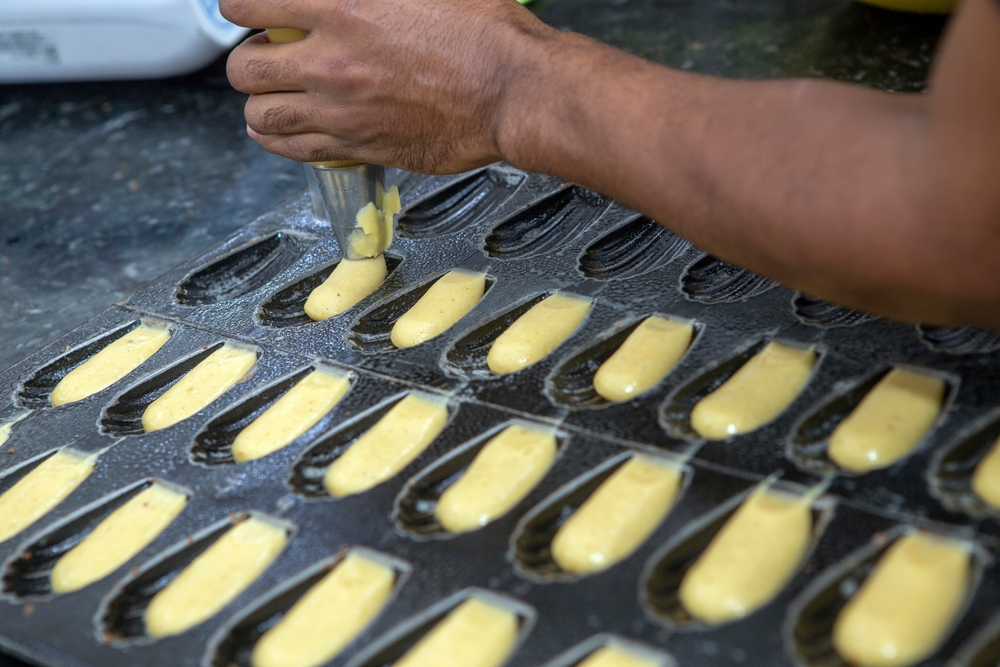
Donut pans, cake pop molds, whoopie pie pans, madeleine tins, mini bundt pans, the market for baking pans that make one specific shape is enormous and largely unjustified. These cost $10 to $30 each, and most of them get used once for the novelty and then pushed to the back of the cabinet until a kitchen cleanout produces the slow realization that you’ve been storing a cake pop mold for four years.

The pull of these pans is usually tied to a specific moment: you saw a recipe, there was a birthday, someone posted something on social media. The pan gets bought, the item gets made, and then the recipe never gets made again because the moment passed. Standard baking pans, a good muffin tin, and a loaf pan cover 95% of home baking. Anything truly specialized can be rented from some kitchen supply stores or borrowed for a one-time occasion.

The exception is the pans you actually reach for regularly. If you make madeleines twice a month, the madeleine tin is clearly justified. But be honest about which specialty pans you’ve used more than twice. Those are the ones worth keeping. The rest are decorative clutter with a cooking-adjacent alibi.

A second career after 50 has to do more than sound interesting. It has to pay enough, use the judgment you have built over decades, and give you a real shot at staying employed.

Plenty of older workers do not want to start over at the bottom. You may be done with 60-hour weeks, office politics, or jobs that feel shaky every time the economy turns. The better move is often a role where maturity, calm, and people skills count.

These jobs generally pay between $60,000 and $80,000 a year, have steady or growing demand, and are harder to automate because they involve trust, safety, care, judgment, or real-world problem solving.

1. Hearing aid specialist

hearing aid specialist
Image Credit: Shutterstock

Hearing aid specialists test hearing, fit hearing aids, explain options, and help people adjust to devices that can change daily life. This is a strong second career for someone over 50 because it rewards patience, clear speech, and comfort working with older adults. You are not just selling equipment. You are helping people hear grandkids, follow doctors’ instructions, and stay connected.

Median pay is about $61,560 a year, and demand is expected to grow much faster than average. Most states require licensing, and many people enter through a mix of classes, supervised training, and exams. Jobs are found in audiology offices, hearing aid centers, medical practices, and retail hearing clinics.

2. Patient financial advocate

Patient financial advocate
Image Credit: Shutterstock

Patient financial advocates help people understand medical bills, payment plans, insurance coverage, charity care, and prior authorization issues. This work fits people who can stay calm when someone is scared, angry, or confused about a bill. It is also a good lane if you have past experience in healthcare, customer service, benefits, banking, or office administration.

Average pay is around $64,311 a year, with higher pay possible in large health systems. Hospitals, cancer centers, specialty clinics, and billing offices hire for these roles. You usually need strong computer skills, insurance knowledge, and a good grasp of medical billing basics. The work stays relevant because healthcare costs, coverage rules, and patient needs are not getting simpler.

3. Occupational therapy assistant

older Occupational therapy assistant helping gentleman
Image Credit: Shutterstock

Occupational therapy assistants help patients rebuild daily skills after injuries, strokes, surgeries, or illness. You might guide someone through hand exercises, practice safe shower transfers, or help a child with sensory and motor skills. It is hands-on work, but it also requires encouragement and good judgment, which can make it a natural fit for people with life experience.

Median pay is about $68,340 a year, and overall employment for these roles is projected to grow much faster than average. You usually need an accredited associate degree and licensing or certification, depending on the job. Assistants work in rehab centers, schools, nursing facilities, hospitals, home health, and outpatient clinics.

4. Physical therapist assistant

Physical therapist assistant
Image Credit: Shutterstock

Physical therapist assistants help patients recover strength, balance, and movement after surgery, injury, illness, or a fall. You work under a physical therapist, but you still spend a lot of one-on-one time with patients. That means the job calls for patience, safe body mechanics, and the ability to read when someone is pushing too hard or not enough.

Median pay is about $65,510 a year, with especially strong demand tied to an aging population. Most people need an accredited associate degree and a license or certification. Jobs are found in hospitals, rehab clinics, home health, nursing facilities, sports medicine practices, and outpatient therapy offices.

5. Clinical research coordinator

Clinical research coordinator
Image Credit: Shutterstock

Clinical research coordinators help run medical studies. They screen participants, schedule visits, track consent forms, keep study records clean, and make sure the research team follows the rules. This can be a smart second career for former nurses, medical assistants, lab workers, teachers, project coordinators, or detail-oriented office pros who want work with a mission.

Average pay is about $63,641 a year. Employers include hospitals, universities, cancer centers, contract research organizations, drug companies, and device companies. A bachelor’s degree helps, but some people enter through healthcare experience plus clinical research training or certification. The work depends on ethics, accuracy, and trust with real people, not just data entry.

6. Regulatory affairs specialist

Regulatory affairs specialist
Image Credit: Shutterstock

Regulatory affairs specialists help companies follow rules for products like medical devices, drugs, food, cosmetics, chemicals, and consumer goods. You may review labels, prepare documents, track rule changes, and help teams avoid mistakes that could delay a product or trigger penalties. This role can suit people who like reading carefully, organizing details, and asking good questions.

Average pay for an entry regulatory affairs specialist is about $71,242 a year. You will find these jobs in healthcare, manufacturing, food production, biotech, quality departments, and consulting firms. A science, healthcare, legal, or operations background can help, but certificates in regulatory affairs can also make the pivot more realistic.

7. Energy auditor

Energy auditor
Image Credit: Shutterstock

Energy auditors inspect homes, apartments, schools, and commercial buildings to find where energy is being wasted. They look at insulation, air leaks, heating and cooling systems, windows, lighting, and utility bills. This is not desk-only work, and it can appeal to people who like practical problem solving, buildings, tools, and talking through options with owners or managers.

Average pay is about $72,092 a year. Utilities, energy-efficiency contractors, weatherization programs, engineering firms, and building owners hire for this work. Many people start with building science classes, BPI-style credentials, or related experience in HVAC, construction, facilities, or home inspection. Energy costs, rebates, and stricter building standards help keep this field active.

8. Insurance loss control specialist

Insurance loss control specialist
Image Credit: Vlad Deep via Unsplash

Insurance loss control specialists inspect workplaces, buildings, fleets, and job sites to spot risks before claims happen. You may check fire protection, slip hazards, driver safety, machine guarding, roofs, storage practices, or employee training records. This can be a strong second career for people with backgrounds in safety, construction, trucking, facilities, maintenance, security, or insurance.

Average pay is around $67,605 a year. Insurance carriers, brokers, third-party inspection firms, and risk management teams use these specialists. You need sharp observation skills, clear reports, and the confidence to explain problems without talking down to people. The job holds up because many risks have to be seen in person.

9. Court reporter or realtime captioner

Court reporter
Image Credit: Shutterstock

Court reporters and realtime captioners create accurate records of legal proceedings, depositions, hearings, and live events. Some use stenotype machines, while others use voice writing or captioning technology. The work takes serious training and speed, but it can be a good fit if you are focused, calm under pressure, and comfortable with legal language.

Median pay is about $67,310 a year, and the field has steady replacement demand because not enough people finish the training and pass the speed requirements. Courts, captioning companies, law firms, deposition agencies, and government offices hire for these roles. Accuracy matters, especially when people are talking over one another or the record may be used later.

10. Mediator

Mediator sorting out a dispute
Image Credit: Shutterstock

Mediators help people work through disputes without going straight to a courtroom. They may handle workplace conflicts, family issues, landlord-tenant problems, business disputes, community matters, or small claims cases. The job is well-suited to people over 50 because it rewards listening, emotional control, fairness, and the ability to spot what people really need.

Median pay is about $67,710 a year. Courts, nonprofits, government agencies, schools, labor groups, and private mediation practices use this work. Requirements vary, but many mediators complete formal training, supervised practice, and subject-specific certificates. The demand is steady because conflict is human, and many organizations would rather resolve problems early than pay for drawn-out fights.

11. Community association manager

Community association manager
Image Credit: Shutterstock

Community association managers run the day-to-day business of condo, co-op, and homeowners associations. They coordinate vendors, budgets, board meetings, repairs, rule enforcement, insurance renewals, and resident complaints. It is not always easy work, but it can fit someone who has managed people, buildings, vendors, or complicated family logistics for years.

Median pay is about $66,700 a year, with steady projected growth and many yearly openings. Management companies, apartment owners, senior communities, condos, and large residential developments hire for these jobs. Certifications in community association management can help you stand out. The role depends on local knowledge, judgment, and the ability to handle tense conversations.

12. Funeral home manager

funeral home manager
Image credit: The Good Funeral Guide via Unsplash

Funeral home managers oversee staff, schedules, services, paperwork, family meetings, transportation, vendors, and day-to-day operations. This job is not for everyone, but it can suit people who are steady, respectful, organized, and able to help families during painful moments without making the situation about themselves.

Median pay is about $76,830 a year. Funeral homes and death care companies hire managers with a mix of operations skill, customer care, and industry knowledge. Some roles require funeral service licensing or experience as a funeral director. Demand is stable because families still need trusted people to handle sensitive details in person.

13. Medical equipment repairer

Medical equipment repairer
Image Credit: Shutterstock

Medical equipment repairers maintain and fix hospital beds, monitors, imaging equipment, infusion pumps, wheelchairs, and other devices used in patient care. The work blends electronics, mechanics, safety checks, and customer service. It can be a good second career for veterans, former mechanics, electronics techs, appliance repair workers, or people who like troubleshooting real equipment.

Median pay is about $62,630 a year, and employment is projected to grow much faster than average. Hospitals, equipment companies, clinics, labs, and service contractors hire for this role. Many workers enter with an associate degree, military training, biomedical equipment programs, or strong repair experience. Patient care depends on safe machines, so this work stays important.

14. Fire safety inspector

Fire safety inspector
Image Credit: Shutterstock

Fire safety inspectors check buildings for hazards, code problems, alarm systems, sprinklers, exits, storage issues, and emergency plans. Many also explain corrections to owners, managers, contractors, and public agencies. This can be a strong second career for former firefighters, construction workers, facilities managers, safety staff, inspectors, or people with code experience.

Median pay is about $78,060 a year, and employment is projected to grow faster than average. Local agencies, insurance companies, fire protection firms, hospitals, schools, and large building owners use this kind of expertise. Training often includes fire codes, inspection procedures, report writing, and certifications. The work requires judgment, site visits, and public trust.

15. Training and development specialist

Training and development specialist
Image Credit: Shutterstock

Training and development specialists teach employees how to do their jobs better, follow rules, use systems, serve customers, or stay safe. This is a good second career if you have deep experience in healthcare, retail, manufacturing, banking, call centers, trades, hospitality, or office operations and can explain things clearly without talking down to people.

Median pay is about $65,850 a year, and employment is projected to grow much faster than average. Employers need ongoing training for compliance, safety, software, leadership, and onboarding. A degree can help, but many people move in through subject matter expertise, presentation skills, and certificates in workplace training or instructional design.

16. Employee relations specialist

Employee relations specialist
Image Credit: Shutterstock

Employee relations specialists help handle workplace conflicts, policy questions, performance issues, complaints, accommodations, investigations, and manager coaching. This role calls for discretion, calm, and the ability to listen to more than one side of a story. People over 50 who have supervised teams or handled workplace problems may already have the instincts this job needs.

Average pay for an entry employee relations specialist is about $64,310 a year. Larger companies, hospitals, universities, government contractors, and shared HR service centers hire for this work. A human resources background helps, but certificates and experience with policies, documentation, and conflict handling can open doors. The job is hard to fully automate because people problems rarely come in neat boxes.

17. Social and community service program manager

Social and community service program manager
Image Credit: Getty Images via Unsplash

Social and community service program managers run programs that help older adults, veterans, families, people with disabilities, or people dealing with housing, food, mental health, or recovery needs. You may supervise staff, manage grants, track outcomes, meet with partners, and make sure services are actually reaching people.

Median pay is about $78,240 a year, and employment is projected to grow faster than average. Nonprofits, healthcare systems, local agencies, foundations, and community organizations hire for these roles. Experience in social services, healthcare, education, faith-based work, management, or operations can translate well. The work needs human judgment because real people’s lives do not fit neatly into forms.

18. Dietitian or nutritionist

dietitian
Image Credit: Shutterstock

Dietitians and nutritionists help people manage food choices for health, medical conditions, recovery, aging, pregnancy, sports, or long-term care. They may build meal plans, counsel patients, review food service programs, or work with doctors and nurses. This can be a meaningful second career for someone with a strong interest in health, food, education, or patient care.

Median pay is about $73,850 a year, and employment is projected to grow faster than average. Jobs are found in hospitals, clinics, nursing facilities, schools, public health programs, food companies, and private practice. Most roles require a degree, supervised training, and a credential. Demand is supported by aging, chronic illness, and the need for personal guidance people can actually follow.

Discover job hunting tips, ways to earn more, and flexible working options:

Practising job interview
Image Credit: Shutterstock

21 high-paying careers that desperately need workers, but nobody wants to do them: The pay is generous, but these jobs are searching for workers.

No background check jobs: 12 background friendly jobs: If you’re struggling to find a job due to past issues, here are jobs you can get without background checks.

15 remote jobs you probably didn’t know pay $150,000+ In 2026: High income and flexible work hours from home is not a myth — here are some remote-friendly careers.

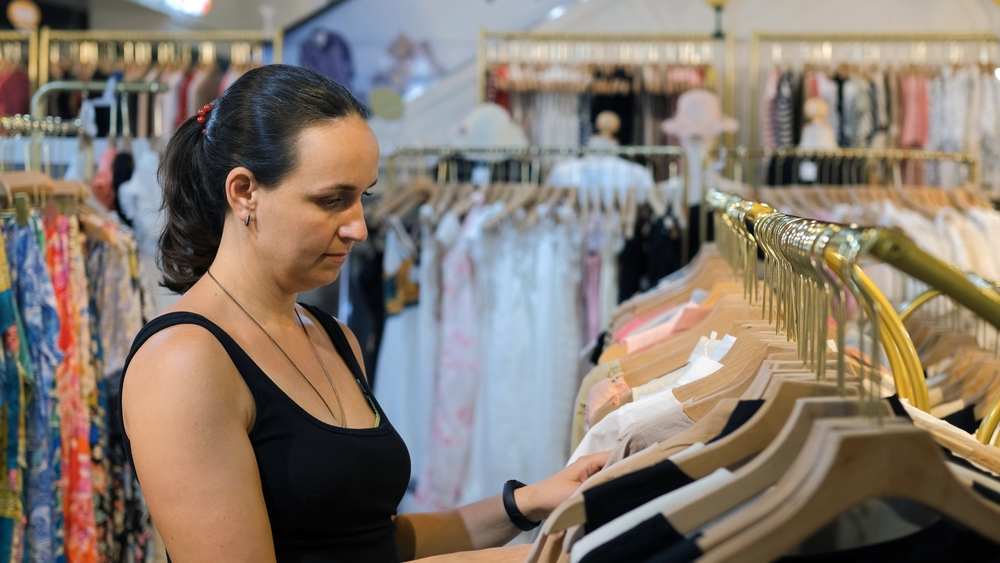
The rack of women’s blazers looked unremarkable, same as always. But the woman next to me reached past all of them, flipped a collar up to check the label, and kept moving. Twenty minutes later I saw her at the register with a cashmere coat and a cast iron skillet. She’d been in the store maybe half an hour. I’d been there for 90 minutes and had a single candle holder to show for it.

The difference wasn’t luck. It was method. Experienced thrifters work with a set of habits they’ve built up over time, and most of them aren’t complicated. They just require knowing what to look for and where to look for it.

Here are 15 of those habits, in no particular order.

Go on a weekday morning, not the weekend

furniture in thrift store
Image Credit: Shutterstock

Most people go thrifting on Saturdays and Sundays when they have free time. That’s also when the competition is thickest and the shelves have been picked over. The better move is to go on a Tuesday or Wednesday morning, before other shoppers get there. Thrift stores tend to receive the bulk of their donations over the weekend, and staff typically spend Monday sorting, tagging, and processing. By Tuesday morning, fresh inventory starts appearing on the floor.

Goodwill locations typically do their heaviest restocking from Monday through Wednesday, with Tuesday being especially consistent for new arrivals. Salvation Army follows a similar pattern. The practical upside is that you’re seeing items before anyone else has touched them, which matters most if you’re looking for clothing, housewares, or anything collectible. Mid-morning is better than first thing, since it gives staff time to actually get items onto the floor before you arrive.

The other advantage of weekday thrifting is pure space. Fewer shoppers means you can actually move through the aisles at your own pace, pull things off the rack without body-checking someone, and spend time with items you’re genuinely considering.

Learn how your specific store’s color tag system works

looking at items in thrift store
Image Credit: Shutterstock

Most thrift chains use a rotating color tag system to track how long items have been on the floor. When new items come in, they get tagged with the current week or month’s color. As time passes and the color rotates, older tags go on sale. At many Goodwill locations, one color is designated the daily sale color and carries a 50% discount. At others, tags cycle through a sequence of discounts over several weeks before the item gets pulled.

The practical implication is significant. If you find something priced at $12 and the tag color is one rotation away from going on sale, you could wait a week and pay $6. The system varies by location, so it’s worth asking a staff member how the rotation works at your specific store. Some post the sale color at the entrance each day. Some have a weekly schedule they’ll share if you ask. Five minutes of conversation can save you real money over dozens of visits.

Once you understand the schedule, you can also use it offensively. If you know Saturday is the day a particular color drops to 75% off, you can scout items earlier in the week, remember where they are, and check back before the final markdown happens. Regulars do this routinely.

Shop in January

looking in thrift store
Image Credit: Shutterstock

Post-holiday January is one of the best months of the year to be inside a thrift store. People clean out closets after Christmas, donate gifts they didn’t want, and follow through on New Year’s resolutions to get organized. The result is a flood of donations, including clothes that still have their original retail tags attached. January foot traffic at thrift stores is also lighter than spring or fall, since general retail shopping is typically slow that month.

The surge is consistent enough that stores plan for it. Goodwill locations around the country reliably see a meaningful jump in donation volume in the first two weeks of January compared to other months. Not just clothing, either. Kitchen items, home goods, exercise equipment, books, and electronics all arrive in volume as people clear out what they received and don’t need alongside what they’ve been meaning to get rid of for months.

Spring is the other strong window. Once warmer weather hits, people clean out garages and storage spaces, and larger items show up more frequently. But for clothing, January has the edge because of how much of it arrives barely worn or unworn entirely.

Check eBay sold listings, not listed prices

ebay logo
Image Credit: Lippincott Studio/Adrian Frutiger (typeface)., Public domain, via Wikimedia Commons

When you want to know what something is worth, pulling up eBay and looking at current listings is the wrong move. What sellers list items for and what buyers actually pay are often very different numbers. A quick search might show a vintage pitcher listed at $95. That doesn’t mean anyone has paid $95 for it recently. The number that matters is the sold price, and eBay makes it accessible.

On the eBay app, search for the item, tap Filter, then scroll down to find “Sold Items” and toggle it on. You’ll see only completed sales with the prices buyers actually paid in the last 90 days. On desktop, you can check “Sold listings” in the left-side filter panel after running a search. Either way, the result is real market data rather than aspirational pricing. Google Lens can help if you don’t know what you’re holding. Point your phone camera at the item, let it identify the pattern or model, then comp it on eBay sold listings.

The difference between listed and sold prices can be dramatic, especially for vintage ceramics, cookware, electronics, and clothing. An item priced at $8 in a thrift store that’s selling for $40 on eBay is a genuinely good find. The same item selling for $9 is not. You need the sold data to know which situation you’re in.

Read clothing labels for fabric content before you look at anything else

looking through clothing at a thrift store
Image Credit: Shutterstock

Most thrift shoppers look at style, size, and price first. Experienced ones flip to the fabric content label before they look at anything else. Wool, silk, cashmere, and linen are frequently underpriced because the person tagging the item didn’t know what they were looking at. A pure wool blazer will often sit on the rack at the same price as a polyester one next to it.

Natural fibers hold their shape better, last longer, age better, and are harder to find at any price point in fast fashion. They’re also harder for thrift store staff to spot unless the brand name is obvious. A plain-looking merino wool cardigan from a smaller label might look nearly identical to an acrylic one until you check the tag. The same logic applies to silk blouses, cashmere sweaters, and linen shirts. Run your fingers along the fabric, too. Natural fibers have a different weight and drape. You’ll start to recognize the difference quickly.

Vintage and older clothing is especially likely to be made of higher-quality materials, since fabric content standards were different before synthetic blends dominated fast fashion. A 1970s blazer in pure wool is not unusual. Pay attention to where it was made as well. Garments made in the U.S., U.K., Italy, or France before the 1990s often indicate better construction and materials than their price suggests.

Pay special attention to the housewares section

looking at home ware in thrift store
Image Credit: Shutterstock

Clothing gets the most attention from casual thrifters. The housewares section is where gaps in the staff’s knowledge are most exploitable. Thrift store employees see hundreds of items per day and can’t be expected to identify every piece of cookware, pottery, or kitchenware that comes through. That gap works in your favor.

Cast iron skillets are consistently mispriced. A grimy Lodge or Griswold skillet priced at $4 because it looks dirty can be restored with a wire brush and an oven cycle. Le Creuset Dutch ovens show up regularly, often priced by weight rather than brand. Pyrex patterns like Butterprint or Gooseberry have real collector markets on eBay, and staff usually just see a mixing bowl. Corning Ware with certain patterns follows similar logic. Check the bottoms of cookware, ceramics, and serving pieces for maker’s marks, country of origin stamps, and pattern names.

Crystal and glassware are worth checking too. Waterford, Baccarat, and Lenox crystal often land in the dollar bin alongside mass-produced glassware, because they look similar to an untrained eye. Flick the rim with your finger. Good crystal rings with a clear tone and takes a moment to fade. The thicker the glass and the flatter the sound, the less likely it’s worth anything.

Shop sections of the store that aren’t “for you”

woman looking at leather jacket in thrift store
Image Credit: Shutterstock

Women shopping for themselves tend to skip the men’s section. That’s a mistake. Men’s outerwear, flannels, chambrays, and workwear are frequently unisex in fit and often priced lower because fewer people are competing for them. A men’s large flannel shirt often works as an oversized layer. Men’s canvas jackets and wool overcoats frequently translate directly. The same principle applies for shoe sizes that overlap, accessories, and hats.

The plus-size section is also frequently underworked by shoppers, which means it often has more inventory sitting untouched. If you’re shopping for home goods or gifts rather than yourself, it’s worth looking at sections you’d normally skip entirely. Children’s books, for instance, are almost always cheap and often in excellent condition. Board games and puzzles vary but are worth a quick check for complete sets.

Browsing by category rather than by your usual shopping habits means you see more of the store. Over time, you develop a better sense of where good things tend to cluster in any given location. That institutional knowledge adds up.

Bring your measurements, not your size

taking measurements before visiting thrift store
Image Credit: Shutterstock

Clothing sizes are not standardized. They never have been, but the inconsistency is especially sharp in thrift stores, where you’re pulling from multiple decades and multiple countries of manufacture. A vintage size 12 from the 1960s is closer to a modern size 8. A European 40 is not the same as an American 10. Plus sizes, petite sizing, and athletic cuts all vary further.

If you shop for clothes at thrift stores with any regularity, take your chest, waist, hip, and inseam measurements and save them in your phone. When you find something promising, you can pull the garment measurements off the tag or measure the item against your body without the guesswork. Many experienced thrifters carry a small tape measure for exactly this purpose.

The payoff is that you stop dismissing items based on the size label and start evaluating the actual garment. A blazer labeled XL but cut narrow might fit you perfectly. A medium dress with a fitted bodice might run large. The tag number is almost irrelevant. What matters is whether the item fits.

Test everything before you get to the register

looking at lamps in thrift store
Image Credit: Shutterstock

Most thrift stores have an outlet somewhere in the store where you can plug in electronics before buying. Use it. A lamp that turns on when you test it is worth buying. A lamp that doesn’t is not, regardless of how it looks. The same applies to anything with a power cord: blenders, toasters, fans, electric kettles, record players, speakers. If it doesn’t work in the store, it’s almost certainly not going to work at home.

For items without plugs, check moving parts. Zippers should glide smoothly. Clasps should clasp. Drawers should open and close without sticking. Lids should fit. Seams on bags should be intact. The goal is to catch problems before you pay for them, not after. Thrift stores rarely accept returns, and even when they do, the effort isn’t worth it for a $6 purchase.

For clothing, check under the arms, at the collar, at button holes, and along hems. These are the places that show wear first. A minor hem repair is worth the discount. A disintegrating collar is not.

Know the short list of things not to buy secondhand

baby in car seat
Image credit: Getty Images via Unsplash

Car seats are the clearest example. You can’t know whether a thrifted car seat was in a collision. Car seats should be replaced after any accident, including minor ones, because the structural integrity can be compromised without any visible damage. They also have expiration dates, and older models may not meet current safety standards. The same applies to bike and sports helmets, which are designed to absorb impact exactly once. Internal foam compresses during a crash in ways that aren’t visible from the outside.

Mattresses and pillows carry hygiene risks that are difficult to fully address. Mattresses can harbor bed bugs, dust mites, mold, and allergens even when they appear clean. Pillows absorb years of oils and bacteria that survive washing. Neither is worth the savings. Makeup and skincare products are another hard pass. Expiration dates matter, contamination is invisible, and the risk of skin infection or eye irritation is real.

None of this means thrift stores aren’t excellent places to shop. It means specific categories warrant skipping regardless of price, and knowing them in advance saves you the cost of finding out the hard way.

Look inside everything

This is one of the simplest habits and one of the most overlooked. Check the pockets of every garment you consider buying. People donate clothes without emptying them. Cash, gift cards, earrings, keys, and folded notes show up regularly. It happens often enough that experienced thrifters check pockets as a reflex, not a hope.

The same applies to bags, purses, and backpacks. Check every pocket and compartment. Wallets sometimes turn up inside donated bags. So do chargers, small electronics, and jewelry. For furniture, pull out every drawer and check inside and underneath. People forget what they’ve stashed. A nightstand donated in a hurry might still have something in it. A jewelry box almost certainly deserves a look.

Books are also worth fanning through before you buy them. People use books as long-term storage for notes, cards, pressed flowers, and occasionally cash. A used cookbook from an estate sale might have a handwritten note tucked in chapter three that makes it worth something to the right buyer, or just to you.

Check furniture carefully for solid wood

wood furniture
Image Credit:
Julian Hochgesang via Unsplash

Particle board furniture falls apart with humidity, heavy use, or a single move. Solid wood furniture lasts decades and often improves with refinishing. The two can look almost identical from the front, especially once laminate or veneer is applied. Knowing how to tell the difference quickly is worth developing.

Pull out a drawer and look at the bottom and sides. Solid wood drawers have visible grain running through the material. Particle board will show a compressed, uniform texture or raw chipboard at the edges. Flip a small piece over and look at the underside. Unfinished solid wood has grain. Particle board has a rough, pressed surface. Knock on different areas of a large piece. Solid wood produces a dull, resonant thud. Hollow veneer over compressed material sounds thinner and lighter.

Dovetail joints at the corners of drawers are a sign of quality construction. Staples or simple nails at the corners are not. Older furniture, especially anything made before the 1980s, is substantially more likely to be solid wood simply because the manufacturing norms were different. A beat-up but solid dresser that needs paint is almost always a better buy than a pristine particleboard unit at the same price.

Smell upholstered furniture before you commit

looking at furniture in thrift store
Image Credit: Shutterstock

A couch that looks perfect can be a nightmare if it smells like cigarette smoke or pet urine. Both odors penetrate deep into foam and fabric and are extremely difficult to fully remove. You can try baking soda, enzyme cleaners, and ozone treatments, and still be left with something that smells in humid weather or when the room gets warm. The safest approach is to walk away.

Get close to upholstered items and smell them directly, including the cushions, the seams, and the back of the piece. Musty smells indicate mildew, which has its own set of problems. A faint pet smell might be manageable with professional cleaning. A strong, settled smell is a sign the odor is in the foam itself, which means it’s not going away without replacing the cushions entirely.

Fabric furniture that smells clean and looks clean is usually fine, especially if there’s visible wear that suggests normal use. The concern is items that have been stored in a smoker’s home, a damp basement, or with an incontinent pet. Smell before you buy, and save yourself the frustration of getting something home and realizing the problem immediately.

Try the Goodwill outlet if there’s one near you

woman looking at herself in thrift store with handbag
Image Credit: Shutterstock

The Goodwill outlet, also called the bins, is a completely different experience from a regular thrift store. Items that didn’t sell on the regular retail floor get sent to the outlet, where they’re dumped into large blue rolling bins and sold by the pound rather than by item. Clothing and soft goods typically run around $1.29 to $2.19 per pound at most locations. You dig through unsorted bins, take what you want, load it in a cart, and pay by weight at checkout.

It’s chaotic and not everyone’s thing. The inventory is unsorted, the store is usually crowded, and bins get swapped out every 15 to 30 minutes, which creates a specific rhythm that regulars understand well. First thing in the morning tends to be competitive. Two hours before closing often sees bins rolled out faster as staff tries to clear the back. All sales are final, so inspect items carefully before committing.

The prices are genuinely low. A heavy cashmere sweater might cost $3. A pile of books might cost $1. If there’s a Goodwill outlet near you, it’s worth one visit to understand whether the format works for how you shop.

Shop in neighborhoods where people have money

buying items in thrift store
Image Credit: Shutterstock

Thrift stores in higher-income zip codes receive better donations. This is not a secret among experienced thrifters, and it’s not snobbery. It’s supply chain logic. People donate what they own, and what they own reflects their spending habits. A store in an affluent neighborhood will see more designer labels, well-made basics, quality housewares, and barely-used items than a store in an area where people hold onto things until they’re worn out.

The pricing at upscale-area thrift stores is sometimes higher to reflect this, but not always. Staff can only research and price items up to a point, and even well-run stores miss things regularly. The calculus usually still works in your favor, especially for clothing, shoes, and home goods. If you have two stores within driving distance and limited time, it’s worth thinking about which catchment area is more likely to produce what you’re looking for.

This also applies to timing. Estate sales from high-income areas produce stronger donations shortly afterward. If you know a local estate sale happened in a particular neighborhood recently, the thrift stores in that area are worth checking in the following weeks.

You have a business idea. You’ve had it for years. And somewhere in the back of your mind is a voice that says you’ve missed your window, that entrepreneurship is for people in their 20s with nothing to lose and everything to prove.

The data says otherwise. Researchers who studied 2.7 million U.S. company founders found that the average age of founders of the fastest-growing new ventures is 45, not 25. A 50-year-old starting a company has nearly twice the odds of success as a 30-year-old. A 60-year-old beats a 20-year-old handily. These aren’t feel-good statistics. They’re from a peer-reviewed study published in the American Economic Review, based on actual company performance data from the Census Bureau and IRS records.

The Zuckerberg story is real, but it’s also rare. Most of the businesses that quietly succeed, grow, and endure are started by people who spent years learning an industry, building a network, and accumulating the capital to do it right.

The average successful founder is middle-aged

middle-aged business person
Image Credit: Shutterstock

The MIT and Northwestern researchers who conducted the 2020 study didn’t just look at who starts companies. They looked at which companies actually perform, measured by hiring growth, revenue, acquisitions, and IPOs. When they filtered for the top 0.1% of fastest-growing new ventures, the average founder age was 45. When they looked specifically at high-tech sectors, the number came out almost identical.

This matters because the popular image of entrepreneurship is shaped by outliers. When Inc. magazine compiled its fastest-growing startups list in 2015, the average founder age was 29. When TechCrunch award winners were surveyed, the average was 31. Those samples are small, curated, and skewed toward venture-backed tech. When you look at the full universe of businesses that actually grow and succeed, the picture is completely different.

Founders in their early 20s are, statistically, the least likely to build a high-growth company. Success probability increases steadily with age from the mid-20s onward, and keeps climbing through the late 50s. That’s not a consolation prize for older entrepreneurs. That’s the actual shape of the data.

A 50-year-old founder has 1.8 times the odds of a 30-year-old

florist owner
Image Credit: Shutterstock

The same study found that a 50-year-old founder is 1.8 times more likely to build a top-growth company than a 30-year-old. A founder at 53 is statistically as likely to succeed as one who launched at 29. These figures hold up across sectors, including technology, and across different regions of the country, including Silicon Valley.

SCORE, the nonprofit small business mentoring network, puts some texture on what this looks like in practice. More than half of America’s small business owners are over 50, and among that group, 67% report their companies are profitable. That’s not a group of people scraping by on passion. That’s a majority of people running businesses that actually make money.

Ray Kroc was 52 when he saw the potential in the McDonald brothers’ fast-food system and started building it into a franchise empire. Colonel Sanders began franchising his fried chicken recipe at 65. These are the extreme examples, but they illustrate the same thing the data does: starting later isn’t a handicap. For most people, in most industries, it’s an advantage.

Industry experience is the single biggest predictor of success

business owner
Image Credit: Shutterstock

The MIT study identified one factor that predicts entrepreneurial success more powerfully than almost anything else: prior experience in the specific industry where you’re starting your business. Founders who had worked in their industry before launching had dramatically better outcomes than those who were starting from scratch in unfamiliar territory.

This is exactly why older entrepreneurs outperform younger ones in aggregate. Someone who spent 20 years in healthcare administration and then opens a medical billing company already knows the regulatory environment, the client pain points, the vendors, and the pricing. Someone who spent 15 years in commercial real estate before launching a property management firm knows where the margins are and how to find clients. That accumulated knowledge is genuinely hard to replicate, and it shows up in the numbers.

The AARP found that rates of business ownership for established companies that have lasted at least three and a half years are highest among people ages 55 to 64. Entrepreneurs ages 25 to 34, by contrast, shut down their businesses at a rate three times higher than the older group. Industry knowledge isn’t just correlated with early success. It’s correlated with staying in business.

Older founders’ businesses survive longer

older person working in greengrocers
Image Credit: Shutterstock

Starting a business is one thing. Keeping it running is another. About half of new businesses are still operating after five years, and only around a quarter make it to fifteen years. But those survival rates aren’t evenly distributed across founder ages.

The businesses most likely to survive are run by people with the most experience, the most financial stability, and the most realistic understanding of what running a company actually requires. Young founders often discover that the idea was sound but the execution ran into problems they hadn’t seen coming. Older founders have usually seen those problems before, in someone else’s company, and they know how to handle them or avoid them altogether.

There’s also the matter of emotional steadiness. A 2021 study published in the Journal of Business Venturing identified financial capital, emotional maturity, and established professional networks as distinct advantages for older entrepreneurs. Emotional maturity specifically matters when a big client falls through, a supplier fails, or revenue comes in below forecast. Those situations happen to every business. The ability to respond calmly and make clear-headed decisions is worth more than most people give it credit for.

The financial position of a later-stage founder is genuinely different

money spilling round piggy bank
Image Credit: Shutterstock

Younger founders often bootstrap with very little capital, rely on venture funding, or take on personal debt at high risk. Someone in their 50s who has spent decades working has usually accumulated savings, built a credit profile, and in many cases paid off major debts like a mortgage. That changes the risk calculus significantly.

SCORE found that among entrepreneurs over 50, more than 50% financed their startups with cash, compared to the much higher rates of debt financing typical among younger founders. Investing your own capital also means not answering to outside investors, which keeps decision-making simpler and faster. Older founders are also more likely to have retirement accounts large enough to use ROBS financing (Rollovers for Business Start-ups), a legal structure that lets you fund a business with 401(k) or IRA funds without early withdrawal penalties.

Investors, for their part, respond well to founders with track records. A 50-year-old who can demonstrate 20 years of industry results is a more credible borrower and partner than someone with no operating history. That credibility affects lending terms, partnership negotiations, and supplier relationships across the board.

Professional networks take decades to build, and they matter enormously

Professional network
Image Credit: Shutterstock

Entrepreneurial success is partly about having a good idea, but it’s also substantially about who returns your calls. Someone who has spent 25 years in an industry has relationships with potential clients, suppliers, distribution partners, mentors, and referral sources that a younger founder is still trying to develop.

Those networks aren’t incidental. They’re often where the first clients come from, where early revenue gets generated before any marketing budget exists, and where critical advice arrives at moments when it’s most needed. Psychologist Adam Grant’s research on professional success found that networks are not a nice-to-have but a genuine predictor of outcomes, including in entrepreneurship.

This is one of the reasons the “encore entrepreneurship” trend among Gen X and baby boomers has been so significant. A ZenBusiness survey found that nearly 40% of Gen Xers are either considering or have already launched entrepreneurial ventures. Many of them are drawing on relationships built over entire careers, not cold-calling into industries they’ve never worked in.

More Americans over 50 are starting businesses than ever before

older businessman
Image Credit: Shutterstock

The trend is real and growing. Gen X currently owns 49% of U.S. small businesses, with baby boomers accounting for another 30%. Together, those two generations, both of which skew over 45, represent nearly 80% of small business ownership in this country. The stereotype of the young tech founder building in a garage does not describe most of American entrepreneurship.

The highest rate of entrepreneurship in the country has shifted toward the 55-to-64 age group, and entrepreneurial activity among people over 50 has increased by more than 50% since 2008. People aren’t waiting for retirement to try something new. Many are using the experience and resources of a long career to do something they’ve been thinking about for years.

If you’ve been sitting on a business idea because you thought it was too late, the evidence suggests the opposite. The experience you’ve built up isn’t a liability. For most industries and most business models, it’s the thing most likely to help you succeed.

The tray is sitting at the back of a folding table, tarnished and a little grimy, tagged $5. It looks like it came out of a church hall kitchen circa 1975. Flip it over, though, and you might see the word “Sterling” stamped on the bottom. At current silver prices close to $76 an ounce, that tray could be worth $200 or more just on scrap value.

Most people walk past it. That’s the whole opportunity.

Serving trays, platters, and tea services are among the most consistently underpriced items at estate sales and thrift stores. They’re unglamorous, often tarnished, and the people setting prices usually don’t know what they have. The most useful thing you can bring is knowing what’s on the bottom.

Sterling silver serving trays

Sterling silver serving tray
Image Credit: Shutterstock

The hallmark stamped on the underside is everything. “Sterling” or “925” means the piece is 92.5% pure silver. “EPNS” (electroplated nickel silver) means it’s a base metal dipped in silver and worth very little to anyone who wants the metal value. “EPBM” (electroplated Britannia metal) is the same story.

Sterling serving trays vary enormously in weight, and weight drives the dollar value. A small cocktail tray might weigh 5 or 6 troy ounces. A large formal tray from the 1930s or 1940s can weigh 20 troy ounces or more. A 20-ounce sterling tray is worth around $1,100 before a buyer’s commission at today’s silver prices. Silver buyers typically take around 20%, which still leaves you with roughly $875 for something someone tagged at $20.

Tarnish doesn’t reduce value. It polishes out. Dents matter more, though they don’t disqualify a piece. Engraving, whether a monogram or a presentation date, is largely neutral: it proves age but adds little to most buyers’ calculations. A real sterling tray is non-magnetic, which gives you a quick test if you carry a small magnet. Hold one against the surface: if it sticks, the piece isn’t silver. If it doesn’t, you have more reason to look carefully at the mark.

The silver tea and coffee service

silver tea service
Image Credit: Continental Coin and Jewelry via eBay

A tray is often not just a tray. It’s the anchor piece of a silver tea or coffee service, and a complete set is worth considerably more than the tray alone. A sterling silver tea service can start at $1,000 and climb well beyond that depending on the maker, the number of pieces, and whether the set is intact. Sets by Gorham, Reed and Barton, and Tiffany command the most, but any complete sterling set in good condition has real value.

The pieces get separated constantly. Someone donates the tray to one thrift store and the teapot ends up at another estate sale three towns over. Before you evaluate any silver tray in isolation, look around for the rest of the set. A creamer, a sugar bowl, a teapot, and a coffee pot nearby all suggest the service traveled together. Look for matching patterns and compatible weight. Even two or three pieces of a matching sterling service are worth more together than apart.

The same hallmark rules apply across every piece. Check the bottom of each item for “Sterling” or “925.” A teapot, coffee pot, creamer, and sugar bowl that are all marked and all match represent a meaningful find. The completeness of the set matters: a service missing a lid or one piece loses value, but not so much that it stops being worth buying at thrift store prices.

Old Sheffield plate

old silver plate tray
Image Credit: Robert Charles Silver via eBay

Not every silver-colored serving tray without a “Sterling” mark is worthless. Old Sheffield plate, made between roughly 1750 and 1840, is a specific type of fused silver that predates modern electroplating and has its own collector market. It was made by fusing a sheet of silver directly onto a copper base using heat, a more labor-intensive process than the electroplating that came later. Fine pieces by makers like Matthew Boulton can sell for hundreds or thousands of dollars at auction.

The identification is counterintuitive. Most Old Sheffield plate is unmarked, because makers at the time were legally prohibited from using marks that resembled sterling hallmarks. So if a silver-colored tray has no stamp at all, or only a maker’s device (a small symbol rather than words), it may be Old Sheffield plate rather than cheap modern plating. If it says “EPNS,” that’s modern electroplating from after 1840, which is a completely different thing. If the piece has no mark and you can see a warm copper glow at the edges or at points of heavy wear where the silver has thinned, that copper underlayer is one of the signs of authentic Sheffield plate.

The design is also a clue. Old Sheffield plate was made primarily in the Georgian and early Regency periods, so the styling tends to be ornate and heavy: reeded borders, gadroon edges, engraved cartouches, and sometimes shell or scroll feet. An unmarked silver tray with Georgian styling, heavy construction, and copper showing at worn edges is worth taking to an appraiser before you conclude it has no value.

Antique transferware and flow blue platters

Flow Blue
Image Credit: rjglider1jl1 via eBay

The same estate sale table that holds a tarnished silver tray often also holds a large blue-and-white pottery platter that nobody is looking at. Antique English transferware, and flow blue in particular, has a real collector market, and the pieces are identified by what’s stamped on the bottom.

Flow blue refers to a 19th-century technique in which cobalt blue ink was deliberately fired to bleed slightly beyond the pattern lines, creating a soft, watercolor-like effect. It was produced primarily from the 1820s through the early 1900s and is most closely associated with Staffordshire potteries in England. A well-preserved large flow blue serving platter in a desirable pattern can sell for $100 to $500 or more. The pattern name and the maker’s mark on the bottom are the two things that drive value most.

Flip any large blue-and-white pottery platter over and look for three things: the manufacturer’s mark, the pattern name, and the country of origin. Pieces marked “England” or “Made in England” date to after 1891, when U.S. import law required country-of-origin labeling. Pieces marked only with a city like “Staffordshire” or with no country at all may predate that, and are often more valuable. The condition standard is strict: a hairline crack visible under light reduces value significantly, and a chip on the rim is worse. A chip-free, crack-free platter in a clear, well-defined pattern is the one to pick up.

The habit is the same across all of it: flip the piece over before you put it down. The mark on the bottom of a serving piece is almost always more informative than whatever price is on the tag.