scroll top

Something is sitting at the back of a cabinet right now, ignored because it was always just there. A casserole dish in a pattern you can’t place. A vase with a mark pressed into the bottom. A pot that came from a grandmother who cooked seriously and collected without telling anyone. Before any of it goes to a thrift store or the donation pile, it’s worth understanding that certain vintage kitchen pieces have attracted real collector demand, and prices for the right items have climbed steadily for decades.

The strongest categories are American art pottery from the early 20th century, rare-pattern opalware, vintage enameled cookware, and early American ceramics. In each one, the distance between a common piece and a genuinely valuable one usually comes down to a specific marking, a color that was only made for a few years, or a run so limited that almost nobody knew it existed at the time.

Most pieces in these categories are worth modestly. A few are worth a lot. What follows are 18 specific items with confirmed collector demand and verifiable price histories, from finds that turn up regularly at estate sales to genuine grails that most collectors will never hold.

Pyrex Lucky in Love round casserole (1959)

Pyrex “Lucky in Love” casserole
Image Credit: ILoveMinisCanada via Etsy

This is the piece that turned Pyrex collecting into a national conversation. Released in 1959 as a limited promotional item, the one-quart round casserole features a white opal base printed with green grass, clovers, and small pink hearts. Production records are sparse, and Corning has never confirmed how many were made. The Corning Museum of Glass describes it as one of the most elusive designs ever produced, possibly only a test piece that never reached wide distribution.

The design reads plain to anyone who doesn’t know what they’re looking at, which is exactly why it shows up at thrift stores and estate sales without fanfare. At auction, the trajectory has been consistent: a copy sold for $6,000 from a Goodwill auction in 2017, and a 2022 sale reached $22,100. Even at the lower end of the documented range, $4,000 to $6,000 is where clean examples with their original lids tend to land.

Condition is everything. The pattern is printed on, and any fading, chipping at the rim, or loss to the lid drops the value sharply. A 2018 reissue called “Forever Lucky in Love” exists and looks similar at a glance; on the original, look for the green bleeding slightly into the pink where the clovers overlap the hearts. The reissue is clean, the original is not. If you find the lid separately, it should be the white opal inverted lid borrowed from Corning’s electric coffee carafe warmer, not a standard Pyrex lid.

Griswold Tite-Top Dutch oven with fully marked lid, large block EPU

Griswold Tite-Top Dutch oven
Image Credit: u-cookin-now via eBay

A matched Griswold Dutch oven and lid is worth substantially more than either piece by itself, and this is the piece that demonstrates why. Fully marked matched sets, where both the oven and the lid carry the same Griswold logos, pattern numbers, and EPU markings, are what the collector market actively competes for. Large block logo EPU sets in the larger sizes, like the #9, typically bring $1,000 to $1,400 in clean condition.

The EPU marking stands for Erie, Pennsylvania, USA and was used during the original Erie foundry’s operational years. It is a meaningful distinction from post-war production. The Tite-Top design, with its raised rim on the lid that held coals or liquid for moisture control during cooking, is one of the more recognizable Griswold forms. Lids sold separately rarely fetch more than $75 to $100 regardless of markings; the entire value premium lives in the matched pair.

When evaluating any candidate, run a fingertip around the entire rim of the lid, slowly, because hairline cracks near the knob or along the rim are common and easy to miss on dark iron until it’s too late. The knob should be original cast iron, not a replacement. A cracked or replaced knob collapses the premium significantly. The oven should sit dead flat with no wobble. Any gap between pot and lid, or any sign of welding or repair to either piece, reduces the value below what you’d hope for.

Roseville Sunflower jardiniere and pedestal set

Roseville Sunflower jardiniere and pedestal set
Image Credit: codeman773 via eBay

Roseville Pottery operated in Zanesville, Ohio from the 1890s until 1954, and the Sunflower line, introduced in 1930 and designed by Frank Ferrell, is among the most collectible American art pottery ever made. The design features boldly modeled blooming sunflowers against a textured earth-tone background, and the forms include bowls, wall pockets, umbrella stands, and the jardiniere and pedestal combinations that are the focal point of serious collections.

Large forms in Sunflower command real money. A complete jardiniere and pedestal set sold for $5,000 in 2024; other jardiniere and pedestal combinations have sold around $2,500. Individual vases and bowls typically bring $200 to $300, but size and form matter enormously, and the largest examples consistently pull four figures.

Condition is everything in Roseville generally. Look for the impressed mark on the base, which reads “Roseville USA” for most pieces from the 1930s onward. Pre-mark pieces from earlier production runs sometimes have paper labels only, which are easily lost, complicating attribution. Any chip, even small ones at the base or rim, reduces value noticeably. Crazing, the network of fine surface cracks visible on some glazes, is generally accepted as part of age when it doesn’t flake. Hairline cracks, which run through the body, reduce value more seriously. Reproductions exist, and authentic Sunflower pieces have a weight and surface texture that modern reproductions don’t replicate convincingly.

Weller Hudson large artist-signed vase

Weller Hudson
Image Credit: Antiques on the Avenue via eBay

Weller Pottery operated in Zanesville, Ohio from 1872 until 1948, and during its most celebrated period the company employed a group of skilled decorators whose names now carry real market weight. The Hudson line, produced from the 1920s through the mid-1930s, features hand-painted designs on soft matte or semi-matte backgrounds, often florals, birds, or scenic landscapes. An artist’s initials pressed or painted into the base changes the value considerably.

A Hudson vase decorated by Sarah Reid McLaughlin with blooming irises sold for $1,295 in 2024. For vases painted by higher-tier Hudson artists like Hester Pillsbury, Mae Timberlake, or Dorothy England Laughead, values run $2,000 to $3,000 and can go higher for exceptional scenic pieces. Artist attribution matters more than size. A small, beautifully painted landscape signed by a known decorator outperforms a larger vase with generic florals.

The mark on unmarked Weller pieces can be difficult to read; on Hudson pieces made from the mid-1920s onward, the impressed “Weller” mark should be visible. Earlier pieces sometimes have ink stamps that have worn. Any crack, regardless of size, significantly reduces value in the American art pottery market. The matte surface should be intact and not abraded; surface wear that dulls the painted decoration is harder to accept among serious collectors. Scenic pieces with figures, detailed birds, or landscapes command the highest premiums within the Hudson line.

Rookwood Iris or Vellum glaze signed vase

Rookwood Iris
Image Credit: Rookwood Iris via eBay

Rookwood Pottery, founded in Cincinnati in 1880, invented several distinctive glaze types that defined American art pottery for a generation. The Iris glaze, developed in the 1890s, uses a lighter palette of whites, creams, and grays under a clear glossy finish that allowed artists to paint in delicate detail. The Vellum glaze, introduced in 1904, is a soft matte that creates an almost watercolor-like effect. Both are significantly rarer than the more common dark Standard glaze and command higher prices.

Typical values for Iris and Vellum pieces run $1,000 to $8,000, with floral Iris pieces at the lower end of that range and detailed scenic Vellum landscapes at the higher end. A documented Standard-glaze vase by Matthew Daly sold for $1,000 in 2022; artist attribution drives the market hard. The key name to know for value is the flame mark on the base, which encodes the year of production: the flame mark is the “RP” logo surrounded by a number of pointed flames equal to the last two digits of the year, starting from 1886 and running through 1900, then switching to Roman numerals. An artist cipher pressed alongside it means the piece was hand-decorated.

Reproductions of Rookwood have circulated for decades, and a genuine piece has heft, a specific surface character, and markings that are part of the clay, not applied to the surface. Any piece with a raised or applied mark rather than an impressed one should be approached carefully. The base also frequently carries a shape number and, on pieces identified as seconds, an X scratched through the base. Seconds have minor glaze imperfections; they are still collectible but bring less than firsts.

Fiestaware medium green in a rare form

Fiestaware medium green
Image Credit: Sonias2016 via eBay

Homer Laughlin introduced Fiestaware in 1936 and produced it in a sequence of colors over the following decades, each with its own production window and availability. Medium green was the last color added to the original line, introduced in 1959 and discontinued in 1969. That ten-year window, combined with the era’s declining sales, means medium green was made in far smaller quantities than earlier colors. For collectors, it is the rarest color in the vintage line.

Medium green Fiestaware in large or discontinued forms pulls serious numbers. The disk juice pitcher in medium green is among the hardest single pieces to find, with prices in the $800 to $2,500 range. Large serving items and specialty forms, including covered onion soup bowls, the 12-inch divided plate, and carafe sets, command the most. Common small pieces like bread-and-butter plates and cups in medium green exist but bring modest amounts; it is the larger and more elaborate forms that attract competing bids.

Identification is straightforward once you know what medium green looks like: it is a rich, middle-toned green, warmer and more saturated than the lighter teal of turquoise and brighter than forest green. The base stamp should include “Fiesta” and “HLC” for Homer Laughlin China. Post-1986 Fiesta is still in production and carries a raised mark; vintage pieces have an incised stamp. Any chips, crazing, or utensil marks reduce value, and the glaze on medium green specifically can show wear patterns that are hard to disguise.

Weller Sicard iridescent vase

Weller Sicard iridescent vase
Image Credit: Crafted Auctions Justartpottery via eBay

The Sicard line is the most visually distinctive thing Weller ever made, and it was produced for only a handful of years in the early 1900s. French ceramicist Jacques Sicard came to Weller from Clement Massier’s studio in France, bringing with him the technique for creating deeply metallic, iridescent glazes in purple, green, and gold. The pieces look less like pottery and more like something fired in a kiln on another planet: the surface catches light and shifts color the way oil on water does.

A Sicard jardiniere sold for $2,210 in 2026, and typical floor-standing or large vases bring $2,000 to $5,000 for clean examples. The highest recorded Weller price overall is $25,200 for a large Faience floor vase, but Sicard pieces in the $2,000 to $4,000 range represent the accessible end of a genuinely rare category. Sicard pieces are signed in script, often in the glaze itself, reading “Sicard Weller” or simply “Weller Sicard.”

Fakes exist. The metallic luster has been replicated on modern pieces, and the signatures can be faked. Genuine Sicard has a density to the glaze and a complexity in the light response that is very difficult to simulate, but it requires seeing enough authentic examples in person to develop the eye. The surface on a real piece is not just shiny; it has depth, almost like a hologram. Anything that looks too uniform or too bright should be viewed with skepticism. Any chip or crack in a Sicard piece dramatically reduces value because the glaze is so integral to what makes it special.

Blue-decorated American salt-glazed stoneware crock (pre-1870)

Blue decorated American salt glazed stoneware crock
Image Credit: Ludicrous Allsorts via eBay

Nineteenth-century American potters produced utilitarian stoneware in enormous quantities, and most of it is common and worth very little. The exceptions are pieces with cobalt blue decoration, and among those, the pieces with exceptional or figural decoration are the ones that serious collectors compete for. A bird, a deer, a running horse, a sailing ship, or any human figure painted in cobalt on the salt-glazed gray body of a pre-Civil War crock changes the category entirely.

A double-handled cobalt-decorated crock from the 1850s in very good condition is priced at $1,356 by established dealers. At specialist auction, top examples with exceptional figural decoration have sold for $3,000 and above. The Crocker Farm auction house, which runs the leading specialty sales for American stoneware, has documented records going to $1.56 million for the finest known example of the form, a reminder of how broad the range is at the top.

For identification: the impressed potter’s mark, when present, gives you both maker and approximate date. Common New York, Pennsylvania, and New England makers stamped their name and the vessel’s capacity in gallons into the wet clay before firing. The cobalt decoration should be applied directly to the surface, and on pre-1870 pieces it has a characteristic loose, somewhat brushy quality that differs from later more mechanical-looking decoration. Any crock with repairs, cracks that have been filled or painted over, or a replaced lid is worth substantially less. Size and quality of decoration are the two variables that move the needle most.

Fiestaware Gray disk juice pitcher (1951–1959)

Fiestaware Gray disk juice pitcher
Image Credit: ReLove ReSale via eBay

Homer Laughlin’s second production run of Fiesta, from 1951 to 1969, introduced a group of new colors including gray, forest green, rose, and chartreuse. The disk juice pitcher, a small, low, wide-bodied pitcher designed specifically for juice service, was made in the original range of colors but was discontinued before the new colors entered production. Gray is the rarest of the surviving juice pitchers, produced for fewer years than other colors and found far less often.

A gray disk juice pitcher in excellent condition brings $1,500 to $2,500 in the current market, a significant premium over the more common colors. The base stamp should read “Fiesta HLCo USA,” impressed into the clay. The gray glaze should be a neutral, cool medium gray, and the surface should be free of chips and utensil marks.

The juice pitcher format itself is a relatively uncommon form; it was designed to work with a matching set of juice tumblers, and a complete set with all six tumblers commands more than the pitcher alone. Finding a complete juice set in gray is genuinely rare. The pitcher without its tumblers is still a strong piece; adding tumblers that match perfectly by color and condition pushes the total substantially higher. The form is small and distinctive enough to recognize immediately: it is lower and wider than a standard pitcher, with no spout lip, and the handle is the characteristic Fiesta ring handle.

Grueby Faience matte green vase (1894–1913)

Grueby Faience matte green vase
Image Credit: Hawkeye And Hazel’s Picks via eBay

Grueby Faience Company produced art pottery in Boston from the 1890s until 1913, and its signature matte green glaze became one of the most influential finishes in American design history. Virtually every Arts and Crafts pottery company in the country tried to replicate it: Rookwood, Weller, Teco, Roseville, and others all produced matte green lines that owe their existence to what Grueby developed first. The pieces that set the template, made at the Boston foundry before the company’s final closure, are what collectors want.

Grueby vases feature thick, organic glazes over handcrafted forms, often with modeled leaves, buds, or botanical elements applied to the surface. A small cabinet vase from the period can be found for $750 to $1,200; larger, more elaborately modeled pieces sell for $3,000 to $10,000 and above. An Antiques Roadshow appraiser estimated a documented early Grueby vase at $10,000 to $15,000, noting that a serious collector might pay $20,000 to $30,000 for the right example.

The mark is the Grueby circular stamp with a stylized lotus and the text “Grueby Boston USA,” impressed into the base. Later pieces carry the stamped “Grueby Boston, Mass” mark. Any crack, regardless of how small, substantially reduces value in this market. The glaze should be thick and even with the characteristic veining and slight variation of handcrafted work; any piece with an unusually uniform or thin glaze is not a first-rate example. Reproductions have circulated and range from obvious to convincing; a good reference book and hands-on time with authenticated examples are the best preparation.

Teco matte green architectural vase (1902–1920)

Teco matte green architectural vase
Image Credit:
The Antiquarians via eBay

Teco pottery came out of the American Terra Cotta Company in Terra Cotta, Illinois, and its story is inseparable from the Prairie Style movement. William Day Gates, the company’s founder, invited architects including Frank Lloyd Wright, George Elmslie, and Louis Sullivan to design forms for the Teco line. The result is a body of work that looks like nothing else in American ceramics: geometric, architecturally rigorous shapes with the same deep matte green glaze that Grueby popularized, but with a structural character that reflects the Prairie aesthetic.

Common Teco pieces in good condition sell in the mid-hundreds; high-end architectural pieces sell above $10,000. The forms with four buttressed handles, recessed panels, or complex architectural geometry are what collectors pursue. A vase with documented attribution to a named architect designer commands a significant premium over the same form without documentation. The matte green glaze should be even and deep, with no runs or blistering.

The Teco mark is distinctive: an elongated capital T with the letters “eco” beside it, all in one line, impressed into the base. This mark was used consistently throughout production. Shape numbers were also impressed into the base and can be cross-referenced against catalogs to identify the designer and form. Reproductions were made in recent decades and can carry raised rather than impressed marks; genuine Teco marks feel sunken and integrated into the clay. The company’s production window was short enough that all authentic pieces date from before 1930, and the Prairie Style design sensibility is consistent enough that a genuine piece has an unmistakable coherence of form.

A pound of ground beef cost $3.90 at the start of 2020. Today it’s $6.70, and some cuts are pushing toward $10. Orange juice is up 80 percent since 2019. A box of name-brand cereal that once cost $3.50 now runs $6 to $8, and the box is smaller. Total grocery costs have climbed more than 25 percent over the past five years, and there’s no sign of a broad reversal.

At some point, higher prices stop generating complaints and start generating behavior changes. Not brand switching. Not buying smaller sizes. Cutting items entirely. 82 percent of Americans modified their grocery shopping behavior in 2025 due to cost pressures, and the most common adjustment was removing items from the cart.

None of these are luxury goods. They’re eggs, coffee, bacon, shrimp, and fast food. For millions of households, prices have already made the exit decision.

Ground beef

ground beef
Image Credit: Shutterstock

The clearest sign that something has fundamentally changed: Hamburger Helper is now printing a suggestion on its packaging to try the recipe with hot dogs instead of ground beef. That sentence tells you everything about where prices are.

Ground beef averaged $6.70 a pound in late 2025, up 72 percent from early 2020. Beef and veal prices are projected to rise another 12 percent in 2026. Sales of Hamburger Helper surged 15 percent in late 2025 as shoppers started substituting cheaper proteins, repeating a pattern last seen in the 1970s when beef prices sent Americans scrambling for alternatives.

The root cause is a cattle herd at its smallest since 1951, just 86.2 million head. Drought in grazing regions forced ranchers to sell off cows early rather than pay for feed, compressing supply for years. Rebuilding a cattle herd takes years, not months. Experts who cover the beef market are blunt about the timeline: prices are not coming down significantly before 2028.

Beef steak

beef steak on plate
Image Credit: Shutterstock

Ground beef is painful. Steak has crossed into something closer to a special-occasion food for most households.

The average retail price for fresh beef steaks hit $12.73 a pound in March 2026, up 16 percent from a year earlier. Sirloin averaged $13.55 last summer, compared to $9.41 five years ago. Chuck roast, which used to be the wallet-friendly alternative to steak, hit $8.43 a pound in July 2025. Even bone-in cuts that once sat in the clearance section have crept up with the market.

Restaurant behavior is shifting along with grocery spending. Mid-tier steakhouses are reporting increased traffic as the price gap between cooking steak at home and ordering it at a budget sit-down restaurant has nearly collapsed. When it costs almost as much to sear a ribeye yourself as to have someone else do it, the calculus for buying that steak at the grocery store changes. Most people are simply buying it less, or skipping it altogether for stretches at a time.

Bacon

sliced bacon
Image credit: James Kern via Unsplash

Bacon has been quietly at record price territory for years, and the number of households who’ve noticed is growing. The nationwide average for a pound of pork bacon was $6.61 in May 2025, close to the January high of $6.70, from real grocery checkout price data. That’s 30 to 40 percent above where prices sat before the pandemic.

What makes bacon expensive is distinct from beef. With beef it’s the cattle herd. With bacon it’s a combination of labor costs, feed costs, transportation, and the fact that pork belly, once a low-value byproduct, is now one of the most in-demand cuts as American appetite for bacon outpaced every other change in the pork market. California’s Proposition 12, which set minimum space requirements for pigs sold into the state, added further cost pressure that spread nationally as producers upgraded facilities.

Prices are expected to stay elevated through 2026. There’s no single relief valve. Plenty of families report buying bacon once a month now, if it’s on sale, instead of picking it up every week like they used to.

Eggs

fresh eggs from supermarket
Image Credit: Shutterstock

The egg crisis of early 2025 was genuinely shocking. A dozen Grade A eggs hit an all-time high of $6.23 in March 2025, with some retailers charging over $9 and imposing per-carton purchase limits. One-third of Americans stopped buying eggs entirely at the peak. Prices have since come down sharply, averaging $2.50 a dozen by early 2026, but the behavior shift took hold before the relief arrived.

Bird flu drove the crisis. The HPAI outbreak that began in 2022 affected more than 166 million birds, including 127 million egg-laying hens. In January 2025 alone, nearly 19 million egg-laying hens were culled, about 8 percent of the conventional flock, causing a supply crash the market wasn’t prepared for. The Trump administration imported eggs from Turkey and Brazil and funded flock recovery.

The flock has rebuilt and prices are now relatively stable, but millions of Americans spent months replacing eggs in recipes and cutting them from grocery lists. For households that built new habits during the shortage, the return to normal prices hasn’t automatically reversed the behavioral change. The habit of buying fewer eggs, or not buying them at all, turns out to have a long tail.

Ground coffee

ground coffee
Image Credit: Walmart

The average retail price of ground coffee hit $9.46 a pound in early 2026, a record. Coffee beans were already expensive after climate disruptions hit Brazil and Vietnam in 2023 and 2024, and a 50 percent U.S. tariff on Brazil added direct cost pressure in mid-2025 before being reversed in November. The reversal doesn’t matter much at the shelf level: retail prices don’t drop as fast as tariffs do. Ground coffee costs rose about 20 percent in 2025 alone.

The average household that drinks coffee at home has seen its annual spend on ground coffee jump roughly $76 since 2024. That’s one item. Arabica coffee futures hit $4.41 a pound in early 2025, the highest price ever recorded. More than 70 percent of consumers in a UBS survey cited high prices as the primary reason they planned to visit Starbucks less.

Some relief may arrive in the second half of 2026 if the Brazilian harvest improves as forecast. But retail prices typically lag bean prices by months because roasters lock in costs through futures contracts. Shoppers who’ve already switched to brewing at home, buying less, or switching to cheaper store-brand coffee may not fully revert even when prices ease. The habit of spending less on coffee turns out to be comfortable.

Orange juice

glass of orange juice
Image credit: Alimentos Fotogénicos via Unsplash

Orange juice is 80 percent more expensive than it was in 2019, and the problem has nothing to do with a temporary supply disruption. The orange itself is disappearing. Florida, once the dominant source of juice oranges in the U.S., has seen its orange production fall by roughly 92 percent over the past two decades due to citrus greening, an untreatable bacterial disease spread by an invasive insect. There is no cure. Infected trees produce small, bitter, unusable fruit until they die.

Brazil, which supplies the majority of U.S. orange juice imports, is fighting the same disease in its own groves. Tariffs applied to Brazilian imports in 2025 added another layer of cost. Some stores have been charging $8 or $9 for a carton of orange juice. For a product that was once synonymous with cheap, convenient nutrition, that price has ended its run as a breakfast staple for millions of families.

Juice makers are quietly experimenting with mandarin and other fruit blends as substitutes. The classic carton of 100-percent Florida orange juice may become structurally rare and expensive regardless of what overall inflation does. This is a case where the price increase isn’t a policy problem or a temporary shortage. The supply is permanently smaller.

Chocolate

Merci Finest Selection Valentine’s Chocolates
Image Credit: ALDI

“The era of cheap chocolate is over,” one food economist put it bluntly, and the numbers have backed that up. Cocoa futures hit $12,500 per metric ton in late 2024, the highest in decades. The average U.S. chocolate bar price rose 41 percent between 2021 and 2025, from $2.43 to $3.45. Unit sales of chocolate fell 1.2 percent over that period.

Cote d’Ivoire and Ghana produce about 70 percent of the world’s cocoa. Both have been hit simultaneously by flooding, drought, aging orchards, and disease, creating the tightest cocoa supply market in decades. Meanwhile demand from Asia and Latin America has grown, preventing prices from easing even as American consumers buy less.

Hershey announced double-digit percentage price increases for late 2025, with some pack sizes shrinking and some list prices rising outright. A bag of assorted Halloween candy that cost around $9 five years ago now runs $16. Chocolate has quietly shifted from an everyday impulse purchase to something people think twice about, skip in favor of other snacks, or buy significantly less of each week.

Candy and gum

gummy candy soda bottles
Image Credit: Shutterstock

Chocolate gets the most attention, but candy and gum prices that have nothing to do with cocoa have also surged. Candy and chewing gum prices jumped 10.1 percent in the year ending late 2025. Sugar and sweets are forecast to rise another 6.7 percent in 2026, making it the single food category with the highest projected price increase for the year.

The drivers are distinct from chocolate. Sugar prices have risen with global demand and weather impacts on sugarcane. Manufacturing, energy, and transportation costs for candy makers rose 37 percent between early 2024 and early 2026. Tariff uncertainty has added further cost pressure for companies that import ingredients or finished goods.

For shoppers, this shows up every time they reach for a pack of gum at the register, a bag of Skittles, or holiday candy that’s technically on sale but not as cheap as it used to be. The psychological cost of noticing how much a small treat costs has pushed a lot of people to skip it. Small impulse purchases are easy to eliminate once the price no longer feels reflexive.

Shrimp

shrimp
Image Credit: ALDI

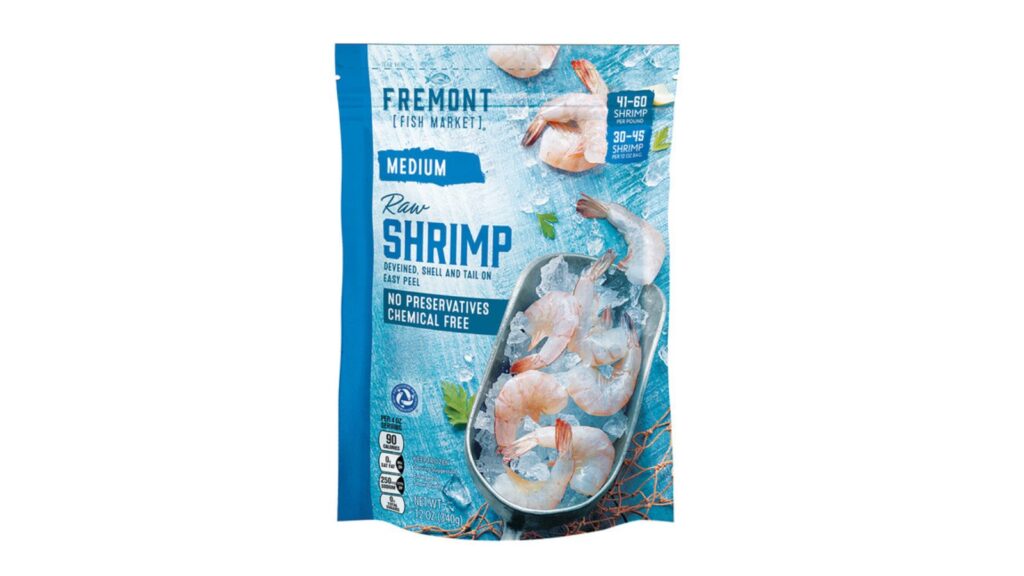
Three-quarters of the seafood Americans eat is imported. That made seafood one of the food categories most directly exposed to the 2025 tariff wave, and shrimp took the hardest hit.

The U.S. imposed a 50 percent tariff on shrimp from India, the nation’s single largest shrimp supplier. Wholesale shrimp prices jumped roughly 21 percent as a direct result. Ecuador, the second-largest supplier, faced tariffs of nearly 22 percent. Asian suppliers including Vietnam and Indonesia faced additional anti-dumping and countervailing duties on top of baseline tariffs, reshaping where importers source from and how much they pay.

Shrimp had been a relatively affordable protein for years. Frozen shrimp became a weeknight staple because it was cheap, fast to cook, and worked in a wide range of dishes. That positioning is under real strain. Tariff-driven shrimp price increases are expected to cause Americans to eat less seafood and more red meat, which is simultaneously more expensive and less heart-healthy. The policy math doesn’t land well for consumers.

Canned tuna and tilapia

canned tuna
Image Credit: Shutterstock

Canned tuna and frozen tilapia were the budget proteins: cheap, shelf-stable, decent nutrition, no drama. Tariffs have squeezed both.

The four most popular seafood products in the U.S. are shrimp, salmon, canned tuna, and tilapia, all of them predominantly imported. New tariffs apply across nearly all of it. At one New Hampshire grocery chain, a bag of frozen tilapia rose 46.74 percent in a single year, from $5.99 to $8.79. Canned tuna faces similar pressure as tariffs hit the processing and import supply chain, not just the fish itself.

For households with children, fixed incomes, or tight budgets, these products served a specific function: they were the proteins you could always afford. A can of tuna going from $1.29 to $2.49 might not seem dramatic until you’re buying six of them a week and the rest of the grocery bill has also gone up. The cumulative effect of every category rising at once is that something has to get cut, and these items are no longer too cheap to sacrifice.

Avocados

Medium avocado
Image Credit: ALDI

Avocado prices had already been volatile for years when 2025 arrived with a new record. Large Hass avocados rose more than 75 percent in early 2025, driven by poor harvests and the looming threat of tariffs on Mexico, which supplies roughly 80 percent of U.S. avocados. A single avocado at many stores now runs $1.50 to $2. Organic versions are higher still.

The fruit that became the cultural shorthand for millennial spending has remained expensive even as other produce categories stabilized. For a household that was casually tossing two or three avocados in the cart every week, the calculation has changed. At $2 a piece, a regular avocado habit adds up to $300 or more a year.

Tariff uncertainty around Mexican produce has not been fully resolved. Even when individual avocado prices inch back down, the baseline has shifted significantly compared to five years ago. Food researchers note that consumers who break a purchasing habit during a price spike don’t always return to it even when prices moderate. Guacamole portions at restaurants have gotten smaller. The home version isn’t much cheaper.

Fast food

mcDonalds fast food
Image Credit: Yang Plasticine via Unsplash

Fast food was supposed to be the fallback when grocery prices got too high. For much of the last two years, restaurant prices rose 4.1 percent in 2025, roughly double the pace of grocery inflation. A basic combo meal at McDonald’s, Burger King, or Wendy’s that ran $6 or $7 five years ago now typically costs $10 to $13.

The $5 value meal that McDonald’s launched in the summer of 2024 says it all. A chain that built its entire brand identity on affordability had to run a promotional campaign just to remind people it could fit into their budget. That $5 deal moved the sales needle by just 1.3 percent on average, confirming that price damage to consumer trust in fast food runs deep.

Nearly 40 percent of Americans say they’re eating out less frequently than before 2023. Among low-income households, the pullback is sharpest. Fast food was often the quick, practical solution for working parents and anyone who didn’t have time to cook. That solution has become a discretionary spending decision, which means it gets cut first when the budget tightens.

Restaurant delivery

food delivery outside door
Image Credit: Shutterstock

Delivery fees, service charges, and tipping conventions have stacked on top of already-elevated menu prices to create a spending category that many Americans have quietly decided isn’t worth it. Delivery now costs nearly 80 percent more than ordering the same food for pickup, an average of $9.30 more per order in fees and tips once everything is added up.

The shift shows in real numbers. Delivery order totals fell 6 percent in 2025, and total delivery spending dropped 12 percent. Pickup orders, by contrast, grew 14 percent. People still want the food. They’ve just stopped paying the premium to have it brought to them. Gen Z, once the heaviest delivery users, showed the steepest spending decline at quick-service restaurants, down 19 percentage points over two years.

The delivery platforms have tried to hold on with subscription programs, discounts, and promotions. The fundamental math is hard to overcome. A $15 restaurant meal becomes a $26 meal after fees, and once someone makes the mental shift to picking up their own order, saving $10 every time they do it becomes a habit fast. For a lot of households, that habit has already formed.

Name-brand cereal

Cheerios veggie blends cereal
Image Credit: ALDI

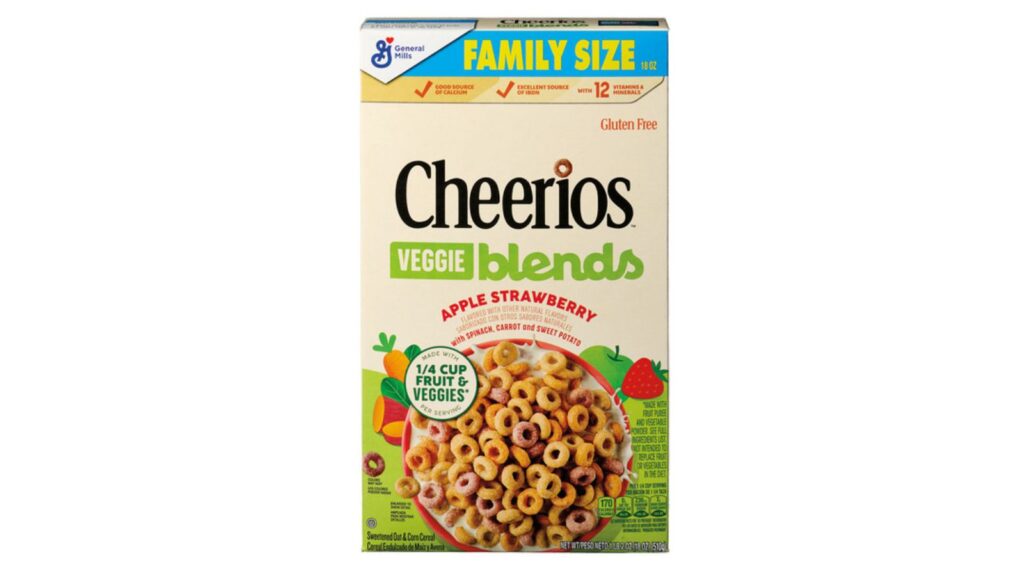
A box of Cheerios, Frosted Flakes, or Honey Bunches of Oats now costs between $5 and $8 at most major grocery stores, and the box is smaller than it was five years ago. Production costs for cereal makers rose nearly a third since the start of the pandemic, driven by grain prices, packaging materials, energy, and labor. The shrinkflation has been real: same price, less cereal, smaller box.

General Mills noted that high prices were pushing shoppers to buy cereal only when it was discounted, particularly in households earning $100,000 or less. The company cut prices on nearly two-thirds of its grocery products in 2025 in an attempt to recover volume. That kind of move doesn’t happen unless the sales data is bad.

Store-brand cereal has picked up real market share. For most families, the quality gap is negligible. The main beneficiaries are the stores themselves. The name brands may recover some shoppers when prices stabilize, but the habit of buying the cheaper version tends to stick. If you switched to the store-brand Cheerios equivalent and didn’t notice a difference, it’s not obvious why you’d go back.

Packaged chips and snacks

granola bar
Image Credit: ALDI

Packaged snack prices, including chips, crackers, and granola bars, are forecast to rise 3.1 percent in 2026, above the historical average, and that’s on top of several years of prior increases. PepsiCo, the maker of Lay’s, Doritos, and Cheetos, cut prices by up to 15 percent on many items in 2025 after sales volumes fell. That was not a promotional discount. That was a company reacting to consumers walking away.

Shrinkflation has made snack price comparisons harder to track. A bag of chips that costs the same as last year often weighs one or two ounces less. The price-per-ounce increase is real but invisible at first glance. Shoppers who started calculating cost-per-ounce out of frustration found they were paying significantly more for less food than before.

Brand loyalty in the snack category has weakened faster than in almost any other grocery segment. Private-label chips, once considered inferior, have benefited enormously from consumer willingness to experiment. When a name-brand bag costs $5.99 and the store brand costs $3.29, the brand premium has to justify itself every single time. Increasingly, it isn’t justifying itself, and shoppers aren’t going back.

Olive oil

olive oil
Image Credit: Walmart

Extra virgin olive oil hit a record high of $12.39 a bottle in the U.S. in 2024, more than double what it cost two or three years prior. The price surge was driven by severe drought and heat damage across Spain, Italy, and Greece, which collectively produce the vast majority of the world’s olive oil. Spain alone accounts for roughly 45 percent of global olive oil exports, and when Spanish production dropped sharply across consecutive drought years, global prices spiked with it.

Prices have started to ease as 2025/26 harvests improved in several Mediterranean regions. But the U.S. now faces a separate headwind: a 15 percent tariff on EU olive oil exports to the U.S., enacted as part of a broader trade deal that averted a threatened 30 percent levy. The tariff keeps a floor under prices even as global supply recovers.

Many households responded to $12 bottles by switching to canola, vegetable, or avocado oil for everyday cooking and reserving olive oil for specific dishes or salads. Restaurants trimmed olive oil portions. A product that felt like an automatic kitchen staple became a decision. Some of that switching may be permanent, especially in households that discovered they didn’t miss olive oil as much as expected.

Organic produce

organic apple juice box
Image Credit: ALDI

Organic produce now costs an average of 52.6 percent more than its conventional equivalent, and the gap varies wildly by item. Organic iceberg lettuce costs 179 percent more than conventional. Organic apple prices jumped more than 50 percent in early 2025. Organic avocados carry a significant additional premium on top of an already-expensive conventional version.

For years, a meaningful segment of the population treated organic as a standard for certain produce, particularly items eaten without peeling. That calculus has shifted. With conventional grocery prices already elevated across most categories, the additional premium for organic has become harder to justify, especially for items where the price gap is two or three times the conventional cost.

Consumer research shows the retreat most clearly among households earning between $50,000 and $100,000, the group that had adopted organic produce most broadly during the 2010s. They’re still buying some organic items, usually a short priority list, but they’ve dropped the rest. The organic aisle has seen real contraction in the American middle-class grocery cart over the past two years.

Imported pasta

family pasta box

Pasta was supposed to be the last refuge of the cheap dinner. Anti-dumping tariffs on Italian pasta have disrupted that. U.S. import tariffs reached as high as 92 percent on major Italian producers including Barilla, making imported pasta dramatically more expensive in a short period of time.

Barilla is also manufactured in the U.S., so not every box on the shelf is affected identically. But the imported Italian pasta category, the thinner, higher-quality products that used to sell for $3 or $4 rather than $1 for domestic varieties, has taken a direct hit. Consumers who preferred the texture and quality of imported pasta found the price gap between imported and domestic widened sharply in 2025.

This one hits differently than most items on this list because pasta was the substitution strategy. When beef costs $7 a pound, you eat more pasta. When the pasta you used to buy costs 92 percent more to import, the substitution chain gets shorter. It’s a relatively small category in dollar terms, but it signals something broader: the cheap alternatives are no longer as cheap as they were, and the room to trade down is running out.

Some jobs come with fancy titles, ping-pong tables, and a layoff email before your second cup of coffee. Others are plain, steady, and deeply unsexy, which is exactly why they’re worth a look.

A $30-an-hour job does not have to be glamorous. It may mean inspecting equipment, monitoring patients, fixing machines, keeping records, or working around systems where mistakes are expensive. That kind of work can be dull on paper, but dull can pay the mortgage.

The catch is that “entry level” has started to mean almost nothing. Too many listings want three years of experience, a degree, and the patience of a saint for wages that barely cover groceries. These jobs are different. They are real starting points into fields that still need people, still pay grown-up money, and still depend on human judgment.

1. Sleep technologist

Sleep Technologist
Image credit: Alexander Grey via Unsplash

Sleep technologists monitor patients during overnight sleep studies. You watch breathing, heart rate, oxygen levels, movement, and brain activity while people sleep in a lab or hospital sleep center. It is quiet work, but you have to notice when something is off and document it clearly.

Average pay is about $31 per hour. Many people get started through a sleep technology program, healthcare certificate, or trainee role that leads to a registry exam. Employers include hospitals, sleep labs, neurology groups, and pulmonary clinics.

This job has staying power because sleep apnea, chronic fatigue, heart issues, and breathing problems are not disappearing. Software can collect readings, but a person still has to set up the patient, fix sensors, respond during the study, and make sure the test is usable.

2. EEG technologist

EEG technologist
Image Credit: Shutterstock

EEG technologists run tests that record brain activity. You place electrodes on a patient’s scalp, operate the equipment, watch for seizure activity or unusual readings, and keep careful notes for the medical team. The work is repetitive in a good way, but it takes patience and accuracy.

Average pay is about $33 per hour. Entry routes vary, but many people start with a neurodiagnostic technology program, hospital trainee job, or related healthcare experience. You may work in neurology clinics, hospitals, epilepsy monitoring units, or intensive care settings.

Demand is supported by seizure care, stroke care, sleep medicine, brain injury treatment, and hospital monitoring. The equipment is technical, but the job still depends on hands-on setup, patient comfort, and knowing when a reading looks wrong because a wire slipped instead of because the patient changed.

3. NDT technician

NDT technician
Image Credit: Shutterstock

NDT stands for nondestructive testing. These technicians inspect welds, pipelines, aircraft parts, bridges, pressure vessels, and industrial equipment without cutting them open or breaking them apart. You may use ultrasound, dye, magnets, x-rays, or other tools to find cracks and defects.

Average pay is about $30 per hour. Many workers start as trainees, then build supervised hours and certifications. Employers include aviation shops, refineries, shipyards, utilities, manufacturers, construction contractors, and inspection firms.

This is not glamorous work, but it matters. A missed defect can cause a serious failure. That is why companies still need trained people who can climb, measure, scan, compare readings, and sign off on inspections. The entry path is often more practical than academic, which makes it a solid option for people who like tools, checklists, and field work.

4. Biomedical equipment technician

Biomedical equipment technician
Image Credit: Shutterstock

Biomedical equipment technicians repair and maintain medical devices. That can mean hospital beds, infusion pumps, monitors, defibrillators, imaging support equipment, and other machines used in patient care. Much of the job is testing, troubleshooting, cleaning, documenting, and making sure equipment is safe before it goes back on the floor.

Median pay is about $30.11 per hour. Entry-level jobs often ask for an associate degree in biomedical equipment technology, electronics, or a related field. Some employers also train people with military electronics experience or strong repair backgrounds.

Hospitals and clinics keep adding equipment, and that equipment cannot sit broken in a closet. This role is steady because healthcare facilities need devices that pass safety checks, meet standards, and work during real care. It is a good fit if you like repair work but do not want to be in attics, crawl spaces, or on a roof all day.

5. Wind turbine service technician

Wind turbine service technician
Image Credit: Shutterstock

Wind turbine service technicians inspect, maintain, and repair wind turbines. You climb towers, check electrical and hydraulic systems, replace worn parts, troubleshoot alarms, and write up what was done. The work can be cold, hot, windy, and repetitive, but it is not desk work.

Median pay is about $30.09 per hour. Many people enter through a wind energy certificate, technical college program, or military mechanical background, then get employer training on specific turbine models and safety systems.

This is one of the stronger growth jobs on the list because energy companies still need crews to keep turbines running. A remote sensor may flag a problem, but it cannot climb the tower, replace a component, torque bolts, or check whether a repair was done safely. For someone who can handle heights and travel, it is a practical entry into energy work.

6. Aircraft mechanic

Aircraft mechanic
Image Credit: Shutterstock

Aircraft mechanics inspect, repair, and maintain planes and helicopters. You check engines, landing gear, brakes, fuel systems, controls, and other parts that have to work correctly every time. The job is full of checklists, tools, documentation, and safety rules.

Median pay is about $37.83 per hour. Many workers enter after completing an approved aviation maintenance program and earning the needed mechanic certificate. Employers include airlines, repair stations, cargo carriers, business aviation companies, and aircraft manufacturers.

This work is hard to replace because someone has to physically inspect the aircraft, sign off on repairs, and take responsibility for safety. Planes do not maintain themselves, and experienced mechanics continue to age out of the field. It is not an easy job, but it is a clear path for people who like mechanical work and can follow exact procedures.

7. Avionics technician

Avionics technician
Image Credit: Shutterstock

Avionics technicians work on the electronic systems inside aircraft. That can include communication, navigation, radar, weather systems, flight controls, and instruments. It is quieter than turning wrenches on an engine, but it still involves testing, wiring, diagnostics, and careful repair work.

Median pay is about $39.13 per hour. Entry routes include avionics programs, electronics training, aircraft maintenance school, military aviation electronics experience, or repair station trainee roles.

Aircraft are only getting more electronic, which keeps this work relevant. A computer can report an error code, but a technician still has to trace the fault, test the system, replace the part, and document the repair. Employers need people who are calm with tiny details because small mistakes in aviation can turn into big problems.

8. Electrical power-line installer and repairer

Electrical power-line installer and repairer
Image credit: Heri Susilo via Unsplash

Power-line workers build, maintain, and repair the electrical lines that keep homes, hospitals, stores, and factories running. You may climb poles, work from bucket trucks, install transformers, repair storm damage, and follow strict safety procedures around high voltage.

Median pay is about $44.50 per hour. Many people start through a lineworker school, utility trainee role, or paid apprenticeship. The first stage is physical and closely supervised, but it is still a real entry path into a high-paying trade.

This job is not for everyone. The weather is not always friendly, emergency calls happen, and safety has to come first. But the work is steady because the grid needs upkeep, storm repairs, upgrades, and new connections. It also depends on crews in the field, not just software in an office.

9. Substation relay technician

Powerhouse, substation, and relay technician
Image Credit: Shutterstock

Substation relay technicians inspect, test, repair, and maintain electrical equipment in substations and power facilities. The job can involve relays, breakers, meters, control panels, batteries, wiring, and test equipment. It is technical, slow-moving work where careful habits matter more than charm.

Median pay for powerhouse, substation, and relay electrical repairers is about $48.53 per hour. Entry paths often include an electrical technology certificate, associate degree, military electrical training, utility trainee job, or apprenticeship.

Utilities and large facilities need this work because the electrical system cannot be treated casually. A bad relay, loose connection, or wrong test result can affect a lot of people. This role is a good fit for someone who likes electricity but wants a more technical maintenance track than standard residential service work.

10. Industrial machinery mechanic

Industrial machinery mechanic and millwright
Image Credit: Shutterstock

Industrial machinery mechanics keep production equipment running. You might work on conveyors, motors, pumps, packaging lines, robotic arms, mixers, bearings, gears, and sensors. A lot of the job is listening, testing, replacing parts, and finding out why a machine keeps failing.

Median pay is about $30.65 per hour. Entry-level workers often come through manufacturing trainee jobs, technical school, military maintenance, or apprenticeships. Employers include food plants, warehouses, factories, mills, utilities, and repair contractors.

This is boring in the best way because every facility needs uptime. When a machine stops, orders back up and money gets lost. Automation may add more equipment, but that equipment still breaks, jams, overheats, wears down, and needs a person with tools to fix it.

11. Occupational health and safety specialist

Occupational health and safety specialist
Image Credit: Shutterstock

Occupational health and safety specialists inspect workplaces and help prevent injuries. You may check machinery guards, chemical storage, training records, air quality, fall protection, noise exposure, and incident reports. It is part field work, part paperwork, and part uncomfortable conversations with managers who need to fix things.

Median pay is about $40.34 per hour. Many entry-level specialist roles ask for a bachelor’s degree in safety, environmental health, science, or a related field. Some technicians move up after hands-on industry experience and safety certifications.

This job should stay useful because employers still have to follow safety rules, train workers, investigate incidents, and adapt to new hazards. Software can store checklists, but it cannot walk a jobsite, smell a chemical leak, notice a shortcut, or get a crew to change a risky habit.

12. Court reporter and real-time captioner

Court reporter
Image Credit: Shutterstock

Court reporters and captioners create accurate records of legal proceedings, depositions, hearings, and live events. You may use a stenotype machine, voice writing system, or captioning software, but the job still depends on speed, focus, and accuracy under pressure.

Median pay is about $32.36 per hour. Entry-level workers usually complete a court reporting or captioning program, build speed, and pass certification or licensing requirements where needed. Jobs are found in courts, captioning companies, legal services, and freelance deposition work.

Growth is stable rather than explosive, but the field keeps openings because not enough people finish the training and pass the speed tests. Legal records need accuracy, speaker identification, and judgment when people interrupt, mumble, or talk over each other. That makes skilled reporters more valuable than the job title sounds.

13. Cardiac catheterization technologist

Invasive cardiac catheterization technologist
Image Credit: Genter Valda via Unsplash

Cardiac cath lab technologists help during heart procedures. You may prep patients, set up sterile equipment, monitor readings, assist doctors during catheterizations, and respond quickly when a patient’s condition changes. The room is controlled and procedural, but the stakes are real.

Average pay is about $39 per hour. Some people enter through cardiovascular technology programs, radiologic technology backgrounds, or hospital training pathways. Employers include hospitals, heart centers, outpatient procedure centers, and specialty cardiology groups.

This job is likely to stay in demand because heart disease remains common and procedures need trained teams in the room. Machines can measure and display data, but they cannot position a patient, anticipate what the physician needs, calm someone who is scared, or react when a procedure changes fast.

14. Surgical technologist

Surgical technologist
Image Credit: Shutterstock

Surgical technologists set up operating rooms, prepare sterile instruments, count supplies, help maintain the sterile field, and pass tools during surgery. It is routine until it is not, which is why attention matters. You need to know what comes next and stay steady when the room gets tense.

Median pay is about $30.21 per hour. Entry-level jobs usually require a surgical technology certificate, diploma, or associate degree. Many employers prefer certification, especially in hospitals and larger surgery centers.

Surgeries still need people in the room. As the population ages and more procedures move to outpatient settings, surgical teams need techs who can keep cases moving safely. This is not a cushy job, but it is a clear healthcare entry point for someone who can handle blood, standing for long periods, and strict rules.

15. MRI technologist

MRI technologist putting a patient at ease
Image Credit: Shutterstock

MRI technologists run magnetic imaging scanners that help doctors see inside the body. You position patients, screen for metal risks, choose imaging protocols, monitor the scan, and help people who may be anxious, in pain, or claustrophobic.

Median pay is about $42.40 per hour. Many MRI techs start as radiologic technologists and add MRI training, though some programs focus directly on MRI. Employers include hospitals, imaging centers, outpatient clinics, and specialty medical groups.

The equipment is advanced, but the job still needs a trained person in the room. A scan can be ruined by movement, poor positioning, wrong screening, or a patient who panics halfway through. As imaging remains central to diagnosis and treatment, this role stays more grounded than many desk-based tech jobs.

16. Respiratory therapist

Respiratory therapist
Image Credit: Shutterstock

Respiratory therapists help patients who have trouble breathing. They manage breathing treatments, oxygen, ventilators, airway support, and testing for lung function. You may work with premature babies, older adults, emergency patients, surgical patients, or people with chronic lung disease.

Median pay is about $38.68 per hour. Entry-level respiratory therapists typically need an associate degree in respiratory therapy and a license. Hospitals, outpatient clinics, sleep centers, and long-term care facilities hire for this role.

The work can be stressful, but it has solid demand because breathing problems are common and often urgent. Devices help deliver care, but a person still has to assess the patient, adjust treatment, talk with nurses and doctors, and respond when breathing gets worse.

17. Occupational therapy assistant

older Occupational therapy assistant helping gentleman
Image Credit: Shutterstock

Occupational therapy assistants help people relearn or improve daily skills after illness, injury, disability, or aging-related changes. You might help someone practice dressing, cooking, gripping tools, using adaptive equipment, or building strength for everyday tasks.

Median pay is about $32.86 per hour. Entry-level assistants usually need an accredited associate degree and a license or certification. Employers include rehab centers, schools, hospitals, home health agencies, nursing facilities, and outpatient therapy clinics.

This job is growing because more people need help staying independent after strokes, surgeries, accidents, and chronic health problems. It is hands-on work that depends on patience, observation, and trust. A screen can show exercises, but it cannot safely guide someone through a hard movement or adjust the plan in real time.

18. Physical therapist assistant

Physical therapist assistant
Image Credit: Shutterstock

Physical therapist assistants help patients recover movement, strength, balance, and function. You may guide exercises, use therapy equipment, document progress, help patients walk safely, and report changes to the physical therapist. The job is active, repetitive, and people-heavy.

Median pay is about $31.50 per hour. Entry-level PTAs need an accredited associate degree and a license or certification. Common workplaces include outpatient clinics, hospitals, home health, skilled nursing facilities, and rehab centers.

Demand is strong because injuries, joint replacements, strokes, chronic pain, and aging all create steady need for therapy. This job is not easy on the body, but it is hard to replace because progress often depends on human coaching, safe hands-on help, and knowing when a patient is pushing too hard.

Discover job hunting tips, ways to earn more, and flexible working options:

Practising job interview
Image Credit: Shutterstock

21 high-paying careers that desperately need workers, but nobody wants to do them: The pay is generous, but these jobs are searching for workers.

No background check jobs: 12 background friendly jobs: If you’re struggling to find a job due to past issues, here are jobs you can get without background checks.

15 remote jobs you probably didn’t know pay $150,000+ In 2026: High income and flexible work hours from home is not a myth — here are some remote-friendly careers.

Being a single mom comes with a unique set of financial challenges. Between covering daily expenses, saving for the future, and planning for unexpected emergencies, money management can feel overwhelming. Organizing your finances doesn’t have to be complicated. With the right strategies, you can take control of your paycheck, maximize your income from side hustles, and spend wisely without stress.

This guide will walk you through practical steps to organize your money as a single mom, with a focus on using your checking account effectively and making small but impactful changes to your financial routine.

Maximizing every paycheck

The first step in organizing your money is learning to manage your paycheck efficiently. It is easy to let money slip through your fingers if you do not have a clear system. A good approach is to create a plan before the money even hits your account. Start by listing all your fixed expenses such as rent, utilities, groceries, and childcare. Then, decide how much you want to save and how much you can allocate for discretionary spending.

Using your checking account strategically can simplify this process. Many single moms find it helpful to set up automatic transfers to different accounts. For example, you can have a portion go directly into a savings account, another portion for bills, and the rest for daily spending. This reduces the risk of overspending and ensures you are consistently saving, even in small amounts.

Creating a paycheck-to-paycheck strategy

If your paychecks are irregular or you live paycheck to paycheck, creating a strategy is essential. Assign percentages of each paycheck to cover specific needs. A simple rule is 50 percent for essentials, 30 percent for financial goals like savings or debt repayment, and 20 percent for personal or discretionary spending. This structure allows you to see where your money is going and avoid overdrafts.

Tracking your spending closely also helps identify areas where small adjustments can free up cash. Even minor changes, like switching to a checking account that offers fee-free services, can add up over time.

Smart side hustles for single moms

Many single moms turn to side hustles to supplement their income. Side hustles provide financial breathing room and can help you build an emergency fund faster. Popular options include freelance work, online tutoring, or flexible gig-based jobs that allow you to work around your schedule.

Integrating side hustle income into your checking account properly makes tracking easier. Consider separating side hustle funds from your main paycheck, even if you keep them in the same bank. This distinction allows you to see exactly how much extra income you are earning and how it can be used.

Tracking your side hustle earnings

Keeping accurate records of side hustle income is essential for both planning and taxes. You can use apps or spreadsheets to log earnings as soon as they come in. This ensures you know exactly what money is available for bills, savings, or reinvestment.

Additionally, some banks offer rewards or incentives for new accounts or deposits. Bank bonus offers can provide a useful boost for single moms who are looking to maximize every dollar. These offers can sometimes give you extra cash just for depositing your paycheck or meeting certain activity requirements, making it a smart way to grow your funds without changing your spending habits.

Spend wisely without feeling deprived

Spending wisely is more than just cutting costs. It is about making informed decisions that align with your financial goals. Tracking expenses through your checking account can help you identify patterns and prevent unnecessary spending. Set up alerts for bills or low balances to avoid late fees or overdraft charges.

Mindful spending also involves evaluating your purchases. Ask yourself whether each expense brings value to your life or serves a necessary purpose. Simple habits, such as planning grocery trips, comparing prices, or limiting impulse purchases, can save a significant amount of money over time.

Budgeting tools and apps that actually work

Many single moms find it helpful to use budgeting tools or apps that link to checking accounts. These tools automatically track transactions and categorize spending, giving you a clear picture of where your money is going. Even basic spreadsheets can work if you prefer a hands-on approach. The goal is consistency. Regularly reviewing your finances allows you to adjust your spending and saving habits before small problems turn into bigger issues.

From surviving to thriving financially

Financial confidence comes from knowing exactly where your money is and having a plan for both short-term and long-term goals. Start with achievable steps, like building an emergency fund in your checking account or automating savings transfers. Once you feel secure with your day-to-day finances, you can set larger goals such as paying off debt or investing in your future.

Single moms who take control of their finances often report less stress and more freedom to focus on family and personal growth. Tracking every dollar, using side hustle income effectively, and spending mindfully can transform your financial life over time.

Conclusion

Organizing your money as a single mom is not about making drastic changes overnight. It is about building small, consistent habits that provide clarity and control. Maximize your paycheck, leverage side hustles, and spend wisely to make the most of every dollar. Use your checking account strategically, track your income, and take advantage of tools and offers that can support your financial journey.

With a clear plan and disciplined approach, you can move from surviving paycheck to paycheck to achieving financial confidence and stability. Start today with one simple step, like setting up a separate account for bills or tracking side hustle income, and gradually build the system that works best for you and your family.

Your checking account at PNC Bank does more than hold money for everyday expenses. It can also provide valuable insights into how you manage your finances. By reviewing your transactions regularly, you can identify spending patterns, spot potential problems, and make more informed financial decisions.

Many people create budgets or track expenses separately, but your checking account already contains much of the information needed to better understand where your money goes each month.

Your transactions tell a story

Every deposit, purchase, bill payment, and transfer contributes to a financial picture that reflects your habits and priorities. Looking at your checking account activity over several months can reveal trends that may not be obvious day to day.

For example, you may notice that certain categories consistently account for a larger portion of your spending than expected. Small purchases made frequently throughout the month can add up quickly and have a bigger impact than many people realize.

Reviewing transactions regularly can help you gain a clearer understanding of your financial behavior.

Identify your largest spending categories

One of the easiest ways to use a checking account as a financial planning tool is to categorize your expenses.

Common categories may include:

  • Housing
  • Transportation
  • Groceries
  • Dining and entertainment
  • Utilities
  • Insurance
  • Subscriptions

When you review several months of activity, you may discover that certain categories consume a larger percentage of your income than anticipated. Understanding these patterns can help you determine whether your spending aligns with your financial goals.

Spot recurring expenses

Your checking account can also help you identify recurring charges that might otherwise go unnoticed.

Streaming services, subscription memberships, software renewals, and other automatic payments can gradually accumulate over time. Some may continue long after you stop actively using the service.

Periodically reviewing recurring transactions can help ensure you are only paying for services that continue to provide value.

Recognize seasonal spending patterns

Many people spend differently throughout the year. Holiday shopping, vacations, back-to-school expenses, and home maintenance projects can create seasonal spikes in spending.

Looking back at past checking account activity may help you anticipate these periods and plan for them in advance. Recognizing predictable fluctuations can make budgeting easier and reduce financial surprises.

Evaluate cash flow

Beyond tracking expenses, your checking account can provide insight into how money moves in and out throughout the month.

Questions to consider include:

  • Are bills due before paychecks arrive?
  • Do account balances regularly become low before payday?
  • Are large expenses creating cash flow challenges?

Understanding cash flow patterns can help you schedule payments more effectively and maintain a comfortable account balance throughout the month.

Monitor financial progress

A checking account can also serve as a useful benchmark for measuring progress toward financial goals.

As spending habits improve, you may notice:

  • Fewer unnecessary purchases
  • More consistent savings transfers
  • Reduced reliance on credit
  • Higher average account balances

These changes can provide evidence that your financial strategy is moving in the right direction.

Use digital banking tools to gain additional insights

Many financial institutions offer digital tools that help customers better understand their spending habits. These features may automatically categorize transactions, provide spending summaries, and highlight trends over time.

Using these tools alongside regular account reviews can make it easier to identify opportunities to improve financial management without requiring extensive manual tracking.

Turn information into action

Your checking account contains a wealth of information about your financial habits. By taking time to review transactions, monitor recurring expenses, evaluate cash flow, and identify spending patterns, you can gain valuable insights into how you manage money.

The goal is not to scrutinize every purchase but to develop a clearer understanding of where your money goes and whether your spending supports your priorities. With regular attention, your checking account can become a practical tool for building healthier financial habits and making more confident financial decisions.

The bathroom a buyer remembers from the showing isn’t the one you scrub every weekend. It’s the vanity light that flickers, the caulk pulling away from the tub corner, the grout that’s gone from white to the color you stop noticing after a while. Those details don’t read as cosmetic to buyers. They read as a pattern.

A midrange bathroom remodel returns about 80 percent of its cost at resale in 2026, the highest it’s been since 2007. But those projects average $25,000 and up. The updates that change how buyers feel about a bathroom often start at $30. A bathroom that looks tended to will always ask for more money than one that looks tired.

Regrout and recaulk

caulk in bathroom
Image Credit: Shutterstock

Black or gray grout lines, where white once was, tell a buyer two things: the bathroom has been around a while, and it hasn’t been kept up. Stained grout and deteriorating caulk signal neglect to buyers more than nearly any other single detail, and unlike a dated light fixture, they don’t just look old. They raise questions about moisture.

The fix is a weekend DIY project. A grout saw or oscillating tool runs $30 to $60. New sanded grout for a standard bathroom costs about $15 to $25 a bag, and you’ll likely need just one. The full DIY supply cost for an average bathroom lands around $30 to $80, depending on how much area you’re covering.

Recaulking is the companion step. The caulk lines where tile meets the tub, shower floor, and corners should be bright white and intact, not cracked, gray, or pulling away from the surface. Stripping and reapplying caulk costs almost nothing and takes a couple of hours. Do this together as one project. The difference is visible from the doorway, which is exactly where buyers form their first impression of the room.

Replace the vanity light fixture

vanity light fixture
Image Credit: Shutterstock

If your bathroom has a bar of round globe bulbs mounted above the mirror, buyers will notice. Those fixtures, common in homes built before 2000, read as dated in a way that neutral paint and new hardware can’t fully offset. The light is at eye level and it’s the first thing you see when you walk in.

A single-bar LED vanity fixture in matte black or brushed nickel runs $50 to $175 at most home improvement stores. Brushed brass has come back hard in recent years and works well in bathrooms with warm-toned tile. If you’re replacing a fixture on the same junction box, this is a 30-minute DIY job with a screwdriver and a wire connector. No new wiring involved.

The functional improvement matters too. Older incandescent bar lights cast yellow, uneven light that makes the room feel smaller and makes the tile look worse than it is. A good LED vanity fixture brightens the whole room, photographs better in listing photos, and makes the mirror actually usable. Proper vanity lighting transforms how every other element in the bathroom looks, including the floors, the tile, and the fixtures you spent money on elsewhere.

Swap the bathroom faucet yourself

bathroom faucet
Image Credit: Shutterstock

The faucet is the piece in a bathroom buyers actually touch. It’s also the one that shows age most clearly: limescale buildup, a loose handle, a finish flaking off around the base. A faucet that looks rough undermines everything else you’ve done in the room.

A single-hole or centerset bathroom faucet in matte black or brushed brass runs $70 to $250 for the fixture, and both finishes read as current to buyers. If your vanity already has the right number of holes drilled, this is a DIY replacement: turn off the supply valves, disconnect the supply lines, swap in the new faucet, reconnect. Most people finish in under an hour.

Professional installation runs $130 to $350 in labor on top of the fixture price, which can push the total over your $300 ceiling. If plumbing isn’t something you want to handle yourself, a handyman typically charges less than a licensed plumber for a standard same-hole replacement, since the job doesn’t require moving supply lines. Whatever finish you choose for the faucet should match the hardware on the vanity pulls. That small cohesion is what makes a bathroom feel intentional rather than assembled.

Fresh neutral paint in a satin or semi-gloss finish

paint bathroom
Image Credit: Shutterstock

Bold colors narrow your buyer pool. Navy, terracotta, black, even a confident sage green all require a buyer who shares your taste, and most buyers don’t want to repaint before they move in. Soft grays, warm whites, and greiges have the broadest buyer appeal in bathrooms, and they photograph better than any saturated color under bathroom lighting.

Paint finish matters as much as color in a wet room. Flat and matte paints absorb moisture and peel in bathrooms. You want satin or semi-gloss, which wipes clean and holds up against steam. A quart of quality bathroom paint runs $25 to $40, and most bathrooms need less than a gallon. Budget $50 to $80 for supplies including primer, painter’s tape, and a small roller. Most bathrooms can be finished in a single afternoon.

Colors that consistently work: Sherwin-Williams Agreeable Gray, Benjamin Moore Classic Gray, and Sherwin-Williams Alabaster. Any of the three reads as clean and current, pairs with warm or cool metal finishes, and won’t require a buyer to immediately schedule a painter. If you’re painting over a saturated color, prime first or plan on three coats.

Swap out the vanity cabinet hardware

vanity cabinet hardware
Image Credit: Shutterstock

Old brass hardware, the standard pulls and knobs installed in homes built from the 1970s through the early 2000s, appears in more bathrooms than any other dated detail. A set of four to six drawer pulls in brushed nickel or matte black runs $20 to $60 at most home improvement stores, and swapping them out takes about 20 minutes with a screwdriver.

The catch is alignment. New pulls need to line up with the existing holes. Standard hole spacing for cabinet pulls is 3 inches center to center, and most modern pulls fit that measurement. If you want to go wider for a more contemporary look, you’ll need to fill the old holes with wood filler, lightly sand, touch up the paint, and drill new ones before installing. Not difficult, but factor in that extra hour.

Matte black and brushed brass have both held through several design cycles and are unlikely to look dated by the time you sell. Polished chrome is a reliable neutral that works in most bathrooms. Avoid anything with heavy ornamentation, hammered textures, or novelty shapes. The goal is hardware that buyers simply don’t notice, because noticing hardware usually means it’s wrong.

Upgrade the bathroom mirror

bathroom mirror
Image Credit: Shutterstock

The typical builder bathroom comes with a plate of unframed mirror glued directly to the wall above the vanity. It does the job, but it reads as unfinished, and it’s one of the things buyers register as “this bathroom hasn’t been touched.” A framed or round mirror with a visible edge changes the whole center of the room.

You have two options. A mirror frame kit, the kind that snaps onto your existing mirror, runs $40 to $80 and installs in about an hour without removing the mirror from the wall. It gives a flat plate mirror the look of something considered. The second option is to take the old mirror down and hang a new one: a round black-frame mirror or a rectangular vanity mirror in warm wood or metal runs $80 to $200 at Wayfair, IKEA, or Target.

Size matters here. The mirror should be proportional to the vanity, roughly as wide as the cabinet or close to it. A small round mirror above a long double vanity looks underdone. A larger mirror also bounces more light around the room, which shows well in listing photos. Whatever metal finish you choose should coordinate with the faucet and hardware elsewhere in the bathroom. An exact match isn’t required, but the finishes should belong to the same family.

Replace the exhaust fan

exhaust fan bathroom
Image Credit: Shutterstock

A bathroom exhaust fan that rattles, hums loudly, or doesn’t work at all isn’t just annoying. It signals moisture to buyers and home inspectors. Bathrooms without working ventilation get flagged on inspection reports, and moisture damage is one of the first things buyers start calculating when they see evidence of it. A fan that works is a basic expectation, not an upgrade.

The fan unit itself runs $30 to $150 at Home Depot or Lowe’s. For a same-housing swap, you’re replacing the interior mechanism without touching the ductwork, which makes this a DIY job that takes about an hour. Turn off the circuit breaker, pull the old fan from the housing, unplug the wiring connector, plug in the new motor, reverse. Broan and Panasonic make reliable units in this price range and are widely stocked.

If you’re replacing a completely silent or broken unit, a humidity-sensing fan in the $80 to $130 range is worth the slight premium. These units turn on automatically when moisture rises and shut off when the room is dry, which buyers who care about moisture issues notice and mention. Full professional installation with ductwork runs $241 to $564 on average, but a straight swap where the existing wiring and housing size already match is well within the $300 ceiling when done yourself.

Upgrade the showerhead

low flow shower head
Image Credit: Shutterstock

A builder-grade showerhead from the original construction costs about $15 wholesale and delivers exactly that experience. Replacing it with a rainfall showerhead or a handheld combo takes about five minutes: unscrew the old one, wrap the threads with plumber’s tape, thread on the new one. It’s one of the cheapest ways to make a shower feel higher-end than it is, and buyers are absolutely in that shower mentally during the showing.

A quality rainfall showerhead in matte black or brushed nickel runs $50 to $150. Handheld combos that include a fixed head and a slide bar with a removable wand start around $70. The look is noticeably different from a standard showerhead, and the perceived experience is better, which is the part that buyers carry with them when they leave.

A WaterSense-certified showerhead uses no more than 2.0 gallons per minute versus the standard 2.5, and the average family saves about 2,700 gallons of water per year from the switch. Mentioning water-efficient fixtures in a listing description costs nothing but signals a well-maintained home to buyers who care about utility costs. Match the showerhead finish to the faucet and hardware elsewhere in the bathroom. Mismatched finishes read as accidental, not updated.

Add storage where there isn’t any

bathroom storage
Image Credit: Shutterstock

Lack of bathroom storage is one of the most consistent complaints buyers list when walking away from a showing. A bathroom where everything has to sit on the counter looks small and disorganized, and that’s a hard impression to shake even in a well-priced home. The good news is that bathrooms have a lot of dead space that’s cheap to use.

An over-toilet shelving unit, a freestanding tower that fits over the tank, runs $40 to $120 and requires no installation. It creates three to four shelves of usable space above an area that typically goes empty. If the bathroom has open wall space, two floating shelves in a coordinating finish can be installed in under an hour with a level and a stud finder. A pair of solid shelf brackets and 10-inch pine boards runs $30 to $70.

A medicine cabinet is worth considering if yours is an older style or the bathroom has none. A basic surface-mount or recessed cabinet with a mirrored door runs $80 to $200 and solves the storage and mirror problem simultaneously. Don’t overdo it. Two or three organized shelves signal thoughtful storage. The goal is for buyers to walk in and immediately see a place for everything.

Replace the toilet seat

toilet
Image Credit: Shutterstock

A stained, cracked, or loose-hinged toilet seat may be the single most visceral thing a buyer encounters in a bathroom showing. It doesn’t matter if everything else is new. A bad toilet seat breaks the impression, and the thought that follows isn’t “I can replace that.” It’s “what else hasn’t been taken care of.”

A soft-close toilet seat in white or biscuit runs $40 to $120 at any hardware store. Installation takes about five minutes: most seats attach with two plastic bolts visible from above the bowl, removable with a flat-head screwdriver. You don’t need a plumber, a handyman, or anything beyond what’s likely already in a kitchen drawer.

The soft-close mechanism is worth the slight premium over a basic seat. It’s the kind of detail builders and renovators don’t bother with, and buyers notice it during the showing because they test it. Match the seat to the existing toilet color, white to white, biscuit to biscuit, since mismatched porcelain and plastic reads as unfinished. Elongated and round seats are not interchangeable, so measure before you buy.

Paint the vanity cabinet

painting vanity cabinet
Image Credit: Shutterstock

The vanity cabinet is the largest piece of furniture in most bathrooms, which means an outdated one does the most damage to the overall impression. A full vanity replacement runs $800 to $2,000 installed and often exceeds $300 in materials alone. Painting the existing cabinet costs $50 to $100 and can convincingly shave ten years off the bathroom’s perceived age.

The key is using the right product. Standard wall paint chips and peels on a cabinet surface within months. Bonding primer followed by alkyd or enamel paint, or a dedicated cabinet paint like Rust-Oleum Cabinet Transformations or Benjamin Moore Advance, bonds directly to the surface without needing to sand down to bare wood. These products also hold up to the damp cloth cleaning that a bathroom cabinet gets daily.

Stick with whites and near-whites for maximum buyer appeal: Sherwin-Williams Pure White and Benjamin Moore Chantilly Lace both read as crisp and current against most bathroom tile. If the vanity has dark undertones, honey oak or old walnut laminate, use a shellac-based primer first to prevent bleed-through. Two coats of cabinet paint plus primer runs a few hours and dries fully in 24 hours. Remove the hardware before you start and install new pulls when you’re done. The two projects compound each other.

Update the door hardware

new hardware on door
Image Credit: Shutterstock

The round brass passage knob on a 1990s bathroom door appears in so many homes that buyers barely register it consciously, but they do register it. It anchors the room to a design era that most buyers aren’t interested in living in, and it’s the last thing they touch as they leave the bathroom during a showing.

A new lever-style passage set in matte black, brushed nickel, or satin brass runs $25 to $65 at a hardware store. The swap takes about 15 minutes: remove the old knob using two screws, pull out the latch assembly, insert the new one, install the new knob. Most lever sets include the latch plate and instructions.

Choose a lever style over a round knob when you’re replacing an obviously dated piece. Levers photograph better in listing photos and feel current, though they’re functionally identical to what’s there now. The finish should coordinate with the faucet and hardware elsewhere in the room. If the door hinges are also old polished brass, replacing them at the same time costs $15 to $45 for three and makes the entire door look like a deliberate update rather than a piecemeal fix.