scroll top

If you are deciding between white gold and yellow gold — perhaps for an engagement ring — or you have white gold or yellow gold pieces to sell, you’ve come to the right place. 

White gold and yellow gold are both timeless and similarly priced, so which one you choose will largely depend on your style preferences. In this post, we’ll give you all the info you need to select the right metal for you (or your partner):

What are the differences between white gold and yellow gold?

Rhodium plating and white gold FAQs

Yellow gold FAQs

Pros and cons of yellow gold

Pros and cons of white gold

White vs yellow gold FAQs

Bottom line: Is white gold worth more than yellow gold? Which has the better resale value?

What is the difference between white gold and yellow gold?

Beyond their obvious color difference, white gold and yellow gold are alloys (a mixture of metals) composed of different types of metals. White gold is also typically plated with a layer of rhodium, which gives it its white appearance.

The amount of pure gold in both yellow gold and white gold is dependent upon its karat weight (which is typically stamped on jewelry):

  • 24k gold = 99.9% pure
  • 18k gold = 75% pure
  • 14k gold = 58.3% pure

According to the United States Geological Survey, white gold became popular in the 1920s as a less expensive alternative to platinum, which typically costs hundreds more in a ring setting.

Historically, both gold alloys have traded off popularity, with yellow gold currently making a comeback in engagement ring fashion (thanks in part to Prince Harry and Meghan Markle).

What’s yellow gold made of?

Yellow gold is an alloy of pure gold and metals like copper and zinc.

What’s white gold made of?

White gold is an alloy of pure gold and white metals like silver, nickel, palladium, or zinc, which give it an off-white, less yellow appearance. White gold is often plated in rhodium to achieve a whiter color and increase its durability and shine. 

Is white gold real gold?

Yes! White gold is real gold alloyed with other metals like silver, nickel, or palladium. 

Sterling silver vs. plated silver vs. white gold

Rhodium plating and white gold FAQs

Rhodium is a rare platinum group metal commonly used to plate white gold. 

What is rhodium plating?

Rhodium plating is a thin layer of rhodium that coats other metals, typically white gold, to make it appear pure white and to make it more durable and reflective. 

Rhodium is actually the most expensive metal in the world at nearly $10,000 per ounce as of January 2026 — down from a high of $29,000 in 2021.

However, its hard and brittle nature — as well as its exorbitant cost — means it cannot be used in its pure form to make jewelry.

How long does rhodium last on white gold?

Rhodium plating fades over time to reveal the warmer white gold underneath, especially with frequent wear and exposure to chemicals like chlorine. According to New York City jeweler Frank Darling, you’ll need to have it replated every six months to a year to maintain its white appearance. 

Is rhodium plating white gold a good idea?

That depends on your personal preferences and whether you want to spend money to have your rhodium-plated jewelry replated every six months to a year. The cost of rhodium plating varies by jeweler and the thickness of the plating, though it typically costs less than $100 for an engagement ring.

Rhodium is also hypoallergenic, so if you have a nickel allergy but want a white gold piece, it can protect your skin.

On their own, most of today’s white gold mixtures do appear white, with a slightly warm hue. You may only notice a color difference if your white gold piece is placed next to a platinum or rhodium-plated piece. If you are happy with this warmer, off-white color, you do not need to have your white gold plated.

Yellow gold FAQs

Gold is a simple metal found on the Periodic Table of Elements — yet it is deeply mysterious, primed for scams throughout history, and requires some basic education.

Here are some terms you may encounter:

What is gold vermeil?

Gold vermeil is sterling silver that has been gold-plated, typically with 22K to 24K gold. It is more common to find gold vermeil in 14K-18K.

What is “gold plated?”

Gold plating involves affixing a thin layer of gold onto the surface of another metal — like copper or silver — by a chemical or electrochemical plating process.

Gold-plated jewelry typically doesn’t have resale value. Learn more about how to tell if gold is real.

What is “gold filled?”

Gold-filled jewelry is constructed in two or three layers: The core metal is brass, and a gold alloy is then bonded to one or both surfaces of the brass core with heat and pressure. Gold-filled jewelry contains a much thicker layer of gold than plated or vermeil items and will hold up better with wear comparatively.

What’s the difference between gold, gold filled, and gold plated?

Unlike plated (also referred to as “electroplated” or “dipped”) gold, gold-filled items are legally required to contain 5% gold by weight. “Gold” items are the same gold alloy all the way through.

Pros and cons of yellow gold

If you’re shopping for a yellow gold piece of jewelry, you should keep these things in mind:

Pros

  • Will not need to be replated
  • If your diamond is slightly yellow, yellow gold will do a better job of hiding its yellow color
  • Provides a beautiful contrast to most colorless and colored gemstones

Cons

  • More prone to scratching than white gold

Pros and cons of white gold

These are some pros and cons of choosing a white gold piece: 

Pros

  • Alloyed with stronger metals than yellow gold, making it more resistant to scratching and regular wear
  • Rhodium plating provides an extra layer of protection and shine

Cons

  • Needs to be replated every six months to a year to maintain its pure white color, which can cost $50-100 each time (depending on the jeweler and size of your jewelry)
  • Decreased in popularity in recent years, though trends are always changing
  • All about selling gold by searching “sell gold near me”

White vs yellow gold FAQs

Common questions about the qualities of the different gold colors:

White gold vs yellow gold price

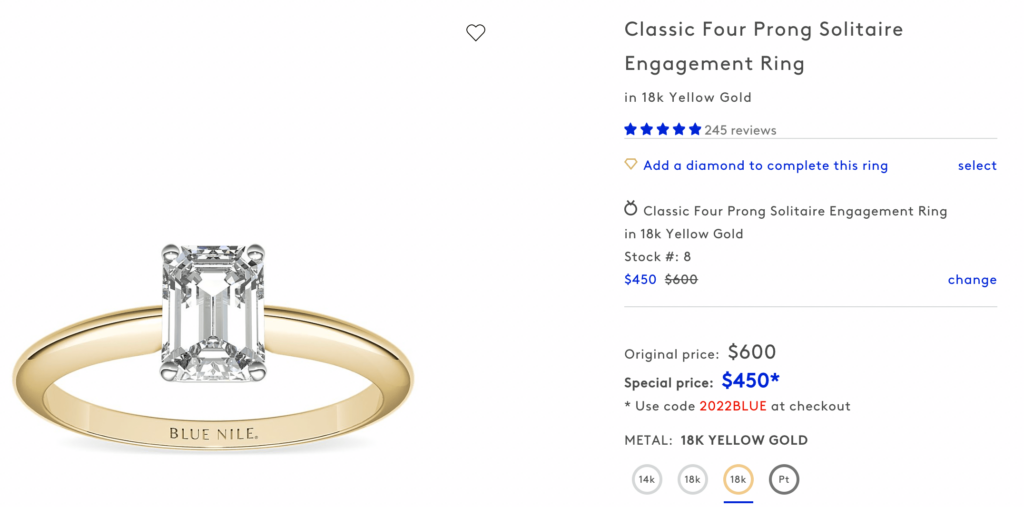
White gold and yellow gold of the same karat weight contain the same amount of pure gold, so most white gold and yellow gold pieces have relatively similar (or the same) prices. Any price differences will be a reflection of current trends/demand of either gold type. 

For example, this Blue Nile engagement ring setting is the same price in both 18k white gold and 18k yellow gold: 
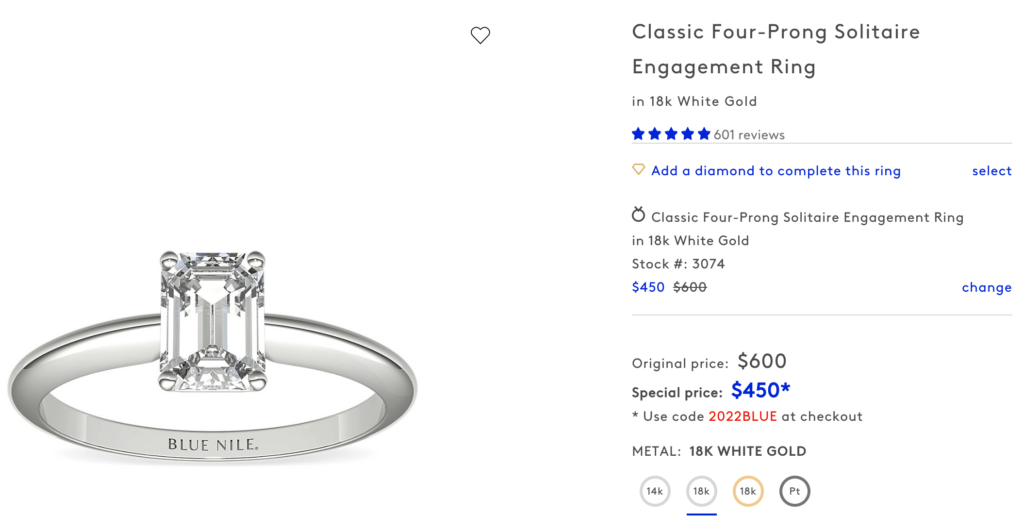
White gold vs. yellow gold ring on Blue Nile.
Yellow gold vs. white gold ring on Blue Nile.

The Knot 2021 Jewelry & Engagement Study surveyed more than 5,000 recently engaged couples and found that yellow gold ring settings have increased in popularity by 11% since 2017, though white gold settings remain the most popular choice at 45% of all engagement ring settings (down from 61% in 2017). 

Vox Media credits Meghan Markle’s yellow gold engagement ring (with side stones from his mother Princess Diana’s jewelry collection) for the recent resurgence of yellow gold, though yellow gold overall has regained popularity in recent years.

Do diamonds look better in white or yellow gold?

According to the International Gem Society, a yellow gold setting is more forgiving for diamonds that have a nearly colorless or faint color, making them appear whiter in contrast.

If you have a colorless diamond, white gold can enhance its white color, while yellow gold will show through your diamond to give it a slightly yellow hue. 

However, whether you choose white or yellow gold is primarily a personal preference. 

White gold vs yellow gold engagement ring?

Whether you choose a white gold vs. yellow gold engagement ring depends on your personal style preferences and the color of the gemstone you choose. 

If you want a contrasting look or you have a diamond with a slightly yellow color, a yellow gold setting might be best. You can also buy a two-tone engagement ring, where the band is yellow gold and the ring prongs are white gold or platinum to reduce the amount of yellow that shows through your diamond. 

White gold engagement ring settings continue to be the most popular among engaged couples, according to a 2025 survey by The Knot, though yellow gold has increased in popularity in recent years.

Which is more durable?

Because the metals it’s alloyed with are more durable and because it’s typically plated in rhodium, white gold is more durable and resistant to scratching than yellow gold. 

Bottom line: Is white gold worth more than yellow gold? Which has the better resale value?

White gold and yellow gold of the same karat weight have about the same value. If you were to sell either for scrap, you would get about the same value from a gold buyer. Now is a great time to sell as gold is at record highs.

Whether you’re looking to sell white gold or yellow gold jewelry, we recommend selling to CashforGoldUSA, one of the oldest and most reputable online gold buyers.

CashforGoldUSA is our top choice because: 

  • A+ Better Business Bureau rating
  • 100% free door-to-door, trackable FedEx or USPS shipping
  • Free Jewelers’ Mutual insurance up to $150,000 on each shipment
  • No minimum value
  • Facility insured by Lloyds of London

CashforGoldUSA also has a highest price guarantee for all of your gold, silver, and diamond jewelry. 

Get an offer for your white or yellow gold from CashforGoldUSA (and get a 10% bonus if you send in your item within 7 days) >>

What is the difference between white gold and yellow gold?

Beyond their obvious color difference, white gold and yellow gold are alloys (a mixture of metals) composed of different types of metals. White gold is also typically plated with a layer of rhodium, which gives it its white appearance.

What’s yellow gold made of?

Yellow gold is an alloy of pure gold and metals like copper and zinc.

What’s white gold made of?

White gold is an alloy of pure gold and white metals like silver, nickel, palladium, or zinc, which give it an off-white, less yellow appearance. White gold is often plated in rhodium to achieve a whiter color and increase its durability and shine.

Is white gold real gold?

White gold is real gold alloyed with other metals like silver, nickel, or palladium.

What is rhodium plating?

Rhodium plating is a thin layer of rhodium that coats other metals, typically white gold, to make it appear pure white and to make it more durable and reflective.

How long does rhodium last on white gold?

Rhodium plating fades over time to reveal the warmer white gold underneath, especially with frequent wear and exposure to chemicals like chlorine.

Is rhodium plating white gold a good idea?

That depends on your personal preferences and whether you want to spend money to have your rhodium-plated jewelry replated every six months to a year. The cost of rhodium plating varies by jeweler and the thickness of the plating, though is typically less than $100 for an engagement ring.

What is gold vermeil?

Gold vermeil is sterling silver that has been gold-plated, typically with 22K to 24K gold. It is more common to find gold vermeil in 14K-18K.

What is gold plated?

Gold plating involves affixing a thin layer of gold onto the surface of another metal — like copper or silver — by a chemical or electrochemical plating process.

What is gold filled?

Gold-filled jewelry is constructed in two or three layers: The core metal is brass, and a gold alloy is then bonded to one or both surfaces of the brass core with heat and pressure.

Looking for a cheaper option for your prescription medications? Several national pharmacies provide deep discounts on some of the most commonly-prescribed drugs for conditions ranging from high blood pressure to diabetes to mental health.

Where can I find cheap prescription medications?

Here is a look at where you can get cheap, and possibly free, medications with a prescription:

1. Costco

The Costco Membership Prescription Program (CMPP) offers a discount on prescription medications and some over-the-counter medications to those with a membership to the store, , while independent providers such as North Century Pharmacy may offer alternative pricing, personalized service, or tailored medication

Free medication from Costco

CMPP is free with a Costco membership, but there are several factors in determining prices for medications through the program. Those factors include location and the type of prescription drug as well as whether the medication is name-brand or generic.

Cheap medication from Costco

CMPP offers a host of authorized generic drugs, those manufactured by the brand name company or those marketed under a private label. For example, a 90-day prescription for the name brand drug Lipitor in a 10 mg dosage costs around $1,079 in the CMPP, according to Costco’s website. The generic form of the drug, Atorvastatin, for the same dosage and supply, costs $16 through CMPP.

Here are some other examples of Costo discounted medications:

Amlodipine Besylate – 5 mgTablet90$8.99
Azithromycin – 250 mgTablet6$6.99
Clopidogrel Bisulfate – 75 mgTablet90$8.99
Escitalopram Oxalate – 20 mgTablet30$6.99
Freestyle Libre 2 Sensor1$59.91
Gabapentin – 100 mgCapsule60$6.99
Hydroquinone – 4 %Cream28.35$16.99
Latanoprost – 0.005 %Solution2.5$8.99
Propecia – 1 mgTablet90$327.99
Synthroid – 100 mcgTablet90$97.66

2. CVS

CVS Pharmacy advertises that it helps customers find the cheapest way to fill their prescription drug. 

Cheap medication list for CVS

The prescription drug costs at CVS vary depending on insurance and other offers, but the national drug store promotes that the pharmacist will use its online tool to help you find the cheapest way to fill your prescription — whether through your insurance, coupons, asking your doctor for a generic substitute or promotions. CVS customers can also create an account on the website to use a self-search tool for savings specific to your insurance plan.

How to get free delivery of prescriptions from CVS

The CVS CarePass service, a monthly or annual paid membership, offers unlimited, free 1- to 2-day or same-day delivery of store items and qualifying prescription orders at participating locations. CVS CarePass costs $5 monthly or $48 annually.

Is therapy worth it? Read reviews of the best online therapy sites, including our No. 1 pick, BetterHelp.

3. Publix

The elderly man holds white pills. Publix offers a decent list of affordable medications.

Publix pharmacies located in grocery stores available in the southeast U.S. offer affordable medications and delivery services.

Free or Cheap medication list for Publix 

Publix offers a decent list of medications for $7.50 for a 90-day supply, which is only $2.50 a month. Some on the list are the $7.50 price for a quantity of 180. Medications include:

  • Clonidine
  • Clopidogrel
  • Furosemide
  • Hydralazine
  • Hydrochlorothiazide
  • Jantoven (Warfarin)
  • Metoprolol tartrate (180 quantity)
  • Triamterene-HCTZ
  • Glimepiride
  • Simvastatin
  • Sertraline
  • Buspirone (180 quantity)
  • Amitriptyline HCL
  • Topiramate (180 quantity)
  • Ropinirole (180 quantity)
  • Donepezil
  • Alendronate (12-day supply)
  • Allopurinol
  • Meloxicam
  • Omeprazole
  • Estradiol
  • Tamsulosin
  • Cetirizine HCL

Get our reviews of 14 online doctor apps

4. Sam’s Club

A Sam’s Club Plus membership is $100 annually, and not only offers in-store discounts to the bulk retailer, but also for pharmacy needs, including some free medicine. 

Free medication list for Sam’s Club Plus members

A 30-day supply of the following medications are free for Plus members:

  • Donepezil
  • Escitalopram
  • Finasteride
  • Pioglitazone
  • Vitamin D2 50,000 IU
  • Lisinopril
  • Metformin
  • Sertraline
  • Montelukast
  • Amlodipine

Cheap medication list for Sam’s Club Plus Members

Sam’s Club pharmacies offer discounts on generic forms of Viagra (Sildenafil) and Cialis (Tadalafil) for $1 a tab for Plus members.

Sam’s Club Plus members also have access to more than 600 generic medications for $10 or less including the following:

  • Atorvastatin
  • Azithromycin
  • Hydrochlorothiazide
  • Fluticasone Spray
  • Fluoxetine
  • Metoprolol Succinate
  • Omeprazole
  • Meloxicam

Additionally, Sam’s Club offers Plus members discounts on name-brand medications for diabetes, respiratory health, women’s health and other conditions. Check the website for a list of available medications.

5. Walgreens

Through Walgreen’s Prescription Savings Club program, participants can save up to 80% off their brand name and generic prescriptions at the pharmacy. Cost to join the program is $20 per person, or $35 per family, per year.

Free or cheap medication list for Walgreens

Walgreens offers discounts to Savings Club customers based on a three-tiered system for generic medications offered through their pharmacies Some medications for $5 for a 30-day supply or $10 for a 90-day supply at Walgreens include:

  • Indomethacin
  • Lisinopril
  • Loratadine
  • Glimepiride
  • Amoxicillin
  • Penicillin
  • Amitriptyline
  • Fluoride
  • Folic Acid
  • Estradiol
  • Prednisone

A full list of medications is available on the website.

6. Walmart

Walmart offers a prescription discount program for Walmart Plus members called RX for Less. The program allows members access with a digital savings card to some commonly-prescribed medications for zero cost without using insurance at participating locations. 

To participate in the program, customers must have a Walmart Plus membership, which costs $12.95/month or $98 annually. Participants are eligible for the program after they complete a 15-day trial of Walmart Plus.

Free medication list for Walmart Plus members

Some restrictions apply, so program participants should check with their local Walmart pharmacy for requirements.

Common medications offered for free through RX for Less at Walmart include:

  • Metformin
  • Lisinopril
  • Amlodipine

Customers can use a search function on the website to look up medications and check availability and pricing at participating locations specific to where they live.

Cheap, $4 medication list for Walmart

The new program for Walmart Plus customers to get free medications is in addition to Walmart’s existing $4 prescription program, which is available to all customers. The $4 program offers thousands of medications at up to 85% off. The program also includes many 90-day supply medications for $10 and other common prescriptions at a discounted price.

Medications available in this program are:

Diabetes

  • Glimepiride (30 for $4, 90 for $10)
  • Glipizide (60 for $4, 180 for $10)
  • Glipizide ER (30 for $9, 90 for $24)
  • Glyburide/Metformin (60 for $9, 180 for $24)
  • Metformin (60 for $4, 180 for $10)
  • Metformin ER 500 mg (120 for $4, 360 for $10)
  • Metformin ER 750 mg (60 for $4, 180 for $10)
  • Pioglitazone (30 for $15, 90 for $38)

Digestion

  • Meclizine (30 for $9, 90 for $24)
  • Metoclopramide (30 for $4, 90 for $10)
  • Omeprazole (30 for $15, 90 for $38)
  • Omeprazole DR (30 for $15, 90 for $38)
  • Promethazine (30 for $15, 90 for $38)

Family planning

  • Norethindrone (28 for $9, 84 for $24)
  • Sprintec 28 Day (28 for $9, 84 for $24)
  • Tri-Sprintec (28 for $9, 84 for $24)

Pain management

  • Lidocaine 2% Solution (100 ML for $15)
  • Methocarbamol (30 for $15, 90 for $38)

Respiratory health

  • Albuterol HFA (One inhaler, $24)

Thyroid

  • Levothyroxine (30 for $4, 90 for $10)

Nutrition

  • Folbee (30 for $9, 90 for $24)
  • Folic Acid (30 for $4, 90 for $10)

Cholesterol

  • Atorvastatin (30 for $15, 90 for $28)
  • Fenofibrate (30 for $9, 90 for $24)
  • Gemfibrozil (60 for $9, 180 for $24)
  • Simvastatin (30 for $9, 90 for $24) 

Heart health and blood pressure

  • Amiodarone (30 for $9, 90 for $24)
  • Atenolol (30 for $4, 90 for $10)
  • Benazepril (30 for $4, 90 for $10)
  • Bisoprolol (30 for $9, 90 for $24)
  • Carvedilol (60 for $4, 180 for $10)
  • Cilostazol (60 for $9, 180 for $24)
  • Clonidine (60 for $4, 180 for $10)
  • Clopidogrel (30 for $15, 90 for $38)
  • Digoxin (30 for $9, 90 for $24)
  • Diltiazem (60 for $9, 180 for $24)
  • Diltiazem ER (30 for $9, 90 for $24)
  • Doxazosin (30 for $9, 90 for $24)
  • Enalapril (30 for $9, 90 for $24)
  • Furosemide (30 for $4, 90 for $10)
  • Hydralazine (90 for $4, 270 for $10)
  • Hydrochlorothiazide (30 for $4, 90 for $10)
  • Indapamide (30 for $4, 90 for $10)
  • Irbesartan (30 for $9, 90 for $24)
  • Isosorbide Mononitrate ER 30 for $4, 90 for $10)
  • Lisinopril (30 for $4, 90 for $10)
  • Lisinopril/HCTZ 30 for $4, 90 for $10)
  • Losartan (30 for $9, 90 for $24)
  • Metoprolol ER (30 for $9, 90 for $24)
  • Metoprolol Tartrate (60 for $4, 180 for $10)
  • Minoxidil (30 for $9, 90 for $24)
  • Ramipril (30 for $4, 90 for $10)
  • Torsemide (30 for $9, 90 for $24)
  • Triamterene/HCTZ (30 for $9, 90 for $24)
  • Valsartan/HCTZ (30 for $9, 90 for $24)
  • Verapamil (30 for $9, 90 for $24)
  • Warfarin (30 for $4, 90 for $10)

Mental health

  • Amantadine 100 mg (60 for $9, 180 for $24)
  • Amitriptyline 10 mg (30 for $4, 90 for $10)
  • Buspirone (60 for $4, 180 for $10)
  • Bupropion (60 for $15, 180 for $38)
  • Bupropion ER/SR (60 for $15, 180 for $38)
  • Bupropion XL (60 for $15, 180 for $38)
  • Carbidopa/Levodopa (90 for $9, 270 for $24)
  • Citalopram (30 for $4, 90 for $10)
  • Divalproex DR 250 mg (60 for $9, 180 for $24)
  • Donepezil 5 mg (30 for $9, 90 for $24)
  • Duloxetine (30 for $15, 90 for $38)
  • Escitalopram (30 for $15, 90 for $38)
  • Fluoxetine (30 for $4, 90 for $10)
  • Lamotrigine 25mg (60 for $9, 180 for $24)
  • Lamotrigine 100mg (30 for $9, 90 for $24)
  • Lamotrigine 150mg (60 for $9, 180 for $24)
  • Lamotrigine 200mg (30 for $9, 90 for $24)
  • Levetiracetam (60 for $9, 180 for $24)
  • Lithium Carbonate (60 for $4, 180 for $10)
  • Lithium Carbonate ER (60 for $9, 180 for $24)
  • Mirtazapine (30 for $9, 90 for $24)
  • Nortriptyline (30 for $4, 90 for $10)
  • Olanzapine (30 for $9, 90 for $24)
  • Oxcarbazepine (60 for $9, 180 for $24)
  • Paroxetine 20mg, 30mg (30 for $4, 90 for $10)
  • Paroxetine 40mg (30 for $9, 90 for $24)
  • Pramipexole (30 for $9, 90 for $24)
  • Primidone 50mg (30 for $9, 90 for $24)
  • Primidone 250mg (60 for $9, 180 for $24)
  • Quetiapine (30 for $9, 90 for $24)
  • Risperidone (30 for $4, 90 for $10)
  • Ropinirole (30 for $9, 90 for $24)
  • Sertraline (30 for $9, 90 for $24)
  • Topiramate (60 for $9, 180 for $24)
  • Trazodone (30 for $4, 90 for $10)
  • Trihexyphenidyl 2mg (60 for $4, 180 for $10)
  • Trihexyphenidyl 5mg (60 for $9, 180 for $24)
  • Venlafaxine (60 for $15, 180 for $38)
  • Venlafaxine ER (30 for $15, 90 for $38)
  • Zonisamide (60 for $9, 180 for $24)

Where to find cheap prescriptions online

Check out these places to find discount prescription medication online: 

7. Amazon Pharmacy

Amazon is the best place to start your free / discounted prescription drug search.

  1. Search your medication on Prime Rx to see where you can find it cheapest — the site searches all major and local pharmacies, as well as offers up the Amazon price.
  2. If you want to take advantage of Amazon’s discounted medication (and free delivery), you must have an Amazon Prime membership. A Prime costs $12.99 a month or $119 per year after a free 30-day trial. Students and qualified government assistance recipients receive a 50% discount for the Prime membership.

Free or cheap medication list for Amazon Pharmacy

Amazon Pharmacy offers generic medications such as antibiotics for nearly free, like a 30-day supply of Amoxicillin for $1.70 for Prime members or $3 for nonmembers. The name brand Cephalexin antibiotic is available for $11 for a 30-day supply through Prime.

Other cheap 30-day supply medications at the Prime member price are:

  • Lisinopril, $3.80
  • Lorazepam (generic for Ativan), $4.10
  • Prednisone, $5.60
  • Fluoxetine (generic for Prozac), $3.80
  • Warfarin, $3.80

Visit the medication checker on Prime Rx to find information and pricing for other prescribed drugs.

Free prescription discount card from Amazon Prime

Everyone with an active Amazon Prime membership automatically gets a free PrimeRx prescription discount digital card.

Prime members should sign into their Amazon account and click on the Pharmacy tab in the black bar to get their card.

If members don’t buy from the Amazon Pharmacy, they can use the digital card for discounts at 50,000 participating retail pharmacies, including Walgreens and CVS. A physical copy of the card can be obtained by taking a photo of the digital card and printing it out.

Other benefits of the Amazon PrimeRx discount card:

  • Use with or without insurance.
  • Each Prime member and one other adult in the household receives their own digital card.
  • Some pharmacies can fill more than a 30-day supply with the discount.
  • Free 2-day home delivery. 

8. GoodRx

GoodRx acts as a search tool, comparing generic and brand prescription medication prices at nearby pharmacies to show you the best price. 

With a free membership, GoodRx provides a discount card to help you save up to 80% on prescription medications. But anyone can use the GoodRx website or app to get discount coupons, which you can print or show your pharmacist via email or on the GoodRx app. 

These savings are available even without insurance. 

With GoodRx, you can get a 30-day supply of Albuterol for $19.05, which is 63% off the average price of $51.62. However, pricing is based on where you live.

Other popular generic GoodRx 30-day supply medications include:

  • Alprazolam (generic for Xanax), $6.89
  • Amoxicillin (generic for Amoxil), $4.83
  • Azithromycin (generic for 1 Z-Pak), $8.51
  • Cyclobenzaprine (generic for Flexeril), $2.70
  • Lisinopril (generic for Prinivil), $3.05
  • Pantoprazole (generic for Protonix), $5.00
  • Sildenafil (generic for Viagra), $8.05
  • Tramadol (generic for Ultram), $6.36
  • Zolpidem (generic for Ambien), $8.70

GoodRX also offers pet prescriptions.

9. Mark Cuban Cost Plus Drugs

Mark Cuban CostPlus Drug Company is a direct-to-consumer online pharmacy. They offer wholesale prices to help you save money on prescription medication. You can create a free account in minutes. No insurance is required.

Mark Cuban CostPlus Drug is easy to use. Just ask your doctor to submit your prescription request to a CostPlus pharmacy partner. You’ll then place an order, pay for your medication online, and it will ship to your door in a few days. Right now, you can get Fluoxetine for as low as $3.90 for a 30-day supply, which regularly retails for $22.94. 

Here are a few other affordable 30-day supply medications offered:

  • Cetirizine (generic for Zyrtec), $3.90
  • Ergocalciferol (generic for Drisdol), $8.40
  • Folic acid, $3.60
  • Ibuprofen, $3.90
  • Lisinopril (generic for Prinivil), $4.50
  • Prednisone (generic for Deltasone), $4.50

10. SingleCare

The physician gives medicine to the man. You can find the lowest prices on prescription medicines near you with SingleCare.

SingleCare helps you search a database of prescriptions to find the lowest prices near you. It offers up to 80% off of retail prices for medication. With a free membership, you’ll get a coupon card you can use at any participating pharmacies like CVS, Walgreens, Walmart and more. 

No insurance is necessary, but if you have it, you’ll find that some prescriptions are often lower than your copay. Just show your coupon card at the register before you pay. For example, you can get Pregabalin (generic for Lyrica) for $3.10 for 30 tablets. Lyrica retails at $314.95 for 30 tablets. Pricing fluctuates by zip code and pharmacy.

Check out these 30-day supply discount prices of popular medications:

  • Lo Loestrin Fe (28-day), $125.49
  • Esomeprazole Magnesium (generic for Nexium), $3.42
  • Xarelto, $365.71
  • Tadalafil (generic for Cialis), $5.24
  • Celecoxib (generic for Celebrex), $4.82
  • Alprazolam (generic for Xanax), $1.13

Another way to get cheap prescriptions? Patient assistance programs

For more ways to get cheap or free prescriptions, look into the following patient assistance programs (PAPs):

Merck Patient Assistance Program

Merck provides specific Merck medicine and vaccines for free to people without prescription drug coverage or health insurance who cannot afford them. 

There are three programs:

  • Merck PAP — You may be eligible if you are a U.S. resident, have a Merck prescription from a licensed US doctor, cannot afford the medicine, and don’t have insurance even though you have applied.
  • Merck Vaccine PAP — You may qualify if you live in the U.S., are 19 or older, do not have health insurance or coverage for vaccines, and cannot afford to pay for a Merck vaccination.
  • Hospital Product Placement Program — If you are uninsured and have an extremely low income, this program offers replacements for specific drugs.

Learn more and enroll in a Merck PAP.

Pfizer RxPathways

Pfizer Rx Pathways is a PAP that provides free Pfizer medication to qualified patients.

To qualify, you must:

  • Live in the U.S., receive treatment from a licensed doctor or health care provider licensed in the U.S. (includes U.S. territories), and have an FDA-approved, valid Pfizer prescription
  • Meet income guidelines based on family size (starting at 300% of the federal poverty level)
  • Be uninsured or insured by the government and unable to pay for your medicine

Find your Pfizer RxPathways program.

Novartis Patient Assistance Foundation

If you can’t afford your Novartis prescription, the Novartis Patient Assistance Foundation (PAF) helps people get the medication they need for free.

This program covers specific Novartis prescriptions.

To be eligible, you must:

  • Live in the U.S. or U.S. territory and be under the care of a US health care provider (outpatient-only) 
  • Either have limited or no prescription coverage
  • Meet income guidelines based on household size
  • Have a valid Novartis prescription

Learn more or enroll in Novartis PAF.

Johnson & Johnson PAF

The Johnson & Johnson PAF offers free pulmonary arterial hypertension medicines, IMBRUVICA (chemotherapy), and other specific prescriptions to eligible patients.

To get help:

  • You must live in the U.S. or in a U.S. territory and have prescription from a licensed doctor (outpatient-only)
  • You can’t have public or private insurance
  • Your prescription must be on the donated medication list
  • You meet income guidelines based on your household size
  • You must fill out the application and include all requested documentation

Apply to the Johnson & Johnson PAF.

Other ways to find helpful and free resources for low-income families:

Help for single moms: 16+ resources$500 monthly single mom grant
Free laptopsScholarships for single moms
Free carFree Christmas gifts
Free smartphoneBest jobs moms can do from home
Free wifiFree clothes
Free formulaFree diapers
Free toysGovernment assistance for single moms
Free gasFree daycare
Free preschoolAffordable dentures
Free prescription glassesFree money
10+ charities that help single mothersTutoring and homework help
Free or low-cost after school programsHealth insurance
Cash for junk carsFree food
Dumpster divingLow-income home loans
Free school suppliesHome buyer grants
Free housingFree or cheap dental care
Free gift cardsFree Christmas money
Cheap eats near meFree money for bills
Free hearing aidsFree hearing test

Platinum and white gold may look nearly identical, but they are actually quite different — in makeup, durability, and price. 

Whether you’re choosing between a platinum or white gold engagement ring or you have platinum or white gold jewelry to sell, keep reading to learn everything you need to know about these two popular metals:

Which is more valuable white gold or platinum?

What are the differences between white gold and platinum?

What are the benefits of white gold vs. platinum?

Platinum vs. white gold: Which is better?

Get an offer from CashforGoldUSA >>

Is platinum worth more than gold, or is gold worth more than platinum?

Generally speaking, platinum is more valuable than white gold, though its resale value is less stable, and fewer shops are willing to buy it back.

Platinum spot price was per ounce as of .

While the price of platinum is currently lower than the price of gold, platinum jewelry contains a greater percentage of pure platinum (typically 95% or more) than white gold contains in pure gold: 

  • 24k gold = 99.9% pure (not suitable for jewelry)
  • 18k gold = 75% pure
  • 14k gold = 58.3% pure

The amount of pure metal is often stamped on jewelry.

CashforGoldUSA is a top online precious metals buyer who will pay you money for your gold, platinum, silver, and palladium pieces. They pay within 24 hours and have an A+ rating with the Better Business Bureau. 

Get an offer on your white gold or platinum from CashforGoldUSA >>

What are the differences between white gold and platinum?

To start, platinum is itself a precious metal, while white gold is an alloy of pure gold and other metals. These are some other differences between platinum and white gold:  

What is platinum?

Platinum is a dense and malleable precious metal with a silvery-white appearance. 

What is white gold?

White gold is an alloy of pure gold combined with other metals like silver, nickel, palladium, or zinc to dull its yellow color. White gold is often plated in rhodium to make it appear pure white. 

White gold was originally developed to imitate platinum, according to the United States Geological Survey.

White gold vs yellow gold: What’s the difference, which is worth more?

Platinum vs white gold durability

Platinum is denser than gold, which means it’s less likely to break and does a better job of keeping gemstones in place.

However, rhodium-plated white gold is harder to scratch than platinum. Note that white gold needs to be replated every six months to a year, which can cost $50-$120 each time, depending on the jeweler and the size of the item you’re plating. 

Platinum vs white gold color

When it’s plated in rhodium, white gold and platinum have the same silver-white color (though white gold may be slightly lighter in appearance). Without rhodium plating, white gold is slightly more yellow in color than platinum.

Because rhodium plating fades with time and wear, white gold should be replated every six months to a year to maintain its pure white appearance.

Platinum vs white gold price

Platinum is typically more expensive than white gold. 

When it comes to engagement rings, New York City jeweler Frank Darling reports a platinum engagement ring costs about $300 more on average than a white gold engagement ring of similar style.

This video may help you choose between white gold and platinum:

Sterling silver vs. plated silver vs. white gold

What are the benefits of white gold vs platinum?

If you’re shopping for a white gold vs. platinum piece, here are some things to keep in mind: 

Platinum vs white gold engagement ring: Why use platinum instead of white gold?

While a platinum engagement ring will likely cost a few hundred dollars more upfront, a white gold engagement ring may cost more in the long run when you consider the cost of regularly replating its surface.

Is it worth buying a platinum ring?

Because it requires less maintenance than white gold, buying a platinum ring might be worth it if you can afford the higher upfront cost.

Is platinum better than white gold?

Neither platinum nor white gold is “better” than the other. Platinum is less prone to breakage, while white gold plated in rhodium is more scratch resistant than platinum. 

Which one you choose largely depends on your budget, since platinum generally costs more than white gold — though it has a less stable resale value. 

18k white gold vs platinum

18k white gold is made of 75% pure gold and is closer in price to platinum than 14k white gold. These two identical engagement ring settings from Blue Nile — one in 18k white gold and the other in platinum — have an original price difference of $150. 

Platinum vs. white gold engagement ring from Blue Nile.
18K white gold vs. platinum engagement ring from Blue Nile.

14k white gold vs platinum

14k white gold is made of 58.3% pure gold, which makes it less expensive than 18k gold — though it’s also more resistant to scratching and bending because of its higher concentration of other metals. This 14k white gold setting from Blue Nile is about $250 less than its identical platinum setting above:

14K white gold vs. platinum engagement ring from Blue Nile.

Bottom line: Know the differences between platinum and white gold before you buy or sell jewelry

When you’re comparison shopping platinum and white gold jewelry, it’s important to understand their differences before you buy. 

Platinum generally costs more upfront but may be less expensive in the long run, while white gold is more resistant to scratching but not as strong as platinum. Gold is also typically a better investment because of its stable resale value.

When you’re selling white gold or platinum pieces, you should always sell to a reputable precious metals buyer. 

CashforGoldUSA is our top choice because:  

  • A+ rating from the Better Business Bureau 
  • No minimum value
  • Highest price guarantee
  • 100% free trackable shipping from FedEx or USPS
  • Insured for free by Jewelers’ Mutual up to $150,000 per shipment / insured by Lloyds of London in CashforGold’s facility

CashforGoldUSA buys white gold and platinum — as well as other metals like silver, palladium, and gold in all its forms (raw gold, gold bullion, gold scrap, gold jewelry, pearls, gold coins, etc). 

Get an offer for your white gold and platinum from CashforGoldUSA >>

Which is more valuable white gold or platinum?

Generally speaking, platinum is more valuable than white gold, though its resale value is less stable, and fewer shops are willing to buy it back.

What is platinum?

Platinum is a dense and malleable precious metal with a silvery-white appearance.

What is white gold?

White gold is an alloy of pure gold combined with other metals like silver, nickel, palladium, or zinc to dull its yellow color. White gold is often plated in rhodium to make it appear pure white.

Why use platinum instead of white gold?

While a platinum engagement ring will likely cost a few hundred dollars more upfront, a white gold engagement ring may cost more in the long run when you consider the cost of regularly replating its surface.

Is it worth buying a platinum ring?

Because it requires less maintenance than white gold, buying a platinum ring might be worth it if you can afford the higher upfront cost.

Is platinum better than white gold?

Neither platinum nor white gold is “better” than the other. Platinum is less prone to breakage, while white gold plated in rhodium is more scratch resistant than platinum.

If you have old or antique silver flatware that you no longer use or want, you can either sell it online or to a local buyer.

Sterling silverware is surprisingly expensive, and this is ever more so as silver prices keep climbing, closing at 54 at the end of October. 2026 — with expert projecting that rates will climb.

Our recommendation for selling sterling silver flatware is online CashforSilverUSA, which stands out among other options with an A+ Better Business Bureau rating, insurance up to $100,000, and a highest-price, money-back guarantee.

Get a free, quick quote from CashforSilverUSA now >>

Sell flatware to CashforSilverUSA

We weigh the pros and cons of both options and give our recommendation for the best place to sell silver flatware:

Where to sell silver flatware online

Where to sell silverware locally

If you have questions about valuing silver flatware or serving pieces, head to our guide.

Where to sell silver flatware online

There are several ways you can sell silver flatware online, from online silver buyers to online auction sites:

Pros of selling your silverware online

  • Online options may offer the highest prices
  • Not constrained to local options near you
  • Privacy of online transactions
  • Sell without leaving your house

Cons of selling your flatware online

  • Cash payout not as quick as local buyers
  • Dealing with shipping (our recommended online buyer covers the cost of shipping)
  • Not supporting local businesses

With all that said, these are the places we evaluated for cashing in your silver, including two name-brand sites (CashforSilverUSA and Replacements), as well as three types of marketplaces (consignments, auctions and marketplaces). 

1. CashforSilverUSA

Based on our own extensive research and experiences selling silver and gold — including comparing top online buyers and local options — CashforSilverUSA is our recommendation for most silver flatware sales.

CashforSilver has an A+ rating from the Better Business Bureau and offers a 10% bonus if you ship within 7 days. 

Learn more about CashforSilverUSA’s sister site in this CashforGoldUSA review.

CashforSilverUSA paid $710 for this sterling flatware set:

Silver flatware including spoons and forks for sale as part of an estate.

A CashforSilverUSA customer got $300 for this set of silver coins:

CashforSilverUSA customer sold a set of silver coins.

And look at this collection of Kennedy half dollars CashforSilverUSA paid $1,956 for:

CashforSilverUSA paid for a collection of Kennedy half dollars.

FYI: CashforSilverUSA does not buy silver-plated items, so if your flatware is not marked with a sterling silver mark, it’s probably plated.

2. Replacements.com (online buyer of complete collections)

If you have a highly collectible brand of flatware or a uniquely complete set in pristine condition, it might make sense to send it in to Replacements.com, a reputable online buyer of used, vintage silverware and antique tableware items, including:

  • China / dinnerware
  • Crystal / glassware
  • Holiday ornaments and other collectibles
  • Silverware / flatware

This is a list of some of the most desirable silverware brands in resale.

Selling on Replacements.com makes sense mostly for dealers who work with large quantities of silver and china, understand the value of what they have and deal in items that are best sold piecemeal, or that are a special, large collection, vs flatware best sold in bulk for melt value.

For example, this 40-piece sterling silver Belle Meade silverware set is listed at $5,799 on Replacements.com. Assuming each five-piece place setting weighs 11.5 ounces, the set’s estimated silver content would be worth about $4,200 as of October 26, 2026, using a silver spot price of $54 per troy ounce. Actual scrap offers would typically be lower.

tiffany flatware for sale on replacements.com

This sterling silver Gorham serving spoon is listed for $349 on Replacements.com. Based on the spot value of its silver alone, it would be worth about $350 (with an estimated weight of 5 ounces based on similar pieces).

As its name suggests, Replacements.com is popular with buyers who are interested in replacing a missing fork from their silverware set, or a broken soup bowl from their family china. Today, the site sells a wide variety of individual pieces, full sets, and all things in between. Most items for sale are brand names.

Replacements.com is a legit business:

  • Founded in 1981, it is one of the oldest online buyers of tableware
  • Better Business Bureau rating of A+
  • Many positive online reviews (and many negative ones, too)
  • Useful pattern identification tool if you don’t know the brand or pattern of your item

Cons of Replacements Ltd.:

  • You pay for all shipping and insurance — including returns
  • Replacements Ltd. reports to only work with about 500 regular sellers, so the chances of them accepting your item is small
  • Since they are in the resell business — not smelting / scrap — Replacements.com only wants premium items that are not damaged or low-quality
  • Final offers take 14 days or more after the item is received by Replacements Ltd.

3. Selling silverware through online consignment

You may consider selling your flatware through an online consignment shop like Mercari, in which the retailer sells your silverware and shares the proceeds with you.

This process can be a lot of work for little money, and no guarantees. Each online consigner takes a certain percentage of the proceeds from your sale.

4. Online auction

Online auction sites, including ebay, can be a solid place to sell your silverware.

These are some silverware and silver plated flatware sets listed for sale on ebay as of February, 2026:

sterling silver fork listed on ebay

5. Online marketplaces for selling silver and family valuables

A marketplace like Facebook Marketplace, Craigslist or other listings can attract buyers locally and nationally. It takes some work to photograph, post and then vet responses, but it gives you the control to set your price and deal face-to-face with the buyers.

However, there is always risk involved in selling on these sites. Choose a safe public place to meet up and never give out your address or other personal information. Be wary of common scams like buyers sending fake payment confirmations or overpaying for items and asking for a refund.

Where to sell silverware locally

If you are leaning toward an in-person sale, these are some pros and cons and places to go:

Pros of selling your silverware locally

  • Quick cash
  • Deal with a local business you may know and trust
  • Feel good about supporting a local company
  • If you choose a pawn loan, you can get your flatware back

Cons of selling your flatware locally

  • Local options may not offer you the highest price
  • You’re constrained to options near you. By comparison, online silver and gold buyers serve a national market, and compete against other national buyers. This puts pressure on them to pay you top dollar for your silver — pressure that local buyers just don’t have.
  • It can be embarrassing to walk into a local silver buyer or pawn broker, which can feel like announcing you’re broke
  • Since you should always negotiate, it can feel more intimidating to bargain face-to-face than over email or the phone with an online silver buyer.

6. How estate auctions handle silverware

Auctions can be a good choice if you believe that your flatware has value outside of the value held within the metal — for example, if it is an antique or a noted brand.

It’s important to note that the auction house will take a cut of the final sale price if your item sells, and as with tag sales, there’s no guarantee that you’ll actually find a buyer. 

7. Local silver buyers and pawn shops

Most pawn shops only pay about half the resale value of whatever it is they’re buying. Even if you find a local silver exchange where you can sell your silverware, many of those shops aren’t much better in terms of how much they pay.

However, pawn shops can be a good option if you just need money and don’t want to sell your flatware. Pawn loans allow you to take out a loan using your item as collateral. You must repay the value of the loan, plus interest, to get it back.

8. Tag sale, garage sale

You can have a tag sale or garage sale, but there’s no guarantee you’ll find a buyer. Sterling silver is best sold for scrap — very few people want to buy or own silver flatware anymore, and selling it directly through a tag sale is a lot of work that will not net the most money.

If your item is silver plated, however, it may be interesting to someone for a very low price, but again — there is very little money in this and donating to a charity thrift store may be the easiest option.

9. Antique dealers and estate sales

Antique stores and estate sale companies can help you sell, or buy outright, your silver flatware. Especially if you have a full set, or the desired brand or unusual silverware set, a good antique dealer can help you understand and fetch the best price for your silverware.

10. Thrift shops

Silver plated flatware and other lower-end silver items may find a home through a thrift store since they do not have much resale value, but may be interesting or beautiful to someone. Don’t expect the store to give you anything other than a tax-deduction charity form.

Running a background check on a potential nanny, babysitter or caregiver hire is a must to ensure you’re leaving your children with a safe and reliable person. There is a lot of public information that you can use, plus in some states, you can ask applicants to sign a consent that gives you permission to check driving records, arrest records, and more. We cover all of that in this post, which includes 11 steps to DIY your own nanny background check.

If you’re looking to run a background check on a nanny, these are some ways you can do it.

How do you screen a nanny? 11 steps to run a background check for caregivers

  1. Google search potential babysitters
  2. Social media search
  3. Check identification
  4. Schedule first interview
  5. Schedule second, working interview
  6. Interview past employers
  7. Interview family and friends
  8. Verify education records
  9. Check sex offender registry
  10. Check driving record
  11. Use a background check website that’s FCRA compliant

Best background check websites for nannies, babysitters and caregivers

Other ways to find people online and check someone’s background

How do you screen a nanny? 11 steps to run a background check for caregivers

#1. Google search potential babysitters

The simplest way to run a background check when you’re hiring a nanny or hiring a babysitter is to Google the person’s name. Get more specific results by searching “[name] nanny” or “[name] city/state.” Or put the name in quotation marks to cut down on the volume of your results. 

Research for potential nannies on social media sites such as:

  • Facebook
  • Twitter
  • Instagram
  • Linkedin

Almost every social media platform has an internal search function where you can search for someone by name, email, or phone number (though you may need to create an account yourself to do so).

If the person’s profile is public, the content on their page may give you a peek into their lifestyle and professionalism.

#3. Check identification

Ask for the nanny’s driver’s license or other photo ID (such as a passport, or a government or military ID). A real ID should have:

  • A smooth surface
  • A solid feel (not flimsy) 
  • An unaltered image
  • Text that is not blurry or smeared

Make sure the applicant’s ID has not expired. Don’t accept copies. The applicant should allow you to make a copy of their ID, which you can use to conduct a professional background check.

The free site eForms offers background check authorization form templates that you can download and use, depending on your local and state laws. It may be easier to use a professional service (see #11 for more details).

#4. Schedule first interview

Set up an initial interview with the candidate you’re considering. Some families choose to host the interview in their home and let the nanny meet their children; others opt for a public place such as a coffee shop. Whatever you’re most comfortable with is fine.

Ask the nanny questions such as:

  • How long have you worked with children, and what settings or environments have you worked in? What ages have you cared for?
  • What are your best qualities?
  • Where have you lived in the last 10 years and for how long?
  • Do you have references? (both personal and professional)
  • Are you willing to drive the children places as needed? How is your driving record?
  • Do you have a college degree? Is it related to childcare? Have you ever taken classes in childcare? 
  • Where did you grow up? Are you close with your family?
  • Do you have certifications in CPR, first responder training, and first aid? If not, are you willing to get them? What would be your plan in an emergency situation?
  • Why do you want this job?

You should also ask questions that are specific to your child or children’s current age. For example, ask if the nanny is comfortable caring for a newborn; potty training a toddler; or assisting a middle schooler with homework help. 

If you have pets, ask about the nanny’s experience caring for animals and potential allergies. Any medical needs or behavioral challenges relevant to your family should also be discussed. 

#5. Schedule second, working interview

It can be helpful to set up a working interview to see how the nanny interacts with your children. This might look like a normal weekday afternoon after school; a Friday evening date night; or even a weekend trip depending on your comfort level. 

Whatever the case, pay the nanny their usual rate. Then ask your children how things went. If this working interview is simple and short, you may choose to stay present in the house while the nanny interacts with your kids.

#6. Interview past employers

Ask the nanny to provide references and contact information so you can speak with their past employers. While the questions you ask might vary depending on the nature of the job, you can ask questions like:

  • How long did [name] work for you?
  • Why did they leave the job?
  • Were they on time and honest?
  • Were you pleased with their overall performance? 
  • Are there any concerns you’d have about this person?

#7. Interview family and friends

Ask for personal references, such as the nanny’s family members, friends, or anyone who knows them outside of work. You can speak with these people to get an idea of the candidate’s personality and character. 

While personal references are obviously more biased, it’s still good to see that a person has people who are willing to vouch for them.  

#8. Verify education records

If a candidate says they went to a certain school, make sure they completed the program they claim. Ask for details about their high school, college, or vocational school, such as what they studied and when they graduated. You’ll need to have them fill out a Form I-9 to verify their identity and employment authorization.

Next, use a third-party education verification service, or reach out to the school(s) yourself to verify the nanny’s graduation status. 

#9. Check sex offender registry

All 50 states and the District of Columbia have sex offender registries that are open to the public. You can run a search for somebody’s name on the National Sex Offender website run by the U.S. Department of Justice.

#10. Check driving record

Ensure your children’s safety in the car by checking the nanny’s driving record. You can do this by requesting the nanny’s driving record from your local DMV. Depending on your state, you’ll likely need their: 

  • Name
  • Birthday
  • Driver’s license number
  • A notarized authorization form releasing the record to you

#11. Use a background check website that’s FCRA compliant

If you decide to use a background check website, it’s important to select one that’s compliant with the Fair Credit Reporting Act (FCRA). The FCRA helps consumers by regulating how their information can be used and accessed. 

As an employer (even for a nanny), you are required to follow the FCRA when conducting a background check to avoid a potential lawsuit.

Best background check websites for nannies, babysitters and caregivers

Choose from these nanny background check websites that comply with the FCRA:

Care.com

If the nanny you’re considering has a caregiver profile on Care.com (an online marketplace to find child care, elder care, and other services), they will have already completed a CareCheck conducted by the website. This includes:

  • Social Security number trace
  • National Sex Offender Public Website search
  • Multi-jurisdictional criminal database search
  • Federal and county criminal records search

You can also request a background check on a caregiver. Care.com has a B rating (not accredited) from the Better Business Bureau. 

eNannySource

eNannySource is another option to run a background check on a nanny and make sure you’re complying with the FCRA. Multiple pricing tiers are available. The most comprehensive check covers:

  • Over 650 million national criminal records, including sex offender registries
  • Social Security number trace
  • County court records search for most recent county lived in
  • Additional county court records search for prior county lived in
  • Driving record report
  • National alias search

Other ways to find people online and check someone’s background

Hiring a nanny is a big decision. This individual will be entering your home and spending time alone with your children. That’s why you need to make 100% sure that a nanny is who they claim — that they’re safe, trustworthy, and dependable. A background check will give you peace of mind that you’re hiring the right person.

If you’re hiring a nanny, it also doesn’t hurt to see what they might find out about you. You can follow many of the steps outlined in this article or use a FCRA compliant background check site.

If you’re not able to find enough information about your prospective nanny, check out our post on finding people online or consider using a private investigator (PI), who can conduct extensive background checks on your behalf. He or she may also run surveillance to make sure the person you’re considering is safe.

Check out this video for some insight into a private investigator’s background check process:

If you have children and are considering divorce — or if you recently divorced your spouse — you may be in the midst of figuring out custody schedules and determining how you’ll raise your children in separate households.

When parents separate, getting the right advice on child arrangements can help them understand their options and make decisions that prioritise their children’s needs.

If you and your ex-spouse will each actively parent your children, you’ll be co-parenting, regardless of whether you get along well or never want to be in the same room again. In either scenario, studies find that children fare best when both parents are involved — as equally as possible.

Learn more in 11 surprising facts about equal shared parenting

“The benefits of co-parenting are that each parent can still have an active role in their child’s life, and have the ability to communicate their concerns and work together with the other parent to compromise,” says Dr. Jaclyn Gulotta, a licensed mental health counselor and qualified mental health supervisor.

How much or how little you collaborate with your ex-spouse depends on how civil your relationship is and whether you agree on how to raise your kids. 

Gulotta says having a positive co-parenting relationship allows children to observe their parents modeling healthy relationship dynamics, including positive communication and respectful problem resolution.

In this post, I’ll give you all the resources and information you need to figure out a co-parenting plan that works for you and your family:

What is co-parenting?

What does co-parenting mean?

What are the types of co-parenting?

What do you do when you can’t or don’t want to co-parent?

What is the difference between co-parenting compared to joint custody?

What are examples of co-parenting?

What are the benefits of co-parenting?

Co-parenting FAQs

What is co-parenting?

The definition of co-parenting is the practice of two parents working together to parent the kids. While married or coupled parents can and should certainly co-parent collaboratively, the term is usually used when navigating divorced and separated families where parents live apart.

So, what does co-parenting mean? Ideally, co-parenting moms and dads work together in the raising of children, including big decisions like medical and religious practices, as well as daily routines, discipline, schedules and values. 

Co-parenting and shared parenting are separate, but closely related terms.

Shared parenting is the term used for time-sharing in the event of separation or divorce in which the kids split the hours and days approximately equally between both parents’ homes.

Other terms include shared physical custody, equally shared parenting time, equal co-parenting, and equally shared parenting responsibility.  

A review of 60 peer-reviewed and published studies on shared parenting found that children fare better when separated, and divorced co-parents share parenting time and decisions approximately equally (courts and academics consider at least 40 percent time with each parent to be considered shared parenting, a.k.a. equal co-parenting).

This is also true for co-parenting in high-conflict situations.

What does co-parenting mean?

Ideally, both parents are actively involved in the child’s day-to-day life, communicate amicably (though you don’t have to be friends with an ex to be good co-parents), share the physical, financial, logistical and emotional responsibilities and joys of parenting, and encourage your children to have a warm relationship with the other parent, and their extended family and friends. 

Co-parenting also requires that the parents communicate respectfully when challenges arise, and work together in the best interest of the child. Co-parenting mothers and fathers should allow each parent to express their own rules and parenting style when spending time with the child.

What are the types of co-parenting?

There is no one-size-fits-all co-parenting plan. Depending on how well you and your ex get along, you can choose a co-parenting plan with as much or as little interaction/communication as you can manage.

These are a few of the different types of co-parenting:

Parallel parenting

Parallel parenting involves co-parenting your children with minimal collaboration and communication. Each parent in a parallel parenting agreement raises their children how they choose when the children are in their custody. 

Parallel parenting is usually used in high-conflict divorce cases where the parents simply can’t agree on how to raise their children and want to avoid communicating with one another. 

Learn more about parallel parenting here.

Conflicted co-parenting

If you are attempting to co-parent with an ex but can’t agree on how to raise your kids — or you’re dealing with a narcissistic ex — conflicts can arise. One parent may try to persuade the other parent that their way of parenting is best, and the children may be confused about which set of rules they should follow. 

“Co-parenting with an ex who does not respect boundaries and is not acting in a child’s best interest is absolutely terrible for the child and parents,” says Jenifer Foley, co-founder of Alter, Wolff & Foley LLP, a New York-based law firm that specializes in family legal services. 

Cooperative co-parenting

If you and your ex have a low-conflict relationship, you can attempt cooperative co-parenting, meaning you make decisions together in the best interests of your children. 

Cooperative co-parenting is based on mutual respect and trust that the other parent will raise your kids with the same values and expectations you agreed upon. 

What do you do when you can’t or don’t want to co-parent?

Not all separated or divorced parents can co-parent amicably. When you’re in a high-conflict situation, sometimes it’s best for each parent to set their own rules and expectations.

Foley says most parents want to do what is best for their children, they just disagree on what is “best.” 

“A neutral expert telling both parents that this inconsistency is not healthy and/or that it is creating stress/anxiety for a child is often received in a more productive manner,” Foley says.

What is the difference between co-parenting compared to joint custody?

Co-parenting can technically describe any parents who work together collaboratively, and peacefully raise children together.

Joint custody, on the other hand, is a legal term that can describe one of two things:

Joint legal custody means both parents have equal rights to make major decisions that affect their children, including health care, education, religion, and where the kids live.

Joint physical custody refers to equal time sharing, which is also called 50/50 parenting, or equally shared parenting.

Parents who cannot communicate well, or have extremely toxic and high-conflict relationships can parallel parent, which means they have a time-sharing arrangement, but each parents in their own way without input from the other parent during their time with the kids.

In a co-parenting relationship, a mother and father (or two dads, or two moms, etc.) are able to mostly overcome their differences and communicate and agree on most matters involving the children. Whether you can agree or not, you may benefit from a co-parenting app.

Aren’t women naturally better parents?

No. Science proves kids need both parents equally.

According to research published in the Review of General Psychology, having a loving and nurturing father is as crucial to a child’s well-being and success as having a loving and nurturing mother. 

Yale psychiatrist Kyle Pruett asserts in his book Fatherneed that a father’s more active play style and slower response to child frustration allows children to learn problem-solving skills and independence. 

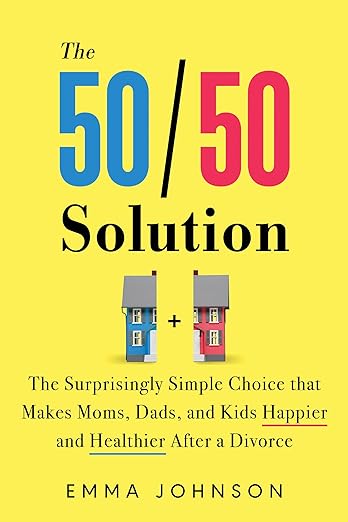
Out now from Sourcebooks:

The 50/50 Solution: The Surprisingly Simple Choice that Makes Moms, Dads, and Kids Happier and Healthier after a Split

by Emma Johnson

Cover of The 50/50 Solution book by Emma Johnson.

Featured in Newsweek, MSN, Slate.

Understand more about why a father would walk out on his children.

What are examples of co-parenting?

Some examples of co-parenting include: 

  • Making medical, religious, and education decisions for your children
  • Attending a child’s parent-teacher conference with your ex
  • Going to your child’s soccer game together
  • Sharing milestones with your ex on a co-parenting app
  • Going on family vacations — even if you stay in different accommodations
  • Having minimal contact with your ex but keeping interactions civil for the sake of your children

What are the benefits of co-parenting?

Dr. Sarah Kendrick, a Licensed Clinical Psychologist with Thriveworks in San Francisco, says there are several benefits of a co-parenting relationship:

Co-parenting benefits for parents

Parents who co-parent successfully may experience less stress since they can rely on the other parent to uphold the same parenting expectations.

Check out our list of 31 tips to co-parent successfully.

Co-parenting benefits for children

For children, co-parenting provides stability, since they often have a consistent schedule and experience the same set of rules/parenting style from both parents.

Co-parenting FAQs

What co-parenting apps are there?

There are numerous co-parenting apps to help parents with communication, schedules, activities, and more. 

Our Family Wizard ranked at the top of our list of best co-parenting apps because: 

  • A+ Better Business Bureau rating for Avirat, its parent company 
  • Widely recognized and recommended by courts  
  • Superior technology, with a great user experience and glitch-free (or close to it) interface
  • Competitive cost, with military discount, financial assistance, and money-back guarantee

Also check out: 

What is a 50-50 custody schedule?

A 50-50 custody schedule is where both parents split the time they spend with their children equally. One of the simplest 50-50 custody schedules is an alternating weeks schedule, where the parents each take the children for a week at a time and switch off every other week. This custody arrangement also reduces the amount of time the parents have to interact. 

Gulotta says choosing a custody schedule really depends on what works best for each individual family. She says some other parents have a 2-2-3 schedule, where each parent has two days in a row and then every other weekend.

Is it difficult co-parenting with your ex?

Kendrick says that depends on the relationship between the parents and how much they’re willing to cooperate with one another.  

“You’re in control of your decisions and deciding what your life is, and even if something is not a direct and immediate choice for you, you can choose how you react,” she says.

Gulotta says some of the most difficult parts about co-parenting with an ex are: 

  • Overstepping co-parenting boundaries
  • Blended family dynamics
  • Coordinating schedules
  • High-conflict parenting relationships

“When co-parenting with your ex, it may be difficult if one partner still has feelings and is not emotionally ready to transition into this new role,” Gulotta says. 

But she says co-parenting does not have to be hard. 

“Parents just need to work together to focus on what is beneficial to their children long term and to work on compromise,” she says. “Parents should remember not to compare what other co-parents do and to focus on what works best in their situation.”

How do you co-parent while blending families?

Kendrick says the greatest challenge in blending families is often communication (between the former spouse, new partner, and all children, with each person needing individualized messages). 

“There may be hesitation to communicate with someone, but that’s OK, and it’s better to communicate more frequently than not,” Kendrick says.

She suggests leaving space open for questions from kids and regularly checking in on them to help with the transition.

Check out our post on how to make a blended family work.

What should I do when co-parenting doesn’t work?

Kendrick says to start by focusing on what’s best for your kids. 

“If you are finding that your co-parent is being challenging or resistant, that makes it more challenging for you,” she says. “There may be reasons you don’t know about that are bringing these difficulties up; you’re only in control of how you react.”

Kendrick’s advice?

“Choose to react in the best way that you can, at least for your kids.”

She says if all else fails, focus on your custody agreement and adhere to it.

  • Co-parenting and divorce
  • High-conflict co-parenting
  • Basic parenting skills
  • Thrive class in which parents and children attend together
  • High-risk parenting skills
  • Anger management

Check out our full list of online parenting classes and parenting classes near me and learn about the benefits of parenting classes.

Bottom line: What is co-parenting? Whatever you make of it.

Co-parenting with an ex can be hard, but ultimately, you are in control of your co-parenting experience. 

If you are struggling to co-parent with an ex, you can utilize apps like Our Family Wizard to improve your communication or enroll in an online parenting class like the ones offered by Online Parenting Programs.

What is co-parenting?

The definition of co-parenting is the practice of two parents working together to parent the kids. While married or coupled parents can and should certainly co-parent amicably, and collaboratively, the term is usually used when navigating divorced and separated families where parents live apart.

What does co-parenting mean?

Ideally, both parents are actively involved in the child’s day-to-day life, communicate amicably (though you don’t have to be friends to be good co-parents), share the physical, financial, logistical and emotional responsibilities and joys of parenting, and encourage your children to have a warm relationship with the other parent, and their extended family and friends.

What are the types of co-parenting?

There is no one-size-fits-all co-parenting plan. Depending on how well you and your ex get along, you can choose a co-parenting plan with as much or as little interaction/communication as you can manage. These are a few of the different types of co-parenting: parallel parenting, conflicted co-parenting, and cooperative co-parenting.

What is cooperative co-parenting?

If you and your ex have a low-conflict relationship, you can attempt cooperative co-parenting, meaning you make decisions together in the best interests of your children.

What is the difference between co-parenting compared to joint custody?

Co-parenting can technically describe any parents who work together collaboratively, and peacefully raise children together.