scroll top

Diamond Banc is a jewelry buyer and equity lender — meaning they provide loans on jewelry — that does business online and in 14 U.S. retail locations and promises loans of $500 to $500,000 within 24 hours.

We reviewed the process to sell jewelry and secure a jewelry loan from Diamond Banc. Here’s what we found …

Is Diamond Banc legitimate?

Yes. Diamond Banc is a legitimate jewelry buyer and lender founded in 2007 by a third-generation jeweler. The company boasts an A+ Better Business Bureau rating (accredited since 2014) and 4.9 out of 5 stars on Trustpilot. 

Items sent to Diamond Banc are insured in transit and while held by Jewelers Mutual for their full wholesale value (for jewelry loans) or full offer amount (for jewelry sales).

All collateral items are stored in serialized tamper-proof bank packaging with the client's name and loan number:
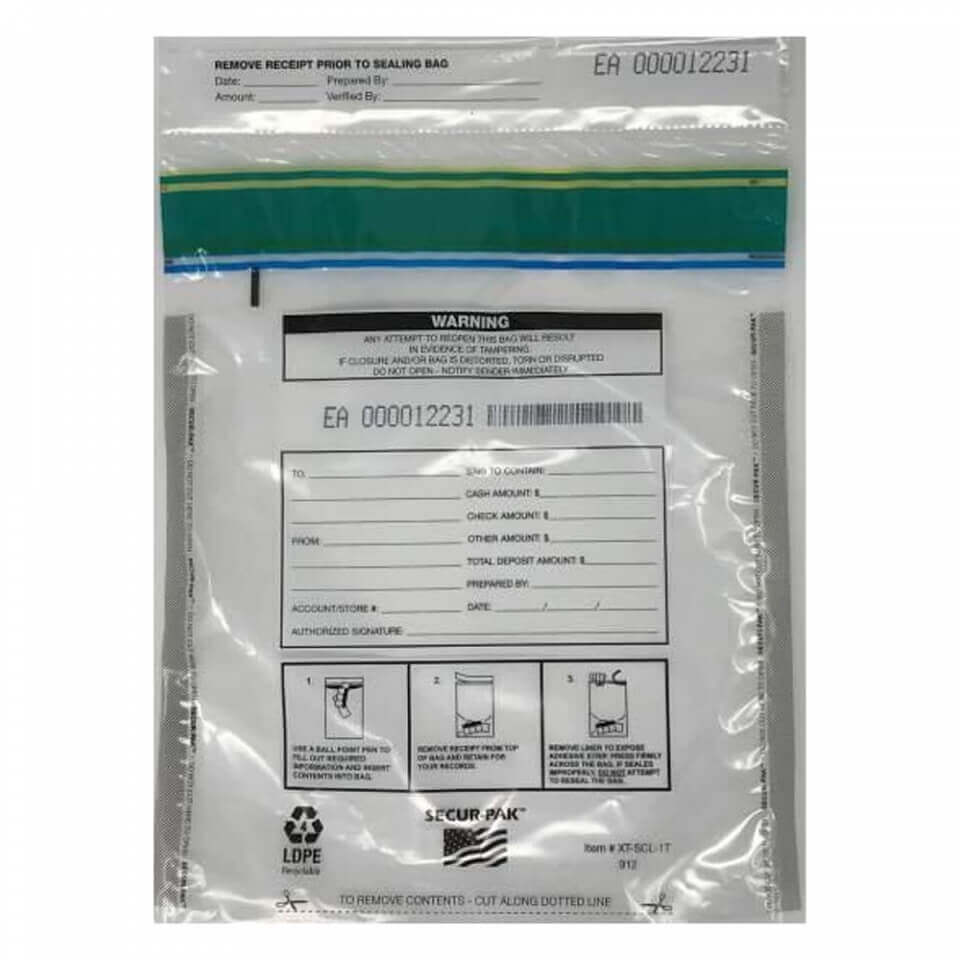
Diamond Banc review tamper-proof packaging.

Who owns Diamond Banc?

Diamond Banc is owned by Mills Menser, whose family has operated Buchroeders Jewelers in Columbia, Mo., since 1896. Buchroeders also has an A+ BBB rating. 

What does Diamond Banc do?

Diamond Banc offers two separate services, similar to what a pawn shop offers in person: buys jewelry and offers loans on jewelry.

Diamond Banc buys jewelry

Diamond Banc buys fine jewelry and watches, including designer brands like: 

They also purchase: 

For online jewelry sales, your item must be worth at least $500. There is no minimum for in-store jewelry sales.

Diamond Banc offers loans on jewelry

If you have fine jewelry, watches, or designer assets worth more than $500, Diamond Banc can extend a loan using your jewelry as collateral in as little as 24 hours. 

Diamond Banc offers jewelry collateral loans from $500 to $500,000. Here’s how Diamond Banc jewelry loans work: 

  1. Diamond Banc holds onto your jewelry as collateral for a personal loan, up to 80% of the estimated liquid wholesale value* of your jewelry (though 65% to 75% is typical). This maximum percentage is determined by how desirable and stable the asset is. In most cases, you can borrow up to 80% on gold and above-average color and clarity grade round brilliant-cut diamonds over 1 carat. Diamond Banc does not require credit checks for jewelry worth less than $30,000. 
  2. Over the lending period — a minimum of 61 days up to 5 years — you must pay a minimum fee every 30 days to cover the interest on your loan, which starts at 2.5% of the loan amount when you borrow 30% to 50% of your jewelry’s liquid wholesale value, up to 10%. This percentage is determined by where you are located in the country, your desired loan period, and the item(s) you’re using as collateral. You can pay over the minimum each month to pay down the principal balance on your loan and reduce your interest payment, or you can pay it off all at once. As long as you pay the interest every month, you can keep extending your loan for up to 5 years.
  3. Once your loan is repaid, your items are returned to you via insured Fedex overnight shipping. You will still have to pay the full interest amount for the month you pay off your loan, whether you pay it off on day 2 or day 29. 
  4. If you miss three payments (which don’t need to be consecutive), your loan is considered in default, and Diamond Banc becomes the owner of your jewelry. Diamond Banc says that 85% of its loans are successfully repaid.

Diamond Banc will accept the following as loan collateral (as long as their combined loan value is between $500 to $500,000, you can submit multiple pieces for one loan):

  • Loose diamonds of 0.50 ct or larger of any shape
  • Extremely fine precious gemstones
  • Gold jewelry in any condition, including worn, broken, and damaged items
  • Designer jewelry
  • Gold, silver, and platinum bars and bullion
  • Gold coins
  • Scrap gold
  • Dental gold
  • Diamond Banc may also accept other assets, like designer handbags, as collateral

*The liquid wholesale value is the price a wholesaler would pay for your jewelry in the current market. For example, if you purchased a diamond for a retail price of $6,000, its wholesale value would likely be about $4,500. Diamond Banc would loan up to 80% of that price, approximately $3,600.

This video offers an overview of the buying and lending process: 

Work with Diamond Banc online

If you do not live near a Diamond Banc location, you can work with Diamond Banc online to sell your jewelry or get a jewelry loan. Here’s how the process works for both options:  

Jewelry loans

  1. Go to DiamondBanc.com and click “Get a loan.”
  2. Fill out the submission form,
    describing your item and indicating your desired loan amount. You should also upload photos of your jewelry if you have them.
  3. Expect an initial offer via text, email, or phone call within 24 hours, though most people get a reply within two hours if it’s during Diamond Banc’s business hours of 9 a.m. and 5 p.m. CST Monday through Friday.
  4. At this point, there is room for negotiation on loan terms if you choose a lower loan-to-value ratio, which will result in a lower interest rate. 
  5. At the time your offer is sent, Diamond Banc provides you with a fully-insured, trackable overnight FedEx shipping label to mail in your items. Items sent to Diamond Banc are insured in transit.
  6. Upon arrival at Diamond Banc’s headquarters in Columbia, Mo., your jewelry will remain on continuous video surveillance until the package is opened and your items are verified, typically the same day they are received. All diamond assessments are handled by GIA-certified Diamond Banc staff. 
  7. As long as your items are as described, the amount of your initial loan offer will not change.
  8. If you accept Diamond Banc’s loan offer, your money will be issued immediately via wire transfer or overnighted check if you prefer. If you decline their loan offer, your items will be shipped back to you via fully-insured, trackable overnight FedEx shipping.
  9. Diamond Banc will draft the terms of your loan and email you the documents to digitally sign.
  10. You’ll have to make an interest-only payment for every 30 days Diamond Banc retains possession of your collateral, with a minimum loan period of 61 days up to 5 years. Your loan rate remains the same throughout the life of your loan. You can pay down the principal balance on your loan over time or all at once. Any payments toward your loan balance will reduce the amount of your minimum monthly interest payment. Three missed payments results in a default on your loan, and Diamond Banc will claim ownership of your collateral.
  11. All collateral items are stored in serialized tamper-proof bank packaging with the client's name and loan number.
  12. Once you’ve repaid your loan, your items will be immediately returned to you via fully-insured, trackable overnight FedEx shipping. You will still have to pay your minimum monthly interest payment for the month you pay off your loan. 

Selling jewelry

  1. Go to DiamondBanc.com and click “Sell my jewelry.”
  2. Fill out the submission form,
    describing your item and indicating your desired price. You should also upload photos of your jewelry if you have them.
  3. Expect an initial offer via text, email, or phone call within 24 hours, though most people get a reply within two hours if it’s during Diamond Banc’s business hours of 9 a.m. and 5 p.m. CST Monday through Friday.
  4. At the time your offer is sent, Diamond Banc provides you with a fully-insured, trackable overnight FedEx shipping label to mail in your items. Items sent to Diamond Banc are insured in transit.
  5. Upon arrival at Diamond Banc’s headquarters in Columbia, Mo., your jewelry will remain on continuous video surveillance until the package is opened and your items are verified, typically the same day they are received. All diamond assessments are handled by GIA-certified Diamond Banc staff. 
  6. As long as your items are as described, the amount of your offer will not change.
  7. If you accept Diamond Banc’s offer, payment will be issued immediately via wire transfer or overnighted check if you prefer. If you decline their offer, your items will be shipped back to you via fully-insured, trackable overnight FedEx shipping.

Working with Diamond Banc in person

When you schedule an appointment at a Diamond Banc location (which you can do on their website or by calling), Diamond Banc will appraise your jewelry in person to determine how much they can offer to buy your jewelry or how much you can borrow as a jewelry loan. All diamond assessments are handled by GIA-certified Diamond Banc staff. Store hours vary by location. 

If you accept Diamond Banc’s offer, payment will be issued on the spot via check or wire transfer.

If you take out a loan, documents will be drafted that detail the terms of your loan, and your loan period will begin immediately upon possession of your jewelry. The in-store process takes about 40 minutes. 

Diamond Banc has 14 locations in Florida, Missouri, New York, Arizona, Tennessee, Kansas and Georgia.

Is it better to sell or get a loan for my jewelry from Diamond Banc?

That depends on whether you want to retain possession of your jewelry or you no longer want or need your jewelry.

If you take out a loan using your jewelry as collateral, you’ll have to pay between 2.5% and 10% in interest every 30 days until your loan is repaid.

There are no fees involved with selling your jewelry to Diamond Banc. 

What kind of jewelry does Diamond Banc buy or offer a jewelry equity loan?

Jewelry used to obtain a loan from Diamond Banc must equate to a loan amount of $500 to $500,000. There is no minimum for in-person jewelry sales and a $500 minimum for online jewelry sales.

The following items are accepted for sale and as collateral: 

Jewelry salesJewelry loans
– Loose diamonds of any size and shape
– Gold jewelry in any condition, including worn, broken, and damaged items
– Designer jewelry
– Gold, silver, and platinum bars and bullion
– Gold coins
– Scrap gold
– Dental gold
– Loose diamonds of 0.50 ct or larger of any shape
– Extremely fine precious gemstones
– Gold jewelry in any condition, including worn, broken, and damaged items
– Designer jewelry
– Gold, silver, and platinum bars and bullion
– Gold coins
– Scrap gold
– Dental gold
– Diamond Banc may also accept other assets, like designer handbags

What is Diamond Banc’s interest rate?

Diamond Banc’s interest rates start at 2.5% if you are taking out a loan for 30% to 50% of your jewelry’s liquid wholesale value. Rates can be as high as 10% for higher percentage loans on some items that have more volatile pricing.

If I get a jewelry equity loan, how do I redeem my loan?

Diamond Banc pays you the amount of your loan via wire transfer or overnighted check immediately upon receipt of your jewelry and acceptance of the loan terms. 

From the time you submit the form on Diamond Banc’s website, the process to get paid can take less than 24 hours if you ship your jewelry the same day you receive your initial offer using Diamond Banc’s prepaid overnight FedEx shipping label.

Diamond Banc pros

  • A+ BBB rating
  • Full process from submission to payment can take less than 24 hours
  • Offers jewelry sales and equity loans
  • Low interest rates on jewelry loans starting at 2.5%
  • No fees for jewelry sales
  • Insured by Jewelers Mutual insurance for their full wholesale value (for jewelry loans) or full offer amount (for jewelry sales).
  • For 6-figure items, Diamond Banc uses Brinks’ armed guard service. Clients consults with Diamond Banc on how to package and hand deliver their items to their nearest Brinks location. Brinks attaches the coordinating air bill shipping label and signs a manifest document stating that the package is shipping from that specific address to Diamond Bank. Packages shipped this way usually arrive in 48 to 72 hours.
  • Responsive customer service that will work with you outside of business hours as needed
  • Worth with Diamond Banc online or visit one of their 11 physical locations
    • Tampa
    • Boca Raton
    • Miami (two locations)
    • Orlando
    • Nashville
    • Atlanta
    • Charlotte
    • Kansas City
    • Columbia
    • Rochester

Diamond Banc cons 

  • Insurance is only for wholesale value (for loans) and offer amount (for sales)
  • Only accepts diamonds larger than 0.5 carats for jewelry loans (though it accepts all diamonds for sales)
  • Value of your jewelry must equal a loan amount of at least $500 for jewelry loans

Diamond Banc reviews and ratings

Diamond Banc’s reviews are overwhelmingly positive: 

Better Business Bureau

Diamond Banc has an A+ rating from the Better Business Bureau and has been accredited since 2014, though it only has one, 1-star customer review:

1-star Diamond Banc review on the BBB site.

Trustpilot 

Diamond Banc has 5 out of 5 stars on Trustpilot based on more than 1020 customer reviews.

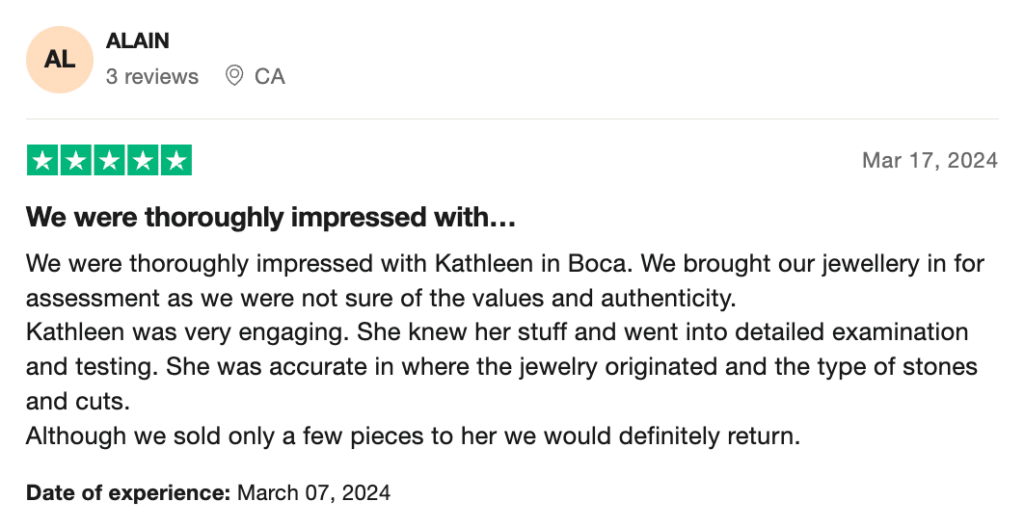
5-star Diamond Banc review on Trustpilot.
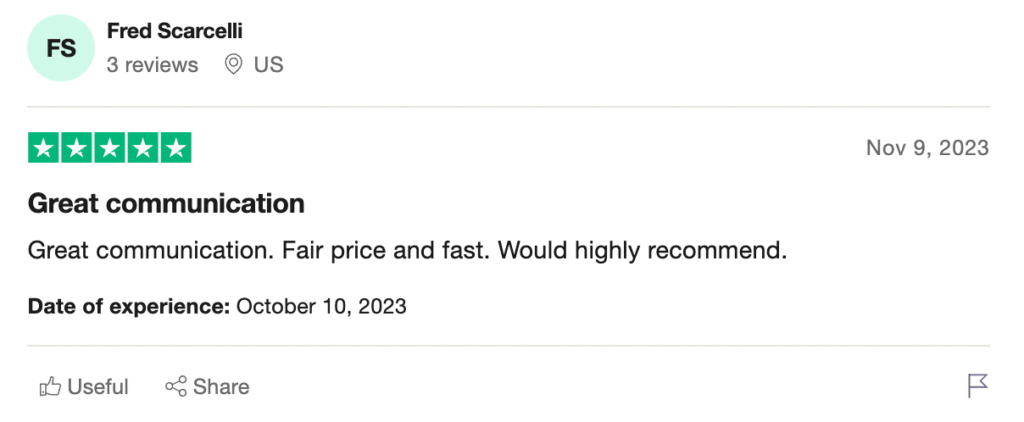
5-star Diamond Banc Review on Trustpilot from November 2023.

Facebook

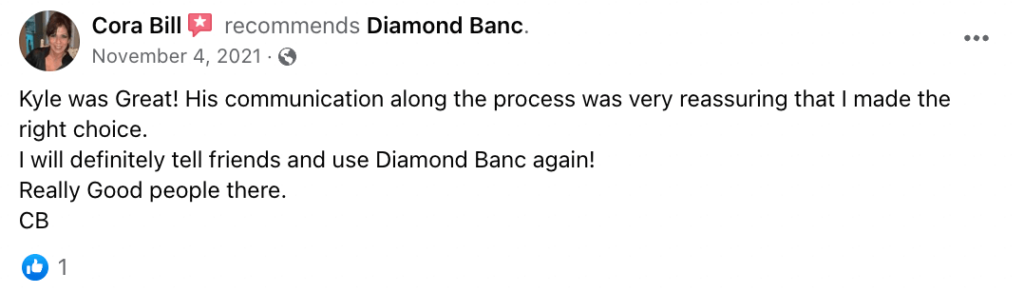
Diamond Banc also has 4.7 stars on its Facebook business profile, though there are no legit reviews more recent than 2021:

Bottom line: Diamond Banc is a reputable and legit way to sell jewelry or get a loan on jewelry

Whether you want to sell your jewelry or use your jewelry as collateral to obtain a personal loan, Diamond Banc is a reputable company that offers a secure process to get paid in as little as 24 hours.

Based on my personal experience interacting with Diamond Banc’s National Director of Funding Jordan Isaacs, Diamond Banc’s process is transparent, and it’s easy to get in touch if you have any questions about selling or obtaining a loan.

Is Diamond Banc legitimate?

Yes. Diamond Banc is a legitimate jewelry buyer and lender founded in 2007 by a third-generation jeweler. The company boasts an A+ Better Business Bureau rating (accredited since 2014) and 4.9 out of 5 stars on Trustpilot.

What does Diamond Banc do?

Diamond Banc offers two separate services, similar to what a pawn shop offers in person: buys jewelry and offers loans on jewelry.

If you or your children don’t have a bed to sleep on, you might not be getting the quality of sleep you need. Also, having a bed for each child is typically a requirement for foster care and child protective services. 

We’ve compiled a list of resources to help you find free beds and free mattresses — plus affordable options — so you and your children can get a better night’s rest.

How to find free beds and mattresses

How to find free beds for low-income families

How to find affordable beds

Bottom line: Best place to get free beds is a nonprofit organization

How to find free beds and mattresses

Here are the best ways to find free beds for low-income families:

Search for “free beds near me”

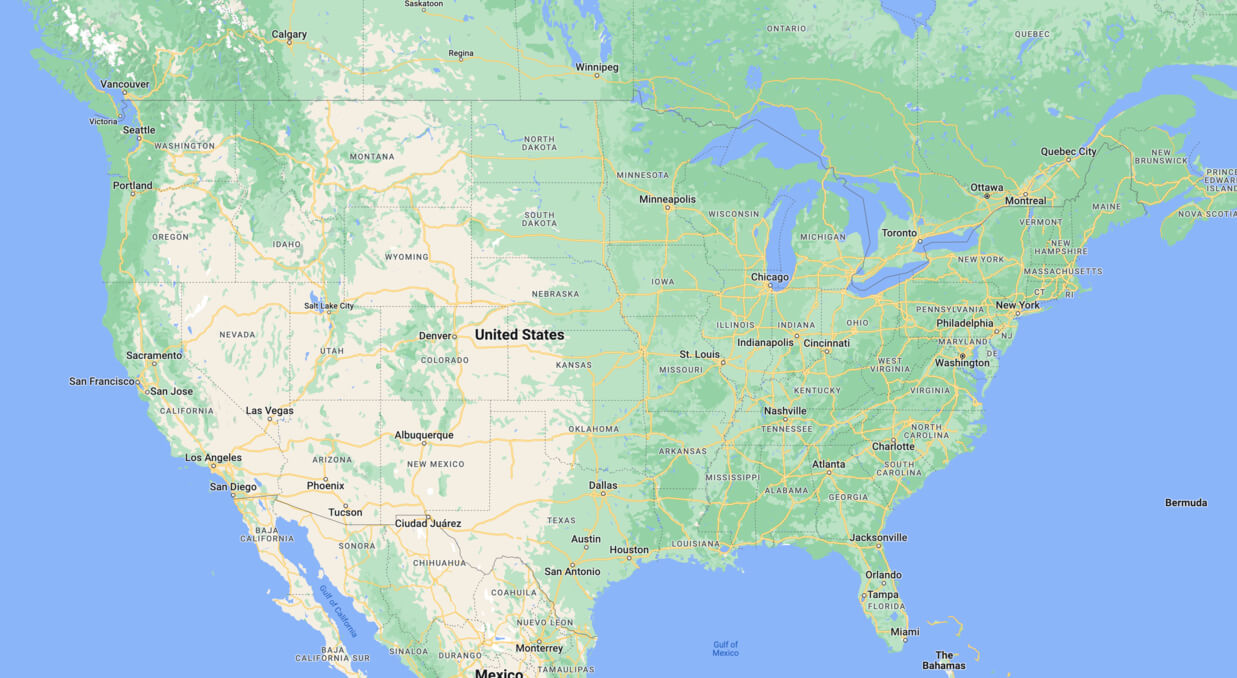
Search online for “free beds near me” to get a list of local charities and nonprofits that provide free beds, mattresses, and other free furniture to low-income families:

google-maps-usa-image

You can also search for free beds and add your city or county. For example: “free beds New York City” or “free beds Orange County.”

Search for “free mattress near me”

To find free mattresses, use the search phrase: “free mattress near me” or include your city or county to expand the search. Note that in some states, it is illegal to buy or sell used mattresses

Ask friends, family, and neighbors

Call on your inner circle to find a free bed or mattress. Someone you know might be moving, downsizing, or upgrading their furniture, and they may be willing to give you a bed frame and mattress — or at least sell one for cheap. 

You can also post on your Facebook page, in a local Buy Nothing group, or in the Nextdoor app.

See if there are any free beds or mattresses on Freecycle

Freecycle is a free virtual marketplace where you can search for items you need.  Freecycle members offer all items at no cost, with a mission of promoting recycling and reuse. Freecycle also has an app for iOS and Android devices.

Use the search field to search for free mattresses and bed frames nearby, and Freecycle will show you listings in your Town and nearby Towns (designated geographic areas on the Freecycle app). Once you click to become a member of a specific Town, you can reply to listings or create a “Wanted” post asking for free beds. 

Membership is free. You can also create a Friend’s Circle with people you know to exchange free items on the site.

Try the Hope to Dream program

The Hope to Dream program partners with Ashley Furniture to provide a free twin bed frame, mattress, bedding, and a pillow to children in need. To date, more than 140,000 children across the United States have received free beds.

If you have children and cannot afford a bed, this program may be able to help, but beds are subject to availability at participating Ashley locations.

Qualifications:

  • Children aged 3-16 who do not have a bed
  • Low-income household, living in poverty, or in transition from homelessness
  • The nomination must come from a school social worker, case manager, church, or other charity

How to get help:

  • Use the online contact form
  • Talk to your church, case manager, school, or other charity about nominating your child or children

Post on social media you are looking for a free or affordable bed

Social media sites like Facebook allow you to post on your own page or in local Facebook groups to reach a lot of people at once. If you don’t have an account, it is easy and free to sign up. 

Some Facebook groups also allow you to post anonymously, so you can avoid sharing your identity until you need to message someone to coordinate pickup.

Here are some tips on making your post visible to more people:

  • Make the post public – When you create a post, make sure the dropdown under your name is set to public so that anyone who uses Facebook can see the post
  • Tag people – If you want specific people to see the post, you can alert them by using the tag feature
  • Add a picture – You can share a picture of what you need or a picture of your family (you can blur or cover up your children’s faces with stickers if the post is public) so people can make a personal connection

You can also search for free beds on Facebook Marketplace. Use the search box to find free bed frames, free mattresses, free cribs, or anything else you need. In the price filter, put $0 as the maximum amount to see free listings. 

Searching hashtags is another option to try. A hashtag is a phrase preceded by the # sign. In the search field on Facebook, type in phrases like #freebed and #freemattress to see posts that include those hashtags, likely giveaways from local furniture and mattress stores.

How to find free beds for low-income families

Many nonprofit organizations and charities help people with necessities like free clothing, free food, and free beds for low-income families. In some cases, you may need to demonstrate proof of need.

If you receive benefits like Temporary Assistance for Needy Families (TANF) or Supplemental Nutrition Assistance Program (SNAP), check with your social worker for resources to find free or affordable beds.

Check with nonprofit agencies for free beds or cribs

Look into local and national nonprofit agencies to find free beds or free cribs:

Sleep in Heavenly Peace

Sleep in Heavenly Peace (SHP) builds beds for children and delivers them to families in need. There are more than 270 chapters across the United States.

Qualifications:

  • Parents or guardians of children ages 3 to 17
  • Near an active chapter (you must live close to one to get help)
  • Home must have a room with enough space for the bed

You can also refer a family in need to SHP as long as they have children who meet the program’s age limits.

How to get help:

  • Fill out the SHP online form (for parents, guardians, and referrers)
  • Call 844-432-2337 

St. Vincent de Paul

St. Vincent de Paul is a charity that offers a number of services in eight regions across the U.S., with multiple chapters in each region. You can find your local conference (chapter) to ask about free bed programs.

For example, the Cincinnati St. Vincent de Paul runs the Bob and Sylvia Rahe Mattress Fund, a program that provides a free mattress, box spring, and bed rail to qualified applicants who show proof of identity, address, and income.

These are some other locations with bed assistance:

  • St. Louis, Mo. – Local conferences offer Neighbors in Need vouchers that qualified families can exchange for a bed frame, mattress, pillows, and sheet sets
  • Northern Ky. – The Sweet Dreams Program provides a twin bed to children under 16 years old, adults over 65, and disabled persons in need
  • Marinette, Wis. – Local conferences offer discounted factory-direct mattresses, but if you qualify due to financial hardship, you can get a free mattress

How to get help:

Contact your local St. Vincent de Paul.

Love INC

Love INC is a nonprofit with affiliates across the nation that works with local churches to help people get the resources they need. One of their missions is delivering donated furniture like beds, mattresses, and bedroom sets to homes that need them.

The Greater Hammond, In., Love INC is just one example of an affiliate that runs a furniture ministry that provides beds to people in their community. 

How to get help:

Find your nearest Love INC affiliate.

United Way’s 211

The United Way is a nonprofit organization with chapters across the U.S. that connects people with the resources they need. 

For example, on the Minnesota United Way site, you can navigate to Material Goods >> Furniture >> Beds and get a list of organizations that offer free bed programs. 

How to get help:

  • Visit 211.org and enter your address or zip code to find nearby help
  • Dial 2-1-1 on your phone 

Cribs for Kids

Cribs for Kids is a national organization dedicated to safe sleeping practices for babies. The organization has donated more than 900,000 cribs and other safe sleep accessories to families in need.

Cribs for Kids offers the Cribette, a crib that is low to the ground, similar to a Pack and Play. Cribettes are donated through Cribs for Kids partners.

Qualifications:

  • Demonstrate financial need
  • Parent of an infant 12 months old or younger
  • Must complete Safe Sleep education

How to get help:

Search for your nearest Cribs for Kids partner.

Search for “programs for free beds near me”

Search “programs for free beds near me” online to find local programs in your area. 

For example, if you live in New Mexico, Beds4Kidz is a program that provides new and gently used beds to children and their families.

Search for “furniture bank near me”

Furniture banks are organizations that accept gently used furniture and redistribute them to people in need. Search “furniture bank near me” to find nearby charities and nonprofits that have a supply of gently used furniture.

Join a Buy Nothing group

The Buy Nothing app connects people in local communities who want to get rid of things they no longer need and claim free items from other members. The app is free to join and available for iOS and Android devices. 

You can try to claim free items posted by members or make your own post asking for free beds, free mattresses, free cribs, or whatever else you need. Members make arrangements for payment and pickup. 

Use the Freebie Alerts app

The Freebie Alerts app, available on the App Store and Google Play, sends you a notification every time your neighbors are giving away free stuff, including free beds, mattresses, and other bedroom furniture. 

The app monitors:

  • Facebook Marketplace
  • Nextdoor
  • OfferUp
  • TrashNothing

You can choose to receive alerts from all or some of these sources of free stuff. 

If you want specific items, you can use the whitelist feature to notify you of offers with certain keywords. When you want an item, just tap on it in the app to communicate with the person giving it away. You can also post items you would like to give away.

Get the Freebie Alerts app

How to find affordable beds

If you don’t qualify for a free bed from a local organization, check out these places to get the best deals on affordable beds:

Search second-hand stores and flea markets

Local flea markets, second-hand stores, thrift shops, and consignment stores might carry low-cost bed frames or cribs. Some places might also have new, sealed mattresses for sale at a steep discount. Stores like Goodwill no longer accept or sell used mattresses, for fear of bed bug infestations. 

Resources like Flea Market Zone and The Thrift Shopper can help you find places to go in your area.

Scour the classified ads for affordable beds

Check classified ads in your local newspaper/community bulletin and online to find stores selling mattresses and bedding accessories for below retail prices.

Here are some sites and apps with classified listings:

  • Craigslist
  • ebay
  • Gumtree
  • Locanto
  • Mercari
  • VarageSale

Check out these other sites like Craigslist

See if a local hotel is remodeling and selling its beds

Hotels, furnished apartments, and timeshares periodically remodel and sell off furniture. You can contact local hotels and apartment buildings to see if they have plans to sell beds and bed sets.

You can also check your area for furniture resellers, overstock warehouses, and liquidators that partner with hotels and other buildings to resell unwanted furniture.

Consult charity organizations

Nonprofits such as charities, churches, and religious organizations may offer discounted beds and mattresses — in some cases, at no cost to you.

Some organizations might have a waiting list, so sign up for several programs if they’re available in your area.

Investigate online auctions

Online auction sites like ebay and DealDash are great places to look for bed, crib, and mattress deals. Just be sure to read the seller’s description thoroughly so you understand the condition of the item.

Read reviews and buyer feedback to ensure you are buying from a reputable seller and be clear on policies such as shipping and returns.

Shop online for affordable mattresses

You can find affordable mattresses on Amazon — like the Zinus memory foam mattress — or on sites like Overstock.com and Wayfair. 

You can also improve comfort and protect your bedding by using a king single waterproof mattress protector, especially when purchasing affordable mattresses online.

Bottom line: Best place to get free beds is a nonprofit organization

The best place to get a free bed is through a nonprofit organization that provides bed sets, bed frames, or mattresses to low-income families in need. Some will even deliver to your home free of charge.

Check out these other resources for single moms:

Help for single moms: 16+ resources$500 monthly single mom grant
Free carFree housing
Free clothesFree smartphone
Free money for billsFree home repairs
Government assistance for single moms10+ charities that help single mothers
Low-income home loansSecurity deposit assistance

If you’re a single mom in Puerto Rico struggling to make ends meet, keep reading for resources that help with: 

Every month, I give out $500 cash to one single mom struggling with money, health, stress, child care, illness or loneliness — no strings attached. 

Qualifications are simple:

1. You're a single mom.

2. You need the money right now.

Fill out this form to apply:

(Note that the figures and information in this post are current as of publication date.)

Number of people in family/householdAnnual income
1$15,960
2$21,640
3$27,320
4$33,000
5$38,680
6$44,360
7$50,040
8$55,720

For families/households with more than 8 people, add $5,680 for each additional person.each additional person.

You can also look up your area median income (AMI) here.

Want to buy a home in 2026? See what mortgage you qualify for.

Emergency cash for low-income families in Puerto Rico

If you need cash to pay bills, buy gas, feed your family, or for any other reason, these programs can help: 

Temporary Cash Assistance in Puerto Rico

Puerto Rico’s Temporary Assistance for Needy Families (TANF) program provides cash assistance for qualifying families with children or to relatives who have court-ordered custody of a child placed in their home. 

The amount paid out varies depending on household income. Cash assistance is available for a lifetime total of 48 months for adults.

Qualifications:

  • Must be a U.S. citizen or a qualified non-citizen
  • Permanent Puerto Rico resident
  • Have children under 18 or under 19 if still enrolled in high school
  • Pregnant women in third trimester if unable to work or in 9th month of pregnancy
  • Children and mother must have social security number
  • Low income
  • A child must be living in the home maintained by a parent or a relative who is a blood relative of the child
  • Children under age 5 must be up to date with immunizations
  • Children ages 6 to 18 must attend school, and parents/caretakers must attend school conferences

How to get help:

  • Apply online 
  • Contact the Puerto Rico Administration for the Socio-Economic Development of the Family (ADSEF) at 787-289-7600

More emergency cash help in Puerto Rico: 

Single moms in Puerto Rico can visit unitedwaypr.org or dial 2-1-1 to ask for assistance.

Check out these posts for more ways to get emergency cash: 

These are some more tips for getting cash quickly: 

Housing help for single moms in Puerto Rico

If you need help finding a place to live or paying your rent/mortgage, these programs can help: 

Rental assistance in Puerto Rico

There are multiple programs in Puerto Rico to help renters find housing and pay their rent:

Puerto Rico Rent Payment Assistance Program

This program provides rent and utility assistance to low-income people affected by the COVID-19 pandemic.

Qualifications: 

  • Live in Puerto Rico, without any financial interest in the rented property
  • Income at or below 80% of AMI
  • At risk of homelessness (past due rent, eviction notice, or arrears in utility payments)
  • Had reduced income or increased expenses as a result of the pandemic

How to get help: 

Public Housing and Housing Choice Vouchers (Section 8)

The U.S. Department of Housing and Urban Development (HUD) offers affordable housing and vouchers to help low-income households pay their rent.

Qualifications:

Vouchers and housing are based on household income and family size. You can find your county’s income limits on the HUD website

How to get help: 

Puerto Rico Rental Assistance Program 

Puerto Rico Department of Housing’s Law 173 Program subsidizes rent for low-income elderly individuals in 49 housing properties across the island. The program provides assistance for 24 months total. 

The Puerto Rico Housing Department notes that due to hurricanes Irma and Maria that funds have decreased. 

Qualifications:

How to get help: 

Mortgage assistance in Puerto Rico 

Puerto Rico Homebuyer Assistance Program

The Puerto Rico Housing Department’s Homebuyer Assistance Program aims to help families purchase their first home. The program awards grants up to $55,000 to homebuyers. The funds can be used to cover costs such as the down payment, closing costs, and other fees associated with purchasing a home. 

Qualifications:

  • Must be a U.S. citizen or qualified non-citizen 
  • Property must be in Puerto Rico 
  • Homebuyers must purchase an existing market-listed home ready to move-in
  • Meet income requirements 
  • Must live in the home for at least 5 years
    • If moving or selling the home before 5 years, the homebuyer must repay a portion of the original amount of the mortgage loan
  • Work with an approved, participating lender
  • Complete a homebuyer education program 
  • Must be a first-time homeowner

How to get help: 

Check today's mortgage loan rates >>


Homeless assistance in Puerto Rico 

Office on Homelessness

The main goal of the Office of Homelessness is to prevent Puerto Rico residents from becoming homeless — or from having to return to homelessness. The office oversees designated Continuum of Care agencies across the state that offer services including:

  • Emergency shelters
  • Transitional housing
  • Permanent housing
  • Counseling to acquire the necessary life skills to maintain permanent housing

Qualifications: 

Requirements are set by individual Continuums of Care agencies. 

How to get help: 

More housing help: 

Electric bill assistance in Puerto Rico

If you are struggling to pay your utility bills in Puerto Rico, check out the following programs:

Low-Income Home Energy Assistance (LIHEAP) in Puerto Rico

LIHEAP helps qualifying households with home heating and cooling costs, paid directly to utility companies. The agency does not assist with water, sewer, or telephone services. 

Most families who qualify in Puerto Rico receive up to $900 per year in assistance. 

Qualifications:       

  • Responsible for paying your home heating or cooling bills
  • Resident of Puerto Rico
  • U.S. Citizen, qualified alien, or permanent resident of the U.S.
  • Meet income requirements

How to get help:

  • Apply online
  • Call 787-289-7600 Ext. 2555 
  • Email csacarello@adsef.pr.gov  

Weatherization Assistance Program (WAP)

WAP helps low-income families lower their monthly energy bills by making their homes more energy efficient. Types of assistance include:

  • Installing carbon monoxide detectors
  • Removing mold
  • Replacing inefficient or unsafe heating units 
  • Insulating a single family home for energy efficiency

Qualifications:

  • U.S citizen or a qualified alien
  • Resident of state of Puerto Rico
  • Meet annual household income guidelines 
  • Automatically eligible if you are receiving SSI, TANF or Aid to Families with Dependent Children benefits

How to get help:

  • Apply online
  • Email wap@ddec.pr.gov 
  • Visit the office at 355 Ave. F.D. Roosevelt, Hato Rey, Puerto Rico 

More electric bill help: 

Free money to help pay bills

Medical insurance and dental help for single moms in Puerto Rico

The following medical and dental services are available to qualifying individuals and families:        

Health Resources & Services Administration (HRSA) in Puerto Rico

HRSA, an agency of the United States Department of Health and Human Services, funds health centers that provide free or subsidized health and dental care to low-income people and those otherwise unable to access quality health care, like people living in rural areas.

HRSA also offers a 24/7 free and confidential mental health hotline for pregnant and new moms. Dial 833-943-5746 (833-9-HELP4MOMS) if you are struggling.

Qualifications: 

Each health center sets its own eligibility criteria for free or reduced cost care. 

How to get help:

Find an HRSA health center in Puerto Rico by typing in your address on HRSA’s search tool.

Puerto Rico Medicaid

In Puerto Rico, low-income individuals and families can obtain affordable health insurance coverage through the island’s Medicaid program. 

Medicaid services include:

  • Managed Medical Assistance (MMA) – Covers medical services like doctor visits, hospital care, prescription drugs, mental health care, and transportation for medical needs
  • Long-term Care (LTC) – Covers care in a nursing facility, assisted living, or at home (must be at least 18 years old and require nursing home-level care or hospital-level care if you have cystic fibrosis)
  • Dental – Covers all dental services for children and adults

Qualifications:

  • Resident of Puerto Rico
  • U.S. national citizen, permanent resident, or legal alien
  • Meet income requirements

Plus, you must meet at least one of the following requirements:

  • Pregnant
  • Caretaker for a child 18 or younger
  • Member of the household has a disability, including blindness
  • 65 or older

How to get help:

Puerto Rico CHIP

Puerto Rico’s Children's Health Insurance Program (CHIP) offers children up to age 19 access to affordable health insurance if their household income is too high for Medicaid.  

CHIP provides both health and dental services with a choice of local doctors, dentists, hospitals, and pharmacies. Benefits include:

  • Doctor visits
  • Surgeries
  • Vaccines
  • Vision and hearing 
  • Hospital stays

Qualifications: 

These are the current income guidelines

How to get help: 

More medical/dental help: 

Food help for low-income families in Puerto Rico

A number of federal and state food and nutrition programs are available across the island:

Puerto Rico Food Assistance Program (PAN)

PAN, Puerto Rico’s food assistance program, provides food benefits and nutrition education to low-income households. 

SNAP recipients are issued an EBT card that can be used like an ATM card to purchase food in retail food stores, including:

  • Breads
  • Cereals
  • Fruits
  • Vegetables
  • Meats
  • Fish
  • Poultry
  • Dairy
  • Plants and seeds to grow food 

Qualifications:

  • Puerto Rico resident
  • Current bank balance (savings and checking combined) under $2,001 or under $3,001 and share your household with one of the following:
    • Person or persons age 60 and over
    • Person with a disability (child, spouse, parent, yourself

You must also have an annual household income below these amounts.  

How to get help: 

Apply for benefits online or call 787-749-1333.  

Women, Infants, and Children (WIC)

The Special Supplemental Nutrition Program for Women, Infants, and Children is a nutrition program that provides free baby formula and nutritional food items to low-income mothers and their babies. 

Qualifications:

These are the current income guidelines for WIC recipients. 

If you are currently receiving Medicaid, Temporary Cash Assistance, or Food Assistance help, you are also eligible for WIC. 

How to get help: 

Contact your local WIC office or call 787-766-2805.

National School Lunch Program (NSLP) and School Breakfast Program

NSLP serves healthy, well-balanced, reduced-price or free meals to children in school. 

An extension of the NSLP, the School Breakfast Program provides free or low-cost breakfast to eligible students. Schools with at least 80% of the students eligible for free or reduced-price meals must provide breakfast at no cost to all students. 

Qualifications: 

Household income must fall at or below the limits of the federal income eligibility guidelines.

How to get help: 

Contact your child’s school to enroll. 

Puerto Rico’s Summer Food Service Program

The Puerto Rico Department of Agriculture and Consumer Services serves nutritious meals at no cost to children during summer break. Food is distributed at local schools, nonprofits, parks and libraries. 

Qualifications: 

These are the current income guidelines for the Summer Food Service Program. 

How to get help: 

Find a location near you at the USDA Summer Food Service Program website or call 787-773-6273. 

Puerto Rico food banks

Food banks in Puerto Rico provide meals for individuals and families who are struggling to put food on the table. 

Qualifications: 

Each food bank sets its own eligibility and proof of need requirements. 

How to get help: 

To find a food bank near you and for additional information, visit the Feeding Puerto Rico website.

More food help: 

Child care help for low-income families in Puerto Rico

There are multiple federally funded education programs and resources in Puerto Rico:

Puerto Rico Head Start and Early Head Start

Head Start is a free federal preschool program for children aged 3 to 5 from low-income families. Early Head Start serves pregnant women and children under age 3. The programs focus on cognitive, social, and emotional development and prepare children for school. 

Read more about Puerto Rico’s programs here. 

Qualifications: 

  • Children from birth to 5 
  • Meet federal poverty guidelines 
  • Children in foster care, homeless children, and children from families receiving public assistance (TANF, SSI, etc.) are eligible regardless of income
  • Some programs accept kids with incomes above the Poverty Guidelines
  • Pregnant women can also receive prenatal and postpartum information, education, and services through Early Head Start

How to apply: 

Puerto Rico’s Educational Vouchers 

Puerto Rico’s Educational Vouchers help students obtain financial aid to pay for private school, college courses, or honors programs. The voucher will be used to cover tuition costs and other monthly payments. 

Families can apply for more than one student, and there is no restriction that they have to attend the same school or program. 

Qualifications: 

  • Priority will be given to students in low-income households, gifted students and students with disabilities  
  • Must have completed two years of study in any public school
  • Schools may have individual requirements that applicants must meet 

How to get help: 

  • Apply online 
  • Call the Department of Education at 787-759-2000

More child care help

Education help for single moms in Puerto Rico

If you’re a single mom who wants to further her education, here are some helpful resources: 

Get a GED in Puerto Rico

If you are at least 18 years old in Puerto Rico, you can take the GED test. 

The GED test is broken into four exams on different subjects, which can be spaced out and taken at your own pace (though each individual exam has a time limit): 

  • Mathematical reasoning – 115 minutes
  • Reasoning through language arts – 150 minutes
  • Social studies – 70 minutes
  • Science – 90 minutes

You can contact the Puerto Rico Adult Education Agency for more information and for test center locations. 

Grants and scholarships in Puerto Rico

Individual schools offer need-based and academic scholarships for their students. If you’ve been accepted to a higher education institution, contact their office of financial aid to learn how to apply. 

More education help: 

Employment help for single moms in Puerto Rico

Workforce programs in Puerto Rico provide training and assist with employment:

Puerto Rico Reemployment Assistance (Insurance) Program

This program provides unemployment compensation to eligible Puerto Rico workers who are out of work through no fault of their own.

Qualifications: 

  • Puerto Rico resident 
  • Unemployed
  • Previously employed for the past 12 months
  • Earned a certain amount of wages
  • Actively looking for another job

How to get help: 

American Job Centers

The American Job Centers offer employment and training services, career counseling, and job search assistance. 

How to get help: 

More employment help: 

Charity organizations in Puerto Rico

There are a number of charitable organizations throughout Puerto Rico that offer support to single moms:

The Salvation Army of Puerto Rico

The Salvation Army wears many hats. Chapters assist with:

  • Food, shelter and clothing
  • Medication costs
  • Education and job training
  • Christmas presents
  • Rent and utility bills
  • Substance abuse rehabilitation
  • Youth services
  • Emergency disaster response

Qualifications: 

Each Salvation Army branch determines its own eligibility criteria for different programs. 

How to get help: 

Visit the Salvation Army website to find your local chapter. 

Catholic Charities of Puerto Rico

Catholic Charities assists with:

  • Housing
  • Utility assistance
  • Food assistance
  • Health care assistance

Qualifications: 

Each Catholic Charities branch determines its own eligibility criteria for different programs. 

How to get help: 

United Way of Puerto Rico

The United Way of Puerto Rico connects people in need with local resources like: 

  • Food
  • Shelter
  • Child care services
  • Housing
  • Health care
  • Support groups

How to get help: 


Not your state? Select yours here:

Did you inherit your grandfather's buffalo nickel? What about a silver dollar collection? Rare quarters or Canadian silver dollar or French franc? If so, do you want to sell silver coins?

Silver prices experienced a significant increase in January. The price of silver rose by 170% last year, hitting a high of $121 in January — though both gold and silver tumbled at the end of the month:

Yahoo finance chart of silver prices january 31 2026

How to sell silver coins

Take a few steps to ensure that you understand your coin, and get the highest price in cash:

1. Start with learning about the value of your silver coins

Spend some time researching the value of your silver coin by way of Google. Read about the history and collectibility of your coin, and reference the annually updated coin bible: A Guide Book of US Coins 2026. Get feedback from a coin buyer or collector.

2. Determine if your coin is worth its weight in scrap metal, or is a collectible.

Keep reading for more details. If your coin is worth scrap, you

For scrap or junk silver coins:

  1. Determine the weight of the coin and understand the day's price of silver.

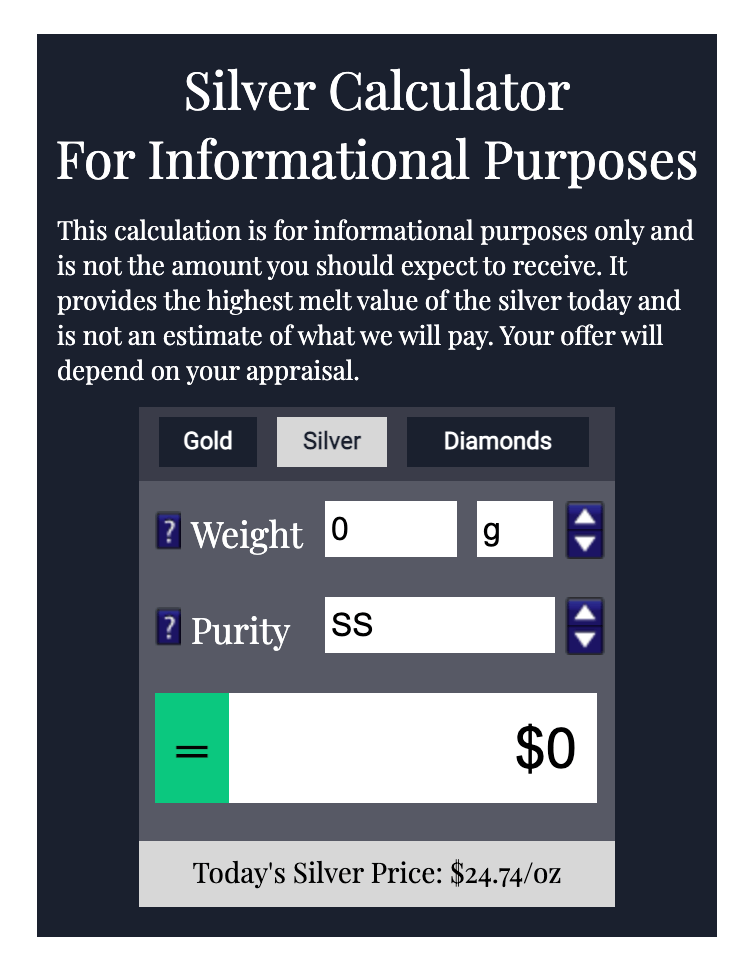
As of , the silver resale value in the United States was at per ounce, or  per gram.

2. Local metals buyer, some jewelry stores, pawn brokers, and online metals buyers will happily pay cash for your silver scrap.

Regardless of where you shop, try to get multiple offers and negotiate.

For rare and collectible coins:

If you can take your coin around locally, a pawn shop, antique dealer, coin dealer, or gold and silver buyer can give you a quote for how much they'd pay for your silver coins. Some local or online auctions may be interested.

The upside to selling your coins locally is that you get cash immediately. A quality pawn broker can be a good way to get a fair price, and get cash-in-hand immediately.

How to understand what your silver coins are worth

The value of a silver coin is dependent on its rarity, grade, and how desirable it is as a collectible. If it is not worth much as a collectible, then its value is based on its silver content.

This value can be significantly higher than the coin’s face value, depending on the current price of silver.

For example, a 1942 dime has a face value of 10 cents. Its silver content is worth about $5, however, when silver is at a price of $78 per ounce (January 31, 2026 pricing). That said, an uncirculated 1942 dime with an “S” mark can easily be worth $10 to $40 — and more than $2,000 for rare Mercury dimes.

What are 90% silver coins worth?

Dimes, quarters, half dollars, and dollars minted in the U.S. in 1964 or before will contain 90% silver by weight, with the remaining 10% coming from copper. These coins are also known as “constitutional silver” or “junk silver.” Those same coins minted later do not contain 90% silver.

Here’s an estimate of the melt value:

  1. Weigh your coin (in grams).
  2. Multiply that weight by .9 (since only 90% of the weight is silver). This number is how much silver, in grams, your coin contains.
  3. Find the spot price for a gram of silver.
  4. Multiply the number from Step 2 by the number in Step 3 and you'll have the value of your silver coin.

As of , the silver resale value in the United States was at per ounce, or  per gram.

That said, if your silver coins are rare, old, or otherwise have value as a collector's item, your coin collection may be worth more than you would get simply by melting it down for its silver content. There are many numismatic (coin collecting) websites where you can search for the value of your coin to determine if it has any collector's value.

This video offers more detail about the value of 90% silver coins:

How much is a silver dollar worth?

Silver dollars will often sell to collectors for at least $20 a piece. Rarer silver dollars can sell for hundreds or thousands of dollars, with exceptionally rare specimens going for millions.

As a general rule of thumb, any silver dollar minted before 1965 will contain 90% silver, or about 0.7735 troy ounces of silver. The weight varies slightly by coin, but they are close. At the current price of silver (January 31, 2026: $78) that means that the silver content of these silver dollar coins is worth about $21.

Silver dollars that are at least 90% silver include:

  • Flowing Hair Silver Dollar (1794-1795)
  • Draped Bust Silver Dollar (1795-1804)
  • Gobrecht Silver Dollar (1836-1839)
  • Seated Liberty Silver Dollar (1840-1873)
  • Silver Trade Dollar (1873-1885)
  • Morgan Silver Dollar (1878-1921)
  • Peace Silver Dollar (1921-1935, 1964)

Additionally, the “American Silver Eagle” bullion coin minted from 1986-present contains 1 troy ounce of .999 silver, making it the silver dollar with the highest percentage of silver. Currently, these coins are worth about $80 as of January 2026.

“Eisenhower” Silver Dollars (1971-1978) and “Susan B Anthony” Silver Dollars (1979-1999) do not contain any silver, but can hold value to collectors.

Sell silver coins to CashforSilverUSA

Value of common U.S. minted silver coins

How much is a half dollar worth? 

Kennedy half dollars are the most common of this type of silver coin, though Franklin and Liberty half dollars are also common. These are worth between a few dollars, up to prices in the six-figures for very rare Kennedy coins.

What 50-cent pieces are valuable

Any U.S. half-dollar piece minted before 1965 will contain 90% silver. This increases their value to be higher than their face value of 50 cents.

Each of the coins below contain about 0.36169 ounces of silver. At the current price of silver ($75.40 per ounce as of Jan. 5, 2026) that means that the silver content of these 50 cent pieces is worth about $27. The list of 50 cent pieces that are 90% silver include:

  • Barber/Liberty Head half dollars, minted between 1892-1916. Barber Head half dollars coins often sell for around $20 but can reach prices of $1,000 or more.
  • Walking Liberty half dollars, minted between 1916–1947. Walking Liberty half dollars often sell for about $20 but have been known to reach $1,000+.
  • Franklin half dollars, minted between 1948–1963. Franklin half dollars typically do not sell for less than $10 a piece, and valuable coins can go for thousands.
  • Kennedy half dollars minted in 1964. 1964 Kennedy half dollars are worth at least $20 a piece and can sometimes sell for hundreds or thousands of dollars if they are in good enough condition.

Kennedy half dollars minted from 1965 through 1970 are 40% silver.

Kennedy half dollars

Rare or otherwise desired Kennedy half dollars can fetch a significant amount of money from collectors. As recently as 2019, for example, a particularly rare 1964 Kennedy half dollar sold for $108,000 at public auction.

For Kennedy half dollars without collector's value, the value of your coin will depend on when it was minted, as the silver content of these coins varies by year.

Kennedy half dollars contain roughly 0.36169 ounces of silver. At the current price of silver ($79 per ounce as of Jan. 31, 2026) that means that the silver in a 1964 Kennedy half dollar is worth about $30.

Kennedy half dollars minted between 1965 and 1970 contain 40% silver — significantly less, but still worth salvaging. These coins contain roughly 0.1479 ounces of silver and are worth about $15 just due to its silver content.

Any Kennedy half dollar minted from 1971 onward does not contain any silver.

Silver dimes

Silver dimes from 1964 contain about 90% pure silver, or about 0.0723 troy ounces of silver. To calculate the silver value of one of these dimes, you can multiply 0.0723 by the current price of silver. 

As of , the silver resale value in the United States was at per ounce, or  per gram.

Common silver dimes and their values:

  • Mercury dime value – .07234 times current silver price
  • Roosevelt dime value – .07234 times current silver price

Modern silver dimes (from 1965 onward) are not made of silver but a low-value metal alloy coated in silver.

Silver quarters

Silver quarters issued in 1964 and earlier contain about 0.1808 ounces of silver, which means the silver quarter value is 0.1808 times the current silver price.

Silver pennies

Silver pennies, which were minted in 1943, are actually made of steel coated in zinc, so they do not have silver penny value based on their silver content. These coins are fairly common, so their value as a collector's item is minimal.

Collectible silver coins

Collectible silver coins, especially those with historic value, may be worth more in their current state. If you believe that you may have a valuable silver coin, a coin shop or appraiser can help you understand the value of your coin before you sell it. 

More on selling coin collections here.

These are some common silver coins in the United States and their value based on current silver prices as of Jan. 5, 2026:

U.S. Silver Coin Melt Values as of Feb. 1, 2026

CoinSilver Value
Morgan Dollars$58
Peace Dollars$58
Liberty Head (Barber) Half-Dollars$27
Walking Liberty Half-Dollars$27
Franklin Half-Dollars$27
Kennedy Half-Dollars (1964)$27
Liberty Head (Barber) Quarters$14
Standing Liberty Quarters$14
Washington Quarters (pre-1965)$14
Liberty Head (Barber) Dimes$5
Winged Liberty Head (Mercury) Dimes$5

Any silver coin minted before 1965 contains a significant amount of silver and holds an intrinsic value due to that silver content.

The following coins contain a large amount of silver by content:

  • Morgan Dollars (90% silver)
  • Peace Dollars (90% silver)
  • Flowing Hair Silver Dollars (90% silver)
  • Draped Bust Silver Dollars (90% silver)
  • Gobrecht Silver Dollars (90% silver)
  • Seated Liberty Silver Dollars (90% silver)
  • Silver Trade Dollars (90% silver)
  • Barber/Liberty Head Half Dollars (90% silver)
  • Walking Liberty Half Dollars (90% silver)
  • Franklin Half Dollars (90% silver)
  • 1964 Kennedy Half Dollars (90% silver)
  • 1965-1970 Kennedy Half Dollars (40% silver)
  • Liberty Head/Barber Quarters (90% silver)
  • Standing Liberty Quarters (90% silver)
  • 1932, 1934-1964 Washington Quarters (90% silver)
  • Liberty Head/Barber Dimes (90% silver)
  • Winged Liberty Head/Mercury Dimes (90% silver)
  • 1946-1964 Roosevelt Dimes (90% silver)

How much is a buffalo head nickel worth?

Buffalo Nickels were first minted in 1913, and were replaced by the current design in 1938. Buffalo coins have some unusual and interesting anomalies, including some with three-legged buffalos, a notable lack of mint date and varying designs that are often forged and also add much value:

  • 1913-S Type 2
  • 1916/16 (doubled die variety)
  • 1918-D 8 over 7 (doubled die variety)
  • 1921-S
  • 1924-S
  • 1926-S
  • 1937-D Three legged Buffalo

Buffalo nickels can fetch dozens to tens of thousands of dollars.

Where to sell silver coins

If you have collectible or rare silver coins, a local coin dealer, antique store, jeweler or pawnshop can be a good fit, as well as a reputable online silver buyer.

Where to sell silver coins locally

If you are searching for places to “sell silver coins near me,” you’ll probably get a list of local coin dealers, pawn shops, and gold and silver buyers.

You can also search the Professional Coin Grading Service directory of authorized coin dealers to find a reputable person to buy coins worth money.

Where to sell silver coins online

There are many options for selling silver coins online, including some quality silver buyers. This post reviews the most popular online silver buyers, though our No. 1 recommendation is CashforSilverUSA because of its A+ BBB rating, high-quality customer service, very fast service, and reliable shipping and insurance.

Selling silver coins FAQs

Are silver coins worth selling?

If you have silver coins and need the money, it is always a good time to sell. Today, now that silver prices are high, it is a more universally good time to sell silver coins, though analysts expect silver prices to go up in the next couple years.

Who buys silver coins?

If you have found that your coin is indeed collectible seek out a dealer, collector, or auction house to maximize your profits, though a local pawnshop can also give you a fair price.

Silver coins worth their scrap, or junk, value can also be sold to pawn shops, silver exchanges, and silver buyers, each of which will give you cash in exchange for your coins (based on the weight of the coin) and then proceed to melt them down.

Is this a good time to sell silver coins?

The value of collectible silver coins often fluctuates with the price of silver, which has been very high recently, breaking records.

As of , the silver resale value in the United States was at per ounce, or  per gram.

What is considered junk silver?

Junk silver is the same as scrap silver: a term used to describe a silver coin that has no value as a collectible. Junk silver coins are worth more than their face value due to their silver content, but do not have any additional historical, collectors, or antique value. Junk silver coins are often melted down and sold.

Scrap silver with no collectible value is worth its silver content. To determine that value:

  1. Determine the silver content of the coin.
  2. Determine the weight of the coin (in ounces).
  3. Multiple that weight by the current price of silver (in ounces).

Learn more about the value of your scrap silver and how to sell it for the highest price.

Do banks buy silver coins?

Most banks will only give you the face value of whatever coins you turn in, regardless of their metal content. So, a silver nickel would be worth 5 cents, for example. . 

Get started selling your silver coins for cash within 24 hours with CashforSilverUSA now >>


Are silver coins worth anything?

Yes. The value of a silver coin is dependent on its rarity, grade, and how desirable it is as a collectible. If it is not worth much as a collectible, then its value is based on its silver content. This value can be significantly higher than the coin’s face value, depending on the current price of silver.

How much is a silver dollar worth?

Silver dollars will often sell to collectors for at least $20 apiece. Rarer silver dollars can sell for hundreds or thousands of dollars, with exceptionally rare specimens going for millions.

How much is a half dollar worth?

Kennedy half dollars are the most common of this type of silver coin, though Franklin and Liberty half dollars are also common. These are worth between a few dollars, up to prices in the six-figures for very rare Kennedy.

How much is a silver dime worth?

Silver dimes from 1964 contain about 90% pure silver, or about 0.0723 troy ounces of silver. To calculate the silver value of one of these dimes, you can multiply 0.0723 by the current price of silver.

Are silver coins worth selling?

If you have silver coins and need the money, it is always a good time to sell. Today, now that silver prices are relatively high, is is a more universally good time to sell silver coins.

Can you sell silver coins online?

You can sell silver coins online. If your silver coin is a collector’s item, you can sell online through an online auction house, on ebay, or to a reputable coin dealer. However, if you want to sell silver coins online that aren’t worth more than their scrap metal value, you can sell them to a reputable online metals buyer.

If you’re a single mom in Washington, D.C., struggling to make ends meet, keep reading for resources that help with: 

Every month, I give out $500 cash to one single mom struggling with money, health, stress, child care, illness or loneliness — no strings attached. 

Qualifications are simple:

1. You're a single mom.

2. You need the money right now.

Fill out this form to apply:

(Note that the figures and information in this post are current as of publication date.)

Number of people in family/householdAnnual income
1$15,960
2$21,640
3$27,320
4$33,000
5$38,680
6$44,360
7$50,040
8$55,720

For families/households with more than 8 people, add $5,680 for each additional person.each additional person.

You can also look up your area median income (AMI) here.

Want to buy a home in 2026? See what mortgage you qualify for.

Emergency cash for low-income families in Washington, D.C.

If you need cash to pay bills, buy gas, feed your family, or for any other reason, these programs can help: 

Temporary Cash Assistance in Washington, D.C.

Washington, D.C.’s Temporary Assistance for Needy Families (TANF) program provides cash assistance for qualifying families with children or to relatives who have court-ordered custody of a child placed in their home. 

The amount paid out depends on your family size and household income. For example, a family of three can receive up to $696 a month. 

Cash assistance is available for a lifetime total of 60 months for adults.

Qualifications:

  • U.S. citizen or a qualified non-citizen
  • Washington, D.C., resident
  • Currently pregnant or have children under under age 19
  • Must have social security number
  • Meet income requirements
  • Households must have less than $2,000 in resources, or $3,000 if the household includes a person who is age 60 or older
  • Complete orientation and assessment through the Office of Work Opportunity (OWO)
  • Develop an Individual Responsibility Plan (IRP)

Find out if you're eligible online. 

How to get help: 

More emergency cash help in Washington, D.C.: 

Single moms in Washington, D.C., can visit 211.org or dial 2-1-1 to ask for assistance.

Check out these posts for more ways to get emergency cash: 

These are some more tips for getting cash quickly: 

Housing help for single moms in Washington, D.C.

If you need help finding a place to live or paying your rent/mortgage, these programs can help: 

Rental assistance in Washington, D.C.

There are multiple programs in Washington, D.C., to help renters find housing and pay their rent:

District of Columbia Housing Authority 

The D.C. Housing Authority (DCHA) provides affordable housing for low- to moderate-income households. Here is a list of D.C. Housing properties.   

Public Housing and Housing Choice Vouchers (Section 8)

The U.S. Department of Housing and Urban Development (HUD) offers affordable housing and vouchers to help low-income households pay their rent.

Qualifications:

Vouchers and housing are based on household income and family size. You can find your county’s income limits on the HUD website

How to get help: 

Emergency Rental Assistance Program

ERAP provides funding for overdue rent, including late fees and court costs in cases of potential eviction. The program also provides security deposits and first month's rent payments for residents moving into new apartments. 

The amount households receive depends on their income and available resources at the time. ERAP may provide up to five times the rental amount based on the area zip code and bedroom size of the apartment/house.

You can apply for and receive ERAP once within a 12-month period.

There is a similar program called STAY DC that is not currently accepting applicants but may in the future. 

Qualifications:

  • Current DC resident
  • Household income is less than 40% of AMI
  • You can apply for a security deposit and first month’s rent for a unit in a neighboring county (Prince Georges County, Montgomery County, Arlington County, etc.)

How to get help: 

  • Apply online
  • Submit a completed paper application with supporting documents at any of the 6 Community Based Organizations that provide ERAP (find the list at the bottom of this page)

Mortgage assistance in Washington, D.C., 

If you need help buying a home in Washington, D.C., these programs can help: 

Family Self-Sufficiency (FSS) Program 

The FSS Program is a 5- to 7-year program aimed at helping D.C. residents achieve economic self-sufficiency through education, employment and homeownership. Each participant is assigned to an FSS coordinator who meets with them regularly to help work toward their goals.

Some of the program benefits include: 

  • Education – participants can receive up to $2,000 a year towards tuition
  • Employment – participants receive $600 for every 12 consecutive months of employment and an income exclusion
  • Homeownership – participants can receive up to $10,000 toward their mortgage

Qualifications:

The head of household and/or applicants must be in DCHA’s Housing Choice Voucher Program (HCVP) or public housing program. 

How to get help: 

Washington, D.C., Home Purchase Assistance Program 

The D.C. Department of Housing and Community Development’s Home Purchase Assistance Program (HPAP) provides interest-free loans and closing cost assistance to help qualified applicants purchase a home in the District. The loan amount is based on a combination of factors, including income and household size. Eligible applicants can receive a maximum of $202,000 in financing assistance and an additional $4,000 in closing cost assistance.

Qualifications:

  • Must be a first-time homebuyer
    • No residential ownership within three years prior to applying 
  • Must have a very low to moderate income, based on the Department’s standards
  • Purchased home must be the primary residence and must be located within the District of Columbia
  • Must have a good credit score (lenders set guidelines)          

How to get help: 

Washington, D.C., down payment assistance

The D.C. Housing Authority offers a variety of programs to help residents purchase a home, including the DC Open Doors program, which makes homeownership in the District affordable by offering qualified buyers home purchase loans, plus down payment and closing cost assistance through deferred repayable loans. 

The program also offers below-market interest rates for first trust mortgages. Both first-time and repeat homebuyers are eligible for the program.

You can learn more about the Open Doors program at an informational seminar. 

Qualifications: 

  • Minimum credit score of 640
  • Maximum income of $199,200
    • Income is based on borrower’s income only (not household)
  • Maximum debt-to-income (DTI) ratio of 50% 
  • $726,200 maximum first trust loan
    • No maximum sales price limit

How to get help: 

DC Homeowner Assistance Fund

The DC Homeowner Assistance Fund Program uses funding from the American Rescue Plan to help District homeowners who are struggling with their mortgage payments and other property or housing expenses because of the pandemic.

How to get help: 

Register online to see if you qualify.

Check today's mortgage loan rates >>


Homeless assistance in Washington, D.C., 

If you are homeless or at risk of homelessness, you may be able to get help from the following program: 

Coalition for the Homeless 

The main goal of the Coalition for the Homeless is to provide support for D.C. residents experiencing homelessness. 

Services include:

  • Temporary housing
  • Food case management
  • Substance abuse counseling, 
  • Employment assistance 
  • Housing placement assistance

Qualifications: 

Eligibility varies depending on each program and service. 

How to get help: 

Homeless Prevention Program 

The Homeless Prevention Program (HPP) helps families avoid homelessness through case management, mediation, financial assistance (including up to four months of rent arrears), and connection to housing resources.

Qualifications: 

  • 30% of AMI or below
  • Families are assessed for HPP eligibility when completing intake at the Virginia Williams Family Resource Center (VWFRC), the central intake for DC’s coordinated homelessness assistance system for families with children  

How to get help: 

Call the D.C. shelter hotline at 202-399-7093. 

More housing help: 

Electric bill assistance in Washington, D.C.

If you are struggling to pay your utility bills in Washington, D.C., check out the following programs:

Utility Discount Programs (UDP)

The Utility Discount Programs helps low-income District residents reduce their utility costs. 

If you're eligible, you could receive discounts of:

  • Up to $475 per year on your electric bills ($300 per year if you don't have electric heat)
  • Up to $276 during the winter season on your gas bills
  • Over $962 annually on your water and sewer bills

Qualifications:

  • U.S citizen or a qualified alien
  • Resident of Washington, D.C.
  • Must have utility bills in applicant’s name 
  • Meet annual household income guidelines

How to get help:

  • Apply online 
  • Print and complete this application and send via mail with required documents to:
    • Attn: Utility Affordability Administration 1200 First Street NE, 5th Floor Washington DC, 20002 

Low-Income Home Energy Assistance (LIHEAP) in Washington, D.C.

LIHEAP helps qualifying households with home heating and cooling costs, paid directly to utility companies. The agency does not assist with water, sewer, or telephone services. 

Qualifications:       

  • Meet income guidelines 
  • Responsible for paying your home heating or cooling bills
  • Resident of Washington, D.C.
  • U.S. Citizen, qualified alien, or permanent resident of the U.S.

How to get help:

Department of Energy & Environment

DOEE is not currently accepting appointments for utility assistance but may in the future. Visit the DOEE website for future availability. 

Weatherization Assistance Program (WAP)

WAP helps low-income families lower their monthly energy bills by making their homes more energy efficient. Types of assistance include:

  • Installing carbon monoxide detectors
  • Removing mold
  • Replacing inefficient or unsafe heating units 
  • Insulating a single family home for energy efficiency

Qualifications:

  • U.S citizen or a qualified alien
  • Resident of Washington, D.C.
  • Meet annual household income guidelines
  • Automatically eligible if you are receiving SSI, TANF or Aid to Families with Dependent Children benefits

How to get help:

More electric bill help: 

Free money to help pay bills

Medical and dental help for single moms in Washington, D.C.

The following medical and dental services are available to qualifying individuals and families:        

District of Columbia Dental Society 

The District of Columbia Dental Society (DCDS) connects residents with free and low-cost dental clinics. 

Qualifications: 

Each individual clinic sets its own eligibility requirements. 

How to get help: 

Office of Disability Rights 

The Office of Disability Rights (ODR) connects residents with free medical clinics. 

Qualifications: 

Each individual clinic sets its own eligibility requirements. 

How to get help: 

Health Resources & Services Administration (HRSA) in Washington, D.C.

HRSA, an agency of the United States Department of Health and Human Services, funds health centers that provide free or subsidized health and dental care to low-income people and those otherwise unable to access quality health care, like people living in rural areas.

HRSA also offers a 24/7 free and confidential mental health hotline for pregnant and new moms. Dial 833-943-5746 (833-9-HELP4MOMS) if you are struggling.

Qualifications: 

Each health center sets its own eligibility criteria for free or reduced cost care. 

How to get help:

Find an HRSA health center in Washington, D.C., by typing in your address on HRSA’s search tool.

Washington, D.C., Medicaid

D.C. Healthy Families, the District’s name for its Medicaid program, provides medical coverage for low-income individuals and families. In Washington, D.C., most Medicaid recipients are enrolled in the Statewide Medicaid Managed Care program, which includes:

  • Managed Medical Assistance (MMA) – Covers medical services like doctor visits, hospital care, prescription drugs, mental health care, and transportation for medical needs
  • Long-term Care (LTC) – Covers care in a nursing facility, assisted living, or at home (must be at least 18 years old and require nursing home-level care or hospital-level care if you have cystic fibrosis)
  • Dental – Covers all dental services for children and adults

Qualifications:

  • Resident of Washington, D.C.
  • U.S. national citizen, permanent resident, or legal alien
  • Meet income requirements

Plus, you must meet at least one of the following requirements:

  • Pregnant, or
  • Caretaker for a child 21 or younger
  • Member of the household has a disability, including blindness
  • 65 or older

How to get help:

Washington, D.C., CHIP

District of Columbia Medicaid for Infants and Children provides medical coverage for children up to age 21 whose families do not qualify for Medicaid. Covered services include: 

  • Doctor visits
  • Surgeries
  • Vaccines
  • Vision and hearing 
  • Hospital stays

Qualifications: 

  • Washington D.C. resident
  • U.S. national citizen, permanent resident, or legal alien 
  • Under age 21
  • Meet income guidelines 

How to get help: 

Washington, D.C., Healthy Start

DC Healthy Start is a program for residents of Wards 5, 7 and 8 that provides services, referrals, and support for all women, parents, and infants up to 18 months. 

Education services cover:

  • Prenatal care and parenting 
  • Conception 
  • Wellness screenings 
  • Stress management
  • Local resources and assistance
  • Free transportation to attend perinatal care appointments

Qualifications: 

Pregnant women and parents of children under 18 months old who live in Wards 5,7 and 8 are eligible for D.C. Healthy Start services. 

How to get help: 

  • Call 800-MOM-BABY (1-800-666-2229)
  • Email: dchealthystart@dc.gov

More medical/dental help: 

Food help for low-income families in Washington, D.C.

A number of federal and state food and nutrition programs are available across the state:

Washington, D.C., Food Assistance Program (SNAP)

USDA’s Supplemental Nutrition Assistance Program (formerly known as the Food Stamp program) provides food benefits and nutrition education to low-income households. 

SNAP recipients are issued an EBT card that can be used like an ATM card in retail food stores to purchase food, including:

  • Breads
  • Cereals
  • Fruits
  • Vegetables
  • Meats
  • Fish
  • Poultry
  • Dairy
  • Plants and seeds to grow food 

Qualifications:

  • Washington, D.C., resident
  • Current bank balance (savings and checking combined) under $2,750 or under $4,250 and share your household with one of the following:
    • Person or persons age 60 and over
    • Person with a disability (child, spouse, parent, yourself
  • You must also have an annual household income below these amounts.  

How to get help: 

Women, Infants, and Children (WIC)

The Special Supplemental Nutrition Program for Women, Infants, and Children is a nutrition program that provides free baby formula and nutritional food items to low-income mothers and their babies. 

Qualifications:

How to get help: 

National School Lunch Program (NSLP) and School Breakfast Program

NSLP serves healthy, well-balanced, reduced-price or free meals to children in school. 

An extension of the NSLP, the School Breakfast Program provides free or low-cost breakfast to eligible students. Schools with at least 80% of the students eligible for free or reduced-price meals must provide breakfast at no cost to all students. 

Learn about the DC program here

Qualifications: 

Household income must fall at or below the limits of the Federal Income Eligibility Guidelines.

How to get help: 

  • Apply online 
  • Contact your child’s school to enroll
  • Call 202-727-1839
  • Email osse.nutritionprogram@dc.gov  

Washington, D.C.’s Summer Food Service Program

The U.S. Department of Agriculture and Consumer Services serves nutritious meals at no cost to children during summer break. Food is distributed at local schools, nonprofits, l parks and libraries. Learn more about the program in DC here. 

Qualifications: 

Must be under age 18. There is no registration or application required. 

How to get help: 

Washington, D.C., food banks

Food banks in Washington, D.C., provide meals for individuals and families who are struggling to put food on the table. 

Qualifications: 

Each food bank sets its own eligibility and proof of need requirements. 

How to get help: 

To find a food bank near you and for additional information, visit the Capital Area Food Bank website.

More food help: 

Child care help for low-income families in Washington, D.C.

There are multiple federally funded education programs and resources in Washington, D.C.:

Washington, D.C., Head Start and Early Head Start

Head Start is a free federal preschool program for children aged 3 to 5 from low-income families. Early Head Start serves pregnant women and children under age 3. The programs focus on cognitive, social, and emotional development and prepare children for school. 

Qualifications: 

  • Children from birth to 5 
  • Meet federal poverty guidelines 
  • Children in foster care, homeless children, and children from families receiving public assistance (TANF, SSI, etc.) are eligible regardless of income
  • Some programs accept kids with incomes above the Poverty Guidelines
  • Pregnant women can also receive prenatal and postpartum information, education, and services through Early Head Start

How to apply: 

Universal Pre-K

The District of Columbia Public Schools (DCPS) offers a free, universal pre-kindergarten program. This program helps provide free childcare while also ensuring children are ready for kindergarten. Only resident students of the District can attend DC public schools tuition-free.

Tuition rates vary by grade, sector, and the educational services the student receives. These amounts change each school year. You can find the rates for the current school year here. 

Check out the school finder here. 

Here is a list of other pre-K options in the DC area. 

Qualifications: 

For the student to be considered a resident and claim free tuition, they must: 

  • Be physically present in DC
  • Submit valid documentation of DC residence

To be eligible for any school year:

  • Students must be 3 by September 30 to apply to PK3
  • Students must be 4 by September 30 to apply to PK4

How to get help: 

More child care help

Education help for single moms in Washington, D.C.

If you’re a single mom who wants to further her education, here are some helpful resources: 

Get a GED in Washington, D.C.

If you are at least 18 years old in Washington, D.C., you can take the GED test. You may also be able to take the test at 16 or 17 with special permission from the school district where you live. 

You must take the GED Ready practice test and pass before you can take the GED. 

The GED test is broken into four exams on different subjects, which can be spaced out and taken at your own pace (though each individual exam has a time limit): 

  • Mathematical reasoning – 115 minutes
  • Reasoning through language arts – 150 minutes
  • Social studies – 70 minutes
  • Science – 90 minutes

You have two options for taking the test in Washington, D.C.: 

  • Online at-home test – $36 per subject
  • In-person at a test center – $3.75 per subject

How to get help:

Generation Hope

Generation Hope, a non-profit started and run by a teen single mom supports teen moms in completing their college degrees through:

  • Tuition and child-care assistance
  • Mentorship, including being assigned a mentor
  • Mental health support
  • 1-1- career-readiness coaching
  • Training, events and community of other single-parent students

Commitment to Excellence Scholarship Program 

DCHA’s scholarship program awards $40,000 to eligible students each year. Applicants must be attending an accredited college, university, or trade/technical school in the fall and must have a 2.0 GPA or a 225 GED score.

Qualifications:

The head of household and/or applicants must be in DCHA’s Housing Choice Voucher Program (HCVP) or public housing program. 

How to get help: 

Grants and scholarships in Washington, D.C.

The Office of the State Superintendent of Education (OSSE) connects students and prospective students with grants and scholarships available in Washington, D.C.. To find out which scholarships and grants you may be eligible for, create a student profile on the OSSE website

Individual schools also offer need-based and academic scholarships for their students. If you’ve been accepted to a higher education institution, contact their office of financial aid to learn how to apply. 

More education help: 

Employment help for single moms in Washington, D.C.

Workforce programs in Washington, D.C., provide training and assist with employment:

Washington, D.C., Reemployment Assistance (Insurance) Program

This program provides unemployment compensation to eligible Washington, D.C., workers who are out of work through no fault of their own.

Qualifications: 

  • Washington, D.C., resident 
  • Unemployed
  • Previously employed for the past 12 months
  • Earned a certain amount of wages
  • Actively looking for another job

How to get help: 

American Job Centers

The American Job Centers offer employment and training services, career counseling, and job search assistance. 

How to get help: 

More employment help: 

Charity organizations in Washington, D.C.

There are a number of charitable organizations throughout Washington, D.C., that offer support to single moms:

The Salvation Army of Washington, D.C.

The Salvation Army wears many hats. Chapters assist with:

  • Food, shelter and clothing
  • Medication costs
  • Education and job training
  • Christmas presents
  • Rent and utility bills
  • Substance abuse rehabilitation
  • Youth services
  • Emergency disaster response

Qualifications: 

Each Salvation Army branch determines its own eligibility criteria for different programs. 

How to get help: 

Visit the Salvation Army website to find your local chapter. 

Catholic Charities of Washington, D.C.

Catholic Charities assists with:

  • Housing
  • Utility assistance
  • Food assistance
  • Health care assistance

Qualifications: 

Each Catholic Charities branch and program determines its own eligibility criteria for different programs. 

How to get help: 

United Way of Washington, D.C.

The United Way of Washington, D.C., connects people in need with local resources like: 

  • Food
  • Shelter
  • Child care services
  • Housing
  • Health care
  • Support groups

How to get help: 


Not your state? Select yours here:

Whether you are a collector, investor, or inheritor of gold coins, now is a great time to sell, with gold prices at all-time highs and many people in need of cash thanks inflation and a lousy job market.

Unlike scrap jewelry, bullion or dental gold, coins are minted and typically stored as an investment or in some cases, a rare collector's item. Most coins are sold just for their weight and purity, but some collectible coins are worth significant money also for their rarity, collectability, history and other extrinsic qualities. 

Bottom line up front: Best way to sell gold coins

In this post, we'll explain why we recommend either a local pawn shop (and how to find a good one) or online gold buyer Cash for Gold USA as our most trusted sources for buying most gold coins, jewelry and other precious metals and stones.

If you need more information, read on — we answer common questions about selling gold coins: How do you actually sell a gold coin, anyway? Who buys them, and how much are they worth? We answer these questions and more below:

How to sell gold coins

1. Learn about the value of your gold coins

If you don’t know what you’re selling, it’ll be very easy to be ripped off by the buyer. Is your gold coin simply bullion, worth its weight and purity at today's value — or is it a rare collectible? These posts can help you understand the value of your coins:

15 common coins worth money
What to do with your coin collection

Start with a Google search, look through listings on ebay and coin collector sites and familiarize yourself with what you have. Understand the markings on your gold to help understand the purity. The 2026 Red Book Handbook of U.S. Coins Paperback and Price Guide is the Bible of coin collecting.

You might want to invest in a digital scale to understand the exact weight of your coin.

2. Check today’s gold price

As of January 16, 2026, gold was near record highs near $4,601.

At a minimum, your gold coins will always be worth at least the value of the gold that they contain. This will depend on the purity of the metal and the weight of the coin. Once you know this information, which you can find with a quick Google search about the coin, you should be able to quickly figure out the rough value of the coin.

An appraisal from a local jeweler or coin dealer can help further, especially if you believe your coin is rare.

These are some common gold coins in the United States and their value based on current gold prices as of January 16, 2026:

Gold CoinApprox. Market Value
American Gold Eagle$4,520
American Buffalo$4,520
Canadian Gold Maple Leaf$4,520
Indian Head Gold Eagle$2,260
South African Krugerrand$4,520

Learn more about the current price for gold and selling gold for cash in this post.

3. Choose a reputable gold buyer

If you need cash immediately, or prefer to deal with local businesses, research local pawnshops or jewelry stores, coin or antique dealers via personal referrals, Yelp and Google reviews. Many communities have quality local business that will offer you a fair price on your gold.

However, if you choose to sell your gold coins to an online gold buyer, you’ll send your coins to them for evaluation and final sale. A reputable gold buyer will pay for insured and trackable shipping with FedEx, UPS or USPS.

4. Get multiple offers

No matter where you sell, be sure to get multiple offers — and do not be shy about negotiating for the highest price.

To get an idea of what is fair, see the melt value of your gold coins based on today's gold price on CashforGoldUSA:

CashforSilverUSA calculator

This calculator is for information purposes only and is not the amount you should expect to receive. It provides the highest melt value of your gold today, not an offer. Your offer will depend on your appraisal.

Where to sell gold coins for cash

Here are places where you can sell gold coins:

  • Coin collectors 
  • Coin dealers 
  • ebay
  • Antique store / dealer 
  • Auctions
  • Pawnshops
  • Online gold and silver buyers
CashforGoldUSA display ad

Looking to sell silver coins? Find out where to sell them.

What’s the best place to sell coins locally

In some cases when you have an exceedingly rare or otherwise precious coin, it makes sense to sell a coin collection or rare coin to a dealer, at auction or to an individual collector.

A reputable online gold, silver or coin buyer is another option if you prefer a more private sale without leaving your home. These businesses will have a robust online presence you can research and often offer high-price guarantees.

Do banks buy gold coins?

Today’s banks very rarely buy gold coins. In the past, when the United States operated on the gold standard, many banks would accept gold coins and exchange them for paper money when requested. If you want to sell gold coins, you need to find a gold coin buyer.

Best place to sell gold coins online: CashforGoldUSA

When it comes to selling gold coins that don’t have any value as collectors’ items (or any other type of gold) I recommend selling to CashforGoldUSA, for a few reasons:

  • They pay fast: within 24 hours of an accepted offer.
  • 100% free shipping and insurance: Door-to-door free, trackable FedEx or USPS shipping, plus free Jeweler's Mutual insurance up to $150,000. Lloyds of London insures the CashforGoldUSA facility.
  • Better Business Bureau review of A+
  • Pays by your choice: Paypal, print-at-home check, direct deposit, personal check by Fedex or First Class USPS or Virtual Visa credit card.
  • Buys all quantity and purity of gold, silver, sterling flatware, as well as diamonds and fine watches

Other online gold coin buyers

Some popular online gold bullion buyers you can consider include the following, but were not included in our recommendation because of online reputations, speed of payment, ease of use of website and other processes, and age of business:

  • Liberty Gold and Silver
  • Luriya
  • Money Metals Exchange
  • SellYourGold.com
  • US Gold Buyers
  • APMEX
  • Kitco
  • JM Bullion
  • American Bullion
  • Goldco Precious Metals
  • Gold Geek
  • Abe Mor
CashforGoldUSA display ad

FAQs about selling gold coins

Gold coins are either gold bullion coins, for investments, or rare coins, which can be made of any precious metal, and are often of historical significance. Here are some common questions you might have:

How much are gold coins worth?

The value of your gold coin will depend on these factors:

  • The purity of the gold (i.e., how much gold the coin contains)
  • The weight of the gold
  • The current spot price for gold
  • Whether or not your coin has any value as a collectible

Whether or not your coin has any value as a collectible, it will always be worth at least its weight in gold.

Gold prices Gold prices keep hitting new record highs, thanks in part to market turmoil amid tariffs and global unrest. Spot gold hit a record in January, 2026 of $4,601.

How much is a gold dollar coin worth?

The retail price for a 1-ounce American Eagle gold dollar coin is $4,520. as of January 16, 2026.

The market price of a gold dollar coin considers several factors, including purity of gold, rarity, weight and condition. Your gold dollar coin’s price may vary from $200 to tens of thousands of dollars for rare, mint-condition gold dollar coins, including American Eagles, Canadian Maple Leafs and Austrian Ducats.

Do gold coins lose value?

Gold coins lose and gain value based on the current spot price of gold.

What gold dollar coins are worth money?

Gold dollar coins that are commonly collected and sold include:

  • Sacagawea gold dollar coins that were minted 2000-2008 and again with different reverse designs starting in 2009
  • Proof Capped Bust $5 Gold Half Eagle
  • O Liberty Head $20 Gold Double Eagle
  • Roman Proof Saint-Gaudens $20 Gold Double Eagle
  • Proof Liberty Head $10 Gold Eagle
  • Indian $10 Gold Eagle
  • Draped Bust $2.50 Gold Quarter Eagle
  • Saint-Gaudens $20 Gold Double Eagle
  • Satin Proof Indian $10 Gold Eagle
  • Proof $4 Stella Coiled Hair

If you’re ever in doubt as to whether or not your coins have any value as collectibles, there are many (many!) numismatist websites and manuals that you can reference to check the value of your coin before selling. Coin dealers in your area can be helpful in offering an appraisal.

Also, read this post on coin collections, and check out the industry standard for grading coins, The Official Red Book.

CashforGoldUSA display ad

Should I get my gold coins graded?

Referred to as certifying, rating, slabbing, or encapsulating, coin grading involves an expert evaluating a coin to determine its condition, authenticity, rarity, and value.

It can cost about $20 to $150 to get a coin graded from either the Professional Coin Grading Service or the Numismatic Guaranty Corporation, plus you have to pay a membership fee to the grading company.

If your goin is not rare, and is simply an investment, or it is a low value, then grading will not add value to your coin. However rare coins should be graded.

Are gold coins easy to sell?

The answer to this question will depend on whether or not your gold coins have any value as collectibles, such as old or rare coins — as well as those in excellent condition. Coins like these have value on top of the value of the amount of gold that they contain. To get the best deal when selling collectible gold coins, you may need to work with a numismatist or sell directly to a collector, which can take time.

On the other hand, there are many gold coins that have absolutely no value as collector's items. This is particularly true of most modern “investment grade” gold coins, such as:

  • American Eagle
  • American Buffalo
  • Canadian Maple Leaf
  • British Britannia
  • South African Krugerrand
  • Austrian Philharmonic
  • and others

When selling these types of coins, you’re essentially just selling them for the value of the gold that they contain. In these instances, it’s pretty easy to sell your coins for scrap. Pawnshops, jewelry stores, consignment shops and “we buy gold” locations near you will buy these types of coins.

Again, CashforGoldUSA, an online buyer, is our top recommendation for selling gold items.

Is it easier to sell gold coins or bars?

It is typically easier to sell smaller units of gold. As such, gold coins, or smaller gold bars, are usually easier to sell than large gold bars.

Bottom line: Where can I sell my gold coins for the best price?

If you have gold bullion coins, or commonly held gold coins like the American Eagle, a site like CashforGoldUSA, a local jeweler, or gold recycler are fine choices. However, rare coins of any precious metal including silver are best sold through a rare coin buyer or rare coin dealer.

Get a free estimate on your gold coins from CashforGoldUSA.

Have more items or valuables you are looking to sell? Learn more about what to do with inherited coins.


How much are gold coins worth?

The value of your gold coin will depend on these factors: purity, weight, spot price, and whether or not it is collectible.

How much is a gold dollar coin worth?

The market price of a gold dollar coin considers several factors, including purity of gold, rarity, weight and condition. Your gold dollar coin’s price may vary from $200 to tens of thousands of dollars for rare, mint-condition gold dollar coins, including American Eagles, Canadian Maple Leafs and Austrian Ducats.

Should I get my gold coins graded?

If your goin is not rare, and is simply an investment, or it is a low value, then grading will not add value to your coin. However rare coins should be graded.

Are gold coins easy to sell?

The answer to this question will depend on whether or not your gold coins have any value as collectibles, such as old or rare coins — as well as those in excellent condition. Coins like these have value on top of the value of the amount of gold that they contain.

Do banks buy gold coins?

Today’s banks very rarely buy gold coins. In the past, when the United States operated on the gold standard, many banks would accept gold coins and exchange them for paper money when requested. If you want to sell gold coins, you need to find a gold buyer.