scroll top

While our culture celebrates the stay-at-home mom, the reality is that most parents of any gender prefer and need to work. According to a Bureau of Labor Statistics 2022 report1, both parents were employed in 65% of married-couple families with children.

Flexible jobs for busy moms

Thankfully, today more than ever, there are many work-at-home jobs for moms that allow for a flexible schedule. 

(All salary estimates below are from Ziprecruiter.)

If you’re a stay-at-home mom asking yourself: “How can a stay-at-home mom make money?” keep reading for some of the best SAHM jobs:

Best job you can do from home

1. Bookkeeper

Bookkeepers track and organize financial records for a business, including things like income, payroll, and expenses. They can work independently and take on multiple clients or get a bookkeeping job to work exclusively with one company. If you want a lot of flexibility, we recommend starting your own bookkeeping business.

Why it’s a great job for stay-at-home moms: Today’s bookkeepers use online bookkeeping software, so you can likely run your business from home or find a work-from-home job. Bookkeeping typically isn’t a job where you’ll have to take a lot of calls. 

Education or training: Entry-level bookkeepers can usually find jobs without a degree. However, taking a training course and having a certificate may lead to more job opportunities and allow you to command more money. Consider taking a bookkeeping course like the one offered by Bookkeeper Launch to learn the skills you need and find out how to land clients.

More in our Bookkeeper Launch review.

Pay: Average $24/hour (Bookkeeper Launch reports its clients earn an average of $60 per hour)

Erin Bardsley was a newly divorced single mom in Vermont when she started bookkeeping as a new career.

Now she works with a bakery, yoga studio, and an arts nonprofit, and she loves getting to support local businesses in her community. Today, she earns $70 per hour and is killing it as a bookkeeper:

More online jobs for stay-at-home moms

These are some jobs stay-at-home moms can do online. Also, check out our list of 11 quick job certifications that pay well.

2. Proofreader

Proofreaders help writers create polished content by searching for and correcting grammar, spelling, and punctuation mistakes before publishing. 

Why it’s a great job for stay-at-home moms: Proofreading jobs — especially freelance opportunities — are highly flexible, allowing you to work around your family’s schedule.

Education or training: A high school diploma and an excellent command of language and grammar are typically the only requirements to become a proofreader. However, having an English degree or certification, like the EF SET, could add value to your resume.

Pay: Average $22/hour

3. Social media manager

Social media managers help businesses, professionals, and influencers manage their social accounts by creating content calendars, scheduling posts, and replying to and moderating comments. 

Why it’s a great job for stay-at-home moms: Moms who know how to use popular social media platforms like Pinterest, Instagram, and TikTok can get started in this career with no formal education and can typically work flexible schedules.

Education or training: While you don’t need a degree for most social media jobs, having one in digital marketing or communications — or a certificate from an online course — can help you land a job or secure your first client. A great way to get practical experience is to volunteer to handle social media for a local business, club, or charity to showcase your skills and build a portfolio. 

Pay: Average $31/hour

21 jobs that no one wants (but pay really well!)

4. Freelance writer

Freelance writers write news articles, magazine features, blog articles, grants, whitepapers, and other content for clients.

Why it’s a great job for stay-at-home moms: The majority of communications can take place via email or other digital platforms, like Slack or Trello, so stay-at-home moms won’t need to worry about making phone or video calls.

Education or training: No official training or education. However, some freelance writers have marketing, English, or communications degrees.

Pay: Average $29/hour

Most freelance writers are paid per article or by word count. The Editorial Freelancers Association surveyed its members and found that the median pay for freelance writing was $0.21–$0.30/word.

5. Video or photo editor

Video and photo editors add effects or improve the quality of videos or photos using video and photo-editing software like Adobe Premiere Pro and Photoshop.

Why it’s a great job for stay-at-home moms: Editing is purely digital, so there’s no need to visit clients in person. Most editing work is based on deadlines, which can give you some wiggle room in scheduling and there are apps to help you calculate how many hours you spend working, like gigcalculator.com.

Education or training: Many media editors are self-taught, but the Bureau of Labor Statistics (BLS) notes that training or certification with specific editing software could make it easier to find jobs or clients. 

Pay: Average $29/hour for video editors and  $19/hour for photo editors

6. Test scorer

Test scorers usually work with testing centers, like Pearson and ETS, to score open-ended exams against a rubric or standards.

Why it’s a great job for stay-at-home moms: These at-home jobs for moms are flexible, allowing test scorers to commit to a specific number of hours a week but work at a schedule they choose.

Education or training: Most testing agencies require scorers to have a bachelor’s degree from an accredited institution.

Pay: Average $27/hour

7. Virtual assistant

Virtual assistants manage an array of tasks for clients, including sending and responding to emails, scheduling and managing appointments, handling social media accounts, and promoting blog posts.

Why it’s a great job for stay-at-home moms: Moms can find clients without strict scheduling requirements to work during evening hours, weekends, or other times that fit their family’s schedule.

Education or training: VAs don’t need any technical training, but getting certified in different tasks, like content marketing or customer support, could make you more appealing to clients.

Pay: Average $34/hour

8. Email-based or chat-based customer service representative

These support specialists respond to a business’s emails and live chats, declutter inboxes, and reach out to customers to follow up on support requests.

Why it’s great for stay-at-home moms: Since this job is email/chat-based, you won’t have to worry about taking many (if any) calls with noisy kids in the background. 

Education or training: Customer service representatives usually need only a high school diploma. Still, the BLS notes that a degree or license may be a requirement for some industries and employers.

Pay: Average $17/hour

9. Event planner

Help people plan weddings, birthday parties, baby showers, family reunions — basically any event where people are gathering.

Why it’s great for stay-at-home moms: Many event planners meet in person with clients to discuss event details and plans, but you can also do a lot of virtual planning, relying on email communications and phone/Zoom calls as needed. 

Education or training: While you don’t need a degree to be an event planner, a bachelor’s degree in business or communications can springboard an event-planning career. Although not always required, a certification from the American Association of Certified Wedding Planners (AACWP) or the Events Industry Council could showcase your expertise and skills.

Pay: Average $29/hour (Note that the types of events you plan will determine how much you make — weddings, for example, will be more lucrative than a child’s birthday party.)

10. Medical coder

Medical coders assist health care providers with medical billing by translating procedures into medical billing codes for invoicing.

Why it’s great for stay-at-home moms: Many of these jobs are remote, allowing stay-at-home moms to complete their coding tasks from home. Part-time positions are readily available, as well, which is ideal for moms looking for limited hours each week.

Education or training: Graduates with a high school diploma or GED take a medical training course before sitting for a certification exam. 

Pay: Average $22/hour

11. Remote interior designer

Remote interior designers work similarly to event planners, communicating with clients via email, text, or an occasional video meeting. 

Why it’s great for stay-at-home moms: Digital planning tools for interior designers make it easy to share creations with a client without meeting in person.

Education or training: A portfolio of previous work is sometimes enough for independent contractors to prove their skills to new clients. However, you’ll likely need a bachelor’s degree in a relevant subject to get a staff job with a design firm.

Pay: Average $32/hour

12. Job recruiter

Job recruiters find the best potential candidates for open positions. They use databases to search for candidates that fit an organization’s needs and then shortlist candidates via screening tools and interviews.

Why it’s great for stay-at-home moms: Some organizations hire work-from-home recruiters to scan and respond to job applicants. However, some phone work during regular business hours is a typical requirement, so this job is best for moms with some child care, a separate office, older children, or children in school.

Education or training: No formal training is necessary for entry-level work, but previous relevant experience or a degree in business or human resources can help you stand out for advanced positions. 

Pay: Average $28/hour

Also, check out our list of six-figure jobs (which includes some remote options).

Learn whether it’s worth going back to school at 30 or 40.

13. Dog groomer

Families with dogs are looking for trustworthy people to keep their fur babies looking and feeling good. You’ll brush, bathe, and trim fur and nails for dogs regularly to avoid matted fur or broken nails.

Why it’s great for stay-at-home moms: You can groom dogs at home and create a schedule that works for your family. However, you’ll need to check with your city, county or township to make sure your home can be used as a business for this purpose. You’ll also have an upfront cost for grooming equipment.

Education or training: No certifications are required, but you’ll need to learn the basics of grooming, such as brushing, bathing and trimming nails. You can learn this through an online dog grooming school or through on-the-job training at a local dog-grooming business.

Pay: Average $23/hour

Learn more about becoming a dog groomer to see if it’s right for you.

Part-time stay-at-home mom jobs

14. Tutor

Tutors help students learn outside of a typical school day. They might meet with students in person at their homes or meet online through video to assist them with one or multiple subjects.

Why it’s great for stay-at-home moms: As a stay-at-home mom, you can create a part-time tutoring schedule and meeting format that works for your family. Sites like VIPKid and Outschool offer flexible ways for moms to earn money when they have time to meet with students.

Education or training: Tutors typically need teaching credentials or a bachelor’s degree in the subject area they’d like to teach. However, some online tutoring platforms simply require a criminal background check.

Pay: Average $22/hour

15. Transcriptionist

Transcriptionists listen to audio and video files to transcribe spoken words into written transcripts. Many transcription companies also hire proofreaders to review transcripts before they’re returned to clients. 

Why it’s great for stay-at-home moms: Well-known transcription companies like Rev let transcriptionists set their own schedules and complete work when they can, which is perfect for busy stay-at-home moms with unpredictable schedules. Investing in a quality noise-canceling headset may help you drown out background noise as you work.

Education or training: Transcription jobs don’t usually require formal education or training, but candidates must have excellent typing skills, including accuracy and speed.

Pay: Average $17/hour

16. Graphic designer

Graphic designers create artwork and visuals for individuals or companies, often using digital tools like Adobe Photoshop. Their work might become a nonprofit’s branding, a company’s marketing materials, or a solopreneur’s T-shirt designs.

Why it’s great for stay-at-home moms: Using marketplaces like Upwork or 99designs, part-time freelance graphic designers can find projects to complete by a deadline rather than on a set schedule.

Education or training: Graphic designers don’t necessarily need formal training or education, but taking a course or building a portfolio of previous work can help land clients. 

Pay: Average $27/hour

17. Personal stylist

Traditionally, personal stylists meet with clients in person to put together outfits for specific events or occasions. Today, many stylists are taking their careers online by meeting with clients via video or creating looks digitally with photo-editing software, Pinterest boards, or presentations.

Why it’s great for stay-at-home moms: Some online clothing companies, like Stitch Fix and Amazon, offer jobs to personal stylists who want to work from home curating outfits based on customers’ preferences. These are typically part-time roles that can seamlessly fit into a hectic schedule.

Education or training: Personal stylists don’t need specific education or training, but having a fashion-focused background could make an application stand out.

Pay: Average $20/hour

Side jobs for stay-at-home moms

If you’re only looking to put in a few hours of work a week, check out this list of side gigs for stay-at-home moms:

18. Caregiver

Caregiving for elderly adults or children is one of the best jobs for single moms or stay-at-home moms because it’s an extension of the caregiving they already do each day. 

Why it’s a good job for stay-at-home moms: Caregivers can take their children with them to visit and care for an older adult who might need help with cooking or cleaning. Or, they can babysit other children in their homes while they tend to their own kids.

Education or training: Laws and requirements vary for caregivers, depending on your location and the type of caregiving you do. Look for specific requirements in your state. You might also consider getting certified in CPR and First Aid. 

Care.com simplifies the process of finding people who need care for kids or seniors. Create a free profile, fill out your information, and begin applying to jobs. Or let others find your profile and hire you. 

Check out our Care.com review.

Pay: Average $15/hour

Stay at home moms making money
byu/AlainaBella inParenting

19. Pet sitter

Pet sitters take animals into their homes or care for them at their owners’ homes, usually during the workday or weekend trips away. They’re typically responsible for feeding, giving medicine, playing, pottying, and exercising dogs or cats, but some pet sitters also care for smaller animals, like birds, turtles, or rabbits. 

Why it’s a good job for stay-at-home moms: If your kids are old enough to be respectful of animals and you ask owners how their pets behave around children, you may be able to take your child with you on pet-sitting gigs. 

Education or training: Pet sitters do not need formal education or training. However, a certification from the National Association of Professional Pet Sitters could make some pet owners more likely to choose you. Care.com is an ideal place to find flexible pet-sitter jobs.

Pay: Average $15/hour

20. Data entry clerk

Data entry clerks type data into documents, spreadsheets, and databases. Essentially, you only need a computer and, potentially, software that a company might require for you to complete your job.

Why it’s a good job for stay-at-home moms: Many data entry clerks can work part-time for just a few hours a day, with some companies allowing workers to choose the days and times they work. 

Education or training: Data entry clerks can work with a high school diploma or GED. Although no formal education or training is usually required, clerks may need to pass a typing test to prove their skills during the application process.

Pay: Average $28/hour

21. Product tester

Product testers work for brands, manufacturers, or marketing teams to test products before they reach the public. Testers provide helpful feedback to the company — sometimes in multiple rounds — to help the product’s creators improve the products before selling them. Some brands also look for product testers for already-released products to provide feedback through blog, video, or social media posts as promotions for the products.

Why it’s a good job for stay-at-home moms: Stay-at-home moms can look for remote testing opportunities for independent contractors to get flexible hours.

Education or training: Most independent contractor testing opportunities don’t require formal education or training. Roles with manufacturing companies may require a minimum of a technical degree.

Pay: Average $47/hour

Read our complete guide on how to make money testing products at home.

Same-day pay jobs: 26 instant payout opportunities for quick cash

22. Mystery shopper

Mystery shoppers are hired by a company, or a market research firm, to go undercover and evaluate the quality of service in stores, restaurants, hotels and other businesses without the employees knowing they are being assessed. These secret shoppers give feedback to the brands on their experiences.

Education or training: None

Pay: Some gigs will only reimburse you for the money you spend, up to a certain amount, while others will also pay you for your time, between $7 to $100 per gig, depending on how much work is required.

Why moms working from home makes sense

When I urge moms to keep one foot in the professional world, I often get a lot of pushback.

I hear that it’s impossible to maintain a career if you work less than 50 hours per week, or that childcare is prohibitively expensive.

I am fortunate that I found a career early on that allows me to work hard while also supporting a family. But I am not so special.

Nearly every industry is moving towards contract and freelance work, while part-time and telecommuting positions are on the rise. There are tons of opportunities out there — and countless ways to make your own opportunities.

Don’t get me wrong; it is always a struggle to do the single-mom juggle. But if you have a grip on your time, the chaos goes down and your quality of life goes up.

Studies find that the majority of professional moms prefer to work — but also identify the ideal work situation to include more family time and a flexible schedule. Where do you find these jobs? The answer surprises many people.

Most people know that customer service and data entry jobs are largely done virtually. But, did you know that if you need to call your pediatrician’s after-hours nurse line, those nurses are most likely working from their own homes? Virtual nurses–it’s true! And that’s just the tip of the iceberg.

I’m thrilled when women report they found work at home jobs for single moms.

I want this for you, too, because moms working from home is a good thing.

Here I am speaking to Yahoo! Finance about why work-at-home careers are so great for mothers — and how to get started.

Stay-at-home mom jobs FAQs

What jobs are best for stay-at-home moms?

The best jobs for stay-at home moms are professions that offer flexibility, don’t take a long time to get started, offer excellent pay, and don’t require on-call support  — allowing you to work around your family’s schedule and take care of them financially.

A career as a bookkeeper, social media manager, proofreader, medical coder, and virtual assistant are a few examples of jobs that fit the bill.

If you are willing to pursue higher education and enjoy taking care of people, think about becoming a nurse practitioner. With a median hourly rate of $59.51 per hour and an outlook of 40% growth through 2031, the Bureau of Labor Statistics reports it’s one of the best paying and fastest growing remote careers.

How can a stay-at-home mom make $2,000 a month?

Yes, a stay-at-home mom can make $2,000 a month. If you pursue a job that pays at least $20 per hour, you only need 100 hours of work per month to hit that goal. That’s just 25 hours per week, which is a typical part-time schedule.

How do you balance working from home as a mom?

Working from home as a mom is possible if you have the right support and schedule in place. If you can, try to work hours when your kids are in school or at daycare, or work before your kids wake up in the morning or at night after they’ve gone to bed. 

You can also hire someone to come to your home to take care of your kids while you work, allowing you to take breaks to spend time with them but still get your work done. 

Here’s what working moms on Reddit had to say:

Working moms and work life balance, is it an illusion?
byu/doodlepawz inworkingmoms
Do you like being a WFH mom?
byu/meekie03 inworkingmoms

What are the best jobs for moms with no degree?

The best jobs for moms with no degree are professions that offer flexible schedules, the ability to work from home, and good pay (at least $20 per hour). Here are some to consider:

  • Bookkeeper: As a bookkeeper you can earn more than $70 per hour, work at home or for a business, and learn bookkeeping skills in less than a year
  • Proofreader: If you are good at writing and paying attention to details, you can earn an average of $27 per hour as a proofreader with no degree or prior experience 
  • Programmer: In about six months, you can learn how to program or code and be on your way to earning $27 per hour on average without a degree
  • Real estate agent: Real estate agents earn an average of $42 per hour, have flexible schedules and can study for a licensing exam to sell homes and property
  • Social media manager: As a social media manager, you can work from home, earn about $31 per hour, and get started with minimal training

To learn more about how to get started in these jobs, read our post: Check out the best 28 jobs for single moms.

How can I work from home for myself?

Start by researching remote jobs and freelance business ideas to find something that interests you and pays well. Find out:

  • What training is necessary to get started
  • Any certification or licensing needed
  • Startup costs for your new career
  • Necessary equipment or technology (such as a computer or internet connection)

It also helps to connect with professional organizations or groups in your chosen field.
To learn more, check out our post: 12 business ideas for moms

Bottom line: If you want or need a job you can do at home, there are plenty of stay-at-home mom jobs that pay

If you’re a stay-at-home mom who wants to make money and have a meaningful career, there are plenty of jobs that can give you the best of both worlds. Flexible work-from-home jobs allow you to work around your family’s schedule without going to a physical office. 

You can find a lot of these jobs on sites like Indeed or Flexjobs.com, a site dedicated to helping people find flexible, work-from-home positions.Plus, see why we feel so strongly that you cannot afford to be a SAHM who doesn’t work.


SOURCES

  1. “Employment Characteristics of Families – 2022,” Wednesday, April 19, 2023. Bureau of Labor Statistics. https://www.bls.gov/news.release/pdf/famee.pdf
What jobs are best for stay-at-home moms?

The best jobs for stay-at home moms are professions that offer flexibility, don’t take a long time to get started, offer excellent pay, and don’t require on-call support  — allowing you to work around your family’s schedule and take care of them financially.

Can a stay-at-home mom make $2,000 a month?

Yes, a stay-at-home mom can make $2,000 a month. If you pursue a job that pays at least $20 per hour, you only need 100 hours of work per month to hit that goal. That’s just 25 hours per week, which is a typical part-time schedule.

How do you balance working from home as a mom?

Working from home as a mom is possible if you have the right support and schedule in place. If you can, try to work hours when your kids are in school or at daycare, or work before your kids wake up in the morning or at night after they’ve gone to bed.


Ending a relationship or marriage is a significantly different experience for couples who have children and those who don’t. 

If you don’t have kids, you can walk away from your partner with little reason to maintain a relationship. If you do have kids, however, you will likely always be connected to your ex. 

Although it’s important to maintain a respectful relationship with your ex for the sake of your children, that doesn’t mean your ex gets to dictate how you parent and live your life. Setting co-parenting boundaries can allow both of you to move past your romantic relationship and establish a new normal. 

What are co-parenting boundaries?

The list of 7 co-parenting boundaries 

  1. Follow your parenting plan
  2. Stick to a consistent schedule
  3. Communicate with respect and civility
  4. Disagree in private
  5. Don’t leave your co-parent out of the loop
  6. Avoid bad-mouthing your kids’ other parent
  7. Avoid talking about new romantic relationships

Reasons why you need to set co-parenting boundaries

Examples of co-parenting boundaries

Common questions about co-parenting boundaries

Bottom line: Co-parenting boundaries are worth it

What are co-parenting boundaries?

A family out in the field, holding hands. This is a definitive list of 7 co-parenting boundaries you need to know.

Co-parenting boundaries are rules for non-coupled parents to follow when it comes to their children, while also pursuing the other unshared aspects of their individual lives. By laying out these boundaries, co-parents can collaborate to the extent that they choose and hold the other person accountable to play by the rules. 

The list of 7 co-parenting boundaries 

When you’re trying to establish a successful co-parenting relationship for the sake of your kids, follow these seven rules to set clear co-parenting boundaries and reduce stress and inconsistency in your lives: 

1. Follow your parenting plan

A parenting plan is a document that spells out the details of raising a child whose parents are not a couple. It covers things like: 

  • Parental responsibilities
  • Custody/visitation schedules
  • Health care
  • Education
  • Social activities
  • Religion

Parents may negotiate on their own or work with a mediator to set the terms of the agreement. In rare, high-conflict cases, a court may step in and set the terms. 

An effective parenting plan limits communication between exes (if that’s what you want), prevents disagreements, and promotes consistency in children’s lives. Parenting plans can be adjusted as children grow and their needs change.

2. Stick to a consistent schedule

A woman and her son smiling while checking a mobile phone. You can check on a definitive list of 7 co-parenting boundaries you need to know.

Schedules provide structure for children and help parents establish when and how they’ll interact. Set consistent times and locations for drop-offs and pick-ups to prevent unexpected visits and disruptions to your life. 

Using a co-parenting app like Our Family Wizard allows you to keep track of your co-parenting schedule and keep records of any time your ex doesn’t stick to your parenting plan, for example, if he cancels a visit or shows up unexpectedly.  Read our review of Our Family Wizard.

I recently met the mom of a teenager who had been divorced for more than 10 years. She hadn’t dated since her divorce, she said, because she didn’t have a predictable schedule. Her kid’s dad would show up without warning — and rarely stick to any pre-determined schedule. She felt his impromptu visits and failure to show up when expected was an attempt to control her, since she could never make any plans — including with men. “I couldn’t bring myself to tell my son he couldn’t see his dad — especially when he was standing right there at the door,” she said, shaking her head, sadly. “He was so heart-broken that his dad never prioritized him. I didn’t want to be part of the problem.”

Here’s the thing: She was part of the problem.

If you don’t require your kids’ dad’s respect everyone’s time with a reasonable schedule, you are perpetuating the problem.

Emma Johnson, Founder of Wealthysinglemommy.com

3. Communicate with respect and civility

When you’re interacting with your ex — either via text, on the phone, or in person — try to be conscious of the tone of your voice and what you say. 

“Change the tone to one where you’re not policing, but supporting,” says Laura Katz, a Los Angeles-based licensed marriage and family psychotherapist.

Unless you’ve agreed to an open and collaborative co-parenting plan, keep your communications business-like and focused on your children and their needs. You might schedule a weekly or monthly call to discuss schedule changes, appointments, or major concerns, rather than bringing these things up at random times.

Also, make sure to communicate directly with your ex, rather than through your kids, who don’t need the burden of being messengers. They can also learn from your respectful interactions.

Being friends with an ex: Is it a good idea or should you avoid it?

4. Disagree in private

Even if you and your ex don’t get along, refrain from having arguments in front of your kids. 

“You don’t want them to become parentified, which means that the children assume the responsibility and the roles of the parents,” says California-based therapist Alison Roth, LMFT. Instead of a parent taking care of a child’s needs, the tables are turned.

Roth says parentification can stunt development and make kids feel like they need to pick sides, which can lead to detrimental anxiety.

“Parents need to maintain roles and be on the same page so there’s no bifurcation, and so kids don’t play sides against the middle, either,” Roth says.

5. Don’t leave your co-parent out of the loop

Share information about your child’s life that your co-parent may not have. For instance, include the other person in communications to school or activities, and relay news that may have been missed. You may not care if your co-parent knows every detail, but your child likely does. 


According to research published in the journal Paediatric Child Health, children benefit from communication between co-parents regarding the child. If you don’t want to be constantly texting or calling your ex, you can use a co-parenting app to communicate updates and share important milestones in your child’s life.  

6. Avoid bad-mouthing your kids’ other parent

“The relationships that children have with each parent set the stage for their future platonic and romantic adult relationships,” Roth says. 

Parents should put aside their own feelings and respect their children’s relationship with the other parent, not attempt to negatively influence it. 

“Never disparage him or her in front of them, which can have a devastating effect, sometimes leading to what’s called parent alienation syndrome,” Roth says. Parent alienation is categorized by fear, hostility, or disrespectful feelings toward one parent caused by manipulation by the other. 

7. Avoid talking about new romantic relationships

Keep conversation focused on your kids, and steer clear of personal topics, such as new romantic relationships. It’s not your ex’s business who you are dating, and it’s not your business who your ex is dating, unless you have legitimate founded concerns about that person being around your kids. 

Consider setting ground rules with your ex about when it may be suitable to introduce a new partner to your kids. Check out our advice for when to introduce kids to a new partner.

Reasons why you need to set co-parenting boundaries

If you don’t set co-parenting boundaries, you’re setting yourself up for potential stress and conflict between you and your ex, which will also impact your children’s wellbeing. Without boundaries in place:

  1. Your ex might show up any time, cancel without notice, and otherwise disrupt the new life you’re trying to build. 
  2. You may regularly argue over contentious topics because you don’t have a written plan for how to handle them. 
  3. Children learn that it is OK for people to be disrespectful — of someone’s time, feelings, and beliefs.
  4. Your partner may try to maintain a level of control over you by giving commentary on your romantic, professional, or personal life. 
  5. You introduce instability into everyone’s lives.
  6. You give away your power by playing victim to another person’s rude behavior. Your time, schedule, plans, and LIFE are yours to make amazing.

7 benefits of parenting classes and where to find them

Where to find parenting classes “near me”

Examples of co-parenting boundaries

These are a few examples of co-parenting boundaries: 

  • Sticking to specific times and locations for drop-offs/pick-ups
  • Keeping conversations strictly about your children
  • Sharing updates on a parenting app
  • Not talking negatively about your ex (at least in front of the kids)
  • Respecting any boundaries your ex sets

Common questions about co-parenting boundaries

How do you set boundaries when co-parenting a narcissist?

Narcissism is a personality disorder characterized by an unstable self-image, which can make people inflexible and defensive. They seek out adulation and attention, thinking that they are special. 

“When people grow dependent on feeling special, they stop thinking that their partners are the best because they need to claim that distinction for themselves. They lose the capacity to see the world from any point of view other than their own,” writes Dr. Craig Malkin in Rethinking Narcissism: The Secret to Recognizing and Coping with Narcissists.

A co-parent with narcissistic traits may test your limits and push your boundaries, part of which may involve disrespecting your agreed-upon guidelines. A narcissist often doesn’t welcome or understand compromise and often will put you in the position of protecting yourself from emotionally hurtful behaviors and comments.

You’ll need to exert extra control over your guidelines and be exceedingly clear about what you will and won’t accept. If that means calling the police because your ex shows up unexpectedly and won’t leave, so be it. 

Communicate in writing as much as possible to avoid aggressive conversations. If you do have a personal exchange, avoid arguing, stay calm and temper your voice. Resist the urge to engage. It may be helpful to have a third party, like a friend or other family member, handle drop offs and pickups from both parents.

What are good co-parenting boundaries while in a new relationship?

That’s really up to you and how much you choose to share with your ex. You are not required to tell your ex when you’re in a new relationship, and your ex doesn’t have to tell you either. When you decide to introduce that person to your children is also your decision.

What should I do when boundaries are crossed?

When someone breaks an agreement, our natural reaction is to dig in our heels, which immediately creates a power struggle, Katz says. 

Instead, she advises trying to figure out why the person felt the need to go against your boundaries in the first place. If it’s a difference of opinion about how something should be handled, you may need to revisit your agreement to come to a compromise, perhaps with the help of a third party like a mediator. 

However, if the boundary-breaking puts the child at risk, stop at nothing, she says. 

“Call the appropriate people, get it done — safety comes first,” Katz says.

When should I consider parallel parenting boundaries?

For co-parents who have trouble getting along, parallel parenting offers a way to share responsibilities while having limited interaction. You’ll have a parenting plan and shared goals for your children; you’ll just keep in-person contact to a minimum. 

For example, you may sit across the auditorium at a school function or have two birthday parties instead of one. Parallel parenting is often a last resort arrangement between two co-parents who simply can’t get along.

“You don’t want to create such an acrimonious situation that it bleeds over to the kids,” Katz says.

Bottom line: Co-parenting boundaries are worth it

Though they may take some time to get used to, and it may seem strange to have written rules about how to raise your children, establishing do’s and don’ts for you and your ex will help keep your children’s lives as stable as possible after a divorce or breakup.

“Even though people think boundaries are something bad, they are really supportive,” Katz says. “They’re a very compassionate way to let people know what’s okay and what’s not.”

If you’re struggling to co-parent with an ex or you need to take a court-ordered parenting class, we recommend Online Parenting Programs, which has: 

  • Courses for specific needs, including co-parenting, high-conflict situations, teens and more
  • Court-order certificates
  • Accessible and affordable pricing
  • Financial assistance available
What are co-parenting boundaries?

Co-parenting boundaries are rules for non-coupled parents to follow when it comes to their children, while also pursuing the other unshared aspects of their individual lives.

How do you set boundaries when co-parenting a narcissist?

You’ll need to exert extra control over your guidelines and be exceedingly clear about what you will and won’t accept. If that means calling the police because your ex shows up unexpectedly and won’t leave, so be it.

If you love to travel but don’t have the money to do it, house swapping is an affordable alternative to hotels, Airbnb, and other vacation rentals.

Home Exchange is one site that allows you to switch accommodations with another person anywhere in the world. 

In this review, you’ll learn:

How a home swap works

How to start house swapping on Home Exchange (and other similar sites)

My personal experience using Home Exchange — spoiler, I saved about $10,000 in accommodation costs one summer

FAQs about house swapping

Is house swapping a good idea? 

How does a home swap work?

With a home swap, you can trade places with another homeowner during the same time period to avoid paying for a vacation rental.

Sites like Home Exchange charge a monthly or yearly membership fee — much lower than the cost of most rental units on sites like Airbnb or Vrbo — that allows homeowners to search for and book available homes all over the world.

How do you get started in house swapping? 3 home exchange sites:

Each site is different, but these are a few to consider when you want to try home swapping: 

Home Exchange

Home Exchange is the gold standard in home swapping sites, boasting an B+ rating from the Better Business Bureau and 4.6/5 stars on Trustpilot, based on 5,420 reviews.

A Home Exchange membership costs $220 per year. For that price, you get access to free, unlimited home swaps at more than 450,000 homes in 159 countries. You can stay just about anywhere, from San Francisco to Bali.

How does Home Exchange work?

HomeExchange works a bit like Match.com or OKCupid. Each member posts images and descriptions of their home and neighborhood, a bit about themselves and their family, and what they are looking for in exchange partners. It is up to you to reach out to potential exchange partners and arrange the dates and terms of the swap.

As a member, you can choose a Classic Exchange or a GuestPoints Exchange:

  • Classic Exchange is when you stay in someone’s home and they stay in yours at the same time. 
  • GuestPoints offer more flexibility. For example, if you want to book accommodations in Florida but can’t find anyone who wants to stay in your home during that time, you can “pay” the host with GuestPoints to rent their space. In turn, the host can use those points you’ve “paid” toward their own trip.

GuestPoints don’t expire, and you can earn them in multiple ways:

  • Accepting GuestPoints for someone to stay in your home
  • Completing your listing profile
  • Becoming a verified member
  • Renewing your membership automatically
  • Referring friends who complete a profile and listing and activate membership 

Some stays accept guest points as low as 40 points per night, while others charge 250 points or more per night. The points are typically based on the location’s popularity and quality of the rental itself.

For example, a home with a garden and pool that is close to a beach in Spain could run about 250 per night, while a one-bedroom apartment without extras in Italy could cost about 40 points per night.

If you don’t have enough GuestPoints for an exchange, you can purchase them for $0.15 per point up to 20% of the total number of points needed, and $1.50 per point beyond that. 

For example, if a property is worth 250 GuestPoints, and you have 200, you can purchase 50 GuestPoints (20% of 250) at $0.15 per point, or $7.50 total. However, if you only have 100 points, you can pay for 50 points at $0.15 ($7.50) and the remaining 100 points at $1.50 per point ($150). So, your total cost would be $157.50.

You can get started with a free account. If you only want to be a host — for example, if you own a rental property and don’t need your own accommodations when someone stays there — you won’t need to pay for a membership. But, if you want to be a guest at any of the host properties — either via swap or GuestPoints, you must become a paid member.

Who uses Home Exchange?

HomeExchange members are as varied as can be. They include:

  • Single people
  • Couples
  • Pet friendly
  • Pet adverse
  • Single-parent families with kids
  • Married couples with children
  • Multigenerational families
  • Friends traveling together
  • Families traveling together
  • Etc.

What do you look for in a Home Exchange partner?

When you are looking for a home swap property, you want a Home Exchange partner who:

  • Communicates – Open and prompt communication goes a long way as you finalize details for your trip. You can connect with other owners in Home Exchange Facebook Groups, giving you a chance to learn more about the properties you wish to visit. 
  • Answers your questions – Hosts should be open to answer any questions you have so that you can have peace of mind before you travel.
  • Offers what you need – Check the amenities and house rules before you book a house swap. For example, if you plan to bring a pet, make sure your pet is allowed. 
  • Provides a detailed description – Read the description of the property to get a feel for what you can expect. Hosts that offer detailed information are often the same kind of people who will go the extra mile to make you feel welcome.

What I like about Home Exchange

One of my favorite features of HomeExchange.com is the ABSOLUTELY UNREAL selection of homes that can potentially be yours within a matter of days. Examples of homes (some of whose owners actually reached out to me for a swap) include:

  • A 5,000-square-foot horizontal, white, hyper-modern home with an affinity pool that ended right on the sandy beaches of Australia
  • A charming-yet-intimidating country estate in Ireland
  • A glamorous 1920s Spanish-style Los Angeles house with a pool and palm trees (of course)
  • A sprawling Beaux Arts apartment overlooking Champs-Élysées in Paris
  • A 4,000-square-foot round villa in a mountaintop coconut grove in Fiji

Seriously, even if you don’t sign up, just have a look and drrooooooooolllll.

Free housing for single moms

Is Home Exchange worth it?

Yes, for the price and travel options, it is worth trying. For about the cost of one night at a three-star hotel, you get access to unlimited home swaps at over 400,000 homes/apartments all over the world.

Love Home Swap

Love Home Swap is another highly rated home exchange site, with 4.4/5 stars on Trustpilot. While Love Home Swap does not have its own BBB profile, its parent company Resort Condominiums International has an A+ accredited rating. 

Love Home Swap has more than 18,000 home swaps available in 100+ countries. You can create a listing for your home and view other hosts’ properties with a 14-day free trial, though you have to have a paid membership to complete a house swap. 

Like Home Exchange, you can book Classic or Points Swaps:

  • Classic Swap allows you to stay at another member’s home while they stay at yours. 
  • Points Swap allows you to stay at a property without having the owner stay at yours.

You can earn points when you become a member and when you host someone in your home without staying in theirs.

There are three membership levels (billed annually): 

Lite – ​​$132/yearStandard – $156/yearPlatinum – $180/year
2-week free trialXXX
List one or more homesXX
Free airport lounge passesXX
See shortlist of interested swappers for your homeXX
Get Love Home Swap extras like access to the best-value hotelsX
Get your home boosted as a featured property in search resultsX
Access to a dedicated team to help you plan your swapsX

You’ll also pay a service fee to cover booking costs for every Points Swap. The fee is based on the number of nights of your stay, plus the level of booking protection you want: 

  • Basic – The minimum fee required to help run the Love Home Swap platform, no extras are included.
  • Saver – includes Swap Protection (in the event your host cancels the trip, Love Swap Home will find you alternative accommodations), travel support, and a 50-point bonus for future swaps
  • Plus – includes the perks of Saver plus free cancellation and 200 bonus swap points

These are the service fees for different lengths of stay and level of service: 

# of NightsBasicSaverPlus
1$69$89$149
2-3$79$99$159
4-5$89$109$169
6-7$99$119$179
8-9$109$129$189
10-11$119$139$199
12+$129$149$209

If you don’t have enough points for a swap you want, you can borrow them. For example, you can borrow up to 10,000 points instantly for as low as $62 (plus the service fee). You’ll have two years to earn the points back.

If you can’t repay your points within two years, you can pay down points by hosting points members in your home, or you can pay a fee to extend your payment deadline. You can also pay an exit fee starting at $159 per 50 points.

Trusted Housesitters

While Trusted Housesitters isn’t technically a home swap site, it is a way to get free accommodations if you’re willing to do a little bit of work while you travel. 

With a Trusted Housesitters membership, you can arrange for pet care or house sitting from verified, background-checked sitters, who stay in your home while you travel. Conversely, you can watch pets or homes for other travelers in exchange for free accommodations anywhere in the world.

There are three membership types if you need or want to provide pet or house sitting:

  • Owner – An owner membership is perfect if you travel frequently and need to find a reputable house and/or pet sitter. You can easily post listings and browse/hire pet and home sitters with just a few clicks. If you’re looking for additional insurance, features, or travel perks, you can choose from upgraded plans.
  • Sitter – Sitter memberships are for individuals looking to pet and home sit in exchange for a free stay. All sitter membership packages include a free background check. Upgraded plans offer extra insurance, tech support, and travel benefits.
  • Combined – Combined memberships offer the benefits of owner and sitter membership options. You can get free stays by home sitting while you travel, and hire people to care for your pets and home while you’re away.

These are the costs for each membership type:

  • Basic Sitter or Owner ($129/year)
  • Standard Sitter or Owner ($199/year) 
  • Premium Sitter or Owner ($259/year)
  • Basic Combined Sitter/Owner ($189/year)
  • Standard Combined Sitter/Owner ($229/year)
  • Premium Combined Sitter/Owner ($319/year)

You can create a free account to view available house-sitting opportunities and to read profiles of available sitters. But to hire a sitter or take home/pet-sitting gigs, you must be a paid member.

Trusted Housesitters does not have a Better Business Bureau rating, but it does have 4.6/5 stars on Trustpilot. 

Check out our full Trusted Housesitters review.

Emma’s Home Exchange Review: How I got $10,919 in free travel

Several years ago, I fell in love with HomeExchange.com, a home swap platform that allows you to exchange homes with people all over the world.

One summer, I used the heck out of it — to the tune of more than $10k! That is more than $10,000 of free travel as a single mom.

First, my two kids and I exchanged our home — a decent-sized and sunny Queens two-bedroom apartment — for an art- and antique-filled 3,500-square-foot historic 5-bedroom, 3-bath house steps from the beaches of Charlevoix, Michigan for 10 days. Our hosts were a lovely older couple whose stash of toys (presumably for their grandchildren) in the cabinet under the staircase are still talked about by my kids. The huge, modern kitchen and adjoining pantry (with a second refrigerator) were stocked with every spice, utensil, condiment, pan and gadget you can fathom. My kids — used to sharing a room at home — opted to cozy up in a queen-sized bed in a room next to my mammoth master suite. Three full bedrooms went untouched.

Emma's Home Exchange stay in Charlevoix, Michigan.
Home Exchange house in Charlevoix, Michigan

When we arrived, I called one of the numbers my hosts had left — a woman in town who was also a writer and had visiting grandchildren the ages of Helena and Lucas. She immediately rode her bike across town, sat on our sunny deck and talked about work, love and heartbreak (she was a widow). She immediately offered to lend us her bike, which had attached a two-seater trailer, perfect sized for four little buns belonging to my kids. We were all thrilled.

Living room of Emma's Home Exchange stay in Charlevoix, Michigan.
Kitchen of Emma's Home Exchange stay in Charlevoix, Michigan.
Bedroom of Emma's Home Exchange stay in Charlevoix, Michigan.
Kids bedroom in Emma's Home Exchange stay in Charlevoix, Michigan.

We spent the next week and a half exploring the area, picking strawberries, eating fried seafood by the harbor, playing at the beach and joining my writer friend and her large family on a picnic at the lake. The next-door neighbors invited us by, and my daughter and theirs immediately huddled off to the corner to play as girls do. We ate burgers and hot dogs on the patio and after the kids went to bed, I sipped beer and watched movies in one of the two living rooms. We explored Charlevoix, the village a short walk from our house, with its award-winning public library, darling local shops, including a salt-water taffy store. One of the town’s attractions is its collection of “mushroom houses” — quaint, slopey-roofed cottages, each unique and designed by the self-taught local architect Earl Young. Mornings, I packed the kids breakfasts in individual paper sacks, loaded them in the bike bucket, and pedaled around town hunting mushroom houses.

Emma's kids on beach near Home Exchange stay in Charlevoix, Michigan..
Emma’s kids on Lake Michigan beach in Charlevoix, Michigan
Mushroom house near Home Exchange stay in Charlevoix, Michigan..
Mushroom house in Charlevoix, Michigan
Emma's kids in a bike bucket at Home Exchange stay in Charlevoix, Michigan.
Bike riding in Charlevoix, Michigan

Day excursions included the Traverse City cherry festival, and exploring Sleeping Bear Dunes — one of the prized destinations in the whole country.

Sleeping Bear Dunes near Home Exchange stay in Charlevoix, Michigan..
Sleeping Bear National Park dunes
Sleeping Bear National Park fountain near Home Exchange stay in Charlevoix, Michigan..
Strawberry picking near Home Exchange stay in Charlevoix, Michigan..
Emma's daughter strawberry picking near Home Exchange stay in Charlevoix, Michigan..

Single mom travel: Road trip with kids ideas and tips to keep you sane

I estimate that renting that gorgeous house would have cost $6,740, based on similar Airbnb rentals in that town for the July 4 week that we stayed. In all, it cost a few hundred dollars for extra gas to drive there, a few restaurant meals more than normal, several attraction admission fees, and a gift bottle of wine for our bike-lending new friend.

A week after we returned from what would be a 3-week road trip through Chicago, Milwaukee, and my home town of Sycamore, Ill., seeing friends and family along the way, my kids flew to Greece with their dad to visit family there, and I flew to Copenhagen where, again, I swapped homes.

33 things to sell to make money from the stuff around your house

This time I stayed in a bright, pretty one-bedroom apartment owned by a single woman who, like me, is a freelance creative person. Her home was full of a mix of vintage, antique and modern art and furnishings, her very modern kitchen equipped with excellent knives and beautiful Japanese pottery, and upon arrival, I was met by her lovely neighbor, who promptly showed me around the building and introduced me to my new friend: A pale-turquoise bike with a leather seat and wooden crate. We jumped on our bikes and headed to the local supermarket, where Cassandra showed me around and translated the variety of fish and explained the recycling system before we packed our purchases into our crates and cycled home.

Emma's Home Exchange apartment in Copenhagen.
Emma’s Copenhagen apartment
View from Emma's Home Exchange apartment in Copenhagen.
Danish room with a view
Bedroom in Emma's Home Exchange apartment in Copenhagen.
Bedroom in Copenhagen apartment
Kitchen in Emma's Home Exchange apartment in Copenhagen.
Kitchen table in Copenhagen apartment

The next three weeks were full of dinners with new friends — some friend-of-friend-of-acquaintance introductions, others blog followers who invited me to dinner, and still others, interesting women I found online who graciously invited me to their homes for tea and homemade limoncello cake or to their towns to explore ancient castles and charming streets. Cassandra and I shared meals in our building’s courtyard.

Dinner date near Emma's Home Exchange apartment in Copenhagen.
New Copenhagen friends
New friends near Emma's Home Exchange apartment in Copenhagen.
New Copenhagen friends

When I was not writing in my new, pretty home, I rode that bike around and around and around the small and beautiful city that is Denmark’s capital. “The town is nearly all beautiful,” remarked my friend Thomas who visited for a few days from his home in Munich. Thomas has traveled to scores of countries. “Most cities have a few interesting neighborhoods, but all of Copenhagen is interesting,” he said.

Bicycle Emma rode near Home Exchange apartment in Copenhagen.
One of my favorite experiences — biking around Copenhagen

Copenhagen is a water town, and it is a bike town. Everyone bikes, every place is accessible by two wheels, and everywhere you go, there is water — canals, harbors, inlets and lakes. The town is safe and it is rich and there is good food and good-looking people everywhere you look. One of Dane’s favorite words translates to “cozy.” The restaurants, bars and cafes are small and cozy. Homes are modest, well designed and cozy. People like to have intelligent conversations at small tables and drink good wine and excellent coffee and eat simple, unpretentious, good food. And that is what I did for three weeks, and it was wonderful.

I could not have stayed in Europe for three weeks if I had to pay $4,179 — the Airbnb value of my apartment for those 21 days. Instead, I stayed for free thanks to HomeExchange.com, while my lovely exchange partner Ellen worked and explored from my apartment. We checked in with one another periodically, asking for recommendations for restaurant, or where to find the Woolite.

Emma dining near Home Exchange apartment in Copenhagen.
Dining in Copenhagen

Not gonna lie: I had an awesome time.

Staying in someone else’s home through HomeExchange.com is an intimate experience. You get to know them without knowing them. So when I returned to New York a few hours before Ellen was scheduled to leave, I was happy not only to find our cat, a ginger named Gala, in top, happy form, and my plants healthier than ever, but to give my guest/host a lift to the airport. Even though we only chatted for the half-hour ride, I found her just as lovely as I expected her to be after living as her pseudo-double for nearly a month. We continue to be in touch today.

Lasting relationships are indeed a possible perk of travel. Of course, I can’t write a post that doesn’t have a little love and sex in it … so, just like I used HomeExchange.com as a dating site to find vacation accommodation, on one of my last days in Denmark I used an actual dating site to accommodate my need for a date. After a lovely evening and following day together, a special single Danish dad and I continue to know each other, and next week I am looking forward to a second visit to my New York City apartment — the type of visit that I do not advertise on HomeExchange.com.

Have you done a home swap? What was your experience? Share in the comments! 

I’m not the only single mom whose life has changed with a single trip.

FAQs about house swapping and home exchanges

What types of people are good candidates for house swaps?

If you like the idea of saving money and don’t mind staying in someone’s home (and new friends staying in yours), this is a good option. The thing is, even though you start out not knowing each other, you can build a relationship with other home swap owners and gain new friends as you globetrot.

This is ideal for:

  • Single moms
  • Business owners
  • Digital nomads
  • Homeowners
  • Renters
  • Teachers

If you love to travel and have the time, but want to go to remote locales for less, home swaps are a great option.

What do you look for in a Home Exchange partner?

When you are looking for a home swap property, you want a Home Exchange partner who:

  • Communicates – Open and prompt communication goes a long way as you finalize details for your trip. You can connect with other owners in Home Exchange Facebook Groups, giving you a chance to learn more about the properties you wish to visit. 
  • Answers your questions – Hosts should be open to answer any questions you have so that you can have peace of mind before you travel.
  • Offers what you need – Check the amenities and house rules before you book a house swap. For example, if you plan to bring a pet, make sure your pet is allowed. 
  • Provides a detailed description – Read the description of the property to get a feel for what you can expect. Hosts that offer detailed information are often the same kind of people who will go the extra mile to make you feel welcome.

How do you choose a destination?

Search the Home Exchange database to view home swap destinations in the cities you want to visit. In turn, read the hosts preferred destinations to see if your area is on their list.

When you see a place you like, send an exchange request through the Home Exchange message system. From there, you can chat with the owner to see if it’s a good fit for your travel schedule for a Classic or GuestPoints exchange.

What are the pros of home swapping?

When you plan a vacation with a home swap service, you can:

  • Save money on your travel expenses
  • Travel to different countries for less
  • Make new friends and meet neighbors
  • Enjoy the comforts of a home
  • Experience amenities your home may not have, like a pool
  • Immerse yourself in the local experience

In addition, you can have the satisfaction of knowing a guest enjoyed your home. When you take time to make it welcoming for another family, by leaving personal notes and treats, you can give your guests the experience of a lifetime.

What are the cons of home swapping?

There are some drawbacks to home swapping, including:

  • Not being able to find a match for the dates and places you want
  • Having to relocate if you decide not to house swap with your guest
  • Knowing people will be using your personal items like linens, cookware, and dishes
  • Finding a place to lock up valuables
  • Coming home to damaged personal items

Do people still do home exchanges?

Yes! The popular home swap site, Love Home Swap reported a 282% increase of sign ups for the free trial in 2021 from their numbers in 2019. Home Exchange claims to have facilitated over 1 million swaps in 2020. It’s an increasingly popular vacation option.

Is the house swap simultaneous?

Yes, you have a choice of swapping at the same time. But, if that is not possible, you can use points to get more travel flexibility.

Can you do an apartment swap?

Yes, you can offer up your apartment for a swap and stay in apartments all over the globe.

What happens if your home gets damaged?

When you schedule a house swap, Home Exchange requires a $500 pre-authorized deposit to cover potential damages. Your card will only be charged up to that amount if damages occur.

If your home is damaged during an exchange, take pictures and discuss the damage with the member as well as the Home Exchange customer service team to reach a swift resolution.

Bottom line: Is house swapping a good idea? 

House swapping has pros and cons, but overall it’s a great way to save money and have a more authentic travel experience if you are comfortable having someone stay in your home.

I recommend using a reputable home swapping community like Home Exchange or Love Home Swap to get started. Read carefully through profiles of potential swap partners to find a good match, and communicate with your swap partner ahead of time to make sure that all expectations are clear.

By following these tips, you can maximize your chances of having a positive home-swapping experience, and you can cover other travel expenses with a travel rewards credit card.

How does a home swap work?

With a home swap, you can trade places with another homeowner during the same time period to avoid paying for a vacation rental.

What is HomeExchange.com?

HomeExchange.com, a home swap platform that allows you to exchange homes with people all over the world.

How does Home Exchange work?

HomeExchange works a bit like Match.com or OKCupid. Sign up, pay $220, then browse more than 400,000 homes in 187 countries. Each member posts images and descriptions of their home and neighborhood, a bit about themselves and family, and what they are looking for in exchange partners.

Is Home Exchange worth it?

Yes, for the price and travel options, it is worth trying. For about the cost of one night at a three-star hotel, you get access to unlimited home swaps at over 450,000 homes/apartments all over the world.

“I inherited a coin collection, now what?” 

If you have inherited a coin collection, selling the collection (either as a whole or as individual pieces) can be lucrative — and is a hot hobby and investment at the moment.

Marketwatch reports that some very rare coins have made headlines by doubling in price over the past year, while prices on index from Professional Coin Grading Services (PCGS), have risen 16% since a year ago — and 6,315% since its inception in 1970.  

But in order to get as much money as possible in exchange for your collection, it’s important to know what you’re doing:

What to do before you sell a coin collection

  1. Sort but don’t clean the collection
  2. Grade and value your coin collection.
  3. Choose a reputable buyer.

Where to sell a coin collection

How to liquidate a coin collection

  1. Get the melt value of your scrap coins
  2. Choose a mailer (FedEx is fastest!)
  3. Send in your coins and watch for an email or text for confirmation of PayPal payment

FAQs about valuing a coin collection

Before you sell a coin collection, follow these 3 steps:

1. Sort but don’t clean the collection

Harsh cleaning by a non-professional can actually decrease the value of your coin. When in doubt, leave them as they are with their patina intact.

2. Grade and value your coin collection.

Spend some time online on ebay, Reddit, visit a coin store and discuss with coin collectors to understand what is in the collection. 

Learn as much as you can about your collection, including from The Red Book, A Guide Book of United States Coins 2022 75th Edition.

Determine the value of your coin or collection: In order to be sure you are getting a fair price, you need to know how much your coins are worth. If your coins are not valuable but are made of gold or silver, you can value your coins based on the purity of the metal and weight of the coins.

You can get your coins professionally graded for a fee.

3. Choose a reputable buyer.

Where you sell your coins will depend on the type of coins you have, their value, and how much work you want to put in yourself. An online metal buyer can be a good option for gold or silver coins with little to no value as collectibles.

Coins that do have value as collectibles, or which do not consist of gold or silver, can be sold to coin shops, pawnshops, online marketplaces, or through auction houses. If you’re selling gold coins, read our overview of the best places to sell gold online.

If part of your collection includes military or organizational challenge coins, remember these typically carry sentimental or commemorative value more than bullion value. For families who want to preserve that story or replace a missing piece consider designing a keepsake through Custom Challenge Coins. You can create a coin that honors a unit, milestone, or loved one, with expert help on design, production, and fast shipping, including APO/FPO/DPO addresses.

CashforGoldUSA display ad

Where to sell a coin collection

Ultimately, where you sell your coins will depend on the status of your collection. Coins that are truly valuable as collectibles may warrant being sold to dealers or through an auction house. Gold or silver coins that are not rare are generally worth the weight of the bullion. These coins make up the majority of coin collections and can be sold to a metal buyer like CashforGoldUSA, our No. 1 recommendation for selling coin collections.

What you need to know about CashforGoldUSA:

  • Founded in 2005, the company that buys gold, diamonds and silver in any form
  • A+ Better Business Bureau rating
  • Pays within 24 hours
  • 100% customer satisfaction guarantee
  • Insured up to $150,000
  • 10% bonus if you send in your item within 7 days.

Check out CashforGoldUSA’s online gold calculator to see the melt value of your coins:

CashforGoldUSA informational gold calculator

This calculator is for information purposes only and is not the amount you should expect to receive. It provides the highest melt value of your gold today, not an offer. Your offer will depend on your appraisal.

How to liquidate a coin collection

You can sell a coin collection (as a whole) the same way that you would sell individual coins. Coin dealers, pawn shops, auction houses, individual collectors, and metal buyers can all be excellent options, depending on exactly what you are selling. 

If you are not yourself a coin collector and don’t have a clear understanding of what your collection might be worth, working with a coin dealer or auction house can be a great way of learning about your collection so that you are sure you are getting a fair price when you sell. Of course, these options involve their own fees which will eat into your profits. 

If you’ve sorted your coins and you believe they’re largely scrap, our No. 1 recommendation is to sell to CashforGoldUSA, which has an A+ rating with Better Business Bureau, pays within 24 hours, and insures every shipment round trip.

1. Get the melt value of your scrap coins

Check out CashforGoldUSA’s online gold calculator on their homepage to get the melt value of your jewelry:

CashforGoldUSA informational gold calculator

This calculator is for information purposes only and is not the amount you should expect to receive. It provides the highest melt value of your gold today, not an offer. Your offer will depend on your appraisal.

2. Choose a mailer (FedEx is fastest!)

Your shipping materials will arrive within a couple of days by USPS, or print out a shipping label from CashforGoldUSA and send it in immediately.

3. Send in your coins and watch for an email or text for confirmation of PayPal payment

CashforGoldUSA will send a text and email with a cash offer within 24 hours of you sending in your coin collection. Accept the offer and get paid immediately by Paypal, or chose a check which will arrive in 2-3 business days.

FAQs about coin collection value

Below, I’ve answered some of the most common questions that people have about selling coins, including an overview of how coins are valued, the best places to consider selling your collection, and more.

Are coin collections worth money?

Yes, coin collections are worth either their value as a collectible item or the value of their metal content. The more rare a coin, mintmark, or series, the more valuable it’s likely to be as a collector’s item, which can be sold to a coin dealer or through an auction house.

How do you value a coin collection?

A coin collection can be graded in one of two ways. 

On the one hand, you might choose to value each coin individually. This is commonly done when a coin collection consists of random coins. In this case, you would likely base the coin’s value on its rarity, grade, and metal composition.

On the other hand, you might choose to value the coin collection as a whole. This is especially common for collections consisting of a particular type or series of coin. In this case, in addition to the factors listed above, the completeness of the collection can significantly affect how much it is worth.

Do coin collections go up in value?

Rare coins have historically increased in value over time, and the price of gold and silver also have gone up over the years.

Prices of key rare coins have increased 6,315% since 1970.  

How do you get a coin collection appraised?

Coin dealing and appraising is full of scams, so be careful. Look for a dealer or appraiser who holds membership with the American Numismatic Association, as well as one who is listed as authorized by the Professional Coin Grading Service.

How much does it cost to get a coin collection appraised?

A rare coin dealer authorized by the PCGS can appraise or grade your coin collection. Expect to pay $100 to $200 per hour for this coin grading.

If your coins are not rare and you want to sell them for scrap gold or silver, a local metals buyer, pawn shop or jeweler can weigh and grade the quality of the metal, as can CashforGoldUSA.

CashforGoldUSA display ad

Bottom line: What is the best way to sell my coin collection?

There are several ways you can sell your coin collection, but these are some of the best ways: 

  1. Coin dealer – Find a coin dealer authorized by the Professional Coin Grading Service who can make you an offer based on their collector’s value. 
  2. Auction house – During an auction, your coins will be listed over a set period of time for buyers to bid on. Depending on which auction house you work with, your coins may be listed at an in-person event, online, or both. 
  3. CashforGoldUSA – Top online metal buyers like CashforGoldUSA.com will pay you the scrap metal value of your gold and silver coins that have little to no value as collectibles. 

Get a free estimate on your gold or silver coins from CashforGoldUSA >>

How do you value a coin collection?

A coin collection can be graded in one of two ways. On the one hand, you might choose to value each coin individually. On the other hand, you might choose to value the coin collection as a whole.

Are coin collections worth money?

Yes, coin collections are worth either their value as a collectible item or the value of their metal content. The more rare a coin, mintmark, or series, the more valuable it’s likely to be as a collector’s item, which can be sold to a coin dealer or through an auction house.

Do coin collections go up in value?

Rare coins have historically increased in value over time, and the price of gold and silver also have gone up over the years.

How do you get a coin collection appraised?

Coin dealing and appraising is full of scams, so be careful. Look for a dealer or appraiser who holds membership with the American Numismatic Association, as well as one who is listed as authorized by the Professional Coin Grading Service.

How much does it cost to get a coin collection appraised?

A rare coin dealer authorized by the PCGS can appraise or grade your coin collection. Expect to pay $100 to $200 per hour for this coin grading.

Who buys old coins?

If you’ve got coins to sell, the good news is that you will have no shortage of potential buyers, including: individual collectors, coin dealers, coin shops, auction houses, online marketplaces, and metal buyers.

How do you value a coin collection?

A coin collection can be graded in one of two ways. On the one hand, you might choose to value each coin individually if you have random coins. On the other hand, you might choose to value the coin collection as a whole if you have a series of coins.

What is the best way to sell my coin collection?

There are several ways you can sell your coin collection, but these are some of the best ways: coin dealer, auction house, or online metal buyer.

Who are single moms today?

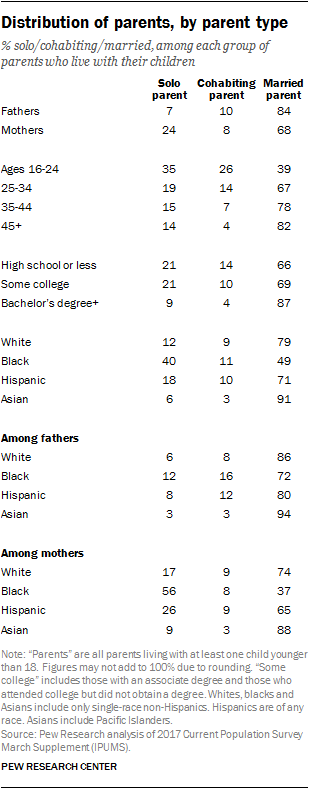
In 2022, the Centers for Disease Control and Prevention (CDC)1 found that 39.8% of all births reported in the U.S. that year were by unmarried women, down from a high of 41% in 2009.

The U.S. Census Bureau2 cites that 80% of single-parent family groups are led by moms — but that statistic is often misconstrued to mean that fathers are not involved with the children in those families. Instead, most dads are actively involved, even when the parents live in two households. Nonetheless, this reflects a broader trend where traditional nuclear families, consisting of two married heterosexual parents, are now a minority in the U.S. family structure.

A study conducted a decade ago by Johns Hopkins researchers3 found that 64% of millennial moms have children outside of marriage. In 2016, millennials surpassed all other generations in the number of households headed by single mothers, according to Women in the Housing & Real Estate Ecosystem (NAWRB).4

At the time, NAWRB found that in the U.S. there were about 8.6 households headed by a single mom and around 4 million of those moms were millennials.

This shift is largely due to declining marriage rates among young people and an increasing societal acceptance of having children outside of traditional marriage settings.

The United States saw 673,989 million divorces in 2022, according to the CDC,5 contributing to the high number of single-parent households. However, the decline in marriage rates among younger generations is a more significant factor.

Traditional nuclear families are now less common, with single motherhood being a major influence. Other family structures on the rise include multigenerational families, blended families, adoptive and foster families, and families headed by same-sex parents.

This post aims to provide recent statistics on single-parent households and their children, highlighting the nuances of single parenthood and evolving family structures, as well as the trends in equal co-parenting.

Single mom statistics

Single motherhood rate by race

Single mothers’ statistics: Education and income

Single parents by country

Single moms are overwhelmingly doing it all alone

Challenges of single-parent families

Takeaways from these single mom statistics

Single mom statistics

There were 10.9 million single mother-headed households in the United States in 2022, according to Census data.6 This is 3x the number in 1960. In addition:

  • 40% of babies born in the United States were born to an unmarried mom in 2022, according to the CDC.8
  • 25% of U.S. families are headed by a single parent. Government documents that 80% of single-parent households are moms according to Census data.7 However, three-quarters of children in these homes have meaningful relationships with their fathers.

“A study that used data from the Children of the National Longitudinal Survey of Youth database found that about a quarter of dads dropped out of theirkids’ lives when they lived separately, while three-quarters had either significant or moderate interaction with their kids. But the census only counts kids as living in one home, so even kids who live with their dads half the time are likely to be counted as living with their mothers only.”

The 50/50 Solution: The Surprisingly Simple Choice that Makes Moms, Dads, and Kids Happier and Healthier after a Split

Millennial single mom statistics

A Pew Research Center9 report published in 2020 found that millennials are having babies outside of marriage more than any previous generation. 

According to the report, roughly 33% of millennial moms living with their own children are unmarried, compared with 29% of Gen X mothers, 23% of Boomer moms and 9% of Silent moms at the same age. 

Another study published in the National Academy of Sciences10 found that more educated millennials are having babies outside of marriage. Nearly a quarter of highly educated women in their mid-30s had their first babies outside marriage.

However, there is still a stark division between single millennial moms who have college degrees and those who do not. Millennial moms with a college education (14%) are much less likely to be unmarried than those with less than a college degree (44%), Pew Research reported.

Throughout history, marriage and parenthood have been linked milestones on the journey to adulthood.

But for the young adults of the Millennial Generation, these social institutions are becoming delinked and differently valued.11 As of 2011:

  • 52% of Millennials believe that having children is one of the most important goals in their lives
  • Only 30% say that marriage is a lifetime goal

Gen Z single mothers statistics

Generation Z — children born in the mid to late 1990s to early 2010s — are mostly descendants of Gen X.

According to an article by the Annie E. Casey Foundation,12 Gen Z women were more likely to graduate from high school and pursue higher education, with nearly 50% of adults ages 18 to 24 enrolled in or fin­ishing college since Gen Zers reached age 18 in 2015, compared to 36% in 2000.

According to Pew Research Center,13 Gen Z are poised to be the best-educated generation to date. As of 2018, 57% were enrolled in 2- or 4-year colleges compared with 52% of Millennials in 2003 and 43% of Gen Xers in 1987.

In 2019, 44% of Gen Z, ages 7 to 17 were growing up with a parent who graduated with a bachelor’s degree or pursued higher education.  As the educational level of parents has increased, a significant drop in births to mothers without a high school diploma among the youngest Gen Z members — born between 2006 and 2012 — from 26% to 17%​, according to Pew Research Center.

In 2019, 44% of Gen Z, ages 7 to 17 were growing up with a parent who graduated with a bachelor’s degree or pursued higher education.

A 2022 Forbes article14 asserts that Gen Z women are delaying motherhood in favor of work and a desire to have a flexible life with protected time just for themselves.

This could be because Gen Zers were more likely to have been raised by a single parent, according to The Survey Center on American Life.15

Older single mom statistics

Today, there are far more older mothers overall, including more older single moms.

The average age of first-time mothers in the U.S. reached 27.3 years old in 2021. This is up from 25.6 years old in 2011​, according to the Pew Research Center.16

Women with higher educational attainment tend to have children later in life and have fewer children overall compared to those with lower educational attainment​

By comparison, there has been a 78% drop in teen births since 1991, with 13.6 births per 1,000 reported in 2021, down 2%
from 2021 (13.9 births per 1,000) and another record low.1

These are the number of births per 1,000 unmarried women for the following age groups:

  • Ages 35-39: 38.8 per 1,000 (historic high)
  • Ages 40-44: 11.6 per 1,000

While the rate of babies born to single mothers has declined slightly, there is a notable rise in babies born to single moms by choice – women who tend to be older, more educated, and with higher income.

Single motherhood rate by race

Single mother numbers in the United States have always been higher among African American women. At the hands of slavery, black women’s consensual relationships and marriages bore no legal rights, and black women had no legal rights to the children they bore at the hands of rape of their white slave owners.

These are the birth rates among unmarried mothers by race for 2022, the most recent data available:

Race of motherPercentage of nonmarital births
White27.1%
Black69.3%
Hispanic53.2%
Asian12.3%
Native American/Alaska Native68.1%
Native Hawaiian/Pacific Islander53.2%
Source: CDC1

Single mothers’ statistics: Education and income

Among millennial moms who have babies outside of marriage, 67% have some college education, and 32% have four or more years of higher education​, according to a Pew report18 published in 2020. 

What percent of single mothers live in poverty?

  • 32% of single moms earn $40,000+ 
  • 10% of single moms earn $80,000+

Another Pew Research Center analysis17 found the poverty rate by household head was:

  • 30% of solo mothers
  • 17% of solo fathers
  • 16% of families headed by cohabiting couples
  • 8% of married couple families

From the report:

Cohabiting parents tend to be younger, less educated, and less likely to have ever been married compared to solo parents. Solo parents typically have fewer children and are more likely to live with one of their own parents (23% vs. 4%)​, Pew found. 

Solo moms are more than twice as likely to be black as cohabiting moms (30% vs. 12%), and roughly four times as likely as married moms (7% of whom are black). About 40% of solo mothers are white, compared with 58% of cohabiting moms and 61% of married moms.

There are virtually no racial and ethnic differences in the profiles of solo and cohabiting fathers.

Single mom statistics from the Pew Research Center.

Single motherhood pay gap

Single mothers earn significantly less than married mothers.

In 2021, the median income for single-mother families was $51,168, compared to $106,921 for married couples​, according to Pew.19 This income disparity is influenced by lower educational qualifications and the younger age of single mothers, who are also more likely to be black or Hispanic​. 

Pew also found that single-mother families are much more likely to live in poverty, with a rate of 31.3% in 2021. Among black female-headed families, the poverty rate is 37.4%, and 35.9% for Hispanic families.

This is likely a consequence of the lower educational qualifications of single mothers, as well as the fact that they are younger and more likely to be black or Hispanic. Married mothers tend to be older and are disproportionately white and college-educated.

Mothers overall suffer a pay gap of 29%, earning an average of 71 cents for every $1 earned by a dad — or an average of $16,000 less per year, according to the National Women’s Law Center.20 

This motherhood penalty is dramatically worse for single mothers at 35%. According to Pew Research, single moms with a household of three earn just $26,000 per year on average, compared with $40,000 per year for single dads.

Parenthood tends to have a different impact on earnings for men and women. Fathers often receive a “fatherhood wage premium,” meaning they earn more after having children.

In contrast, mothers, especially single mothers, face decreased earnings due to career breaks and reduced work hours to manage childcare responsibilities, according to a 2024 report by the National Partnership for Women and Families (NPWF). 

Single-mother households are more likely to be economically insecure compared to other family structures. Approximately 60% of mother-only families were economically insecure in 2021, with nearly a third living below the federal poverty line, NPWF found. 

Another report that year found that the median income for families led by a single mother was $51,168, significantly lower than the $106,921 median for married couples. This large income disparity contributes to the economic hardships faced by single-mother households​, according to the National Women’s Law Center.

I conducted a survey of 2,279 single moms and found a direct correlation between time-sharing between single parents, and single moms’ include. The 2021 white paper outlining the findings of the Single Mom Income and Time-Sharing Survey are here:

Survey highlights:

  • Moms with 50/50 parenting schedules are 54% more likely to earn at least $100,000 annually than moms whose kids are with them most of the time (with “visits” with the dad), and more than three times (325%) more likely to earn $100,000+ than single moms with 100% time responsibility.
  • Moms with 50/50 parenting schedules are more than twice as likely to earn $65,000+, and nearly three-times as likely to earn that sum than moms with 100% parenting time.  
  • 13% of single moms have a 50/50 parenting arrangement, and 51% have their children 100% of the time.
  • 9 in 10 single moms say they could earn more money if they had more equality in their co-parenting schedules.
  • Moms with 50/50 parenting time are 34% more likely to say they feel “awesome and proud” of being a mom when compared with moms who care for their kids 100% of the time.

More details about the survey project.

I also founded Moms For Shared Parenting, an organization devoted to advancing parenting policy and culture.

11 surprising facts about 50/50 parenting

Single mothers on food stamps and public assistance

Roughly 15.7 million children were living in single mother-headed households in the United States, according to U.S. Census data21 published in 2022. This reflects a significant portion of the overall child population in the country:

  • About 11.1 million children lived below 100% of poverty
  • Nearly 14.4 million children were in the food stamp program
  • Roughly 2.1 million children received public assistance

Single parents by country

A 2019 Pew Research Center study22 of 130 countries and territories finds the United States has the world’s highest rate of children living in single-parent households, at 23%. By comparison:

  • Russia 18% of children live in single parent-headed households
  • Uganda 10%
  • Germany 12%
  • Japan 7%
  • Mexico 7%
  • India 5%
  • China 4%
  • Worldwide: an average of 7% of children under age 18 live with a single parent

Children in single-parent families by race in the United States

According to the most recent U.S. census data,21 these are the percentages of children per race in single-parent homes: 

  • American Indian or Alaska Native – 52%
  • Asian and Pacific Islander – 15%
  • Black or African American – 64%
  • Hispanic or Latino – 42%
  • White (Non-Hispanic) – 24%
  • Two or more races – 40%

Single moms are overwhelmingly doing it all alone

  • 50% of custodial parents have child support agreements (informal or formal), but only 44% received all child support owed, according to a 2018 U.S. Census Bureau report.23 About 24% receive partial payments, while 30% receive none of the support they are owed 
  • The median amount of child support due is about $480 per month, translating to about $5,760 annually. However, the actual median amount received by custodial parents is significantly lower, at around $1,800 per year​ 
  • Child support can be a critical source of income for single-parent families. It helps lift many children out of poverty, providing essential financial resources to support their upbringing​, The Annie E. Casey Foundation24 wrote in a 2023 report.
  • Of fathers who live apart from their children, 22% of dads see their kids more than once per week.

But, how many of those fathers choose not to see their kids more, and how many of them are forced out of their kids’ lives completely, or marginalized to a weekend dad?

The answer to this question is complicated and hotly debated. A sexist culture and family court system that marginalizes fathers is a real force, as is parental alienation, mass incarceration of African American men are all real forces.

According to data from the Pew Research Center,25 about 29% of fathers who live apart from their children see their kids at least once a month, while 21% visit several times a year, and 27% do not visit at all​. 

Challenges of single-parent families

Children in single-parent families are more likely to face challenges stemming from the breakup of their parents.

According to another article by the Annie E. Casey Foundation,26 over 50% of children born to cohabiting couples will experience a parent leaving the home. And 20% of children whose parents are married will experience a divorce by the time they turn 9 years old.

This equates to a disruption in routines, living spaces, education, and household income.

For divorcing couples, parenting classes are a great first-step to restoring stability for children in the midst of a split. Learning how to co-parent is essential to better outcomes for children of divorce.

As research continues to evolve on this topic, several factors are clear: children excel in stable, safe nurturing environments where their emotional and physical needs are met.

High levels of parental stress are common among single parents due to the dual burden of providing for and caring for children alone, according to a Pew report.19 This stress can negatively impact both the parent’s and the child’s well-being. Strategies such as prioritizing self-care and seeking professional counseling can be beneficial​.

An article by The Gentle Parent27 also discusses the solos of solo parenting and writes that single parents frequently experience a lack of support from family, friends, or society. Building a support network through local community organizations, support groups, or online forums can provide much-needed emotional and practical assistance.

Single parents often face the difficulty of balancing work responsibilities with parenting duties, according to The Gentle Parent. Establishing clear boundaries and seeking flexible work arrangements can help, but the lack of affordable and reliable childcare remains a significant hurdle.

Solo parenthood can also lead to feeling isolated due to the overwhelming responsibilities of raising children alone. Engaging in community activities, joining parenting groups, and maintaining connections with friends and family can help reduce feelings of loneliness, The Gentle Parent wrote. ​


Takeaways from these single mom statistics

There are more single moms because it is more acceptable to be a single mom

Single moms are growing in number, in part, because women have more financial opportunities, and can more comfortably afford to have children without the full-time financial support of the children’s father.

At the same time, the rise in single motherhood has severely lessened the stigma of being an unmarried mom, a fact that has been attributed to the drop in abortion rates in recent decades.

The rise and general acceptance of single motherhood across all demographics (young, African American and Hispanic moms make up the majority of this trend, but older, more affluent single-moms-by-choice is the fastest-growing segment of the single-mom population), is part of a larger trend of redefining what family and healthy family means.

It was a few years ago that headlines announced that the married, heterosexual parent household with children is now the statistical minority in the United States. Today, about a quarter of married couples who live with children under age 18 are in these Leave it to Beaver families where only the father works — down 47 percent in 1970.

How to be a successful single mother

While gay, multi-generational, blended and adoptive families are on the rise, single-mom-led households made up the bulk of that new majority of “non-traditional” families (enter eye-rolling of many, including this writer!). Paired with news that young adults increasingly find marriage an obsolete institution, this made sense.

However, this new acceptance of family does not preclude romantic partnerships, as most Millennial moms are in committed romantic partnerships, even if they are not legally married.


More gender equality at home — including in separated families

Today’s expectations of the role that men and women will play in parenting is different from older moms. Millennial mothers are most likely to have children with men who are more inclined to share household and childcare duties.

To wit: a 1982 study28 found 43 percent of fathers never changed a diaper. By 2000 another study showed this figure had fallen to 3 percent.

Fatherhood, as we know, goes far beyond keeping little butts clean. While the bulk of care of children still falls on women, a Boston College Center for Work & Family study found that 66% of Millennial dads believe that child care should be shared equally (even if just 29% conceded that that work is actually shared equally in their family), and the number of hours dads today spend with their kids tripled to 7 hours weekly in 2015 from 1965, while they spend an average of nine hours on housework, up from four hours half a century earlier.

These trends are reflected in separated families, where the number of hours that dads spend with children has increased regardless of whether the dad is a part of the same household. Only about 35% percent of child custody cases29 rule to give fathers primary residence, but there is a huge new movement towards shared parenting, in which it is presumed that both parents have equal legal custody and approximately half time with each parent in the event of a separation.

In fact, in 2017 alone, shared parenting legislation has been introduced in 25 states, and counting. This makes sense, as there are 60 peer-reviewed studies30 that find that shared parenting — in which each parent has the kids about 40 percent of the time — is best for children.

Fathers now spend significantly more time with their children than in the past. The average time dads spend with their kids has tripled from 2.5 hours per week in 1965 to about 7 hours per week in 2015. Additionally, fathers’ involvement in housework has increased from 4 hours per week in 1965 to 9 hours per week in recent years​, according to the Pew Research Center.31

Shared parenting is also great for moms. After all, if with more parenting and time support from another parent means more time to nurture other parts of your life — including your career. After all, we can’t have equality at work if we don’t have equality in your family — regardless of what your family looks like.

Why is child support so unfair to fathers? A case for needed reform


More reading:

What is a single mom? A solo mom? How to determine which one you are

Why is child support so unfair to fathers? A case for needed reform

As Millennials Near 40, They’re Approaching Family Life Differently Than Previous Generations (Pew Research Trends)

For Millennials, Out-of-Wedlock Childbirth Is the Norm (Slate)

The Luxury of Waiting for Marriage to Have Kids (The Atlantic)

Dramatic increase in the proportion of births outside of marriage in the United States from 1990 to 2016 (Child Trends)

Related documentary and books on shared parenting:

Recommended shared parenting documentary: Divorce Corp

Kickass Single Mom, Be Financially Independent, Discover Your Sexiest Self, and Raise Fabulous, Happy Children, By: Emma Johnson

Blend, The Secret to Co-Parenting and Creating a Balanced Family, By: Mashonda Tifrere

Co-parenting with a Toxic Ex: What to Do When Your Ex-Spouse Tries to Turn the Kids Against You, By: by Amy J. L. Baker, PhD and Paul R Fine, LCSW Divorce Poison: How to Protect Your Family from Bad-mouthing and Brainwashing, By: Dr. Richard A. Warshak


SOURCES:

  1. “Births: Final Data for 2022,” National Vital Statistics Reports: Volume 73, Number 2. April 4, 2024. Center for Disease Control. https://www.cdc.gov/nchs/data/nvsr/nvsr73/nvsr73-02.pdf 
  2. “America’s Families and Living Arrangements: 2022,” November 17, 2022. United States Census Bureau. https://www.census.gov/data/tables/2022/demo/families/cps-2022.html 
  3. “Most Millennial moms who skip college also skip marriage, data shows,” by Jill Rosen. Johns Hopkins University. June 16, 2014.
  4. “2017 Women Housing Ecosystem Report,” Women in the Housing & Real Estate Ecosystem (NAWRB). https://www.nawrb.com/2017-women-housing-ecosystem-report/
  5. “National Marriage and Divorce Rate Trends for 2000-2022,” National Center for Health Statistics. CDC. https://www.cdc.gov/nchs/data/dvs/marriage-divorce/national-marriage-divorce-rates-00-22.pdf 
  6. “Annual Social and Economic Supplements,” United States Census Bureau. https://www.census.gov/data/datasets/time-series/demo/cps/cps-asec.2022.html#list-tab-165711867
  7. “Current Population Survey (CPS),” United States Census Bureau. https://www.census.gov/programs-surveys/cps.html
  8. “Cohabitation and children’s living arrangements: New estimates from the United States,” National Center for Health Statistics. CDC. https://www.cdc.gov/nchs/fastats/unmarried-childbearing.htm
  9. “As Millennials Near 40, They’re Approaching Family Life Differently Than Previous Generations,” by Amanda Barroso, Kim Parker and Jesse Bennett. Pew Research Center. May 27, 2020. https://www.pewresearch.org/social-trends/2020/05/27/as-millennials-near-40-theyre-approaching-family-life-differently-than-previous-generations/
  10. “Rising nonmarital first childbearing among college-educated women: Evidence from three national studies.” by Andrew J. Cherlin. 2021. Proceedings of the National Academy of Sciences. https://www.pnas.org/doi/full/10.1073/pnas.2109016118
  11. “For Millennials, Parenthood Trumps Marriage,” by Wendy Wang and Paul Taylor. Pew Research Center. March 9, 2011. https://www.pewresearch.org/social-trends/2011/03/09/for-millennials-parenthood-trumps-marriage/
  12. “What The Statistics Say About Generation Z,”  The Annie E. Casey Foundation. Updated Nov. 1, 2023. https://www.aecf.org/blog/generation-z-statistics
  13. “On the Cusp of Adulthood and Facing an Uncertain Future: What We Know About Gen Z So Far,” by Kim Parker and Ruth Igielnik. Pew Research Center. https://www.pewresearch.org/social-trends/2020/05/14/on-the-cusp-of-adulthood-and-facing-an-uncertain-future-what-we-know-about-gen-z-so-far-2/
  14. “Gen Z Women Postpone Motherhood Because Of The Challenges Working Millennial Moms Encounter,” by Christine Michel Carter. Forbes. June 21, 2022. https://www.forbes.com/sites/christinecarter/2022/06/20/gen-z-women-postpone-motherhood-because-of-the-challenges-working-millennial-moms-encounter/?sh=4191f2152b90
  15. “The Childhood Loneliness of Generation Z,” by Daniel A. Cox for the Survey Center on American Life. April 4, 2022. https://www.americansurveycenter.org/the-lonely-childhood-of-generation-z/#
  16. “Key facts about moms in the U.S.,” by Katherine Schaeffer and Carolina Aragão. Pew Research Center. https://www.pewresearch.org/short-reads/2023/05/09/facts-about-u-s-mothers/
  17. “The Changing Profile of Unmarried Parents,” by Gretchen Livingston. https://www.pewresearch.org/social-trends/2018/04/25/the-changing-profile-of-unmarried-parents/
  18. “As Millennials Near 40, They’re Approaching Family Life Differently Than Previous Generations,” by Amanda Barroso, Kim Parker, and Jesse Bennett. Pew Research Center. May 27, 2020. https://www.pewresearch.org/social-trends/2020/05/27/as-millennials-near-40-theyre-approaching-family-life-differently-than-previous-generations/
  19. “Parenting in America Today,” by Rachel Minkin And Juliana Menasce Horowitz. Pew Research Center. Jan. 24, 2023. https://www.pewresearch.org/social-trends/2023/01/24/parenting-in-america-today/
  20. “Data on Poverty and Income,” National Women’s Law Center. https://nwlc.org/issue/data-on-poverty-income/
  21. “America’s Families and Living Arrangements: 2022,” U.S. Census Bureau. Nov. 17, 2022. https://www.census.gov/newsroom/press-releases/2022/americas-families-and-living-arrangements.html
  22. “Religion and Living Arrangements Around the World,” Pew Research Center. Dec. 12, 2019. https://www.pewresearch.org/religion/2019/12/12/religion-and-living-arrangements-around-the-world/
  23. “44 Percent of Custodial Parents Receive the Full Amount of Child Support,” U.S. Census Bureau. https://www.census.gov/newsroom/press-releases/2018/cb18-tps03.html
  24. “Less than 1 in 4 single-mother families receive child support,” The Annie E. Casey Foundation. Oct. 26, 2023. https://www.aecf.org/blog/less-than-1-in-4-single-mother-families-receive-child-support
  25. “A Tale of Two Fathers,” by Gretchen Livingston and Kim Parker. Pew Research Center. https://www.pewresearch.org/social-trends/2011/06/15/a-tale-of-two-fathers/
  26. “Child well-being in single-parent families,” The Annie E. Casey Foundation. April 6, 2024. https://www.aecf.org/blog/child-well-being-in-single-parent-families
  27. “Common Challenges Faced by Single Parents: Exploring the Hurdles of Solo Parenthood,” by Larabeth Fitzroy-Smith. TheGentleParents. https://thegentleparents.com/2023/08/common-challenges-single-parents-face/
  28. “Research punctures ‘Modern’ fathers myth – except for nappies that is…” Warwick. https://warwick.ac.uk/newsandevents/pressreleases/research_punctures_modern/
  29. “What does Dad really want? More time with his kids,” Star Tribune. June 16, 2018. https://www.startribune.com/what-does-dad-really-want-more-time-with-his-kids/485607642/
  30. “Joint versus sole physical custody: Outcomes for children independent of family income or parental conflict,” by Linda Nielsen. Journal of Child Custody. Jan. 24, 2018. https://static1.squarespace.com/static/5154a075e4b08f050dc20996/t/5a6a58370d9297962b6ef1fd/1516918840631/2018+Child+Custody+60+studies+.pdf
  31. “Key facts about dads in the U.S.,” by Katherine Schaeffer. Pew Research Center. June 15, 2023. https://www.pewresearch.org/short-reads/2023/06/15/key-facts-about-dads-in-the-us/

Whether you’re looking for free toys for kids for Christmas, another holiday, a child’s birthday party or you want to reward your kids for a good semester at school, there are ways to get free toys all year long. 

We put together a list of easy ways to get free toys for kids at any time. The best part? You don’t even have to leave your home to get toys from some of the free toy programs on this list. Plus, you might even be able to get paid for sharing feedback about the toys you receive.

Websites and apps that offer free toys

The Toy Foundation’s Toy Bank

Product testing

How to get free toys for Christmas

Resources for free baby toys

Local resources: how to find free toys in your area

Bulk pick-up nights can be a free toy treasure-trove

Websites and apps that offer free toys

The following websites, apps, and resources are all great places to try to get free toys for your kids.

Freecycle.org

Another great resource for free toys is the Freecycle Network. Over 9 million people are registered as Freecycle members across 5,300+ towns and cities. 

When you become a Freecycle member, you’ll have the chance to browse Freecycle Town groups. You can join multiple groups to browse posts for free items and also offer your own items to give away.

Freecycle is a great way to get free toys for your kids while practicing sustainability by keeping unwanted toys out of landfills. Sign up for Freecycle to get free toys.


Craigslist

Craigslist continues to be a top choice for people searching for free stuff, including free toys. As a nationwide online classified marketplace, you can cast a wide net to see what people are offering in your community or anywhere in the United States.

To find free toys, navigate to the “For Sale” section. Next, click on the “free” link to see available items in your chosen area. You can type in the search field in the free stuff section to find what you’re looking for. 

Remember to always practice safety if you use classified services like Craigslist or Freecycle to meet up with community members who are giving away free toys. Use a communication app like Google Voice or WhatsApp to protect your personal phone or email address, plan all meetups in public spaces, and, if possible, go with a friend or family member.

27 sites like Craigslist to buy or sell stuff

TrashNothing.com

As the concept of freecycling continues to grow, so do the ways you can look for items you want. TrashNothing.com is affiliated with Freecycle, Full Circles, and ReUseIt groups on Yahoo Groups, Freegle groups, as well as groups that originated from Trash Nothing.

The TrashNothing community is over 8 million strong. Many claim that using TrashNothing simplifies the process of finding free toys and other stuff, making it a more convenient and time-efficient choice for busy parents.

You can sign up for TrashNothing using an existing Facebook, Google, Microsoft or Yahoo account. You can also create an account using an email address.

Learn how to make money testing products at home

Nextdoor

With Nextdoor, you can connect with your neighbors to stay on top of what’s happening in your community. It’s free to join. You can use it on an internet browser or through the app to find sources of free toys and learn about local events such as toy giveaways or yard sales where you can get steeply discounted toys.

To get free toys:

  • Check For Sale & Free: You can filter this section on Nextdoor to show all free items in your neighborhood, including free toys if they are available
  • Make a post: You can post a question about where you can get free toys so that people in your area can share what the know
  • Create an event: When you click on the Discover tab in Nextdoor, you can create an event like a free toy drive for your neighbors or a meetup to swap free, used toys
  • Follow Nextdoor on Facebook: Use the Nextdoor Facebook community to get ideas about how other neighborhoods are finding free toys

OfferUp

OfferUp is an inexpensive way to find gently used or previously owned toys. Created by two fathers who sought to replace things they no longer wanted with things they needed, OfferUp is the largest mobile marketplace powered by a secure app you can use to buy or sell locally.

From your smartphone, you can use the app to message sellers. You can also view profiles to ensure you are dealing with reputable sellers with good ratings and positive feedback before you make a purchase.

Facebook Marketplace

Facebook Marketplace can be an online jackpot for free toys, games, and other items your child will enjoy. As the largest social media platform, Facebook offers almost endless opportunities to connect with people who want to give away items or sell them at a discount.  

To see free items, simply navigate to “Free Stuff” on Facebook Marketplace. You can either browse what’s available or type in a specific search term like “free toys” or “free children’s games” to refine your results.

You can use Facebook Messenger to communicate with sellers so you can make a plan to pick up the items. 

Freebie Alerts app

Here are 11 easy ways to get free toys for kids.

The Freebie Alerts app, available on the App Store and Google Play, sends you a notification every time your neighbors are giving away free stuff, including toys and games. 

The app monitors:

  • Facebook Marketplace
  • Nextdoor
  • OfferUp
  • TrashNothing

You can choose to receive alerts from all or some of these sources of free stuff. 

If you want specific items, like toys, you can use the whitelist feature to notify you of offers with certain keywords. When you want an item, just tap on it in the app to communicate with the person giving it away. You can also post items you would like to give away.

Get the Freebie Alerts app

The Toy Foundation’s Toy Bank

For those of you looking for “free toys for kids near me,” the Toy Bank is a program run by the The Toy Foundation, a nonprofit organization dedicated to preserving the importance of play for children in underserved communities. 

Since its founding in 2003, the Toy Bank has provided more than 26 million children with $225 million worth of toys through year-round toy donations from toy companies and retailers. 

The Toy Bank serves children who are:

  • Seriously ill or in a children’s hospital
  • In temporary foster care
  • Suffering from abuse or neglect
  • Impacted by domestic violence
  • Separated from a deployed military parent
  • Navigating natural disasters

Throughout the year, free toys are distributed to over 1,000 local charities and community organizations in every state and the District of Columbia. To find a Toy Bank partner charity near you, contact The Toy Foundation.

Get free toys through product testing

While toy testers typically don’t get to keep the toys they play with, product testing is a fun way to get in some playtime with pre-released toys and potentially earn money for sharing your opinion about new toys manufacturers are thinking about bringing to market.  

Far Out Toys’ FunLab

Far Out Toys is a global company behind brands like Glo-Up Girls dolls and toys inspired by YouTube channels like Ryan’s World and Love, Diana.

The Far Out Toys FunLab is a community of parents and kids who enjoy playing with toys. By signing up, you become part of the Far Out Fun Lab community, where you will get invitations to review free toys based on your child’s interests. Periodically, members are asked for feedback on toys and have a chance to participate in compensated, online focus groups.

You can become a toy ambassador for anything Far Out Toys sells, such as family games, tech toys, or toys for different age groups. Sign up to get free toys from Far Out Toy FunLab.

Fisher-Price Play Lab (in western New York state)

The Fisher-Price Play Lab was the first of its kind. First established in 1961, the lab was a place for children to play with toys and guide the brand in its creation of toys that children love. .

Today, the Fisher-Price Play Lab recruits more than 2,800 kids of all ages to test about 450 toys and gear ideas per year.. Fisher-Price offers both in-person and in-home toy testing opportunities for parents and children who live in Western New York. All in-person testing takes place at the Play Lab in East Aurora, N.Y. This is also the site to pick up and return toys for in-home testing.

In-home testing is usually a two-week process. In-person testing takes up to 20 minutes, on average. The Fisher Price Play Lab notifies parents of testing opportunities up to two days in advance. There are also playgroups that meet weekly for one or two hours.

The Fisher-Price Cast & Play Crew is a community of parents with children ages 5 and younger who test toys and offer feedback to improve the toys before they are released to the public. 

All testing opportunities are compensated with Amazon or Target gift cards. Pay varies depending on the amount of time and effort. To participate in testing, your child will need a New York State Child Performer Permit, but you can start the Fun Lab registration process without it. To join the community, sign up on the Fisher-Price website.

Hasbro’s FunLab

Hasbro FunLab invites children to test toys and games. Though there are some virtual events and at-home programs, toy testing primarily takes place in-house at a Hasbro facility like the headquarters in Pawtucket, R.I.. There are also FunLab opportunities in Canada and the United Kingdom.

To become a Hasbro FunLab member, the registering parent must be at least 18 years old and not employed in the following areas:

  • Advertising, market research or public relations
  • Newspaper or magazine publishing
  • TV, movies or radio
  • Manufacturing or distribution of toys, entertainment games or videos

When you sign up your child to participate, you may be invited to toy testing events, focus groups, in-home play dates, and retail shopping studies. 

If you want your child to be a toy tester for Hasbro, you can enroll in the FunLab program today. 

Home Tester Club

The Home Tester Club is always looking for people to test free products like toys, food, and skin care aids. Free toys and other products are mailed to your home in exchange for an honest review. Your shared insights can help improve shoppers’ buying experiences and assist brands with product development.

Plus, if you enjoy taking photos or participating in surveys, you’ll have a chance to win prizes every week as part of the Home Tester Club community.

Just answer a few questions upfront to establish your interests so you can be matched with products that make sense for your household. Join the Home Tester Club for free.

Mattel Imagination Center

The Mattel Imagination Center welcomes children and adults as toy testers to help them develop and refine toy offerings. If your children are ages 3 to 13, they can participate in toy testing. Occasionally, there are opportunities for children younger than 3. 

The center offers virtual and on-site testing events. To participate in on-site events, you and your child must live within a 50-mile radius of El Segundo, Calif. For your participation at on-site events, Mattel offers incentives such as free toys or gift cards. Virtual testers are eligible for electronic gift cards.

As long as you live in the United States, you can sign up to be a toy tester.

More about making money as a product tester


How to get free toys for Christmas

Lots of organizations help financially struggling families get free Christmas toys for their kids.

We put together a list of charities and other organizations that provide free Christmas gifts and information about how to apply. You can also check out our post about how to get free Christmas money or earn Christmas money.

Resources for free baby toys

If you’re looking for free baby toys, you can use apps and sites like Freecycle and Craigslist to find free toys. Here are some other resources we suggest:

Toy lending libraries

Toy lending libraries are a community space where parents can take their young children to play with toys, socialize with other kids, and borrow toys to take home. These libraries are typically for children 0-5 years old, but age requirements vary based on the library.

For example, the Pittsburgh Toy Lending Library offers drop-in and members-only play sessions. You can get in free if you are a first-time visitor or have an infant. Memberships start at $30 per year. You can borrow and return toys just like you would a book in a library.

To find toy libraries in your area, you can search “toy lending libraries near me” or check the toy library location list from the USA Toy Library Association.

Baby registries

Create a baby registry when you are expecting or even after your little one has arrived. Add toys to your list and anything else you might need. Then, share the list with family and friends.

Some popular baby registries include:

  • Amazon
  • Babylist
  • MyRegistry
  • Target
  • Walmart

Creating a baby registry is a great idea because you can be specific about what you want for your child, items are new, and if something doesn’t work out, you can usually return it without an issue. Plus, if you are signing up for the first time, baby registries like Amazon, Target, and Babylist offer free gifts.

23 places for moms to get free baby stuff

Local resources: how to find free toys in your area

Local resources are another great place to start looking for free toys. Community centers, charities, and regional programs often have initiatives designed to help families in need. For example, the Franklin Community Center in Saratoga Springs, N.Y. runs a free store that is open to the public where you can get free toys as well as clothing and household goods.

Here’s how you can locate and take advantage of these opportunities:

Search online for local free toy resources

Use terms like “free toys near me,” “local charities free toys,” or “toy donation programs” to find relevant options in your area.

Contact community centers

Many community centers run seasonal drives or collaborate with organizations to distribute toys to local families. If you’re not sure where your community center is, just do an online search for your town and state + “community center.” You can also call or visit your local library and ask for help!

Look for opportunities through your kid’s school and other local schools

Schools often distribute information about free toy programs to parents, especially if the school is in a lower-income area. Look for flyers, emails, or announcements from the school administration, or go ahead and call the main office and inquire about any programs for free toys they may host or know about.

Reach out to churches or other religious organizations

Many churches host toy drives or partner with charities to distribute gifts during the holidays. Even if you’re not a member, these organizations often welcome anyone in need.

Contact local food pantries and shelters

Many food pantries and homeless shelters run toy donation programs, especially during—but not limited to!—the holiday season. Reach out to organizations near you to see if they offer toys or can direct you to other local programs.

Check your local government websites and social media pages 

City or county governments often list local events, charitable programs, and resources for families. Here’s how to find and utilize local government sources:

  • Visit official websites: Start with your city or county’s main website. Look for sections like “Community Resources,” “Parks and Recreation,” or “Social Services.”
  • Search for event calendars: Many government websites include event calendars that list toy drives, holiday events, and free gift distribution opportunities.
  • Follow social media accounts: Follow your local government, parks and recreation department, or community service organizations on platforms like Facebook, Twitter, and Instagram. These accounts frequently share updates about upcoming events and how to participate.
  • Use 211 or Local Helplines: Dial 211 (United Way’s resource hotline) or check their website to find local government programs and charities offering free toys.

Local resources not only provide toys but also foster a sense of community and support for families in need. Start by reaching out to organizations in your area and take advantage of the help they offer!

Bulk pick-up nights can be a free toy treasure-trove

Bulk pick-up nights, sometimes called bulk trash collection days, are special events scheduled by local waste management services where residents can dispose of oversized or large items that don’t fit into regular trash bins. These nights are not only an opportunity to clear out clutter, but they can also serve as a treasure trove for others. Items like old furniture, bikes, and even toys—many in perfectly usable condition—often get left at the curb for pick-up, making these nights a surprising resource for finding free, reusable items.

One WealthSingleMommy editor’s friend, for example, managed to collect a whole fleet of those little ride-in plastic cars simply by exploring the offerings during bulk pick-up nights 

How to find bulk pick-up nights near you:

  • Ask neighbors or local community groups: Join neighborhood groups on Facebook, Nextdoor, or other local platforms to learn when bulk pick-up nights occur in your area.
  • Check your city and county websites, as well as websites of towns near you: Local waste management services often post schedules for bulk trash collection online.
  • Call your waste management provider: If the information isn’t online, a quick call to your city or county’s waste department can provide details.

Other ways to find helpful and free resources for low-income families and individuals


Help for single moms: 16+ resources
$500 monthly single mom grant
Free laptopsScholarships for single moms
Free carFree formula
Free smartphoneBest jobs moms can do from home
Free wifiFree and low-cost prescriptions
Free clothesFree diapers
Government assistance for single momsFree gas
Free daycareFree preschool
Affordable denturesFree money
10+ charities that help single mothersTutoring and homework help
Free or low-cost after school programsHealth insurance
Cash for junk carsFree food
Dumpster divingLow-income home loans
Free school suppliesFree housing
Home buyer grantsFree or cheap dental care
Free gift cardsCheap eats near me
Free money for billsFree baby stuff
Free ipadFree car seat
Free furniture