
You’re feeding a jar of pennies into a coin-counting machine at the grocery store, flipping each one over out of habit before it disappears into the hopper. Most show the Lincoln Memorial on the back. A few show two curved stalks of wheat instead, and those are the ones worth pulling out and setting aside.
The wheat cent ran from 1909 to 1958, through a designer controversy, a world war that changed what pennies were made of, and decades of die mistakes that never should have made it past inspection. Most of these coins are still worth exactly one cent. What separates an ordinary wheat penny from one worth real money comes down to three things: the date and mint mark, the condition it survived in, and whether it carries a genuine mint error rather than a scratch that looks interesting under bad lighting.
A few of the coins below are the famous names every wheat penny hunter already half-remembers. Most are the ones that get walked past because they’re not the famous names, and that’s exactly why they’re worth knowing.
Table of contents
- 1909-S VDB Lincoln wheat cent
- 1911-S Lincoln wheat cent
- 1914-S Lincoln wheat cent
- 1924-D Lincoln wheat cent
- 1931-D Lincoln wheat cent
- 1933-D Lincoln wheat cent
- 1944-D/S Lincoln wheat cent
- 1917 doubled die obverse Lincoln wheat cent
- 1950-D Lincoln wheat cent in gem red condition
- Wheat cent struck on a silver dime planchet
1909-S VDB Lincoln wheat cent
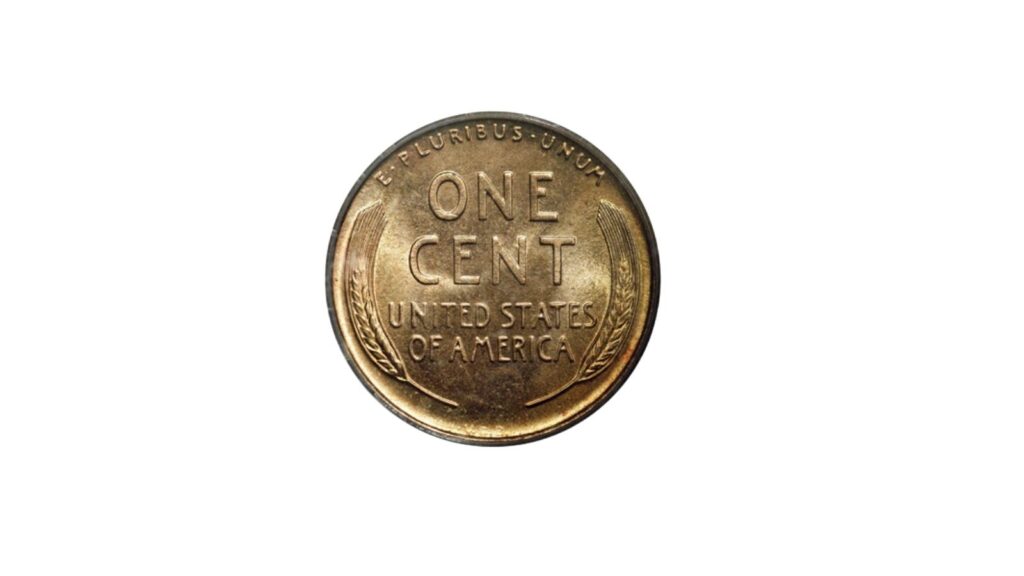
Everyone who has ever sorted a coin jar has heard of this one, which is exactly why it gets misidentified more than any other wheat cent. The real prize needs two things present at once: an “S” below the date on the front, and the tiny initials “V.D.B.” at the bottom center of the reverse, between the ends of the wheat stalks. Miss either one and you have a different, far more common coin.
San Francisco struck only 484,000 before public backlash over designer Victor David Brenner’s prominent initials got them pulled within weeks. A coin with honest wear typically brings $700 to $1,600 depending on grade, and clean uncirculated examples climb into the low thousands and beyond. The finest known example has reached $168,000.
Here’s the mix-up that trips people up: a 1909 VDB with no “S” is the common Philadelphia version, worth closer to $10 to $45. A 1909-S with no “V.D.B.” is worth more than a common cent but nowhere near the real thing, typically $80 to $400. Counterfeiters add a fake “S” to common Philadelphia coins or fake initials to genuine San Francisco cents without them, so anything priced like the real deal needs certification from PCGS or NGC before money changes hands.
1911-S Lincoln wheat cent
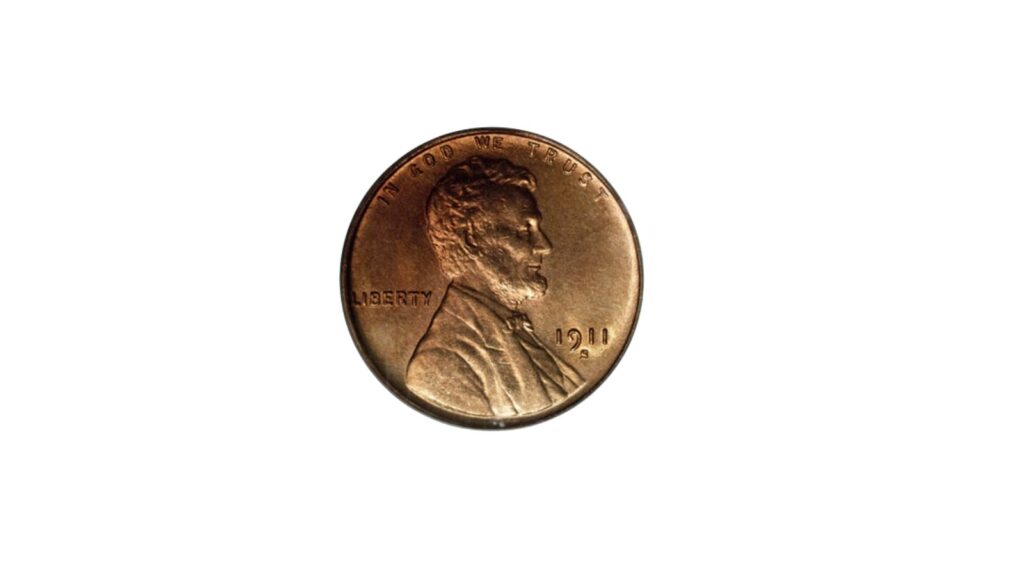
San Francisco struck just over four million cents in 1911, a low number for the era that makes this one of the tougher early dates to find in decent shape. It sits in the shadow of flashier keys like the 1909-S VDB, which means plenty of collectors walk past it without a second look, and that’s part of why it still rewards checking.
A coin with honest circulation wear typically runs $48 to $60 in the lower grades, climbing to $244 and up once you reach uncirculated condition, with sharp, fully lustrous examples bringing several hundred dollars more. The gap between a worn example and a clean one is wide for a coin this old, since so many 1911-S cents simply wore down in ordinary use over five decades of circulation.
Check the mint mark carefully under magnification. Because this date carries real value, some sellers add a fake “S” to a common Philadelphia 1911 cent, and the fake mark often sits slightly off position or looks stamped on top of the surface rather than sunk into it during striking. Any example priced above pocket change deserves a look from someone who can confirm it wasn’t altered.
1914-S Lincoln wheat cent
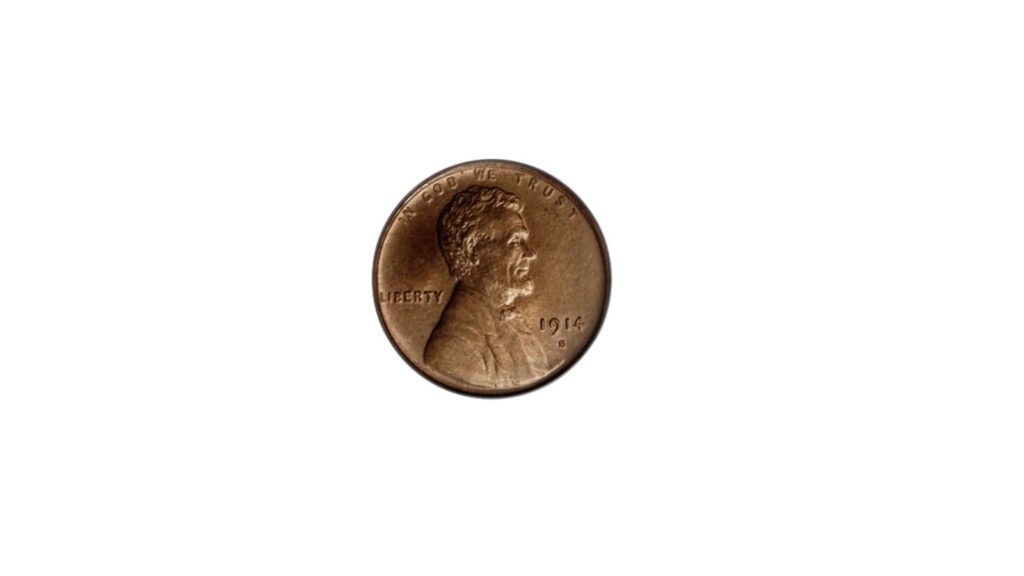
The 1914-D gets all the attention as one of the “big four” Lincoln cent keys, but its San Francisco sibling from the same year is a genuinely scarce coin in its own right, and it costs a fraction of the price. That makes it one of the better values in the entire early wheat cent run for someone building a set without a five-figure budget.
A typical circulated example brings around $30 in the lower grades, with values climbing past $400 in the uncirculated range and reaching $600 or more for coins with full original luster. Because it shares a date with the far pricier Denver issue, sellers occasionally mislabel a worn 1914-S as a 1914-D, whether by mistake or otherwise.
The mint mark is the whole story here. An “S” and a “D” look nothing alike under a loupe once you know what to compare, but a heavily worn coin can make the letter hard to read with the naked eye. Clean the coin to see it better and you’ll destroy whatever value it had, so use a magnifier instead, and get anything that looks promising confirmed before assuming you’re holding the cheaper of the two.
1924-D Lincoln wheat cent
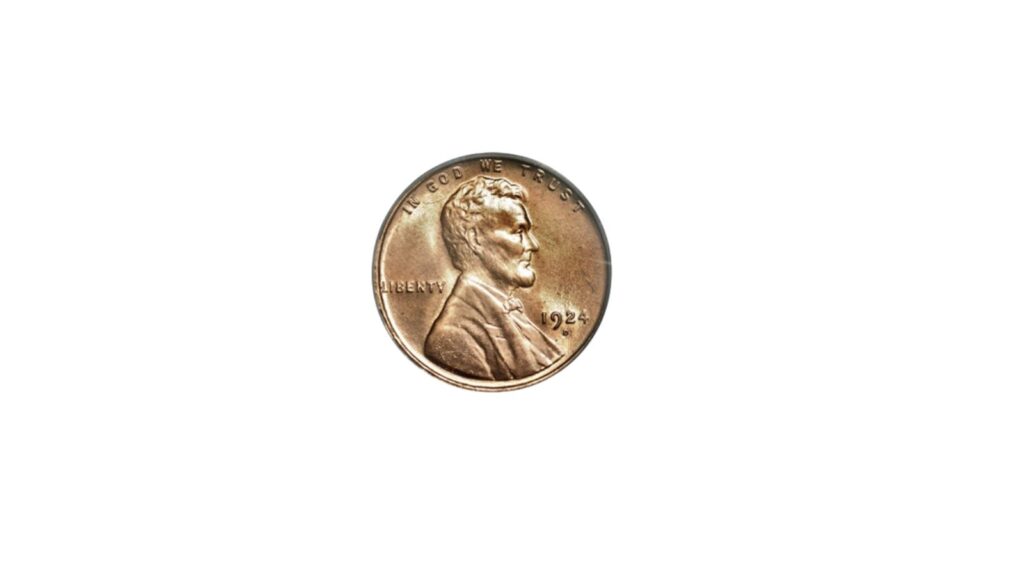
Denver struck a modest run of cents in 1924, and specialists consider it one of the harder Denver dates to find in sharp, fully red uncirculated condition anywhere in the Lincoln cent series from that decade. Circulated examples turn up regularly enough, but clean ones with strong strike detail are a genuine step up in scarcity from what most people expect out of a 1920s wheat cent.
A coin showing honest wear typically carries a value of $50, and uncirculated examples climb to $376 and beyond, with the nicest surviving pieces bringing considerably more. That’s a meaningful jump over most ordinary 1920s dates, which often sit at just a few cents in worn grades.
As with any scarcer Denver issue, watch for an added mint mark on a common Philadelphia 1924 cent. Genuine mint marks were hand-punched into the die and sit slightly recessed with consistent depth, while an added one often looks slightly raised, off-center, or a touch too crisp compared to the wear on the rest of the coin. When the coin is worth real money, that ten-minute check is worth doing before you sell.
1931-D Lincoln wheat cent
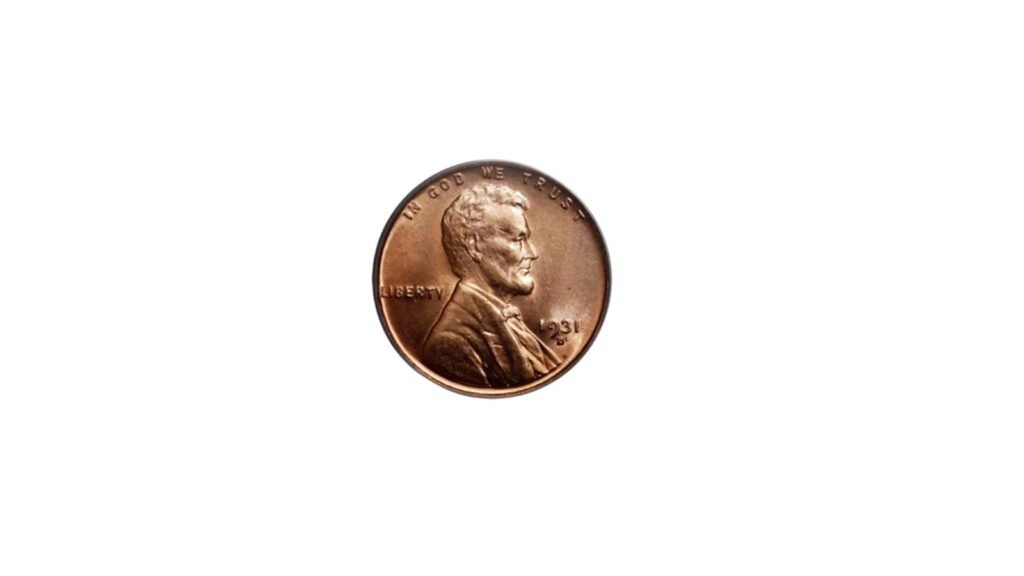
The 1931-S gets most of the credit for being the Depression-era Lincoln cent worth watching for, but its Denver counterpart from the same year is also a real low-mintage date, just a more affordable one. The Depression hit coin production hard across the board in 1931, and Denver’s output that year was well below what the Mint struck in most other years of the series.
A worn example typically brings around $10, a real premium over face value for a coin this common-looking, and uncirculated pieces climb toward $75 to $90 or more depending on how clean the surface is. It’s not a coin that will fund a vacation, but it’s a legitimate step above the ordinary 1930s cents most people assume are worthless.
Environmental damage is the main condition issue here rather than counterfeiting. Coins from this era often spent decades in damp basements or old jars, and porosity or dark corrosion pitting knocks the value down fast even when the date and mint mark are perfectly readable. A clean, problem-free surface matters more than people expect on a coin in this price range.
1933-D Lincoln wheat cent
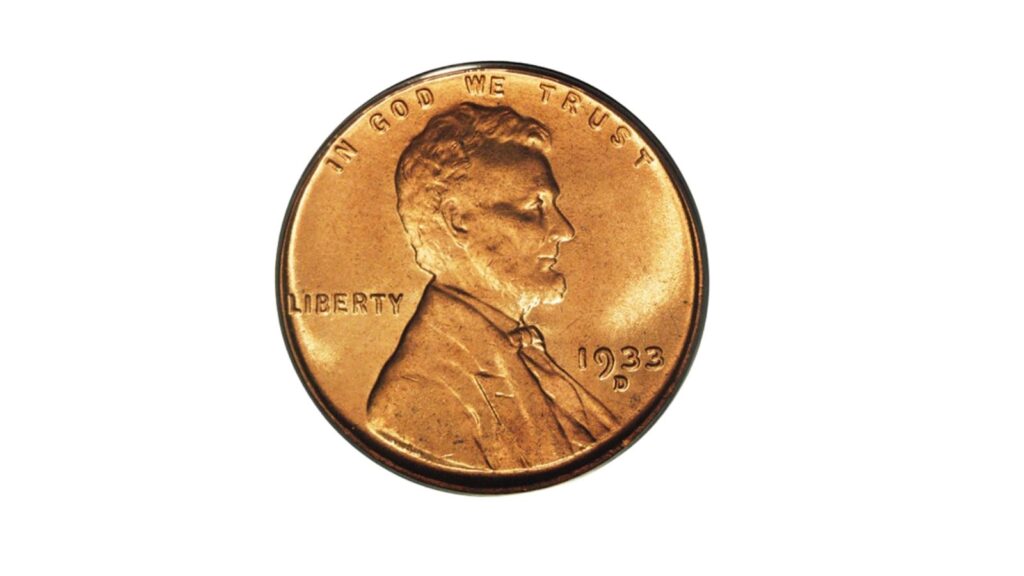
The early 1930s were lean years for the Mint, and Denver’s 1933 output was modest enough that the date carries a real premium over face value even in heavily circulated condition, something that surprises people who assume anything from the Depression era must be common. It’s a coin that regularly turns up in inherited collections and old cigar boxes without anyone realizing it’s worth more than a cent.
A typical worn example carries a value of about $7, which is modest on its own, but the picture changes fast with condition. Choice uncirculated examples with full original red color are a completely different animal, and the finest certified specimen on record has reached $24,000.
That gap between a $7 coin and a $24,000 coin is entirely about surface preservation, not rarity of the date itself. Never clean a wheat cent to make it look brighter, since cleaning strips the original mint luster that graders and buyers are actually paying for. If a 1933-D in your collection still shows bright, unbroken red color rather than the usual brown toning, it’s worth a proper grading opinion before you assume it’s just another common Depression-era cent.
1944-D/S Lincoln wheat cent
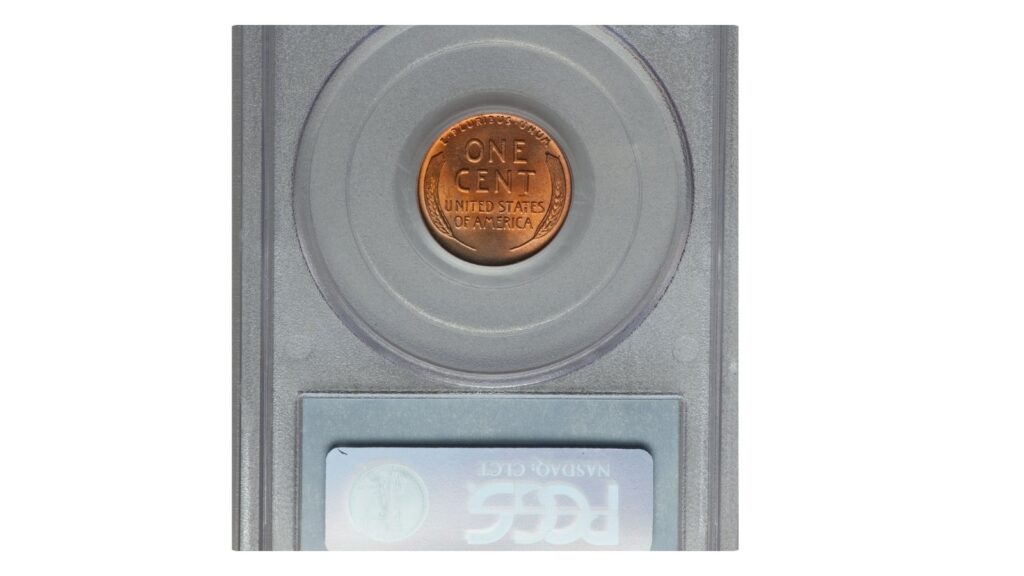
In 1944, the Denver mint accidentally punched a “D” mint mark directly over an existing “S” punch on one of its working dies, leaving faint traces of the original “S” visible underneath and around the final “D” under magnification. Because 1944 was a year of over 400 million Denver cents, this variety hides inside one of the most common dates in the entire series, which is exactly what makes it a satisfying find.
Circulated examples with the overlap clearly visible typically bring $50 to $250 depending on how strong the underlying “S” reads, and the numbers climb sharply from there. Wholesale bid levels for a clean mint state example run close to $800, and the finest certified coin on record has reached $49,938.
Identification takes a loupe and patience. Look for the “D” sitting slightly high or with extra metal bulging around its curves, remnants of the “S” that never got fully erased when the second punch went in. Ordinary machine doubling and simple die chips get mistaken for this variety constantly, so compare against a reference photo from PCGS CoinFacts before assuming you’ve found the real FS-511 variety, and get anything promising certified.
1917 doubled die obverse Lincoln wheat cent
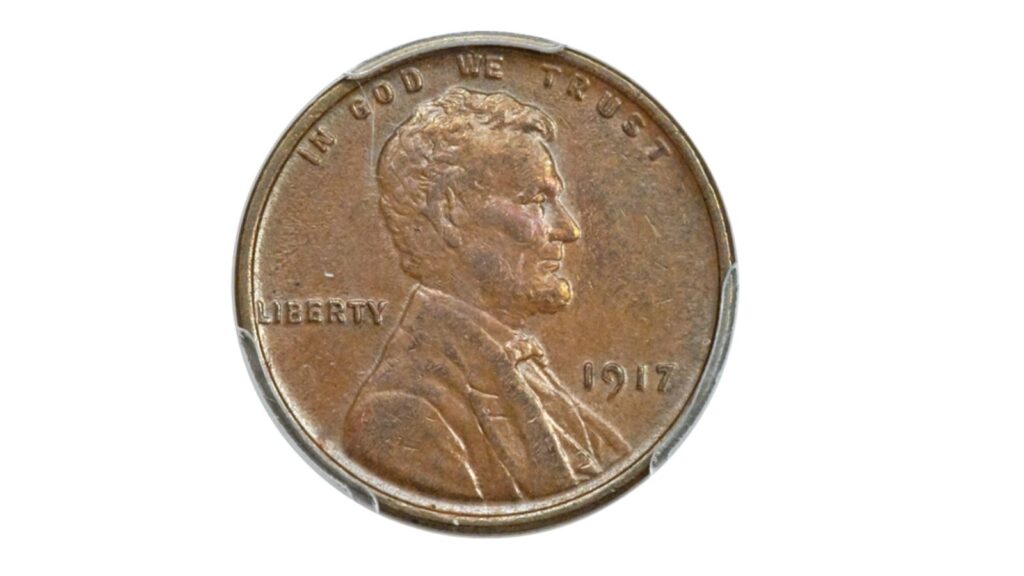
Long before the famous 1955 doubled die made variety collecting mainstream, a 1917 Philadelphia die shifted during hubbing and left the date, the word LIBERTY, and the motto IN GOD WE TRUST all showing clear separation. It’s less famous than its 1955 counterpart mostly because fewer collectors know to look for it, not because the doubling is any less dramatic once you know where to check.
Numismatic experts estimate only around 200 examples survive across every grade combined. A circulated coin with the doubling clearly visible typically brings around $207, with uncirculated examples climbing to $4,248 and beyond. The finest certified example has reached $120,000.
The doubling should look bold and separated, not soft or shelf-like. Ordinary machine doubling, which carries no premium at all, tends to look flat and mushy under magnification rather than showing the crisp, distinct second image that a true hub doubling produces. Compare the date and motto against reference photos before getting excited, and treat any strong match as worth a certification submission rather than a raw sale.
1950-D Lincoln wheat cent in gem red condition
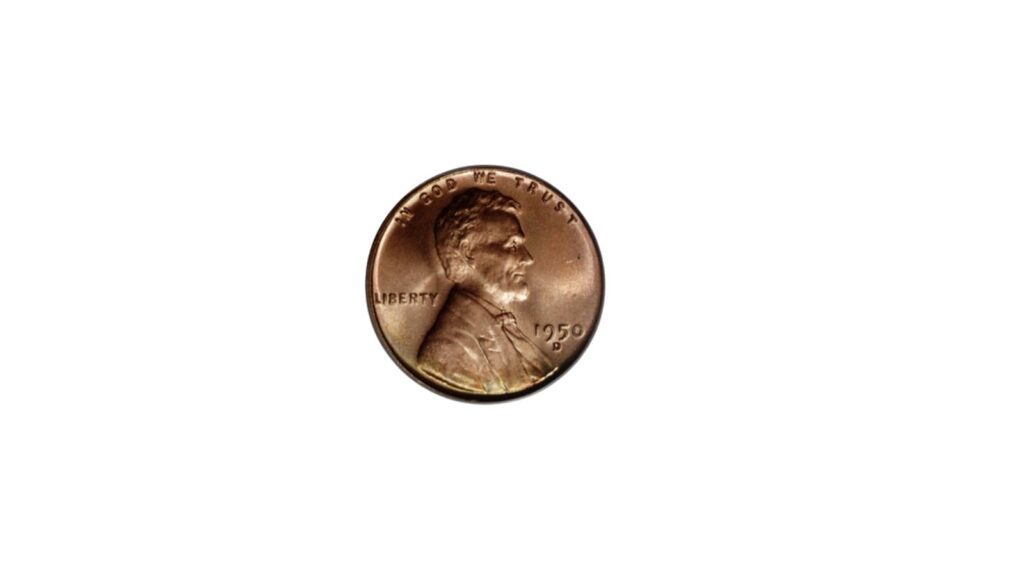
Denver struck nearly 335 million cents in 1950, making it one of the most common dates in the entire wheat cent series and, on paper, the last coin you’d expect to find on a list like this. But mintage numbers don’t tell the whole story. Surviving examples in true gem condition with full, unbroken original mint-red color are shockingly scarce, because most 1950-D cents that stayed uncirculated still picked up bag marks or began toning toward brown decades ago.
A worn 1950-D is worth pennies, and even a nice mint state example with only partial red color typically brings just a few dollars. But push into the top preservation tiers and the numbers change dramatically. The finest certified example, graded a near-flawless MS-68 red, has reached $20,400, more than any other 1950 cent from any mint despite Denver’s mintage being the largest of the three.
That’s the real lesson of this entry: date and mintage matter less than most people assume, and condition can matter more than either. Never clean a wheat cent hoping to brighten it up, since that destroys the original surface graders are actually paying for. If a common date in your collection still shows sharp, glowing red color rather than the usual brown, it’s worth a second look before you assume “common” means “worthless.”
Wheat cent struck on a silver dime planchet
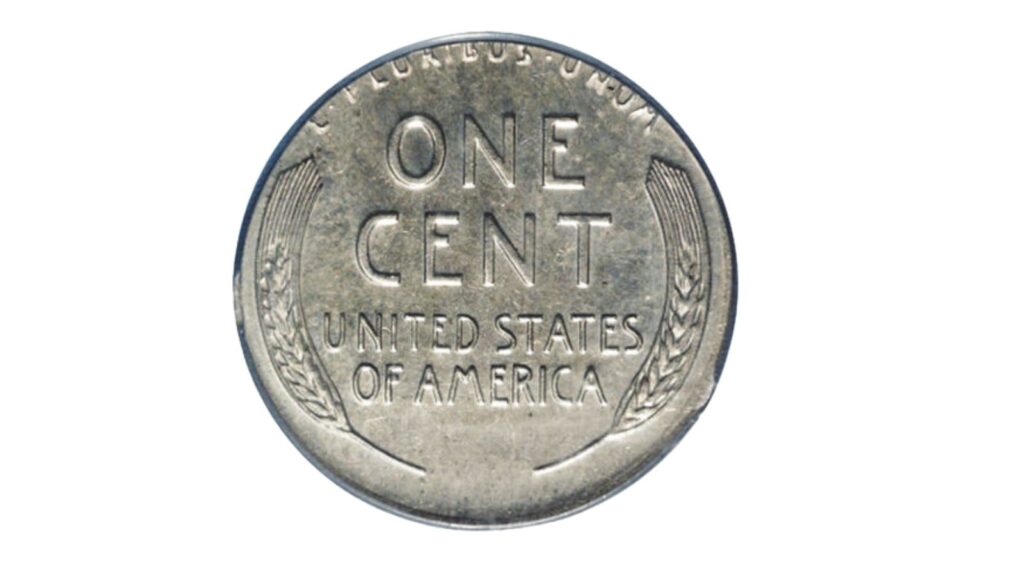
Every so often, a stray dime blank ended up in the wrong bin and got struck with cent dies instead, producing a wheat cent that’s silver instead of copper. Examples are known across several dates through the 1940s and 1950s. The tell is immediate: the coin looks and feels wrong the moment you pick it up, and the rim often shows an incomplete strike because the dime planchet is smaller than the cent design calls for.
Values swing by date and condition, but they’re never small. A well-worn 1943 example has reached $15,275, and lesser-known dates from the 1950s have brought several hundred dollars up into five figures. This is a genuine grail category, not something to expect from an afternoon of sorting.
The most important check is weight, not color. A normal wheat cent weighs 3.11 grams, while a genuine dime-planchet error weighs about 2.5 grams. Most “silver pennies” people find are just plated cents, and those still weigh exactly what a normal cent weighs. If a silver-colored wheat cent weighs light on a digital scale, send it to PCGS or NGC before letting it go cheap.











