
Somewhere in a drawer, a coffee can, or the bottom of an old change jar, there’s a good chance you’re sitting on more than pocket change. Pennies get treated like the least interesting coin in American pockets, and most of the time that’s fair. But the one-cent coin has more genuinely valuable dates, errors, and varieties than almost any other denomination the U.S. Mint has ever produced, and a lot of them are still out there in ordinary circulation.
None of the pennies on this list require a magnifying glass collection or a safe deposit box to find. Some are worth a few extra dollars over face value. A few are worth thousands. A small handful, if you’re genuinely lucky, are worth six figures or more. What separates a valuable penny from a common one usually comes down to three things: the specific date and mint, the condition it survived in, and whether it carries one of the mint’s occasional mistakes.
Before you get too excited, know that most 1943 pennies are not rare, most wheat cents are worth a few cents, and most doubling you’ll spot under a loupe is worthless machine doubling rather than a genuine die variety. The pennies below are the real exceptions worth learning to recognize.
Table of contents
- 1943 bronze Lincoln cent
- 1909-S VDB Lincoln cent
- Off-center strike Lincoln cent
- 1969-S doubled die obverse Lincoln cent
- 1943 steel Lincoln cent
- 1955 doubled die obverse Lincoln cent
- 1926-S Lincoln cent
- 1970-S small date Lincoln cent
- 1914-D Lincoln cent
- 1972 doubled die obverse Lincoln cent
- 1999 Wide AM Lincoln cent
- 1984 doubled ear Lincoln cent
- 1922 no D Lincoln cent, strong reverse
- 1983 doubled die reverse Lincoln cent
1943 bronze Lincoln cent
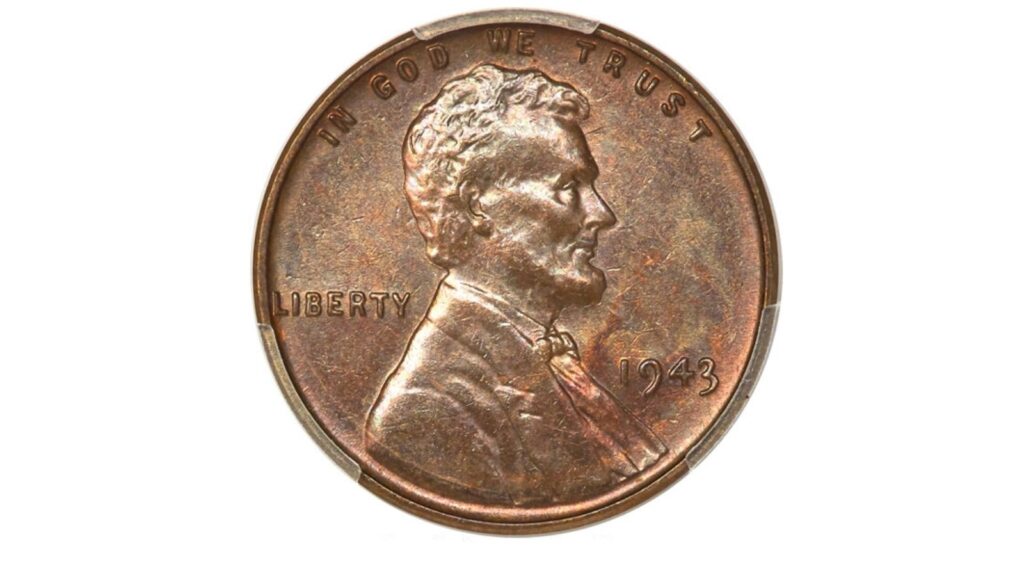
If you own a 1943 penny, the first thing to do is find a magnet. Nearly every one from that year is made of zinc-coated steel and will stick tight. The ones that do not stick are the ones worth chasing down. When the country needed copper for the war effort, the Mint switched cent production to steel for a single year, but a small number of bronze planchets left over from 1942 slipped into the presses anyway.
Fewer than 20 genuine examples are known to exist across the Philadelphia, Denver, and San Francisco mints, and the Denver piece stands alone as the only one from that facility. Worn, honestly circulated examples still bring well into six figures, and the best surviving pieces have reached $250,000 to well over $450,000 depending on grade and which mint struck them.
Fakes are everywhere. Most “copper” 1943 cents offered online are ordinary steel cents that have been plated to look bronze, and the magnet test catches nearly all of them instantly. A genuine example that fails the magnet test should go straight to PCGS or NGC for authentication before anyone discusses a sale. Don’t clean it, don’t polish it, and don’t let a pawn shop make you an offer before you know what you actually have.
1909-S VDB Lincoln cent
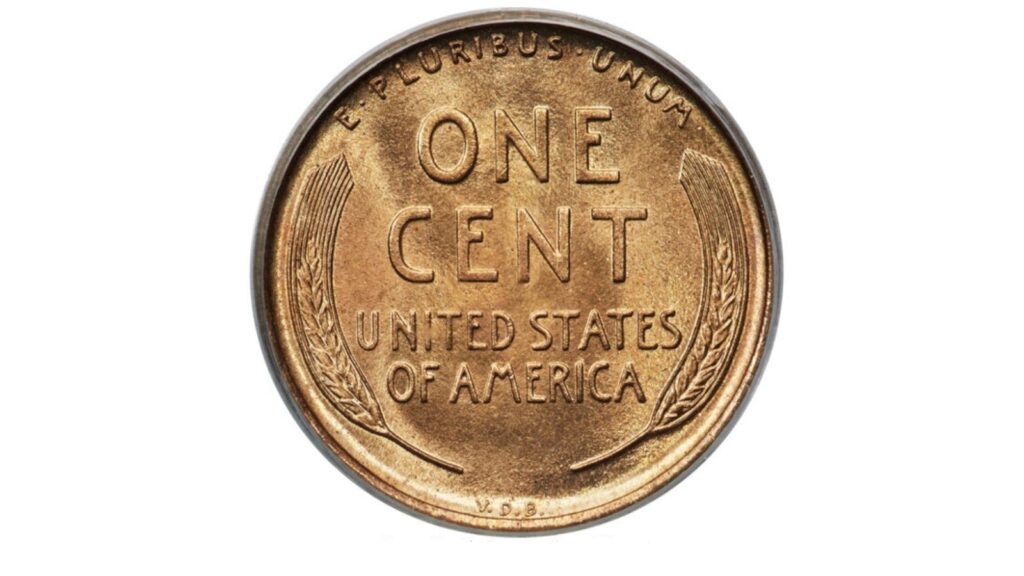
This is the coin every wheat penny hunter has in the back of their mind while flipping through an old jar of change. In 1909, the Mint put designer Victor David Brenner’s initials on the reverse of the brand new Lincoln cent. The public objected to how prominent they were, and the Mint pulled them within weeks, but not before the San Francisco branch struck a run of only 484,000.
That low mintage, combined with a century of people spending, losing, and melting down cents, has made genuine examples scarce in any grade. Worn but honest circulated coins typically bring $700 to $1,600, and once you get into mint state the price climbs quickly toward the low thousands and beyond.
Because the demand is so steady, this is one of the most counterfeited coins in the hobby. Fakes are made by adding a fake S mint mark to a common 1909 VDB cent from Philadelphia, or by altering other dates entirely. The mint mark should sit below the date and look sharp, not soldered on or fuzzy under magnification. Any example worth real money should be sent to PCGS or NGC before you spend a dime on it, since authentication pays for itself many times over on a coin at this price point.
Off-center strike Lincoln cent
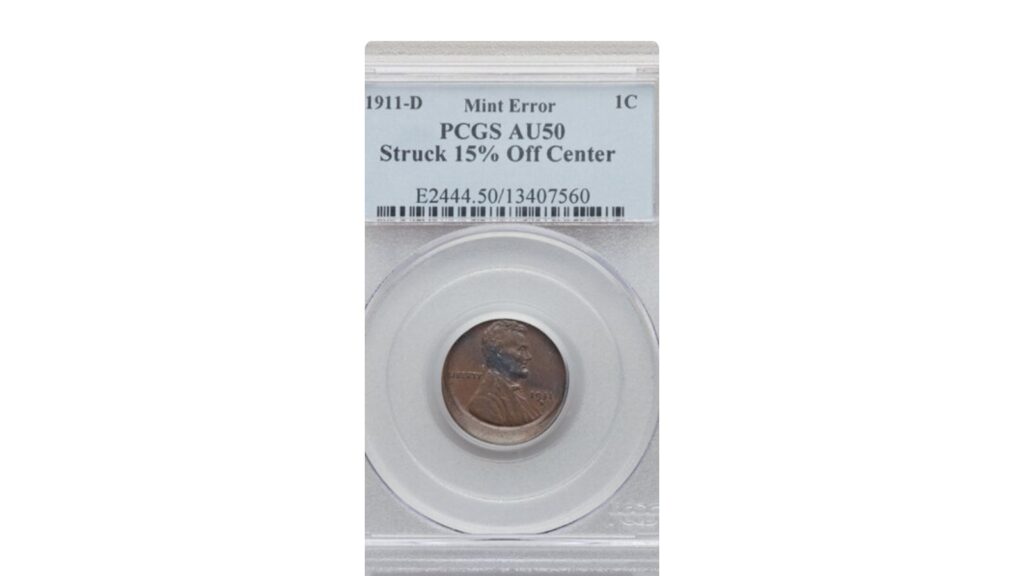
Not every valuable penny has a special date. Sometimes the mint itself made the mistake, and those errors turn up in ordinary circulation more often than people expect. An off-center strike happens when a blank planchet isn’t sitting correctly between the dies when the coin is struck, so the design lands off to one side instead of centered. Depending on how far it’s shifted, part of Lincoln’s portrait, the date, or the lettering can be missing entirely.
The value depends almost entirely on how far off-center the strike is and whether the date survived the mistake. A cent that’s 10 to 15 percent off-center is worth around $20, 20 to 35 percent brings closer to $50, and anything 40 percent or beyond with a readable date can bring $200 or more. A coin missing its date entirely is worth considerably less, since it can’t be tied to a specific year or mint.
These show up in circulation because mint quality control isn’t perfect, and a coin like this can slip into a roll of ordinary cents without anyone noticing until someone actually looks. Check that the error looks mechanical rather than damaged after the fact. A coin that’s been struck off-center has a clean, slightly crescent-shaped blank area, while one that’s been clipped or altered after leaving the mint usually shows tool marks or an uneven edge.
1969-S doubled die obverse Lincoln cent
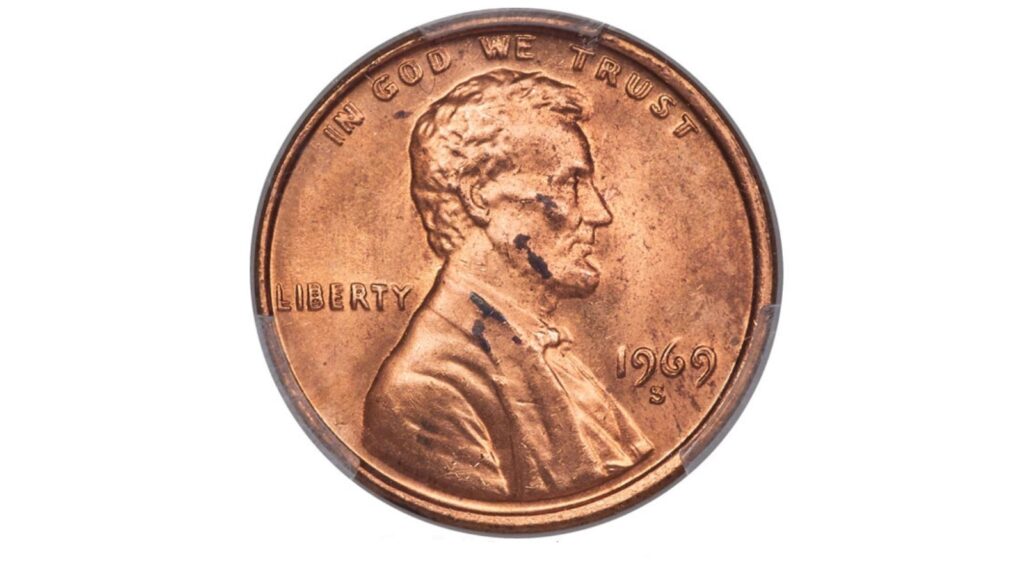
This one made headlines for the wrong reason when it was first found. In 1969, a doubling error on the obverse die produced cents where the date and the words IN GOD WE TRUST show a clear, doubled outline, strong enough to see without a loupe. Early examples were so unusual that the Secret Service briefly investigated them as counterfeits before confirming they were genuine mint errors.
Only an estimated 30 to 50 examples are known to exist, all struck at the San Francisco mint. Circulated pieces that turned up in pocket change have sold in the low thousands, while sharp, uncirculated examples have brought over $600,000 at the very top of the grading scale. Most collectible examples land somewhere between those two extremes, typically in the tens of thousands for a solid mint state coin.
The catch is that ordinary machine doubling, a common and worthless printing artifact, gets mistaken for this variety constantly. True doubling on this date shows a clear, evenly spaced second image on the date and motto, not a flat, shelf-like smear. If you think you have one, don’t clean it, and get it to PCGS or NGC before doing anything else. This is a case where a modest grading fee could be the difference between missing a fortune and confirming one.
1943 steel Lincoln cent
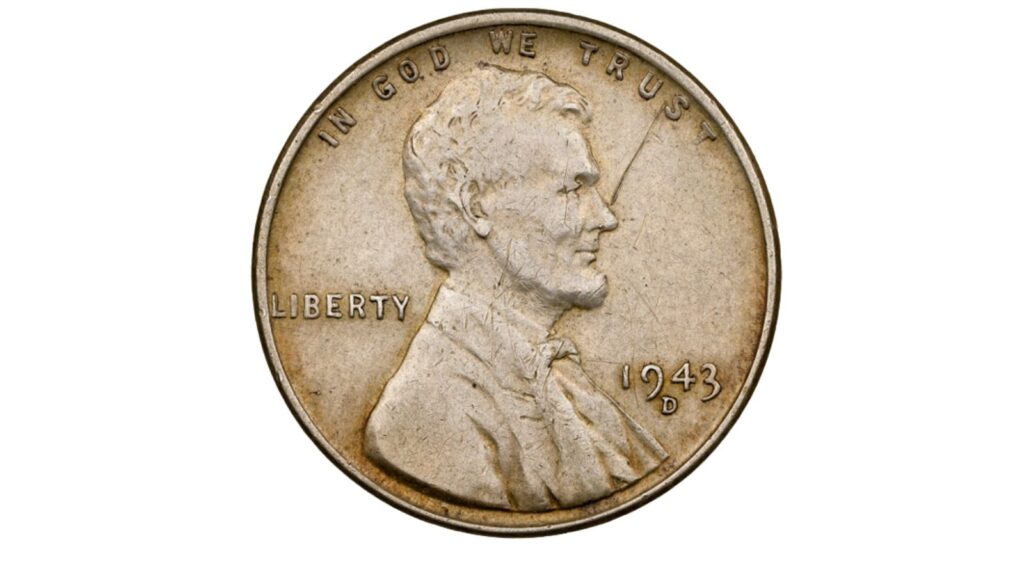
Most 1943 pennies are the common, magnetic kind, and they are worth having but not worth getting your hopes up over. Struck in zinc-coated steel for a single year to save copper for the war, over a billion of these were made, and huge numbers survive today in drawers, jars, and old collections.
A circulated example with the usual gray staining or light rust is worth $0.10 to $3, basically pocket change with a story attached. Bright, well-struck uncirculated pieces do better, typically $8 to $25 in the common mint state grades, and the very best certified examples, graded MS67 or higher, have brought $500 to $900 or more.
Condition is everything here because steel rusts, and rust cannot be reversed without damaging the coin further. Look for a coin that still has its original bright, silvery sheen rather than dark spotting or pitting. Be cautious of anything advertised as brilliant uncirculated without a PCGS or NGC holder, since regrading disappointment is common on this date. And remember the real prize hiding among these: if a 1943 penny does not stick to a magnet, stop and read the entry above, because you may be holding something worth vastly more than a common steel cent.
1955 doubled die obverse Lincoln cent
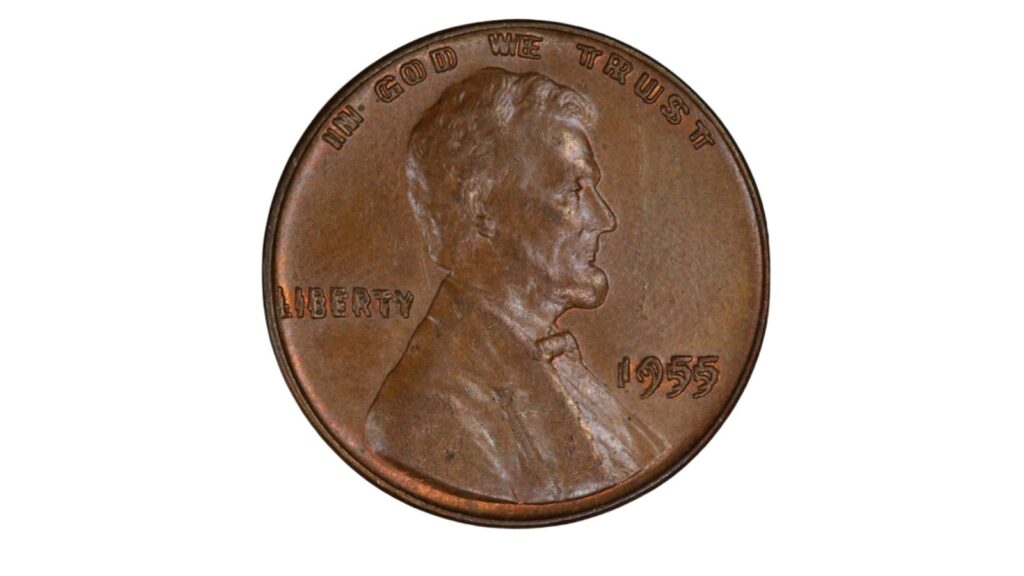
This is probably the most famous variety coin in American numismatics, and it’s the one that got an entire generation of collectors checking pocket change for doubling. A die-making error in 1955 caused the date, the word LIBERTY, and the motto IN GOD WE TRUST to show strong, unmistakable doubling on the obverse. Around 24,000 escaped into circulation, mostly through vending machines in the northeastern United States, before the mistake was caught.
Worn examples that clearly show the doubling typically bring around $1,000 even in heavily circulated grades, and clean uncirculated pieces climb from there into the $5,000 to $19,000 range depending on how sharp the strike is and how much original color remains.
This is a rite of passage coin, and it’s genuinely one of the more accessible key varieties because so many were saved once collectors realized what they had. Verify the doubling under magnification: it should be crisp and evenly spread across all three elements, not a mushy, shifted blur. Weak or partial doubling usually means a different, far less valuable die variety, and there are several that get mistaken for the real thing. When in doubt, compare against a certified reference image before assuming you’ve found the genuine article.
1926-S Lincoln cent
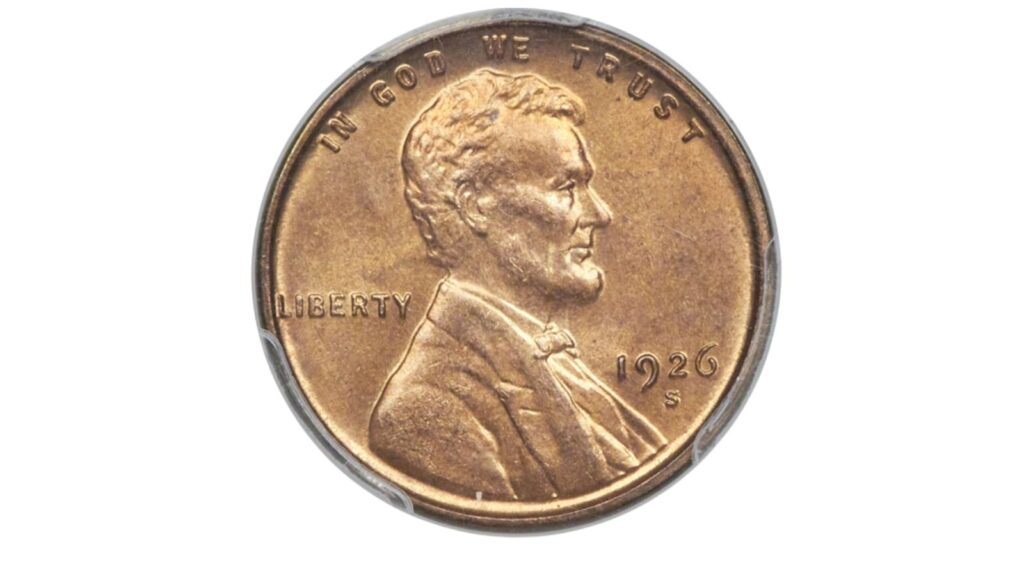
Most wheat pennies from the 1920s are common enough that dealers barely look twice at them. The 1926-S is the exception, and it’s one that a lot of casual collectors overlook because nothing about the date looks unusual at a glance. San Francisco struck plenty of cents that year, but very few survived in top condition with their original color intact, and the strike on this date tends to be weak even on nice examples.
Ordinary, worn brown examples are worth a modest premium over face value, typically a few dollars, which is already more than most 1920s wheat cents bring. The real story is at the top end. Full, glowing red mint state examples are the rarest business strike Lincoln cent in that condition, and the finest known example has reached nearly $150,000.
If you inherit a wheat penny collection, this is a date worth pulling and checking closely, especially any coin that still shows bright orange-red color rather than the typical dull brown most survivors have taken on. A weak strike on Lincoln’s hair and beard is normal for this date and doesn’t hurt value much on its own. What matters most is color and surface preservation, since a clean, lustrous 1926-S is genuinely hard to find at any price.
1970-S small date Lincoln cent
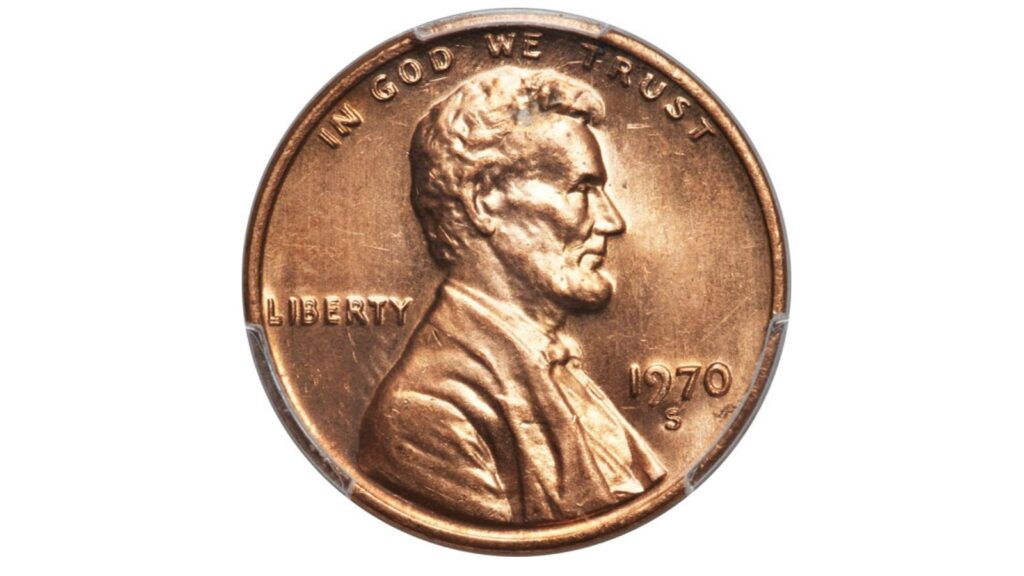
There are two versions of the 1970-S cent, and most people have never noticed the difference because it comes down to the size and shape of a single digit. On the small date variety, the top of the 7 barely reaches the height of the other digits, and the word LIBERTY is noticeably weaker than on the more common large date version. Both were struck at the San Francisco mint the same year, but the small date die was used far less.
Large date 1970-S cents are common and worth face value in circulated grades. The small date is a different story: clean uncirculated examples bring $80 and up, with the finest certified pieces reaching several hundred dollars, and even honestly circulated examples are worth several times face value once identified correctly.
Identification takes a steady hand and good light. Line up the top of the 9 and 0 in the date, then check where the top of the 7 falls relative to that line. On the small date it sits right at or above the line, and on the large date it falls clearly below. This is a coin that rewards patience more than luck, since most people who own one have simply never checked.
1914-D Lincoln cent
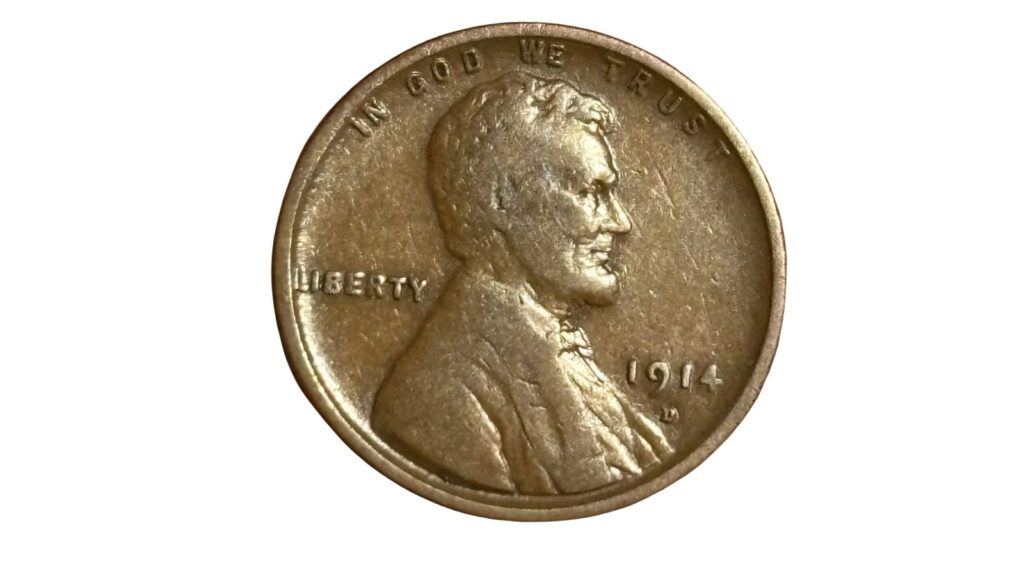
The 1914-D doesn’t have the fame of the 1909-S VDB, but serious collectors will tell you it’s actually the tougher coin to find in top condition. Denver struck a bit over a million cents that year, a modest number that shrank further after decades of ordinary spending, and the coin is now considered the true key to completing a full date-and-mintmark set of Lincoln wheat cents.
Circulated examples with visible wear bring several hundred dollars even in modest grades, since demand for this date has never really cooled. Once you move into uncirculated condition, prices climb fast, with clean mint state examples reaching into the tens of thousands and the very finest certified pieces pushing past $60,000.
This is one of the most heavily counterfeited dates in the entire series, and the fakes fall into two categories: a fake D added to a common 1914 Philadelphia cent, or a reshaped digit turning a 1944-D into a fraudulent 1914-D. Genuine examples show a distinctive set of small circular hub marks inside the loop of the 9 in the date, a detail forgers routinely miss. Never buy a raw, uncertified 1914-D at a meaningful price. This is a date where certification isn’t a formality, it’s the entire transaction.
1972 doubled die obverse Lincoln cent
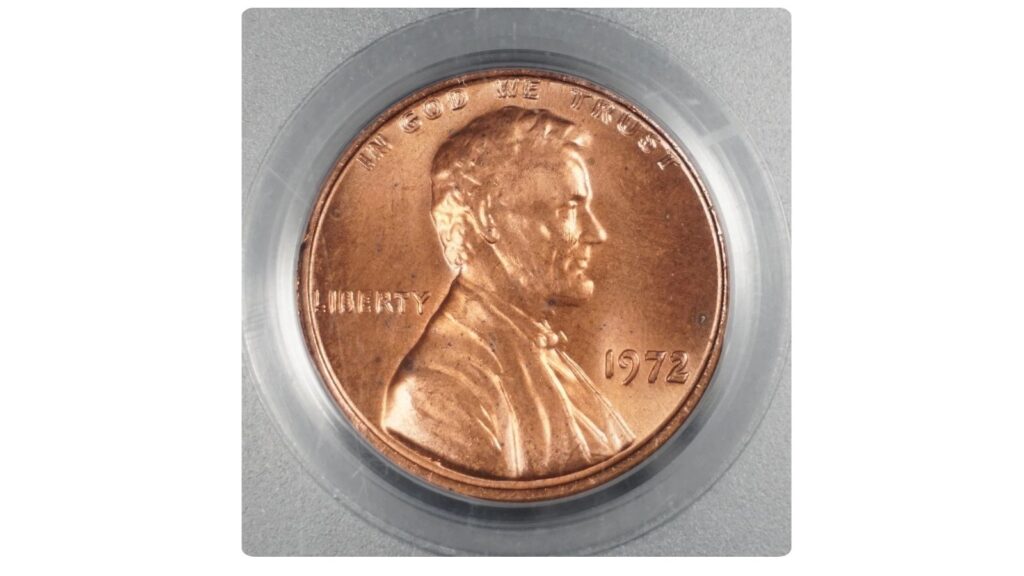
The 1972 doubled die is proof that not every valuable variety requires a magnifying glass. The doubling on this date is bold enough to spot with the naked eye across the date, the motto IN GOD WE TRUST, and the word LIBERTY, all shifted noticeably to the southwest of their normal position. Only about 75,000 were struck before the error was caught, and a meaningful number of those were spent into circulation before anyone realized what they had.
Typical uncirculated examples bring $300 to $700, with gem-quality pieces reaching into four figures. There are also several minor doubled die varieties from the same year with much weaker doubling, and those are worth a fraction of the major variety, so knowing which one you’re holding matters.
The safest way to confirm the major 1972 doubled die is to compare the date against a reference image, since the doubling should be obvious and dramatic rather than something you have to squint to see. Circulated examples with honest wear are still collectible and worth searching change rolls for, since this is a coin that legitimately does turn up decades after it was struck. Anything you find should be handled by the edges and left unwashed until you know what you have.
1999 Wide AM Lincoln cent
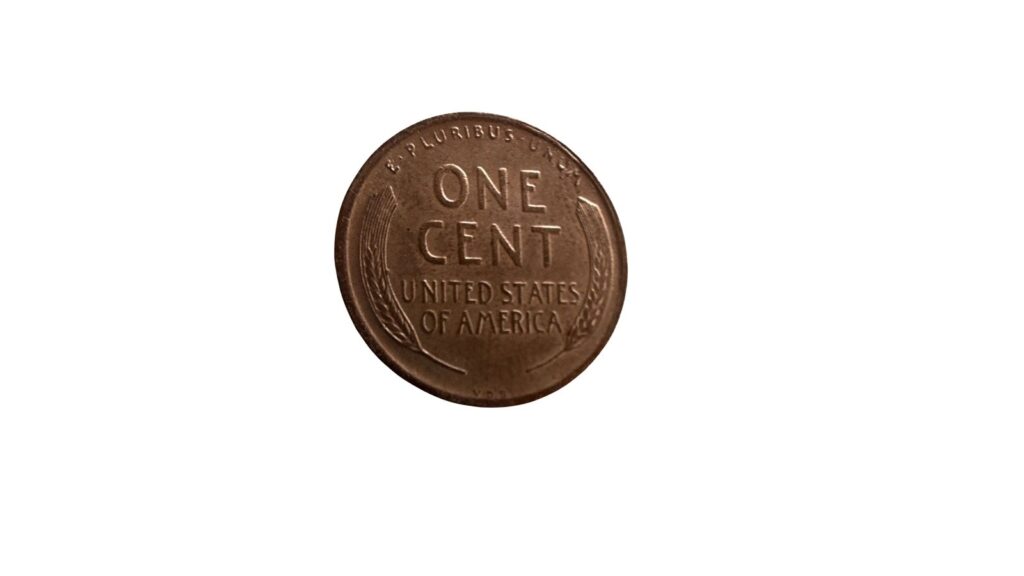
Most people have never heard of this one, and that’s exactly why it’s worth knowing about. In the 1990s, the Mint accidentally used a small number of proof-style reverse dies on ordinary circulation strike cents. The tell is in the letters A and M of AMERICA on the reverse: on a normal business strike cent they sit close together, almost touching, while on this variety they’re clearly separated.
The 1999 version is the scarcest of the three known Wide AM years. Even the lowest circulated grades bring over $100, mint state examples run several hundred dollars, and coins graded MS66 or better commonly bring $1,000 or more, with the finest certified pieces reaching $4,000 and up.
Because the difference comes down to letter spacing rather than an obvious doubling or color shift, this is a coin that gets overlooked constantly, even by people actively searching rolls. It’s worth checking any 1998, 1999, or 2000 cent you come across, since thousands of examples are likely still sitting unrecognized in circulation and old jars of change. A loupe and a side-by-side comparison against a normal Close AM cent is really all you need to make the call yourself before sending anything off for grading.
1984 doubled ear Lincoln cent
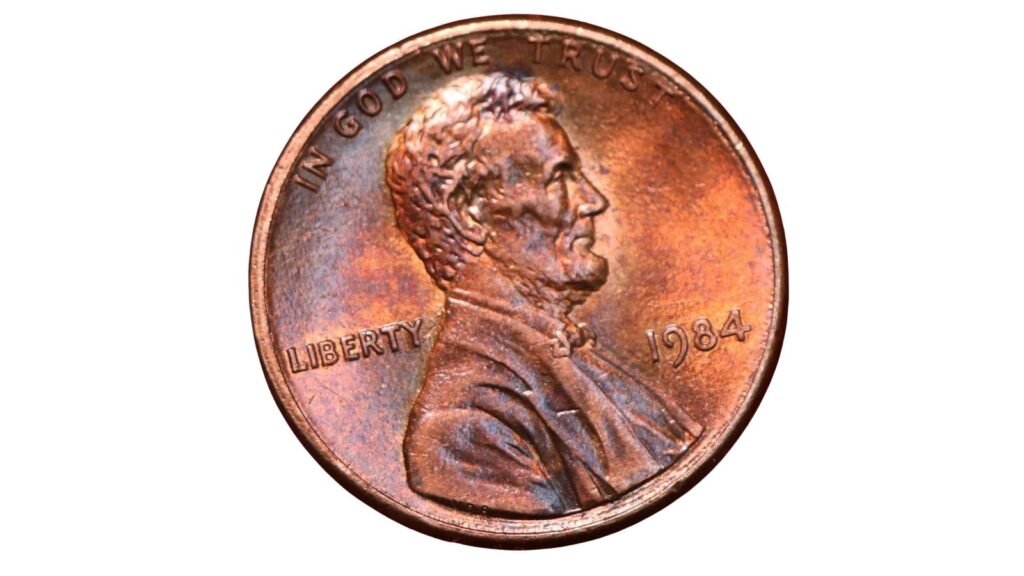
This is one of the more charming errors in the series, mostly because of how it looks. A doubling error on the working die left Lincoln with what appears to be a second earlobe sitting just below and behind the real one, along with lighter doubling on his beard and bowtie. It’s a coin you can identify with a decent photo and a bit of patience, no expensive equipment required.
Circulated examples with the doubling still visible are collectible in their own right, and typical uncirculated red pieces run $150 to $400. The certified auction record for this variety sits at $3,910, set by a top-population MS68 red example.
Because the error is subtler than something like the 1972 or 1955 doubled dies, plenty of genuine examples get passed over in circulation without anyone noticing the extra earlobe. Machine doubling, the common and worthless kind, tends to look flat and shelf-like rather than raised and sculptural, so look carefully at the area below Lincoln’s ear before getting excited. Billions of 1984 cents were struck, so most are worth face value, but this is a date genuinely worth a second look every time one turns up in change.
1922 no D Lincoln cent, strong reverse
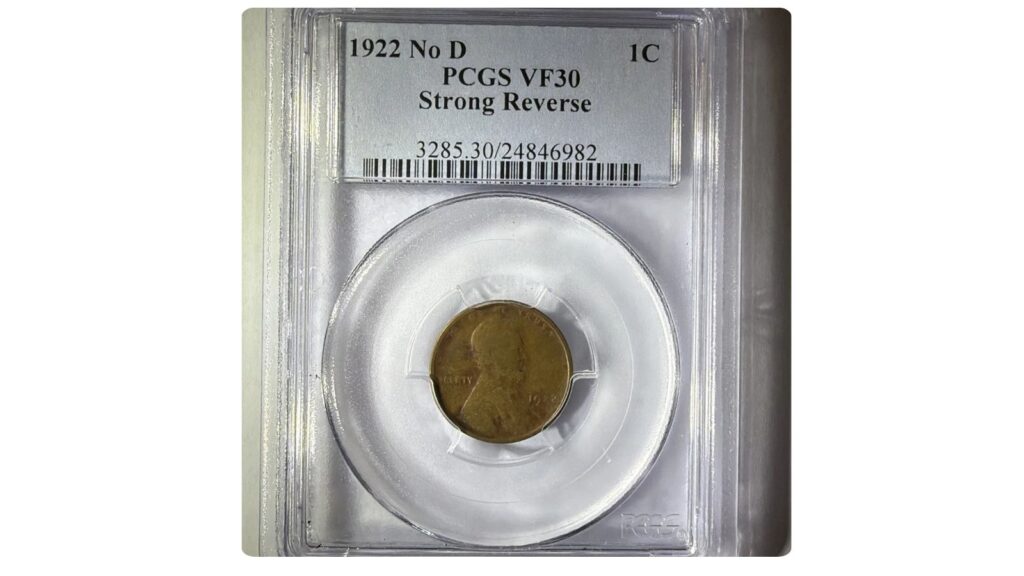
In 1922, Denver was the only mint striking Lincoln cents, and heavy production demand led to a die-clash accident that mint workers tried to fix by polishing a damaged obverse die. In the process, someone polished away the D mint mark entirely, creating a Philadelphia-looking cent that was actually struck in Denver. Collectors treat it as one of the defining varieties in the wheat cent series, right alongside the 1909-S VDB and 1914-D.
Worn but identifiable examples, where the missing mint mark is clear and not just weakly struck, typically bring $700 to $2,500 depending on grade, and clean mint state examples with strong reverse detail have sold well into five figures.
The identification here takes real care. Many 1922 cents show a mint mark that’s simply weak from a worn die rather than genuinely absent, and those are worth a small fraction of the true no-D variety. The reverse should be sharp and well struck while the obverse looks noticeably soft, a combination collectors call the strong reverse. Given how often weak-mintmark coins get mistaken for the real thing, certification from PCGS or NGC is essential before you price this one seriously.
1983 doubled die reverse Lincoln cent
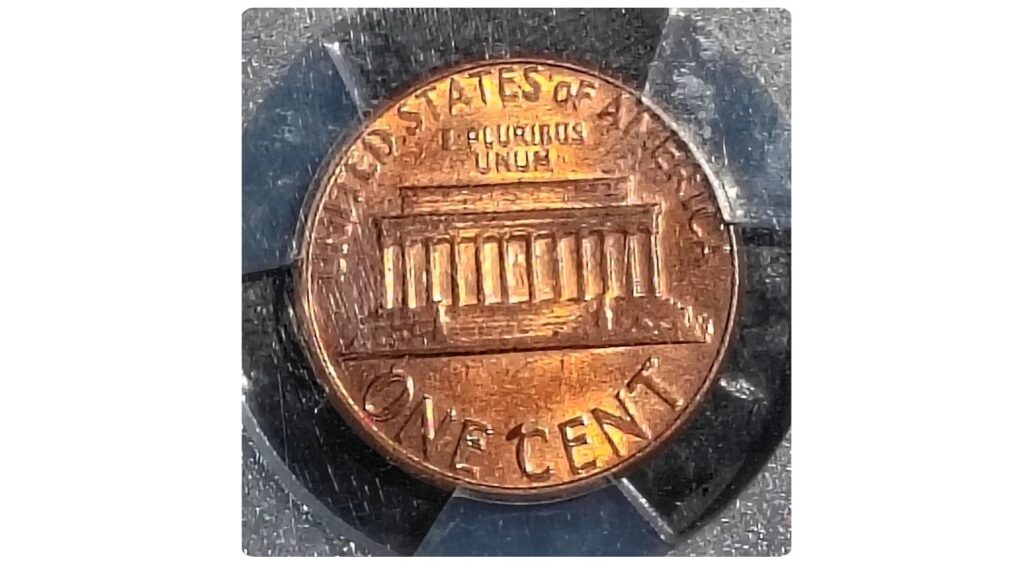
Most doubled dies on Lincoln cents show up on the obverse, which makes this one unusual. The doubling here hits the reverse instead, spreading clearly across the words UNITED, E PLURIBUS UNUM, and ONE CENT. It’s considered one of the strongest reverse doubling errors in the entire series, easily visible without magnification once you know where to look.
Typical uncirculated examples bring $150 to $500 depending on grade and color, and the finest certified pieces have reached over $7,000 for coins in near-perfect condition. Circulated examples exist too, and while they’re worth less than uncirculated pieces, they still carry a real premium over face value.
Given how enormous the 1983 cent mintage was, a genuine doubled die reverse is a satisfying find precisely because it hides in plain sight among billions of ordinary coins. Check the reverse lettering under a loupe for a clean, doubled outline rather than a blurry or shelf-like smear, which usually signals worthless machine doubling instead. Full red color adds a meaningful premium over brown or red-brown examples at every grade level, so don’t assume a toned or dull example is worth nothing. It’s still collectible, just less than a bright one.











