scroll top

You brought home a handful of foreign coins from a trip thirty years ago, and they’ve lived in a glass jar on a shelf ever since. Or you inherited a box of mixed change from a relative who traveled, worked abroad, or just never got around to cashing anything in. It is easy to assume the lot is worth whatever the airport kiosk would give you, which is to say almost nothing.

Some of it really is worth almost nothing. But a surprising amount isn’t. Foreign coins get overlooked in estate sales, donated to thrift stores, and passed over at flea markets because most buyers don’t know what to look for. The ones who do pay close attention to three things: what the coin is made of, when it was made, and how many are left.

Silver and gold coins hold intrinsic value independent of any collector market. Rare issues from Canada, Australia, and elsewhere command collector premiums that have nothing to do with the metal price at all. A few of the coins below are genuine grail items that almost nobody will find, and those are clearly flagged. The rest are things that actually do turn up in inherited collections, estate sales, and old shoeboxes.

If you’ve got a tin of foreign coins nobody has looked at in twenty years, here is what to check first.

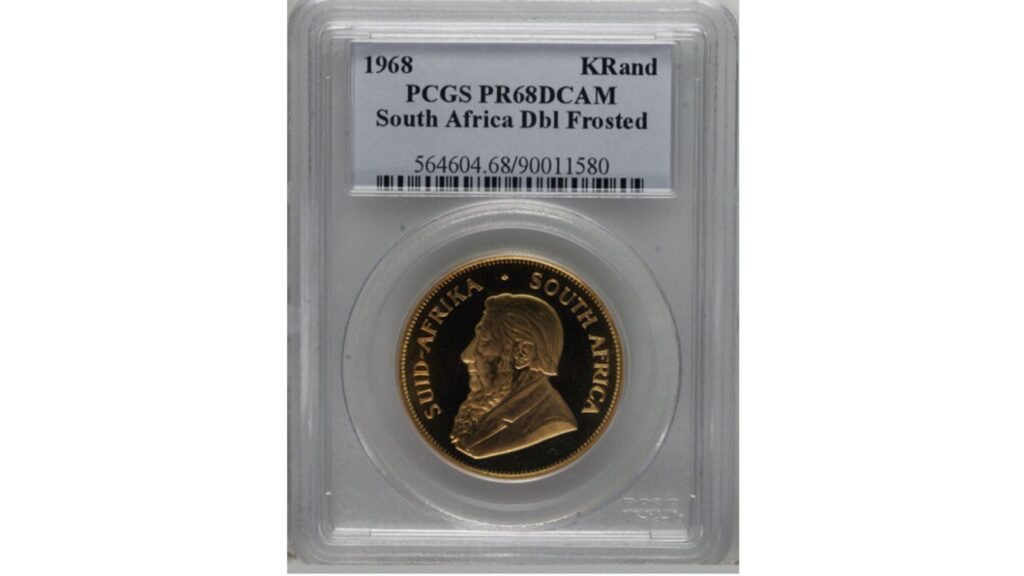
South African Krugerrand

South African Krugerrand
Image Credit: Heritage Auctions

The Krugerrand launched in 1967 as the world’s first one-ounce gold bullion coin, designed specifically so that private individuals could own gold without the complexity of bars. By the early 1980s, it accounted for roughly 90% of the global gold coin market. Hundreds of millions were sold over decades. They turn up in estate sales, safety deposit boxes, and old collections with real regularity, particularly in households with any ties to Britain or South Africa.

Each coin contains exactly one troy ounce of fine gold in a 22-karat alloy. Its value tracks gold directly. A single Krugerrand currently trades around $4,800 to $4,900, and that floor holds regardless of condition, because the metal content doesn’t change with wear. A scratched or circulated Krugerrand is worth almost the same as a pristine one.

The main thing to verify is which size you have. The Mint introduced fractional versions, 1/10, 1/4, and 1/2 ounce, starting in 1980. These are worth proportionally less. The full ounce version has the coin’s weight printed on the reverse. Proof Krugerrands with mirror-polished surfaces command a collector premium, particularly from early years. Common bullion issues don’t. Both are worth finding.

British gold sovereign
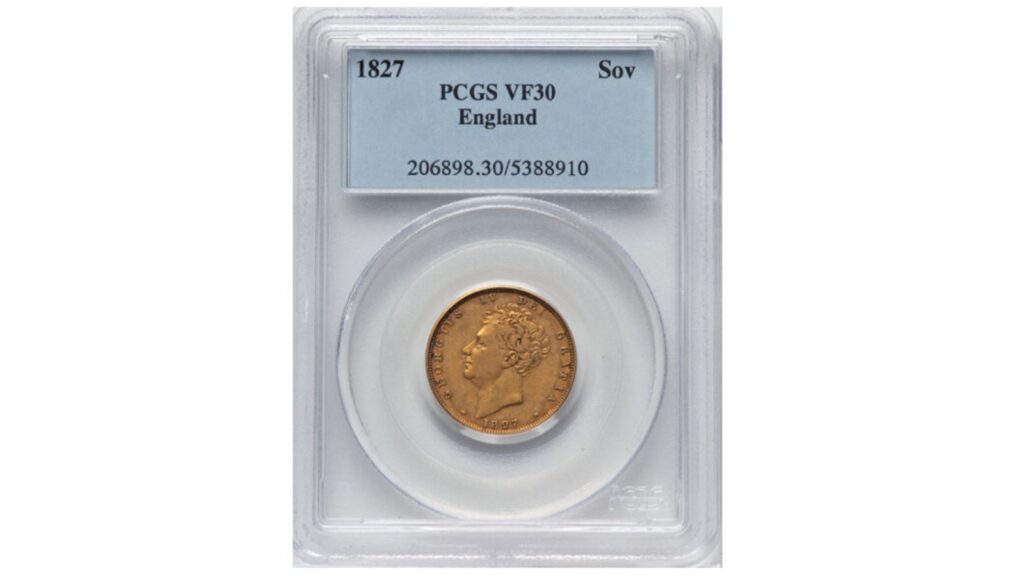
British gold sovereign
Image Credit: Heritage Auctions

The gold sovereign is arguably the most recognized coin ever minted. It has been struck almost continuously since 1817, contains 0.2354 troy ounces of pure gold, and circulated as everyday currency throughout the British Empire until the First World War. People carried sovereigns in pockets, saved them in drawers, and hid them in every imaginable location. Many survive.

Common Edwardian and George V examples in circulated condition currently trade in the range of $950 to $1,150 based on their gold content, with a modest numismatic premium on top. Certain dates attract real collector interest above that floor: Victorian shield-back sovereigns from the 1870s and 1880s, branch mint examples struck in Sydney, Melbourne, Perth, Ottawa, Bombay, or Pretoria with their distinctive mintmarks, and the George III 1817 first-year issue all sell meaningfully above spot.

Half-sovereigns are smaller, contain half the gold, and are worth finding too, currently around $500 apiece in circulated condition. Neither size is worth cleaning. A polished sovereign loses the fine surface detail that separates a desirable collectible from a coin that simply trades for its gold weight. Natural tone and original luster are assets.

Roman silver denarius

Roman silver denarius
Image Credit: Heritage Auctions

The denarius was the workhorse coin of the Roman Empire for nearly five centuries, minted from around 211 BC through the third century AD. Hundreds of millions were struck. They enter the market in genuine quantity through old European accumulations, estate collections, and specialist dealers, which means they are more accessible than their age suggests.

A typical silver denarius in Very Fine condition brings $75 to $300, with common third-century bronze examples starting around $50. Coins showing portrait emperors of real historical significance, Hadrian, Marcus Aurelius, Septimius Severus, start above $150 in circulated grades and climb with condition. The more notorious the emperor, the higher the interest: Nero, Caligula, and Domitian command premiums. Republican-era coins showing Julius Caesar or Brutus are in a different category entirely and can reach thousands of dollars.

Fakes are a serious issue. The denarius has been reproduced since the Renaissance and counterfeited actively in modern times. Only buy from established ancient coin dealers with genuine provenance trails, and treat any coin that arrives loose with no documentation as unverified. Cleaning is common in this field and acceptable in modest form, but surface enhancements, filled edge cracks, and added patina are red flags. When spending real money, get an independent authentication opinion first.

Mexican 8 Reales “Piece of Eight” (1732–1897)

Mexican 8 Reales
Image Credit: Heritage Auctions

The Piece of Eight was the world’s first global currency, struck from the silver mines of Zacatecas and Guanajuato and legal tender on every major trade route from Manila to colonial Boston until the mid-19th century. The Casa de Moneda in Mexico City, established in 1535, is the oldest mint in the Americas, and it produced these coins in enormous quantities for over three centuries.

Two main types are collected. The Pillar Dollar (1732–1772), with its distinctive Pillars of Hercules and globe design, is the first fully machine-struck issue and brings $200 to $1,000 in circulated condition depending on date, assay marks, and sharpness. The Portrait type (1772–1821), showing the Spanish king’s bust, is more commonly found and runs $75 to $500, with earlier Charles III issues at the more valuable end. Assay office initials matter: Mexico City “Mo” is common; coins from smaller regional mints bring more, and the combination of date and mintmark determines whether a piece is ordinary or exceptional.

Heavily circulated examples that lack clear legends or mintmarks are worth their silver content and little more. The coins that attract collector money are ones with legible dates, clear assayer initials, and a full, sharp design. Any piece showing obvious cleaning with abrasive material has lost its original patina and market value.

Mexican 1910 Caballito peso

Mexican 1910 Caballito peso
Image Credit: Heritage Auctions

Commissioned to mark Mexico’s centennial of independence, the Caballito (little horse) peso bears one of the most admired designs in the history of Spanish-American coinage: a prancing horse on the reverse, a winged Victory figure on the obverse, and a weight and purity that made it recognizable in global trade. It struck in 90% silver from 1910 to 1914, circulated genuinely, and has never stopped attracting collector attention.

The defining characteristic of this coin: it always trades above its silver melt value, in any grade. A heavily worn example still brings $100 to $175. A circulated coin in decent shape, with the horse recognizable and the legends clear, sells in the $200 to $350 range. Well-preserved examples with crisp mane and leg detail on the horse reach $400 to $600, with higher grades priced significantly above that.

The 1913 date is slightly scarcer than 1910 in equivalent grades. Both exist in larger quantities than the rarer 1911 and 1912 issues. The date can be hard to read on heavily worn pieces, so check carefully before selling anything marked as this type. Fine surface detail on the horse, particularly the mane and the definition of the raised leg, is what separates a premium example from one that trades for its silver.

7. Canadian 1948 silver dollar
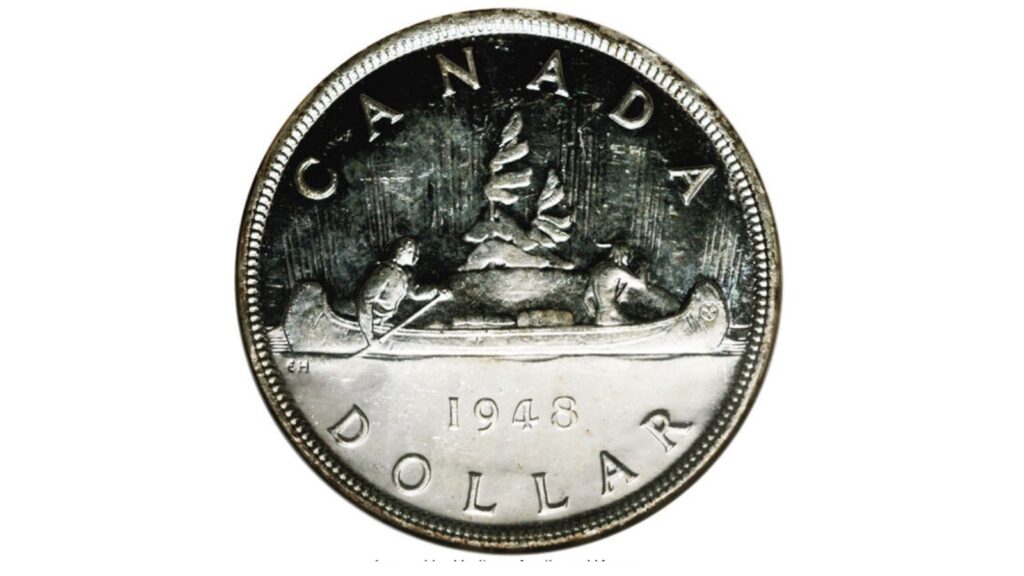
Canada Dollar 1948
Image Credit: Heritage Auctions

When India achieved independence on August 15, 1947, the title on every British Commonwealth coin changed. The inscription “ET IND IMP” (Emperor of India) had to be removed from King George VI’s portrait. New dies for Canada didn’t arrive from London until late in 1948, giving the Royal Canadian Mint only weeks to strike that year’s dollar. Just 18,780 pieces were produced, the lowest mintage of any regular-issue Canadian dollar by a wide margin.

Even heavily circulated examples typically bring $200 to $800, with uncirculated examples starting above $1,500. The coin looks almost identical to the 1947 and 1949 Voyageur dollars, which is why the first thing to do with any George VI silver dollar is confirm the date under good light before assuming it’s a common example.

This is one of the most counterfeited Canadian coins in existence. Fakes typically alter a common-date dollar by grinding and re-engraving the last digit. An unverified example sold as genuine without certification is not a safe purchase. Authentication by ICCS, PCGS, or NGC is strongly recommended before buying or selling at the values this coin commands. If you find a George VI dollar in an inherited collection, the date check takes thirty seconds and could matter quite a lot.

8. German Empire silver 5-mark coins (1871–1918)

German 5 mark coin
Image Credit: Heritage Auctions

From German unification in 1871 through the end of the Kaiser era in 1918, the empire’s member states struck large, handsome 5-mark coins in 90% silver. Each contains just under an ounce of silver. Prussia was the dominant issuer, but Bavaria, Saxony, Baden, Württemberg, and the other federated states all produced their own designs with their own monarch’s portrait, giving the collecting field genuine variety across a relatively modest price range.

Common circulated Prussian issues bring $75 to $200, with coins from the smaller states bringing more in equivalent grades. Commemorative issues stand apart and consistently command premiums: the 1901 Prussian bicentennial piece, royal wedding commemoratives, and battle anniversary coins are collected separately from the regular series and sell well above their silver content. The Weimar Republic also struck silver 5-mark pieces between 1927 and 1933, which are attracting increasing collector interest.

The mint mark letter on the coin identifies the striking facility: A for Berlin, D for Munich, E for Muldenhütten, F for Stuttgart, G for Karlsruhe, J for Hamburg. Some mint/date combinations are considerably rarer than others within the same design. Condition determines whether a coin trades as a collectible or as bullion. Sharp portrait, legible legends, and original skin (the subtle gray toning that develops naturally over a century) are signs of a coin with numismatic value above melt.

9. Australian pre-1946 silver coins

Australian Florin
Image Credit: Heritage Auctions

Australia introduced its own coinage in 1910 and continued striking florin, shilling, sixpence, and threepence pieces until decimal currency replaced the lot in 1966. Coins from 1910 through 1945 contain 50% silver, setting a metal-content floor regardless of condition or collector interest. Pre-1946 Australian silver is a regular find in estate sales involving anyone who collected Commonwealth or antipodean material.

Most 1920s through 1945 examples are worth their silver content plus a modest premium. Key dates carry significantly more. The 1927 florin was struck to commemorate the opening of Canberra’s Parliament House and remains a popular commemorative in nicer grades. Certain shillings and florins from the early 1920s are genuinely scarce in high grades due to low mintages or poor striking quality from overused dies.

Unlike the British pre-decimal series, Australian silver coins carried distinctive Australian imagery on the reverse: a kangaroo on later penny designs, a merino ram on shillings, wheat sheaves on threepences. These designs appeal to collectors who specialize in British Commonwealth material as well as Australiana. Any coin with a sharp, well-struck design, original color, and no cleaning marks is worth a second look before it goes into a bulk lot.

10. Chinese Silver Panda proof coins (1983–1985)

China 1983 silver coin
Image Credit: Heritage Auctions

The People’s Republic of China launched its Silver Panda program in 1983 as a proof-only collector issue. Each coin was individually struck on polished dies, carrying a distinct panda design that changed every year. The 1983, 1984, and 1985 issues had mintages of just 10,000 each, a fraction of Western bullion programs, and they were intended for collectors from the start. Many have survived in excellent condition. Many have also been cleaned, mishandled, or separated from their original packaging, which destroys the premium.

A perfect 1983 proof Panda is valued at approximately $16,430. That’s grail territory, reserved for pristine examples in their original capsules. More practically, a 1983 or 1984 issue in strong but imperfect proof condition still commands $500 to $2,000 above its silver content. The 1987 shift to one full troy ounce of sterling silver coincided with higher mintages, and premiums compress accordingly. The earlier the date, the more the coin matters.

Original packaging matters here more than in most categories. Proof coins in their original presentation box with certificate of authenticity have held value far better than identical coins pulled from their capsules. Hairline scratches on the proof field, caused by cleaning or mishandling, eliminate the mirror surface that defines a proof coin and can cut the premium in half. Evaluate any early Panda in its original holder. If it has already been removed, manage expectations.

11. Canadian 1921 silver 5-cent piece
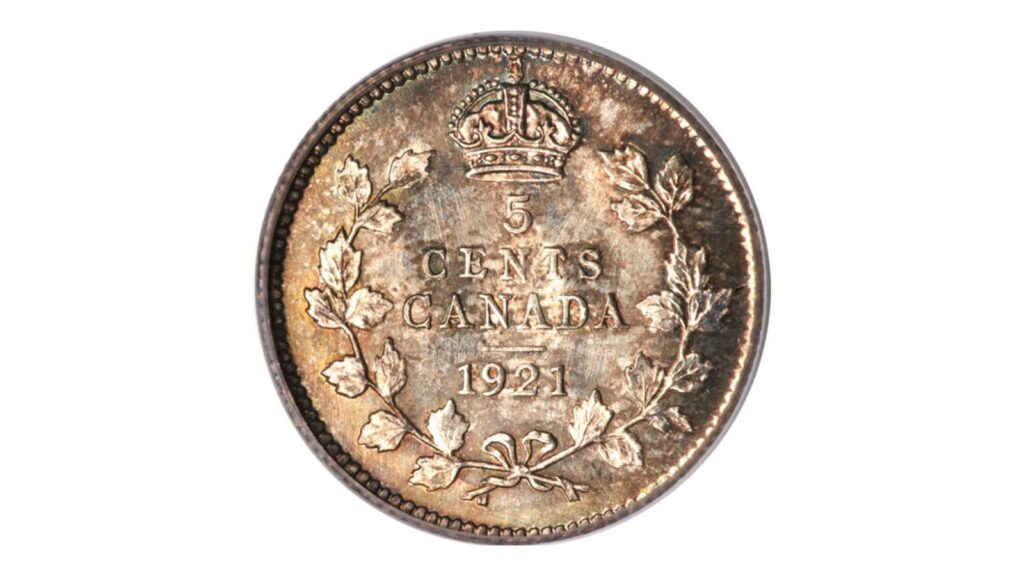
Canada 1921 5 cent
Image Credit: Herotage Auctions

This is a grail. The 1921 George V silver 5-cent was the last silver 5-cent coin Canada ever produced. After 1921, the denomination switched to a larger nickel coin, which is why it’s called a nickel at all. The Mint struck a reasonable production run of the 1921 silver piece, but demand for the new nickel was so strong that most of the 1921 silver 5-cents were returned to the Mint and melted. Only an estimated 400 to 450 of the original run survived.

Existing examples bring $4,500 and higher even in heavily worn condition, with nicer pieces priced considerably above that. The coin is small, roughly the size of a US dime, and bears the George V portrait on the obverse. If you inherit a Canadian coin collection from the early 20th century, checking every small silver piece for this date takes minutes and could be worth thousands.

Counterfeits exist. Any alleged 1921 silver 5-cent should be professionally authenticated by ICCS, PCGS, or NGC before any transaction. Handle potential candidates as little as possible, keep them away from other coins that could cause scratches, and bring the coin to a reputable numismatist for evaluation before assuming anything.

12. 1930 Australian penny
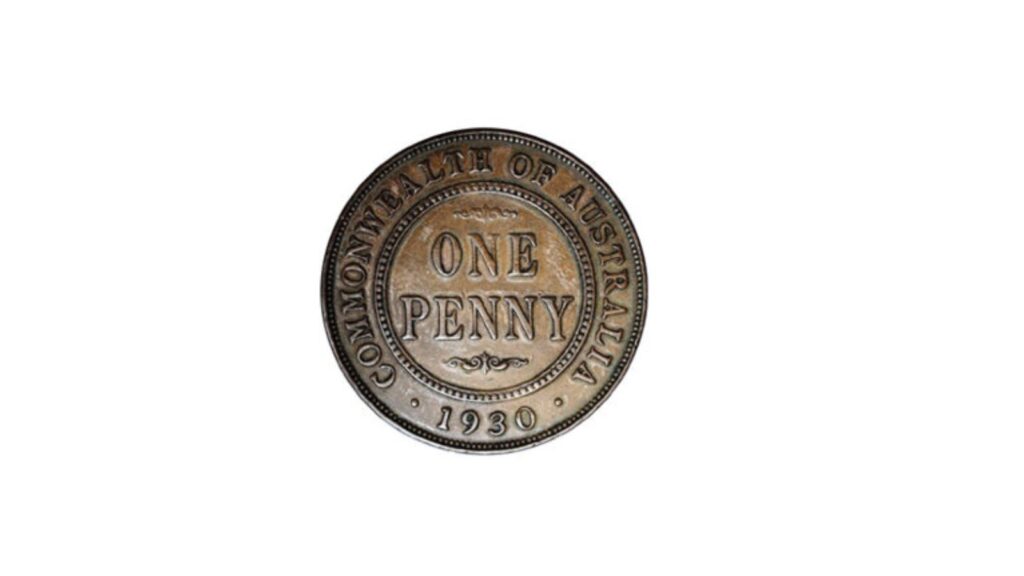
1930 Australian Penny
Image Credit: Heritage Auctions

This is the most famous coin in Australian numismatics. No pennies were officially scheduled for production in 1930 because of Depression-era austerity cuts. The Melbourne Mint struck a small number anyway, possibly as a trial run while setting up dies for future issues. The exact circumstances have never been satisfactorily documented, which is part of what makes the coin legendary.

Roughly 1,500 examples are believed to survive, but most are in heavily worn condition from genuine circulation. Even a battered 1930 penny brings $20,000 to $40,000 in today’s market. Well-preserved examples exceed $100,000. Exceptional specimens have sold at auction for more than $1 million. The coin is a penny in name only.

Fakes are everywhere. Forgers routinely alter the “3” in a legitimate 1931 penny to read “0,” producing a convincing fake at casual inspection. Any supposed 1930 penny needs PCGS or NGC authentication before any decision is made. Most coins presented to dealers as 1930 pennies turn out to be misidentified or altered. But people find legitimate ones occasionally in inherited collections, coin jars, and overlooked estate-sale lots, which is why the search continues.

You’re at the checkout, watching the total tick upward, and the number feels completely disconnected from what’s in your cart. It’s not your imagination. Food prices have risen more than 27% since 2020, and they haven’t come back down. The average household is now spending around $667 a month on groceries, before you count a single restaurant meal or delivery order.

What makes this frustrating is how invisible the waste is. A 2025 EPA report found that a family of four loses close to $3,000 every year to food that doesn’t get eaten, nearly double earlier estimates. That’s not a grocery problem. That’s a planning problem.

Meal planning is the single biggest tool you have for controlling this. Research on meal planners found they cut food costs by roughly $47 per person each month, which adds up to more than $560 a year. The 18 strategies below cover everything from how to set up a weekly plan to the specific shopping habits that quietly drain budgets even when people think they’re being careful.

Plan your meals for the full week before you shop

Making a meal plan
Image Credit: Shutterstock

The most expensive grocery trips are the unplanned ones. When you walk into a store without knowing what you’re making for dinner Tuesday through Friday, you fill the cart with ingredients that sound like a good idea, come home with things that don’t go together, and end up ordering takeout anyway while produce rots in the crisper drawer.

A weekly meal plan takes 15 minutes and changes the entire math. You shop for exactly what you need, you don’t buy the same ingredients twice, and you’re far less likely to blow $40 on delivery because there’s nothing obvious to cook. It doesn’t have to be elaborate. A list of five dinners, with a plan to repeat one for leftovers, is enough to make a real difference.

Start with dinners, since those are the decisions that cause the most stress and spending. Breakfast and lunch tend to be simpler and more habitual; if you eat the same two or three things most mornings, leave them as defaults and focus your planning energy on the meals that feel chaotic. The goal is to make every item you buy have a clear purpose before you put it in the cart.

Build your meal plan around the sales, not the other way around

happy shopping at grocery store
Image Credit: Shutterstock

Most people plan their meals first, then shop. Reversing that order can save you a noticeable amount of money each week. Pull up your store’s weekly circular before you start planning, see what’s deeply discounted, and build a few meals around those items. This is especially useful for meat, which is often the most expensive line in any grocery budget and one of the items that goes on the best sales.

Grocery store sales change weekly, and different stores discount different things. Meat prices rose more than 12% year over year through late 2025, so buying ground beef or chicken thighs at a genuine markdown, and planning the week’s meals around it, is one of the fastest ways to reduce your bill without changing what you eat. Same goes for produce: if strawberries are $1.29 this week instead of $4, work them into your plan.

Most major grocery chains publish their weekly ads online and in their apps. You don’t have to coupon obsessively or visit four stores. Just check what’s on sale at your usual store before you sit down to plan, and let that shape a meal or two. Over the course of a month, that habit alone can add up to meaningful savings.

Do a pantry audit before every shopping trip

rotating stock in pantry
Image Credit: Shutterstock

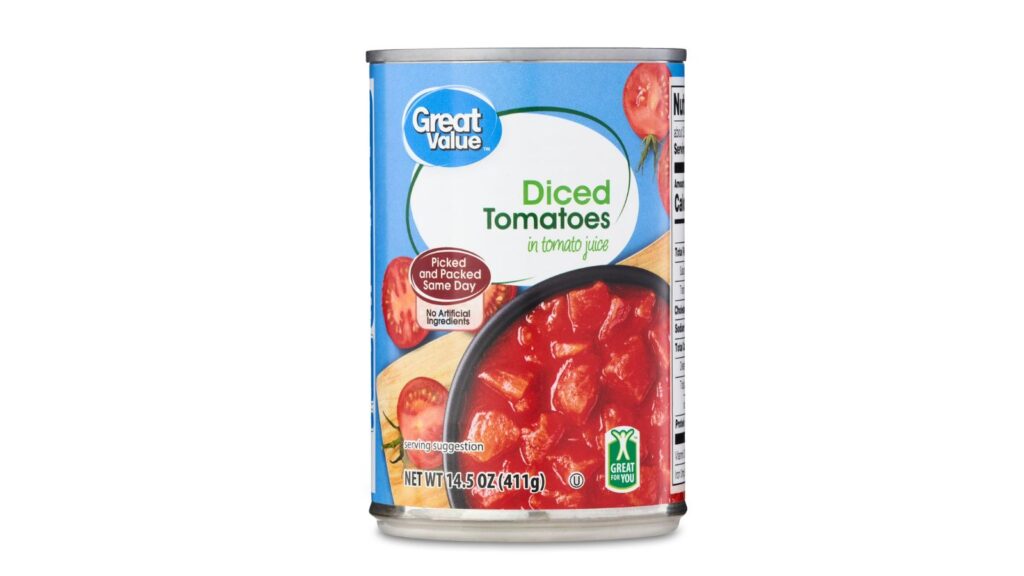
Before you write a single item on your grocery list, look at what you already own. Open the cabinets, check the freezer, flip things around in the fridge. Most households are sitting on more food than they realize, and a significant chunk of grocery spending every week is duplicate purchasing: buying pasta you already have, picking up another can of diced tomatoes before you’ve used the three already in the cupboard.

A quick pantry audit takes five minutes and regularly reveals a meal or two’s worth of ingredients that were already there. That rice that’s been sitting in the back of the shelf? Good. That half-pound of frozen shrimp? Plan something around it. Cooking from what you have before adding more to the pile is one of the lowest-effort ways to cut your weekly spend.

It also helps you avoid the specific kind of waste that happens with staples. Spices, oils, grains, and canned goods can quietly accumulate without anyone noticing, which means you keep buying things you own, which means you’re spending money you didn’t need to spend. The audit habit fixes this with almost no extra effort.

Stop shopping more than once a week

grocery shopping with children
Image Credit: Shutterstock

Every extra trip to the grocery store costs you money, even if it doesn’t feel like it. You went back for milk. You left with milk, a bag of chips, a rotisserie chicken, and two things that were on sale. Research consistently shows that impulse spending increases with store visits, and there’s no reason to think your willpower is the exception.

One trip per week, based on a real plan, is the goal. If you run out of something mid-week, either substitute or skip it. The discipline of not going back is part of what makes planning work. The moment you make the store a casual drop-by destination, the savings from your careful weekly list start leaking out the sides.

If there’s a genuine emergency top-up needed, keep it to a maximum of two or three specific items and do not browse. Going in without a list for “just a few things” is how $30 disappears on a Wednesday afternoon without a single necessary item in the bag.

Use grocery pickup to eliminate impulse spending

grocery pickup
Image Credit: Shutterstock

If you struggle to stick to your list in-store, grocery pickup is one of the best tools available. You build your cart online, you see the running total the entire time, you skip the checkout line, and you never walk past the end caps, the bakery, or the seasonal display that’s currently full of things that weren’t on anyone’s meal plan.

Many stores offer free pickup, or charge a small fee of around $3 to $5. For most shoppers, that fee saves more than it costs by removing the environment that produces impulse buys. Shoppers who’ve switched to pickup regularly report spending significantly less, partly because you don’t browse the same way online that you do in person, and partly because the cart total is visible the whole time.

It also makes it easier to use coupons and compare prices deliberately, since you’re not standing in an aisle under time pressure. If you’ve tried to stick to a grocery budget and found it genuinely hard to follow through in the store, this is worth trying before assuming the problem is discipline.

Switch to store brands on staples

diced tomatoes
Image Credit: Walmart

Choosing store-brand versions of basic groceries over name-brand equivalents is one of the few grocery tactics that costs no time and requires no behavioral change. You’re buying the same product. You’re just not paying for the marketing that went into the packaging.

Store brands save an average of 25% to 30% compared to name-brand products, and on specific items the gap is considerably larger. A study comparing 171 products at Walmart, Target, and Kroger found savings of nearly 67% on ketchup and 49% on pasta and boxed mac and cheese when choosing the store version. Blind taste tests repeatedly show most shoppers can’t tell the difference on staples like pasta, rice, flour, sugar, frozen vegetables, and canned goods.

The best approach is to start with low-risk swaps: pantry basics, basic dairy, frozen produce. Keep the name brands for the two or three items where you genuinely care about the difference, and switch everything else. You’ll find most of it passes without complaint, and the savings accumulate fast. If something doesn’t work, you’re out a couple of dollars. If it does, you’ve permanently lowered the cost of that item for your household.

Compare unit prices, not sticker prices

prices on vegetables
Image Credit: Shutterstock

The bigger package is not always cheaper. The sale item is not always a good deal. The only number that actually tells you what something costs is the price per ounce, per pound, or per count, and that number is not the one displayed most prominently on the shelf. Grocery stores know this, which is why the unit price is usually printed in a small font at the bottom of the price tag.

This matters particularly right now because of shrinkflation, the practice of reducing package size while keeping the price the same or raising it slightly. The box that looks identical to the one you bought last year might contain 10% less cereal. The “family size” option might have a worse unit price than the regular size on sale. You can’t evaluate any of this without comparing unit prices.

Make it a habit to glance at the shelf tag before putting anything in the cart. After a few weeks, you’ll start to recognize when something is genuinely priced well and when it just looks like a deal because the package is big. It takes an extra second and costs nothing, and it prevents a specific kind of spending where you think you’re being smart but the math doesn’t actually work out.

Buy proteins in bulk when they’re on sale, then freeze them

Fresh meat in grocery store
Image credit: tommao wang via Unsplash

Meat is expensive and highly perishable. The combination means most people buy it in small quantities at regular price because they’re not sure when they’ll use it, which is also the worst possible way to buy it. A better approach: when chicken thighs, ground beef, pork tenderloin, or whatever your household uses most goes on a significant sale, buy more than you need for the week and freeze the rest.

Proteins freeze extremely well when handled properly. Ground beef and sausage can be portioned before freezing. Chicken can go in bags by cut. Fish should be used quickly or frozen immediately after purchase. A vacuum sealer is useful if you buy in large quantities; if you don’t own one, wrap proteins tightly in plastic wrap before putting them in a freezer bag to prevent freezer burn.

Buying in bulk on sale and freezing effectively converts your freezer into a personal discount aisle. The math is simple: if ground beef is $6.99 a pound and goes on sale for $4.49, buying four pounds at the sale price and freezing three of them saves real money compared to buying one pound at regular price four separate times. This strategy also means you always have protein on hand, which reduces the likelihood of falling back on expensive last-minute options.

Bring more plant proteins into your rotation

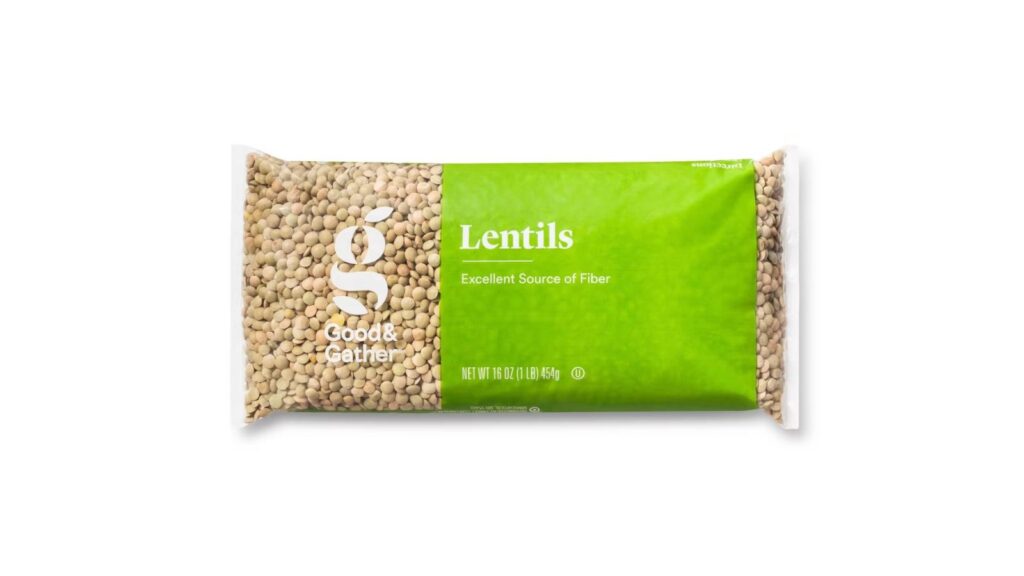
Lentils
Image Credit: Target

You don’t have to go vegetarian. You just need to cook a few meals a week where the protein isn’t meat. Lentils, black beans, chickpeas, and dried or canned legumes of any kind are substantially cheaper than beef, chicken, or seafood, hold just as much protein per serving, and stay shelf-stable for months. They also work in a lot of the same dishes you’re already making: chili, soup, tacos, grain bowls, curries.

Meat prices jumped more than 12% year over year through late 2025. Dried lentils and canned beans have not moved at anything close to that pace. Adding three or four plant-based protein meals to your weekly rotation creates a meaningful buffer against meat price increases while keeping your grocery bill stable.

The adjustment takes some getting used to if your household isn’t accustomed to it, but the flexibility of legumes is genuinely useful. A pot of lentil soup is cheap, filling, requires almost no active cooking time, and produces six to eight servings. A pot of black beans made from dried, not canned, costs very little and can serve as a protein base across multiple meals in the same week. Start with one or two meals a week and see what your household actually likes before committing further.

Batch cook on weekends and use your freezer as a resource

batch cooking
Image Credit: Shutterstock

The most expensive food decision most people make isn’t at the grocery store. It’s at 6:30 on a Tuesday when they’re tired, there’s nothing obvious to eat, and they order delivery or drive through somewhere. Batch cooking on weekends removes that decision from the weekday completely.

The idea isn’t to make every meal in advance. It’s to remove the friction from the days when cooking from scratch isn’t realistic. Cooking a large pot of soup, a tray of roasted vegetables, or a double batch of a grain on Sunday and storing portions in the freezer means dinner on a hard Thursday is “heat this up” rather than a new production. That’s the difference between $4 and $30 in a lot of households.

Freezer meals are particularly effective for households with irregular schedules or kids in activities. Meals like chili, enchiladas, curry, pasta bakes, and soups freeze and reheat cleanly. The upfront time investment is real, but the payoff is fewer expensive last-minute decisions and less food going bad because there wasn’t time to cook it. If you have time on one weekend day, cooking extra and freezing half is one of the most consistent ways to keep the weekly food budget in check.

Design meals around flexible ingredients, not one-use ones

Rotisserie Chicken freshly cooked
Image Credit: Shutterstock

One of the fastest ways to overspend on groceries is to choose recipes that each require their own unique set of ingredients with no overlap. You end up buying a bunch of things used once, then watching them expire before you get to them again. The remedy is to plan with ingredients that can do multiple jobs across the week.

Rotisserie chicken is a good example. One chicken can be dinner on Monday, shredded into tacos on Tuesday, and mixed into a soup or grain bowl on Wednesday. Roasted sweet potatoes work as a side one night and in a salad or burrito the next. A large container of Greek yogurt covers breakfast, serves as a sour cream substitute, and works in a marinade. When you’re planning your meals, ask whether the key ingredients you’re buying can appear in at least two places during the week.

This approach also reduces the anxiety of produce going bad. When you buy a bunch of kale knowing exactly which three meals it’s going into, it gets used. When you buy it because it seemed healthy and you thought you’d use it, there’s a real chance it becomes an expensive compost project by Thursday. Flexible planning keeps food in rotation rather than in the bin.

Use every part of what you buy

half used chicken
Image Credit: Shutterstock

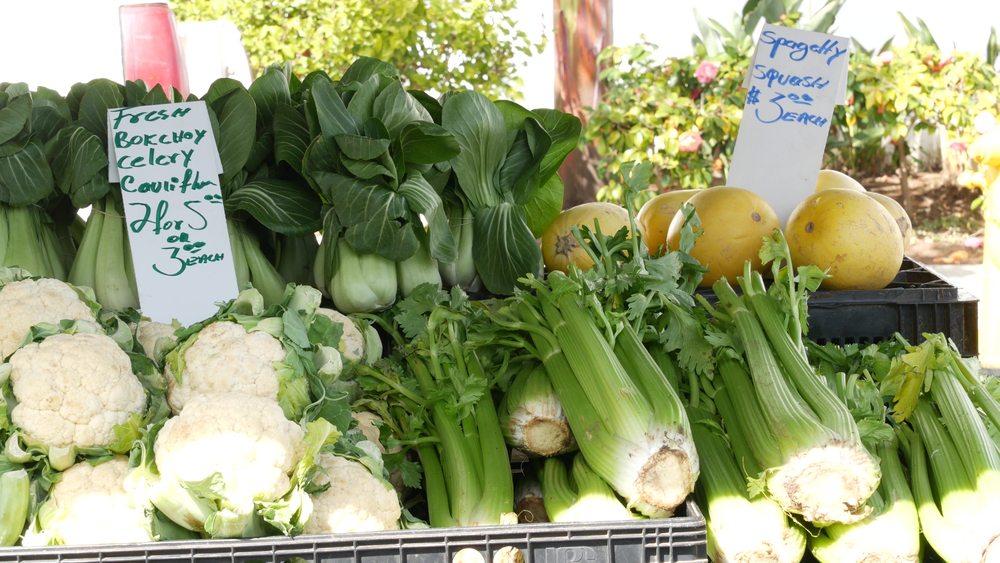
Grocery budgets leak in ways people don’t always track. You buy a bunch of celery for a recipe that calls for two stalks. The rest slowly yellows in the refrigerator. You buy fresh herbs, use a tablespoon, and throw out the rest. You cook a whole chicken for the breast meat and discard the carcass. This is not catastrophic on its own, but it adds up to real money over time.

Learning a few whole-ingredient habits makes a noticeable difference. Chicken bones and vegetable scraps kept in a bag in the freezer become free stock. Celery leaves and carrot tops go in soups and salads. Wilting vegetables get roasted and used for pasta, grain bowls, or frittatas rather than thrown out. Bread going stale turns into breadcrumbs or croutons. These aren’t tricks that require culinary skill. They’re just the habit of asking one more question before anything goes in the trash.

Fresh herbs are a specific category worth noting. Buying a bunch of cilantro for one recipe and tossing the rest happens constantly in households that cook. Either buy only what you’ll use, or plan two or three recipes in the same week that share the herb. Alternatively, many herbs can be washed, patted dry, wrapped in a damp paper towel, and kept in the refrigerator far longer than most people realize.

Learn your store’s markdown schedule

smiling woman saving money on grocery
Image Credit: Shutterstock

Every grocery store marks down items that are approaching their sell-by date, and most of them do it on a predictable schedule that regular shoppers can learn. Meat that hasn’t sold by mid-week often gets reduced on Tuesday or Wednesday. Bakery items typically see the deepest discounts later in the day or on specific days before they’re pulled. Produce close to its prime often gets a yellow clearance tag rather than being discarded.

The savings on markdown items can be significant. Meat stickers regularly bring chicken, beef, or fish down by 30% to 50%. If you see it marked down and can either cook it that day or freeze it immediately, it’s a genuine deal. The key is that it needs to actually fit your meal plan or your freezer has to have room for it. Buying discounted items you don’t have a plan for just moves the waste from the store to your refrigerator.

If you’re unsure when your store runs its markdowns, ask someone working the meat or produce department. Most staff will tell you directly, and knowing that your store marks down ground beef on Tuesday mornings gives you a reason to time your weekly trip accordingly. This is a zero-cost strategy that takes a single conversation to set up.

Tackle food waste, which costs the average family $3,000 a year

food waste in a garbage pail
Toa Heftiba
For Unsplash+

A 2025 EPA analysis found that American consumers lose close to $728 per person per year to food waste, nearly double earlier estimates. For a family of four, that’s roughly $3,000 in uneaten groceries and restaurant leftovers. The home portion is substantial and almost entirely preventable.

The most common driver isn’t buying too much. It’s buying without a plan, so food sits in the fridge until it’s past using. Produce is especially vulnerable: if you buy salad greens knowing they go into a salad Wednesday and a stir fry Thursday, they get used. If you buy them because you meant to eat healthier this week, there’s a real chance they don’t. A second contributor is freezing food too late. If meat or produce is approaching its end but you can’t use it today, freeze it now rather than tomorrow. “Tomorrow” often becomes the day you throw it out.

A third, less obvious driver is confusion about expiration labels. More than 80% of Americans discard perfectly good food because of labels they misread. “Sell by” is a store inventory date, not a safety cutoff. “Best by” and “best before” indicate peak quality, not danger. The label that actually signals a safety concern is “use by,” and even that applies primarily to high-risk items like deli meats, not pantry staples. Dairy, eggs, canned goods, dried pasta, and rice are typically safe for considerably longer than their dates suggest. Trusting your senses, smell, appearance, texture, is more reliable than a printed date on most foods, and stopping the habit of throwing things out the moment a “best by” passes recovers real money each month.

Sign up for store loyalty programs and actually use the apps

using store loyalty app
Image Credit: Shutterstock

Grocery loyalty programs have gotten considerably more useful in recent years. Beyond access to the weekly sale prices (which you often can’t get without scanning your card), most major chains now offer personalized digital coupons, cash-back programs, and occasionally fuel rewards. None of it costs anything to sign up for, and the discounts can be meaningful for shoppers who plan around them.

The best grocery rewards credit cards offer 3% to 6% cash back on supermarket purchases, which is worth considering if you pay your card off in full each month. But even without a dedicated grocery card, the store’s own loyalty app typically loads digital coupons you can clip and apply at checkout. Some stores load them automatically if you’ve bought the product before.

The main thing is to actually use the app rather than just having a loyalty card. A store card you swipe without looking at the app means you’re getting sale prices but missing personalized coupons, digital deals, and any cash-back programs the store runs. Five minutes before you shop to check the app is consistently worth doing.

Shop discount grocers for your shelf-stable staples

ALDI mobile app
Image Credit: Marques Thomas via Unsplash

Aldi, Lidl, Grocery Outlet, WinCo, and similar discount chains carry dramatically lower prices on pantry staples than conventional supermarkets. A fall 2025 consumer survey found that 82% of households earning over $100,000 are buying more private-label products than ever before, largely from discount chains. The idea that these stores are only for people on tight budgets has fully dissolved.

The practical approach is to do a monthly stock-up at a discount grocer for the things your household always needs: pasta, rice, canned goods, oils, frozen vegetables, bread, eggs, and dairy. Then use your regular store for fresh produce, specialty items, or anything the discount store doesn’t carry. You’re not switching all your shopping. You’re just not paying full price at the premium supermarket for items where it doesn’t make any difference.

Warehouse clubs like Costco can also work well for the right households. The economics depend on whether you have the storage space and will actually use what you buy before it expires. Large families who cook regularly and can handle bulk quantities consistently see savings. Smaller households or those without good storage space often end up wasting more than they save, so be honest about which category you’re in before committing to a membership.

Reduce takeout and restaurant spending by making cooking easier, not harder

batch cooking
Image Credit: Getty Images via Unsplash

Eating out costs three to five times more per meal than cooking the same thing at home. That’s a wide range depending on where you eat, but even at the low end it’s a significant multiplier. The problem for most households isn’t that they want to eat out. It’s that on a given weeknight when everyone is tired and there’s nothing prepped, the path of least resistance is ordering food. The solution isn’t willpower. It’s reducing friction.

Having a working weekly plan means you don’t open the fridge and stare blankly. Having some components already prepped, a batch of grain, some cooked beans, roasted vegetables from Sunday, means a meal can come together in fifteen minutes rather than forty-five. Having a rotation of fast, reliable dinners you know by heart means you don’t need to consult a recipe on a hard Tuesday.

Takeout spending is worth tracking honestly, because it hides in household budgets. If your grocery budget is $700 a month but you’re spending another $300 or $400 on delivery and restaurants, the grocery side is only half the picture. The cost of eating out rose 3.6% in a single year, while the cost of food at home rose 1.6% in the same period. The gap between the two costs keeps widening, which makes every meal cooked at home worth more over time.

Set a weekly number and track it

young woman with grocery receipt
Image Credit: Shutterstock

You can do everything else on this list and still overspend if you’re not tracking what you spend. A budget without a number is just intentions. Knowing your weekly grocery target, seeing your running total as you shop, and comparing it to last week creates the feedback loop that makes planning stick.

A common framework is to spend 10% to 15% of your after-tax monthly income on all food combined, including groceries and eating out. For a household bringing home $5,000 a month, that puts the total food budget somewhere between $500 and $750. Where the grocery portion sits within that depends on how much you eat out. The USDA’s Thrifty Food Plan for a family of four sits just under $1,000 a month; their moderate-cost plan runs around $1,250 to $1,400.

Track it simply. Look at last month’s actual grocery spending to establish a baseline. Set a target that’s realistic rather than aspirational. Check in weekly rather than waiting until the end of the month when adjusting is no longer possible. Most people who’ve reduced their grocery bills significantly have found that tracking is what actually moved the number, because it makes the cost of each decision visible in real time rather than invisible until the statement arrives.

Groceries are one of the most controllable line items in most household budgets, which means it’s also the place where a few consistent habits can accumulate into real savings over time.

May is when dinner starts competing with end-of-school chaos, warmer nights, weekend plans, and the first real pull toward takeout. The best grocery buys right now are the ones that make boring weeknight meals easier without costing restaurant money.

Target’s grocery section has a strong mix of store-brand staples, fresh produce, frozen vegetables, and low-cost proteins that can stretch across breakfasts, lunches, and dinners. Prices are accurate at the time of publishing but may vary by store or sell out quickly.

Fresh bananas

Fresh banana
Image Credit: Target

Bananas are still one of the cheapest fresh foods you can put in your cart, and Target’s Good & Gather fresh banana is $0.29 each. That is useful when you need fruit in the house but do not want to gamble on a $7 container of berries going soft by tomorrow.

Use them for breakfast with oatmeal, slice them onto peanut butter toast, or freeze overripe ones for smoothies. They also help stretch snacks for kids, lunches, and late-night “I need something” eating without opening another bag of chips.

Fresh yellow onions

Onion
Image Credit: Target

A 3-pound bag of Good & Gather yellow onions is $3.19, and that is a smart buy because onions quietly improve almost every cheap meal. Rice, beans, eggs, soup, pasta sauce, turkey, and potatoes all taste better when you start with onions.

This is not the fun part of grocery shopping, which is exactly why it matters. Keeping onions around helps you turn basic pantry food into actual dinner instead of the sad version of dinner you eat standing near the sink.

Fresh baby-cut carrots

Baby Cut Carrots
Image Credit: Target

Good & Gather baby-cut carrots cost $1.39 for a 1-pound bag. They work as a raw side, a lunchbox filler, or a quick vegetable to roast with chicken or potatoes.

The bigger value is that they do not require peeling, chopping, or much thought. If cooking feels like too much at 6:15 p.m., carrots can still get a vegetable on the plate with almost no effort. That matters in a real kitchen on a real weeknight.

Hass avocados

Avacado
Image Credit: Target

A 4-count bag of Good & Gather Hass avocados is $2.49, which is low enough to make avocado useful beyond one fancy piece of toast. They can add fat and texture to rice bowls, tacos, eggs, salads, and sandwiches.

This only makes sense if you will use them before they turn on you, because avocados have a rude little window between rock and regret. For households that eat tacos, burrito bowls, or egg breakfasts, the 4-pack can make cheap meals feel more filling.

Grade A large eggs

Eggs
Image Credit: Target

The 18-count Good & Gather Grade A large eggs are $2.19, which makes them one of the better protein buys in the grocery aisle. Eggs cover breakfast, but they also work for fried rice, egg salad, breakfast-for-dinner, and quick veggie scrambles.

An 18-count carton gives you enough to use eggs as more than a backup plan. For smaller households, it can cover several meals. For families, it helps fill plates when meat prices make you pause in the aisle.

Fresh ground turkey

Ground Turkey
Image Credit: Target

Good & Gather 93/7 all-natural ground turkey is $4.69 for 16 ounces. One pound can become taco meat, pasta sauce, rice bowls, lettuce wraps, or burger patties, which is the kind of flexibility that keeps it from sitting forgotten in the fridge.

Ground turkey is also easy to stretch. Add beans, onions, rice, frozen vegetables, or diced tomatoes, and one package can cover more servings without feeling like you are just watering down dinner.

Thin-sliced chicken breast

chicken breast
Image Credit: Target

Good & Gather thin-sliced boneless skinless chicken breast is $4.49 per pound, with the final price based on weight. Thin-sliced chicken cooks faster than thick breasts, which helps when you want dinner done before everyone starts circling the kitchen.

Use it for sandwiches, salads, wraps, pasta, or quick skillet meals. The value is not just the per-pound price, it is that thinner pieces are easier to portion and less likely to become dry, expensive disappointment.

Chunk light tuna in water

tuna in water
Image Credit: Target

A 5-ounce can of Good & Gather chunk light tuna in water is $1.29. It is shelf-stable protein that does not ask anything from you except a can opener.

Tuna works for sandwiches, melts, pasta salad, rice bowls, or a quick lunch with crackers and vegetables. Keeping a few cans around can save you from buying lunch out when the fridge has ingredients but no obvious meal.

Premium white chunk chicken

Chunk chicken
Image Credit: Target

Good & Gather premium white chunk chicken in water is $2.49 for a 10-ounce can. It is fully cooked, which makes it useful for nights when thawing meat did not happen.

Stir it into pasta, make chicken salad, add it to quesadillas, or use it in soup with broth and frozen vegetables. It costs more than dry beans, but it is still cheaper than grabbing prepared chicken when you need a fast protein.

Plain Greek whole milk yogurt

whole milk yoghurt
Image Credit: Target

The 32-ounce Good & Gather plain whole milk Greek yogurt is $3.69. A large tub costs less per serving than single cups and gives you more ways to use it.

It works for breakfast with bananas or oats, but it can also stand in for sour cream on tacos, baked potatoes, and chili. That kind of double duty is useful when fridge space and grocery money are both limited.

Shredded mozzarella cheese

Mozzarella cheese
Image Credit: Target

Good & Gather shredded mozzarella is $1.99 for an 8-ounce bag. It is a low-cost way to make basic meals more filling, especially pasta, eggs, tortillas, and homemade pizzas.

Cheese can be easy to overbuy, so the smaller bag is a good fit if you do not go through it quickly. For families, it stretches across several meals without jumping to the price of specialty cheese.

Mission yellow corn tortillas

Mission yellow corn tortillas
Image Credit: Target

The 30-count pack of Mission Super Soft yellow corn tortillas is $2.24. That is a lot of meal potential for the price, especially if tacos, quesadillas, egg wraps, or quick tostadas are regulars in your house.

Corn tortillas are also easier to stretch than sandwich bread for some meals. Add eggs, beans, turkey, avocado, or leftover chicken, and dinner looks planned even when it was absolutely not planned.

Good & Gather spaghetti

Spaghetti
Image Credit: Target

Good & Gather spaghetti starts at $0.99 for a 16-ounce package. Pasta is not exciting, but it is dependable, cheap, and easy to build into a full meal with sauce, vegetables, tuna, turkey, or chicken.

One box can cover a family dinner or several smaller meals, depending on how you portion it. If your pantry is thin, pasta is one of the first things worth adding back.

Marinara pasta sauce

Marinara
Image Credit: Target

Good & Gather marinara pasta sauce is $1.79 for a 23-ounce jar. It turns a box of pasta into dinner, but it can also work as pizza sauce, a simmer sauce for meatballs, or a shortcut base for soup.

Jarred sauce is one of those items where paying more does not always change weeknight dinner much. If you are feeding people who mostly need warm, saucy pasta after a long day, this does the job without draining the cart budget.

Instant enriched long grain white rice

White rice
Image Credit: Target

The 28-ounce Good & Gather instant enriched long grain white rice is $2.89. Regular rice is cheaper by the pound, but instant rice earns its place when time is the problem.

Use it for stir-fries, burrito bowls, chicken and rice, soup, or a fast side with frozen vegetables. It helps you skip the pricier microwave cups while still keeping dinner simple.

Dry lentils

Lentils
Image Credit: Target

A 1-pound bag of Good & Gather dry lentils is $1.99. Lentils cook faster than many dry beans, so they are useful even if you did not plan dinner hours ahead.

They work in soup, curry-style bowls, taco filling, pasta sauce, and grain bowls. For anyone trying to cut meat spending without living on plain rice, lentils are one of the more practical pantry buys.

Low-sodium black beans

Black Beans
Image Credit: Target

Good & Gather low-sodium black beans are $0.99 for a 15.5-ounce can. They are ready when you are, which makes them helpful for tacos, burrito bowls, soups, salads, and quick skillet dinners.

The low-sodium version gives you more control over seasoning, especially if you are adding salsa, broth, cheese, or taco seasoning. A few cans can stretch ground meat or replace it altogether for cheaper meals.

Petite diced tomatoes

Diced Tomatoes
Image Credit: Target

A 14.5-ounce can of Good & Gather petite diced tomatoes is $0.99. Keep them around for chili, soup, pasta, rice, beans, and skillet meals that need moisture and flavor.

Canned tomatoes are one of the better pantry shortcuts because they turn odds and ends into something more like dinner. Onion, lentils, broth, tomatoes, and seasoning can get you a real pot of food for very little money.

Chicken broth

Chicken Broth
Image Credit: Target

Good & Gather chicken broth is $1.39 for a 32-ounce carton. It is cheap help for soups, rice, lentils, sauces, and pan meals that need more flavor than water can offer.

Broth is also useful for using up small amounts of food. Leftover chicken, frozen vegetables, pasta, and a little broth can become soup instead of another round of refrigerator guilt.

Frozen mixed vegetables

Mixed Vegetables
Image Credit: Target

The 28-ounce bag of Good & Gather frozen mixed vegetables is $2.39. The blend of carrots, corn, green beans, and peas works in fried rice, soup, pot pie filling, pasta, and quick sides.

Frozen vegetables are a good buy in May because they do not care how busy your week gets. They stay usable, they cook fast, and they keep you from tossing slimy produce you had every intention of using.

Vegetable oil

vegetable oil
Image Credit: Target

Good & Gather vegetable oil is $3.79 for a 48-ounce bottle. It is not glamorous, but it supports a lot of cheap cooking, from pancakes and muffins to roasted vegetables, skillet chicken, and homemade dressings.

A reasonably priced bottle of oil helps you cook the lower-cost staples already in your cart. That matters because dry lentils, frozen vegetables, onions, rice, and chicken all need a little help becoming meals people actually want to eat.

Some of the best-paying jobs in healthcare are not exciting. They require education and experience and are often slow, technical, repetitive, and full of rules.

That can be good news if you are tired of job posts that promise “passion” but do not pay enough to cover real bills. Boring work can mean steady work, especially when it requires a license, strict judgment, and a human name on the final decision.

These jobs are not quick wins. Most require advanced degrees, licenses, certifications, or years of experience. But they can clear $100 an hour, and the work is built around tasks employers still need done carefully, again and again.

Physician advisor

Physician advisor
Image Credit: Shutterstock

Physician advisors spend much of the day reviewing charts, checking whether hospital stays meet coverage rules, answering denials, and talking with case managers. It is doctor work, but it is not the rush of the ER or the operating room. A lot of it is reading records, comparing notes to policy language, and writing a clear reason why a patient did or did not meet criteria.

Average pay is about $133 per hour. Hospitals, health systems, insurers, and review companies need these physicians because billing rules, appeals, audits, and medical necessity reviews keep getting more complicated. The usual path is medical school, residency, an active license, and enough clinical experience to understand inpatient care. The job is repetitive, but it leans on licensed judgment, documentation skill, and the ability to defend decisions when money and compliance are both on the line.

Medical physicist

Medical physicist
Image Credit: Shutterstock

Medical physicists work behind the scenes in radiation oncology, imaging, and nuclear medicine. Their days can be full of machine checks, dose calculations, safety reviews, calibration logs, and quality control. That sounds dry because it is. But when a cancer patient is getting radiation, someone has to make sure the machine delivers the right dose to the right place.

Average pay is about $154 per hour. Hospitals, cancer centers, imaging companies, and equipment makers need these workers because radiation treatment is highly regulated and mistakes can be serious. Most medical physicists have a graduate degree in physics or medical physics, followed by residency training and board certification. The job is steady because cancer care, imaging, and equipment safety are not optional. It is also hard to replace with software because the work mixes physics, patient-specific planning, equipment checks, and formal sign-off responsibility.

Pathologist

Pathologist
Image Credit: Shutterstock

Pathologists spend much of their time looking at tissue, blood, cells, and lab results. The work can be quiet and repetitive, especially when you are reviewing slide after slide to decide whether a sample is benign, cancerous, infected, inflamed, or unclear. Patients may never meet you, but their treatment often depends on your report.

Average pay is about $158 per hour. Pathologists work in hospitals, reference labs, academic medical centers, blood banks, and specialty testing companies. You need medical school, residency, licensing, and often fellowship training in areas like surgical pathology, hematopathology, or cytopathology. Demand stays steady because every biopsy, cancer workup, transfusion service, and complex lab test needs medical oversight. Image tools can flag patterns, but a licensed physician still has to make the call, handle gray areas, and defend the result when treatment decisions are on the line.

Sleep medicine physician

Sleep medicine physician
Image Credit: Shutterstock

Sleep medicine can be surprisingly boring in the best way. These doctors review sleep studies, diagnose sleep apnea, adjust CPAP treatment, manage insomnia, and follow up on patients who are tired, snoring, or not breathing well at night. A lot of the day is reading reports, asking the same detailed questions, and making small treatment changes that matter over time.

Average pay is about $137 per hour. Sleep clinics, hospital systems, pulmonary groups, neurology practices, and telehealth programs hire these physicians. Demand is helped by obesity, aging, heart disease, shift work, and better awareness of sleep disorders. The usual path is medical school, residency, and fellowship training, often after internal medicine, pulmonology, neurology, psychiatry, or family medicine. The work is structured and heavy on follow-up. It depends on patient conversations, medical judgment, and treatment follow-through, not just a machine-generated sleep report.

Occupational and environmental medicine physician

Occupational and environmental medicine
Image Credit: Shutterstock

Occupational and environmental medicine physicians deal with work-related health problems. That can mean repetitive injury reviews, return-to-work exams, exposure records, fitness-for-duty decisions, workers’ compensation paperwork, and safety policy reviews. If you like drama, this is probably not the job. If you like rules, documentation, and clear boundaries, it can be a strong niche.

Average pay is about $112 per hour. Employers include hospitals, large manufacturers, transportation companies, government agencies, insurers, and corporate health programs. Companies need doctors who understand both medicine and workplace rules, especially when injuries, chemicals, hearing loss, respiratory risks, or disability claims are involved. The usual route is medical school, residency, licensing, and often board certification in occupational medicine. The work is hard to automate because every case involves medical facts, job duties, legal risk, and a real person trying to stay employed or return safely.

Physical medicine and rehabilitation physician

Physical medicine and rehabilitation physician
Image Credit: Shutterstock

Physical medicine and rehabilitation physicians, often called physiatrists, help people recover function after injuries, strokes, surgeries, nerve problems, and chronic pain. The work can feel repetitive: exams, mobility reviews, therapy plans, medication adjustments, injections, brace decisions, and long notes about what a patient can and cannot do.

Average pay is about $134 per hour. Physiatrists work in rehab hospitals, orthopedic groups, pain clinics, sports medicine practices, workers’ compensation settings, and nursing facilities. Demand is supported by an aging population, joint replacements, spinal problems, brain injuries, and the need to keep people out of long hospital stays. Training requires medical school, residency, licensing, and sometimes fellowship work in pain, sports, spinal cord injury, or brain injury medicine. It is a practical field with lots of follow-up and paperwork, but the core work is human: watching movement, judging pain and strength, and coordinating care across therapy teams.

Medical director of pharmacovigilance

Associate director medical reviewer for pharmacovigilance
Image Credit: Shutterstock

Pharmacovigilance is drug safety work. A medical director in this field reviews adverse event reports, safety signals, clinical trial data, regulatory questions, and case narratives. It can be a lot of reading, meetings, risk language, and careful documentation. It is not glamorous, but it matters when a drug may be helping people and harming others at the same time.

Average pay is about $180 per hour. Drug companies, biotech firms, medical device companies, and contract research organizations need physicians who can make safety decisions and communicate them clearly. Most people get there through medical school, clinical experience, and industry experience in drug safety, clinical development, or regulatory affairs. The role is steady because companies must monitor products long after launch. Software can sort reports, but it cannot carry the medical license, weigh messy evidence, or answer regulators when a safety concern becomes serious.

Clinical pharmacy formulary director

Medical director of pharmacovigilance
Image Credit: Shutterstock

A clinical pharmacy formulary director helps decide which drugs a hospital, health plan, or large pharmacy program will cover and how they should be used. The work is heavy on committee packets, medication safety reviews, drug shortage planning, dosing policies, prior authorization rules, and cost comparisons. It can be painfully slow, especially when you are reviewing the fifth version of the same policy.

Average pay is about $120 per hour. Employers need this role because medication costs are high, new drugs keep coming, and regulators expect tight controls around how drugs are approved, stored, dispensed, and monitored. Most people start with a PharmD, pharmacist licensure, residency or specialty experience, and years in hospital, managed care, oncology, specialty pharmacy, or medication safety. Software can track spending and flag interactions, but a pharmacist still has to weigh evidence, safety, shortages, and real-world use.

Diagnostic radiologist

Diagnostic radiologist
Image Credit: Shutterstock

Diagnostic radiologists read imaging studies all day: CT scans, MRIs, X-rays, ultrasounds, and mammograms. The job can be lonely and repetitive. You sit in a dark room, move through a worklist, compare old studies, dictate reports, and call urgent findings to other doctors. The boring part is the volume. The serious part is that a missed finding can change a life.

Average pay is about $255 per hour. Radiologists work for hospitals, imaging centers, teleradiology groups, breast centers, and large physician groups. Demand stays strong because modern medicine runs on imaging, and scans keep piling up as the population ages. The path requires medical school, residency, licensing, board certification, and often fellowship training. Pattern-finding software is already part of the field, but it does not replace the physician who signs the report, weighs the patient history, talks to the care team, and handles the gray areas that do not fit a clean template.

Medical director, clinical development

Medical director, clinical development
Image Credit: Shutterstock

A medical director in clinical development works on drug and device trials. The day can be very dry: protocol edits, safety reviews, eligibility questions, investigator calls, lab trends, adverse event narratives, and endless meeting decks. It is still medical work, but it is more controlled than bedside care. You are usually reviewing data and trial rules, not running into a room because someone is crashing.

Average pay is about $182 per hour. Biotech companies, drug makers, device companies, and contract research organizations need physicians who can keep studies medically sound and acceptable to regulators. The path usually includes medical school, residency, an active license, and clinical research or industry experience. Demand stays strong because companies cannot move a product through trials without qualified medical oversight. The job is repetitive, but the decisions require medical training, safety judgment, and accountability.

Senior vice president of regulatory affairs

Senior vice president of regulatory affairs
Image Credit: Shutterstock

A senior vice president of regulatory affairs lives in the land of forms, submissions, labeling, meeting minutes, risk language, and long review cycles. This job is boring on purpose. You are making sure a drug, device, diagnostic test, or biotech product follows the rules before and after it reaches the market. A normal week can mean reviewing the same label sentence over and over until every word is defensible.

Average pay is about $144 per hour. Employers need senior regulatory leaders because one missed requirement can delay approval, trigger a warning letter, or create expensive cleanup work. The path is usually a science, pharmacy, engineering, nursing, or medical background, plus many years in regulated product work. Certifications can help, but experience matters most. The work is not easy to hand off because it requires judgment, negotiation, and a deep understanding of how rules apply to messy real products.

Head of quality control, pharmaceutical manufacturing

Head of quality control, pharmaceutical manufacturing
Image Credit: Shutterstock

The head of quality control in pharmaceutical manufacturing oversees testing, batch records, lab investigations, deviations, stability samples, and release decisions. It is not exciting work. It is the same questions again and again: Did the batch meet spec? Was the equipment clean? Did the lab result hold up? Was the deviation handled correctly? That boredom is part of why the role matters.

Average pay is about $106 per hour. Drug makers, biotech plants, sterile manufacturing sites, and contract manufacturers need quality leaders because products cannot ship unless testing and documentation are right. Most people build toward this through chemistry, biology, pharmacy, engineering, or lab operations, then years in quality control, quality assurance, validation, or manufacturing. Automation can run tests and track records, but someone still has to investigate failures, defend decisions, and stop a bad batch from reaching patients.

Endodontist

Endodontist
Image Credit: Shutterstock

Endodontists are dentists who specialize in root canals and tooth pain. It is detailed, focused work that can look painfully repetitive from the outside: numb the patient, isolate the tooth, clean canals, shape them, fill them, and document the case. Many patients arrive anxious, so the job also takes patience and a calm chairside manner.

Average pay is about $115 per hour. Endodontists work in specialty dental practices, group practices, dental service organizations, and some academic settings. Demand stays solid because people want to save natural teeth, general dentists refer complex cases, and dental emergencies do not wait. The path starts with dental school, then specialty residency and licensing. The work is hands-on, microscopic, and procedure-based. You can digitize records and imaging, but someone still has to treat the canal, manage pain, calm the patient, and decide whether the tooth can be saved.

Periodontist

Periodontist
Image Credit: Shutterstock

Periodontists treat gum disease, bone loss, and dental implant problems. A lot of the work is repetitive surgical and maintenance care: deep exams, grafting, implant planning, clean-up of infected areas, follow-ups, and long conversations about home care. It is not flashy work, and some of it is messy, but gum disease is common and often chronic.

Average pay is about $168 per hour. Periodontists work in specialty practices, implant centers, group dental offices, and academic programs. Demand is helped by aging patients, diabetes, tooth loss, and the growth of implant dentistry. The route is dental school, a periodontal residency, licensing, and often board certification. This job is hard to replace because it is physical and patient-specific. Even with better imaging and planning software, a person still has to manage tissue, bone, bleeding, infection, and a nervous patient in the chair.

Prosthodontist

Prosthodontist
Image Credit: Shutterstock

Prosthodontists rebuild and replace teeth. They design dentures, crowns, bridges, implant restorations, and complex full-mouth treatment plans. The work can be slow and fussy: impressions, measurements, bite adjustments, lab coordination, fittings, repairs, and more fittings. It is a strong fit for someone who can tolerate tiny details and repeat visits.

Median wages are listed at $115+ per hour. Prosthodontists work in specialty practices, dental schools, hospital dental programs, implant centers, and large dental groups. Demand is steady because people are keeping teeth longer, older adults need replacement options, and implant dentistry keeps growing. The training path includes dental school, prosthodontic residency, licensing, and usually advanced lab and surgical planning skills. Digital scans and milling machines help, but they do not replace the specialist who decides how a bite should function, manages a complex case, and fixes problems when the mouth does not match the plan.

Orthodontist

Orthodontist
Image Credit: Shutterstock

Orthodontists move teeth and jaws into better positions using braces, aligners, retainers, and other appliances. The work is repetitive by design: exams, scans, treatment plans, progress checks, wire changes, refinement trays, retainer checks, and patient reminders about wearing the appliance. You see a lot of similar problems, but each mouth moves at its own pace.

Median wages are listed at $115+ per hour. Orthodontists work in private practices, dental groups, pediatric dental offices, and specialty clinics. Demand is stable because parents still seek care for children, adults are more open to treatment, and complex bite problems need more than mail-order trays. Training requires dental school, an orthodontic residency, licensing, and strong case-planning skills. The job has become more digital, but the doctor still has to diagnose bite problems, manage growth, handle complications, and know when a simple-looking case is not simple at all.

Oral pathologist

Oral pathologist
Image Credit: Shutterstock

Oral pathologists diagnose diseases of the mouth, jaw, salivary glands, and related tissues. Much of the work is quiet and repetitive: reviewing biopsies, looking at slides, writing reports, checking clinical histories, and deciding whether a sore, lump, lesion, or tissue change is harmless or serious. Compared with oral surgery, this is much more lab-and-desk work than adrenaline work.

Average pay is about $162 per hour. Dental schools, hospitals, pathology labs, cancer centers, and specialty practices need oral pathologists because dentists and surgeons need reliable diagnoses before treatment moves forward. The path starts with dental school, then specialty training in oral and maxillofacial pathology, licensing, and often board certification. Imaging and lab systems can support the work, but the diagnosis still depends on trained human judgment, pattern recognition, and the legal responsibility of signing the report.

Discover job hunting tips, ways to earn more, and flexible working options:

Practising job interview
Image Credit: Shutterstock

21 high-paying careers that desperately need workers, but nobody wants to do them: The pay is generous, but these jobs are searching for workers.

No background check jobs: 12 background friendly jobs: If you’re struggling to find a job due to past issues, here are jobs you can get without background checks.

15 remote jobs you probably didn’t know pay $150,000+ In 2026: High income and flexible work hours from home is not a myth — here are some remote-friendly careers.

Going through a divorce can leave you feeling lost, lonely, or full of resentment. Studies show that many people use this time to focus on self-improvement and emotional resiliency.

This blog will help you explore ways to rebuild your sense of love and intimacy, strengthen weak ties with friends, and set new life goals. Start your new chapter today!

Key takeaways

  • Divorce often leads people to focus on self-improvement and emotional growth. Many use therapy, mindfulness, or support groups to rebuild their identity.
  • Experts like John Gottman say divorce can help heal emotional wounds caused by contempt or toxic dynamics in a marriage.
  • Building emotional resilience after divorce involves simple steps like deep breathing, journaling, using wellness apps (like Headspace), and seeking support from friends or professionals.
  • Exploring new hobbies and joining clubs helps people meet others with shared interests. This builds confidence and creates new friendships.
  • Support networks are key during this time. Talking to friends, family, or joining groups for divorced individuals makes coping easier and less lonely.

Divorce as a catalyst for personal growth

Divorce can spark a big change in your life. It offers a chance to find who you really are and to let go of unhealthy patterns.

Rediscovering personal identity

Life after a breakup can feel strange. You may forget who you are outside the label of “spouse” or “partner.” Many people lose touch with old dreams and hobbies during marriage, especially in a toxic relationship.

Individual therapy helps you listen to your own thoughts again instead of only responding to someone else’s needs. Practicing mindfulness builds awareness about what brings joy and peace.

John Gottman says feelings like contempt often destroy relationships, but separation gives the chance to heal these wounds. Self-forgiveness grows stronger as you learn from past mistakes instead of blaming yourself every day.

Communication with friends or support groups can open your eyes to new ideas about identity, friendship, friendliness, and romance.

To love oneself is the beginning of a lifelong romance.

Breaking free from toxic dynamics

Stepping away from toxic relationships often clears your mind. You stop feeling trapped by blame or fear. Conscious decisions replace old habits as you learn new ways to cope and grow.

Mediation helps settle issues without constant fighting or stress. Many people take this time to focus on self-care, trying things like Botox for a fresh start or looking into hobbies they once ignored.

Introverted people may discover peace in their own space, while others work at improving parenting skills through learning and better negotiation with an ex-partner. Emotional pain starts to ease, making room for confidence and calm choices.

This sets the stage to build emotional resilience and tackle new feelings of fear or anxiety head-on.

Building emotional resilience

Building emotional strength helps you face tough times better. Focus on accepting yourself with kindness and understanding.

Overcoming fear and anxiety

Fear and anxiety often rise after a divorce. Simple tools like deep breathing or short mindfulness exercises can calm the body. Setting small daily goals helps to shift focus from worries.

Talking with friends, family, or mental health professionals provides vital support. Following a clear routine each day offers comfort and control.

Using apps such as Headspace or Calm makes relaxation easier for many people. Exercise even in short bursts releases endorphins that reduce stress levels. Writing down fears in a journal gives them less power over your mind.

Each positive step builds confidence for handling new challenges ahead.

Embracing self-compassion

Self-compassion is key during tough times. It means being kind to yourself when things go wrong. After a divorce, many people feel a mix of emotions like sadness and anger. Instead of judging ourselves harshly, we should treat our feelings with care and understanding.

Practicing self-kindness helps in healing. Acknowledge your pain but don’t let it define you. Speak to yourself as you would with a friend; be gentle and supportive. This change in mindset can lighten the burden and boost emotional strength, allowing for personal growth after divorce.

Be kind to yourself; you’re doing the best you can.

Exploring new passions and interests

Finding new passions can bring excitement after a divorce. Many people start exploring hobbies they once loved or try things for the first time. This might include painting, hiking, or learning how to cook.

These activities help build confidence and create joy.

Meeting new people often comes from these interests as well. Joining clubs or classes allows connections with others who share similar goals. Building friendships through shared passions makes life richer and more fulfilling.

Embracing change opens doors to opportunities that spark happiness and growth.

Strengthening relationships and support networks

Support networks play a key role after a divorce. Friends and family can help you cope with the changes. They provide emotional comfort during tough times. Talking to others helps release feelings of sadness and anger.

Joining support groups can also be helpful. You meet people who share similar experiences, which makes you feel less alone.

Building new relationships is just as important. Reach out to coworkers or neighbors; they might become great friends too. Finding activities that interest you can lead to new connections as well.

Engaging in hobbies helps strengthen bonds with others who enjoy the same things. These connections create a strong sense of community, letting you grow emotionally and socially after your divorce.

Exploring new passions and interests then becomes an exciting next step for personal growth.

Being a single mom is often described as wearing many hats, but it is more like running a marathon while juggling and solving a math problem at the same time. You are the provider, the nurturer, the protector, and the ultimate decision maker. When it involves money, the weight of that responsibility can feel heavy. You want to build a future for your children, but you also need to make sure that you are not one market crash away from a crisis. This is where investment diversification to build wealth comes into play. It is not just a fancy financial term. For us, it is a safety net.

Understanding the safety in variety

Diversification is the practice of spreading your investments around so that your exposure to any one type of asset is limited. Think of it like a balanced meal for your finances. If you only eat one thing, you might miss out on vital nutrients or get sick of it. In the financial world, if you put all your money into one stock or one type of investment, you are taking a massive risk. If that one thing fails, your entire savings could take a hit.

For a single parent, stability is the goal. We do not necessarily need to find the next tech giant that will grow one thousand percent overnight. What we need is a portfolio that grows steadily over time while protecting us from major losses. By holding a mix of stocks, bonds, and perhaps some real estate or cash equivalents, you ensure that when one area of the economy is struggling, another might be thriving.

Starting small but thinking big

One of the biggest myths about investing is that you need a large sum of money to start. This simply is not true. Many platforms now allow you to start with very small amounts. The key is consistency. Even fifty dollars a month can grow into something significant over a decade thanks to the power of compounding.

When you are starting out, mutual funds or exchange-traded funds are excellent tools for diversification. These funds pool money from many investors to buy a wide variety of stocks or bonds. Instead of you having to pick thirty different companies to invest in, the fund does it for you. This gives you instant diversification with very little effort. It allows you to participate in the growth of the economy without having to spend hours researching individual balance sheets.

Assessing your risk tolerance

Your risk tolerance is essentially how much sleep you would lose if your investment balance dropped by ten percent in a month. As a single mom, your risk tolerance might be lower than someone with a second income to fall back on. This is perfectly okay.

The right mix for you depends on your age and your goals. If your children are toddlers, you have a longer time horizon, which means you can afford to take a bit more risk for higher potential returns. If they are entering high school and you are saving for college, you might want to move toward more conservative investments like bonds. Bonds are essentially loans you provide to a government or corporation in exchange for regular interest payments. They tend to be less volatile than stocks and provide a predictable stream of income.

Modern tools and new horizons

As you get more comfortable with the basics, you might find that exploring modern options adds an extra layer of growth potential to your journey. For those looking to stay ahead of the curve, utilizing a user-friendly crypto investment platform can offer an accessible way to include a small amount of cryptocurrency in a forward-thinking portfolio. While these should only represent a tiny slice of your overall pie, they represent the evolving nature of how we build wealth today.

The role of the emergency fund

Before you dive deep into the world of diversification, you must have a solid foundation. For a single mom, an emergency fund is non-negotiable. This is your “life happens” fund. Whether it is a flat tire, a broken tooth, or an unexpected school fee, having three to six months of expenses tucked away in a high-yield savings account allows you to invest with peace of mind.

Without this cushion, you might be forced to sell your investments during a market downturn to cover a bill. That is the opposite of what we want. We want to buy low and sell high, or better yet, buy and hold for the long term. Your emergency fund acts as the bodyguard for your investments, ensuring they have the time they need to grow.

Tax-advantaged accounts

When looking at where to put your money, do not overlook accounts that offer tax benefits. If your employer offers a retirement plan with a match, that is essentially free money. It is an immediate return on your investment before the market even moves.

Beyond employer plans, individual retirement accounts are great options. Some allow you to grow your money tax-free, which means more for you and your kids in the long run. By diversifying the types of accounts you use, you are also diversifying your future tax liability. This is just another layer of protection for your financial future.

Looking toward the future

The goal of investment diversification is freedom. It is the freedom to know that you are building a legacy for your children and a comfortable life for yourself. It takes the pressure off of having to “win” at the stock market. You do not have to be an expert. You just have to be intentional.

Start where you are. Use the tools available to spread your risk. Keep your eyes on the long term. You are already doing the hardest job in the world. Making your money work as hard as you do is just the next step in your journey toward security and independence.