
Some people shut down when the phones won’t stop ringing, the power is out, a patient is crashing, or a whole room is waiting for one clear answer. Other people get quieter, sharper, and more useful.
That kind of calm is not just a personality trait. In the right job, it can be a serious career advantage. Hospitals, airports, utilities, crisis teams, animal ERs, and security operations all need workers who can think clearly when the situation is loud, emotional, dangerous, or moving fast.
Many of these careers take training, licenses, or years of experience. But they also tend to offer stronger pay, steady need, and work that still depends on human judgment. Every job here pays at least $30 per hour and rewards people who can stay steady when things go sideways.
Table of contents
- Emergency management director
- Cybersecurity incident responder
- Clinical perfusionist
- Flight nurse
- Transplant nurse coordinator
- Forensic nurse examiner
- Mobile crisis clinician
- ICU respiratory therapist
- Emergency medicine physician assistant
- Emergency department registered nurse
- Emergency veterinarian
- Nuclear medicine technologist
- Electrical power-line repairer
- Elevator and escalator repair technician
- Fire investigator
- Industrial safety specialist
- Emergency communications supervisor
- Discover job hunting tips, ways to earn more, and flexible working options:
Emergency management director

Emergency management directors plan for hurricanes, floods, fires, cyberattacks, public health scares, and other major disruptions. When something goes wrong, they help coordinate agencies, shelters, supplies, alerts, and recovery plans. The chaos is not always sirens and flashing lights. Sometimes it is 14 people in one room needing a decision now.
Median pay is about $41.41 per hour. This work is steady because schools, hospitals, companies, and local governments all need disaster plans that actually work. Many people enter after experience in public safety, military service, healthcare operations, government, or logistics, often with a bachelor’s degree or emergency management training.
Cybersecurity incident responder

Cybersecurity incident responders are the people called when systems are attacked, data is exposed, or a company thinks someone has broken into its network. You may trace the breach, isolate infected systems, preserve evidence, and help leaders decide what to shut down and what to keep running.
Pay for information security analysts is about $60.05 per hour, and demand is strong as fraud, ransomware, and data theft keep rising. This is not routine tech support. You need calm thinking, documentation habits, and the nerve to work under pressure while people are angry, scared, or losing money.
Clinical perfusionist

Clinical perfusionists run the heart-lung machine during major heart surgery and some critical care procedures. While surgeons operate, the perfusionist keeps blood moving and oxygenated. That means watching pressures, lab values, flow rates, and alarms while the room is already tense.
Average pay is about $77 per hour. This is a small, specialized field, which helps protect experienced workers from being treated as replaceable. Getting in usually means a bachelor’s degree, a perfusion program, clinical training, and certification. Hospitals need people who can stay steady when a patient’s condition changes in seconds.
Flight nurse

Flight nurses care for very sick or injured patients in helicopters and airplanes. They may handle trauma, stroke, heart problems, ventilators, medications, and handoffs between hospitals. There is little room, plenty of noise, and no big team down the hall.
Average pay is about $46 per hour. Most flight nurses start as registered nurses and build experience in emergency, ICU, or trauma care before moving into transport. The job depends on clinical judgment, teamwork, and comfort with ugly situations, which makes it hard to hand off to software or a remote desk.
Transplant nurse coordinator

Transplant nurse coordinators help patients move through the transplant process before and after surgery. They coordinate testing, medication plans, donor timing, family questions, surgeons, labs, and follow-up care. When an organ becomes available, the pace can change fast.
Average pay is about $53 per hour. This role usually requires an RN license, hospital experience, and strong comfort with complex patients. Transplant care is highly regulated and deeply personal, so employers need people who can manage details without losing the human side of the work.
Forensic nurse examiner

Forensic nurse examiners care for patients after violence, abuse, assault, or suspicious injury. They may collect evidence, document injuries, testify in court, and explain care options to people who are shaken or afraid. The job calls for calm, direct communication without rushing the patient.
Average pay is about $42 per hour. Most forensic nurses are RNs who add specialized training in evidence collection, trauma-informed care, and legal documentation. Hospitals, advocacy centers, correctional facilities, and public agencies need this work because accuracy and compassion both matter when a case may become legal.
Mobile crisis clinician

Mobile crisis clinicians respond when someone is in a mental health emergency, often outside a clinic. They may assess suicide risk, calm family members, coordinate transport, create safety plans, and connect people with urgent care. You are walking into situations that are already tense.
Average pay is about $35 per hour. Many roles require a master’s degree in counseling, social work, psychology, or a related field, plus licensure or a path toward licensure. Demand is supported by the growth of crisis response systems and the need for trained people who can de-escalate in real life.
ICU respiratory therapist

Respiratory therapists help patients who cannot breathe well on their own. In the ICU, they manage ventilators, breathing treatments, oxygen settings, and airway support. They are often called when a patient is crashing or a nurse needs help fast.
Median pay is about $38.68 per hour, and job growth is strong as more patients live with heart and lung disease. Most respiratory therapists need an associate degree and a license. Machines can provide readings, but a person still has to assess the patient, adjust care, and work shoulder to shoulder with doctors and nurses.
Emergency medicine physician assistant

Emergency medicine physician assistants examine patients in ERs and urgent care settings. They may order tests, close wounds, read results, start treatment, and decide who needs a higher level of care. The waiting room may be full, but the work still has to be careful. Sustaining this intense level of focus amidst unpredictable patient surges depends heavily on a hospital’s underlying medical staffing strategy. When healthcare facilities proactively manage their provider lines with flexible, on-demand staffing solutions, it relieves crushing workloads and gives frontline clinicians the breathing room they need to make accurate, high-stakes decisions safely.
Average pay is about $71 per hour. The path requires a graduate PA program, national certification, and licensing. Demand is strong because hospitals and clinics need skilled providers who can handle volume, make decisions, and work with physicians when cases turn serious.
Emergency department registered nurse
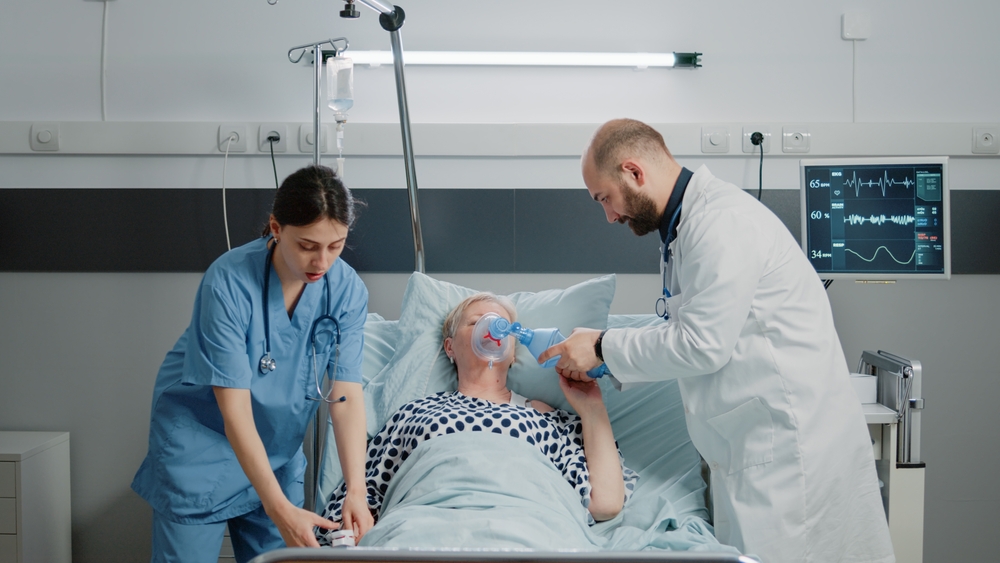
Emergency department nurses deal with chest pain, strokes, overdoses, broken bones, infections, violence, scared parents, and people who have waited too long to get care. You may have to start an IV, comfort a family, notice a subtle change, and answer another call light in the same few minutes.
Average pay is about $54 per hour. The usual path is nursing school, passing the licensing exam, and building acute care experience. Hospitals need ER nurses because emergency care is open-ended. Nobody knows what is coming through the door next.
Emergency veterinarian

Emergency veterinarians treat animals with poisoning, trauma, breathing problems, seizures, heatstroke, and sudden illness. They also deal with worried owners who may be scared, angry, or facing hard choices about money and care. The medicine is urgent, but the communication is just as important.
Average pay is about $58 per hour. Becoming a veterinarian requires a doctoral degree and licensing, then many ER vets add emergency experience or specialty training. Demand is strong because pet care has grown, overnight hospitals need coverage, and a real clinician has to examine the animal in front of them.
Nuclear medicine technologist

Nuclear medicine technologists prepare and give radioactive drugs used for imaging and treatment, then operate scanners that show how organs are working. The job calls for careful dosing, radiation safety, patient calming, and close communication with physicians.
Median pay is about $46.64 per hour. Growth is steady, and openings continue as healthcare systems need imaging for cancer, heart disease, and other serious conditions. Most workers need an associate degree, certification, and comfort with strict safety rules. This is not a casual tech job. Mistakes matter.
Electrical power-line repairer

Power-line repairers fix and maintain the lines that keep homes, hospitals, businesses, and traffic systems running. After storms, they may work long hours in bad weather while whole neighborhoods are waiting for power. Heights, electricity, traffic, and exhausted customers are part of the job.
Median pay is about $44.50 per hour, with stronger demand than many trades. Most workers start with technical training, line school, or an apprenticeship. This work is physical, dangerous, and local. It needs trained crews on-site, not a program trying to guess from a distance.
Elevator and escalator repair technician

Elevator and escalator technicians install, inspect, maintain, and repair lifting systems in offices, hospitals, hotels, transit stations, and apartment buildings. When people are trapped, equipment is down, or a safety issue appears, the pressure goes up fast.
Median pay is about $51.24 per hour. Job growth is solid because buildings keep aging and cities keep relying on vertical transportation. Most people enter through a paid apprenticeship and may need licensing. The work mixes mechanical, electrical, hydraulic, and safety skills in places where a bad repair can hurt people.
Fire investigator

Fire investigators examine burned buildings, vehicles, and outdoor scenes to figure out how a fire started. They may interview witnesses, photograph damage, collect evidence, and work with insurance companies, law enforcement, or prosecutors. The scene may still smell of smoke, and people may have lost everything.
Median pay is about $37.53 per hour. Many investigators start as firefighters, inspectors, police officers, or code enforcement workers, then add fire science and investigation training. Demand is steady because fires, explosions, fraud, unsafe buildings, and legal claims still require careful human investigation.
Industrial safety specialist

Industrial safety specialists help prevent injuries and respond when something goes wrong at factories, construction sites, warehouses, hospitals, labs, and utilities. They inspect hazards, train crews, investigate accidents, review procedures, and speak up when work needs to stop.
Median pay is about $40.34 per hour, and growth is strong as employers face more pressure to control injuries and comply with safety rules. Some jobs require a bachelor’s degree, while others value field experience plus safety certifications. The best workers can stay calm with managers, crews, and regulators all watching.
Emergency communications supervisor
Emergency communications supervisors oversee dispatchers and call-takers who handle 911 calls, radio traffic, police, fire, and medical response. They may coach staff during tough calls, manage staffing gaps, handle complaints, and keep the room focused during major incidents.
Average pay is about $31 per hour. Many supervisors start as public safety telecommunicators, then move up after certifications and years on the console. The work is stable because communities need trained people who can listen, prioritize, and make sure the right help goes to the right place.
Discover job hunting tips, ways to earn more, and flexible working options:

21 high-paying careers that desperately need workers, but nobody wants to do them: The pay is generous, but these jobs are searching for workers.
No background check jobs: 12 background friendly jobs: If you’re struggling to find a job due to past issues, here are jobs you can get without background checks.
15 remote jobs you probably didn’t know pay $150,000+ In 2026: High income and flexible work hours from home is not a myth — here are some remote-friendly careers.











