
You’re dumping a jar of pennies into a coin-counting machine at the grocery store, watching the total climb a cent at a time, when it hits you that some of these coins are older than your grandparents. Before you feed the rest of the jar in, it’s worth pulling a few out and actually looking at them.
The Lincoln cent has been struck almost continuously since 1909, through a world war that changed what pennies were even made of, decades of die mistakes, and a handful of years with mintages low enough to matter. That long, messy history is exactly why this one coin has more genuinely valuable dates and errors than almost any other denomination in American pocket change.
Most pennies are still worth one cent, and that’s fine. What separates an ordinary wheat cent from one worth real money comes down to three things: the exact date and mint mark, the condition it survived in, and whether it carries a documented mint mistake rather than just a scratch or a smudge that looks interesting under bad lighting. The twelve below are the ones actually worth learning to spot.
Table of contents
- 1. 1943 bronze Lincoln cent
- 2. 1909-S VDB Lincoln cent
- 3. 1914-D Lincoln cent
- 4. 1922 no D Lincoln cent, strong reverse
- 5. 1931-S Lincoln cent
- 6. 1955 doubled die obverse Lincoln cent
- 7. 1969-S doubled die obverse Lincoln cent
- 8. 1972 doubled die obverse Lincoln cent
- 9. 1983 doubled die reverse Lincoln cent
- 10. 1995 doubled die obverse Lincoln cent
- 11. 1944 steel Lincoln cent
- 12. 2019-W Lincoln cent
1. 1943 bronze Lincoln cent
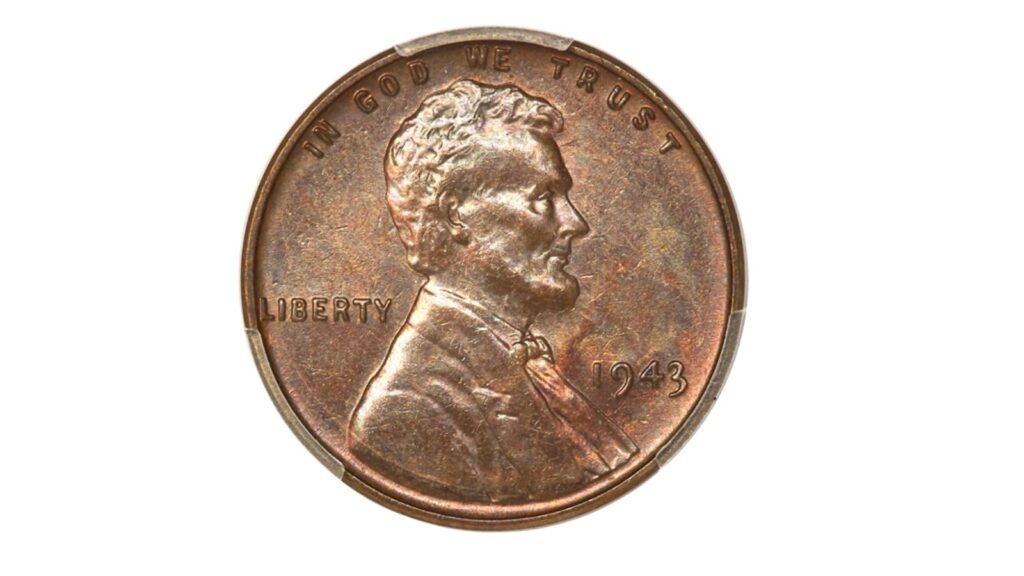
Everybody who has ever sorted a coin jar has heard some version of this story: a handful of 1943 pennies weren’t struck in steel like the rest, they were struck in bronze, and they’re worth a fortune. It’s true, and it’s also rarer than almost anyone realizes.
When the Mint switched cent production to zinc-coated steel that year to save copper for the war, a small number of leftover bronze planchets from 1942 got fed into the presses by accident. Fewer than 20 genuine examples are confirmed across Philadelphia, Denver, and San Francisco combined. A San Francisco example graded AU-55 is worth around $456,000 in today’s market. The single known Denver example, a coin with no known duplicate anywhere, carries a value near $1.7 million.
Start with a magnet. Genuine bronze cents won’t stick, but a copper-plated steel cent will, and that’s what almost every “rare” 1943 penny offered online actually is. If yours passes the magnet test, don’t clean it and don’t sell it to the first person who offers cash. Send it to PCGS or NGC before you do anything else.
2. 1909-S VDB Lincoln cent
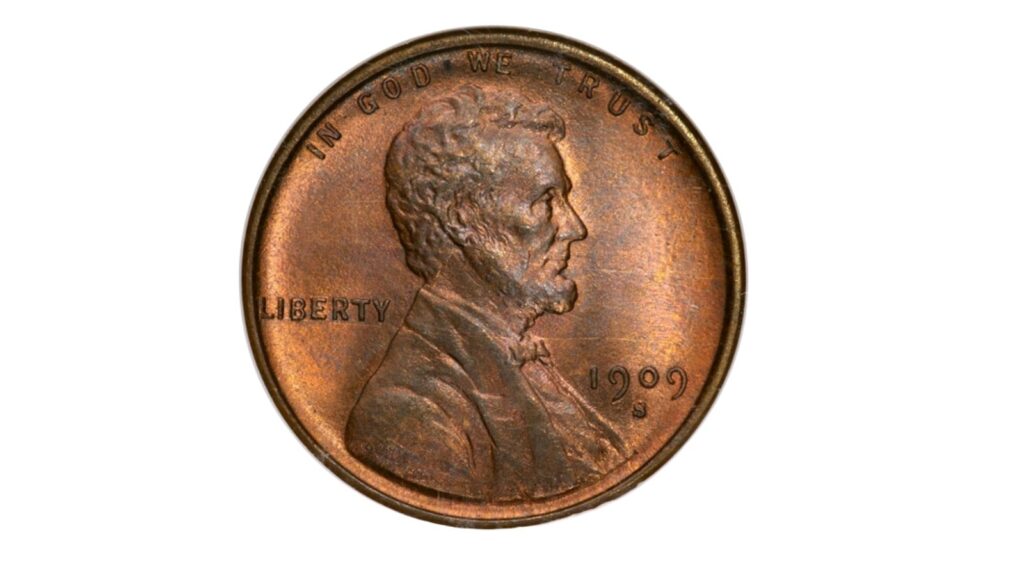
The Lincoln cent almost got pulled from circulation in its first few weeks over three tiny letters. Designer Victor David Brenner signed his work with his initials along the bottom of the reverse, the public objected to how prominent they looked, and the Mint yanked the design within a month. San Francisco had already struck only 484,000 before the recall, making this the lowest-mintage regular-issue cent in the whole series.
Circulated examples have climbed steadily in recent years. Pieces that traded for a few hundred dollars a decade ago now regularly bring $1,200 to $1,800 in honest, moderately worn grades, and the top of the market keeps moving too, with a gem uncirculated example valued around $168,000.
Because demand never really cools, this is one of the most faked coins in the hobby. The usual trick is adding a fake S mint mark to a common Philadelphia 1909 VDB cent. On a genuine coin, the mint mark sits below the date with sharp, even serifs, not soldered on or fuzzy under a loupe. Anything priced above a couple hundred dollars should go to PCGS or NGC before money changes hands.
3. 1914-D Lincoln cent
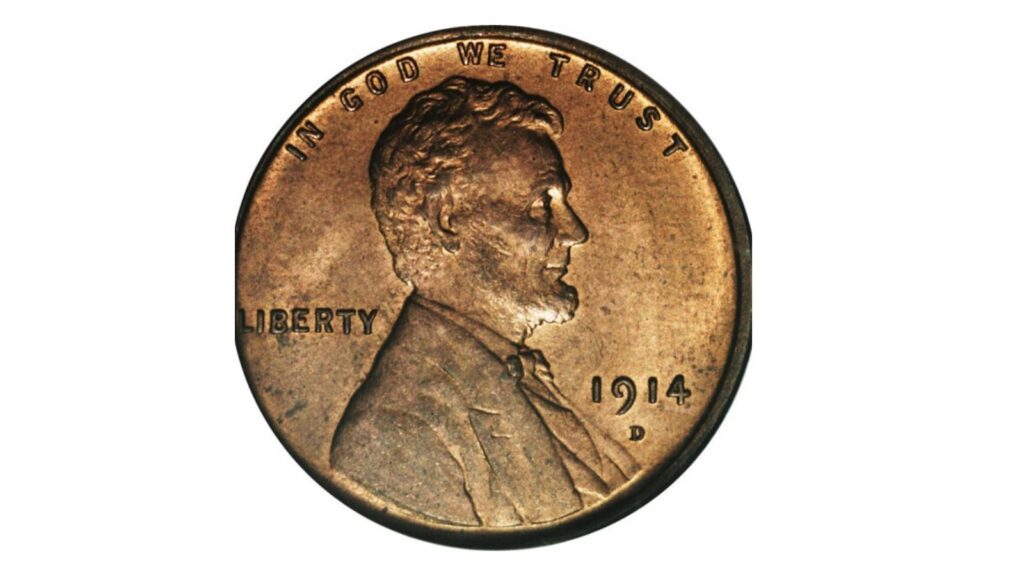
Ask a serious Lincoln cent collector which key date is genuinely hardest to find in nice condition, and plenty will skip past the famous 1909-S VDB and name this one instead. Denver struck a bit over a million cents in 1914, and very few survived decades of pocket circulation without picking up real wear.
Worn examples still carry a solid premium: expect $460 to $575 in VF20, climbing toward $850 to $1,200 by EF40. Once you get into uncirculated grades the price jumps hard, with clean mint state pieces reaching into the tens of thousands and the finest known examples valued between $66,000 and over $80,000 depending on grade.
This is also one of the most heavily counterfeited dates around. Fakes usually involve adding a fake D to a common Philadelphia 1914 cent, or reshaping the digits on a 1944-D to fool a quick glance. Genuine examples show a distinctive set of small circular marks inside the loop of the 9 in the date, a detail forgers routinely miss. Never buy this coin raw at a meaningful price. Certification here isn’t optional, it’s the whole transaction.
4. 1922 no D Lincoln cent, strong reverse
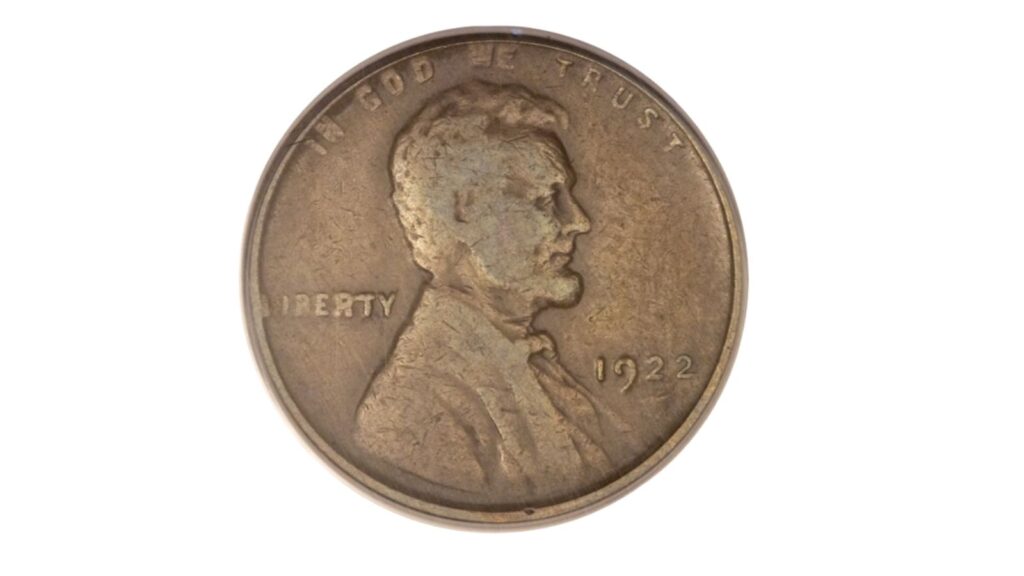
In 1922, Denver was the only mint striking Lincoln cents at all, and heavy demand wore out the dies fast. After a bad die clash damaged the obverse, a mint worker polished the die to fix it and accidentally polished away the D mint mark in the process. The result looks like a Philadelphia cent, except Philadelphia didn’t strike any cents that year.
The market on this variety is easy to see in the numbers. A well-worn Fine example is worth around $700 to $800, a problem-free XF example moves into four figures, and mint state examples have cleared $13,800 to $31,000 depending on how sharp the reverse looks. Collectors treat it as belonging in the same conversation as the 1909-S VDB and 1914-D.
Identification takes patience. Plenty of 1922 cents simply have a weak, worn mint mark rather than a genuinely absent one, and those are worth a small fraction of the real thing. Look for a reverse that’s noticeably sharper and better struck than the obverse, a slightly weaker second 2 in the date, and strong lettering in the word TRUST. Given how often weak-mintmark coins get passed off as the genuine article, get any serious example certified before paying real money.
5. 1931-S Lincoln cent
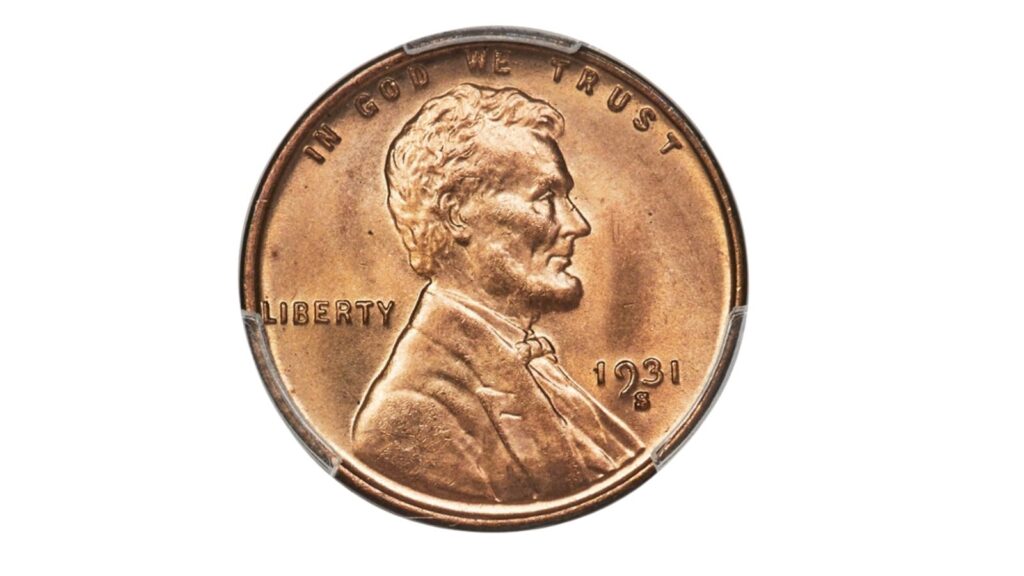
The Great Depression hit coin production hard, and San Francisco’s 1931 output tells the story. At 866,000 pieces, it’s the second-lowest mintage of any regular Lincoln cent, and word got out fast. Collectors and speculators bought up rolls and even full bags directly from banks while the coins were still fresh, which means uncirculated examples are actually easier to find today than honestly circulated ones.
A coin that shows real wear, evidence it once passed through pockets and cash registers rather than sitting in a collector’s roll, typically runs $92 to $155 depending on grade, while clean uncirculated pieces bring $217 and up. At the very top, gem examples with full original red color have reached as high as $42,000.
Because so many were hoarded straight from the bank, this date rewards checking any old accumulation of wheat cents rather than hoping to find one loose in change. The spread between grades is thinner than most Lincoln cents, so even a modest, honestly worn 1931-S is worth pulling aside and confirming rather than assuming it’s just another common 1930s cent.
6. 1955 doubled die obverse Lincoln cent
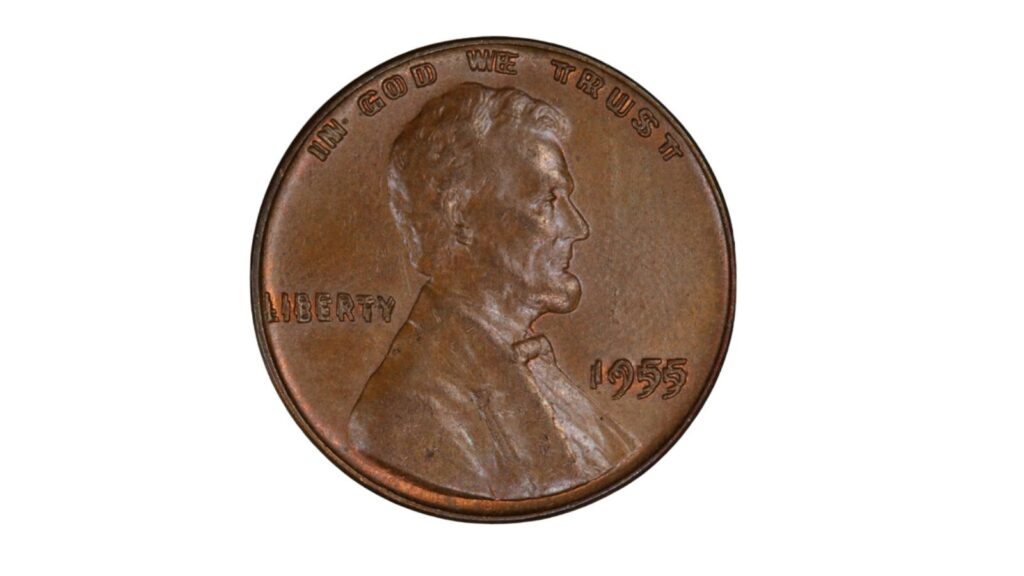
This is the coin that turned an entire generation into penny hunters. A die-making mistake in 1955 caused the date, LIBERTY, and IN GOD WE TRUST to show wide, unmistakable doubling on the obverse, no magnifying glass required. Roughly 24,000 slipped into circulation before anyone caught the error, most of them spent through vending machines and cigarette packs around Massachusetts and upstate New York.
Even worn examples that clearly show the doubling carry real value, averaging around $1,064 in circulated grades and climbing to $5,625 to $18,707 in uncirculated condition. The finest certified example on record is valued at $124,875.
Because so many collectors saved examples once word got out, this is genuinely one of the more attainable key varieties out there, and it remains a rite of passage for anyone building a Lincoln cent collection. Check that the doubling is crisp and spread evenly across all three elements rather than mushy or shifted, since several lesser die varieties get mistaken for the real thing. When in doubt, compare against a certified reference photo before assuming you’ve found the genuine article.
7. 1969-S doubled die obverse Lincoln cent
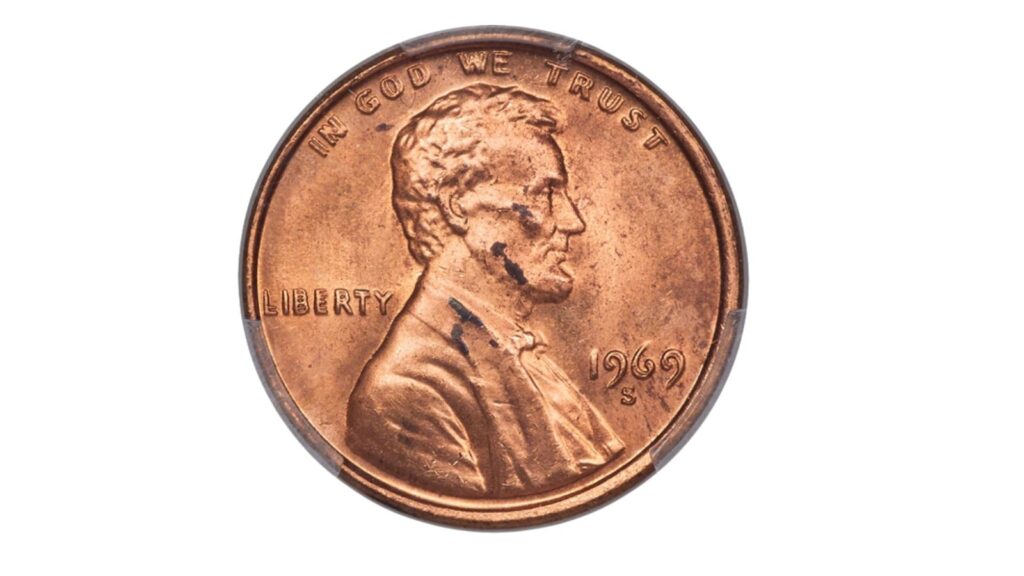
This coin’s discovery came with an unlikely twist: the Secret Service briefly investigated early examples as counterfeits before anyone realized they were genuine mint errors, a mix-up caused by an unrelated counterfeiting ring operating around the same time. The confusion only added to the legend once the coin’s authenticity was confirmed.
The doubling on the date and motto is dramatic enough to spot without magnification, and only an estimated 30 to 50 genuine examples are known to exist, all struck at the San Francisco mint. A PCGS-certified example in MS64 red is valued at $126,000, and circulated pieces that turn up in old rolls still bring low five figures. Because uncirculated rolls of 1969 cents remain in unopened storage in various collections, more examples could plausibly surface for decades to come.
Counterfeits of this variety are common and convincing, so no genuine example should ever change hands raw. If you think you’ve found one in an old roll, resist the urge to clean it or show it around, and send it straight to PCGS or NGC. A modest grading fee is nothing against what a confirmed example is worth.
8. 1972 doubled die obverse Lincoln cent
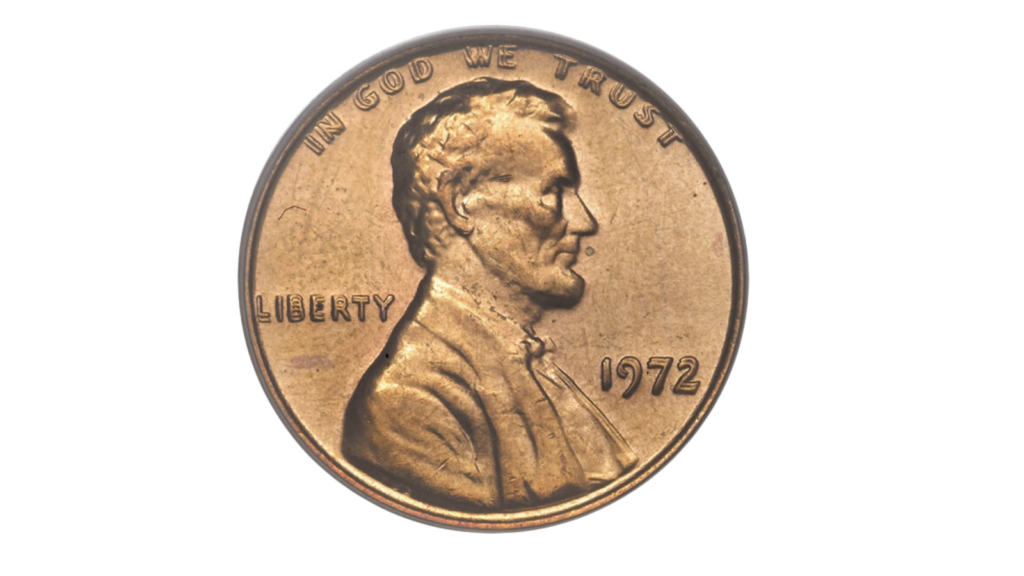
Unlike most doubled dies, you don’t need a loupe for this one. The doubling on the date, LIBERTY, and IN GOD WE TRUST is bold enough to see across the room, shifted noticeably toward the southwest of its normal position. Around 75,000 were struck before the mistake was caught, and a real number of those made it into circulation and change jars before anyone was looking for them.
Typical uncirculated examples of the major variety bring $721 and up, with gem-quality pieces reaching into four figures. Oddly enough, some of the minor 1972 doubled die varieties, ones with much weaker doubling that most collectors would overlook, have actually outpriced the famous major variety at the same grade, with one bringing nearly $22,000 against roughly $1,500 for the well-known version.
Knowing which variety you’re holding matters more than it might seem. Compare the doubling against a reference photo before assuming you’ve found the major type, since several distinct 1972 doubled dies exist with very different values. Circulated examples with honest wear are still worth pulling aside, since this is a coin that genuinely does turn up decades after it was struck.
9. 1983 doubled die reverse Lincoln cent
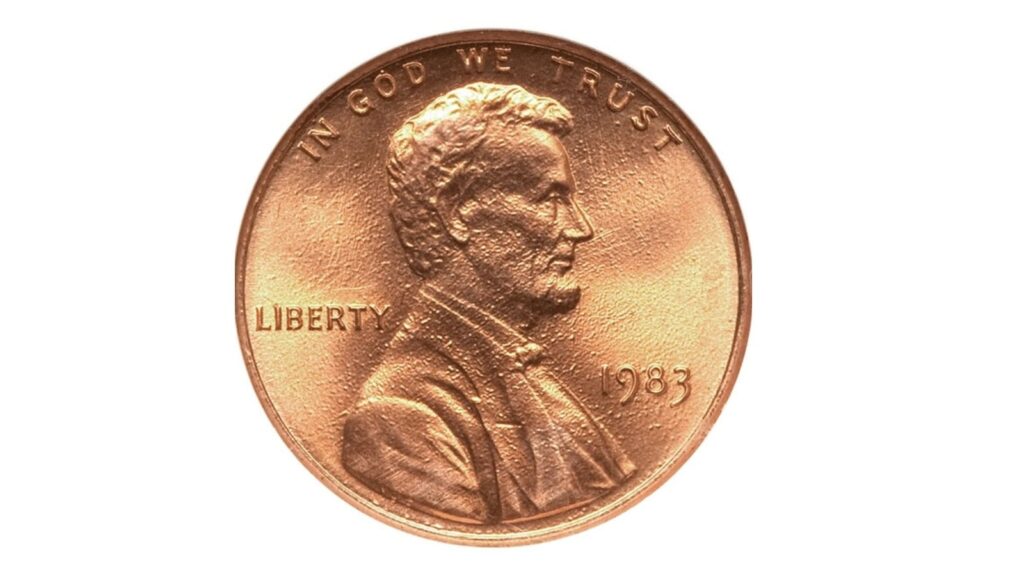
Most doubled dies on Lincoln cents hit the obverse. This one is the exception, with doubling spread clearly across UNITED, E PLURIBUS UNUM, and ONE CENT on the reverse instead, strong enough to see without magnification once you know where to look.
Wholesale pricing gives a good sense of the range: examples in MS64 red trade around $275 to $290, MS65 pieces sit near $300, MS66 climbs to roughly $385, and the rare MS67 has traded near $1,000. Circulated examples exist too and carry a real premium over face value, though nowhere near what uncirculated pieces bring.
Given how enormous the 1983 mintage was overall, finding a genuine doubled die reverse among billions of ordinary coins is a satisfying bit of needle-in-a-haystack work. Check the reverse lettering under a loupe for a clean, doubled outline rather than a flat, shelf-like smear, which usually signals worthless machine doubling instead. Full red color adds a meaningful premium at every grade level, so don’t write off a toned or brown example, it’s still collectible, just worth less than a bright one.
10. 1995 doubled die obverse Lincoln cent
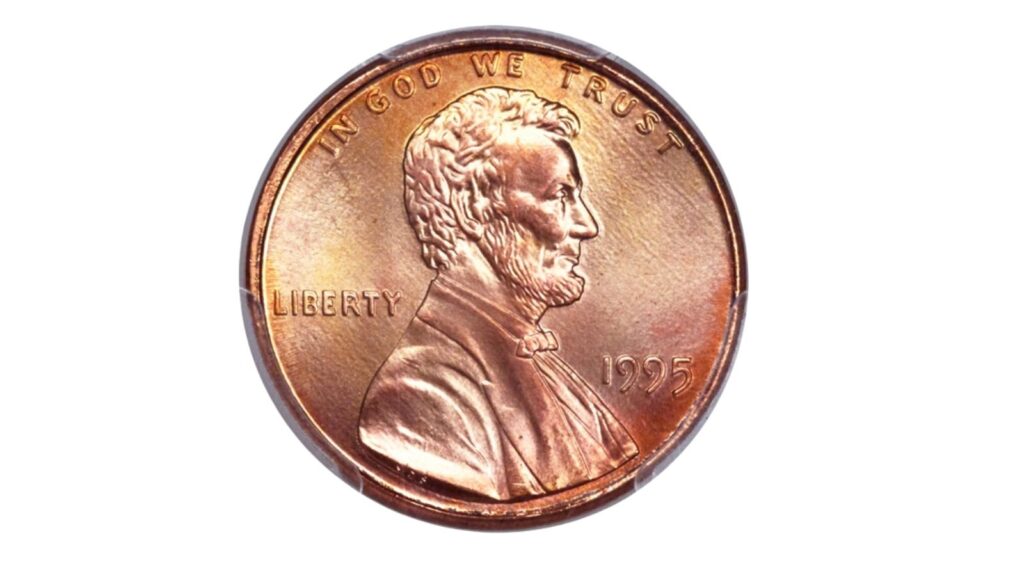
By 1995, this kind of dramatic doubling was already becoming a relic. Soon after this error was discovered, the Philadelphia and Denver mints switched to a single-hub production process that essentially eliminated the possibility of major doubled dies going forward, which makes this the last of its kind.
When collectors first spotted the doubling on LIBERTY and IN GOD WE TRUST, examples were commanding up to $300 apiece. As word spread and tens of thousands more turned up in bank rolls, prices settled down fast. Today a typical circulated to modest uncirculated example brings $61 and up, with the finest certified pieces reaching several hundred dollars. The Denver version of the same error is dramatically scarcer and sells for hundreds of dollars even in worn condition, a detail plenty of casual collectors miss.
Because the Philadelphia version was struck in large enough numbers to stay affordable, this is a genuinely good starter coin for anyone getting into error collecting. The doubling should be legible on both LIBERTY and the motto at once. A coin that only shows it on one element is more likely a lesser, less valuable variety.
11. 1944 steel Lincoln cent
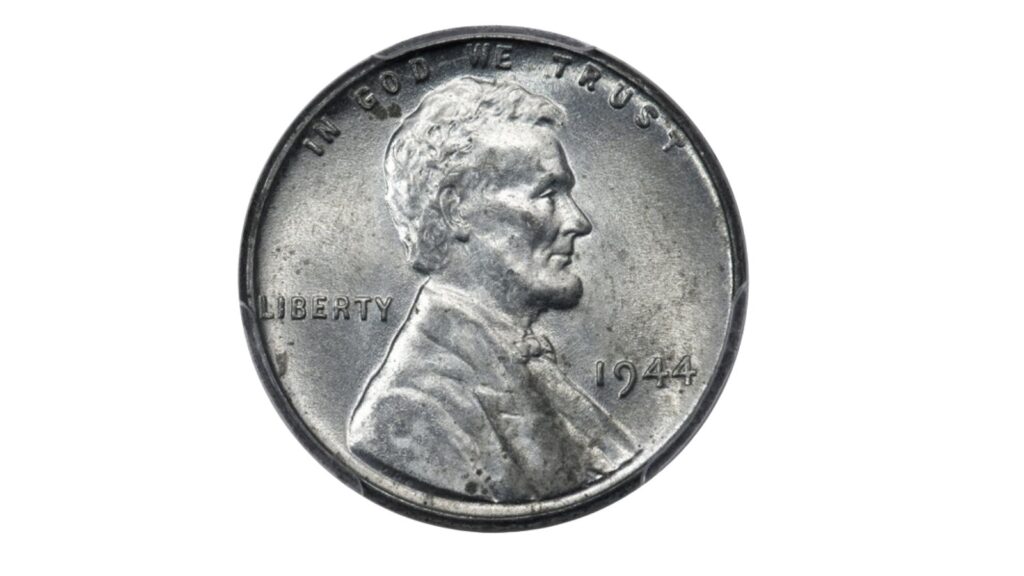
Weigh it before you get excited. A genuine bronze 1944 cent weighs 3.11 grams and a genuine steel one weighs 2.70 grams, and the steel version is the one worth real money here. This is the mirror image of the famous 1943 error: after the Mint switched back to bronze planchets in 1944, a small number of leftover 1943 steel planchets got fed into the presses by mistake.
The numbers are brutal. Roughly 27 to 30 examples are known from Philadelphia, 7 to 10 from Denver, and just 2 confirmed from San Francisco. Depending on mint and grade, values run from around $25,000 for well-circulated pieces past $150,000 for sharp uncirculated examples, with the rarest San Francisco pieces reaching well into six figures beyond that.
The magnet test works here too, just backward from 1943: a 1944 cent that sticks to a magnet is the one to investigate. Most magnetic 1944 cents sold online turn out to be plated fakes, so authentication through PCGS or NGC isn’t a formality, it’s the only way anyone will take an offer seriously. Given the numbers involved, don’t rush to sell to the first buyer who shows interest.
12. 2019-W Lincoln cent
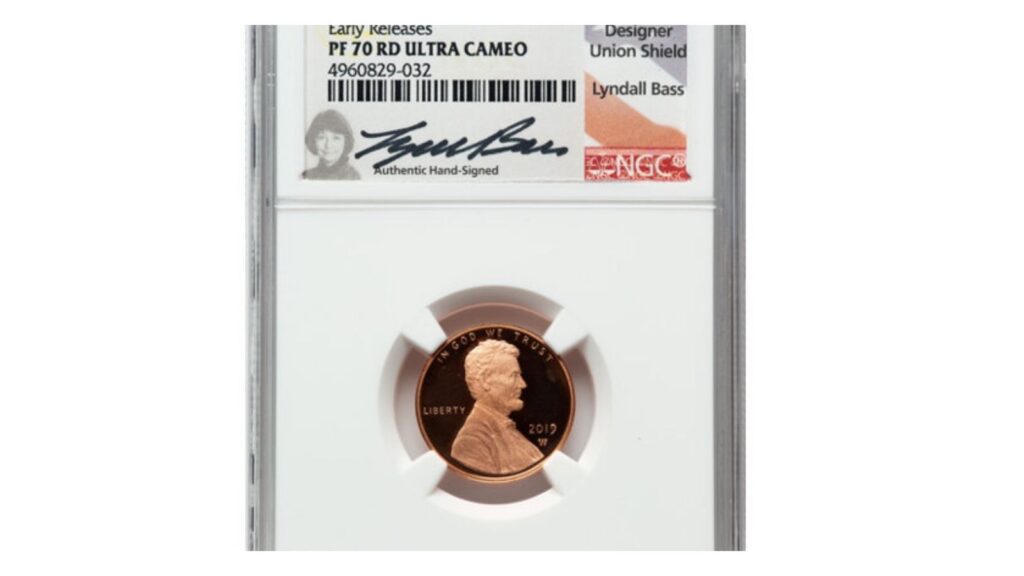
Here’s one that doesn’t require decades of hunting through old jars. In 2019, the West Point mint struck Lincoln cents for the first time in the series’ history, marked with a small W below the date. They weren’t released for general circulation the way an ordinary penny is. Instead, a small number were tucked into that year’s annual uncirculated mint sets as a bonus coin, with proof and reverse proof versions available separately.
An uncirculated example straight from a broken-up mint set typically brings $12 and up, which is still over a thousand times face value for a coin that plenty of people already own without realizing it. Certified examples in the very top grade, MS70 red, are valued at $838.
If you or a relative bought a mint set that year, or picked one up as a gift, it’s worth digging out and checking rather than assuming it’s just a novelty. Keep it in its original mint packaging if you can, since handling and cleaning both knock down the grade fast, and a coin that’s spent years loose in a drawer usually shows it.
Check the dates and the mint marks before you write off that jar of change. A magnet, a loupe, and a few minutes are all it really takes.











