
Half of all electricians in the country made more than $63,190 last year, which works out to a little over $30 an hour, and most of them never sat in a four-year classroom to get there. They apprenticed, got paid while they learned, and walked out with a skill that keeps a steady paycheck coming in for decades.
That same pattern holds across every trade on this list. Pipefitters, millwrights, wind turbine technicians, and the line workers who keep the power grid running all share the same basic deal: real, physical, skilled work that pays comfortably more than minimum wage almost everywhere in the country, with plenty of room to climb past $40 or even $50 an hour once you have a few years in.
None of them require a bachelor’s degree. Most of them pay you to train. And from utility companies to aircraft hangars to wind farms, the people hiring for these jobs cannot find enough qualified workers to fill the openings.
Table of contents
- Electricians
- Plumbers, pipefitters, and steamfitters
- Heavy vehicle and mobile equipment service technicians
- Industrial machinery mechanics
- Millwrights
- Structural iron and steel workers
- Wind turbine service technicians
- Boilermakers
- Stationary engineers and boiler operators
- Aircraft mechanics and service technicians
- Avionics technicians
- Pile driver operators
- Commercial and industrial electrical and electronics repairers
- Electrical power-line installers and repairers
- Powerhouse, substation, and relay electrical repairers
Electricians
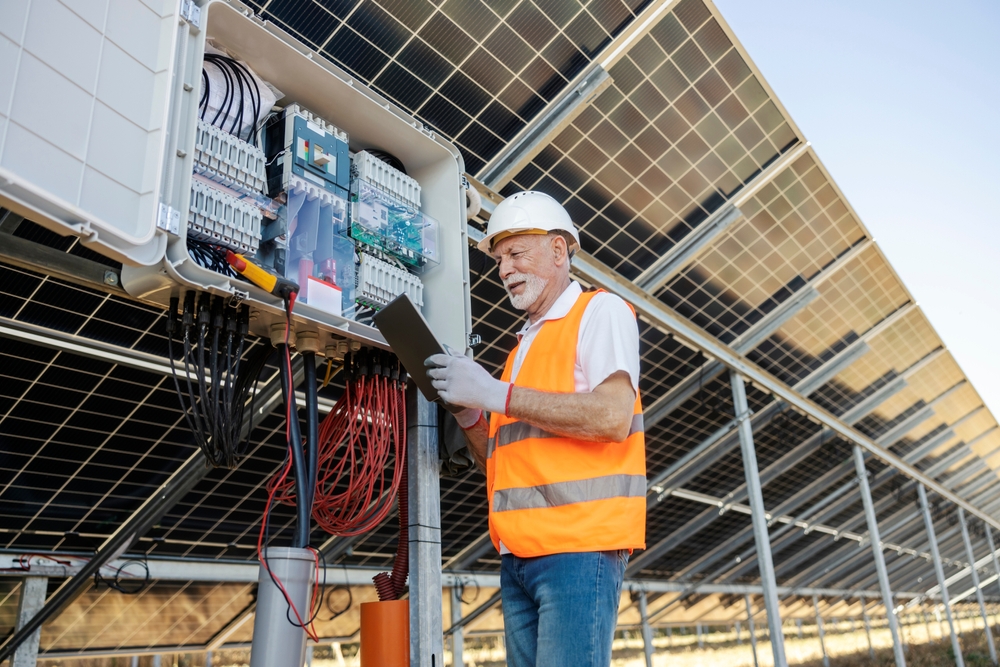
Half of the country’s electricians earn more than $63,190 a year, and the top earners clear considerably more once they have a journeyman license and a specialty, like industrial controls, low-voltage systems, or solar hookups. The work covers new construction, renovation, and the steady, unglamorous business of fixing what breaks: a tripped panel, a dead outlet, wiring a previous owner ran wrong twenty years ago.
Apprenticeships typically run four to five years and pay a rising wage the entire time, so there is no unpaid stretch spent living on noodles while you learn. By the time an apprentice is licensed, they are already earning close to what the job pays long term. About 72,700 openings a year are projected through 2035, mostly because electricians are retiring faster than new ones are coming up through apprenticeship programs.
Demand is not limited to new housing, either. Data centers, EV charging networks, and aging grid infrastructure all need electricians, and none of that work can be done from a laptop.
Plumbers, pipefitters, and steamfitters

A licensed plumber brings in a median of $63,800 a year, a little under $31 an hour, and the ceiling is higher for anyone who moves into pipefitting or steamfitting work on industrial and commercial jobs. Pipefitters and steamfitters assemble and repair the high-pressure piping systems that keep factories, refineries, and power plants running, and that work tends to pay better than residential plumbing once someone has the certifications for it.
Every one of these trades runs on an apprenticeship, usually four to five years of paid, supervised work combined with classroom instruction in blueprint reading, welding, and local plumbing codes. Nobody is handing a journeyman card to someone who watched a few online videos, which keeps the field from getting flooded and keeps wages where they are.
About 42,000 openings a year are projected through 2035. A good chunk of that comes from construction growth, but most of it comes from retirements in a workforce that is older, on average, than most skilled trades.
Heavy vehicle and mobile equipment service technicians
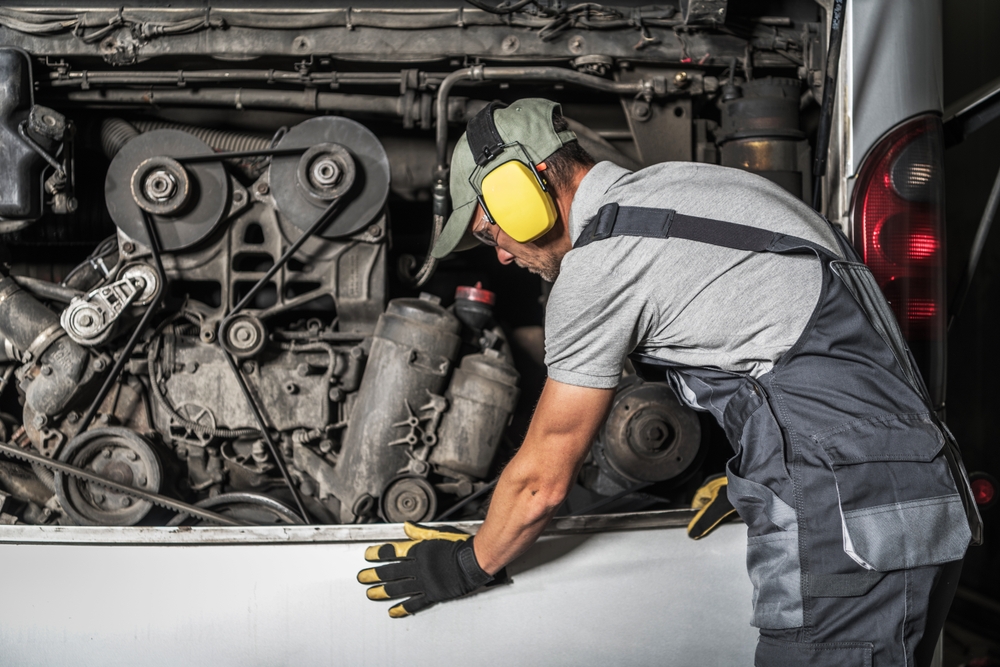
Keeping a fleet of delivery trucks, farm equipment, or construction machinery running is a full-time job on its own, and the people who do it earn a median of $63,850 a year, just over $30 an hour. These technicians work on hydraulic systems, diesel engines, electrical systems, and increasingly the computer diagnostics built into modern equipment, which makes the job closer to systems troubleshooting than simple wrench turning.
Training runs through a mix of employer apprenticeships and community college programs, usually one to two years, and most shops will hire someone with the right aptitude and finish training them on the job. Farm equipment dealers, construction companies, and trucking fleets all compete for the same small pool of qualified technicians, which keeps pay moving upward.
Employment is projected to grow 7 percent through 2035, adding roughly 17,100 jobs on top of about 20,300 openings projected every year from turnover alone. None of that equipment fixes itself, and none of it will anytime soon.
Industrial machinery mechanics
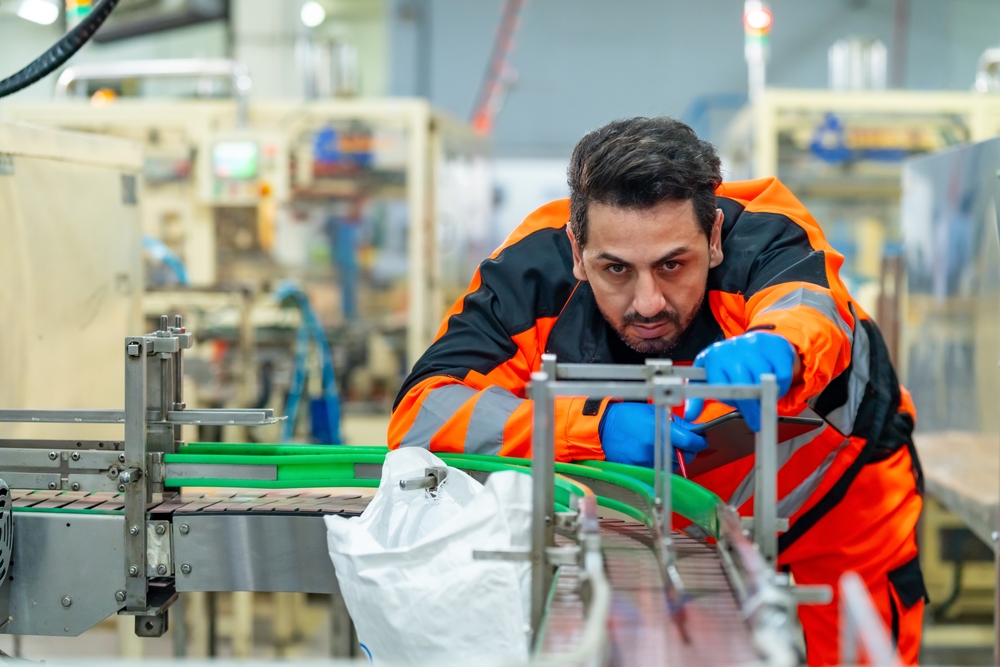
Factories, warehouses, and processing plants run on conveyor systems, hydraulic presses, and robotics that all eventually break, and industrial machinery mechanics are the ones who get them running again. The median pay is $64,520 a year, a little over $31 an hour, and plants that run around the clock often pay a shift differential on top of that for nights and weekends.
Ironically, the more automated a factory gets, the more it needs this trade, since robotics and automated systems require mechanics who understand both the mechanical and electronic sides of the equipment. Most employers train on the job or through a technical college program, and some manufacturers run their own in-house apprenticeships specifically to build a pipeline of qualified mechanics.
Employment in this occupation is projected to grow 18 percent from 2025 to 2035, among the faster growth rates of any trade on this list, as more plants automate and need skilled people to keep that automation running.
Millwrights
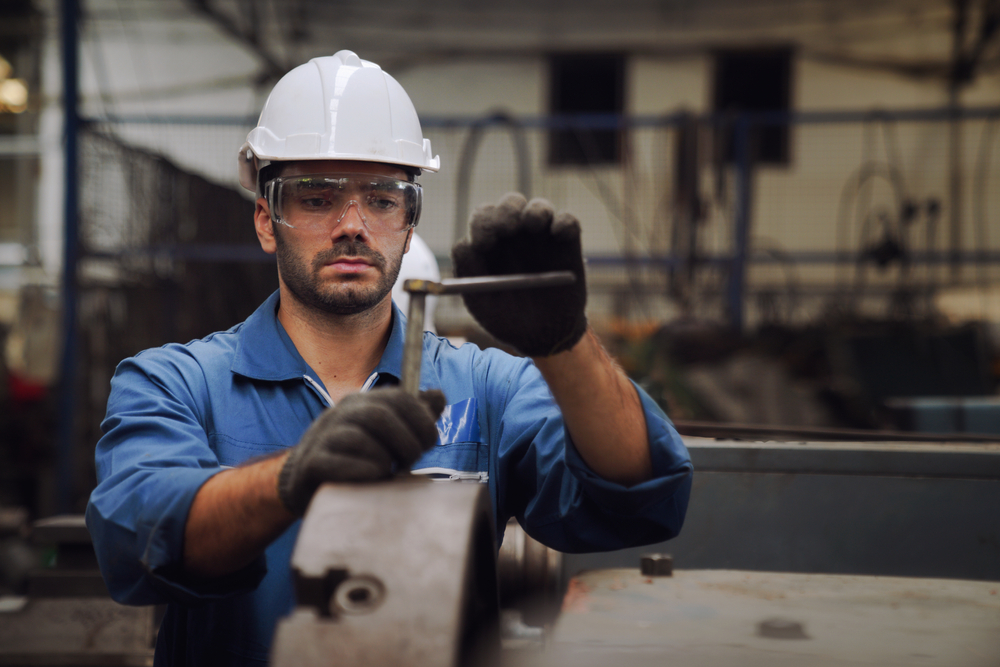
Millwrights install and align the heavy industrial machinery that other trades later maintain, which makes the two occupations close cousins but distinct jobs. A millwright might spend a week setting a turbine onto its foundation with laser alignment tools accurate to a few thousandths of an inch, then move to the next plant and do it again. Median pay sits at $65,700 a year, close to $31.60 an hour.
Precision is the whole job. A turbine or compressor that is off by a hair can vibrate itself apart within months, so millwrights train for years, often through a four-year apprenticeship run by a trade union, before they are trusted with the most critical installations. That training bottleneck is part of why experienced millwrights are in steady demand at manufacturing plants, power stations, and paper mills nationwide.
Growth in the occupation itself is modest, projected at just 1 percent through 2035, but that number undersells the demand. Most of the hiring comes from replacing millwrights who retire after decades in plants that cannot run without someone in that role.
Structural iron and steel workers
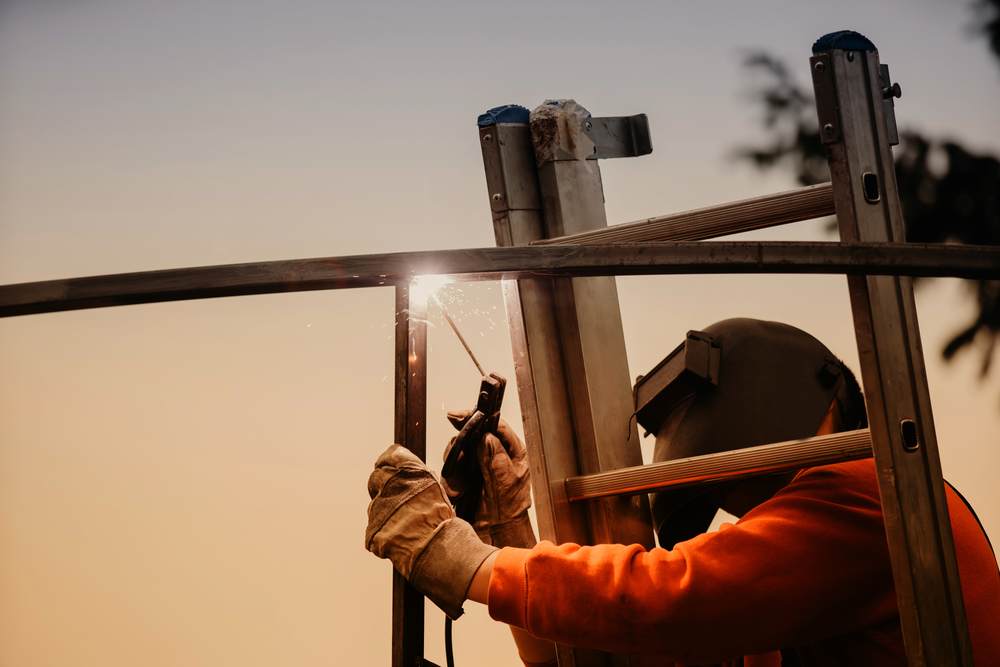
Ironworkers raise the steel skeletons of bridges, stadiums, and high-rise buildings, often hundreds of feet in the air with nothing but a harness and a lot of trust in their own footing. It is one of the more physically demanding trades on this list, and the pay reflects it: a median of $62,780 a year, a little over $30 an hour, with higher scale pay on union jobs in major cities.
Most ironworkers come up through a three to four-year apprenticeship that combines paid fieldwork with classroom instruction in rigging, welding, and blueprint reading. The trade has a reputation for weeding people out fast. The ones who stay tend to stay for decades, which creates a steady stream of retirements that newer workers step into.
Employment is projected to grow a modest 3 percent through 2035, but infrastructure spending on bridges and public buildings, combined with those retirements, keeps crews hiring in most major markets.
Wind turbine service technicians
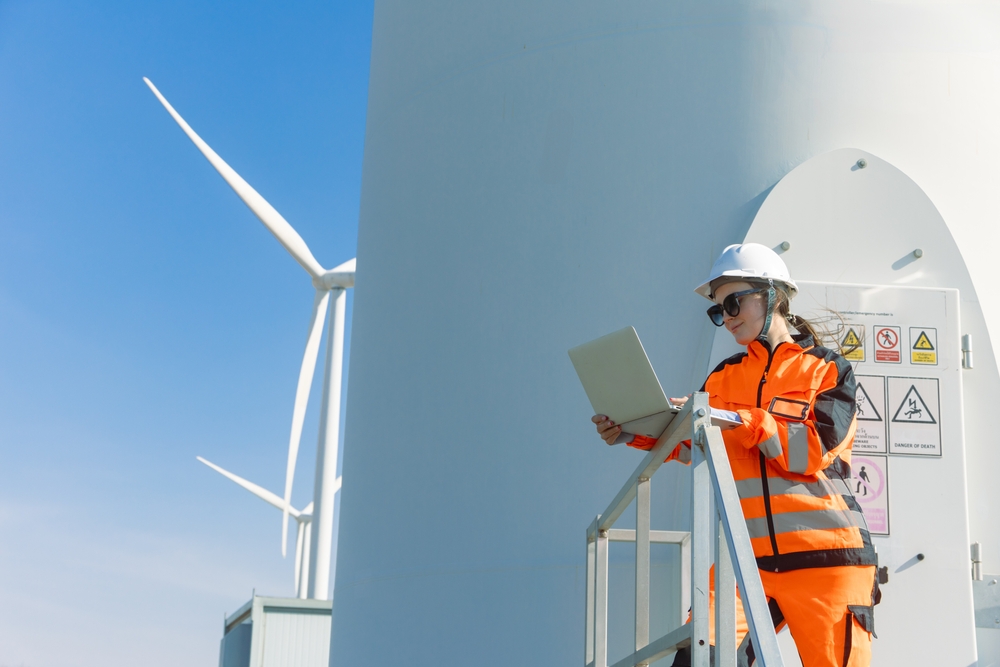
Climbing a turbine tower that can run 300 feet tall and troubleshooting the gearbox, blades, and electrical systems at the top is not a job for everyone, but it is one of the fastest-growing trades in the country. Median pay is $64,120 a year, close to $31 an hour, often with per diem pay added on top for techs who travel between wind farms.
Most technicians train through a one to two-year community college program built specifically around wind energy, sometimes in partnership with the turbine manufacturers themselves, and several of those programs place the large majority of their graduates directly into jobs. The work is physically demanding and the climbing is non-negotiable, but it does not require a four-year degree or years of unpaid apprenticeship before the real pay kicks in.
This occupation is projected to grow 30 percent from 2025 to 2035, among the fastest growth rates of any skilled trade in the country.
Boilermakers

Boilermakers build and repair the massive pressure vessels, tanks, and boilers that power plants, refineries, and large industrial facilities depend on, work that involves heavy steel, precision welding, and often confined spaces inside the vessel itself. It is a small trade, with only about 10,200 boilermakers working nationwide, and it pays like one: a median of $76,410 a year, close to $37 an hour.
The path in runs through a four to five-year apprenticeship, usually sponsored by a trade union, that combines paid fieldwork with welding certifications most other trades do not require. Because the work is so specialized, boilermakers often travel between job sites, following outages and maintenance shutdowns at power plants and refineries across several states.
The occupation itself is shrinking slightly, projected to decline 2 percent through 2035 as some older plants close. Even so, around 700 openings are projected every year, almost entirely from boilermakers retiring out of a trade that still needs someone to do this exact work wherever a pressure vessel needs fixing.
Stationary engineers and boiler operators
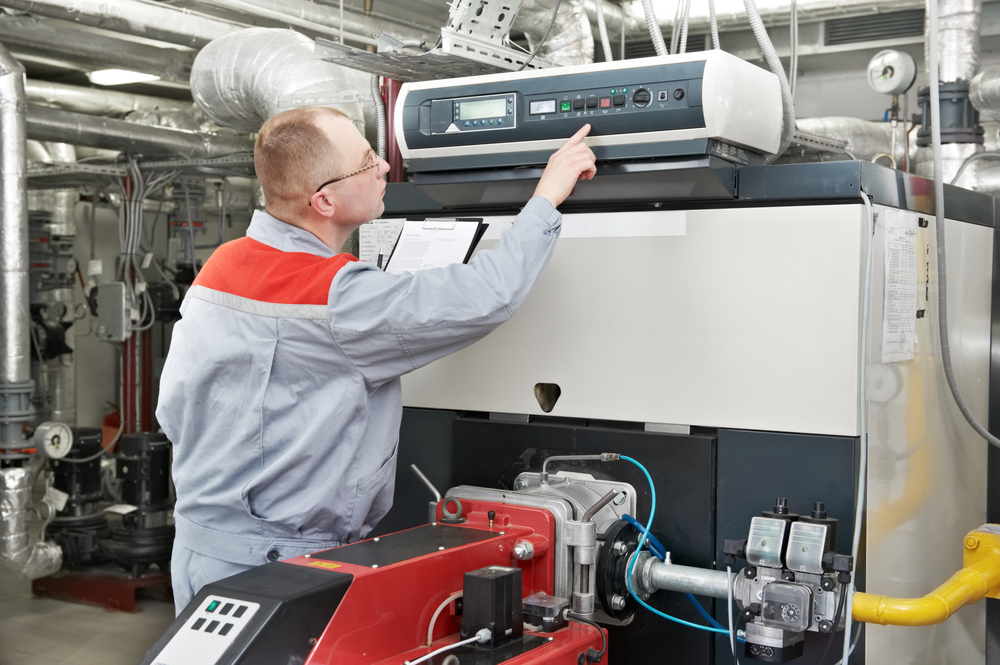
Large buildings, hospitals, and manufacturing plants all run on mechanical systems that someone has to monitor and keep operating safely around the clock: boilers, chillers, generators, and HVAC systems that cannot simply be left alone. Stationary engineers and boiler operators are the ones watching those systems, and median pay for the role is $78,620 a year, close to $38 an hour.
Licensing requirements vary significantly by city and state, with some jurisdictions requiring a boiler operator’s license earned through a formal apprenticeship or union training program, while others accept documented work experience. Either way, the role carries real responsibility, since a poorly maintained boiler or pressure system is a genuine safety hazard, and that responsibility is part of why the pay runs higher than many other trades on this list.
Growth is projected at 3 percent through 2035, with roughly 3,200 openings a year, mostly in hospitals, universities, and manufacturing facilities that need someone on-site at all hours.
Aircraft mechanics and service technicians

Every commercial flight that takes off has been inspected, maintained, or repaired by a certified aircraft mechanic, and the Federal Aviation Administration does not let that work slide. Median pay for aircraft mechanics and service technicians is $79,870 a year, a little over $38 an hour, and mechanics working on larger commercial aircraft for major airlines typically earn toward the higher end of that range.
Getting certified means completing an FAA-approved aviation maintenance program, usually around two years, and passing a battery of written, oral, and practical exams. It is a slower, more regulated path into a trade than most, but it leads to a license that transfers across the country and a job that physically cannot be automated away, since every repair has to be signed off by a certified human mechanic.
Employment is projected to grow 5 percent through 2035, and the combined aircraft and avionics occupation group accounts for about 13,100 openings a year as an aging mechanic workforce retires faster than training programs are replacing it.
Avionics technicians
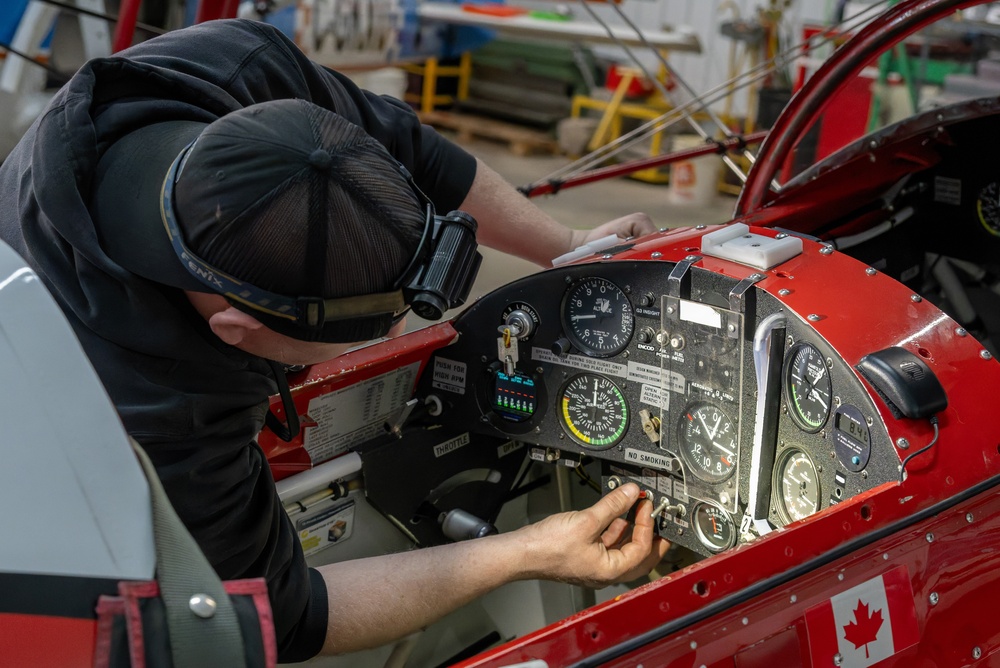
Avionics technicians work on the electronic guts of an aircraft: navigation systems, radar, autopilot, and the increasingly complex computer systems that fly modern planes. It is close cousin work to aircraft mechanics but a distinct specialty, closer to electronics troubleshooting than mechanical repair, and it pays accordingly. Median pay is $82,280 a year, close to $39.50 an hour, among the higher-paying trades on this list.
Training follows a similar FAA-regulated path to aircraft mechanics, through an approved aviation maintenance program and certification exams, though avionics-specific coursework leans harder into electrical systems and avionics software. Airlines, defense contractors, and private aviation companies all compete for a limited supply of certified technicians.
The occupation is projected to grow 9 percent through 2035, faster than aircraft mechanics generally, as aircraft electronics grow more complex and need more specialized people to maintain them. Roughly 19,800 avionics technicians work nationwide, a small, tight-knit field where qualified people rarely stay out of work for long once they are certified.
Pile driver operators
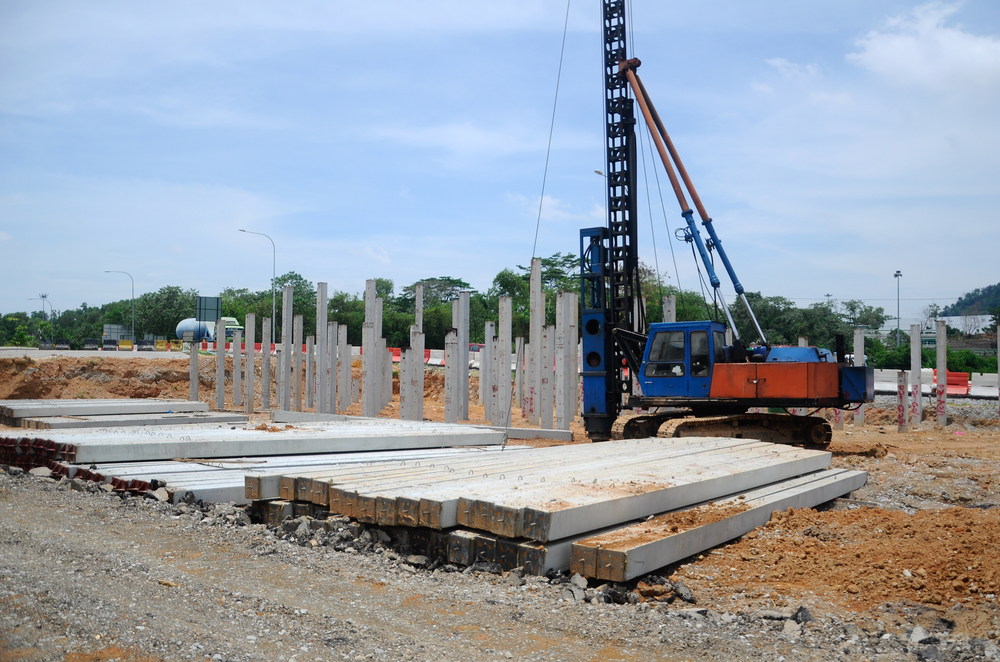
Before a bridge, high-rise, or pier can go up, something has to drive the foundation piles deep into the ground to support it, and that is a pile driver operator’s job. It is one of the smaller and more specialized trades in construction, with only about 2,300 operators working nationwide, and it pays well for a reason: median pay runs $73,300 a year, north of $35 an hour.
Most operators come up through a heavy equipment operator apprenticeship or union training program, often after spending time on other construction equipment first, since pile driving requires a feel for the machinery that takes real experience to develop. It is precise, high-stakes work. A pile set at the wrong depth or angle can compromise an entire foundation.
Employment in this specific role is projected to decline 6 percent through 2035 as some pile driving work shifts to newer equipment that requires fewer operators per crew, but that has not pushed wages down. Skilled operators are still hard to find, and large infrastructure and commercial projects still need them.
Commercial and industrial electrical and electronics repairers

Factories and large commercial facilities run on electrical and electronic control systems that require a different skill set than residential electrical work: programmable logic controllers, industrial sensors, and the automated systems that keep a production line moving. The people who repair this equipment earn a median of $74,090 a year, close to $35.60 an hour.
Most repairers train through a two-year electronics or industrial technology program, and many employers provide additional on-the-job training specific to the equipment running in their facility. The work sits at the intersection of electrical theory and computer logic, which keeps it out of reach for anyone without real technical training, and keeps it harder to automate away than more repetitive manufacturing roles.
Overall employment in this occupation is projected to hold roughly flat through 2035, but that stability is itself part of the appeal: a steady, well-paid trade with a manageable training path and consistent demand from any facility that runs industrial equipment.
Electrical power-line installers and repairers
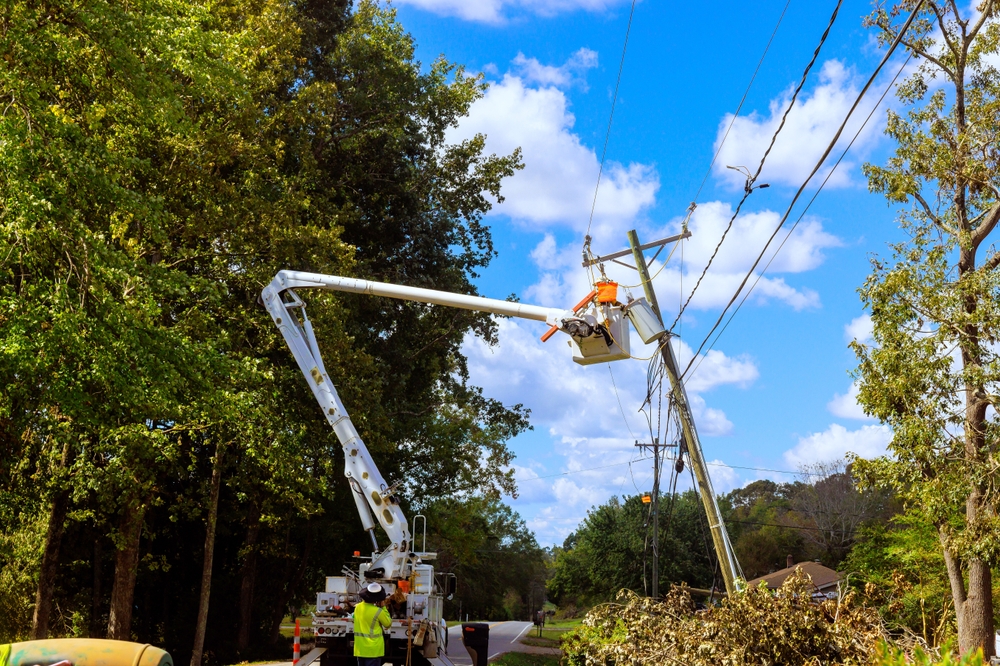
Climbing a utility pole or working from a bucket truck on a high-voltage transmission line is not a trade for the faint of heart, and the pay reflects both the risk and the skill involved. Median pay for electrical power-line installers and repairers is $95,320 a year, close to $46 an hour, among the highest-paying trades that do not require a college degree.
Most line workers come up through a utility-sponsored apprenticeship, typically three to four years, that combines paid fieldwork with safety training around high-voltage equipment. Utilities take that safety training seriously, since the margin for error around live power lines is essentially zero, and that rigor is part of why the trade pays as well as it does.
Growth is projected at 10 percent through 2035, adding an estimated 13,600 jobs, with roughly 10,900 openings projected every year as the grid gets upgraded for EV charging demand, renewable energy, and basic storm resilience that keeps getting more urgent.
Powerhouse, substation, and relay electrical repairers

The highest-paid trade on this list maintains the equipment that keeps the electrical grid itself running: the transformers, circuit breakers, and relay systems inside power plants and substations that most people never see and never think about until the power goes out. Median pay is $103,020 a year, close to $49.50 an hour.
Utilities train almost all of these repairers in-house, through multi-year apprenticeships that combine classroom instruction in electrical theory with hands-on work inside live substations under close supervision. It is some of the most consequential electrical work there is. A mistake inside a substation can black out a whole section of a city, and the training reflects that.
Employment is projected to grow 10 percent through 2035, adding about 2,000 jobs to a workforce of just under 21,000 nationwide, as aging grid infrastructure gets modernized and utilities compete hard for a small pool of qualified repairers.
None of these trades require sitting through four years of lecture halls, and all of them pay a working wage from the day training starts. The people doing them are not worried about a chatbot showing up to take their spot on the crew.











