
If you’re the person who opens the panel, checks the leak, listens for the weird sound, or wants to know why the machine stopped, that skill can pay better than a lot of office jobs.
The job market feels strange right now. Some white-collar jobs are shaky, and plenty of “easy remote work” is crowded. Hands-on repair work is different because broken systems still need a real person with tools, judgment, and nerve.
These jobs are specific, practical, and built around fixing real things. Most pay at least around $30 an hour, and many can go much higher with licenses, overtime, travel, union work, or specialty training.
Table of contents
- 1. Wind turbine service technician
- 2. Elevator and escalator installer and repairer
- 3. Aircraft maintenance technician
- 4. Avionics technician
- 5. Medical equipment repairer
- 6. Industrial machinery mechanic
- 7. Millwright
- 8. Electrical power-line installer and repairer
- 9. Substation and relay repair technician
- 10. Signal and track switch repairer
- 11. Control and valve repairer
- 12. Automation controls technician
- 13. CNC field service technician
- 14. Data center support technician
- 15. Fire alarm service technician
- 16. Marine diesel mechanic
- 17. Electric vehicle technician
- 18. Rope access repair technician
- Discover job hunting tips, ways to earn more, and flexible working options:
1. Wind turbine service technician

Wind turbine service technicians climb towers, inspect blades, replace worn parts, troubleshoot electrical faults, and keep turbines producing power. It is not a calm little repair job in a shop. You’re working high above the ground, often in heat, cold, and wind, with safety gear and a tight checklist.
Median pay is $62,580 per year, and the field is one of the fastest-growing hands-on careers. That makes it a strong fit for people who want repair work that feels modern without being stuck at a desk.
Most people start with a technical school program or wind energy certificate, then get on-the-job training. If you like electrical systems, mechanical problems, and work that changes from day to day, this is a real option. The machines are remote, dangerous, and expensive, which keeps skilled techs valuable.
2. Elevator and escalator installer and repairer

Elevator and escalator repair is for people who like puzzles with real pressure attached. You work on motors, cables, hydraulics, controls, brakes, doors, sensors, and safety systems. When an elevator stops working in a hospital, office tower, apartment building, or airport, people notice fast.
Median pay is $106,580 per year, which is why this trade is so competitive. The work usually starts with a paid apprenticeship, and licensing rules are common because safety matters so much.
This is not a quick-entry job, but it is one of the best-paying fix-it careers around. It rewards people who are patient, careful, and not afraid of heights, cramped spaces, or after-hours calls. Buildings keep getting taller and older systems still need modernization, so good repair techs stay needed.
3. Aircraft maintenance technician

Aircraft maintenance technicians inspect and repair planes before they carry passengers, cargo, or medical crews. You may work on engines, landing gear, fuel systems, brakes, controls, and warning systems. It takes a detail-heavy mind because small mistakes can become serious fast.
Median pay for aircraft mechanics and service technicians is $78,680 per year. Many people train through aviation maintenance schools, military experience, or employer-backed paths that lead toward federal certification.
This job fits people who like machines but want more precision than a typical garage role. Airlines, repair stations, manufacturers, cargo carriers, and charter operators all need mechanics. Software can flag problems, but someone still has to inspect the aircraft, turn the wrench, sign off the repair, and stand behind the work.
4. Avionics technician

Avionics technicians fix the electronic systems that help aircraft navigate, communicate, monitor weather, and operate safely. You may troubleshoot radar, radios, autopilot systems, displays, wiring, sensors, and flight-control electronics. It is a good fit if you like electronics more than engines, but still want hands-on work.
Median pay is $81,390 per year. Many workers come through aviation maintenance programs, electronics training, military avionics experience, or specialized certifications.
Planes are only getting more electronic, which keeps this work important. Avionics techs work for airlines, repair stations, manufacturers, defense contractors, cargo operators, and private aviation companies. This role calls for patience, clean documentation, and the ability to trace a fault through a maze of wires and signals.
5. Medical equipment repairer

Medical equipment repairers, often called biomedical equipment technicians, fix the machines hospitals and clinics count on every day. That can mean patient monitors, infusion pumps, imaging equipment, electric beds, sterilizers, wheelchairs, and lab devices. When a machine is down, patient care can slow down with it.
Median pay is $62,630 per year. Entry paths vary, but many workers have an associate degree, military electronics training, manufacturer training, or experience repairing electronics and mechanical systems.
This is a smart repair career for someone who wants purpose without becoming a nurse or doctor. Hospitals, clinics, equipment makers, and service contractors all need people who can keep medical devices safe and running. The work is too physical, regulated, and patient-adjacent to hand off to software.
6. Industrial machinery mechanic

Industrial machinery mechanics repair the equipment that keeps factories, food plants, warehouses, and production lines moving. You may replace bearings, align belts, fix pumps, adjust sensors, troubleshoot motors, and figure out why a machine keeps shutting down at the worst possible time.
Median pay for this group is $63,510 per year, and job growth is projected to be much faster than average. That is a solid sign for people who want hands-on work with steady demand.
This job often starts with trade school, mechanical experience, military maintenance, or a paid trainee role. It suits people who like noise, motion, tools, and solving problems under pressure. More automation in factories can actually help this role, because somebody has to repair the automated equipment when it fails.
7. Millwright

Millwrights install, move, repair, and align heavy industrial machines. This is a bigger, more rugged cousin of general machinery repair. You might work with turbines, conveyors, compressors, robotic production cells, packaging lines, or massive equipment that has to be placed within tight tolerances.
Median pay for millwrights is $65,170 per year. Many workers train through apprenticeships, union programs, industrial maintenance certificates, or years of shop-floor mechanical work.
This is a strong fit if you like solving physical problems and do not mind hard work. Millwrights show up in manufacturing plants, power facilities, refineries, construction sites, and large equipment repair firms. The job is hands-on, technical, and hard to fake, because the machine either runs right or it doesn’t.
8. Electrical power-line installer and repairer

Power-line repairers build and fix the lines that carry electricity to homes, businesses, hospitals, and factories. The work can mean climbing poles, working from bucket trucks, replacing transformers, repairing storm damage, and handling high-voltage systems where shortcuts are not an option.
Median pay is $92,560 per year, and the occupation is projected to grow faster than average. Overtime and emergency work can push earnings higher, but the trade is physically demanding and risky.
Most people enter through line schools, utility training programs, or apprenticeships. This job fits people who can follow safety rules, handle heights, and work outside in rough conditions. The grid needs constant repair, upgrades, and storm response, so skilled lineworkers remain hard to replace.
9. Substation and relay repair technician

Substation and relay repair technicians work on the hidden electrical systems that keep power flowing. They inspect, test, repair, and maintain relays, breakers, transformers, panels, and other equipment inside substations and power facilities. It is cleaner than some trades, but the voltage is serious.
Median pay is $100,940 per year. Many workers build up from electrical work, utility maintenance, military power systems, or electronics training, then add employer-specific and safety training.
This is a good path for someone who likes electrical troubleshooting but wants a specialty beyond basic wiring. Utilities, contractors, power plants, and industrial facilities need these workers because grid equipment must be tested and repaired on a schedule. The job depends on judgment, field testing, and careful hands, not guesswork.
10. Signal and track switch repairer

Signal and track switch repairers keep rail systems moving safely. They install, inspect, and repair the signals, switches, gates, circuits, and control systems that tell trains where to go and when to stop. When something fails, delays pile up quickly.
Median pay is $83,600 per year. Workers usually need a high school diploma or equivalent, then get technical and on-the-job training through railroads, transit agencies, or contractors.
This is a niche fix-it job that many people never think about. It can involve outdoor work, odd hours, and safety rules that have to be followed exactly. Rail and transit systems rely on these repairs because a bad signal is not just annoying. It can shut down service or create real danger.
11. Control and valve repairer

Control and valve repairers work on the parts that manage pressure, flow, steam, gas, water, and chemicals. You might repair valves in a water plant, refinery, power plant, pipeline system, factory, or large building. The job is part mechanical repair, part safety work, and part detective work.
Median pay is $74,690 per year. Many workers come in through industrial maintenance, pipefitting, instrumentation, military mechanical work, or employer training.
This job is a good match if you like taking apart stubborn equipment and understanding how systems move. It is also more specialized than many trades, which can help your earning power. Facilities cannot ignore leaking, stuck, or misreading valves, especially when pressure, chemicals, heat, or public utilities are involved.
12. Automation controls technician

Automation controls technicians fix the sensors, panels, drives, programmable controllers, and wiring that run modern production lines. When a conveyor, robot cell, packaging machine, or warehouse system stops, these techs trace the fault and get things moving again.
Average pay for an automation controls technician I is $79,500 per year. Training may come through mechatronics programs, electrical certificates, industrial maintenance work, military experience, or manufacturer classes.
This is one of the better fix-it paths for people who like both tools and screens. You still need to be on-site, reading panels, checking sensors, and testing equipment. As more workplaces add automation, the people who can repair those systems become more important, not less.
13. CNC field service technician
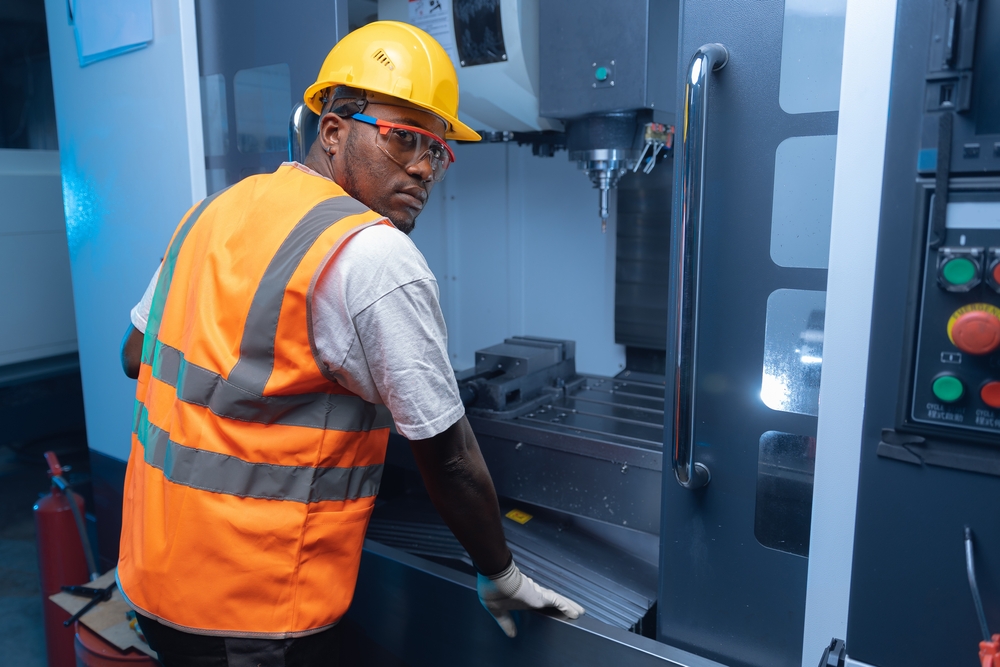
CNC field service technicians repair computer-controlled machines used to cut metal, plastic, wood, and aerospace parts. The work can include diagnosing spindle problems, replacing drives, checking servo motors, calibrating machine axes, and helping shops get expensive equipment back online.
Average pay for a CNC field service engineer is $106,539 per year. Some employers use “engineer” in the title even when the path is more about technical training, manufacturer experience, and strong troubleshooting skills than a four-year engineering degree.
This job often involves travel, customer sites, and high-pressure repairs. It is a great fit if you like machines, electronics, and problem-solving with a customer watching. Machine shops, manufacturers, and equipment makers need field techs because downtime costs real money every hour.
14. Data center support technician

Data center support technicians keep servers, storage equipment, cables, racks, and network hardware running inside the buildings that power cloud services, streaming, banking, shopping, and business systems. You may replace failed parts, trace cable issues, test connections, and respond to hardware alerts.
Average pay is $80,879 per year. Entry paths often include computer hardware experience, networking certificates, military tech work, or hands-on IT support.
This is a good repair job for someone who likes technology but does not want a fully desk-bound role. Data centers are growing because companies need more computing power, and the hardware still lives in real buildings. When a server rack fails, someone has to walk the floor and fix it.
15. Fire alarm service technician
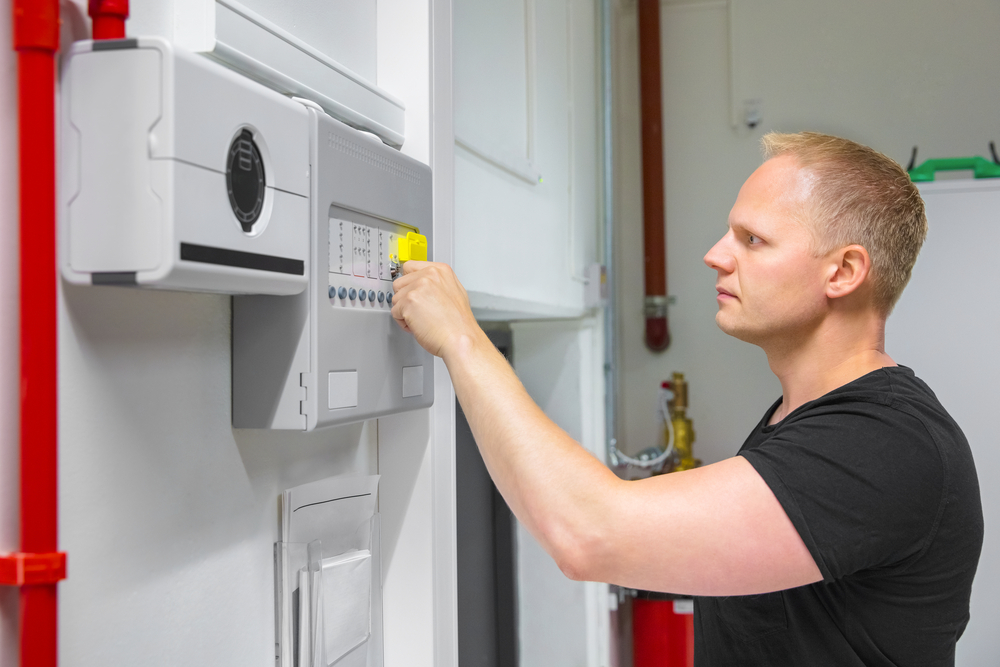
Fire alarm service technicians install, inspect, test, and repair alarm panels, smoke detectors, pull stations, strobes, horns, wiring, and sprinkler monitoring systems. The work is detailed because these systems are tied to building safety, inspections, and emergency response.
Average pay is $73,413 per year. Many techs start through low-voltage electrical work, alarm companies, trade school, or manufacturer training, then add fire alarm certifications as they gain experience.
This is a strong niche for people who like wiring and troubleshooting but do not want to become a full electrician. Schools, hospitals, apartments, warehouses, offices, and factories all need fire alarm systems tested and repaired. Code requirements keep the work steady, and a failed inspection usually needs a human tech fast.
16. Marine diesel mechanic
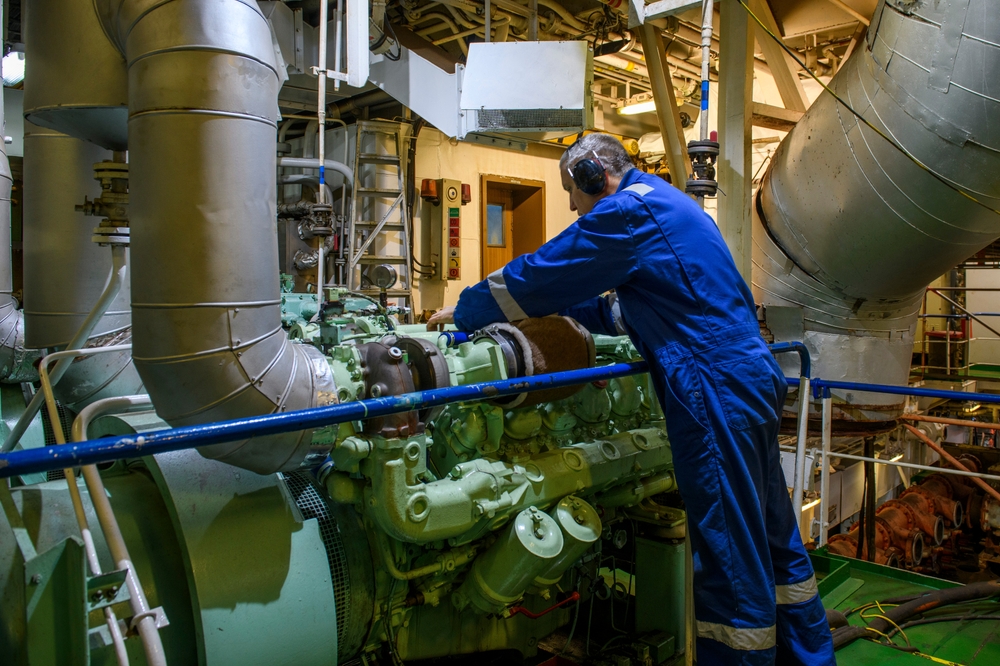
Marine diesel mechanics repair engines and related systems on boats, work vessels, ferries, fishing boats, tugboats, and other marine equipment. You may troubleshoot fuel systems, cooling systems, transmissions, electrical faults, and engines that have been abused by salt, vibration, and long hours.
Average pay is $30 per hour. Training can come through diesel programs, marine technician schools, military engine work, apprenticeships, or years of hands-on shop experience.
This job is not as obvious as auto repair, but it can be a better fit for people who like engines and want a specialty. Marinas, commercial fleets, ports, repair yards, and equipment dealers need mechanics who understand marine systems. Boats do not fix themselves, and engine failures can strand people or stop paid work cold.
17. Electric vehicle technician

Electric vehicle technicians diagnose and repair EV systems, including battery packs, charging issues, cooling systems, electronics, drivetrains, sensors, and software-connected components. This is not old-school car repair with a new badge. High-voltage safety and electronics matter a lot.
Average pay is $61,920 per year. Many workers start as auto technicians, electrical trainees, fleet mechanics, or dealership techs, then add EV-specific training and high-voltage safety credentials.
This job is a good fit if you like cars but see where the market is going. Fleets, dealerships, repair shops, charging companies, and manufacturers all need people who can safely work on electric vehicles. Diagnostic software helps, but someone still has to confirm the fault and make the repair.
18. Rope access repair technician

Rope access repair technicians use climbing systems to reach places where lifts, scaffolds, or cranes are expensive or impossible. They may inspect and repair wind turbines, bridges, tanks, towers, industrial stacks, stadiums, ships, or high-rise equipment. It is physical, high-focus work.
Average pay for rope access work is $80,179 per year. Getting in usually means rope access certification plus another useful skill, such as welding, inspection, blade repair, mechanical repair, painting, rigging, or industrial maintenance.
This is one of the more unusual fix-it jobs on the list, and it is not for everyone. You need calm nerves, strict safety habits, and comfort working at height. But for the right person, it turns repair work into a specialty that many crews cannot handle without you.
Discover job hunting tips, ways to earn more, and flexible working options:

21 high-paying careers that desperately need workers, but nobody wants to do them: The pay is generous, but these jobs are searching for workers.
No background check jobs: 12 background friendly jobs: If you’re struggling to find a job due to past issues, here are jobs you can get without background checks.
15 remote jobs you probably didn’t know pay $150,000+ In 2026: High income and flexible work hours from home is not a myth — here are some remote-friendly careers.











