
Your phone lights up with a trade-in offer the morning a new model launches, and for about ten seconds the number looks almost too good to pass up. It isn’t. An iPhone 15 lost roughly 48 percent of its resale value within a year of release, and a Samsung Galaxy S22 lost closer to 68 percent in that same stretch.
Most people have already caught on to this. Nearly nine in ten Americans say phones are priced too high, and the average person is now holding onto one for well over three years instead of trading up every time a new box shows up on shelves.
A new flagship phone every single year

Trading in every single year means eating the steepest part of the depreciation curve on repeat. An iPhone 15 lost 48 percent of its resale value within a year of release, and a Samsung Galaxy S22 lost closer to 68 percent in that same stretch. Apple’s lineup tends to hold value better than Android flagships as a whole, with first-year depreciation across the brand averaging around 41 percent, against roughly 64 percent for Samsung and 69 percent for OnePlus, but none of those numbers reward anyone selling every twelve months.
Real-world habits back this up. The average phone upgrade cycle is now longer than 42 months, and a recent poll of flagship owners found that barely one in ten people upgrade annually, while more than half hang onto a phone for two to three years or longer.
None of this means a new phone is a bad purchase. It means skipping a cycle or two and buying a model that’s already a generation old saves more money than most people assume. A budget option like the Pixel 10a costs $500 and does almost everything its pricier sibling does for a fraction of the price.
The latest smartwatch the day it drops

Smartwatches depreciate on the same schedule as phones, just with less fanfare. Garmin’s older models get discounted hard once a new generation ships: the Forerunner 265 dropped from $450 to around $300, the Instinct 2 Solar fell from $400 to roughly $224, a 44 percent cut, and the Venu Sq 2 slid from $300 to about $180.
The feature difference between generations is usually smaller than the marketing suggests. Samsung’s Galaxy Watch 7 launched with the same battery capacity and the same price as the Watch 6, with most of the advertised improvement coming from chip efficiency and software extras rather than new hardware.
Buying one generation behind gets you nearly the same watch for a quarter to half off, and the battery complaint that actually drives most upgrades usually has more to do with age and battery wear than with which model year you own. A well-maintained two-year-old smartwatch still tracks a run just as accurately as a brand-new one.
A 4K or 8K TV to replace one that still works
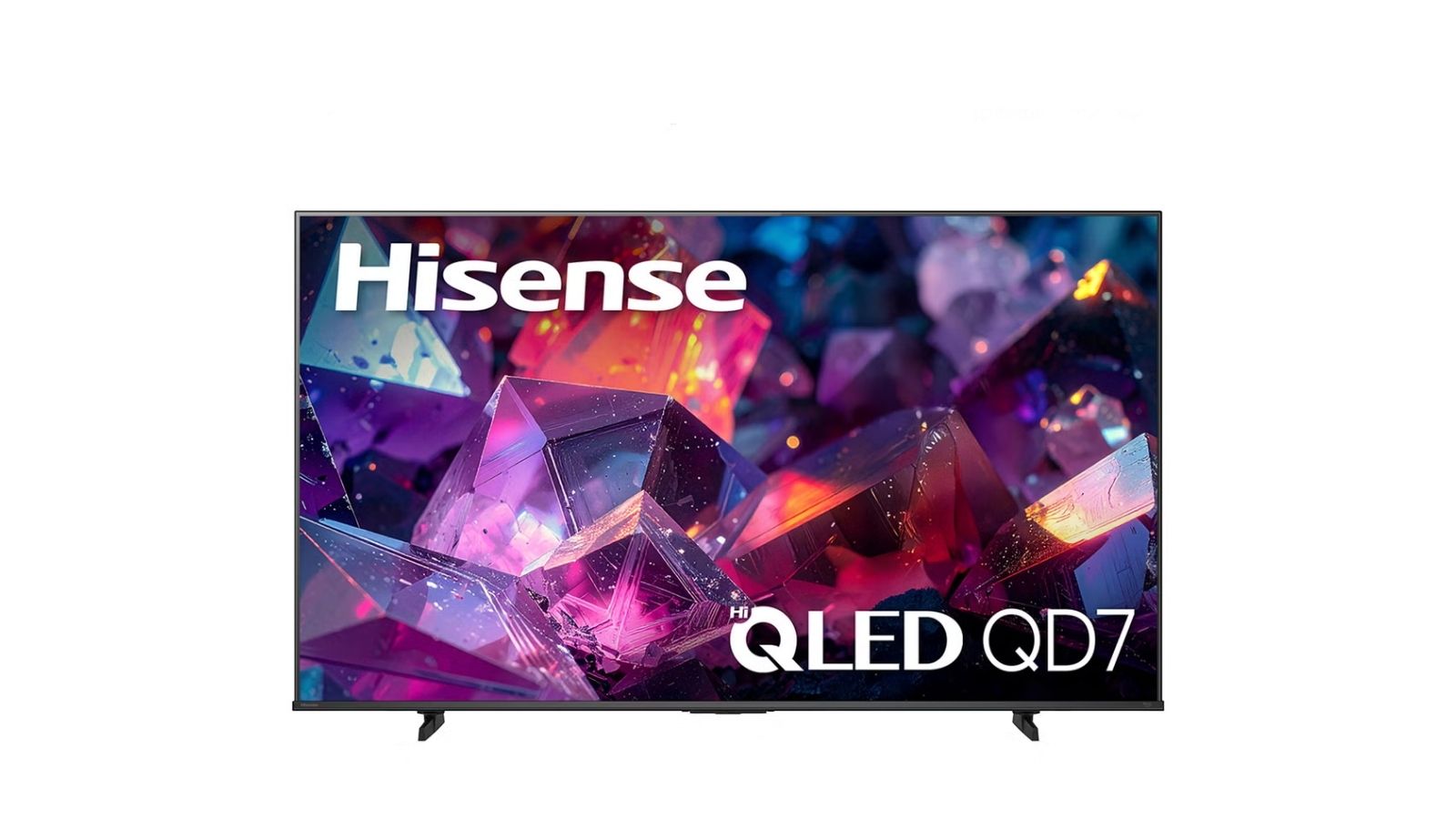
An 8K television sounds like the obvious next step until you notice there’s almost nothing to watch in 8K. Samsung is now the only major manufacturer still making new 8K sets, its flagship 65-inch model runs $5,499, and there just isn’t that much 8K content out there to justify the jump.
Your existing 4K set probably has years of life left in it regardless. Panel makers estimate OLED screens last somewhere between 50,000 and 100,000 hours of use, which works out to roughly ten to thirty years at normal viewing habits, and even the more conservative manufacturer estimates put it at eight to ten years.
Prices on new sets also fall hard once a model has been out for a few months. Last Black Friday, a 65-inch TCL dropped from $1,499 to $899, and a 77-inch LG OLED that launched at over $3,000 was down to $1,600 by spring. Replacing a TV that still looks fine mostly buys bragging rights, not a better picture.
A brand-new game console in launch week

Launch week is the worst time to buy a console on every metric that matters. Sony cut prices across the entire PS5 lineup by $100 per model last Black Friday, dropping the Digital Edition to $399 and the Pro model to $649, proof that waiting even a year closes a meaningful chunk of the difference in price.
Scalpers make the launch window worse. When the Nintendo Switch 2 arrived, resellers were flipping units for $90 to $150 over the $449.99 retail price, and bundles that should have cost $500 were going for upward of $600 on secondhand marketplaces.
Game libraries are also thinnest at launch, when most of what’s available is ports of titles already playable on the previous generation. Waiting a year gets you a bigger library, a season or two of price cuts already baked in, and none of the scalper markup that defines the first few months on shelves.
A first-generation VR or AR headset
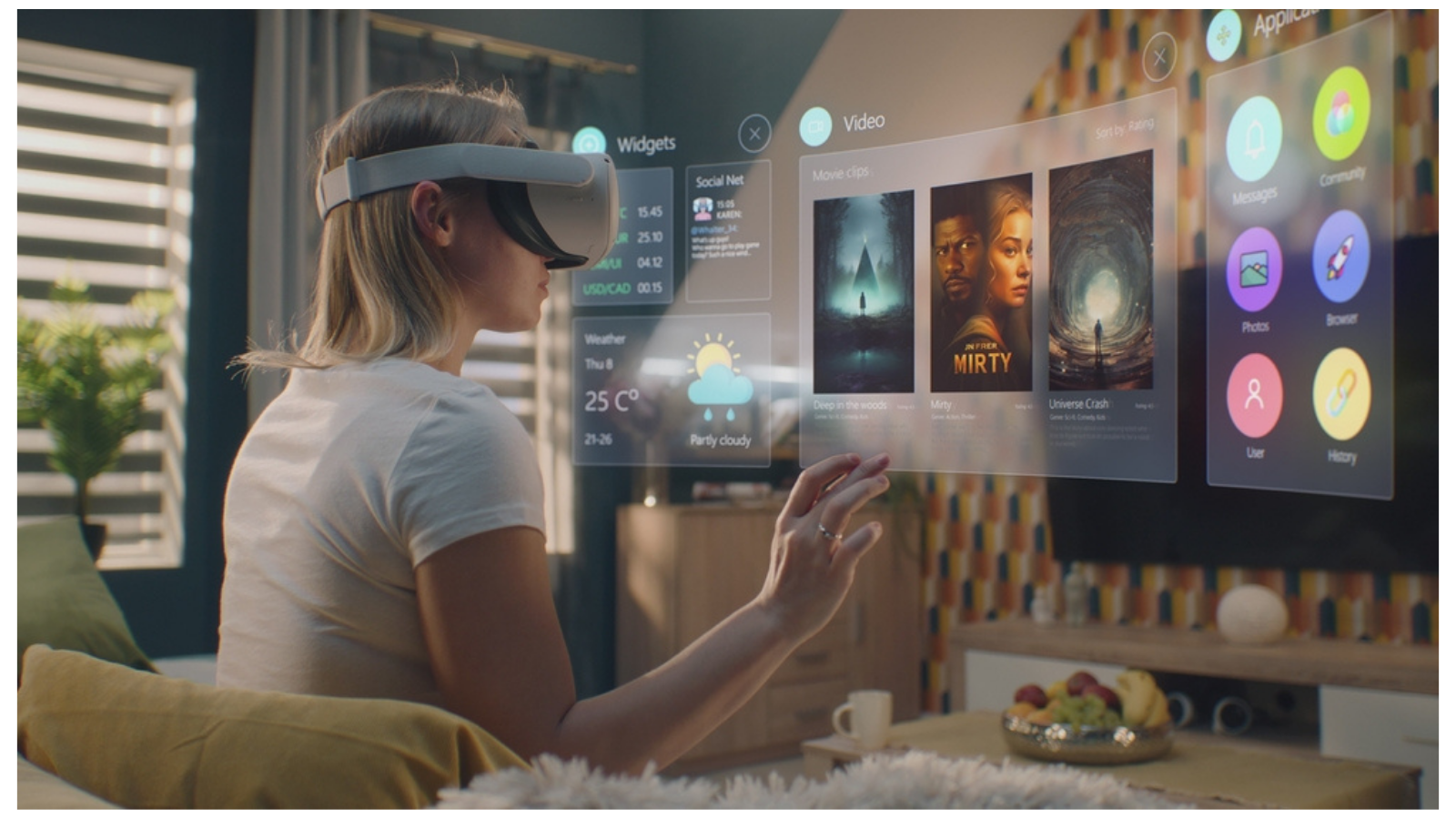
First-generation headsets have a rough habit of getting discounted the moment sales disappoint. Meta’s Quest Pro launched at $1,500 and was cut to $999 within months, a 33 percent markdown, and the original Quest 2 saw price cuts of up to 33 percent around the same time for the same reason.
Apple’s Vision Pro tells a similar story at a much higher price point. The headset launched at $3,499, sales came in weak, and reports suggest the price itself is the problem, with a cheaper second-generation model not expected until later this year at the earliest.
Buying the first version of any headset means paying full price for hardware that’s least refined and most likely to get a markdown within a year. Letting someone else absorb that first-generation premium, then buying once the price settles and the software library has actually caught up, is the better financial move almost every time.
A fancier streaming stick for a 4K set you already own
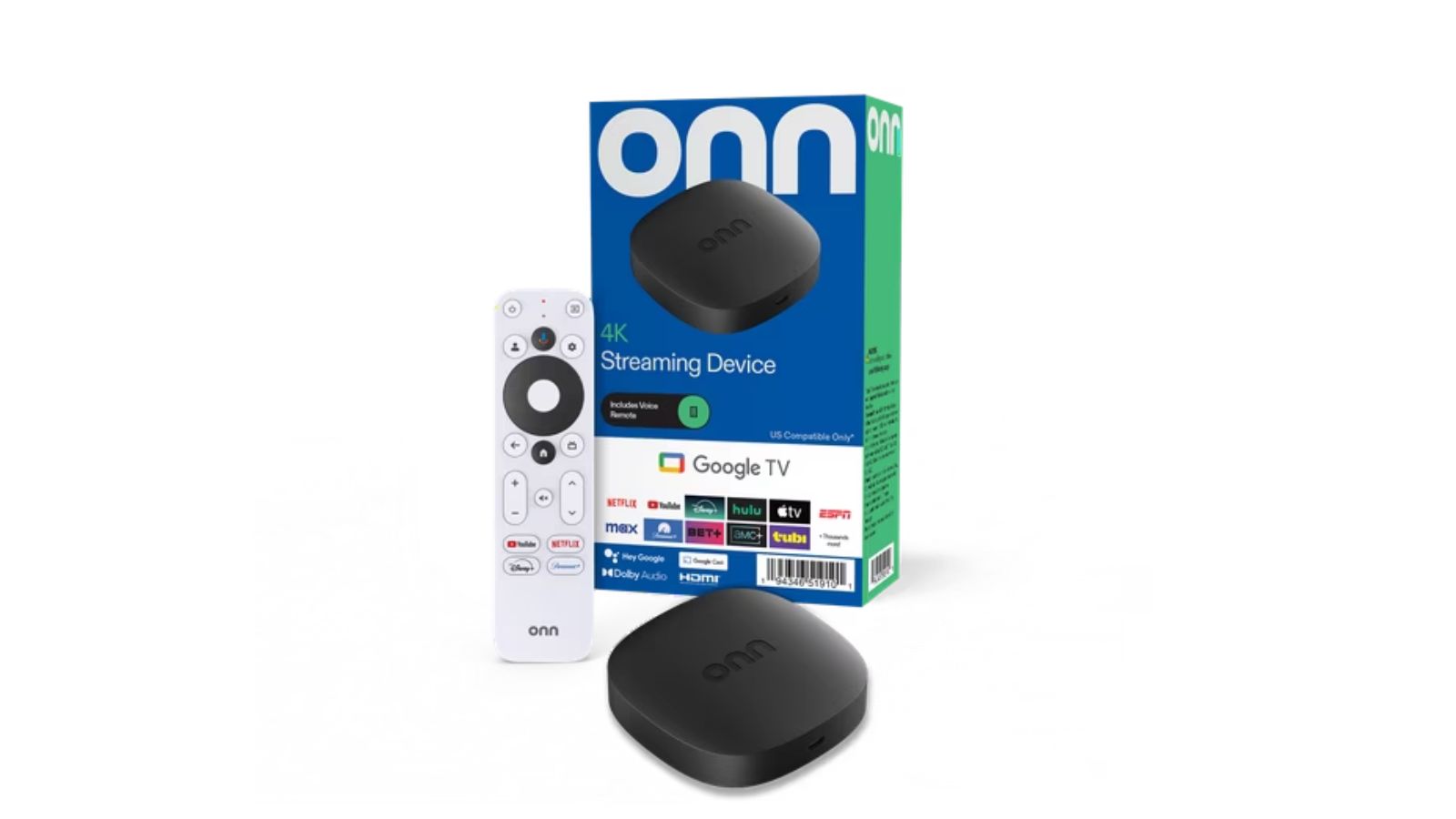
A fully capable 4K streaming stick costs less than a nice dinner out right now. Roku’s Streaming Stick 4K runs $44.99, and Amazon’s Fire TV Stick 4K is $29.99, which means the price difference between a basic and a premium streaming device has almost disappeared.
Upgrading to chase 8K streaming solves a problem that doesn’t exist yet. The same lack of 8K content that makes 8K televisions a hard sell applies just as much to the box plugging into one, since there’s effectively nothing to stream in that resolution regardless of what device is doing the streaming.
If your current stick plays Netflix and Disney Plus without buffering, a new one mostly buys faster menu animations. That’s a real improvement, just not one worth paying $50 or more for on something that was never the bottleneck in your setup to begin with.
The newest robot vacuum with all the extra sensors
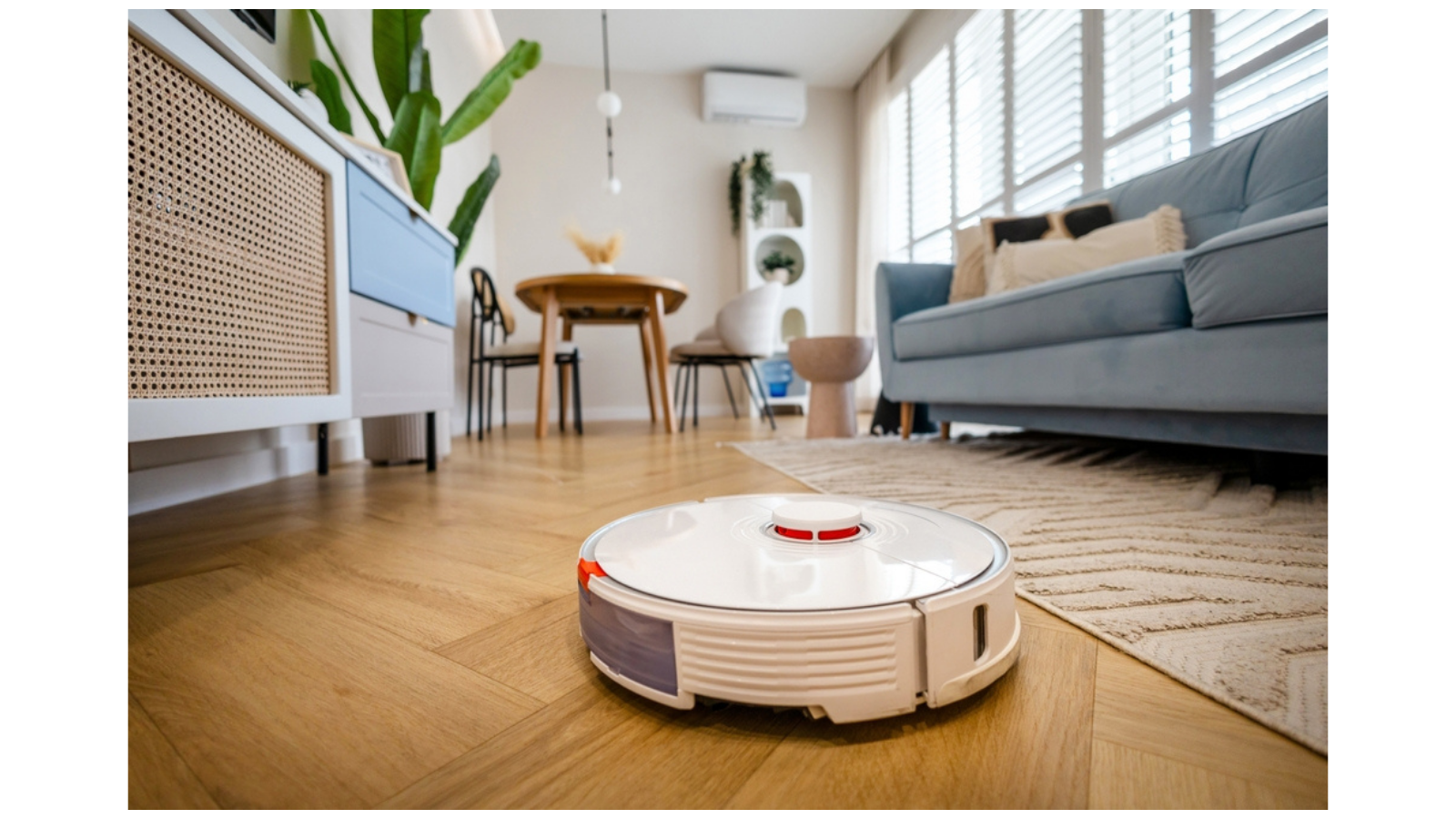
Previous-generation robot vacuums get marked down hard the moment a new flagship ships. The Roborock Qrevo CurvX dropped from $1,499.99 to $849.99, and the Dreame L40 Ultra fell from $649.99 to $399.99 once a newer model took its spot on the shelf.
The feature that drives most of the price difference, a self-emptying base, is mostly a convenience upgrade rather than a cleaning one. Reviewers who have tested the self-emptying models point out that the base itself does nothing to improve how well the vacuum actually cleans, it just means emptying the bin less often.
A previous-generation robot vacuum with the self-emptying feature already does the job for several hundred dollars less than whatever just launched. Unless mapping precision on the newest model is solving an actual problem in your home, like a maze of furniture the old one kept getting stuck on, the extra money buys convenience you were probably fine living without.
A Wifi 7 router before your gear can use it

Wifi 7 routers carry a steep premium for a standard almost nothing in your house can actually use yet. The cheapest Wifi 7 routers start around $599, compared to roughly $135 for an entry-level Wifi 6E router, and high-end Wifi 7 mesh systems run as high as $2,299 for a multi-unit setup.
Adoption is still tiny. Wifi 7 connections made up only 7.2 percent of U.S. traffic by early this year, and device support is mostly limited to the newest flagship phones and a handful of high-end laptops and gaming devices. Your smart TV, your security cameras, your older phone, and most of your smart home gear are likely still running on Wifi 6E or older standards that can’t take advantage of Wifi 7 at all.
Paying four or five times more for a router that nothing in the house can fully use is money spent on a number on the box, not a number in your actual internet speed. That premium will shrink considerably once more of your devices are built for the standard.
A full smart home system overhaul
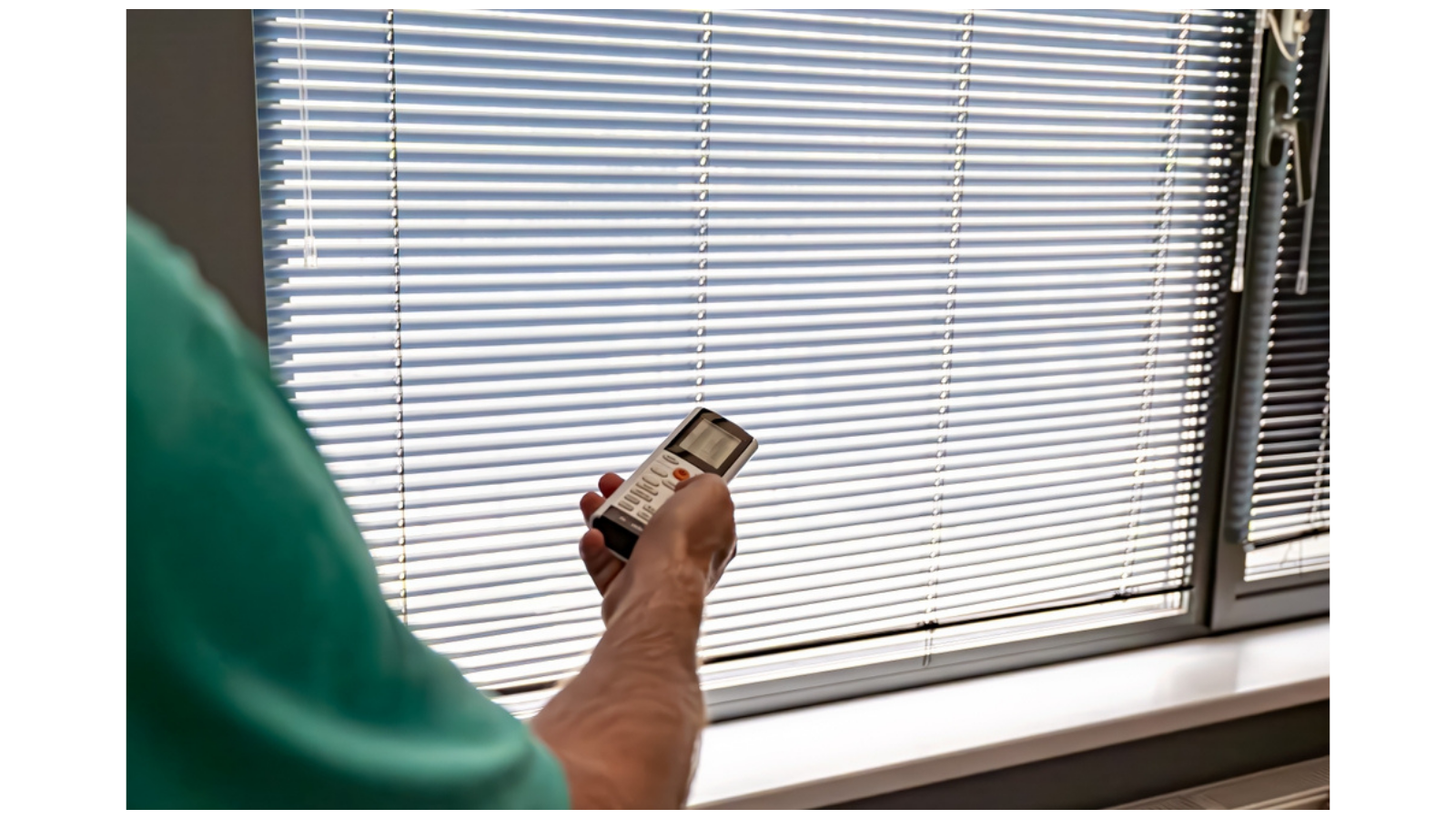
Switching brands or hubs all at once, usually to chase a new standard like Matter, means re-buying an entire house’s worth of gear that was already working. Smart lighting alone runs $15 to $60 per fixture, smart thermostats run $100 to $300 before installation, and a basic smart security package starts at $199.99 in equipment plus $24.99 a month in monitoring.
Multiply any of those numbers by the number of rooms in a house and the total climbs into the thousands fast, all to replace devices that weren’t broken, just built on an older standard. None of that spending is wasted exactly, but spending it all in one weekend instead of spreading it out means absorbing the full cost of early adoption on every category at once.
A gradual swap, replacing each device only once it actually fails or once a clearly better version shows up at a reasonable price, spreads that same total cost over years instead of one expensive month, and it leaves room for prices on newer standard-compliant gear to keep dropping before you commit to all of it.
The newest smart thermostat on the shelf
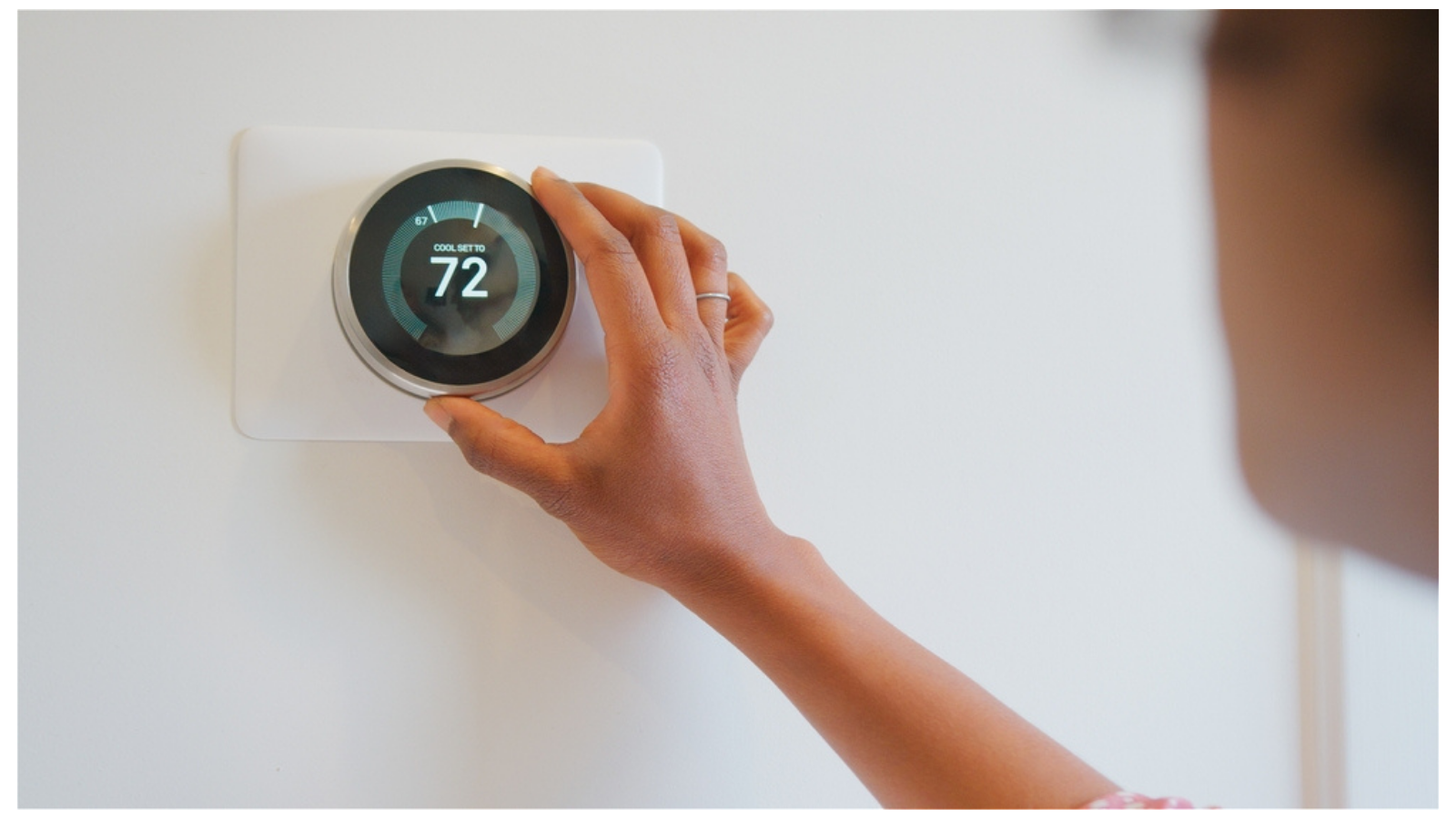
Installing a smart thermostat is worth the money. Installing the newest smart thermostat, when an older one is already working, usually isn’t. A professionally installed smart thermostat runs about $420 on average, with the hardware itself closer to $150 to $250 of that total.
The savings that make a smart thermostat worthwhile come from simply having one that can learn a schedule and adjust automatically, not from which specific model is doing the learning. Federal estimates put the savings from a smart thermostat at up to 10 percent of heating and cooling costs, and with the average household spending more than $900 a year on heating and cooling, that ceiling works out to roughly $90 a year regardless of which generation of device is doing the work.
An older working Nest or Ecobee is already capturing that same $90-a-year ceiling. Replacing it with this year’s model mostly buys a nicer app and maybe a slightly better screen, while resetting the payback clock on a purchase that already paid for itself once.
An entire security camera system replacement
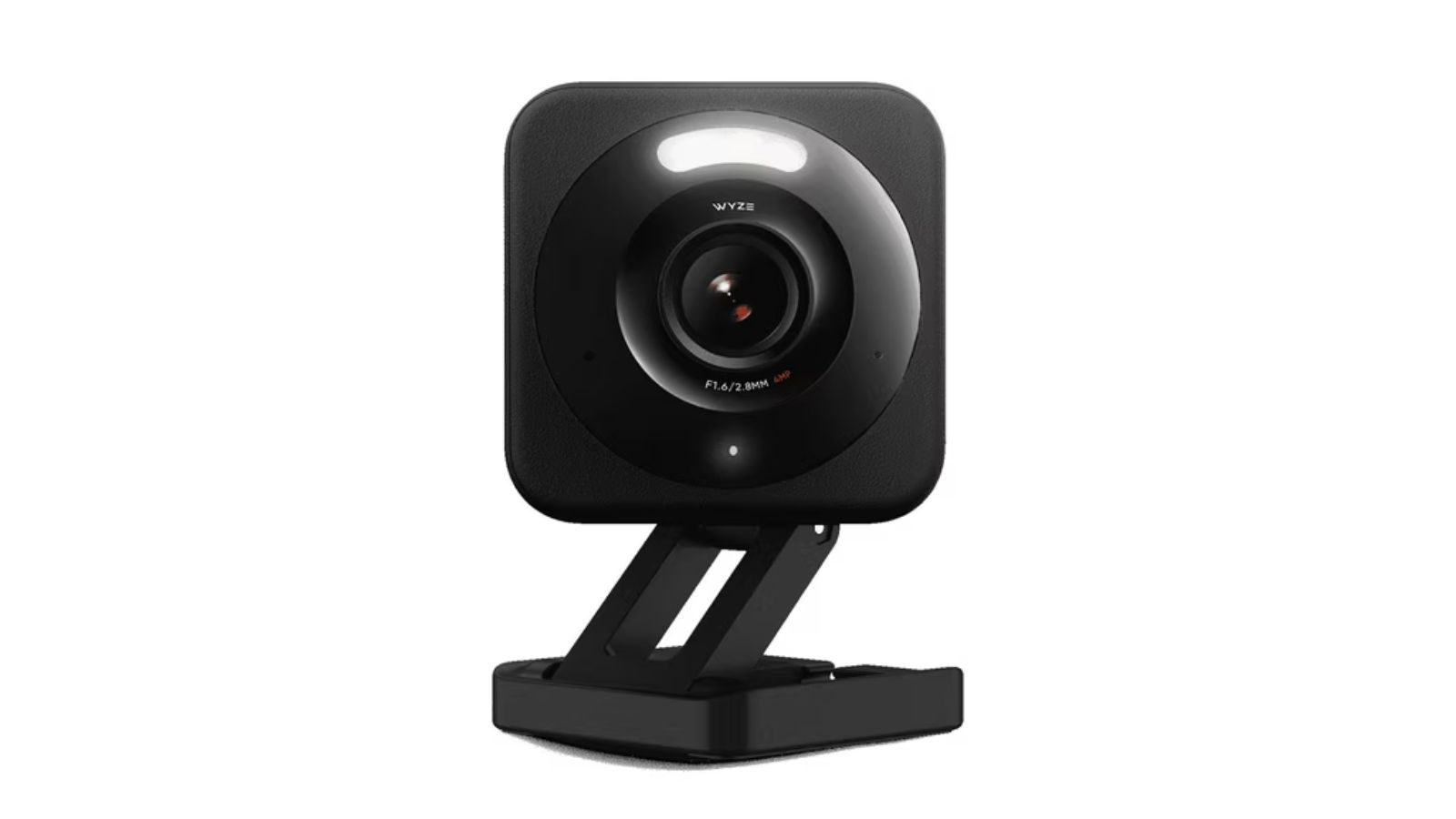
A full security camera setup, installed, runs a national average of about $1,298, with per-camera costs landing between $125 and $450 depending on the hardware. Labor alone eats 50 to 70 percent of that total, which means swapping out a working system costs almost as much the second time as it did the first.
Subscription fees stack on top of the hardware and rarely get mentioned until the first bill arrives. Ring’s basic plan now runs $4.99 a month for one camera, or $10 a month for a multi-camera plan, and Arlo’s unlimited-camera plan runs as high as $29.99 a month before an annual discount.
Resale value on used security hardware is close to nonexistent, so a full-system swap means paying installation costs again on new cameras while getting little to nothing back for the old ones. Replacing individual cameras as they fail, instead of tearing out a working system to chase a new brand or a marginally sharper lens, keeps both the labor bill and the subscription stacking under control.
A brand-new laptop instead of a repair

A new laptop battery costs about $100 installed in most cases, and that single repair often adds years of usable life to a machine that otherwise works fine. A new budget laptop starts under $500, but it rarely matches the build quality of the $1,000-plus laptop it’s meant to replace, and a repair bill a tenth the size of a new purchase is hard to beat on value alone.
This year makes the repair case even stronger. Memory and storage chip shortages have pushed component prices up sharply in 2026, with 16GB DDR4 memory modules jumping 51 percent in a single quarter and some storage and memory components rising by more than 100 percent in the same stretch. That same shortage is pushing up the price of brand-new laptops too, since every new machine needs the same memory and storage chips that just got more expensive.
A battery swap or a storage upgrade sidesteps that price spike entirely, since it uses one small, specific part rather than an entire machine’s worth of now-pricier components. If the screen, hinges, and processor are still solid, a repair is the better buy this year specifically.
The newest graphics card at launch pricing
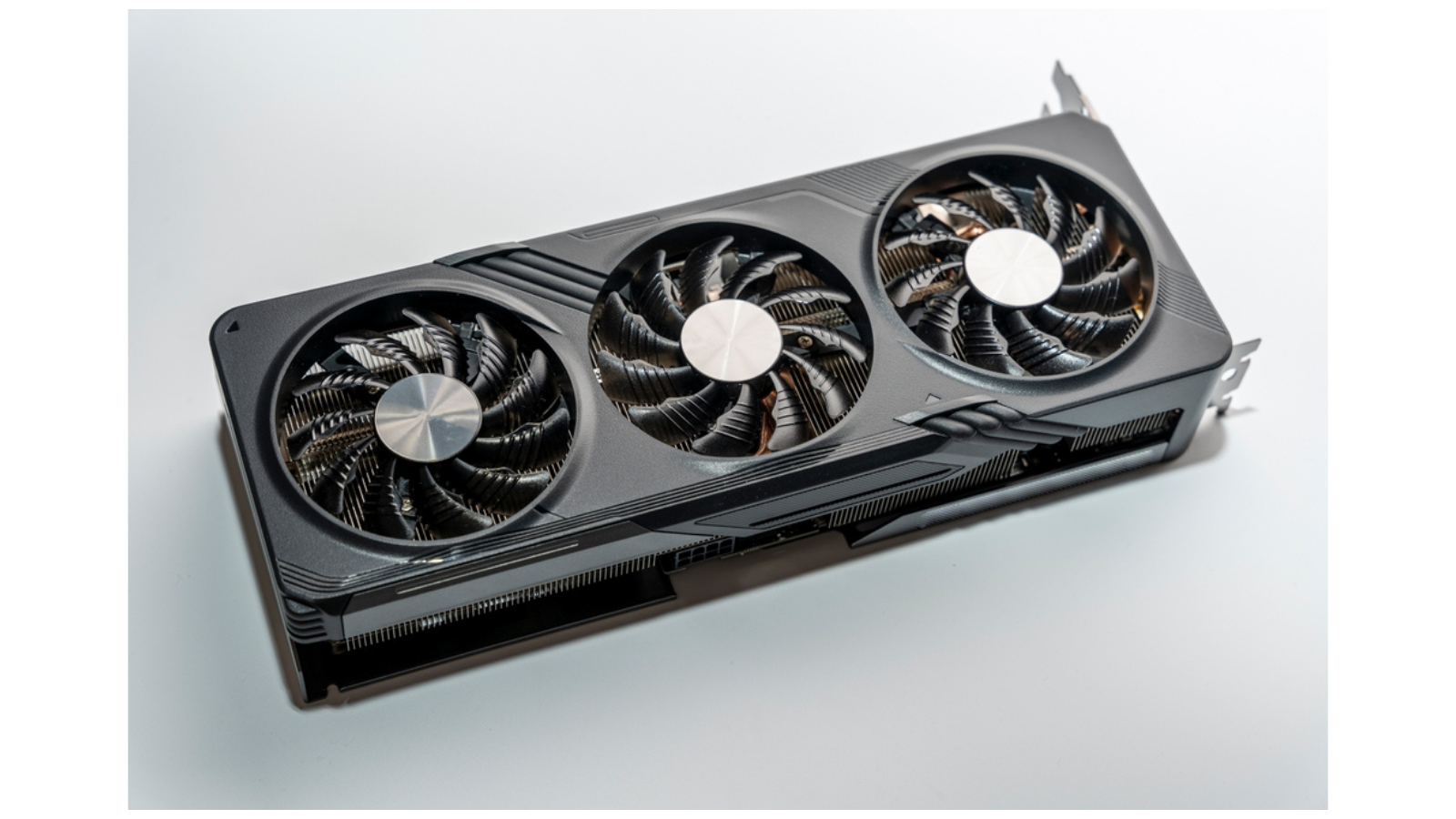
Launch pricing on a new flagship graphics card almost never matches what’s printed on the box. The RTX 5090 carried a $1,999 list price but sold for a street median closer to 41 percent above that number for months after release, and the RTX 5080 ran roughly 24 percent over its listed price in the same window.
Resale listings tell the same story from a different angle. Completed sales for the RTX 5090 averaged around $6,000 right after launch before settling closer to $4,000 a few weeks later, a drop of about a third, and both figures still sat well above the official list price the entire time.
Waiting even a few months lets street prices drift back toward what the card is actually supposed to cost, and the previous generation’s equivalent cards typically get a real discount the moment a new flagship ships. Buying at launch means paying a scarcity tax on top of an already expensive piece of hardware, for a performance gain that will cost less to get in a matter of months.
A new camera body for a small spec bump

Camera bodies hold their value worse than almost anything else in a hobbyist’s gear bag, and the jump from one generation to the next is usually smaller than the price difference suggests. A used Canon EOS R6 sells for a median of around $1,315, while the R6 Mark II goes for closer to $1,693 used, a difference of a few hundred dollars for a camera that shares the same sensor foundation, the same image stabilization, and the same weather sealing as the one it replaced.
The actual differences, a few more megapixels and slightly faster autofocus, matter for a narrow slice of shooters doing fast-action or large-print work. For most hobbyists photographing kids, trips, and everyday life, the older body produces images that are functionally indistinguishable from the newer one.
Buying a camera body one generation behind the newest release gets nearly the same image quality for meaningfully less money, and the savings only grow once that older body has been out long enough for prices to settle further.
A brand-new printer instead of fixing the ink problem
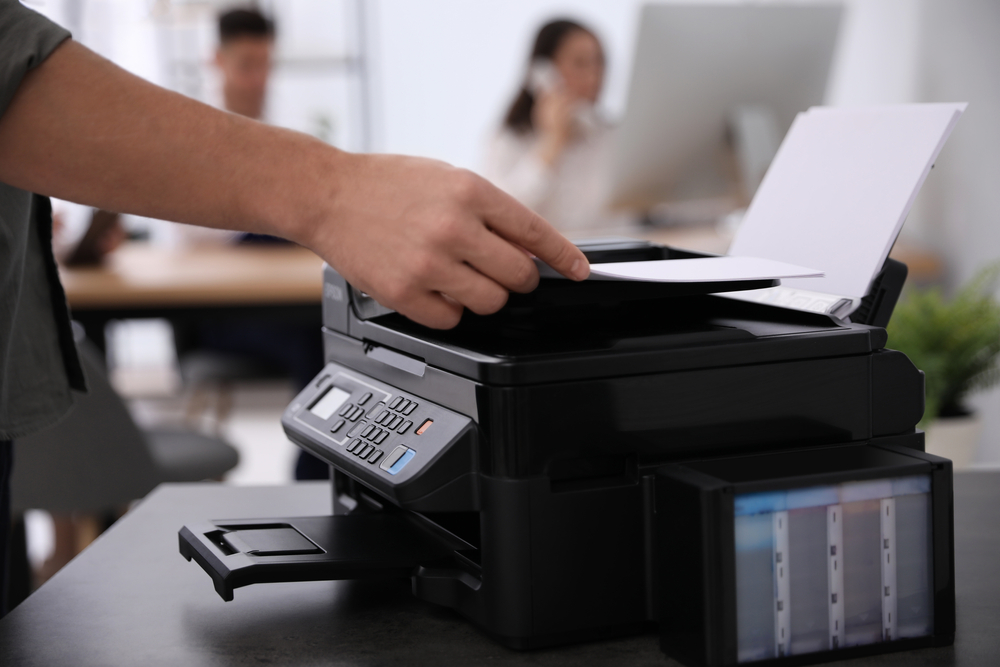
Printer companies make their real money on ink, not on the printer itself, and a new machine almost never fixes that underlying cost. A basic new inkjet runs $60 to $150, but a standard cartridge from a major brand costs somewhere around 10 to 20 cents per page, while ink-tank and high-yield toner models run under a penny per page for the exact same job.
A heavily used printer can cost more in ink over a single year than the printer itself cost to buy, which is why a brand-new discounted printer so often turns out to be the more expensive option over time. Subscription plans don’t fully solve this either. HP’s Instant Ink plans currently run $1.99 a month for 10 pages up to $32.99 a month for 700 pages, which only pencils out if your actual printing volume lines up closely with the plan you pick.
Before replacing a printer that’s jamming or running dry, it’s worth pricing out an ink-tank refill kit or switching ink strategy instead. The printer is rarely the expensive part, the ink almost always is.
An electric vehicle bought in a hurry
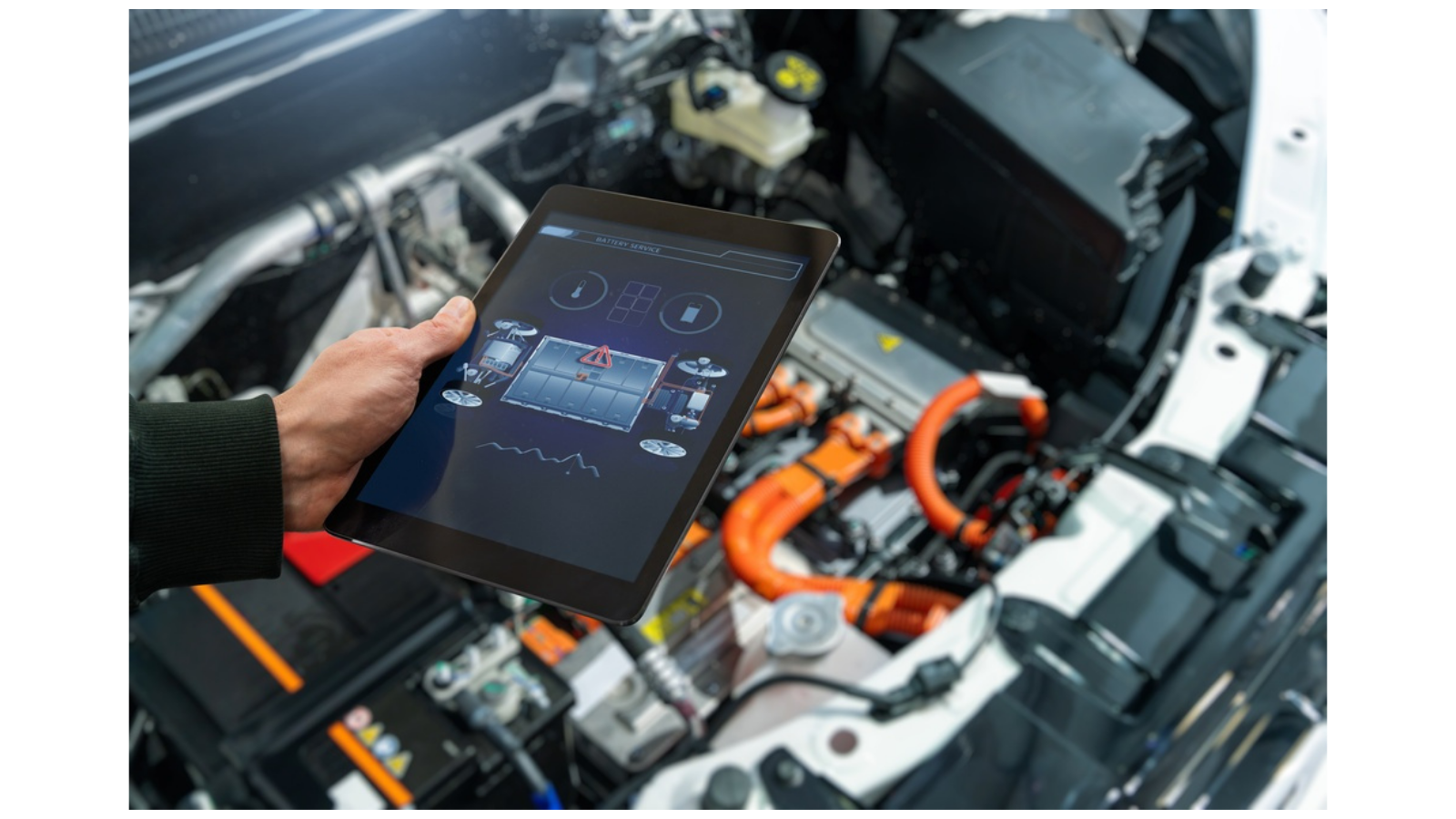
Buying an EV right now isn’t necessarily a bad move, but buying one in a rush usually is, because prices are still falling. The average new EV sold for $56,238 in June 2026, down 4.5 percent from a year earlier and the sixth straight month of year-over-year declines, with Tesla’s own average transaction price falling to $53,107 in the same stretch.
The federal incentive that used to reward buying sooner is gone. The $7,500 federal tax credit for new electric vehicles stopped applying to vehicles bought after September 30, 2025, which removes a meaningful chunk of the financial case for rushing a purchase before some deadline, since that deadline already passed and prices kept falling anyway.
Depreciation on EVs is also unusually steep right now. Some models have lost up to 50 percent of their value within twelve months, well beyond what a comparable gas car typically loses, and used EV prices overall have dropped close to 30 percent since 2023. If an EV purchase can wait another few months without creating a real problem, the numbers say it probably should.
Home battery storage added to solar panels
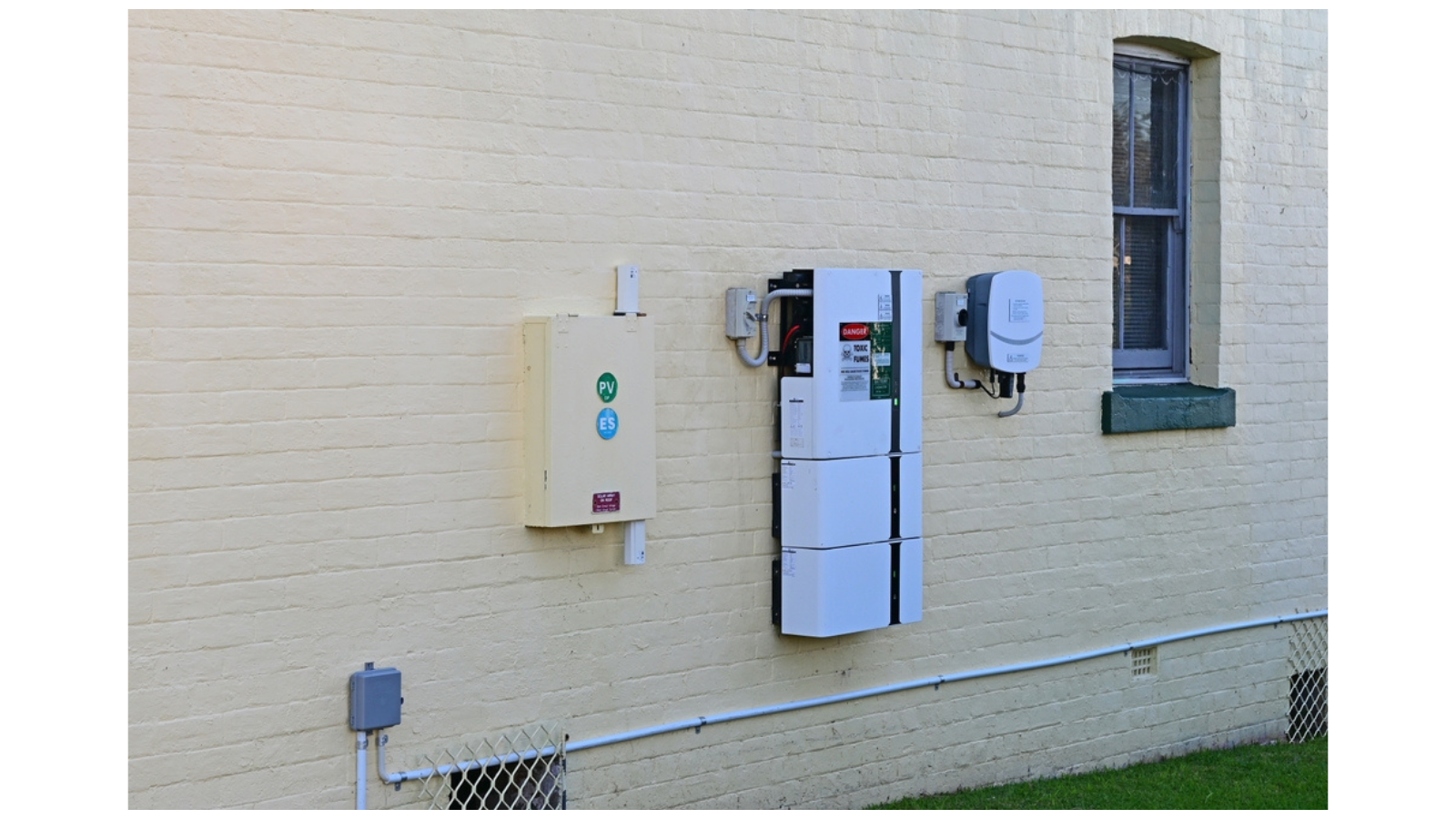
A home battery system like a Tesla Powerwall costs $13,000 to $16,500 installed, and the federal tax credit that used to cover 30 percent of that cost for home batteries has expired, which means homeowners adding one now are paying full price for something that used to come with a meaningful discount.
Battery hardware itself is also getting cheaper on a predictable curve, just not fast enough to have caught up yet. Lithium-ion battery pack prices dropped from $153 per kilowatt-hour in 2022 toward a projected $80 per kilowatt-hour by 2026, roughly half in four years, and that trend is expected to continue as production scales up.
Put together, a battery bought today costs more upfront than it will in a year or two, with no federal credit left to soften the blow, on top of savings that typically take well over a decade to pay back the installation cost. Unless frequent power outages make backup power a necessity rather than a nice-to-have, waiting lets both the price and the payback period improve at the same time.
Extended warranties on things that depreciate fast
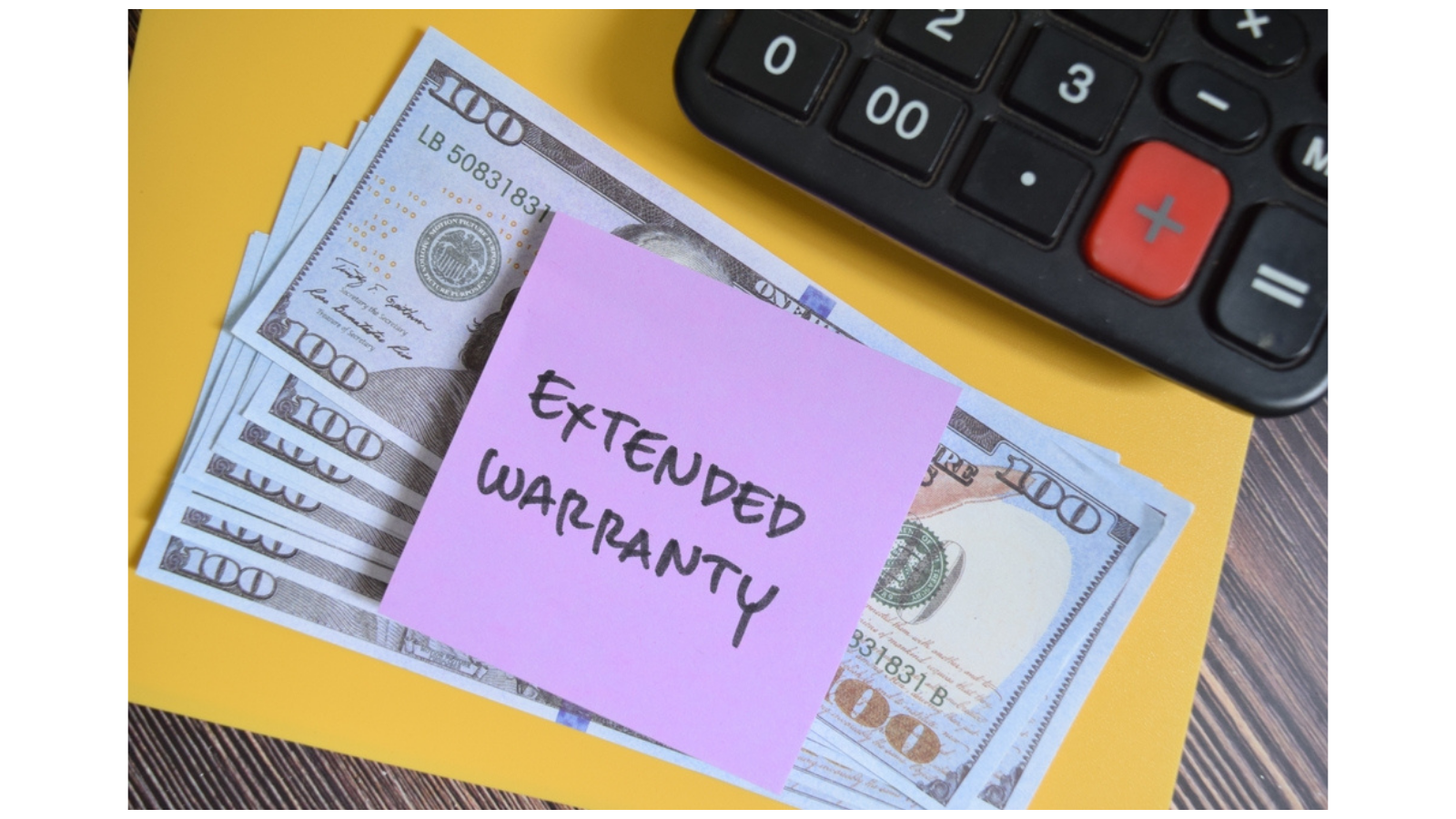
Extended warranties and protection plans are priced to make money for the company selling them, not for the person buying them. AppleCare+ on a top-end iPhone runs roughly $10 a month, or $199 for two years, and a retailer protection plan on a $1,300 TV can run $129 to $175, prices that add up fast across multiple devices in one household.
The market itself is projected to grow from $55.3 billion in 2022 to $81.3 billion by 2028, which says a lot about how profitable these plans are for the companies selling them, and most manufacturer warranties already cover the repairs most people actually end up needing in the first year or two anyway.
On fast-depreciating gadgets especially, a phone, a laptop, a pair of earbuds, the odds rarely favor the warranty. A device worth half its original price within a year isn’t worth insuring at a premium built for a company’s profit margin rather than an honest estimate of what repairs actually cost. Setting aside the price of the warranty in a savings account instead covers most real repair bills with money left over.
A few hundred dollars saved on a phone, a TV, or a camera body adds up fast across a full household’s worth of gadgets. That money is worth more sitting in a bank account than funding someone else’s launch-week markup.











