
Social Security pays the average retired worker just over $1,976 a month in 2026, and for a lot of people, that doesn’t quite cover the gap between what they have saved and what they actually spend. The math is real: groceries, utilities, property taxes, and the occasional prescription leave most retirees looking for a few hundred dollars more each month. A part-time job helps. A seasonal job may help more, because it lets you work hard for a few months, bank the money, and then stop without any ongoing obligation.
The one number you need to understand before you start: if you’re collecting Social Security before your full retirement age and you’re under 67 (the threshold for anyone born in 1960 or later), the 2026 earnings limit is $24,480 a year. Go over that, and SSA withholds $1 in benefits for every $2 you earn above it. That money comes back to you once you hit full retirement age, but the short-term cash-flow hit is real. If you’ve already reached full retirement age, there is no earnings limit and no withholding at all. Either way, a concentrated seasonal gig, two or three months of real work, is often the cleanest way to add income without triggering that ceiling.
The 18 options below cover every major season, a range of physical demands, and skill levels from zero experience to licensed professional. None of them require you to commit to a full-year schedule.
Table of contents
- Ski resort lift attendant or guest services
- National park and state park visitor services
- Election poll worker
- Holiday retail seasonal associate
- Seasonal package delivery driver
- Flower shop seasonal worker
- Golf course attendant or starter
- Tour guide
- Garden center or nursery associate
- Moving company helper
- Stadium and arena event staff
- Vineyard and harvest worker
- Zoo or aquarium seasonal staff
- Sports officials, umpires, and referees
- Academic tutor or test prep instructor
- Summer camp support staff
- State or county fair worker
- Pet boarding and kennel holiday helper
Ski resort lift attendant or guest services
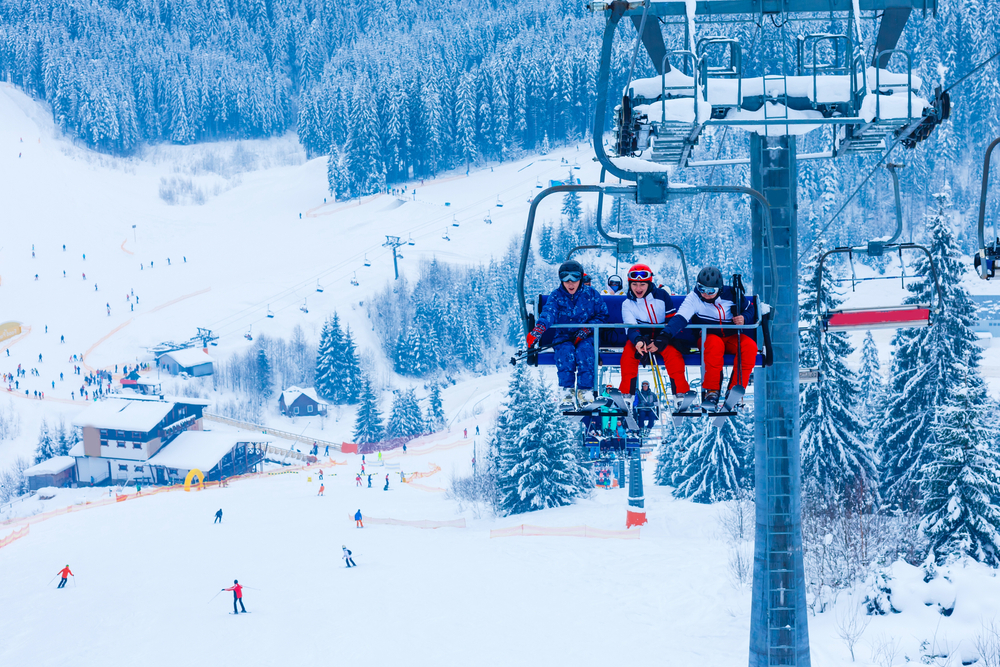
Winter resorts hire heavily from October through April, and they actively recruit older workers for their reliability and customer service instincts. Lift attendants load and unload chairs, assist beginners, and enforce safety protocols. Guest services roles involve check-in, equipment rental desks, ski school coordination, and lodging concierge. Neither requires athletic ability, just steady mobility and patience with nervous first-timers.
Pay at most resorts runs $15 to $20 an hour, and the non-cash benefits are real: most resorts offer free or deeply discounted lift passes, which matters if you ski or have family who wants to visit. Some provide employee housing or transportation subsidies, which dramatically reduces your cost of living during the season. Popular areas to look include Colorado, Utah, Vermont, and the Pacific Northwest, and Cool Works (coolworks.com) maintains a regularly updated job board specifically for resort and outdoor positions, including an Older and Bolder section aimed at retirees.
The honest trade-off: resort towns are expensive, and if you’re commuting from somewhere warmer, the economics only work if you can live cheaply nearby. The shoulder season, when student workers have to go back to school in September, often produces a second wave of openings that are easier to land.
National park and state park visitor services
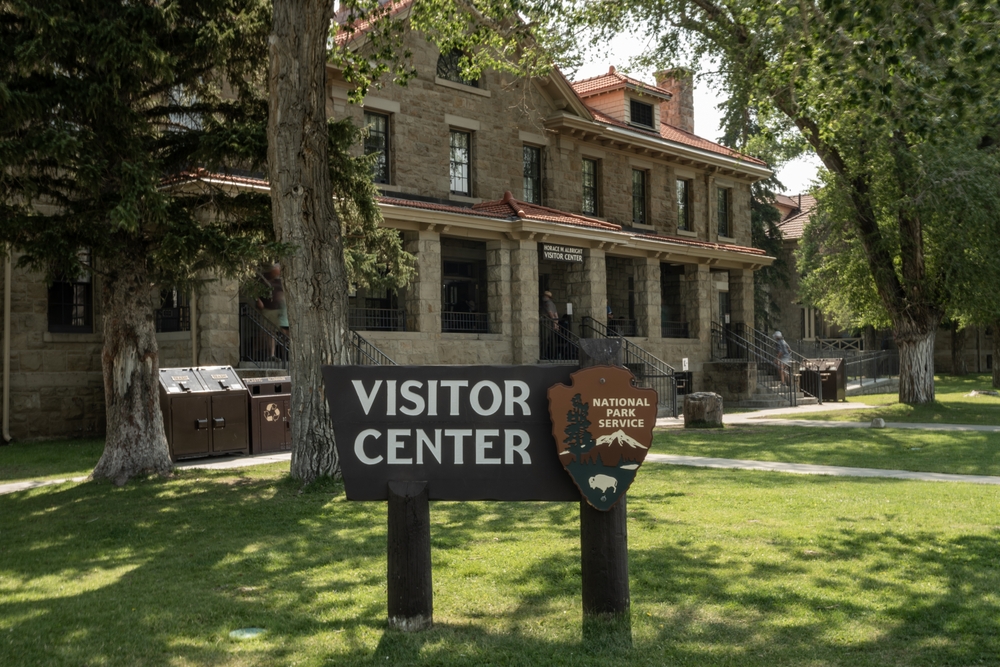
National parks, state parks, and their private concessionaires hire seasonal visitor services workers from roughly May through Labor Day, with some positions running into October in warmer regions. These roles cover a wide range, including visitor center desk clerks, shuttle drivers, retail associates at gift shops, food service workers at lodges, and reservation staff. The National Park Service itself posts positions on usajobs.gov. Private concessionaires such as Delaware North and Aramark run the lodges, restaurants, and shops inside park boundaries and hire separately.
Pay through concessionaires typically runs $15 to $20 an hour depending on the role and location, and some positions include subsidized housing on or near park grounds. For retirees who own an RV, campground host positions at state parks offer free hookup sites in exchange for 20 to 30 hours of work per week. The work is outdoor-adjacent, the setting is obviously appealing, and the scheduling tends to be more forgiving than resort work. Many retirees chain these positions across the summer, working a national park in June and July, then transitioning to a state park in August and September.
Physical demands vary. Shuttle driver work is sedentary. Visitor center roles involve standing at a desk for long stretches. Food service is fast-paced. Know which category you’re applying for before you accept anything.
Election poll worker

This one is particularly relevant right now: the 2026 midterm elections are scheduled for November, and county boards of elections across the country are actively recruiting. Poll workers staff voting locations from before the polls open to after they close, checking in voters, operating equipment, keeping lines moving, and closing out at the end of the night. Training is required and paid.
Pay is a per-election stipend rather than an hourly wage. In Philadelphia, it’s $200 for Election Day plus $50 for training. Montgomery County, Pennsylvania pays $225 to $350 per day depending on role. Many counties also deploy workers for early voting periods, which can add several additional days of pay before the main election. Contact your county’s board of elections to find out what your jurisdiction pays and when applications open.
This is work for someone who is organized, calm with people, and doesn’t mind a very long day. Election Day can run from 5:30 a.m. to 9 p.m. or later depending on location. The commitment is short and the civic dimension is real. In midterm cycles like 2026, many counties have serious shortages of experienced workers and will take reliable applicants quickly.
Holiday retail seasonal associate

Major retailers ramp up hiring from mid-October through early January every year, and they are not subtle about wanting older workers. Target, Kohl’s, Macy’s, and similar chains have repeatedly stated publicly that they value the reliability, customer service experience, and patience that retirees bring to holiday shifts. Work typically involves cashiering, inventory, curbside pickup, fitting room management, or floor assistance. Hours are flexible and usually negotiable.
Pay runs $13 to $18 an hour depending on the retailer and state minimum wage, and many stores offer a seasonal employee discount on merchandise. The schedule flexibility is the real selling point. You can work three shifts a week, or five; morning-only, or evenings. If you’re someone who genuinely enjoys the chaos of holiday shopping from the other side of the counter, this is a reasonable three-month source of income that doesn’t require any credentials or prior retail experience. If you hate crowds and fluorescent lighting, look elsewhere.
Applications open in October, sometimes earlier at larger chains. Apply by the end of September to maximize your options.
Seasonal package delivery driver

UPS, FedEx, and Amazon all hire seasonal delivery drivers and driver assistants starting in October, with the peak crunch running through Christmas. The volume of packages during this period is genuinely extraordinary, and these companies need warm bodies with valid licenses and clean driving records, not specialized credentials. Driver assistants ride with a full-time driver, handle package deliveries at the door, and do not need a commercial license.
Pay averages around $20 to $21 an hour, and peak-season demand often means consistent full-time hours from November through December. The work is physical. You are on your feet, in and out of a truck, carrying packages repeatedly for a full shift. It suits someone with genuine stamina and no serious joint limitations. The appeal for retirees who like to move around is the combination of being outdoors, working independently, and earning a real hourly rate without any complicated application process. Amazon Flex, which uses personal vehicles for last-mile delivery, offers a more flexible on-your-own-schedule version of the same work.
Flower shop seasonal worker

Florists have three brutally busy seasons: Valentine’s Day (the week of February 14), Mother’s Day (the two weeks before the second Sunday in May), and the Christmas holiday period. During these windows, flower shops need all the help they can get. Work involves arranging, wrapping, labeling, processing incoming flower shipments, manning a sales counter, and handling delivery logistics. Most flower shop owners will train you on the basic tasks. You don’t need prior experience in floral design, though having it certainly helps.
Pay runs roughly $13 to $18 an hour for general help, with experienced designers earning more. What makes this unusual as a seasonal gig is how concentrated and predictable the busy periods are. You can work intensively for two weeks around Mother’s Day, take the rest of the spring off, and come back for two more weeks at Christmas. Many florists are small, independently owned businesses that appreciate reliable local people and may become genuinely loyal to workers who show up when it counts. Ask at local shops directly in January and March, well before the busy windows, since most owners are planning their labor needs months in advance.
One realistic note: Valentine’s week in a busy shop is extremely high-pressure. The hours are long and the pace is relentless. Show up knowing that, and it’s manageable. Show up expecting a calm, creative floral experience, and you will be disappointed.
Golf course attendant or starter

Golf courses in temperate climates hire seasonal staff from April through October. Starters are the workers who greet players at the first tee, check tee times, manage pace of play, and serve as the public face of the course. Cart attendants clean and stage carts before and after rounds. Range pickers collect balls on the driving range. Pro shop assistants help with retail sales, equipment rentals, and scheduling. All of these roles are appropriate for someone who enjoys being outdoors, likes the game even if they don’t play it competitively, and is comfortable with the customer service dimension.
Pay typically runs $13 to $18 an hour, and one of the primary draws for retirees who golf is the benefit of free or discounted rounds. At many courses, a seasonal employee can play for free on off hours, which effectively adds significant dollar value to an hourly wage that might look modest on its own. Applications go directly to individual courses, and hiring decisions are usually made by the golf operations manager or head pro. Stop in person at the course during the off-season, between October and February, when managers have time to talk and are thinking about their spring staffing needs.
Tour guide

City walking tours, national historic sites, wine regions, nature parks, and waterfront districts all hire seasonal guides for summer and peak travel periods. The job involves leading groups, narrating history or natural features, managing group logistics, and fielding questions. For retirees who spent careers in teaching, public speaking, history, natural sciences, or hospitality, this is a natural fit. Many guide positions require no formal certification, though some historic sites and national parks prefer candidates with relevant educational backgrounds.
The Bureau of Labor Statistics puts the median wage for tour and travel guides at $20.72 an hour ($36,660 annually), and the data includes tips, which can be significant on popular tours. Self-employed guides who build their own clientele can earn considerably more. The occupation is also growing faster than average, with BLS projecting 8 percent growth through 2034. Cities with strong tourism, national park gateway towns, wine country, and coastal destinations all have genuine demand for experienced local guides through the summer season. Look for openings with tour operators, museum education departments, and visitor bureaus.
Garden center or nursery associate

Spring is the critical season for garden centers, roughly March through June, and most are understaffed during precisely those weeks. Work involves helping customers select plants, loading vehicles, managing inventory, watering stock, and answering basic gardening questions. Larger operations may need greenhouse workers or propagation assistants in addition to retail floor help. This is one of the better fits for retirees who have actual gardening knowledge to share, since the value of someone who can actually answer “will this grow in partial shade in zone 7” is real and hard to replace with a 22-year-old who just started.
Pay runs $13 to $17 an hour at most independent garden centers, with big box stores like Home Depot and Lowe’s on the higher end of that range for their seasonal garden department hires. The work is physical: you will stand, carry, and bend throughout your shift. But the setting, surrounded by plants in spring, tends to make this a genuinely pleasant way to spend a few months for someone who enjoys that environment. Apply directly to independent nurseries in January and February, and check Home Depot and Lowe’s career pages in February for spring seasonal openings.
Moving company helper

The moving industry has a pronounced seasonal peak from May through August, which is when leases turn over, school years end, and people make housing changes they’ve been planning all winter. Moving companies hire additional labor specifically for this window. A mover’s helper loads and unloads trucks, carries furniture and boxes, and assists the crew lead with logistics. It does not require a commercial driver’s license, though some companies will upgrade you to driver status if you have the appropriate license and show competence.
Pay for mover helpers averages around $17 to $20 an hour, with experienced crew members earning up to $22 or $23 in busy markets. Tips are common and can meaningfully supplement the hourly rate. The honest caveat is that this job is physically demanding in a way that most seasonal work is not. You are lifting heavy objects repeatedly in hot weather throughout a multi-hour shift. Retirees in good physical condition with no significant back, knee, or shoulder limitations find it works fine. Anyone with existing joint problems should look at a different option. Companies like Two Men and a Truck and U-Haul Crew hire seasonally; search “mover helper jobs” on Indeed in late March and April to catch openings before the season peaks.
Stadium and arena event staff

Major league stadiums, arenas, amphitheaters, and convention centers all hire event-based seasonal staff for ushering, ticket-taking, guest services, and access control. The work schedule is determined by the event calendar, not a fixed weekly roster. A baseball stadium might need 200 additional workers for each of 81 home games spread across April through September. An arena with a hockey or basketball tenant has a different rhythm. A concert venue adds shows throughout the summer.
Pay for ushers and ticket takers runs around $15 to $16 an hour based on BLS occupational wage data, and event staff at higher-end venues may earn more. The appeal for some retirees is obvious: if you want to see games, concerts, or events anyway, getting paid to be there changes the math significantly. The work itself involves a lot of standing and customer interaction but is not physically intensive. Staffing companies that supply arena workers include Levy Restaurants, Delaware North, and Spectra; search for event staffing agencies in your metro area, or apply directly through major venue careers pages.
Vineyard and harvest worker
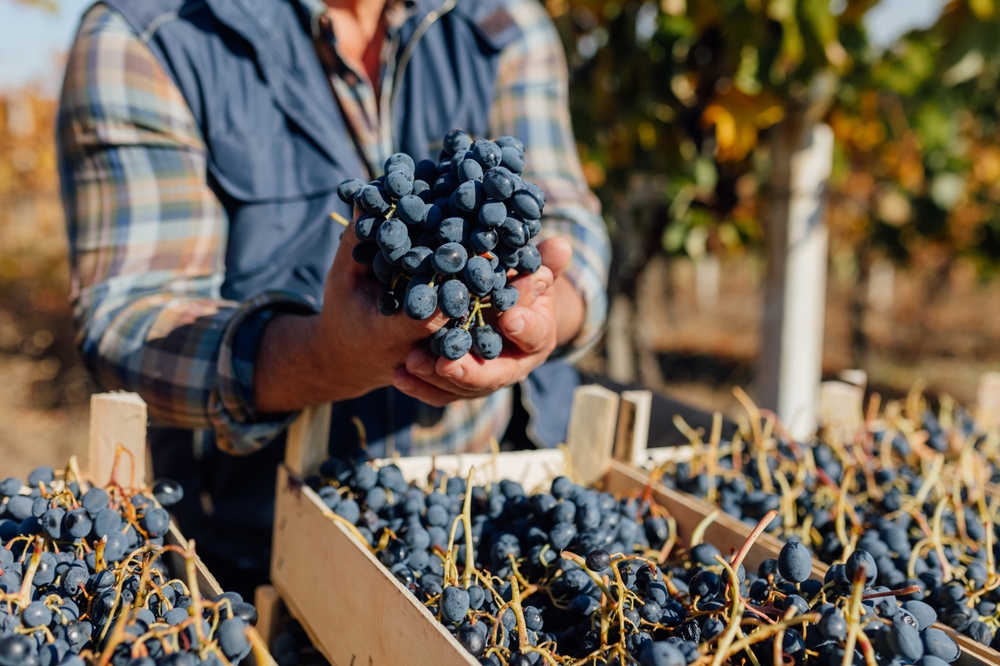
The grape harvest runs from August through October depending on the region, with wine country in California (Napa, Sonoma), Oregon (Willamette Valley), Washington (Walla Walla), and New York (Finger Lakes) all needing additional harvest workers during this window. Work includes picking, sorting, moving bins, and assisting with crush operations. Some wineries also hire cellar workers for the post-harvest period when fermentation is active. This is one of the more physically demanding options on this list but also one of the more memorable.
Pay typically runs $15 to $20 an hour for harvest labor, with some positions offering winery access perks that are their own kind of compensation. Many vineyards post openings on their own websites, and some larger operations use staffing agencies for harvest labor. The work window is concentrated, often six to eight weeks, and the environment is unlike any other seasonal job. If you enjoy being outdoors in autumn, have no serious mobility limitations, and find the whole grape-growing world interesting, this is worth considering seriously. Apply in July and August, well before harvest begins.
Zoo or aquarium seasonal staff

Public zoos, aquariums, and botanical gardens ramp up for summer and hire additional staff for guest services, gift shops, food concessions, parking, and education programs. Visitor education roles, where you interact with the public about animals or exhibits, are particularly well-suited to retirees with background in biology, teaching, or informal education. Some zoos run special events, including evening events and holiday light shows, that require additional event staffing well into fall and winter.
Pay is comparable to other visitor services work, generally $14 to $18 an hour for general staff, with education roles sometimes paying more. Most major zoos and aquariums list seasonal openings on their own careers pages starting in February and March. The benefit for the right person is spending the summer around animals and visitors who are genuinely happy to be there, which makes for a very different working environment than retail or logistics. Apply early since these positions tend to attract a lot of applicants and fill faster than you might expect.
Sports officials, umpires, and referees

Every recreational league, youth league, and amateur competition needs certified officials, and most municipalities and recreation departments are perpetually short of them. The season depends on the sport. Baseball and softball umpires work April through August. Soccer referees work fall and spring. Basketball referees work fall through winter. Football officials work fall. Pickleball officials are newly in demand as participation explodes. Most certifying associations offer a training course and exam for new officials, typically costing $50 to $100 to get started.
Pay scales up with the level of competition. Youth recreational games might pay $25 to $35 per game. High school varsity games pay considerably more, often $60 to $100 or more depending on the sport and state. Youth sports coaching-adjacent roles average around $36,900 a year for those doing it at volume, though most retirees are picking up games on evenings and weekends rather than working full-time. The real differentiator is that officiating keeps you physically active, mentally engaged, and connected to sports you probably already love. Contact your state’s athletic association or the national governing body for your sport to find out how certification works in your area.
Academic tutor or test prep instructor

Demand for tutors spikes in two predictable windows. The back-to-school period from August through October is when families who watched a child struggle the previous year decide to get ahead of it. The SAT/ACT prep season runs from February through May as juniors prepare for spring testing. Subjects with the highest demand are math at every level, reading and writing, foreign languages, and science. Former teachers are obvious candidates, but any retiree with genuine mastery of a subject can find students.
Pay for tutors averages under $25 an hour for general academic subjects, with specialized test prep and advanced math or science paying $30 to $50 or more. Platforms like Wyzant connect tutors with students and take a percentage of the hourly rate. Independent tutors who build their own client base keep 100 percent of what they charge. High school counselors and elementary school principals often refer families to tutors directly, so personal outreach to local schools can produce steady referrals without any platform fees. The scheduling is inherently flexible since most tutoring happens after school or on weekends.
Summer camp support staff

Summer camps hire counselors from late May through August, but they also hire a range of non-counselor support staff that are a better fit for many retirees: camp nurses and health center staff (requires nursing license), kitchen and food service workers, maintenance and groundskeeping, administrative coordinators, and transportation staff. A camp nurse position, for example, is a natural fit for an RN who doesn’t want the intensity of clinical work but enjoys a structured, kid-adjacent environment for the summer.
Pay varies significantly. Camp counselors average $10 to $20 an hour, but skilled support roles like health officer, head cook, or transportation coordinator can pay considerably more. Many camps provide housing and meals during the season, which significantly reduces personal expenses for the summer. The American Camp Association (acacamps.org) maintains a job board with listings nationwide. Specialty camps (sports, arts, STEM, therapeutic) often have a stronger pull for retirees with specific expertise. Apply by February or March; camps finalize staff early.
State or county fair worker
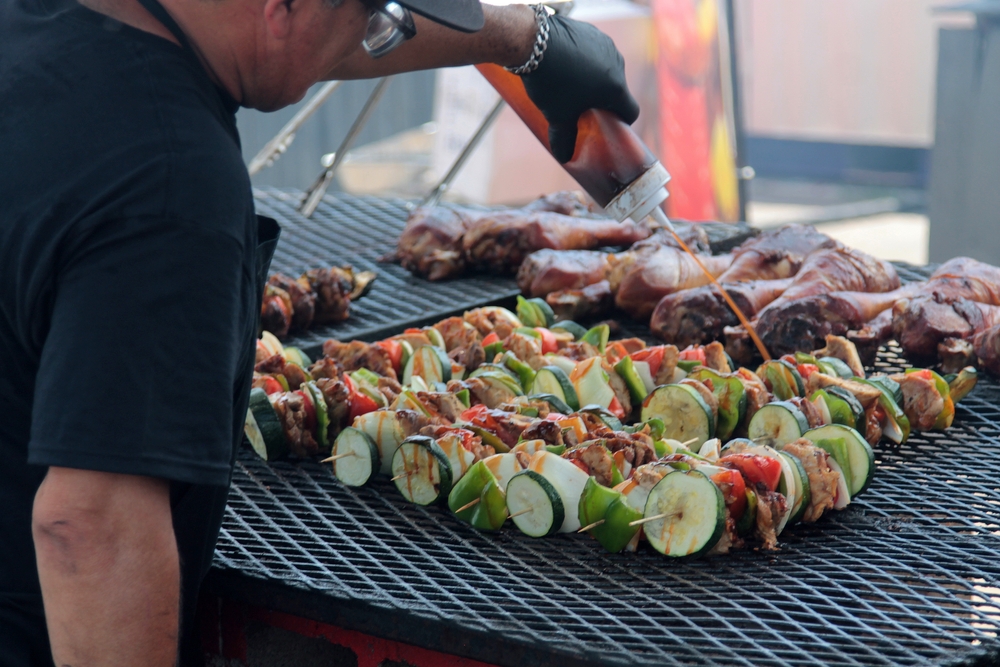
State fairs and county fairs run from July through September across the country, and they hire hundreds of temporary workers for a range of roles: ticket sales and admission, parking and traffic management, information booths, carnival and ride supervision, food concession help, and livestock show coordination for agricultural fairs. The paid staff work alongside vendors and exhibitors for the duration of the fair, which might run 10 days to three weeks depending on the event.
Pay is generally $14 to $18 an hour for general fair staff, with some supervisory and specialized roles paying more. The work environment is unambiguously noisy, crowded, and outdoors in summer heat, which will either appeal to you or immediately disqualify it. For someone who has always loved the chaos and community of a state fair, working it for a few weeks is a genuine pleasure. For someone who finds crowds exhausting, it is not. Applications go through the individual fair’s employment page or the state agricultural department that runs the fair. Search by your state’s fair name and “employment” in the spring, since most fairs post openings four to six weeks before the event.
Pet boarding and kennel holiday helper
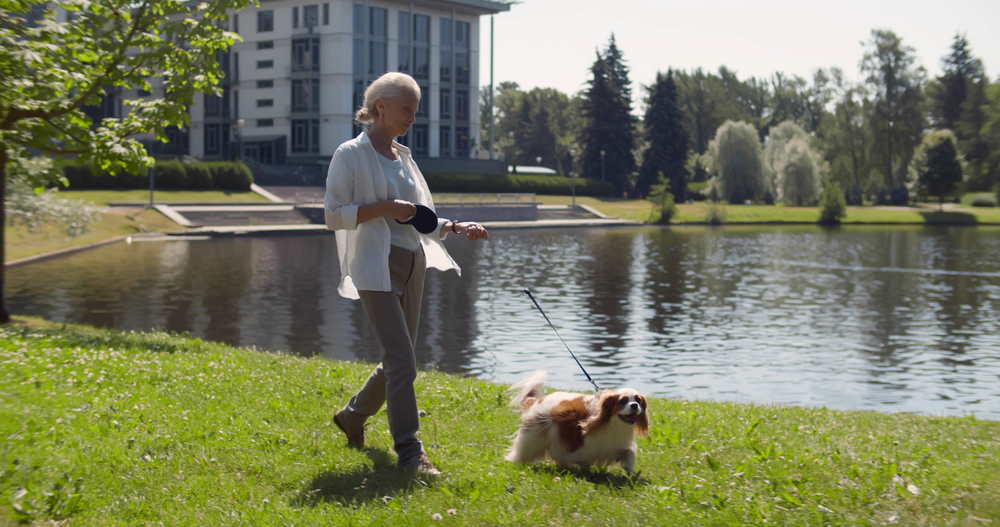
Pet boarding facilities, doggy daycares, and veterinary boarding services have three concentrated busy periods: the week before Thanksgiving, the two weeks before and after Christmas, and spring break week in March. During these windows, boarding facilities are often at or over capacity and need additional workers for feeding, exercise, cleaning kennels, and basic animal care. No veterinary license is required for most kennel helper roles, just comfort around dogs and cats and the physical ability to handle medium and large animals.
Pay runs $13 to $18 an hour at most boarding operations, and the work tends to be available in short concentrated bursts that are easy to commit to. A retiree who volunteers at an animal shelter or has owned large dogs has a natural head start. Rover’s boarding affiliate network and Wag also offer home-based boarding and drop-in check opportunities for retirees who want to handle the work from their own home, which eliminates commuting entirely. Apply to local facilities in September or October for holiday hiring, and again in January or February for spring break positions.











