
Spend $4,672 on a new garage door and you can expect to see about $12,500 added to your sale price. Spend $80,000 gutting a kitchen and you’ll be lucky to get half of that back at closing. The 2025 Cost vs. Value report, which tracks 28 remodeling projects across hundreds of U.S. markets, makes the gap between smart and wasteful home improvements very clear.
For anyone selling in retirement, the math matters more than it ever did. You’re not doing this because you’ll enjoy it for the next decade. You’re doing it to maximize what comes out at closing so you have more to work with in the next chapter. That’s a different calculation, and it changes which projects deserve your money.
Many of the highest-return improvements are also among the cheapest. Most of the big-ticket renovations that feel impressive, full kitchen gut jobs, high-end bathroom overhauls, sunroom additions, don’t pay back. What pays back is fixing what buyers notice first and removing the objections that kill deals or chip away at your price.
Table of contents
- Garage door replacement
- Steel entry door replacement
- Manufactured stone veneer on the front facade
- Fiber-cement siding replacement
- Minor kitchen remodel
- Fresh paint throughout
- Wood deck addition
- Midrange bathroom remodel
- Backup power generator
- Roof replacement
- Flooring update
- Landscaping and curb appeal refresh
- Vinyl window replacement
- HVAC system update
- Deep clean, declutter, and pre-listing staging
Garage door replacement
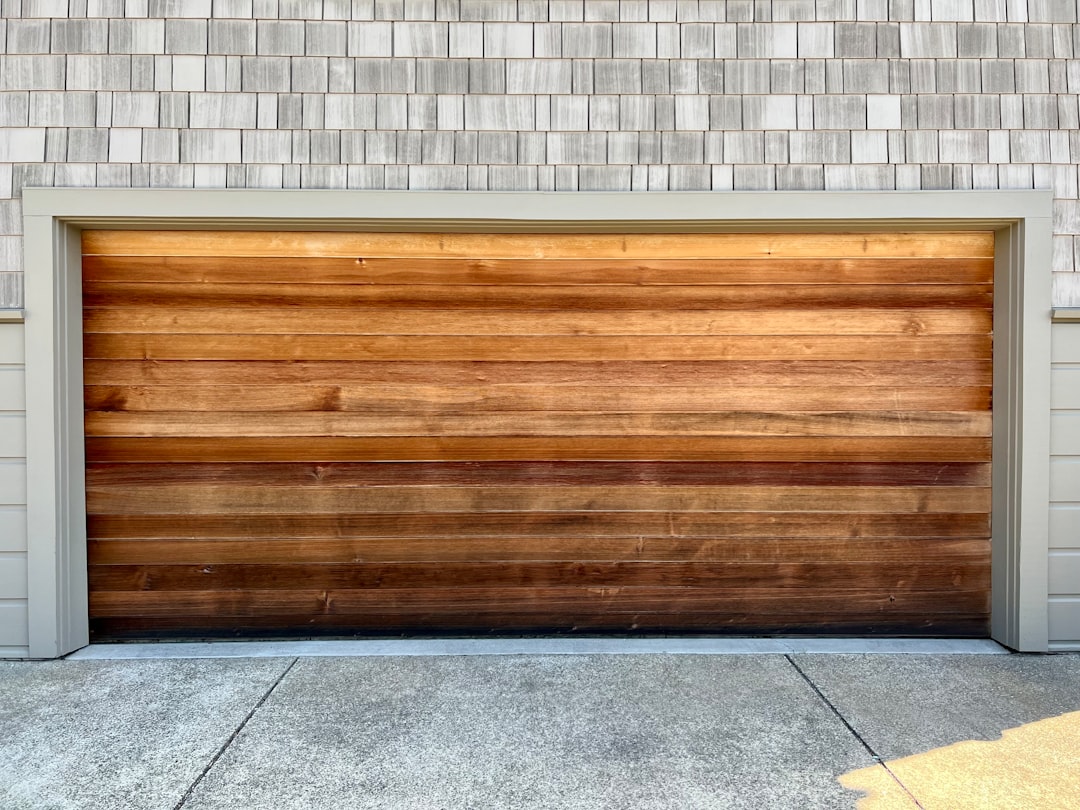
A garage door replacement costs an average of $4,672 and adds roughly $12,526 in resale value, a 268% return. That makes it the single highest-ROI project in the 2025 Cost vs. Value report for the second year running. No other improvement, inside or outside, comes close.
The reason it performs so well is tied to how buyers experience a home before they walk through the front door. An outdated, faded, or damaged garage door signals neglect even when nothing else is wrong. A clean, properly styled replacement sends the opposite message. First impressions are doing real financial work here, and the data has confirmed this for years.
You don’t need a custom or high-end door to get the return. The 2025 figures are based on a standard insulated steel door in a style appropriate to the home’s architecture. Installation is typically done in a single day. If you only do one thing to the exterior of your home before listing, this is it.
Steel entry door replacement
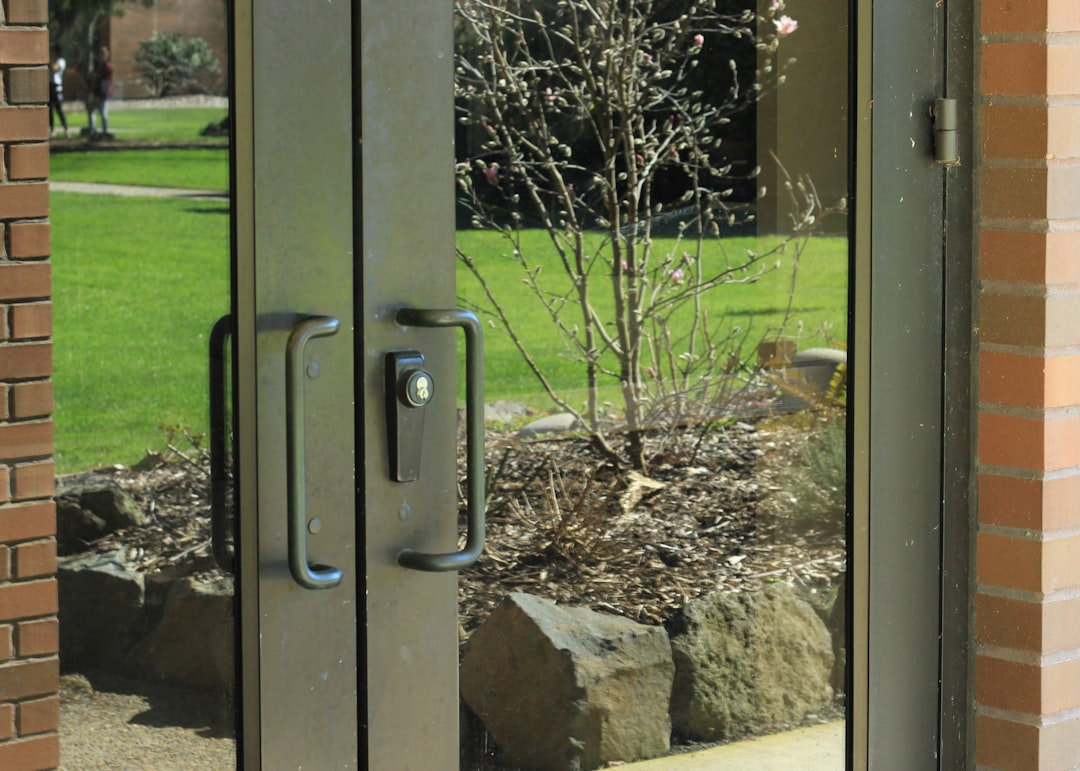
Replacing a worn entry door with an insulated steel unit costs an average of $2,435 and adds $5,270 in resale value, a 216% return. It’s the second-best project in the 2025 report and one of the cheapest on this list.
The return comes from a combination of curb appeal and practical value. Steel doors are more energy-efficient than hollow-core wood and considerably more secure. Buyers register both without necessarily knowing why one home feels more solid and well-kept than the one next door.
If your home already has a fiberglass or solid wood door in good condition, this one is lower priority. But if the entry door is hollow, damaged, weathered, or simply dated, replacing it before listing is about as close to guaranteed money as renovation gets. The project is also quick, typically a half-day for a professional installer.
Manufactured stone veneer on the front facade
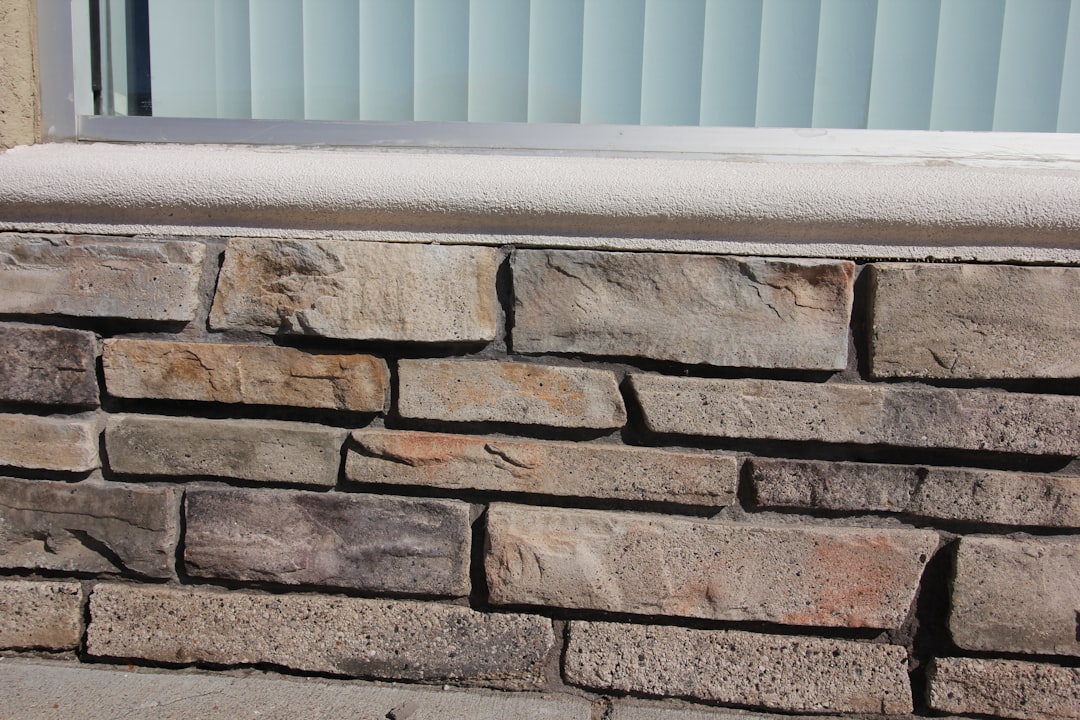
Applying manufactured stone veneer to part of a home’s front facade costs around $11,000 and returns over 200% of that investment. It sits in the same rare tier as garage and entry door replacements: exterior work that more than doubles your money.
Stone veneer isn’t applied to the whole house. It’s typically used as an accent on the lower portion of a front facade, around a garage, or framing an entry. Done well, it transforms the curb appeal of a home that looks flat or generic. Done poorly, it looks tacked on. Hire a contractor who has photos of completed work in your neighborhood’s architectural range and doesn’t take shortcuts on substrate preparation.
This project pairs naturally with a garage door or entry door replacement. If you’re already having contractors out for exterior work, getting stone veneer quoted at the same time can save on mobilization costs. The combination of all three front-of-house projects can dramatically reposition how a home photographs and how buyers perceive it on arrival.
Fiber-cement siding replacement
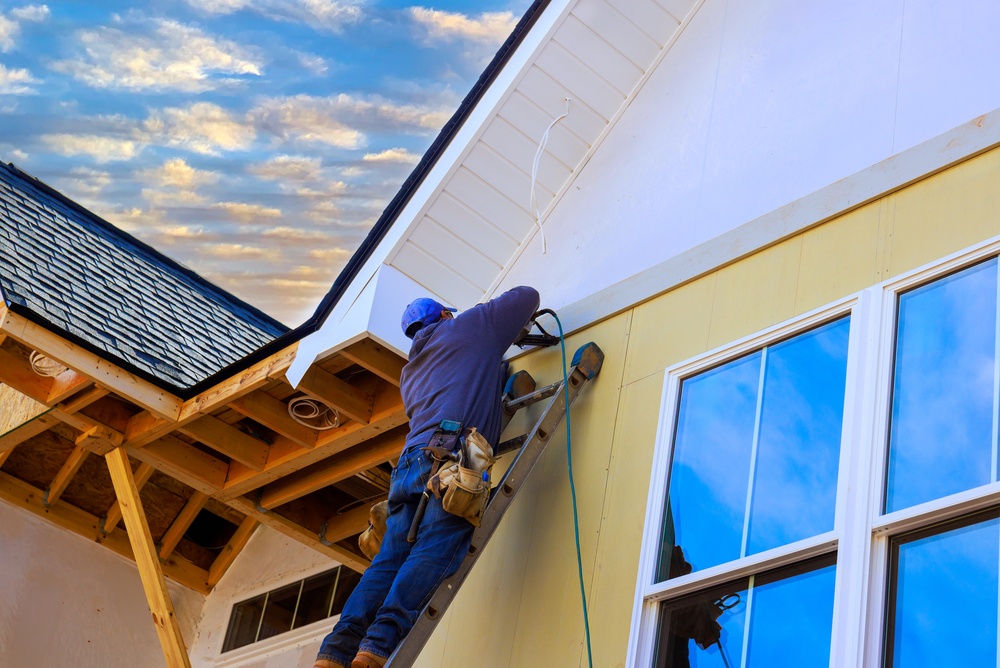
If the siding on your home is more than 20 years old, faded, or showing signs of deterioration, replacing it with fiber-cement siding returns around 114% on average, at a typical project cost near $19,000. It’s a bigger spend, but it earns back more than you put in and removes a major buyer objection before it gets raised.
Fiber-cement, sold under brand names like HardiePlank, is more durable and lower-maintenance than wood or aging vinyl. It resists moisture, insects, and fire, which matters to buyers and to their insurance carriers. Old, failing siding shows up in inspection reports and gets used to negotiate your price down. Replacing it before listing removes that negotiating tool from a buyer’s hand.
If the siding is structurally sound but just dated in color, a fresh coat of exterior paint is a significantly cheaper first option. A professional exterior repaint runs $5,000 to $15,000 depending on home size and condition. But if the siding itself is failing, paint is only a temporary fix that buyers and inspectors will see through.
Minor kitchen remodel
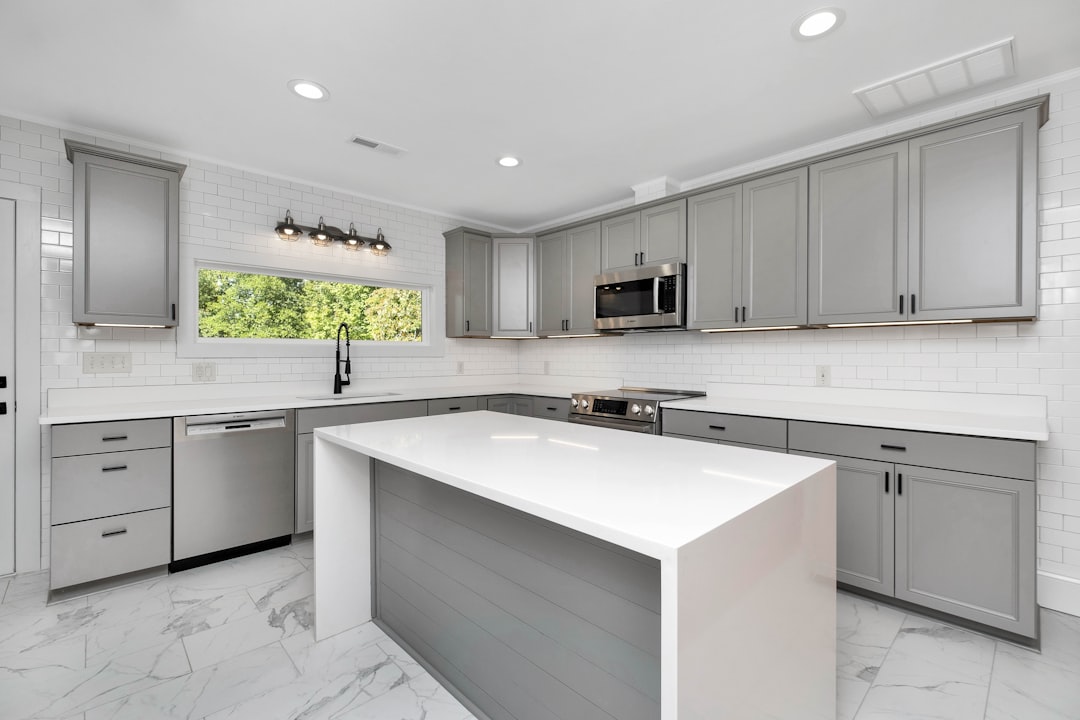
A minor kitchen remodel, which means refacing or replacing cabinet doors and drawer fronts while keeping the existing boxes, adding stone countertops, installing a new sink and faucet, and replacing appliances with mid-grade models, costs an average of $28,458 and adds $32,141 in resale value. That 113% return is the best of any interior project in the 2025 report.
The word “minor” is doing important work here. A full gut renovation of a kitchen, moving walls, custom cabinetry throughout, high-end appliances, returns well under 60 cents on the dollar nationally. Buyers pay for functional and fresh, not for custom. They’re going to move in and cook dinner, not reward you for your design choices.
If the cabinets are structurally sound, refacing them costs a fraction of full replacement and gets most of the visual result. Add quartz countertops, a new under-mount sink, and a mid-range appliance package and you have a kitchen that photographs well and doesn’t raise flags during showings. Match the finish level to what’s expected in your neighborhood. Going above the neighborhood ceiling is money that buyers won’t pay back.
Fresh paint throughout

Interior paint is consistently cited by real estate agents as one of the highest-impact presale improvements per dollar spent. A full professional interior repaint of a typical 2,000-square-foot home runs $3,000 to $6,000. The impact on buyer perception and on listing photos is often worth several times that cost in offers received.
The color matters as much as the freshness. Warm whites, soft greiges, and light taupes read as clean and modern. Bright whites read cold. Old beiges and browns read dated. If you haven’t repainted in more than ten years, the existing color palette is almost certainly working against you. This applies to ceilings, trim, and doors as well. Freshly painted trim makes even older cabinetry and flooring read more intentionally finished.
If the exterior paint is peeling, faded, or in an outdated color, that needs attention too. Buyers form judgments before they get out of the car. A tired exterior, even one that’s otherwise structurally sound, can suppress offers before a buyer ever sees what you’ve done inside. Exterior repaints on older homes run $5,000 to $15,000 but eliminate a visual objection that would otherwise show up in negotiations.
Wood deck addition
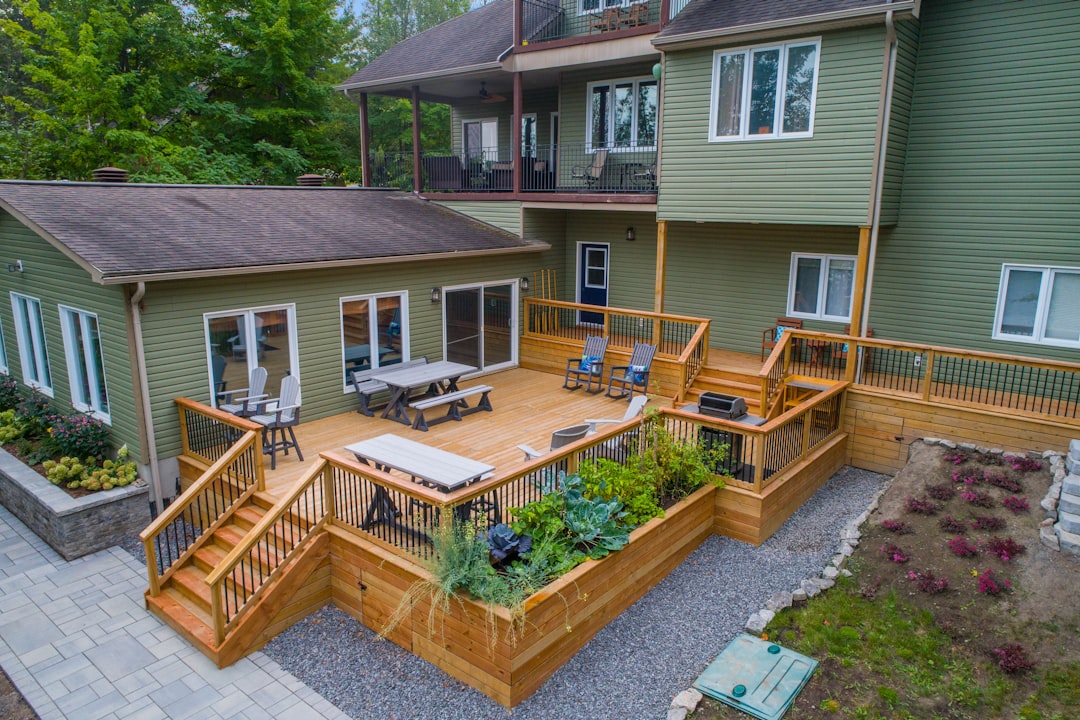
A wood deck addition returns about 95% of its cost and a composite deck around 88%. Both made the 2025 top-ten list for project ROI, and outdoor living has become a genuine buyer priority across most of the country, not a bonus feature.
Outdoor living space extends a home’s functional square footage and photographs well, which matters enormously in the online listing environment where buyers shortlist homes without seeing them in person. A home with no outdoor living area is simply missing something that competing listings in most markets will have.
If your home already has a deck but it’s aging, a thorough inspection and targeted repair is a faster, cheaper path than full replacement. Replacing damaged boards, tightening railings, and applying a fresh stain can restore the appearance significantly. A deck that looks clean and solid in listing photos does the job. A deck that looks worn and gray actively hurts your sale.
If a deck needs to be built or substantially repaired, hiring an experienced local contractor can help ensure the structure is safe and suited to the property. Homeowners looking for a Deck Builder San Antonio can compare local professionals based on experience, materials, and completed projects.
Midrange bathroom remodel
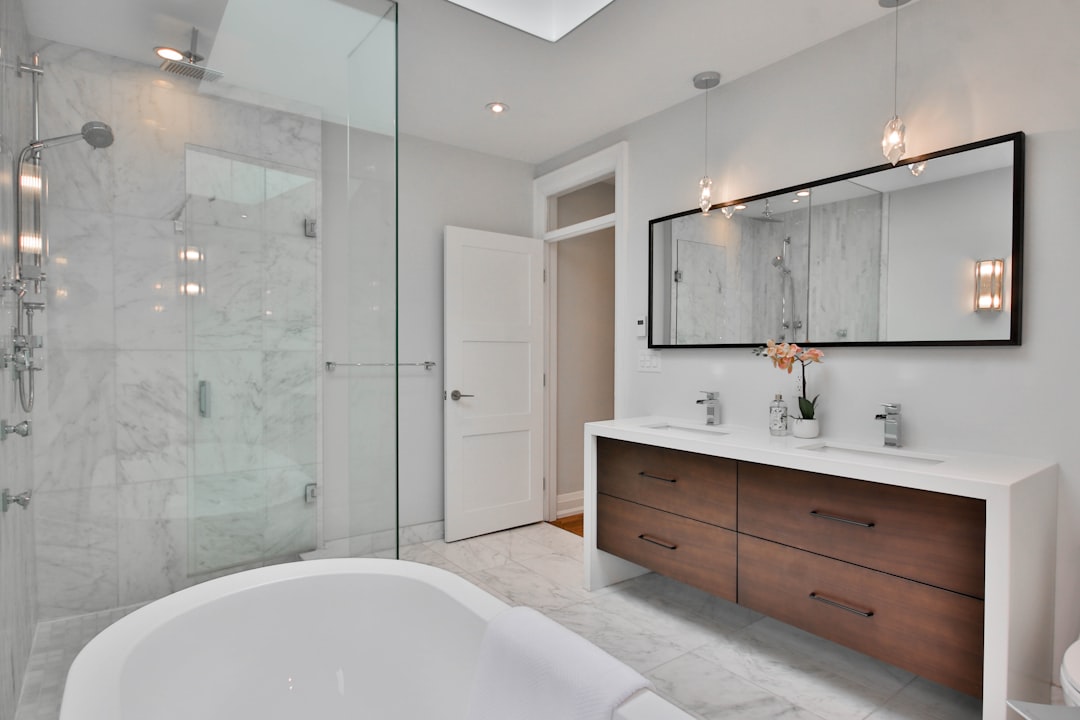
A midrange bathroom remodel returns about 80% of its cost. That may sound modest, but most interior renovations return far less, and an upscale bathroom remodel with heated floors, soaking tubs, and custom tile comes back at around 55%. The drop from 80% to 55% is almost always a function of taste being too specific for mass buyer appeal.
A midrange remodel means updated tile flooring, a new vanity with a stone top, a new toilet, updated lighting, a fresh mirror, and a re-tiled shower or tub surround if the existing one is showing its age. It does not mean moving plumbing, expanding the footprint, or installing finishes that would only appeal to a narrow buyer. The goal is a bathroom that reads as clean, bright, and current, not impressive.
Bathrooms are the second thing buyers notice after kitchens. For retirement sellers, this is also an area where thoughtful updates can do double duty. Zero-threshold showers and comfort-height toilets appeal to aging-in-place buyers, and that demographic is a large and growing share of the market. Adding those features doesn’t raise costs significantly but broadens your buyer pool.
Backup power generator

A whole-house backup generator was one of five new project categories added to the 2025 Cost vs. Value report, and it landed with an average ROI near 95% nationally. In regions prone to weather disruptions, including hurricane states and New England, the return is substantially higher, running over 100% in some markets.
Buyers in storm-prone regions increasingly view backup power as a baseline feature rather than a luxury upgrade. A standby generator that automatically kicks on when grid power fails is meaningfully more appealing than a portable unit that requires manual setup and fuel management. For older buyers especially, the peace-of-mind factor is real, and it shows up in what they’re willing to pay.
A standby generator is typically a propane or natural gas-powered unit installed outside the home, wired to an automatic transfer switch on the electrical panel. Installation requires a licensed electrician and gas connection work. It’s not a DIY project, and costs vary significantly by region and home size. Get at least three quotes before committing.
Roof replacement
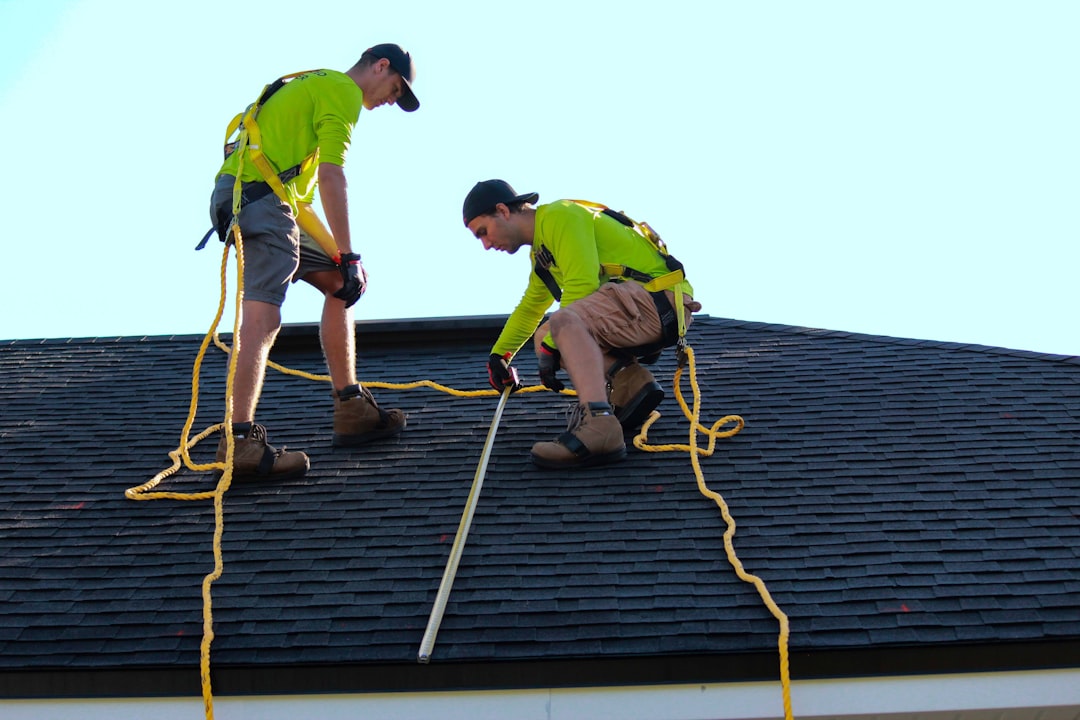
A new asphalt shingle roof returns 60% to 70% of its cost at resale, which isn’t the highest number on this list. But a failing or aging roof does something that no ROI figure fully captures: it kills deals or drives down your sale price in ways that far exceed the cost of replacement.
Buyers who get a home inspection report citing an aging roof have two choices. They walk, or they negotiate. Either way, you lose money. In many markets, home insurance carriers won’t write a policy on a home with a roof over a certain age, which can unravel a sale even after an accepted offer. A roof more than 20 years old will come up in every inspection report and give every serious buyer a reason to discount their offer.
If your roof is within five years of its expected end of life, replacing it before listing is worth serious consideration. Asphalt shingle replacement costs roughly $10,000 to $18,000 for a typical home. Removing the roof concern from the inspection report eliminates a negotiating lever that buyers routinely use, and it typically speeds up the closing process by reducing back-and-forth over credits and repairs.
Flooring update
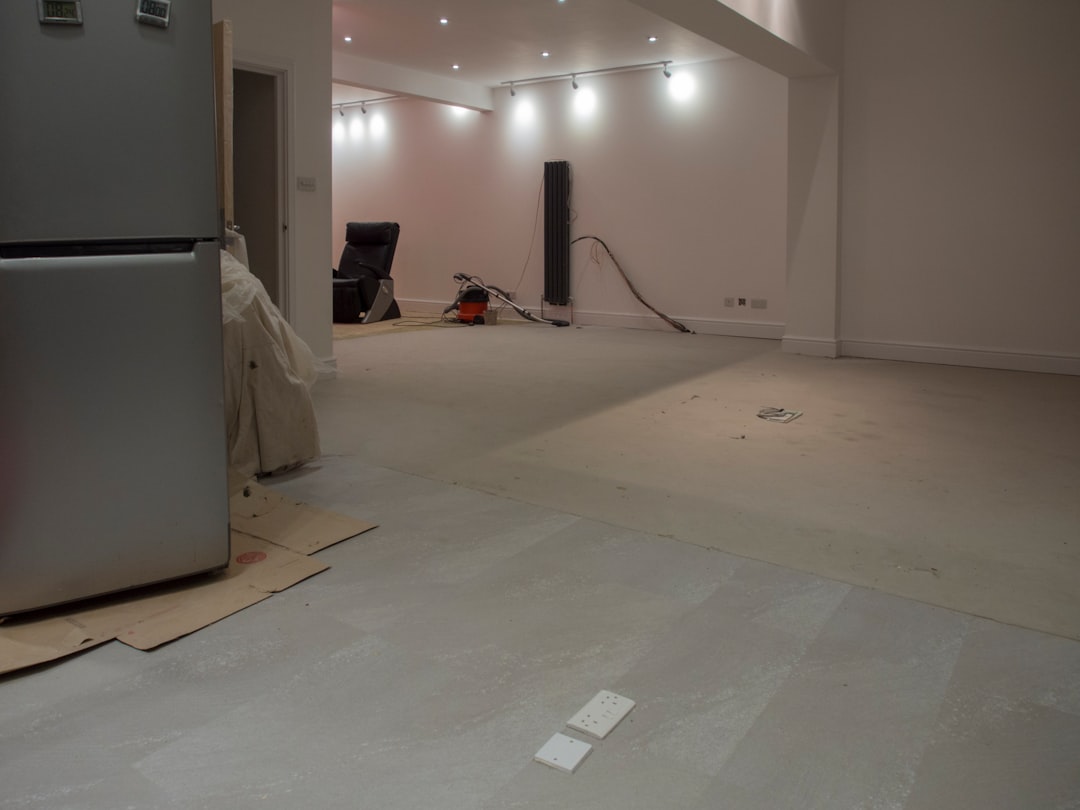
Outdated, worn, or visually inconsistent flooring is one of the top buyer objections in presale inspections and showing feedback. Hardwood flooring consistently returns 70% to 80% of its cost. If you already have hardwood under carpet, professional refinishing rather than new installation is a significantly cheaper path to the same result.
Luxury vinyl plank has become a strong alternative for sellers who don’t have hardwood underneath and don’t want the cost of full hardwood installation. It’s durable, waterproof, and available in styles that read as high-quality in listing photos and showings. In most mid-range homes, buyers can’t tell the difference between LVP and hardwood at a glance, and that’s the test that matters.
Avoid flooring that’s trendy or taste-specific. Wide-plank styles in warm natural and gray-brown tones photograph best and appeal to the widest buyer pool. Consistent flooring throughout the main living areas is the priority. Carpet in bedrooms is acceptable to most buyers if it’s in clean condition. Mismatched flooring between rooms, or a combination of old tile, worn carpet, and scratched laminate in visible areas, is a problem worth solving before you list.
Landscaping and curb appeal refresh
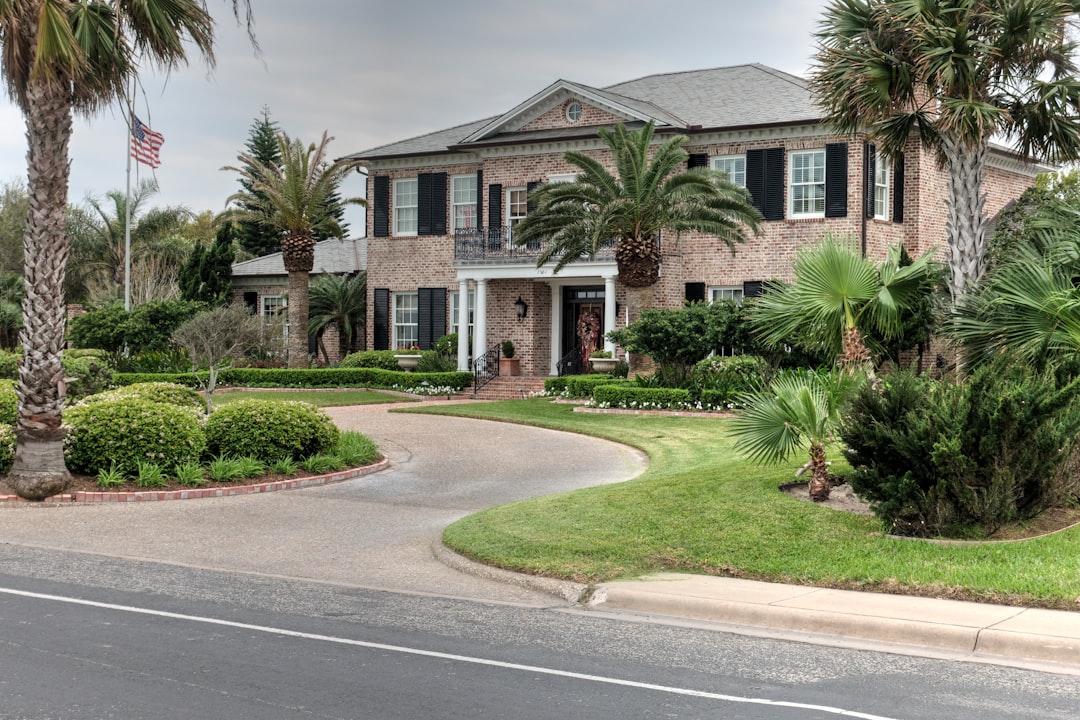
97% of real estate agents say curb appeal is important in attracting buyers, and 92% have recommended curb appeal improvements to sellers before listing. The highest-returning landscaping investments are also the most basic: clean mowing and edging, fresh mulch in beds, trimmed shrubs, and a few potted plants at the entry.
Overgrown, neglected, or patchy landscaping signals a home that hasn’t been maintained, even when the interior is excellent. Conversely, clean and simple landscaping makes a home look cared for and photograph well, which drives more showings and better first offers. This is one of the clearest examples of buyer psychology driving financial outcomes.
Exterior maintenance can also make a noticeable difference in how a property looks before it goes on the market. Homeowners who need help with outdoor cleaning may want to hire Bear Power Wash for professional exterior cleaning.
For sellers who have let landscaping slide over the years, a one-time professional cleanup before listing, plus some seasonal plantings at the entry, costs $500 to $1,500 and almost always generates a return. Skip the major redesign. Buyers want to see a clean, manageable yard, not someone else’s elaborate garden vision they’ll feel obligated to maintain.
Vinyl window replacement
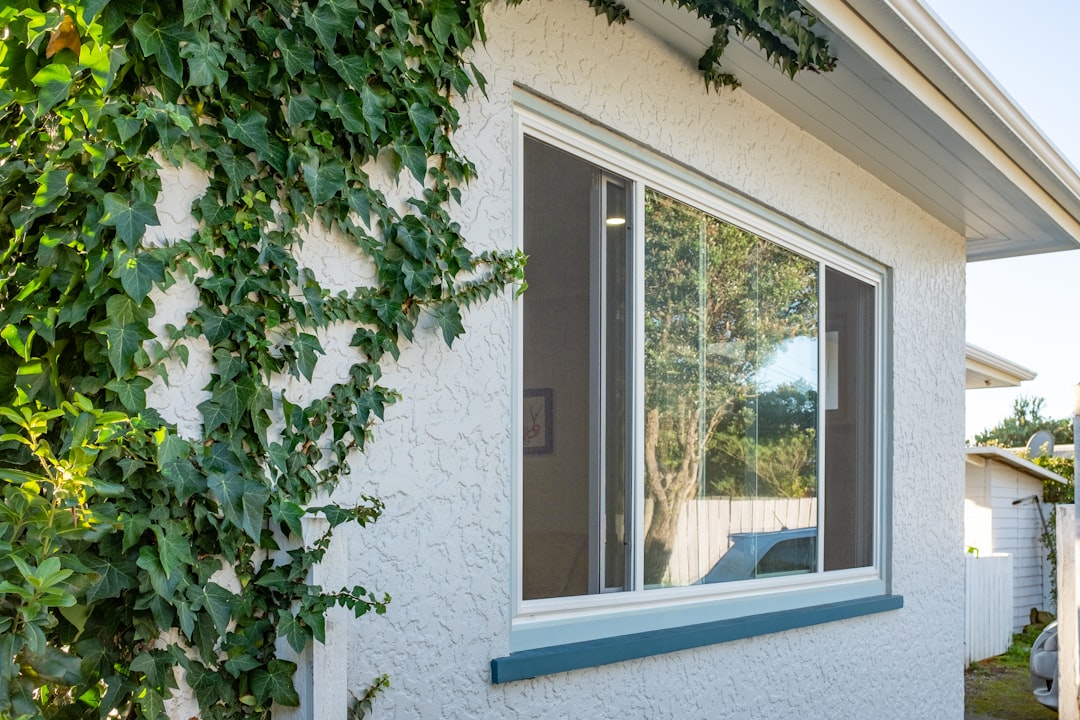
Vinyl window replacement returns around 75% of its cost, which has been higher than wood window replacement in Cost vs. Value reporting for over 15 consecutive years. The practical case for replacement goes beyond the ROI number: buyers know that old windows mean higher energy bills, potential moisture issues, and a future project they’d be taking on themselves.
If your windows are original to a home built more than 30 years ago, they’re likely single-pane or early-generation double-pane units that perform poorly by current standards. That shows up in buyer concerns during showings and in inspection reports. Replacing them before listing removes a known objection and gives buyers one less reason to negotiate your price down.
A cheaper fix worth checking first: if your double-pane windows show fogging between the panes, that’s seal failure, and in many cases the glass unit can be replaced without replacing the entire window frame. This costs a fraction of full window replacement and addresses the visible problem. Save full window replacement for windows that are genuinely failing structurally or that are still single-pane.
HVAC system update

Buyers and their agents ask about the HVAC system. They want to know its age and when it was last serviced. A system that’s 15 or more years old becomes a line item in buyer calculations. They know they’re likely looking at a replacement within a few years, and they price that expectation into what they’re willing to offer.
If your system is over 15 years old, replacing it before listing rather than taking the price reduction during negotiation often nets more at closing. A new central air and heating system runs $8,000 to $15,000 depending on home size and region. Framing it in your listing as a brand-new system is a meaningful selling point, particularly for buyers who are cost-conscious and don’t want immediate capital expenses after closing.
At minimum, have the system serviced and inspected before listing. A service record showing recent professional maintenance signals to buyers that the HVAC has been cared for and is less likely to fail immediately post-closing. This costs a few hundred dollars and can meaningfully improve buyer confidence at a showing, especially when agents mention it upfront.
Deep clean, declutter, and pre-listing staging

The single highest return per dollar spent isn’t any structural improvement. It’s a thorough professional deep clean combined with deliberate decluttering and basic staging. Total cost can range from a few hundred dollars for a cleaning service to a few thousand if you use professional staging consultation. The impact on listing photos and buyer perception is disproportionate to that cost every time.
This is where retirement sellers often have the most to address. Decades of accumulated belongings, personal photos, and furniture arranged for living rather than showing can make a home feel smaller, darker, and more personal than it actually is. Buyers need to be able to see themselves in the space. That becomes very hard when the home reads unmistakably as someone else’s.
Hire junk removal if needed and rent a storage unit for anything that doesn’t stay. Have carpets professionally cleaned. Book a cleaning service that handles pre-listing work, meaning windows, appliances, baseboards, grout, and every corner that shows in photos. Then spend an hour with a staging consultant, even a paid one-hour walkthrough, to identify the biggest visual changes before the photographer arrives. The money you spend here almost always comes back more than once over.











