
You did everything right. You saved for decades, tracked your projected benefit, ran the numbers enough times to feel confident. Then the first year happened. The tax bill came in higher than expected. The Medicare statement didn't match what you'd budgeted. The checking account started shrinking faster than the spreadsheet said it should.
Most retirement planning focuses on whether you've saved enough. Far less attention goes to the rules, costs, and structural gaps that quietly chip away at what you thought you had. These are the 12 that surprise new retirees most.
Table of contents
- Your Social Security check gets taxed
- Medicare charges more based on your income, with a two-year delay
- The base Medicare Part B premium jumped nearly 10% in a single year
- Medicare won't pay for your teeth, eyes, or ears
- Long-term care will likely cost you, and Medicare won't cover most of it
- Required minimum distributions create a tax surge you can't opt out of
- When a spouse dies, one Social Security check disappears immediately
- Retiring before 65 creates a health insurance cliff
- Retirement may come before you planned for it
- Working part-time in retirement can shrink your Social Security check
- Your cost-of-living adjustment doesn't track your actual costs
- State taxes on retirement income vary more than most people realize
- Learn how to stretch your retirement savings and maximize your Social Security benefits for a comfortable retirement:
Your Social Security check gets taxed

A lot of retirees assume Social Security arrives tax-free. It doesn't, at least not for most. The income thresholds that determine whether your benefits are taxable haven't been updated since 1984. Single filers start owing federal tax on their benefits when combined income exceeds $25,000. For married couples filing jointly, that threshold is $34,000. At higher income levels, up to 85% of your Social Security can be counted as taxable income.
That 85% figure trips people up. It doesn't mean an 85% tax rate. It means up to 85 cents of every dollar of Social Security benefit gets added to your ordinary taxable income and taxed at your normal bracket, which might be 12% or 22%. But the cascade effect is real. A modest pension, a small IRA withdrawal, and your Social Security check can push you into taxable territory without your income ever feeling high.
The thresholds are frozen in 1984 dollars, and every COLA increase pushes more retirees past them. Even tax-exempt municipal bond interest counts toward the combined income calculation, which catches a lot of people off guard. A new temporary $6,000 senior deduction for ages 65 and up may reduce the bite for some retirees through 2028, but the underlying thresholds haven't moved.
Medicare charges more based on your income, with a two-year delay

Most people know they'll pay a Medicare Part B premium. Fewer know there's a surcharge layered on top of it if their income crosses certain thresholds. The surcharge is called IRMAA, and in 2026, it starts for single filers whose 2024 income exceeded $109,000, or married filers above $218,000. It operates as a cliff: one dollar over a threshold triggers the full surcharge for that tier, not a gradual increase. At the highest income levels, a single person can pay $689.90 a month for Part B alone, more than three times the standard rate. For a couple, both paying the surcharge, the additional cost can top $10,000 a year.
The detail that catches people hardest is the two-year lookback. Your 2026 Medicare premiums are based on your 2024 tax return, not your current income. If you sold a house, did a large Roth conversion, or retired at the end of a high-earning year, you might be paying elevated Medicare premiums two years later on money you no longer earn. By the time the notice arrives, it's too late to change the income that triggered it.
About 5.1 million Medicare beneficiaries paid IRMAA surcharges in 2025. If your income has dropped significantly since your 2024 tax return because of retirement, a spouse's death, or another qualifying event, you can appeal using Form SSA-44. The Social Security Administration can use your more recent income instead. Most people don't know this option exists.
The base Medicare Part B premium jumped nearly 10% in a single year
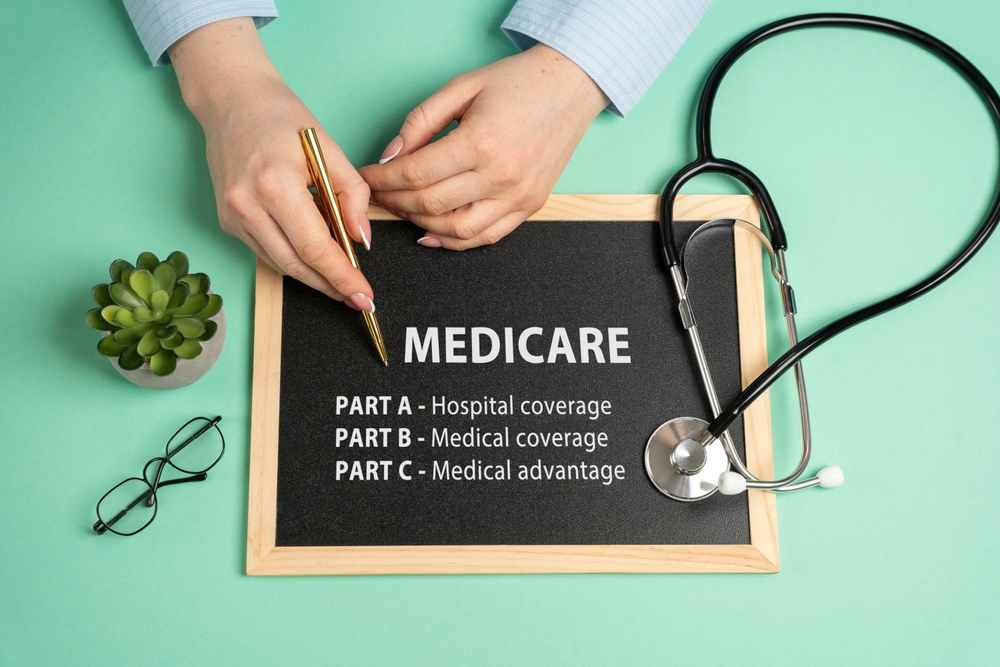
Even without an IRMAA surcharge, Medicare costs are rising fast. The standard Part B premium rose to $202.90 per month in 2026, up from $185 in 2025. That's a jump of nearly 10% in one year. For a retired couple, both on Medicare, that's more than $430 in additional premiums annually before any other cost increases.
Part B is just one piece. The Medicare Part A hospital deductible rose to $1,736 per benefit period. Part D drug coverage adds another $40 to $80 a month on average. If you add a Medigap supplemental plan to cover Original Medicare's gaps, total healthcare-related premiums for one person can easily run $500 or more a month before a single claim is filed. Fidelity estimates that a couple with average prescription drug needs and a Medigap plan needs $267,000 saved to have a 50% chance of covering medical costs in retirement, and $405,000 for a 90% chance.
Healthcare costs in retirement also compound. They tend to rise faster than general inflation, and older retirees use more care than younger ones. A budget that works at 65 can strain badly by 75 if healthcare costs aren't built in with room to grow.
Medicare won't pay for your teeth, eyes, or ears

Original Medicare covers a broad range of medical services, but not routine dental care, eyeglasses, or hearing aids. Not annual cleanings. Not dentures. Not glasses after cataract surgery, even when Medicare paid for the surgery itself. Not hearing aids. These costs are fully out-of-pocket unless you have a Medicare Advantage plan that includes them, and even then coverage is often limited and varies widely by plan.
This surprises retirees because these are not unusual needs. Most people will require dental work, updated vision correction, and likely hearing aids within the first decade of retirement. A pair of hearing aids typically costs $2,000 to $7,000. Dental implants can run $3,000 to $5,000 per tooth. If your employer-sponsored vision coverage ends when you retire, you're paying out of pocket or going without.
Medicare Advantage plans vary enormously in what dental and vision benefits actually cover. Many offer only a small annual allowance that doesn't come close to covering major dental work. Comparing plans carefully before enrolling, rather than defaulting to the first option, can make a meaningful difference in what you pay over time.
Long-term care will likely cost you, and Medicare won't cover most of it

More than half of Americans who turned 65 between 2021 and 2025 are expected to need long-term services at some point in their lives. Medicare covers skilled nursing care after a hospitalization, but only for a limited time, and only for medical nursing, not for help with daily activities like bathing, dressing, or eating. Assisted living, home health aides for personal care, and most nursing home stays are largely out of pocket.
The numbers are significant. In 2026, a semi-private nursing home room runs roughly $108,000 a year. Assisted living averages around $64,000. Full-time home health care costs about $75,000 annually. A realistic scenario of three years of assisted living followed by two years in a nursing home clears $400,000 in today's dollars, before factoring in care-cost inflation, which has historically outpaced general inflation by a meaningful margin.
Medicaid does cover nursing home care, but only after you've spent down your assets to near-poverty levels. Most states require single individuals to have roughly $2,000 or less in assets before Medicaid steps in. That leaves the middle-income gap that's hardest to navigate: too much to qualify for Medicaid, not enough to comfortably fund years of private care. Only a small fraction of Americans have long-term care insurance, and traditional premiums have risen sharply. Hybrid life insurance policies with LTC riders have become a more common alternative.
Required minimum distributions create a tax surge you can't opt out of

If you spent decades building a traditional 401(k) or IRA, every dollar in those accounts will eventually be taxed as ordinary income. The IRS enforces this through required minimum distributions. Starting at age 73, you must withdraw a calculated amount each year or face a 25% penalty on what you should have taken. For most people, missing the deadline is a mistake that becomes expensive fast.
The issue isn't just the tax on the withdrawal itself. It's what that withdrawal does to everything else. A large RMD can push you into a higher tax bracket, cause more of your Social Security to become taxable, and bump you into IRMAA territory for Medicare premiums two years down the road. The cascade happens even if you don't need the money and didn't plan to take it.
There's also a first-year trap. You're allowed to defer your very first RMD until April 1 of the year after you turn 73. But if you do, you'll take two RMDs in the same tax year: one for the prior year and one for the current year. That doubles the income spike. Taking the first one by December 31 of the year you turn 73 usually makes more sense.
When a spouse dies, one Social Security check disappears immediately

Married couples typically plan on two Social Security checks. When one spouse dies, the survivor keeps only the larger of the two benefits.
The smaller one stops entirely. For a couple receiving $2,800 and $1,600 a month combined, the survivor is left with $2,800. That's a 36% reduction in household Social Security income starting the month after the death, with no adjustment period.
Most of the household's fixed costs don't drop by 36%. Housing, utilities, insurance, and property taxes are largely unchanged. Financial planners generally estimate a surviving spouse needs about 70 to 80% of what the couple spent together. Social Security income, however, drops to roughly 64% of what it was.
The tax situation makes it worse. In the year after a spouse dies, the survivor typically shifts from Married Filing Jointly to Single. In 2026, the standard deduction for a married couple over 65 is $35,500. For a single filer over 65, it drops to $18,150. Tax brackets also compress sharply, so the same income gets taxed at higher rates. A widow or widower in a couple that had combined income of $130,000, well below the IRMAA threshold for joint filers, can suddenly find their own income of $90,000 pushing them into Medicare surcharge territory they never faced as a couple. The tax and healthcare cost increases arrive at exactly the moment the income drops.
Retiring before 65 creates a health insurance cliff

If you retire before age 65, you're too young for Medicare. That gap has always been expensive, but it got worse in 2026. The expanded Affordable Care Act subsidies that had been in place since 2021 expired at the end of 2025. Subsidies reverted to pre-2021 rules, which means premium tax credits disappear entirely for households earning above 400% of the federal poverty level, roughly $84,600 for a couple. Below that, credits are reduced. The cliff is steep: going a dollar over the income threshold can mean losing thousands or tens of thousands of dollars in annual subsidies.
For early retirees, this turns income planning into a healthcare strategy. Which accounts you draw from, when you take capital gains, and how much you pull from an IRA in a given year all affect what you pay for health insurance coverage in those pre-Medicare years. A Roth withdrawal doesn't count toward income for subsidy calculations; a traditional IRA withdrawal does.
This is a significant planning gap for anyone who intends to retire at 60, 62, or 63. The health insurance cost for those years is often larger than people expect, and the subsidy math is punishing for even modest income overruns.
Retirement may come before you planned for it

Most people assume they'll retire when they decide to. That's not how it works for a large share of retirees. About 46% of 2025 retirees left the workforce earlier than they had planned, and about three-quarters of those early exits were driven by factors outside their control: health problems, a disability, a layoff, company downsizing, or closure. More than half of full-time workers in their early 50s get pushed out of their jobs before they intend to leave.
Retiring at 61 instead of 66 is a very different financial picture. Four fewer years of contributions. A Social Security benefit permanently reduced if you claim early. Four more years of drawing down savings instead of building them. If you planned to work until 67 and make those final high-earning years count, losing them early is a meaningful blow to the plan.
Building a financial cushion that can survive an earlier-than-expected exit is a form of planning most people skip. It's worth running the numbers on what your retirement looks like if it starts three to five years sooner than you intend.
Working part-time in retirement can shrink your Social Security check

Working while collecting Social Security sounds like a good plan. If you claim before your full retirement age, it comes with a catch. For 2026, if you earn more than $24,480 and are under full retirement age for the full year, $1 is withheld from your benefit for every $2 you earn above that limit. In the year you reach full retirement age, the threshold rises and the reduction rate changes, but the limit still applies until the month you hit your FRA.
The withheld amounts aren't lost forever. Once you reach full retirement age, the Social Security Administration recalculates your benefit and credits you back for the months your payment was reduced. But in the short term, it means the part-time income you're counting on is producing a smaller monthly check than expected, which can disrupt cash flow planning in those transitional years.
For most people, working in retirement after reaching full retirement age carries no Social Security income penalty at all. If you can delay claiming until FRA or later, the earnings test disappears entirely.
Your cost-of-living adjustment doesn't track your actual costs

Social Security recipients received a 2.8% COLA for 2026. In the same year, the standard Medicare Part B premium rose by nearly 10%. For retirees whose income is primarily Social Security and who are enrolled in Medicare, a significant portion of the COLA increase went straight to the premium increase before they ever saw it in their monthly check.
The COLA is calculated using a price index built for urban wage earners, not retirees. Older households spend a larger share of their income on healthcare than younger ones do, and healthcare inflation consistently outpaces general inflation. There's an experimental index called the CPI-E that weights healthcare more heavily. It regularly shows higher inflation for older households than the standard measure does.
Over a long retirement, even a small persistent gap between COLA and actual cost increases adds up. A retiree relying heavily on fixed Social Security income who sees real purchasing power erode by 1% a year beyond the COLA will have meaningfully less to work with by their mid-70s and even less by 80. It's one of the reasons financial planners push for delaying Social Security claims: a higher starting benefit compounds better over a long retirement.
State taxes on retirement income vary more than most people realize

Federal taxes on retirement income are complicated enough. State taxes add a layer that many retirees don't fully account for when they choose where to live or where to stay. As of 2026, nine states still tax Social Security benefits to some degree, including Colorado, Connecticut, Minnesota, Montana, New Mexico, Rhode Island, Utah, Vermont, and West Virginia, though several have income-based exemptions or are phasing the tax out.
Beyond Social Security, states vary widely on how they treat 401(k) and IRA withdrawals, pension income, and capital gains. Twelve states have no income tax at all. Others tax retirement account distributions at their standard rates, which can run 5% to 9% or more. A retiree moving from a no-income-tax state to one that taxes retirement income could easily face several thousand dollars in new annual taxes that weren't part of the original retirement math.
Property taxes are another underrated variable, particularly for retirees who stay in the family home. Some states offer meaningful senior exemptions; others don't, and property tax bills have climbed sharply in many markets over the past several years. The full picture of state and local taxes matters more than most people realize when projecting retirement income.
Learn how to stretch your retirement savings and maximize your Social Security benefits for a comfortable retirement:

18 ways to stretch your retirement savings without feeling poor: The goal isn’t to pinch every penny — it’s to protect the big stuff and trim quiet leaks. Here are simple moves that keep freedom high and stress low.
18 budgeting rules that actually work for people over 50: Money habits change as we age. In this post, discover budgeting rules that fit your income and shift of priorities when you’re over 50.
15 clever strategies to maximize your Social Security benefits: Use the facts in this post to make choices that raise your monthly check for years.











