scroll top

According to the U.S. Office of Family Assistance,1 approximately 417,300 adults and 1.43 million children received Temporary Assistance for Needy Families (TANF) benefits, also known as cash assistance, in 2021 (the most recent data available). 

If you receive TANF, you may be able to withdraw cash from your EBT card at ATMs and through cash-back purchases at participating stores. 

In this post, we’ll talk about: 

What is EBT cash?

How EBT cash works

States with EBT cash benefits

Where you can withdraw EBT cash

How to avoid SNAP fraud

Other (legit) ways get fast cash

What is EBT cash?

Recipients of Supplemental Nutrition Assistance Program (SNAP) and Temporary Assistance for Needy Families (TANF) benefits receive an EBT card loaded with their designated funds. 

While SNAP recipients cannot withdraw cash from their EBT card and can only spend SNAP funds on food, TANF recipients in most states can withdraw money from ATMs to pay for various expenses such as rent, gas, and other essential items. Cash benefits from TANF are often referred to as EBT cash. 

Both programs have separate qualifications, and you may qualify for one or both depending on your household income and size. 

“My EBT cash comes in handy each month because I can always depend on it while I’m budgeting for important household items,” says Caprece, a single mom of four from Illinois. 

Check out our state guides to learn the eligibility requirements for SNAP and TANF in your state: 

AlabamaAlaska
ArizonaArkansas
CaliforniaColorado
ConnecticutDelaware
District of ColumbiaFlorida
GeorgiaHawaii
IdahoIllinois
IndianaIowa
KansasKentucky
LouisianaMaine
MarylandMassachusetts
MichiganMinnesota
MississippiMissouri
MontanaNebraska
NevadaNew Hampshire
New JerseyNew Mexico
New YorkNorth Carolina
North DakotaOhio
OklahomaOregon
PennsylvaniaRhode Island
South CarolinaSouth Dakota
TennesseeTexas
UtahVermont
VirginiaWashington
West VirginiaWisconsin
Wyoming

How to Qualify For EBT Cash

These are the basic qualifications for EBT cash through the TANF program2:

  • U.S. citizen
  • At least 18 years old
  • Resident of the state in which you apply
  • Unemployed or underemployed and have a low or very low income (each state has its own income eligibility requirements)

You must also meet at least one of the following qualifications:

  • Have a child 18 years old or younger
  • Pregnant
  • 18 years old or younger and the head of your household

How EBT cash works

EBT cash benefits are deposited into your account on a monthly basis and can be:

  1. Withdrawn as cash from participating ATMs
  2. Used to purchase qualifying items directly (like a debit card) at stores that accept EBT
  3. Withdrawn as cash back when you purchase items from a store that accepts EBT

In general, can use your EBT cash card to pay for a variety of expenses, including:

  • Food 
  • Clothing
  • Household supplies and toiletries
  • Utilities

However, you can’t use your card at liquor stores, wine stores, or in casinos. Not all stores accept EBT cash, so make sure you search for “stores near me that accept EBT.”

google-maps-usa-image

The National Conference of State Legislatures3 has a comprehensive list by state of which items can and cannot be purchased with EBT cash. 

While you can't use EBT cash directly on Amazon, you can use it to purchase Amazon gift cards. Learn about more ways to use EBT cash on Amazon. Plus, check out our guide to EBT discounts and freebies.

How to withdraw EBT cash

When withdrawing cash at an ATM, you can use your EBT card just like you would use a debit card. Insert the card, and enter your PIN (which participants select upon card activation). Select “Checking,” and you can either view your account balance or withdraw cash if you receive TANF benefits. 

Check out this video of how to withdraw cash from an ATM: 

Each state sets a monthly limit on the number of free EBT cash withdrawals you can make at participating ATMs without paying a surcharge. After that, you will be charged a small fee for each additional ATM withdrawal, which is automatically taken out of your cash benefit account. 

You can check the balance on your EBT card by visiting ConnectEBT.com. 

Some ATMs and stores have EBT withdrawal limits per day. For example, in Tennessee, most ATMs have a daily limit of $300, though some go as high as $1,000 or as low as $20.4

Caprece says she likes to withdraw the total amount of her monthly TANF benefit at a convenience store when it gets loaded onto her card.

“This just makes it easier on me, so I don’t have to worry about fees or forgetting to withdraw a portion of my monthly limit,” Caprece says.

Find EBT ATMs near me:

google-maps-usa-image

States with EBT cash benefits

All 50 states have a version of the TANF program, though it goes by different names in some states. Benefits.gov provides information about cash benefits programs by state.1

In the state of New York, for example, qualified residents can receive EBT cash benefits for up to 60 months in a lifetime, including months of TANF-funded assistance received in other states.5

In most states that offer EBT benefits, payouts vary based on the family’s monthly income and household size. 

A family of four in Indiana that meets the eligibility and income requirements can receive up to $346 per month in EBT cash benefits.6 

Check with your state’s Department of Human Services or Family and Social Services Administration to find out more information about your state’s TANF program and how much you may qualify for. 

Where to withdraw cash from EBT cards

When you search “EBT ATM near me” online, you may or may not see exact locations for surcharge-free ATMs in your neighborhood. You can also use the MoneyPass ATM locator and type in your zip code to find ATMs nearby that allow EBT withdraws. 

You can also look for ATMs and storefronts in your area that have a Quest or EBT logo. 
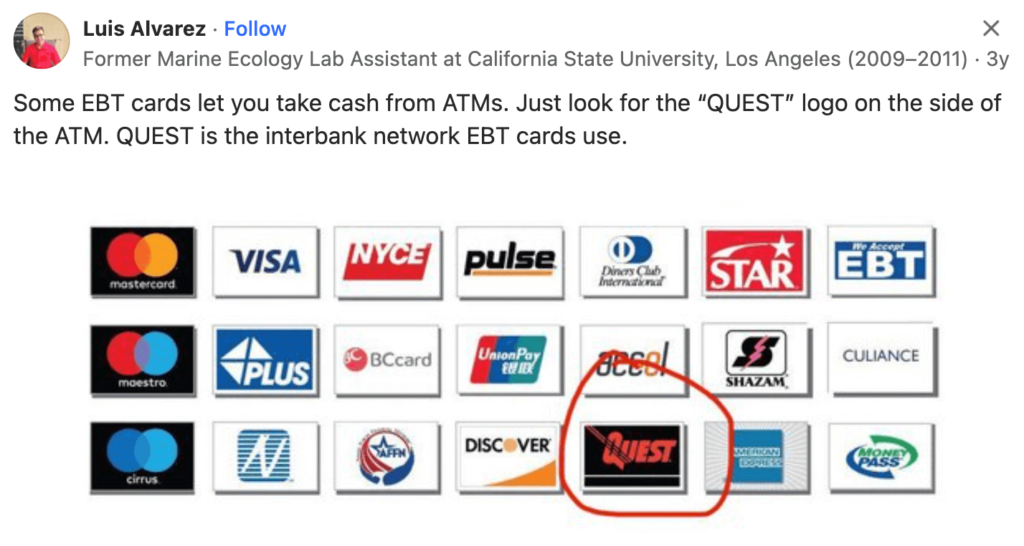
The following banks also typically offer surcharge-free withdrawals from EBT cards:

  • Bank of America
  • Citibank
  • Capital One
  • U.S. Bank 
  • Chase
  • Flagstar Bank
  • Wells Fargo

Avoid SNAP fraud

SNAP fraud occurs when someone steals or fraudulently obtains EBT card benefits from another person. It’s important to protect your EBT card by keeping it in a secure place and not sharing your PIN with anyone. 

If your EBT card is lost or stolen, you should immediately report it to the card issuer. Also, be wary of strangers who offer to buy your benefits for cash, which is illegal and can result in the loss of your SNAP benefits.

Some people may confuse the two, but SNAP (food assistance) benefits are different from EBT cash benefits (TANF), and you can’t withdraw cash or transfer money from SNAP funds.7 

Retailers that offer to exchange SNAP benefits for cash (also called trafficking SNAP benefits), or sell items that are not allowable can be found guilty of retailer fraud and face criminal charges.8

To report EBT fraud, you can:

  • Contact the program in your state
  • Call 800-424-9121 or 202-690-1202
  • Write to the USDA Office of Inspector General, PO Box 23399, Washington, DC 20026-3399
  • Submit a report  online on the U.S. Department of Agriculture website

Here’s what some Reddit users had to say about experiencing EBT card scams and theft and how they protect themselves:

Be aware of scams impacting EBT cardholders
byu/kmimr infoodstamps

Other (legit) ways get fast cash

Whether you’ve already used your EBT cash benefits for the month or don’t qualify for assistance there’s still other legitimate ways to get cash fast when you need it. You can get money fast by:

Also, check out these resources for low-income families:

Help for single moms: 16+ resources$500 monthly single mom grant
Government assistance for single moms10+ charities that help single mothers
Free clothesFree food
Free money for billsFree gas
Free daycareFree diapers
Free baby stuffFree formula
Free tiresFree air conditioner
Free help with tax preparationFree cable
Free streaming

SOURCES

  1. “Characteristics and Financial Circumstances of TANF Recipients Fiscal Year 2021,” U.S. Office of Family Assistance. https://www.acf.hhs.gov/sites/default/files/documents/ofa/fy2021_characteristics.pdf
  2. “Temporary Assistance for Needy Families,” Benefits.gov. https://www.benefits.gov/benefit/613
  3. “Restrictions on Use of Public Assistance Electronic Benefit Transfer (EBT) Cards,” National Conference of State Legislatures. https://www.ncsl.org/human-services/ebt-electronic-benefit-transfer-card-restrictions-for-public-assistance
  4. “Tennessee EBT Cash Access Location Report,” Tennessee Department of Human Services. https://www.tn.gov/content/dam/tn/human-services/documents/TN_locations.pdf
  5. “Temporary Assistance,” Office of Temporary and Disability Assistance. https://otda.ny.gov/programs/temporary-assistance/
  6. “About TANF,” Family and Social Services Administration. https://www.in.gov/fssa/dfr/tanf-cash-assistance/about-tanf/
  7. U.S. Department of Agriculture. https://ask.usda.gov/s/article/Can-I-withdraw-cash-from-an-ATM-with-my-Supplemental-Nutrition-Assistance-Program-Electronic-Benefit
  8. “SNAP Fraud Prevention,” U.S. Department of Agriculture. https://www.fns.usda.gov/snap/fraud

If you’re one of the 63% of formerly incarcerated people1 still looking for a job a year after being released — or you have some other blemish on your record you don’t want a future employer to know about — there are plenty of jobs that don’t require a background check. 

Most no-background-check jobs range from entry-level positions to freelance jobs and independent contractor roles. If you’re looking for a job that doesn’t focus heavily on your past, but rather on your work ethic and employable skills, keep reading for: 

No background check jobs near me

Looking for jobs that don’t do background checks near you? While you may have a hard time finding positions in health care, education, law enforcement, and child care that don’t require background checks, there are employment opportunities in many other fields, including the restaurant industry, hospitality, and landscaping, just to name a few. 

Note that each individual employer sets its own standards for obtaining background checks. Consult employer review sites like Glassdoor to find out if the company you’re applying for conducts background checks as part of its hiring process. 

Even if they do, some employers may be willing to look past a spotty work history or past criminal offenses. You can even use an online background check tool to review your records before applying. This way, you can be prepared to explain the questions from the employer during the interview.

A spokesperson from the U.S. Equal Employment Opportunity Commission (EEOC) said having a criminal record may not automatically disqualify you from getting a job, especially if the conviction is not recent or related to the duties of the particular job. 

All hourly wages in this post are based on average and high-end estimates reported by Ziprecruiter.2

Construction

Salary potential: $24 – $36 per hour

Whether you’re looking to work as a skilled trade worker or help direct traffic during road construction, some construction employers may not run a background check. 

The qualifications for a construction job will depend on the specific type of role. You may need to attend trade school and obtain licenses and certifications to be allowed to work on certain projects. 

Comment
byu/No-Bunch-5376 from discussion
inFelons
Comment
byu/novaskyd from discussion
inpovertyfinance
Comment
byu/novaskyd from discussion
inpovertyfinance

Dispatcher/scheduler

Salary potential: $20 – $30 per hour

Various types of companies hire dispatchers —  from bus companies to service companies. Dispatchers work in a fast-paced environment and are responsible for receiving calls, monitoring driver logs, and dispatching different team members to various locations during the workday.

You only need a high school diploma or GED to become a dispatcher for transportation. While it’s not required, having data entry experience, typing efficiently, knowing how to use different computer programs, being able to multitask, and having excellent communication skills are also preferred.

Get started with IBM's Introduction to Project Management certificate course

Housekeeper

Salary potential: $15 – $21 per hour

Housekeepers can be employed in residential, commercial, and hotel settings. This job doesn’t require a degree or certification, but it helps to have experience with cleaning efficiently. Housekeepers are responsible for wiping down surfaces, dusting, mopping, deep cleaning, and even restocking toiletries and supplies. 

Some companies may not require a background check, but if you choose to work independently, your clients may ask for one.

Reddit has several discussion about hotel housekeeping jobs and background checks:

Why are most positions at a hotel not subject to background checks?
by inaskhotels

Landscaper

Salary potential: $17 – $23 per hour

No matter where you live, there are opportunities in the landscaping industry. Landscapers are responsible for cleaning up lawns and taking care of small shrubs, edging, mulching, and even light tree trimming. Some landscaping jobs are seasonal, but you may still find opportunities for snow plowing and shoveling during the winter if you live in an area that gets snow. 

To get started as a landscaper, you just need a high school diploma or GED. Companies will provide training to operate different lawn care tools and machinery. 

While certifications are optional, over time, you may want to expand your skill set by becoming a Certified Lawn Care Technician. A certification through the National Association of Landscape Professionals3 includes advanced services like exterior landscape installation and irrigation, turf maintenance, and more.

This is what Reddit said about landscaping jobs with felony records:

Comment
byu/No-Bunch-5376 from discussion
inFelons

Painter

Salary Potential: $21 – $31 per hour 

Professional painting is a hands-on job that anyone can learn and pays well. If you’re looking to skip a background check, painting companies may consider hiring you based on experience or may even be willing to teach you on the job. 

Some states require lead painters to be licensed, especially if working on commercial properties. However, there are assistant opportunities and smaller local painting companies that may not have these requirements. Painters should have a high school diploma or GED at minimum.

Comment
byu/novaskyd from discussion
inpovertyfinance

Server

Salary Potential: $14 – $25 per hour

While some restaurants will require that you have previous serving experience, you may be able to find entry-level serving jobs or start as a host or staff member at a quick-service restaurant. 

Servers earn the bulk of their income from tips, so your compensation will vary depending on the restaurant pricing. This is a role that will likely require you to work some evenings and weekends. 

Comment
byu/No-Bunch-5376 from discussion
inFelons
Comment
byu/novaskyd from discussion
inpovertyfinance

Stylist/barber

Salary Potential: $20 – $39 per hour

If you have experience cutting or styling hair, you can get a job at a local salon or barbershop. You will need to earn a professional license from your state if you expect to rent space to do hair in a salon. Look for a state-approved beauty or cosmetology school to enroll in a program. It may take a year or more to complete all of your licensing requirements and take a final exam.

For example, in Pennsylvania, you must complete between 1,200 and 2,000 hours of instruction to become a licensed cosmetologist or barber.4

Both roles may require some marketing effort to build a book of clients, but you can likely book clients based around your schedule. 

Call center

Salary Potential: $18 – $25 per hour

As a call center agent, you’ll speak with customers by phone, gathering details to resolve any issues they have or answer questions.

You don’t need a license to perform this work, though you will likely have to complete on-the-job training. Call center jobs are ideal for people who can communicate well, follow procedures, take good notes, and quickly learn about a product or service. However, call centers are notorious for high turnover rates due to burnout. Agents are constantly monitored for performance and often deal with disgruntled customers. Plus, depending on how the center is set up, you may work in close quarters without much privacy.

This free course with certificate is a good foundation: Customer Service Fundamentals

Background-friendly remote jobs

A background friendly job is one that considers hiring people who have a history with criminal or civil judgments or even a pending case. While a background check is still performed, it is not held against you, even if you have a felony or misdemeanor conviction. In short, hiring decisions won’t take your legal history into account.

If you want the flexibility of working from home and you have a reliable computer and internet connection, these jobs might be a good fit: 

Customer service

Salary Potential: $23 – $44 per hour

Customer service is a popular industry that produces an average of 373,400 job openings each year, according to the Bureau of Labor Statistics.5 Many companies offer work-from-home customer service and customer support roles. 

Background check requirements will vary by company, and you also don’t need a degree to get started. If the position is entry-level, you may only need a high school diploma to get a job. 

Again, this free course with certificate is a good foundation: Customer Service Fundamentals

Research assistant

Salary Potential: $22 – $33 per hour

A research assistant is a support role that involves various tasks such as fact-checking, proofreading, taking notes, conducting interviews, and fact-checking different types of data.

This is a common role in higher education, but several other professions rely on research assistants, including journalists, entrepreneurs, podcasters, and more. 

Upwork is a great place to find and apply for paid research assistant gigs. Having a four-year degree can help you get hired but may not be required depending on the clients you target. It also helps to be organized, detail-oriented, and to be able to locate and cite relevant sources. 

This online certificate course from University of California Davis gives you valuable fundamentals for academic research: Academic Research Types and Methods

Transcription work

Salary Potential: $17 – $33 per hour

Transcription work involves listening to audio recordings and typing out the content. This job is perfect for those with good typing skills and attention to detail. Most pay by per assignment or by number of hours worked.

According to people who have worked as transcriptionists, there are plenty of transcription companies that don't require a background check.

One Reddit user recommends popular companies like Rev and Transcribe Me, which hire freelancers for transcription work. 

Comment
byu/Waitress-in-mn from discussion
inWorkOnline

You can improve your typing skills and practice transcribing different files on sites like Express Scribe, which offers free practice files to time yourself and track your accuracy. 

Video editor

Salary Potential: $29- $52 hour

If you have a passion for editing videos and an eye for detail, you can find work as a video editor either through freelance gigs or full-time employment. Video editing is something you can do from the comfort of your home so long as you have the right equipment and software. 

At the bare minimum, you’ll need a computer, internet, and basic editing software such as iMovie if you have a Mac computer or Windows Video Editor if you have a PC. Most professional video editors use software like Avid Media Composer, Adobe Premiere Pro, or Final Cut Pro. 

From Skillshare, for free: Start Your Freelance Video Editing Career Specialization

Video editors on Reddit also recommended the free version of Davinci Resolve:

Comment
byu/CharlesNewman12 from discussion
inNewTubers
Comment
byu/CharlesNewman12 from discussion
inNewTubers

You can find work by editing videos for YouTubers, small business owners, and even larger companies or departments in colleges or universities.

To take on basic video editing work, you may not need a degree, but it could help to attend some video editing classes either online or at your local college. Having a portfolio of previous work will also help you land gigs. 

Why many companies require background checks

Background checks are a standard part of the hiring process for many companies, and employers use them to verify identity, look at criminal history, and review your past employment history.

A background check is a basic safety measure in most cases that helps companies feel more confident that they are hiring reliable and trustworthy employees who won’t pose a risk to the company or its customers. 

According to the EEOC spokesperson, companies primarily require a background check to reduce theft and fraud. 

She said other companies are also concerned about workplace violence, as well as their potential liability for negligent hiring if they fail to investigate an applicant’s background.

Some employers may also have to comply with federal, state, and local laws that prohibit individuals with certain offenses from working particular jobs.

FAQs 

How do you answer background check questions?

Most jobs will conduct a background check using a third-party system or and simply require that you consent to the process. That said, you may still need to answer questions about your background on the application form. 

When asked about your educational, professional, and criminal history, the EEOC says it’s important to be honest about your situation. If you don’t have a degree or didn’t finish college, state this on your application since it could show up on your background check. 

What causes a red flag on a background check?

Several things can cause a red flag on a background check. These include:

  • Criminal convictions
  • Outstanding warrants
  • Bad credit
  • Falsified education credentials
  • Negative employment history

Employers may also consider factors such as substance abuse issues when making a hiring decision.

If you want to see which red flags may show up on your own background report, consider running a background check on yourself from a site like Truthfinder or Instant Checkmate.

What fails you on a background check?

A background check doesn’t produce a pass/fall result. Instead, it reveals important information that an employer may want to know before they decide to hire you. That said, some employers may not want to hire someone who doesn’t have the credentials needed for the job or who has blemishes on their record. 

These strikes against you could mean you “fail” the background check for that specific employer. An employer may reject you after a background check for: 

  • Criminal record
  • Bad credit
  • Falsified education credentials
  • Negative or falsified employment history (like being fired from a previous job)

Can you omit a job on background check?

It's not advisable to omit a job on a background check. Employers conduct background checks to verify your work history and ensure that you have been honest about your past employment. 

If you omit a job on a background check, it may raise questions about your honesty with your potential employment.

What do employers look for on a background check?

What employers look for in a background check varies based on the type of job and industry standards. In general, however, employers typically look for:

  • Criminal history
  • Credit score
  • Employment history
  • Education credentials
  • Professional licenses

They may also consider other factors, such as social media profiles and reference checks, when making a hiring decision.

“I think the best way to describe your criminal background is to be brief about the offense and focus on what you have learned and the growth you’ve had on a personal level,” says Brianna Rooney, former tech recruiter, founding recruiter of Forbes.jobs, and founder of recruiting agency TalentPerch.

At the end of the day, each company reserves the right to weigh the findings of a background check when considering whether you’re the best candidate for a job.

Does Amazon do background checks?

According to current and former Amazon employees, background checks are typically performed as part of Amazon’s hiring process:

Background check for Amazon?
byu/develeirethrowaway1 inDevelEire
What company does Amazon use for background checks for fulfillment center?
byu/Turbulent_Device_828 inAmazonFC

Bottom line: Jobs without background checks exist

Jobs that don’t do background checks are harder to find, but they do exist. If you’re considering freelancing, starting a business, or picking up a trade, you may not even need to worry about background checks. 

There are also job sites specifically for people with a past criminal record, like jailstojobs.org and jobsforhumanity.com.

If you are applying for a job that requires a background check, it’s always best to disclose any past convictions upfront, along with your employment and education history. 

Rooney says you should aim to work at a company that accepts and is willing to mentor you if you have shown a commitment to bettering yourself. 

“That's the first thing I tell people when I hire them,” Rooney says. “They won't be with my company forever, but no matter, I promise, they will leave a better version of themselves — and I keep that promise.”

Check out these other job posts:


According to the Environmental Protection Agency,1 Americans throw out more than 12 million tons of furniture each year.

Though most of us don’t want to see our furniture end up in landfills, finding a place to donate used furniture is easier said than done — which I know from personal experience. 

While options for free furniture removal may be hard to find depending on where you live, we put together a list of: 

Places to give furniture away

Free furniture pickups

Who can I pay to have my furniture removed?

FAQs about furniture removal

My experience: In preparation for moving to a new state a few years ago, I decided to pare down my bedroom, dining room and living room furniture. Most of it was at least 10 years old, large, and bulky, but still in good shape. 

I called some local charities to see if any offered pickup services, but I quickly learned my options were limited — and most came with strict rules about what they would and wouldn’t accept. These are just a few of the roadblocks I ran into: 

  1. Age limits on furniture and proof of age
  2. Some only wanted certain styles
  3. No charity wanted my big-box TV — flat screens only, they said
  4. My local Habitat ReStore required an all-out photo shoot of every piece of furniture to help them decide what they’d accept (spoiler alert, they passed on everything)
  5. Some charities would only take furniture that one person could safely lift
  6. Goodwill and Salvation Army were happy to accept my furniture, but I would have to deliver it to my local branch

In the end, it was easier and cheaper to pay a junk hauler $300 to take everything I wasn’t able to donate or give away to friends and family.

Giving away furniture (might be harder than you think!)

If you have pieces you no longer need or want, these are some ways to give furniture away:

  • Donate to nonprofits and charities: Some organizations will offer a couch donation pickup and make arrangements to take other furniture from your home if it meets guidelines set by the organization — more on that later. Check with local domestic violence and homeless shelters to see if they need furniture donations. 
  • Offer it to friends and family: Send out a group text or make a few calls to let your family know you are giving away free furniture.
  • Have a garage sale: Advertise your sale on social media, apps like VarageSale, or put out signs and flyers in your area.
  • Give it directly to people in need: Churches and community organizations sometimes collect furniture for people in need within the community.
  • Advertise on recycling or neighborhood sites and apps: You can post your unwanted bed and other pieces on Freecycle, OfferUp, Craigslist, BuyNothing, Nextdoor, and similar apps for selling or sites like Craigslist. Most have a free category, or you might be able to get some money by selling your old furniture. Also, learn what else you can sell to make money.
  • Post on social media: Take pictures of your unwanted furniture and post them on Facebook Marketplace or in neighborhood swap groups. 
  • Offer to local schools: School drama departments may be looking for old furniture props for plays and musicals, or to use in a student or teacher’s lounge.
  • Put it on the curb / alley

If you are trying to find a place to take your furniture, make sure it’s clean and looking its best. Also, take lots of pictures in good lighting so people can see what your furniture looks like and any imperfections it might have.

Still, even high-end furniture in great condition can be difficult to unload. 

Who hauls old furniture for free?

Some organizations and charities pick up furniture free of charge, while others require you to bring the furniture to their warehouse/store. 

If you don’t have a way to transport furniture, verify that the organization offers free pickups before committing your intent to donate a dining room set/table, sleeper sofa, living room set, or other large furniture items.

google-maps-usa-image

Which charities pick up furniture?

These national charities may offer furniture pickup in your area:

  • AMVETS
  • Goodwill
  • Habitat for Humanity
  • Pickup Please
  • Salvation Army
  • St. Vincent de Paul

Keep in mind that not every local branch of these charities will be able to pick up your donated furniture. When I moved, my local Goodwill and Salvation Army did not have trucks available for furniture pickup.

Some charities have strict guidelines about the types of furniture they’ll accept. Older furniture with defects or significant wear may be harder to get rid of. 

AMVETS

America Veterans (AMVETS) is a nonprofit that supports veterans through multiple programs, such as free help with filing VA claims and employment assistance. 

Cost: Free

AMVETS accepts: 

  • Bedroom furniture
  • Kitchen tables and chairs
  • Small furniture items
  • Mattresses and box springs (clean, but no King sizes) 

AMVETS does not accept: 

  • Broken furniture
  • Large media furniture (such as a TV cabinet or wall unit)
  • Sleeper sofas, sectionals or reclining sofas
  • Metal desks

Note: Not every AMVETS branch accepts furniture donations. You can contact your local AMVETS to find out if they will pick up your furniture.

Real AMVETS experiences: 

Comment
byu/Upset-Ad-5181 from discussion
innova

Goodwill Industries International 

Goodwill is a nonprofit that funds education and job training programs by selling donated furniture and other goods in Goodwill stores. 

Cost: Free

Goodwill accepts:

New and gently used furniture, including: 

  • Sofas
  • Dining room sets
  • Dressers
  • End tables
  • Coffee tables
  • Desks
  • Recliners

Note: Some Goodwill stores only accept furniture small enough to fit inside of a donation bin. Call your store for specific guidelines.

Goodwill does not accept:

  • Furniture in poor condition

Real Goodwill experiences: 

Habitat wouldn’t take my furniture donation
byu/Currently-Positively indeclutter
Comment
byu/Currently-Positively from discussion
indeclutter

Habitat for Humanity

Habitat for Humanity builds and repairs homes for people in need, among other initiatives. One way the nonprofit raises money is through furniture donations, which it sells in Habitat ReStore thrift shops. 

Cost: Free

Habitat for Humanity accepts:

  • New or gently used furniture of all sizes

Habitat for Humanity does not accept:

  • Old furniture in poor condition

Real Habitat experiences: 

Comment
byu/Currently-Positively from discussion
indeclutter
Comment
byu/Currently-Positively from discussion
indeclutter

Pickup Please

Pickup Please supports multiple charities that help veterans and their families, including the Vietnam Veterans of America.

Cost: Free

Pickup Please accepts:

Small furniture in good condition (items that are easy for one person to carry), including: 

  • Headboards
  • Nightstands
  • Side tables
  • Office chairs 

Pickup Please does not accept:

Large, heavy furniture items like:

  • Dressers
  • Bedroom sets
  • Couches
  • Dining room sets

Real Pickup Please experiences: 

Comment
by from discussion
inorangecounty

Salvation Army

The Salvation Army accepts donations of furniture and other home goods and sells them in thrift stores across the country.

Cost: Free

Salvation Army accepts:

  • Most furniture items in good condition
  • Bedroom sets
  • Sofas
  • Kitchen sets
  • End tables
  • Desks
  • Coffee tables

Salvation Army does not accept:

  • Furniture in poor condition (needing repair, showing visible signs of damage)

Real Salvation Army experiences: 

has anyone used the salvation army pick up? looking for alternatives for getting rid of some old furnature
byu/if_u_say_so_ innova
Comment
byu/if_u_say_so_ from discussion
innova

St. Vincent de Paul

St. Vincent de Paul accepts furniture donations for its thrift stores, which help cover the cost of food vouchers, rent and utility assistance, and other initiatives for low-income households.

Cost: Free

St. Vincent accepts: 

  • Gently used household and office furniture

St. Vincent does not accept: 

  • Broken furniture
  • Infant furniture
  • Mattresses

Note: Not every St. Vincent de Paul thrift store accepts or sells furniture.

Real St. Vincent experiences: 

Comment
byu/BeepbopMakeEmHop from discussion
inAskLosAngeles

Companies that pick up furniture

These for-profit companies do business on behalf of local charities: 

GreenDrop

While they do not offer services in every zip code, GreenDrop accepts small furniture donations and sells them to local thrift shops. Then, they donate a portion of their profits to either the American Red Cross, National Federation of the Blind, or Military Order of the Purple Heart. Each GreenDrop location partners with one of these nonprofits.

I used GreenDrop to donate so many items from my home before I moved. It was easy to schedule a pickup and didn’t cost me anything.

Cost: Free

GreenDrop accepts: 

  • Solid wood furniture less than 50 pounds
  • End tables
  • Coffee tables
  • Lamps
  • Night stands
  • Wooden chairs
  • Rocking chairs
  • Stools
  • Plant stands
  • Flat screen TVs
  • Computer items including towers, printers, and flat screen monitors

GreenDrop does not accept: 

  • Large furniture over 50 pounds

Real GreenDrop experiences: 

Comment
byu/Danciusly from discussion
innova

PickUpMyDonation

PickUpMyDonation is a company that connects people to local charities and nonprofits that offer furniture and other donation pickups. They are partnered with more than 8,000 nonprofits across the U.S. 

While it’s free to submit a request on PickUpMyDonation, some partner organizations might charge a small fee to pick up your items, which will be communicated when they reach out to you.

Cost: Usually free, though some organizations charge a small fee

PickUpMyDonation accepts: 

Each individual organization sets its own guidelines for what can be picked up. 

Furniture pickup near me

You might also be able to find a local charity to pick up your furniture, like these organizations in Phoenix, Ariz., and Pittsburgh, Pa. Both charge a small fee for pickup ($50 and $20, respectively):

Comment
byu/Chris55730 from discussion
inphoenix
Donate furniture
byu/whatscoolthesedays inpittsburgh

Search for charities that offer free furniture pickup near you: 

Who can I pay to have my furniture removed?

If you are unable to find a free furniture donation pickup in your area, these are some companies you can pay to remove your stuff: 

  • 1-800-GOT-JUNK
  • College Hunks Hauling Junk
  • LoadUp
  • Junk King
  • G.I.HAUL
  • Junkluggers
  • Two Men and a Truck

Based on free estimates I obtained on these websites, most of them charge between $150 and $800 for junk removal services. Prices vary based on the size and quantity of the items to be picked up. 

Your trash provider may also offer furniture removal. For example, Waste Management offers one free bulk pickup per month.2

Learn more about junk removal options

If you are buying a new home, learn where to find affordable movers.

FAQs about furniture removal

Answers to common questions about free and affordable furniture removal: 

What are furniture banks?

Furniture banks accept used furniture donations and give them to people in need. The Furniture Bank Network is a free resource to find furniture banks across the United States.

You can also do an online search for “furniture banks near me” to see if there are any locations in your community. Each furniture bank sets its own guidelines for what's acceptable to donate. Some may offer free furniture pickup from your home.

google-maps-usa-image

Does Salvation Army charge to pick up furniture?

The Salvation Army does not charge to pick up furniture. However, the Salvation Army does not provide pickups in all locations. Contact your local Salvation Army branch to see what options are available in your area.

Where can I take old furniture for free near me?

Most charities and other nonprofits that pick up furniture also allow furniture drop offs. Start with large nonprofits like the Salvation Army, Goodwill, and Habitat for Humanity to find places to drop off furniture for free. 

You can also search for “free furniture drop offs near me” to find other sources.

Keep in mind, when it comes to old furniture, you may find that some places have a limit on the age of your furniture. For example, Fresh Start Furnishings in Aberdeen, Md., only accepts furniture that is less than 20 years old.2


SOURCES:

  1. “Facts and Figures about Materials, Waste and Recycling,” Environmental Protection Agency. https://www.epa.gov/facts-and-figures-about-materials-waste-and-recycling/durable-goods-product-specific-data#FurnitureandFurnishings 
  2. “What We Need.” Fresh Start Furnishings. https://www.freshstartmd.org/our-wishlist

Millionaire Match is seriously challenging the notion that money can’t buy love. With more than 5 million users, both men and women have a chance to shoot their shot into the rare air of the upper 10% of income-earners.

The site sells itself as a place for CEOs, entrepreneurs, pro athletes, supermodels, lawyers, investors, celebrities and influencers to find love — and for the rest of us to find love with these wealthy folks.

After my marriage of 20 years ended, Millionaire Match was recommended by the much younger faction of my girl group. The thought of me, the daughter of a share cropper’s son dating a millionaire, was intriguing.

I took up the challenge, but I had my doubts. While I look significantly younger than my 50 years, when I thought about wealthy men looking for partners, I was skeptical that many (or any) of them would be looking for one that qualifies for AARP. 

Although my experience was mostly really positive, online user reviews for Millionaire Match paint a different picture.

Here is a review of my personal experience, and an analysis of user reviews overall:

How does Millionaire Match work?

How much does Millionaire Match cost?

My experience using Millionaire Match

Does Millionaire Match work?

Millionaire Match reviews

Other dating sites for millionaires

What are the pros and cons of the Millionaire Match dating app?

Answers to FAQs about Millionaire Match

How does Millionaire Match work?

Millionaire Match caters to millionaires seeking a like-minded partner and people interested in dating a millionaire and appreciate the finer things in life. 

On the homepage at MillionaireMatch.com, applicants are broken into two tracks:

“Respectable and Attractive Singles”

“Successful Singles Making More Than $300K”

Despite its name, anyone of any income level can join Millionaire Match for free, but with some major limitations. With the free option, members are not able to initiate messages with others or see who has liked or viewed their profile. 

Millionaire Match members who claim to be millionaires are vetted and awarded the badge “Certified Millionaire,” which appears as a diamond symbol on their profile so other members can be assured of that legitimacy. 

Millionaire Match review shows profile with certified millionaire designation.

To qualify, applicants must submit:

  • Statement from a CPA that they have earned more than $300K in the last financial year
  • Personal tax return
  • Documents providing net assets

While it is clear that the site leans heavily on wealthy men seeking women, Millionaire Match also has its share of members who are wealthy women — some even Certified Millionaires. The site also claims to be LGBTQ friendly.

Dating a cougar? 9 things you should know

Millionaire Match makes it clear it is NOT a sugar baby/sugar daddy site and strongly discourages those types of arrangements. In my experience, however, one of the men I dated did try to offer me an allowance — more on that later. 

It’s worth noting that Millionaire Match’s parent company, SuccessfulMatch.com, Inc., is also the parent company of SugarDaddyMeet.

How to sign up for Millionaire Match

Signing up for Millionaire Match is much like most dating apps and sites.

  1. Go to MillionaireMatch.com
  2. Create your account and pick a username
  3. Select your country or region from the dropdown list
  4. Enter your date of birth
  5. Enter dating preferences according to age range and location

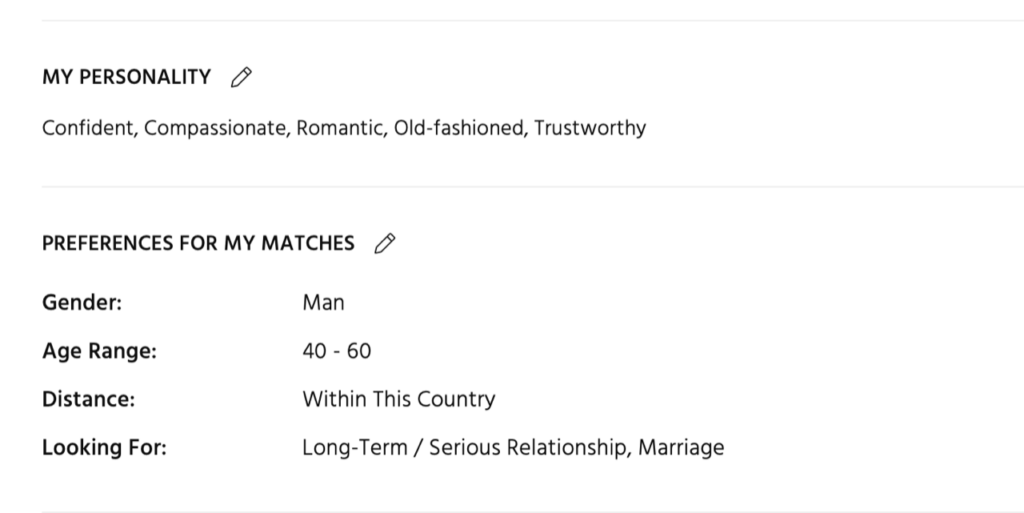
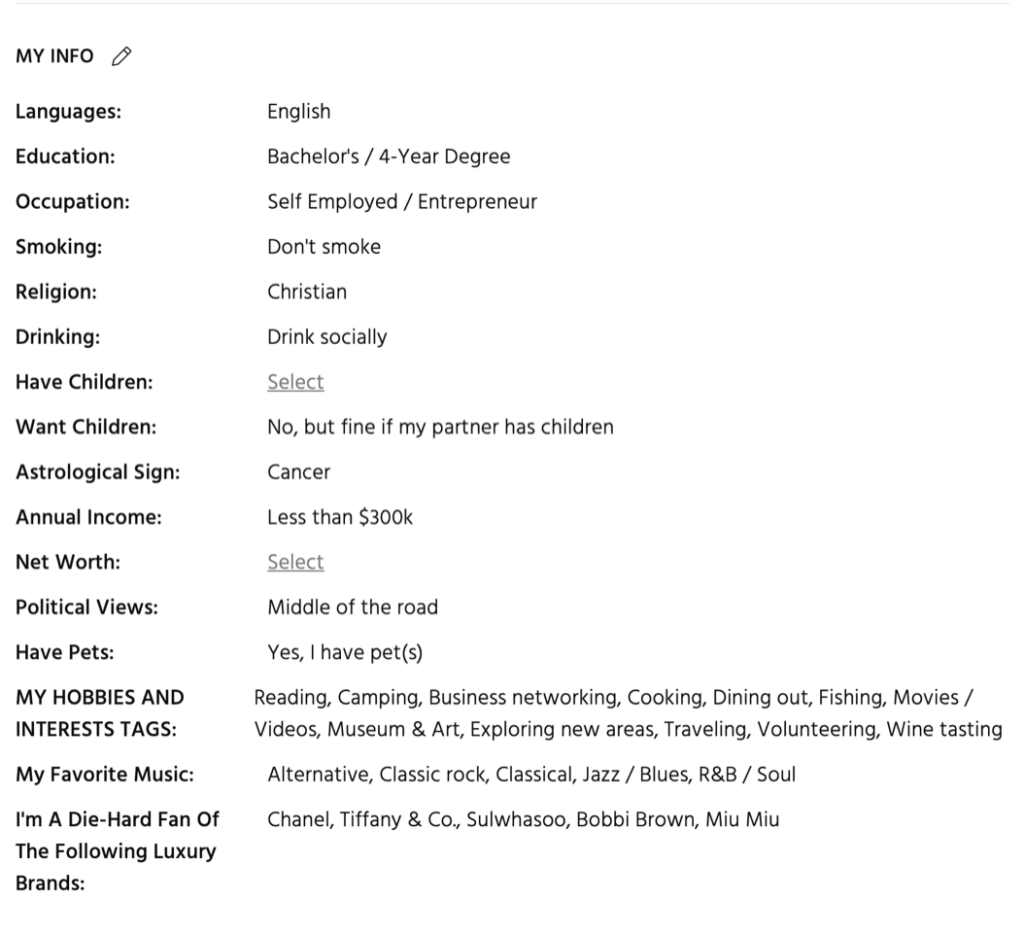
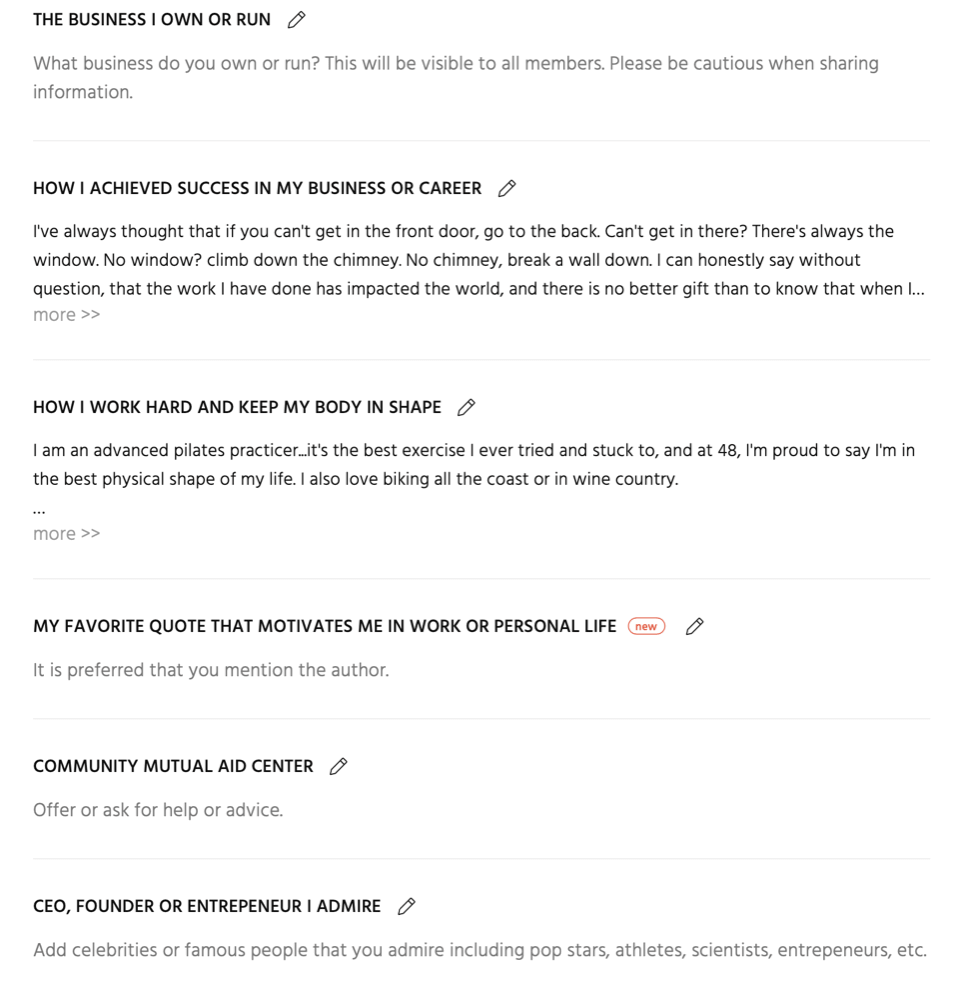
Beyond the usual prompts about height, education, hobbies and relationship goals, Millionaire Match encourages members to dive deeper by sharing:

  • Qualities you are looking for in a partner
  • Career stories and highlights
  • Quotes from figures they admire
  • Favorite foods, charities, sports teams, etc.
  • How you keep in shape
  • Personality traits

Like a lot of other major dating apps, Millionaire Match has an option for users to verify their profile with live photos. The stakes are high on this level of dating, and potential suitors are becoming savvy to fake profiles, so I recommend taking this step to prove you are who you say you are — and look like your photos.

When you’re adding photos to your profile, you can designate some as private, then allow only certain members access to them on an individual basis. I personally designated a few more revealing photos as private — for example photos in a bathing suit. 

As an added bonus, Millionaire Match now offers Premium members the option to create video shorts so potential matches can be assured you are who you say you are and get a peek into your personality.

How much does Millionaire Match cost?

You can join Millionaire Match for free, but if you want access to premium features, you’ll have to pay: 

  • $80 for 1 week 
  • $100 for 1 month
  • $240 for 3 months 
  • $390 for 6 months

What a Millionaire Match subscription includes

Here’s what you get with each membership tier: 

PREMIUM MEMBERSHIPFREE MEMBERSHIP
– Message any subscriber
– See who has viewed your profile, winked at you, liked you, and matched with you
– Additional prompts to fill out your profile
– Option to add video shorts to profile
– Auto reply feature with a selection of pre-canned responses when you are messaged while offline
– Basic profile creation 
– View profiles
– Reply to messages sent to you
– “Wink” at other members (limit of 50 per month)
– Cannot see who has viewed your profile

My experience using Millionaire Match

As a published author and social media influencer, I embraced the challenge to cultivate a profile that would best represent the woman I am and the partner I want to have. 

I had the stakes stacked against me if I was looking to bag a millionaire as a 50-year-old woman, divorced with four kids. Men tend to prefer youthfulness, so how was I going to pull it off?

Back to the conversation I had with my young girlfriends: 

They recommended that I extend my age preferences for potential suitors to at least 10 to 20 years older. That means at 50, I was looking at men upwards of 70 years old.

I’ll be honest — the thought of dating a man old enough to be my father who might look like The Crypt Keeper made me shudder. 

I overcame my fear and approached my profile with gusto.

In my experience, men are visual creatures, so I made it a priority to put a variety of flattering photos in various venues and contexts. I wanted my potential match to know that I feel just as comfortable in the country club as I do in the great outdoors. If you’re a woman, I believe the more photos you can provide, the better. 

Christelyne's Millionaire Match profile.

I posted more revealing photos in the private portion of my profile, within tasteful boundaries. 

Christelyne's Millionaire Match profile.

Once my profile was up and running, it took only a few minutes before I started getting responses. I didn’t just sit back and wait for the men to come to me, however. I set my sights high and filtered for Premium Members and Certified Millionaires. 

I can say with full honesty I have never interacted with more eligible wealthy men in my dating life in one centralized location.

It also didn’t hurt that I live very near San Diego County, which has the double benefit of being one of the wealthiest cities in the United States, and where men outnumber women.1

The men I encountered in my age parameters ranged vastly in attractiveness. Some indeed looked like the Crypt Keeper’s first cousin, while others clearly maintained their health, fitness and hair. I focused on those. 

The downside was that when I searched under those perimeters, potential matches often appeared way out of my preferred travel and distance limits.

If I live in the San Diego area and match with someone from Italy (which I have), what good is matching with a millionaire if I have to travel overseas for my first date?

There was a respectable bunch of eligible men about an hour’s drive away. Both of the men I ultimately dated (at different times) lived within walking distance from one another in fancy condos on the bay.

Both were in their 70s, charming, had all their hair, and were very interested in dating me. There were some niggling “ick” feelings about dating men two decades older, but then I thought about my dad and mom, married 45 years with a 17-year difference between them. Despite the gap, they were dedicated to one another until the very end. 

I’ll admit my initial dates with these suitors were met with an imbalance of physical attraction. While we don’t like to discuss these inconvenient truths amongst polite company, older men looking to date much younger women know intrinsically they will have to use more “creative” tactics to woo the women they want.

Gifts, money and fancy trips are a desirable incentive. 

Older men absolutely know they have to give a good reason for a woman significantly younger to choose them over younger men — whether it’s wisdom, maturity, status and/or money, they know they need to offer something to compete with six packs and full heads of hair.

There indeed is an exchange — the men want the beauty, and the women crave the success, security and status. The hope is that despite these base desires, a romantic love will emerge. At least it’s my hope.

Does Millionaire Match work?

I will say from personal experience that indeed, Millionaire Match worked for me. I met two Certified Millionaires who lived close enough for me to meet, and both of them became my boyfriends.

Both of them owned yachts and multiple homes and were very generous. One of them offered me $7,500 on our first date because I mentioned in passing that I was hustling to make enough working capital to start a new company. He had his sights set on me and probably blurted it out on a whim. Nonetheless, I took it. 

Both men were in their 70s, so the hunch my girlfriends had to target men 10-20+ years older was good advice.

The first man didn’t take long to decide I was the woman he wanted, and although the site discourages sugar daddies, he offered me a $4,000 per month allowance on our first date — a supplement to offset the time away from me actually earning a living so I could spend more time with him.

He went on to be a major monetary contributor to my new cosmetics company, and I can honestly say I couldn’t have launched it without him. We’ve both since moved on, but continue to be close friends.

The second one ended after a few months of travel, 5-star dinners and hotels, and the realization that although he had the success I sought in a partner, he was never going to have my heart.

He didn’t much like kids, and his boredom with retirement meant he demanded way too much of my time. After we broke up, he went back on Millionaire Match and began dating a 28-year-old community college student. He is 72. 

The search still continues for my “forever person,” and Millionaire Match will continue to be on my roster of dating sites, though I also think it's still worth trying to meet singles in person.

Create a profile for free and start browsing on Millionaire Match >>

Millionaire Match reviews

Millionaire Match reviews are largely negative, with some users reporting troubling experiences with their millionaire matches. 

Millionaire Match reviews BBB

Millionaire Match’s parent company, SuccessfulMatch.com, has a C- rating (not accredited) with the Better Business Bureau. However, there are no user reviews available.

Millionaire Match reviews Trustpilot

Millionaire Match only has 2.8 out of 5 stars on Trustpilot. Several reviews note that finding wealthy matches is difficult, and others claim they were randomly banned from the site without explanation:

Positive Millionaire Match reviews on Trustpilot are few and far between.

Millionaire match reviews Reddit

Most Reddit users who discuss Millionaire Match talk about its reputation as a secret sugar daddy/sugar baby site, even though the site claims that’s not what it’s for.

They also say the site’s small pool of millionaire daters makes it difficult to actually find a wealthy match. 

Met a Millionaire on Millionaire Match
byu/coedgirl inSugarBABYonlyforum
Anyone tried millionaire match or billionaire seek?
byu/krama0torsk insugarlifestyleforum
Who’s used millionaire match? What’s your experience?
byu/Swimming_Yesterday83 inSugarBABYonlyforum

Other dating sites for millionaires

In addition to Millionaire Match, Reddit reports these are some of the best dating sites for millionaires:

  • Luxy
  • Seeking.com
  • Raya
  • The Inner Circle
  • Temony
  • The League
  • Sudy
Here are top ten dating sites that cater to successful and wealthy individuals
byu/Icy-Repair4627 inTemony

You can also try a matchmaking site like Tawkify.

However, in our experience, the best dating sites are those with large user bases. If you’re looking for a serious relationship, we recommend eharmony because: 

  • A BBB rating
  • 750,000 paid subscribers and 10 million active users
  • Caters to serious daters seeking a compatible partner
  • Stringent verification process that weeds out fake profiles and married people
  • Free basic plan >>

Check out our eharmony review and reviews of other popular dating sites: 

SingleParentMeetZooskDating.com
Plenty of FishAdult Friend FinderMatch.com
Coffee Meets BagelOKCupid13 international dating apps
Catholic dating sitesChristian dating sitesTinder
The League

What are the pros and cons of the Millionaire Match dating app?

Based on my own experience and the experiences of other Millionaire Match users, these are some pros and cons of the dating site: 

Millionaire Match pros

  • Real opportunity to interact with wealthy singles
  • Comprehensive filters to sort through matches
  • Tries to discourage “sugar baby/sugar daddy” relationships, though many Reddit users report people do use it for that purpose, and one of my dates offered me an allowance
  • Allows users to create highly detailed profiles

Millionaire Match cons

  • Depending on where you live, matches with Certified Millionaire designation can be few and far between
  • While the site boasts more than 5.5 million members (both free and paid), other dating sites with larger user bases like Bumble (100 million) might be a better option
  • Cost for Premium membership is relatively high
  • Overall poor user reviews

Answers to FAQs about Millionaire Match

Do you have to be rich to be on Millionaire Match?

No, you do not have to be rich to be on Millionaire Match. However, people who want to have the “Certified Millionaire” designation must provide proof of assets. 

Do wealthy singles really join Millionaire Match?

In my experience, you can meet wealthy singles on Millionaire Match, though your options may be limited depending on where you live. I had to set a fairly large search radius to find any millionaires to date.


SOURCES

  1. “QuickFacts: San Diego County, California,” July 1, 2022. U.S. Census Bureau. https://www.census.gov/quickfacts/fact/table/sandiegocountycalifornia/PST045222

Lab-grown diamonds are more popular than ever — and less expensive. This means you will get pennies on any dollar you spent if you try to resell. But there is a glimmer of hope if you don't want or need your LGD any more, as any gold settings are worth more than ever and very easy to resell.

Over half of engagement rings (52%) featured a lab-grown center stone, according to The Knot’s most recent Jewelry & Engagement Study.

Buyers like that these diamonds are real, look identical to mined stones, and cost far less. But the tradeoff is resale: lab-grown diamonds have dropped sharply in price and typically resell for a small fraction of what you paid, making them hard to sell for meaningful cash (especially as supply keeps growing).

Diamond industry analyst Edahn Golan told Reuters that the average wholesale price of one-carat and two-carat lab-grown diamonds fell by 96% since 2018.

The good news is that the gold or silver setting is worth more than ever — with both metals hitting one record high after another, making up for resale value of your LGD.

Keep reading to learn more about lab-grown diamonds and what they’re worth on the resale market, plus some of the places where you can sell:

Can you resell a lab-grown diamond? For how much?

It is possible to resell lab-grown diamonds, though technological efficiencies adapted from industries like solar power and 3D printing have made lab-grown diamonds easier to make and therefore less valuable than even a few years ago.

This means that it is not profitable for most diamond buyers or jewelers to buy your lab-grown diamonds.

A lab-grown 1-carat diamond that retails for $1,000 to $1,500 will fetch about $100, according to Diamonds USA

Diamonds USA, with an A+ Better Business Bureau rating does buy all sizes of lab-grown diamonds, and Worthy.com, also with a Better Business Bureau rating of A+, buys lab-grown synthetic diamonds of at least 3 carats.

The decrease in value for a lab-grown diamond is much greater than natural stones. Expect to get about 30% of today's retail value for your natural diamond, vs. about 10% for a LGD. Again, the gold setting for a diamond ring, necklace or earrings is valuable, as gold prices exceed $5,000 per ounce.

Diamonds USA is one of the few diamond buyers that does buy all sizes of lab-grown diamonds and shares this chart to help sellers understand the resale market of both natural and lab-grown diamonds. Both are worth more if you have a GIA certificate validating the stone's qualities.

Where can I resell lab-grown diamonds for the best price?

Few diamond buyers will buy used lab-grown diamonds, though that is changing. Diamonds USA and Worthy.com both buy lab-grown diamonds.

The easiest way to start the LGD resell process is to start by checking with the original jeweler where your ring was purchased to see if they have a buyback or exchange program. If that fails, here are some other options:

Pawn shops

If you need quick cash, a quality local pawnbroker may be a good option, with a transaction that can take 15 minutes or less. Learn more about what your local pawnshop buys and how to find a quality pawn shop in your community.

Online lab-grown diamond buyers

First, understand what your stone is worth. Again, lab-grown diamonds are graded the same as natural stones, so collect any documentation of what you own, including the gold or platinum setting.

In fact, the precious metals are likely worth as much or more than the lab-grown diamond. While the retail and resell value of both natural and lab-grown diamonds is declining, gold prices have remained strong in recent years.

Search for online reviews on Yelp, Google Business, Better Business Bureau and TrustPilot. 

Two places to sell your LGD online that we partner with are Worthy and Diamonds USA:

Diamonds USA Worthy.com
A+ Better Business BureauA+ Better Business Bureau
Insured up to $150,000Insured up to $100,000
Free, trackable shippingFree, trackable shipping
~3 days total from requesting mailer to payment~2 weeks from requesting mailer to payment
No minimum size3 carat minimum
Buys directAuction
Also buys gold, silver, flatware, watches and all sized diamondsSpecializes in large diamonds and branded jewelry like Tiffany and cartier

Read our review of CashforGoldUSA, Diamonds USA's sister company, and a review of Worthy.com.

Or get a quote from Diamonds USA now.

Direct to buyers

Whether you post on Facebook Marketplace, ebay, Craigslist or another resale site, you can set your own price and try to find a buyer willing to pay it. 

On ebay, you can browse other lab diamond listings to get a sense of successful sales prices.

Sellers successful with jewelry sales on these platforms tend to have a large volume of products and professional photography equipment, though you may have luck if you price your diamond right. 

Jewelry consignment

You might also try selling lab diamond jewelry at local or online consignment shops like Louped, and Poshmark. Another option is Mercari, a peer-to-peer secondhand marketplace. Keep in mind, most successful sellers on these platforms have built large retail platforms over long periods.

Sell lab-grown diamond “near me”

Local jewelry stores, pawn shops, jewelry stores, and consignment shops near you may buy pre-owned lab-grown diamonds. While there are very few places that do buy lab-grown diamonds, it can be worth a quick search to see if anyone in your community is buying them.

How to sell lab-grown diamonds

If you do intend to sell your lab-grown diamond, there are a few things to keep in mind to ensure you do not get ripped off and get the most money for your jewelry — no matter how low the value may be:

The first step in selling a lab-grown diamond is to understand its value. Gather any receipts, lab reports or any other documentation about your lab-grown diamond and its setting.

Because lab diamonds are less likely to have imperfections than natural ones, carat is the most important factor in determining the value of your rings. Larger carat stones tend to come with a higher value. 

A GIA report is always valuable, though they cost $100 to $200 or more, so may not be a good investment. You can also get a diamond appraisal to learn the details of your lab diamond and get an idea of its value — which may also cost you $100 to $200, potentially more than your item is worth.

Once you have the details of your diamond, assess the market. Do some googling for recent sales on ebay, Poshmark or other second-hand consigners where lab-grown diamonds are sold. Keep in mind that prices are dropping, so it is important the sales are recent.

Remember that the gold or platinum setting of your jewelry has market, spot value in addition to the stone.

Rather than selling, some readers opt to reset or upgrade their ring. Before you decide, browse to explore unique engagement styles that pair well with lab-grown diamond—think sleek solitaires, halos, and three-stone designs—so you can compare what a redesign might cost versus a sale and choose the option that best fits your goals. 

Lab-grown, synthetic diamonds FAQs

What you want to know about the pros and cons of lab-grown diamonds: physical properties, environmental impact, investment value and price trends:

What are lab-grown diamonds?

Lab-grown diamonds have the same chemical and physical properties as real diamonds, and are technically considered real diamonds.2

Also referred to as man-made diamonds, these stones are created using one of two methods, according to the International Gem Society

  1. High Pressure High Temperature (HPHT): Using a small diamond seed crystal, the lab heats a chamber to as high as 1,600 degrees Celsius and applies pressure of 870,000 pounds per square inch. These two forces combined result in the diamond growing around the diamond seed.
  2. Chemical Vapor Deposition (CVD)3: The diamond seed crystal sits in a chamber filled with carbon gas that's heated to 1,200 degrees Celsius. A microwave beam then creates a plasma cloud that deposits carbon precipitation onto the diamond seed, which grows into a diamond.

Both methods take place in a lab and replicate the process that occurs in nature to create real diamonds. While mined diamonds can take more than a billion years to form, the lab process takes just weeks to complete.

Are lab-grown diamonds real?

Despite public misconceptions that lab diamonds are artificial, there are no chemical or visual differences between lab-grown diamonds and earth-created diamonds.

In fact, gemologists have stopped using the word “synthetic” to describe lab-grown diamonds, since they have the same physical characteristics as natural diamonds. They are, however, man-made.

Gemologists use the same four “Cs” to grade both natural and lab-grown diamonds: 

  • Cut – Certain cuts, like round, are in higher demand and therefore more valuable
  • Color – The less yellow a diamond appears, the more valuable it typically is
  • Clarity – Fewer flaws and visible inclusions (mineral crystals inside a diamond), the higher quality
  • Carat – The higher the carat weight, the more expensive

Lab-grown diamonds are also just as durable, with a 10 hardness level on the Mohs scale,4 which is used to identify minerals based on their scratch resistance. 

This makes lab-grown diamonds higher quality than diamond simulants like moissanite, with a Mohs hardness rating of 9.25, or cubic zirconia, which has an 8-8.5 rating. Learn more about these “fake diamonds” and how they compare to lab and mined diamonds.

However, lab grown diamonds are still subject to the same color grading scale as natural diamonds. The highest grade is D (colorless), and the scale goes all the way to Z, though most diamonds on the market don’t go below J. 

Fancy lab diamonds in yellow and blue are also popular and considered desirable on the resale market.

Just like natural diamonds, lab-grown diamonds vary in quality. 

“Some lab-grown diamonds are tinted and have imperfections, but the most advanced are just as colorless and flawless as the highest quality natural diamonds,” Avi Levy, president of the International Gemological Institute, wrote in a press release.

Most man-made diamonds are large in size and high in quality. Needless to say, the diamond industry is struggling to stay relevant in the face of such excellent-quality competition.

What is the difference between lab-grown diamonds vs natural diamonds?

The only physical difference (besides how they’re made) between natural and lab-grown diamonds is that natural diamonds contain trace amounts of nitrogen, while lab-made diamonds do not.5

Nitrogen presence is the one identifying property gemologists use to distinguish the two in testing.

Every lab-grown diamond should also have a small inscription on the girdle — the area on a diamond that separates the bottom from the crown — indicating it was created in a lab, plus a report number. The inscription is microscopic, requiring a loupe or microscope to see.  

Of course, the other big difference is that lab-grown diamonds are far less expensive than natural diamonds of similar quality — about a third less as of October 2023, though the value of both natural diamonds and LGD are on the decline.

Of course, the other big difference is that lab-grown diamonds are far less expensive than natural diamonds of similar quality — about a third less as of October 2023, though the value of both natural diamonds and LGD are on the decline. Collections such as Cullen Jewellery lab grown engagement rings illustrate how couples can embrace these cost-effective options without compromising on beauty or craftsmanship.

Here are some recent examples of round, 1-carat E, VSS1 lab-grown and natural diamonds for sale on BlueNile.com:

Natural Lab-created
~$6,100~$1,200

Natural diamonds:

screen shot of blue nile site natural vs lgd 1 carat∂

Lab-created diamond for the same quality stone:

screen shot of blue nile site natural vs lgd 1 carat

Are lab-grown diamonds more ethical than natural ones?

Lab-grown diamonds are considered more ethical than natural diamonds because of the lower environmental and humanitarian impact required to create them. Mining earth diamonds involves huge amounts of dirt removal, potential toxic water runoff, and air pollution. 

Local communities in diamond-rich, but impoverished areas in southern Africa and Russia can also be negatively impacted by these environmental factors, and dangerous working conditions, as well as violent conflicts over the diamond trade. 

In 2003, 59 nations signed the Kimberly Process, which aims to make the diamond trade more transparent and secure by requiring certification that diamonds are sourced in an ethical way, and are not in fact “conflict diamonds” or “blood diamonds.” 

While it ensures conflict-free countries of export, diamonds may still be smuggled from conflict zones into conflict-free zones as a work-around, so it is nearly impossible to truly understand the origin of your stone.

Lab-grown diamonds, meanwhile are typically created much more ethically, even if their creation and shipping do consume environment-destroying fossil fuels.

One report9 underwritten by the De Beers group, which has a monopoly on the global natural diamond industry, wrote that the process to create lab-grown diamonds produced three-times the greenhouse gasses involved in mining the natural equivalent.

Are lab grown diamonds GIA certified?

Yes, the GIA has been grading lab-grown diamonds since 2007.

The Gemological Institute of America is the leading laboratory that provides certified reports on diamonds and gemstones verifying their qualities and estimated monetary value. Diamond certificates from the GIA and the International Gemological Institute and Gem Certification & Assurance Lab are very helpful in reselling any gemstone, and are required by some diamond buyers. A GIA certificate costs $100 to $200 for most diamonds.

As of 2020, the GIA offers full grading reports for lab-grown diamonds that are the same for mined diamonds.

Are lab-grown diamonds a good investment?

Neither lab-grown or most natural diamonds are good financial investment. The price of lab-grown diamonds continues to drop as supply grows. That means they are unlikely to increase in resale value

RapNet Diamond Index is the industry standard for tracking diamond pricing, but does not include lab-grown diamonds in its report.

Founder Martin Rapaport has been vocal about his frustration with the growing lab diamond industry, penning a scathing memo in early 2023 calling on the industry to stop doing business in lab-grown diamonds. In 2025, De Beers closed its lab-grown operations, Light Box.

Lab-grown diamond prices are falling as supply continues to increase. More labs means more competition and lower prices for consumers. Unfortunately, that also impacts your ability to resell your lab-grown diamond ring in the future.  

Natural diamond prices have also dropped significantly in recent years, in part because of the increased popularity and affordability of lab diamonds, as well as general lack of interest from consumers who no longer covet big, flashy diamonds as they did a few years ago:

idex diamond prices 2026
RAPNET Diamond Index as of November 17, 2026

“I recommend buying diamonds for their beauty, meaning, and durability, not as an investment,” says Ty Wilson, co-founder and COO of CustomMade, an online custom jewelry designer based in Cambridge, Mass. Same can be said for lab-grown or synthetic diamonds.

Will jewelers buy lab-grown diamonds?

Very few jewelers or diamond buyers buy lab-grown diamonds, but there are exceptions.

Some local jewelers may be willing to buy lab-grown diamonds for resale, especially if you originally purchased yours at that location. You may also be able to do a trade-in for another piece of jewelry instead of getting cash.

Keep in mind that diamonds of all kinds — natural and lab-grown — are depreciating in value in part because retailers have too much inventory. 

Your safest bet is to resell the gold or platinum setting, which is always sellable. Gold prices have been strong for the past couple of years. Learn more about how to value your gold and where to sell it.

Diamonds USA buys all diamond sizes and quality — both natural and lab-grown. They also buy all gold, silver and platinum jewelry and scrap.

Bottom line: Understand the value of your lab-grown diamond before you sell

It's important to be realistic with your expectations before you start looking to sell your lab-grown diamond, as few jewelry buyers take them.

Get an appraisal or find your original paperwork to confirm the quality of your lab-grown diamond. The larger the stone, the easier time you'll have reselling it. It may help to focus on selling the precious metal in which the diamond is set.

Get a quick quote to sell your lab-grown diamond at Diamond USA now.


Energy costs are putting real pressure on American families. According to recent federal surveys, about 23% of U.S. households — nearly one in four — were unable to pay an energy bill at least once in the past year, and for households earning under $50,000 a year that number jumps to around 37%. Meanwhile, nearly six million households now carry such severe utility debt that it could soon be sent to collection agencies.

Heating costs this winter are also squeezing budgets. The U.S. Energy Information Administration estimates the average natural-gas winter heating bill around about $867.

For many families, these rising energy bills mean tough choices between paying for heat, food, medicine, or other essentials — a reality that affects millions of Americans every season.

Thankfully, there is help available.

Home Energy Assistance Program (HEAP)

Often called LIHEAP (Low-Income Home Energy Assistance Program), LIEAP, or EAP, this federally funded program helps income-eligible households manage essential heating and cooling costs.

Depending on your state, HEAP can help you:

  • Pay past-due utility bills and outstanding balances
  • Restore service if your gas or electricity has been shut off
  • Cover the cost of heating fuels such as oil, propane, wood, or coal
  • Lower future energy bills through weatherization upgrades like insulation, air sealing, or energy-efficient windows
  • Make urgent energy-related repairs, such as fixing or replacing a broken furnace or air conditioner

When and how to apply

Most states accept HEAP applications year-round, but funding is limited and often distributed on a first-come, first-served basis. Some types of help — especially heating assistance — may have seasonal deadlines, usually during fall and winter.

To find your state’s exact deadlines and benefits, contact your state or county social services agency, or use the federal LIHEAP state directory/map to locate your local energy assistance office.


HEAP eligibility (2026)

Eligibility is based primarily on household size and income, and limits vary by state. As a general rule, households earning up to 150%–200% of the federal poverty level may qualify.

For example, in Ohio, a family of three typically qualifies with annual income around $40,000–$42,000, depending on the program year and funding category.

Most households can receive one primary HEAP benefit per heating or cooling season, though emergency assistance or repair programs may be available separately if funds allow.

Automatic or faster eligibility

You may automatically qualify — or have a faster approval process — if you already receive benefits from programs such as:

  • SNAP (food stamps)
  • TANF (Temporary Assistance for Needy Families)
  • SSI (Supplemental Security Income)

Program names may vary by state. For example, TANF is called “Colorado Works” in Colorado, but eligibility rules are similar.

Even if you don’t receive these benefits, you can still qualify for HEAP as long as your income falls within your state’s limits. If you’re struggling with utility bills, it’s worth applying.

Other common requirements

Most states also require that you:

  • Are at least 18 years old (or an emancipated minor)
  • Are responsible for energy costs at your residence, whether you pay a utility company directly or pay utilities through your rent

Here are three state-specific examples with 2025–26/2026 HEAP/LIHEAP income limits:

1. Pennsylvania (Example: LIHEAP 2025–26)

In Pennsylvania, LIHEAP sets income limits based on household size for the 2025–26 season. For a one-time heating benefit, gross annual income must generally be at or below these amounts:

  • 1-person household: $23,475
  • 2-person household: $31,725
  • 3-person household: $39,975
  • 4-person household: $48,225
    For each additional person, add about $8,250 to the maximum income limit.

2. New York (Upstate/Metro HEAP)

In New York’s HEAP program, eligibility for the 2025–26 season is tied to income at or below local median income levels. Annual income limits include:

  • 1-person household: ~$41,685
  • 2-person household: ~$54,512
  • 3-person household: ~$67,338
  • 4-person household: ~$80,165
    Larger households see higher thresholds (e.g., ~ $92,991 for 5 people).

3. Florida (LIHEAP 2025–26)

Florida’s LIHEAP income eligibility for 2025–26 (based on the state’s limits) shows maximum annual gross incomes like:

  • 1-person household: $32,155
  • 2-person household: $42,049
  • 3-person household: $51,943
  • 4-person household: $61,837
  • 5-person household: $71,730
    These limits increase modestly with each additional household member.

If you need help with air conditioning, check out these free resources.

Government assistance for utilities

The federal government has multiple programs to help low-income households pay for utilities, including gas, electric, and water bills. 

The funds from these programs are grants that do not have to be paid back, and each state sets its own rules for eligibility and payout amounts. The names of these programs might also vary by state.

Number of people in family/householdAnnual income
1$15,960
2$21,640
3$27,320
4$33,000
5$38,680
6$44,360
7$50,040
8$55,720

For families/households with more than 8 people, add $5,680 for each additional person.each additional person.

You can also look up your area median income (AMI) here.

Want to buy a home in 2026? See what mortgage you qualify for.

HEAP information and income requirements in these state-by-state resource guides for low-income families:

AlabamaAlaska
ArizonaArkansas
CaliforniaColorado
ConnecticutDelaware
District of ColumbiaFlorida
GeorgiaHawaii
IdahoIllinois
IndianaIowa
KansasKentucky
LouisianaMaine
MarylandMassachusetts
MichiganMinnesota
MississippiMissouri
MontanaNebraska
NevadaNew Hampshire
New JerseyNew Mexico
New YorkNorth Carolina
North DakotaOhio
OklahomaOregon
PennsylvaniaPuerto Rico
Rhode IslandSouth Carolina
South DakotaTennessee
TexasUtah
VermontVirginia
WashingtonWest Virginia
WisconsinWyoming

How to apply for HEAP

In many cases, you can apply online through your state benefits portal. If you prefer to talk to an actual person, you can:

  • Go to your local social services office
  • Call 866-674-6327 for the National Energy Assistance Referral (NEAR) project 
  • Email NEAR at energy@ncat.org

Weatherization Assistance Program (WAP)

The U.S. Department of Energy’s State and Community Energy Program (SCEP) offers WAP to help reduce energy costs. 

This program helps low-income households by providing weatherization services free of charge, working with more than 700 weatherization providers in all 50 states, the District of Columbia, Native American tribes, and U.S. territories.

Examples of weatherization services include:

  • Installing programmable thermostats
  • Cleaning, repairing, maintaining, or replacing home heating and/or cooling systems
  • Installing insulation were needed
  • Putting in low-flow faucet and shower heads
  • Replacing appliances with energy-efficient models

If accepted into the program, you will work with a weatherization provider that will assess what’s needed to help save energy and money in your home.

WAP Eligibility

To be eligible for WAP, you must meet income guidelines for your household size. The DOE requires that your income is at or below 200% of the FPL.

You may also be eligible if you receive:

  • SSI
  • Aid to Families with Dependant Children
  • HEAP (LIHEAP) benefits

Priority may also be given to households that have high energy use, children, elderly persons, or one or more people with a disability.

How to apply for WAP

To apply for WAP, contact your state WAP administrator.

Learn more about home repairs for low-income households in this post: Free home repairs.

Tax credits for efficiency improvements

As part of the Inflation Reduction Act,3 U.S. households can access a tax credit to cover up to 30% of the cost for certain efficiency improvements, including:

  • Up to $1,200 in credit for adding insulation or installing efficient windows and doors
  • Up to $2,000 for electric heat pumps that provide super-efficient heating and cooling
  • Up to $150 for a home energy audit conducted by an inspector

State programs will also offer rebates for electric appliances and energy-efficiency improvements, which will lower household energy bills each month.

Households are eligible for rebates of up to $4,000, while low-income households could receive up to $8,000 for home efficiency.

Rebates covering up to 100% of the cost of installing electric appliances like heat pumps, water heaters, and clothes dryers are available to low- and moderate-income households.

Utility company programs for low-income families

Even if you receive HEAP, you might need more financial help. You can turn to your utility provider to ask about energy assistance programs.

For example, Con Edison, which provides energy services to 10 million people in New York City and Westchester County, offers the Energy Affordability Program. If you live in those areas, you are automatically eligible if you receive:

  • HEAP
  • SNAP
  • SSI
  • TANF
  • Safety Net Assistance 

Each utility provider will have its own eligibility requirements and may offer a range of benefits such as:

  • Bill payment assistance: One-time or ongoing temporary help with bill payments to help you get up to date on your account
  • Payment plans: Allows you to break up your outstanding balance into smaller payments, making it easier to get caught up
  • Budget billing: Considers your utility usage and establishes payments that are the same amount each month
  • Utility bill forgiveness and credits: Does not require you to pay a past due bill or balance

How to apply for utility company programs

Each provider will have its own application process. Contact your current utility provider to find out what programs may be available or visit your utility provider’s website. If you receive government benefits, your caseworker is another resource to help you find energy assistance programs.  

Non-government home energy assistance programs

Home energy assistance programs are offered by nonprofits, charities, churches, and community agencies. To get started, you can google phrases like:

  • “Home energy assistance programs near me”
  • “Nonprofit utility bill assistance”
  • “Charities that offer energy assistance”
  • “Fuel fund near me”

These searches can help you find local options. For example, the Fuel Fund of Maryland helps eligible Marylanders with a Baltimore Gas & Electric (BGE) account get services reconnected after financial hardship. 

Here are more options to consider:

Catholic Charities emergency energy assistance

Catholic Charities has regional offices throughout the country to help people in the communities they serve. Some offices offer emergency assistance, which includes financial help with turning on utilities that have been shut off.

Dollar Energy Fund

Dollar Energy Fund has been providing help for low-income households for more than 40 years. Dollar Energy Fund works with 50 utility service providers in 18 states to provide grants to restore turned-off utility service or prevent a shutoff for at-risk families. 

If you don't qualify for help from government programs, this may be a great option to get help.

Salvation Army utility assistance

Founded in 1865, the Salvation Army has a long track record of helping families. The charity offers utility assistance to help families remain in their homes. People who have received a shutoff notice or had their service disconnected are most likely to qualify for help.

Society of St. Vincent de Paul utility bill help

The Society of St. Vincent de Paul is active in communities across the United States and more than 150 other countries. Some local branches of this charity offer energy bill help. Programs and services vary by location.

United Way electric bill assistance

The United Way connects people to the resources they need, including electric bill assistance and other utility costs. Dial 211 on your landline or cell phone to get in touch with the United Way, or visit 211.org.

What to expect when you apply for utility assistance

Getting assistance to pay for utilities can take some time, so you should apply as soon as you realize you might need help.

According to a LIHEAP specialist caseworker on Reddit, the process typically takes 30 days, though some applications may be approved in as little as 48 hours in the event of a crisis.

LIHEAP
byu/Over_Neighborhood742 inAssistance

Preparing to apply for energy assistance

Ready to apply for energy assistance? Here’s what you’ll likely have to do:

  • Gather your income paperwork: You’ll be required to provide information about your income, such as pay stubs, a W-2 form, or 1099 forms
  • Provide proof of residency and identity: Programs may require a government-issued form of ID and proof of citizenship status
  • Show proof of utility bill responsibility: You can only apply for these programs if you are in charge of paying the utility bill, so be ready to show recent bills with your name and address or proof of payment if you pay a landlord directly
  • Share information about other assistance programs: Provide your determination documents if you are receiving benefits from programs like SNAP, SSI, or TANF  

Here what some Reddit users had to say:

LPT- Every state in the US has an Energy Assistance program, which helps pay for heat and electric. If approved for EA then more help becomes available: Furnace repair and replacement, home weatherization and more. Don’t assume you wont qualify. APPLY!
by inLifeProTips
Posts from the assistance
community on Reddit

Applying for benefits

Most energy assistance programs have application deadlines. In general, government energy assistance applications like LIHEAP are available year-round. 

Depending on what your state offers, you’ll either apply through an online portal or walk through the application process with a social services caseworker. 

If applying for non-government benefits or help through your utility provider, you’ll need to follow their application process, which can often be found on the website or by calling the energy provider. 

After you apply

Once you submit your application, your program contact should give you an idea of:

  • How long the application process takes
  • Amount you can expect to receive for help
  • When you can expect the financial help
  • How the amount will be paid (usually directly to the energy supplier or landlord)
  • How often you can get help (many programs offer once a year or temporary help)
  • The process for applying in the future if you need utility assistance again

More resources for single moms

Need more financial help to get you through the year? Check out our other resources for low-income families: 

Help for single moms: 16+ resources$500 monthly single mom grant
Free gasLow-income home loans
Free housing for familiesFree car
Free smartphoneFree car repairs
Free wifiFree food
Government assistance for single moms10+ charities that help single mothers
Affordable moversEBT cash benefits
Free internetSecurity deposit assistance

Also, learn about ways to get free money for bills, including through the Low Income Water Assistance Program (LIHWAP), a federally funded program to help you pay for your water and sewer (wastewater) bills.

Contact your state LIHWAP administrator or visit your local social services office to apply.