
A machine passes its morning checks, then stops halfway through the afternoon. Replacing the obvious suspect doesn’t help. Restarting it buys another hour. Someone has to work out what changes once the equipment has been running for a while, or tomorrow’s shift will have the same problem.
That kind of investigation is paid work in factories, airports, laboratories, and plenty of less obvious places. Food companies need to know why a sauce separates after a week. Shippers need to know why a product keeps arriving broken. Farmers need to know why one part of a field struggles while the rest grows normally.
The tools differ, but the work rewards people who notice patterns, ask useful questions, and test an explanation before deciding they’ve found the answer.
Table of contents
- 1. Semiconductor equipment technician
- 2. Food scientist
- 3. Elevator mechanic
- 4. Medical imaging field service engineer
- 5. Packaging engineer
- 6. Avionics technician
- 7. Human factors engineer
- 8. Corrosion technician
- 9. Logistician
- 10. Controls engineer
- 11. Vibration analyst
- 12. Hydrologist
- 13. Forensic engineer
- 14. Marine engineer
- 15. Railroad signal and track switch repairer
- 16. Building commissioning engineer
- 17. Soil and plant scientist
- 18. Metallurgist
1. Semiconductor equipment technician

The machinery used to make computer chips depends on tightly controlled conditions. When a tool starts producing errors, an equipment technician investigates the electrical, mechanical, vacuum, and other systems that could be responsible. A fault might stop the machine completely or show up as a change in its performance. The technician has to narrow down the cause without creating another problem during the repair.
Average pay is around $70,655 a year. Work includes reading equipment logs, checking components, carrying out preventive maintenance, and testing the machine after work is complete. You usually learn particular tools in depth. Understanding what happened before an alarm appeared can be more useful than simply replacing the part named in the error message.
An associate degree or technical certificate in electronics, mechatronics, or a related subject is a common route in. Employers also recruit people with relevant maintenance or military experience and provide equipment-specific training. Cleanroom clothing, strict procedures, and long or rotating shifts are common considerations. You need to be comfortable documenting your work so the next person can understand exactly what changed.
2. Food scientist

A sauce can look fine when it leaves the mixer and separate after a week on the shelf. A cracker can lose its crunch even though the recipe has not changed. Food scientists investigate problems involving ingredients, processing, storage, and product quality. They plan tests to find out which change matters, rather than asking the production team to keep adjusting the recipe and hope for the best.
Food scientists and technologists earn median pay of $88,720 a year. Depending on the position, you might study texture, shelf life, food safety, or how a product behaves when a small test batch becomes a full production run. The work can combine laboratory experiments with time on the factory floor. Findings need to lead to a product the company can make consistently.
A bachelor’s degree in food science or a related science is the usual starting point. Some research positions require postgraduate study. Chemistry, microbiology, and statistics are useful foundations, along with experience from an internship or placement. You need to keep careful records and follow food safety procedures. Production trials may involve early starts or time around noisy processing equipment.
3. Elevator mechanic

An elevator that occasionally stops between floors can be harder to diagnose than one that will not move at all. Mechanics investigate problems with doors, motors, controls, wiring, and other components. They use technical diagrams and test equipment to work through the possible causes, then repair the fault and check the equipment before it returns to service.
Elevator and escalator installers and repairers earn median pay of $109,910 a year. Service work can take you between different buildings and different generations of equipment. A report from a building manager may describe what passengers experienced without identifying the fault. Your job is to turn that account, the equipment’s behavior, and the test results into a repair that actually solves the problem.
Most people learn through a multiyear apprenticeship combining paid work and instruction. A high school diploma is generally required, and most states require licensing. Apprentice pay starts below the rate for qualified mechanics. You need mechanical and electrical aptitude, physical stamina, and respect for safety procedures. Confined spaces, heavy parts, heights, and emergency callouts can all be part of the work.
4. Medical imaging field service engineer

A hospital scanner that produces an error or an unreliable image needs someone who understands the machine’s hardware and software. Medical imaging field service engineers diagnose and repair equipment such as CT scanners, MRI systems, and X-ray machines. They may specialize in a particular type of equipment or manufacturer’s systems, traveling to hospitals and imaging centers when a problem needs attention.
Average pay is about $73,770 a year. An assignment may involve reviewing fault logs, testing components, replacing a failed part, and checking performance afterward. Engineers also carry out planned maintenance and updates. You have to communicate with clinical staff about what the machine is doing and work with specialist support when the fault goes beyond what can be resolved on site.
Despite the title, a four-year engineering degree is not required by every employer. Electronics qualifications, military technical training, biomedical equipment experience, and apprenticeships can provide routes in. Manufacturers then train you on specific systems and safety requirements. Travel and on-call work are common trade-offs. You also need to follow the access, infection prevention, and safety procedures of the facilities you visit.
5. Packaging engineer

If a product keeps arriving broken, a thicker box may not fix it. The trouble could involve how the item is supported, how packages are stacked, or what happens during transport. Packaging engineers investigate those questions and develop packaging that protects the contents under the conditions it is likely to face. They also consider how the package is made, filled, opened, and disposed of.
Average pay is around $105,072 a year. Testing can include drops, vibration, compression, and exposure to different temperatures or humidity. You examine both the package and the product afterward, then use the findings to improve the design. A package that looks undamaged is not necessarily a success if the item inside no longer works. Cost and production speed matter alongside protection.
A bachelor’s degree in packaging, mechanical engineering, materials, or a related field is a common requirement. Internships can give you practical experience with materials and testing equipment. You need to work with manufacturing, suppliers, and product teams, not just create a design on a screen. Some projects involve repeated trials before a solution protects the product and works on the packing line.
6. Avionics technician
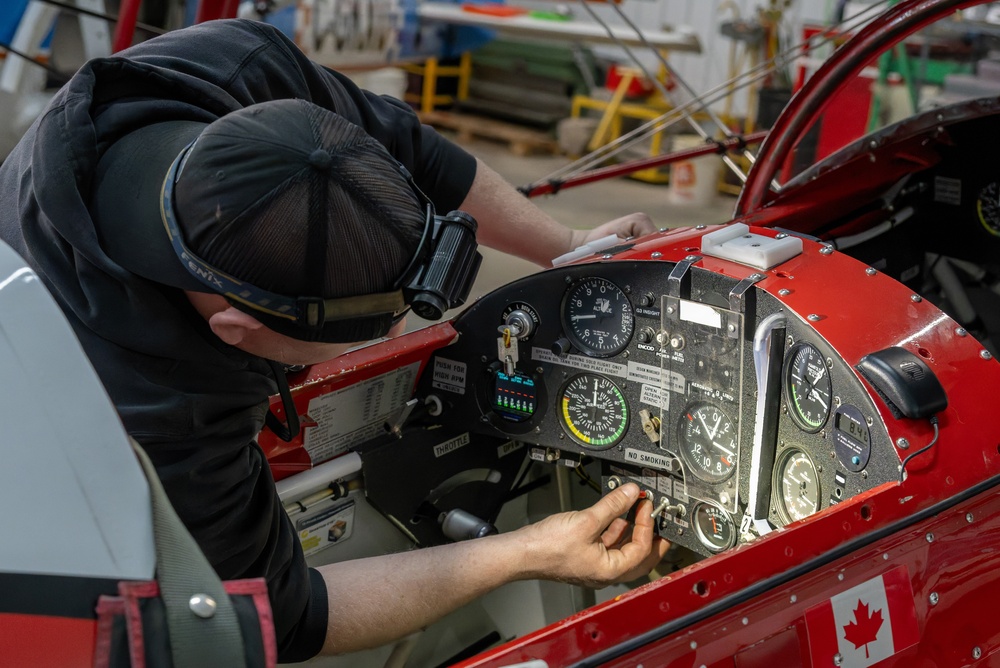
Aircraft depend on electronic systems for communication, navigation, and many other functions. Avionics technicians install, test, troubleshoot, and repair that equipment. An intermittent fault may involve a connector or wiring problem rather than the expensive unit that appears to be failing. Following the signal through the system can help establish where the problem begins.
Median pay is about $82,280 a year. The work involves technical manuals, electronic test equipment, and maintenance records. You may inspect wiring, test a component, or confirm that equipment communicates correctly after an installation. Every task has to be completed and recorded within the procedures that apply to the aircraft and the maintenance organization. A fault that disappears during one check may still need further investigation.
Electronics or aviation maintenance training is a common route, and military experience can also be relevant. Required certificates and supervision depend on the work and employer. Some technicians gain broader aircraft maintenance qualifications as they progress. Expect work in hangars or on airfields, with possible nights, weekends, and holidays. Careful hands and patience with wiring diagrams matter as much as general enthusiasm for aircraft.
7. Human factors engineer
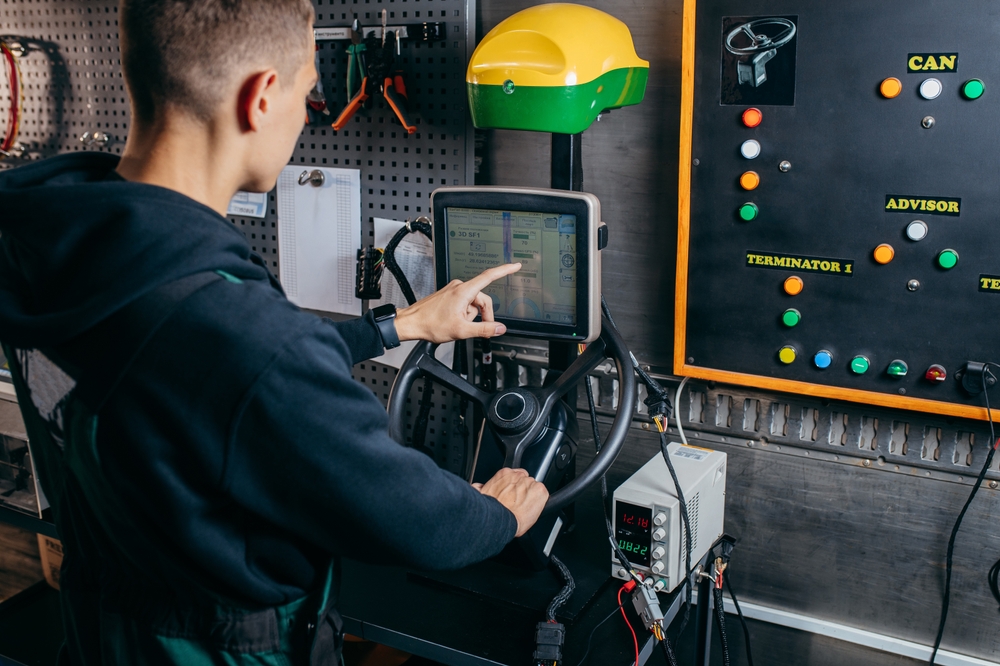
When several people make the same mistake using a machine, the controls or instructions may need investigation. Human factors engineers study how people interact with products and systems. They observe tasks, run tests, and look for places where a design conflicts with what users can see, understand, remember, or physically do. The work can involve medical devices, vehicles, industrial equipment, and other products.
Intermediate-level human factors engineers average about $99,500 a year. You might find that two buttons are easily confused, that important feedback appears too late, or that a task demands more attention than a person can reasonably give it. The findings help a design team make specific changes and test whether those changes improve use.
People enter through human factors, psychology, industrial engineering, and related degrees. Many positions prefer a master’s degree or relevant research experience. You need skills in study design, observation, statistics, and explaining results. This is a specialist career rather than a quick certificate course. The practical appeal is investigating why a product frustrates people and turning that evidence into something easier or safer to use.
8. Corrosion technician

When a buried pipe’s protective system stops working properly, the first clue may be a measurement that has changed. Corrosion technicians investigate deterioration in pipelines, tanks, and other metal structures. Those specializing in cathodic protection check electrical systems designed to reduce corrosion, take field readings, and investigate conditions that could leave the metal inadequately protected.
Average pay is about $81,086 a year. The work can involve comparing readings over time, checking equipment, looking for electrical interference, and documenting what needs attention. You need to understand whether an odd result points to a real change or a problem with how the measurement was taken. A reliable diagnosis helps the owner decide what maintenance or further investigation is needed.
Relevant utility, pipeline, electrical, or technical experience can provide a route in, followed by supervised field training. Cathodic protection certification has several levels, with higher qualifications requiring more knowledge and experience. This is often outdoor work, with driving and walking between test locations. It suits someone who can work carefully on site and still produce clear, consistent records after the measurements are finished.
9. Logistician

A late delivery may be blamed on the truck even when the problem started days earlier. Logisticians study how goods move through a business, from purchasing and storage to distribution. They investigate delays, stock problems, and unnecessary costs, looking at how one stage affects the next. The solution may involve changing a schedule or process rather than simply asking everyone to work faster.
Median pay is around $82,320 a year. You might compare planned and actual delivery times, examine inventory records, or work with suppliers and warehouse teams to understand a recurring shortage. Finding a pattern is only part of the job. A proposed change has to work with real staffing, storage space, transport capacity, and customer requirements. There are often several people with different priorities to bring into the discussion.
A bachelor’s degree in logistics, supply chain, business, or a related subject is common. Relevant military, transport, or warehouse experience can also be valuable, and some positions accept less formal education. Spreadsheet and data analysis skills help, but you need to ask good questions of the people doing the work. Disruptions can mean tight deadlines and longer hours.
10. Controls engineer
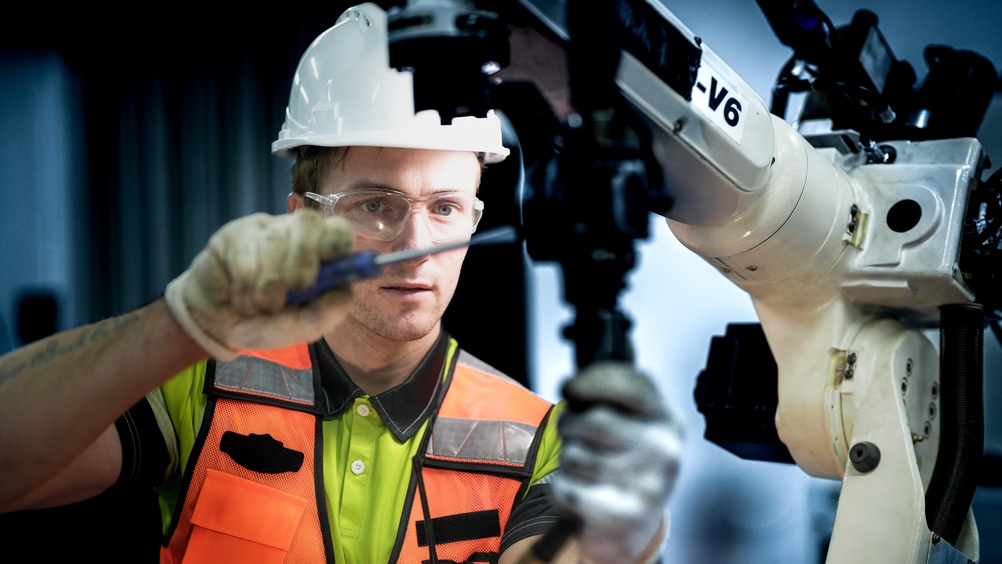
A production machine may have perfectly good motors and still stop because its control system is receiving the wrong information. Controls engineers work with sensors, programmable controllers, operator screens, and the logic that coordinates equipment. They investigate why a sequence fails, why a reading is inconsistent, or why machines that work separately do not work properly together.
Average pay is about $120,764 a year. An investigation can involve checking wiring, watching the machine’s sequence, reviewing controller logic, and testing a change under controlled conditions. You may also help install or improve systems. The work requires understanding the physical process as well as the program. A software change cannot repair a damaged sensor or make a mechanical problem disappear.
An electrical, automation, or related engineering degree is a common route. Some employers also consider people who progress from substantial controls technician experience. Training on specific controller platforms is useful, but practical work and electrical safety knowledge are essential. Factory visits, travel, commissioning deadlines, and shutdown work are possible. You need to document changes so future troubleshooting does not begin with guessing what the last engineer altered.
11. Vibration analyst
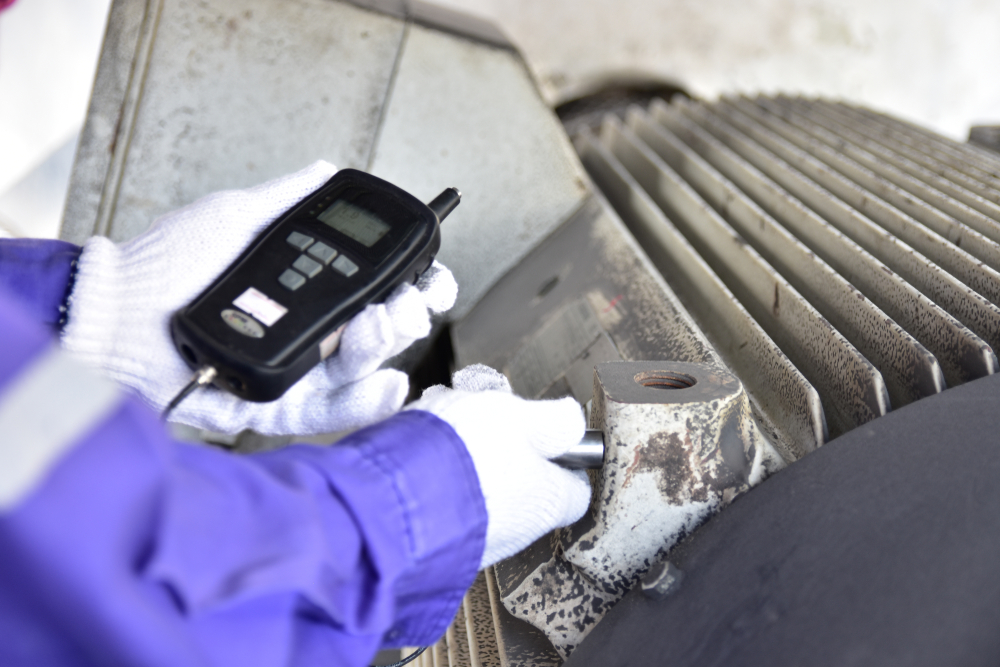
A rotating machine produces patterns that can reveal what is going wrong inside it. Vibration analysts collect and interpret measurements from pumps, motors, fans, and similar equipment. They look for evidence of problems such as imbalance, looseness, misalignment, or bearing damage. Comparing readings under suitable operating conditions helps them distinguish a developing fault from an unhelpful one-off result.
Average base pay is around $98,539 a year. You might investigate why one pump repeatedly damages its bearings or why vibration increases at a particular speed. The findings help maintenance teams decide what to inspect, adjust, or repair. You also need to explain how confident you are in the diagnosis and what additional checks would help. A chart by itself is not a maintenance plan.
Industrial maintenance experience is a useful foundation, followed by specialist training in measurement and analysis. Category II certification commonly requires an approved course, an exam, and 18 months of verified practical experience. Work can include regular visits around a plant or travel to customers. Expect noise, industrial safety procedures, and time writing recommendations as well as collecting the readings.
12. Hydrologist
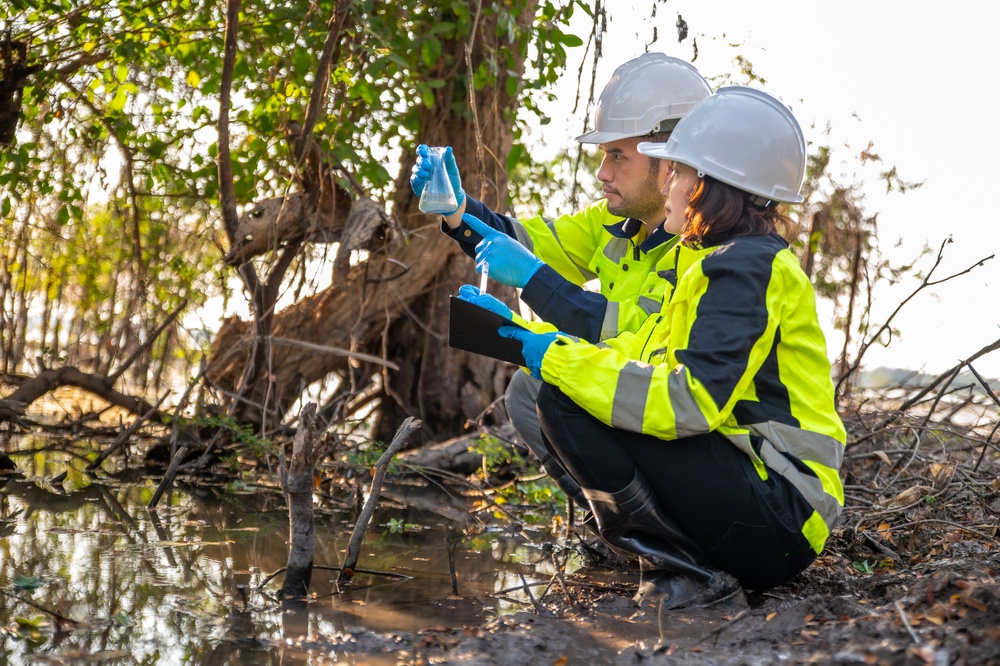
When a well produces less water or flooding becomes a recurring problem, a hydrologist investigates how water is moving through the area. These scientists study surface water and groundwater, using field measurements, samples, historical records, and models. They help answer questions about water supply, contamination, and the effects of changes in land use or weather.
Median pay is about $96,600 a year. A project might involve examining why groundwater levels have changed or estimating how water moves through a drainage area. The job includes checking the quality of the information going into an analysis and explaining what the results can reasonably show. You may work with engineers, regulators, landowners, or water managers who need the findings to make decisions.
A bachelor’s degree in hydrology, geology, environmental science, or a related field is a common starting point. Some employers prefer a master’s degree. Coursework in water science, mathematics, and data analysis matters, along with practical field experience. The job mixes office work with visits to measurement sites, sometimes in difficult terrain or poor weather. You need to be comfortable explaining uncertainty instead of giving a neat answer the evidence cannot support.
13. Forensic engineer
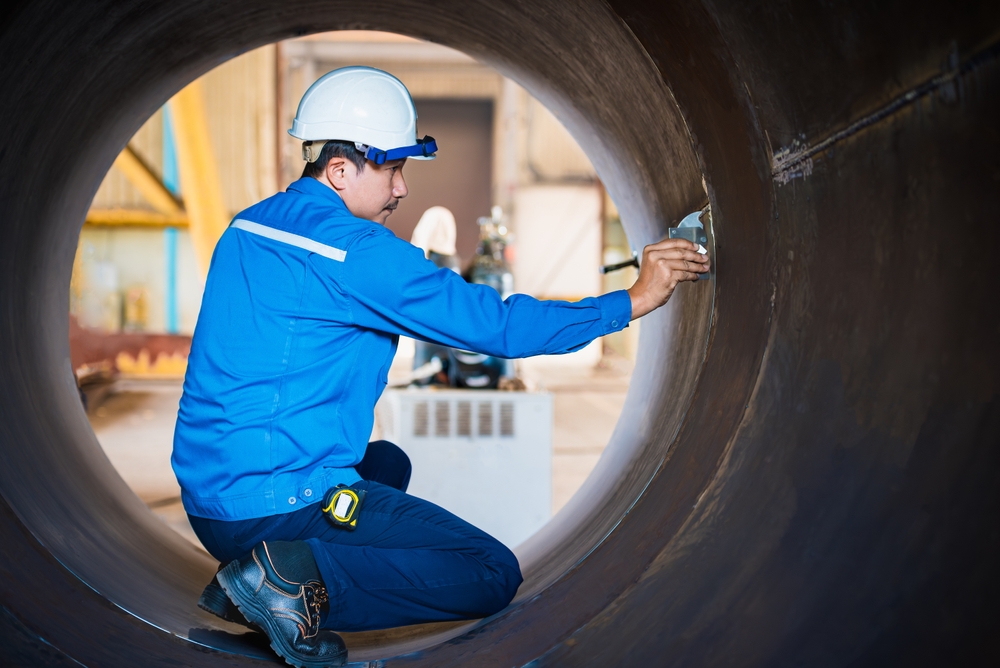
A balcony fails, a pipe bursts, or a machine causes damage, and several people have different explanations. Forensic engineers investigate what happened using site evidence, records, calculations, testing, and their knowledge of the equipment or structure. They need to distinguish the cause of a failure from damage that happened afterward. The answer can affect repairs, insurance decisions, and legal disputes.
Average base pay is about $94,659 a year. Duties vary by specialty: a structural engineer and an electrical engineer may investigate very different events. Both need to preserve evidence, document observations, and explain how their conclusions follow from the facts. Some assignments involve giving evidence in a legal proceeding, where another expert may closely question the analysis.
This is generally a career built on an engineering degree and substantial practical experience in a particular field. Professional engineering licensure is important for many assignments, and additional forensic credentials may help later. You need strong technical writing and the willingness to reconsider your first explanation. Site visits can involve damaged properties or equipment. The work also includes long stretches examining records and preparing a report that can withstand scrutiny.
14. Marine engineer
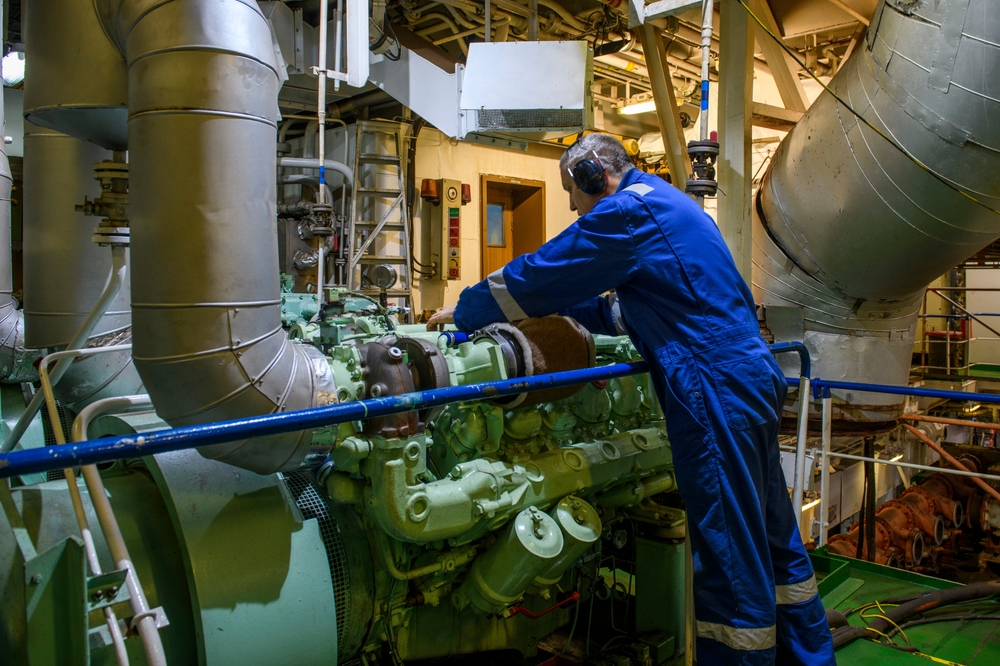
A ship’s propulsion, power, pumping, and other mechanical systems have to work together under demanding conditions. Marine engineers involved in design, testing, and technical support investigate why those systems fail to perform as intended. That might mean working out why equipment overheats, why a system cannot deliver the required output, or why a proposed modification creates a problem elsewhere.
Marine engineers and naval architects earn median pay of $112,230 a year. Depending on the employer, you may review test results, inspect equipment, coordinate with suppliers, or help evaluate repairs and alterations. The work can take place in an office, shipyard, or aboard a vessel during inspections and trials. Good troubleshooting involves understanding the complete system rather than judging a single component in isolation.
A bachelor’s degree in marine engineering or a related engineering discipline is the usual route into these design and engineering roles. Internships and shipyard experience help connect classroom work with real equipment. Requirements differ for engineers employed as licensed members of a ship’s crew. For shore-based engineering positions, expect technical reports, calculations, meetings, and possible travel when a project reaches testing or repair.
15. Railroad signal and track switch repairer

A railroad crossing gate, signal, or powered track switch has to respond correctly when it is needed. Signal and track switch repairers inspect, test, maintain, and repair the equipment and circuits involved. Troubleshooting may mean tracing an electrical fault, checking a mechanism, or investigating why equipment behaves differently from what the control system indicates.
Median pay is around $92,460 a year. Workers use diagrams and test equipment, make adjustments, replace components, and record the results of inspections and repairs. The work requires careful coordination with railroad operations. You cannot treat an apparently quiet stretch of track like an ordinary workshop or assume equipment is safe to work on without the required protection and authorization.
Railroads and transit organizations train people through helper, trainee, and apprenticeship routes. A high school diploma, electrical aptitude, and relevant technical education or experience can help you qualify. You then learn the employer’s equipment and safety procedures under supervision. Expect outdoor work, travel along the system, and possible nights, weekends, or emergency calls. This is a practical specialty for someone who can follow a circuit and stay methodical under pressure.
16. Building commissioning engineer
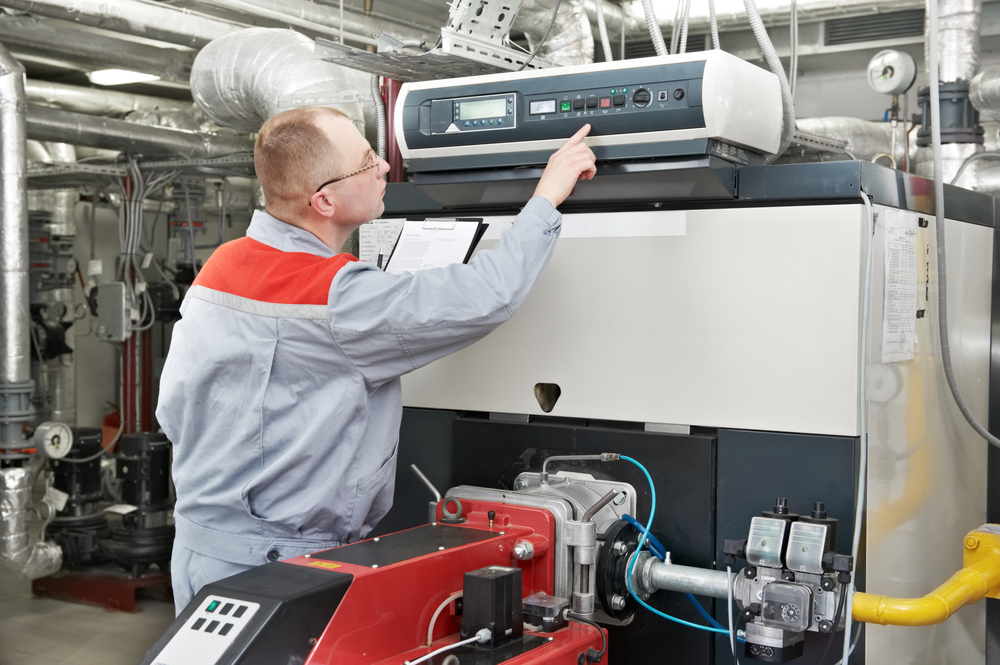
A building can contain new equipment and still waste energy or leave occupants uncomfortable. Commissioning engineers test whether systems operate together as intended. They review requirements, plan functional tests, observe equipment, and investigate the problems those tests reveal. In an existing building, the work may begin with complaints about temperatures or equipment that runs when nobody expects it to.
Average pay is about $112,994 a year. You might discover that a sensor is giving the wrong reading, a control sequence does not match the requirements, or two systems are working against each other. The engineer records the finding, works with the responsible team, and checks the outcome after correction. Getting the system to work once does not settle whether it behaves properly under different conditions.
A mechanical or electrical engineering degree is a common foundation, usually followed by practical experience with building systems. Some professionals progress through controls, testing, or other technical roles. You need to understand how the equipment should behave and how to test that behavior. Projects can involve travel, deadlines near a building’s opening, and plenty of coordination with contractors and owners.
17. Soil and plant scientist

If one patch of a field struggles while the rest grows normally, adding more fertilizer may be an expensive guess. Soil and plant scientists investigate how crops respond to soil conditions, water, nutrients, and management practices. Depending on their specialty, they collect samples, assess plant performance, and design trials to work out which factors are affecting growth.
Median pay is about $78,850 a year. A project might examine soil chemistry, drainage, root conditions, or how a crop responds to a change in management. The work can combine farm visits with laboratory analysis and data review. You have to collect useful samples and account for differences across a site before deciding that one treatment or condition explains the result.
A bachelor’s degree in soil science, agronomy, plant science, or a related subject is a common starting point. More specialized research roles may require a master’s degree or doctorate. Fieldwork, internships, and experience planning experiments are valuable. Employers include research organizations, government agencies, agricultural businesses, and universities. Expect seasonal field demands and the need to explain findings in practical terms to people managing crops or land.
18. Metallurgist

A broken metal part can leave clues about why it failed. Metallurgists study metals and their properties, including how processing and use affect performance. Those working in failure analysis examine fractures, test material, and investigate factors such as composition, heat treatment, corrosion, and loading. The question is whether the part was suitable and what happened to it before it broke.
Average pay is around $97,840 a year. You might investigate a batch of components that keeps cracking, compare a failed part with an unused one, or work with manufacturing staff to identify a process problem. Laboratory findings need to be considered alongside service conditions and production records. A result showing what the metal contains does not explain everything about how the part was made or used.
A bachelor’s degree in metallurgy, materials science, or materials engineering is the usual route. Internships in manufacturing or testing laboratories can help you choose a specialty, while advanced research may require postgraduate study. The job calls for patient investigation and clear reports. Depending on the employer, you may divide your time between a laboratory, a production facility, and meetings about how to prevent the failure recurring.











