
A friend of mine called herself “just a CNA” for eight years, like the job was something to apologize for. Then she picked up weekend differentials at a skilled nursing facility, added a dementia care certification, and watched her annual pay climb past $50,000, more than plenty of jobs that sound better at a dinner party.
Care work gets written off as minimum wage with good intentions attached. That’s wrong more often than people assume. The median hourly wage for a certified nursing assistant was $20.53 as of May 2025, which works out to about $42,700 a year at a full-time schedule, and that’s before shift differentials, specialty units, or travel contracts get added on top.
Table of contents
- Certified nursing assistant
- Home health and personal care aide
- Travel CNA
- Phlebotomist
- Medical assistant
- Dental assistant
- Veterinary technician
- Massage therapist
- Occupational therapy assistant
- Physical therapist assistant
- Psychiatric technician
- Pet sitter and dog walker
- Professional nanny
- Newborn care specialist
- Postpartum doula
- Birth doula
- Geriatric care manager
- Lactation consultant
Certified nursing assistant

Certified nursing assistants handle the physical, unglamorous parts of patient care: bathing, feeding, transferring, and checking vital signs every few hours. It’s also one of the fastest routes into healthcare without years of school, which is part of why the pay gets written off before anyone looks at it closely.
The baseline is modest but not as low as most people guess. The median hourly wage for a certified nursing assistant was $20.53 as of May 2025, about $42,700 a year full time, and government employers, state hospitals, and veterans’ facilities in particular, tend to pay noticeably more than nursing homes or home health agencies. Picking up night differentials, working in a higher-acuity unit like an ICU, or adding a wound care or dementia care certification can push an hourly rate up fast, often within the first year or two.
None of this makes CNA work a six-figure career by itself. But the difference between what a new CNA earns and what an experienced one earns in the right setting is wide enough that calling it a minimum wage job misses the point.
Home health and personal care aide

Home health aides and personal care aides help people stay in their own homes instead of moving into a facility: bathing, meal prep, mobility assistance, medication reminders. It’s demanding work, often with clients who need near-constant attention, and the agency pay for it is low enough that it rarely gets mentioned as a real career option.
The median hourly wage for a home health or personal care aide was $17.36 as of May 2025, about $36,100 a year full time, when working through an agency. But families looking for private, non-medical in-home care paid a national median of $35 an hour in 2025, which works out to more than $80,000 a year at a full-time 44-hour week. That difference exists because agencies keep a significant cut for scheduling, insurance, and overhead.
Caregivers who build a small roster of private clients directly, through word of mouth, a local senior center, or a platform like Care.com, keep far more of what families are actually paying. It takes longer to build that client base than taking an agency job, but the ceiling is considerably higher once it’s there.
Travel CNA
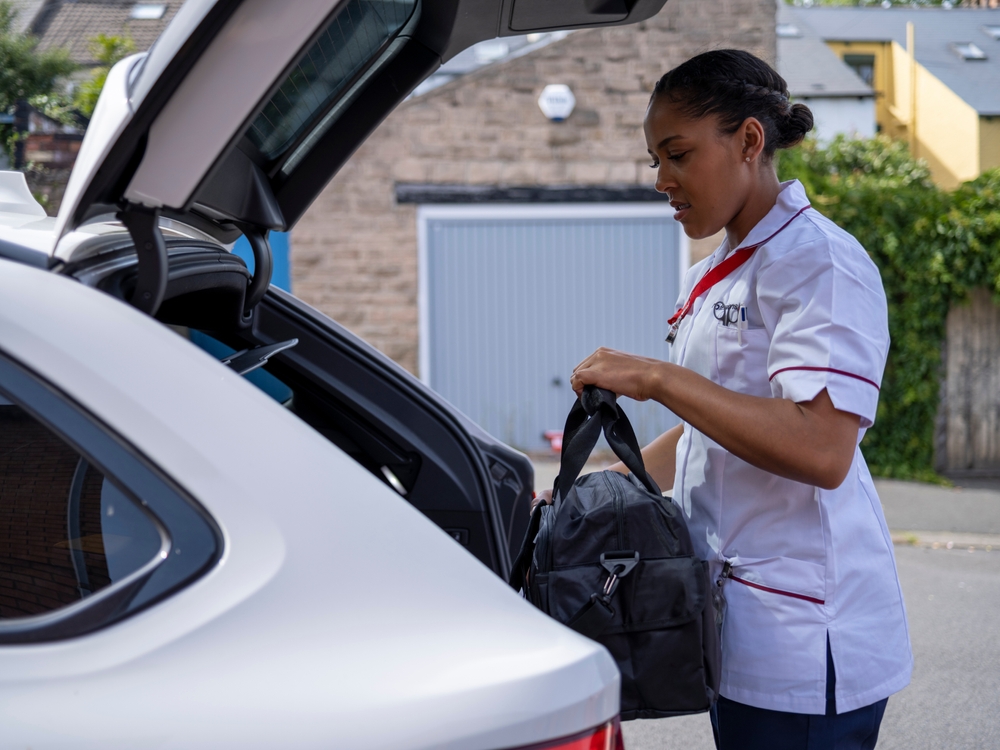
Taking a CNA license on the road changes the pay picture completely. Travel staffing agencies place certified nursing assistants into short-term contracts, usually 8 to 13 weeks, at hospitals and long-term care facilities that are short-staffed and willing to pay a premium to fill the gap immediately.
Weekly pay on these contracts has recently averaged just over $1,000 a week, and contracts in high-demand locations or specialty units can run well above that, sometimes into the $1,500 to $2,500 range. Most packages include a housing stipend or per diem on top of the hourly wage, which is often tax-free if the traveler maintains a permanent home address elsewhere.
The tradeoff is obvious: no long-term stability at one facility, a new workplace to learn every few months, and licensing paperwork that has to transfer between states. For a CNA without kids in school or a mortgage tying them to one city, though, travel work can roughly double the take-home pay of a standard facility job, without any additional schooling or certification beyond what they already have.
Phlebotomist

Drawing blood sounds like a narrow skill, but phlebotomists work everywhere blood needs to move from a vein into a tube: hospitals, outpatient labs, blood donation centers, even mobile units that visit nursing homes and workplaces. The training is short, usually a matter of months, which keeps expectations about the pay low.
The median hourly wage for a phlebotomist was $21.88 as of May 2025, about $45,510 a year full time, ahead of several jobs that require a full college degree. Outpatient care centers paid phlebotomists more than hospitals or physicians’ offices on average, and the states with the highest wages, California, New York, Massachusetts, and Washington among them, pushed the number noticeably higher still.
Phlebotomists who cross-train into related skills, like EKG monitoring or basic lab processing, become more valuable to an employer without adding years of schooling. Mobile and travel phlebotomy, where a tech drives to collect samples rather than working a single site, often pays a premium on top of the base rate because fewer people are willing to do it.
Medical assistant

Medical assistants are the people doing double duty in a doctor’s office: taking vitals, prepping patients, drawing blood sometimes, and also scheduling, billing, and managing the front desk when things get busy. The job blends clinical and administrative work in a way that makes it hard to categorize, and that confusion seems to carry over into how people guess at the pay.
The median hourly wage for a medical assistant was $22.17 as of May 2025, about $46,110 a year full time, with those working in outpatient care centers earning more than those in smaller physicians’ offices. It’s also one of the faster-growing jobs in healthcare, since outpatient clinics keep expanding and need staff who can do more than one thing well.
Becoming a Certified Medical Assistant through a recognized program, rather than learning everything on the job, tends to open doors to higher starting pay and more choice in where to work. Specializing in a busy specialty practice, cardiology or dermatology for instance, where procedures are more involved, often pays better than a general family practice role doing the same basic tasks.
Dental assistant

Dental assistants sterilize instruments, take X-rays, prep materials, and hand the dentist exactly what’s needed before they even ask for it. Almost all of them work inside dentists’ offices rather than hospitals or clinics, which gives the job a steadier, more predictable schedule than a lot of healthcare support roles.
The median hourly wage was $24.13 as of May 2025, about $50,190 a year full time, which puts it ahead of several better-known entry-level healthcare jobs. Dental hygienists, who need an associate’s degree and a license, earn roughly double that, but the difference narrows considerably for assistants who pick up an Expanded Function Dental Assisting credential, where states allow it, since that credential lets them take on tasks a hygienist would otherwise handle.
Government and public health dental clinics tend to pay above the private-practice average, and assistants who learn orthodontic or oral surgery specialties, rather than general dentistry, usually command a higher hourly rate because fewer people are trained for those procedures. It’s a job most people assume caps out low. In practice, the ceiling moves a lot depending on the credential and the specialty.
Veterinary technician
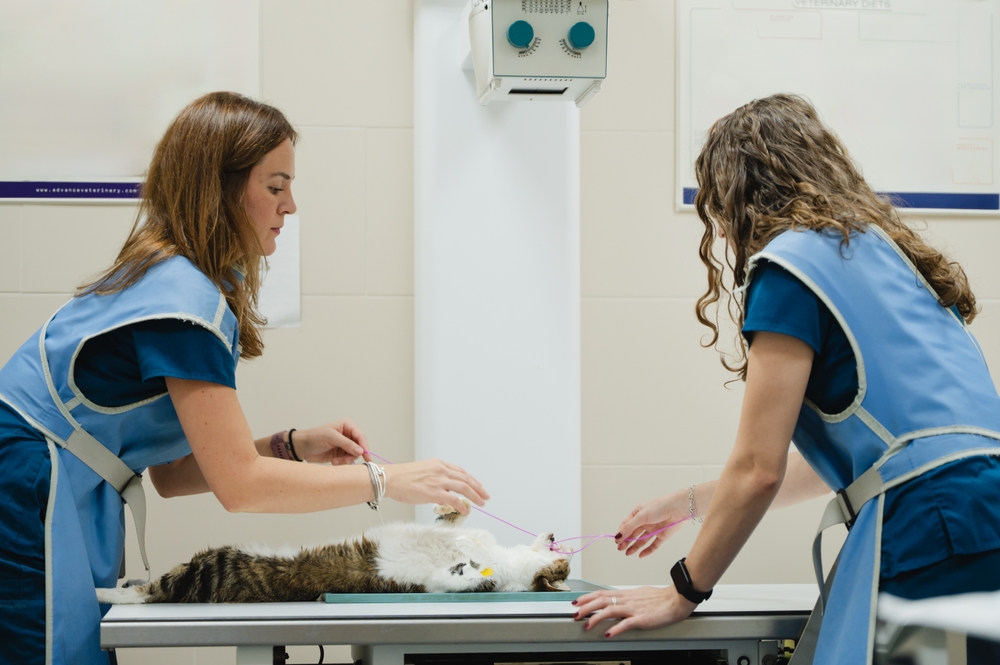
Veterinary technicians do for animals roughly what a nurse does for people: drawing blood, running lab tests, placing IVs, monitoring anesthesia during surgery, and comforting a terrified Labrador while all of that is happening. It takes a two-year degree and a credentialing exam in most states, more training than people assume walks in off the street.
The median hourly wage was $23.61 as of May 2025, about $49,110 a year full time, and demand for the role is growing much faster than average as more households spend more on pet care than they used to. Specialty hospitals and emergency clinics, where the work is higher stakes and often overnight, pay more than a general small-animal practice.
Techs who earn a Veterinary Technician Specialist credential in a niche like emergency and critical care, anesthesia, or dentistry move up the pay scale noticeably, the same way a nurse moves up by specializing. Research laboratories and universities, where the work involves lab animals rather than pets, also tend to pay above the general practice average, mostly because fewer people seek out that kind of setting.
Massage therapist

Massage therapy gets filed under spa indulgence in most people’s heads, which undersells how much of it is actual medical and rehabilitative work. Therapists treat chronic pain, sports injuries, and post-surgical recovery alongside the relaxation sessions, and a license is required in nearly every state to practice at all.
The median hourly wage was $30.69 as of May 2025, about $63,840 a year full time, well above what most healthcare support jobs pay and ahead of plenty of office jobs that require a degree. A lot of massage therapists are self-employed, which means that figure is really a floor. Setting your own rates, building a loyal client base, and working in a higher cost-of-living area can push personal income considerably past the median reported by employees.
The field is also growing fast, as more employers and insurance plans treat massage as legitimate medical therapy rather than a luxury. Therapists who specialize in sports massage, prenatal work, or medical massage tied to physical therapy referrals tend to book out faster and charge more per session than someone offering general relaxation massage alone.
Occupational therapy assistant

Occupational therapy assistants work under a licensed occupational therapist, helping patients relearn the everyday tasks an illness, injury, or disability took away: getting dressed, cooking, returning to work safely. It’s hands-on, patient-centered work that requires only an associate’s degree, not the doctorate an occupational therapist needs.
That’s what makes the pay surprising. The median hourly wage for an occupational therapy assistant was $33.99 as of May 2025, about $70,700 a year full time, nearly double the pay of an occupational therapy aide doing similar but less clinical support work in the same building. It’s also one of the highest-paying jobs on this entire list that doesn’t require a bachelor’s degree, let alone a graduate one.
Settings matter here too. Offices of physical, occupational, and speech therapists tend to pay well, and the job outlook is strong as the population ages and needs more rehabilitation support after strokes, falls, and surgeries. For someone weighing a two-year program against a four-year degree somewhere else, this is one of the clearer cases where the shorter credential pays off faster.
Physical therapist assistant

Physical therapist assistants carry out the exercises, stretches, and mobility work a physical therapist designs, spending far more hands-on time with patients than the therapist who wrote the plan usually does. Like occupational therapy assistants, the role needs an associate’s degree rather than the doctorate a physical therapist now requires.
The median hourly wage was $33.04 as of May 2025, about $68,720 a year full time, almost twice what a physical therapist aide earns doing adjacent but less clinical work. Demand is growing fast, driven largely by an aging population that needs more rehabilitation after joint replacements, strokes, and falls, which is also pushing up pay in markets where PTAs are in short supply.
Outpatient clinics focused on physical, occupational, and speech therapy pay the most on average, ahead of hospitals and nursing homes. Assistants who build a reputation in sports medicine or orthopedic rehab, where patients often pay privately or have better insurance coverage, tend to see faster raises than those in a general outpatient setting. Two years of school for pay this close to a four-year-degree job is a rare combination.
Psychiatric technician

Psychiatric technicians work directly with patients managing serious mental illness, developmental disabilities, or substance use disorders, often in psychiatric hospitals, residential treatment centers, or state-run facilities. The work is intense and the turnover is high, which tends to push the pay up faster than people expect once they actually look.
The median hourly wage was $22.41 as of May 2025, about $46,610 a year full time, and state government psychiatric hospitals in particular pay noticeably above that average because they struggle to keep the role staffed. The job is projected to grow much faster than most healthcare support roles over the next decade as mental health and substance use treatment both expand.
Most states don’t require a license to work as a psychiatric technician, though some, California among them, do, and voluntary certification through the American Association of Psychiatric Technicians can help with pay and advancement either way. For someone drawn to behavioral health but not ready to commit to years of nursing or counseling school, it’s a direct entry point with pay that holds up better than its reputation suggests.
Pet sitter and dog walker

Pet sitting and dog walking get treated like a teenager’s summer job, something you do between real jobs rather than a job itself. Animal caretakers broadly, the category that covers shelter workers, boarding facility staff, and caretakers like this, had a median annual wage of $33,470 as of May 2024, which does look like a side hustle wage on paper.
But that number doesn’t capture what independent dog walkers and sitters in dense, dog-heavy cities actually bring home once they build a client base outside an app’s cut. One New York dog walker with two decades in the business and a loyal roster of clients now makes up to $120,000 a year, charging $20 to $25 per dog on group walks and running multiple walks a day. That’s an extreme case, but it illustrates how far the ceiling moves once reputation replaces an app’s algorithm for finding clients.
Holiday season boarding, where travel-heavy clients pay premium overnight rates, is where most independent pet sitters see their biggest income spike of the year, often covering a slow month or two elsewhere.
Professional nanny

A nanny isn’t a babysitter with a longer commitment. The job usually involves a set schedule, defined duties around meals, education, and routines, and increasingly a level of professionalism that includes background checks, CPR certification, and sometimes a dedicated industry credential through a group like the US Nanny Association.
Pay has climbed with that professionalization. Families paid nannies a national average of $870 a week, or roughly $21.75 an hour, in 2026, and that figure moves considerably higher for nannies with a college degree, a second language, or several years with the same family. Full-time nannies in major metro areas with specialized skills, infant care certification or experience with a child who has additional needs, for example, routinely earn well above that national figure.
Going through a reputable placement agency rather than a casual arrangement found through a parenting group tends to mean better documented pay, actual benefits, and a contract, all of which push the real number higher than the informal rate most people picture when they hear the word nanny.
Newborn care specialist

Newborn care specialists take over the overnight shift for exhausted new parents: feeding, soothing, diaper changes, and sleep coaching for a baby who hasn’t figured out day from night yet. It’s sometimes called night nannying, though the training involved, infant sleep science, feeding troubleshooting, and often postpartum recovery basics, goes well beyond general babysitting.
Pay reflects that specialization. Recent guidance puts newborn care specialists at $30 to $40 an hour or more, with some charging above $60, which lines up with what experienced specialists report charging in major cities. One certified specialist who built a reputation over several years of overnight shifts now earns up to $50 an hour working nine to twelve hours a night, several nights a week.
The hours are brutal by design, and burnout is real in a job that runs entirely on someone else’s sleep schedule. But for someone who can genuinely function well overnight, which not everyone can, the per-hour rate is considerably higher than most daytime childcare work, and families in a sleep crisis tend not to negotiate hard on price.
Postpartum doula
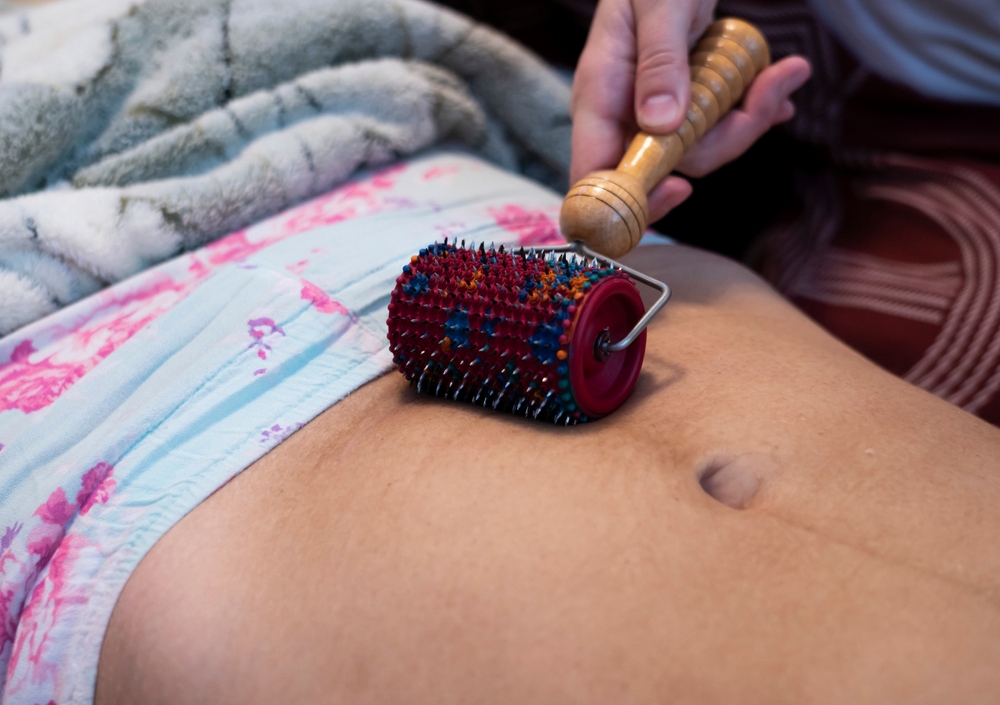
A postpartum doula supports the parent, not just the baby, in the weeks after birth: helping with recovery, lactation questions, light household tasks, and simply making sure a new parent isn’t drowning alone. It’s different work from a birth doula, who’s only present for labor and delivery, and different from a newborn care specialist, who’s focused mainly on the baby overnight.
Postpartum doulas typically charge $25 to $50 an hour, with overnight rates often running higher, and many build ongoing relationships with a family over several weeks rather than a single visit. Some package the first few weeks into a flat fee instead of billing hourly, which can work out even better for a doula with a full client calendar.
Training and certification vary by organization, and plenty of experienced postpartum doulas build their reputation through word of mouth rather than a single credentialing body. For someone who likes the newborn chaos phase and has the patience for 2 a.m. questions about nursing positions, it’s steady, well-paying work that most people have never heard of as a real job title.
Birth doula

A birth doula provides continuous support through labor and delivery, coaching on breathing and positioning, advocating with hospital staff, and simply being a steady presence for many hours in a row. It’s not a medical role. Doulas don’t deliver babies or provide clinical care, but hospitals and families increasingly value the support enough to pay well for it.
Most doulas charge $800 to $1,500 per birth outside of Medicaid coverage, and established doulas in expensive metro areas charge up to $3,500 depending on experience and location. A handful of states have started covering doula care through Medicaid too, which is opening up paid work supporting lower-income families who couldn’t previously afford it.
The income is lumpy by nature. A doula on call for a birth might wait weeks between clients or get two calls in the same week, and burnout from being perpetually on call is a real occupational hazard. Still, a doula who takes on four or five births a month at the higher end of that range is earning real money for work that, a decade ago, barely existed as a paid profession outside a handful of cities.
Geriatric care manager

Geriatric care managers, sometimes called aging life care professionals, coordinate everything a family can’t manage alone when an aging parent needs help: doctor’s appointments, finding the right assisted living facility, tracking medications, and acting as the point person when something goes wrong and the kids live three states away.
It’s a job built for people with a background in social work, nursing, or counseling, and the pay reflects that professional training. The median annual salary was $81,359 a year, with top earners making more than $122,000. Many care managers are self-employed and bill by the hour for assessments, ongoing coordination, and crisis intervention, which means a manager with a full roster of clients controls their own ceiling more than someone on a facility’s payroll does.
The demand side of this is only getting bigger. More adult children live far from their aging parents than a generation ago, and fewer families have someone able to drop everything to manage a parent’s care in person. For someone who already has the clinical or counseling background, this is a largely overlooked way to use it.
Lactation consultant
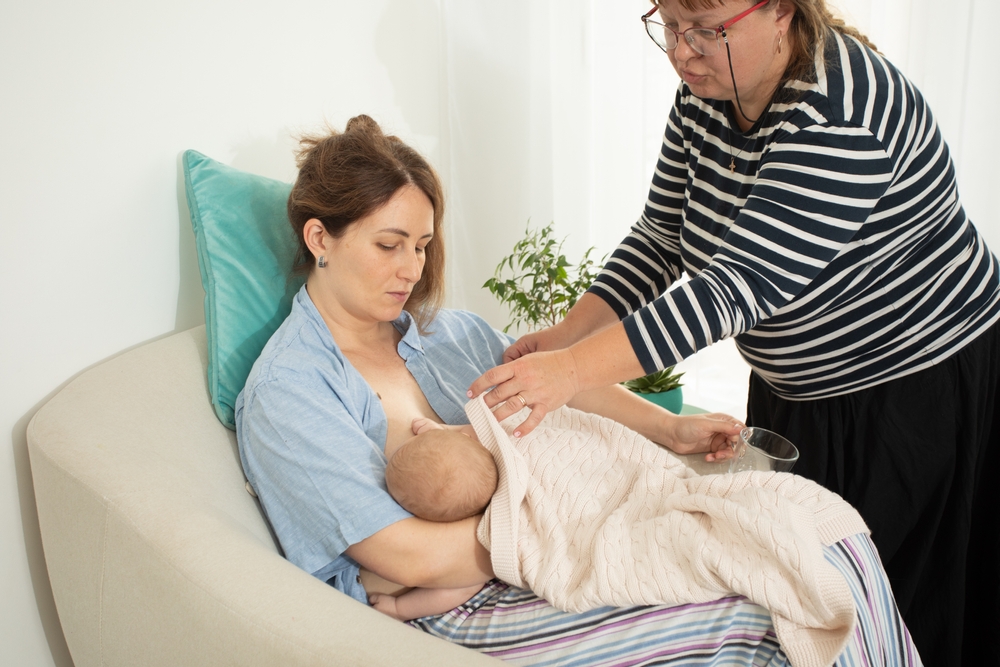
Lactation consultants help new parents troubleshoot breastfeeding: latch problems, low milk supply, tongue ties, and the dozens of smaller issues that can make nursing miserable instead of manageable. The most recognized credential, International Board Certified Lactation Consultant, requires supervised clinical hours and a board exam, more rigor than most people assume sits behind the title.
Independent IBCLCs typically charge $75 to $200 an hour, with home visits running $100 to $300 per session, and package deals covering several follow-up visits often land between $250 and $600. A consultant seeing even a handful of clients a week, which is a realistic caseload for someone building a private practice, adds up to solid income without ever setting foot in a hospital as an employee.
Insurance coverage is improving but still inconsistent, which pushes a lot of this work toward direct, out-of-pocket pay from families who simply want the problem solved. Lactation consulting is also IRS-eligible as a medical expense, so many parents pay through an HSA or FSA account instead of straight out of pocket, which keeps consultants busy and makes the price easier for families to absorb.
None of these jobs are easy, and none of them pay what a surgeon or a software engineer makes. But most of them pay more than the job title suggests, which is worth knowing before writing off a short certification program in favor of years of debt for a four-year degree.











