
Boring doesn’t mean dead-end. A lot of decent-paying work is surprisingly dull. Someone has to test the alarm panel, measure the property line, watch a machine run, inspect the same safety equipment again, and replace the worn bearing before it shuts down a factory.
That can be good news if you care more about a steady paycheck than having an impressive job title. Routine work tied to buildings, roads, factories, hospitals, utilities, and safety rules tends to stick around because skipping it eventually causes something expensive, dangerous, or both.
These jobs aren’t glamorous. Many involve checklists, repetitive testing, preventive maintenance, documentation, or long stretches of monitoring equipment. But that ordinary work is exactly what can make them dependable.
Table of contents
- 1. Mechanical door repairer
- 2. Security and fire alarm systems installer
- 3. Calibration technician
- 4. Semiconductor processing technician
- 5. Rail car repairer
- 6. Mechanical insulation worker
- 7. Earth driller
- 8. Paving, surfacing, and tamping equipment operator
- 9. Surveying and mapping technician
- 10. Food science technician
- 11. Chemical technician
- 12. Polysomnographic technician
- 13. Dialysis equipment technician
- 14. Occupational health and safety technician
- 15. Industrial machinery mechanic
- 16. Mobile heavy equipment mechanic
- 17. Refrigeration rack technician
- 18. Surgical technologist
1. Mechanical door repairer
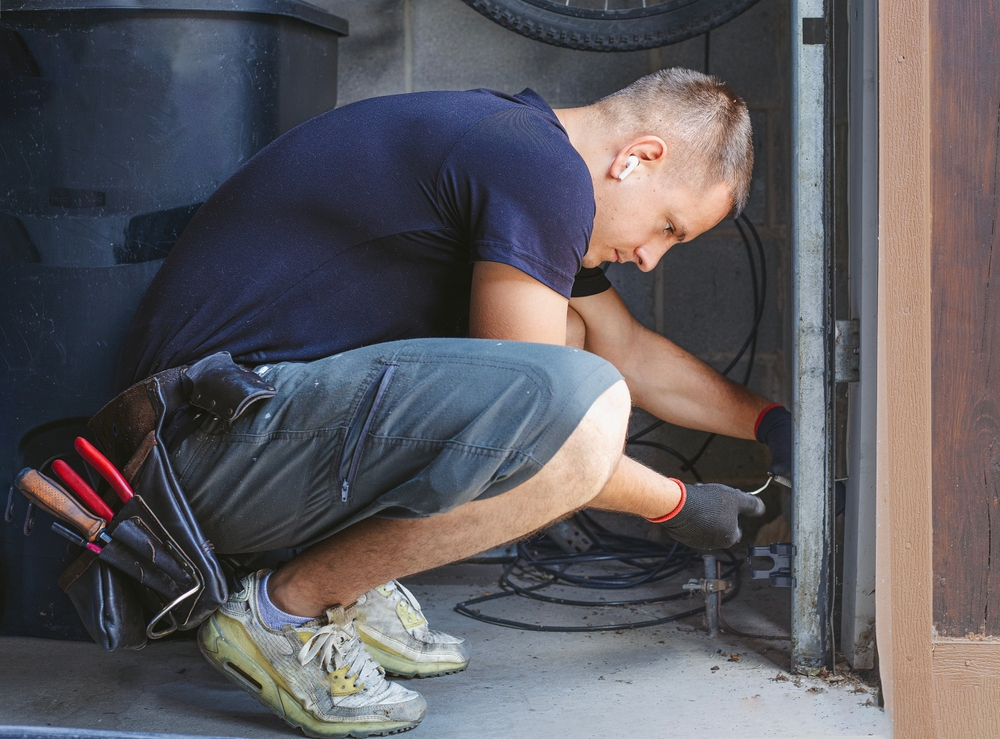
Automatic doors don’t seem complicated until one stops opening at a hospital, warehouse, grocery store, or office building. Mechanical door repairers install and service automatic sliding doors, powered gates, hydraulic doors, garage doors, and the motors, sensors, tracks, and controls that make them work. Median pay is about $55,720 per year.
A lot of the job is gloriously uneventful: inspect a door, clean or lubricate parts, test the safety sensor, adjust the closing speed, replace a worn roller, and move to the next one. That physical service work isn’t easy to send overseas or hand completely to software. Employment is projected to grow much faster than average, with thousands of openings expected as buildings keep adding automatic access systems. You can usually enter through mechanical, electrical, garage-door, or building-maintenance work and learn the specific equipment on the job. Basic electrical troubleshooting skills are especially useful because modern doors mix mechanical parts with sensors and electronic controls.
2. Security and fire alarm systems installer
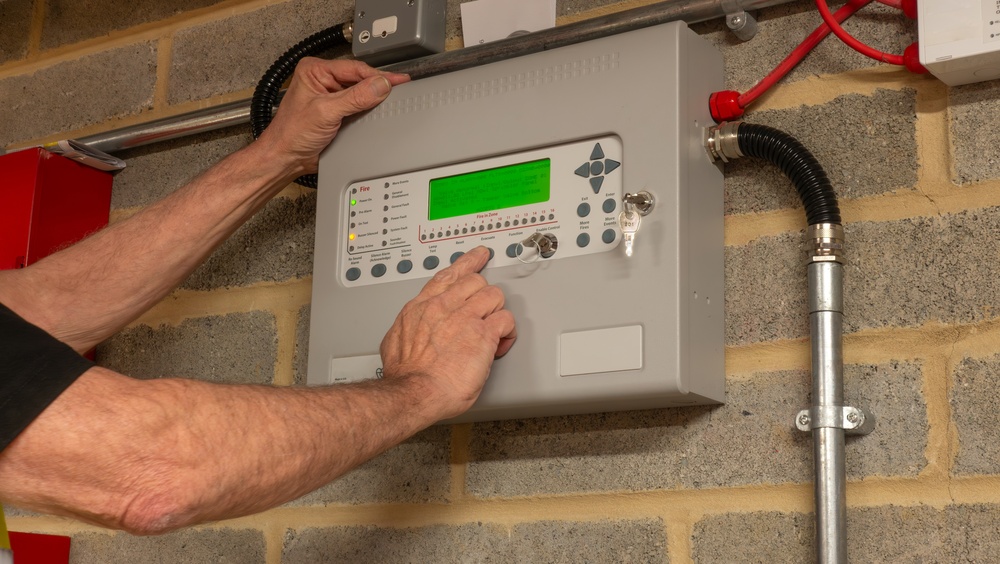
If spending an afternoon testing smoke detectors and tracing wires through ceiling tiles sounds boring, this field may suit you perfectly. Security and fire alarm systems installers wire, program, test, maintain, and repair alarm panels, sensors, cameras, notification devices, and related equipment. Median pay is about $60,070 per year.
The work follows codes, testing procedures, and maintenance schedules, which means plenty of repetition. But building owners can’t simply decide alarms are optional when budgets get tight. Systems also need humans on-site to inspect wiring, find failed devices, verify that alarms actually trigger, and make repairs inside real buildings. Employment is projected to grow much faster than average, with roughly 9,400 openings over the projection period. A common path starts with electrical or electronics training, followed by employer instruction on specific alarm systems. Licensing or registration requirements can vary, and manufacturers often offer training on their own panels and equipment.
3. Calibration technician

Factories, laboratories, hospitals, and testing facilities use instruments that have to give the right measurement every single time. Calibration technicians check gauges, meters, temperature sensors, pressure instruments, electrical test equipment, and other devices against known standards. Median pay is about $67,820 per year.
This is detail work in the purest sense. You may spend much of your day connecting instruments, taking readings, comparing results, making tiny adjustments, attaching calibration labels, and recording what you found. The job is expected to grow faster than average, with continued demand in manufacturing and technical services. Automation can collect readings, but somebody still has to verify the measuring equipment itself, investigate bad results, physically adjust devices, and document that equipment meets required tolerances. Technical-school programs in electronics, instrumentation, metrology, or industrial technology can help you get started. An associate degree is common in some workplaces, while others hire people with military electronics, manufacturing, or maintenance experience and train them on their equipment.
4. Semiconductor processing technician

Making computer chips involves some extremely advanced technology and some extremely repetitive work. Semiconductor processing technicians monitor the machines that coat, etch, clean, heat, cut, and otherwise process silicon wafers. Median pay is about $51,430 per year.
You may spend hours following cleanroom procedures, loading materials, watching process readings, checking wafers, recording production information, and responding when a machine drifts outside its normal settings. Employment is projected to grow much faster than average. Chip plants use plenty of automation already, but that doesn’t eliminate the need for technicians who deal with equipment faults, contamination problems, material handling, changeovers, and quality issues on the production floor. Entry requirements vary by employer. Some plants hire workers with technical certificates or manufacturing experience, while more complicated equipment jobs may favor an associate degree in electronics, semiconductor technology, mechatronics, or a related field. Cleanroom discipline matters almost as much as mechanical skill because one small contamination problem can ruin expensive batches.
5. Rail car repairer
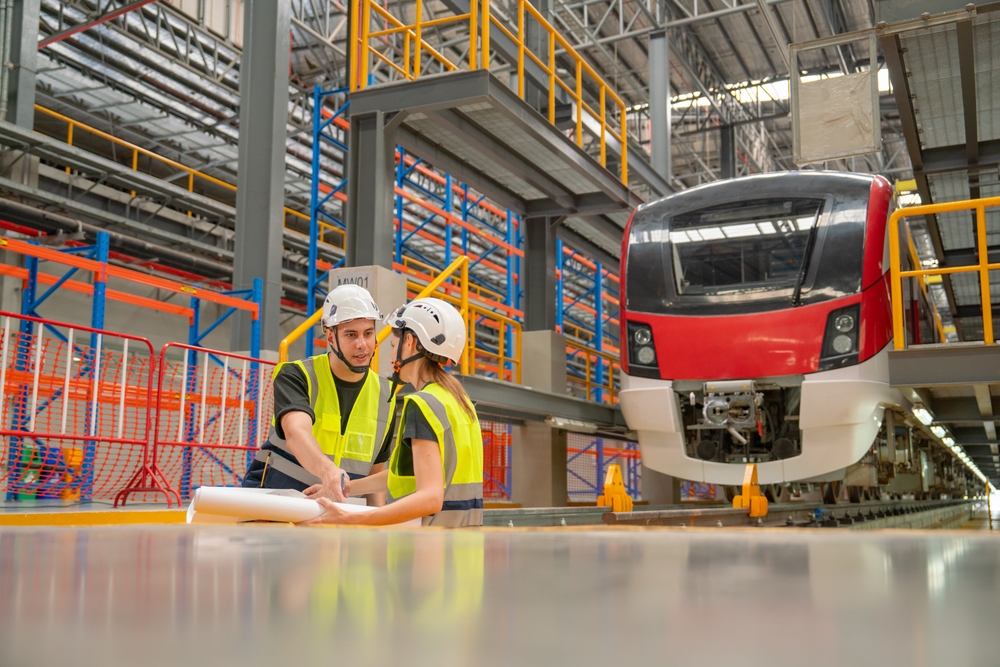
Passenger and freight rail cars spend their lives vibrating, braking, rolling over rough track, and hauling heavy loads. Rail car repairers inspect that equipment and fix what wears out. Median pay is about $67,530 per year.
Expect a lot of routine inspections, brake work, replacing worn parts, checking couplers, crawling underneath cars, and documenting repairs. It’s not the romantic side of railroading. Employment is projected to grow about as fast as average, with ongoing openings as railroads and transit systems replace workers and keep existing fleets in service. The equipment is large, physical, and safety-sensitive, so repairs still require people who can inspect an actual car, spot damage, use tools, and confirm that the repair is safe. A high school diploma is often the starting point, followed by employer training. Welding, diesel, industrial maintenance, or heavy-equipment experience can make you more competitive, particularly for jobs involving brakes, structural repairs, and mechanical systems.
6. Mechanical insulation worker

Mechanical insulation workers wrap pipes, ducts, boilers, tanks, and other equipment with insulation that controls temperature, prevents condensation, reduces energy loss, or protects workers from hot surfaces. Median pay is about $58,340 per year.
There is plenty of measuring, cutting, fitting, wrapping, fastening, and then doing the same thing a few feet farther down the pipe. The occupation is projected to grow faster than average. Buildings and industrial plants keep needing insulation when equipment is installed, renovated, repaired, or upgraded for efficiency. The job also takes place around pipes and mechanical systems that have to be handled in person, often in cramped spaces where a computer can’t do much for you. Many workers learn through apprenticeships or employer training rather than a four-year degree. Construction experience helps, but newcomers can also start as helpers and build the measuring, cutting, safety, and material-handling skills needed for more independent work.
7. Earth driller
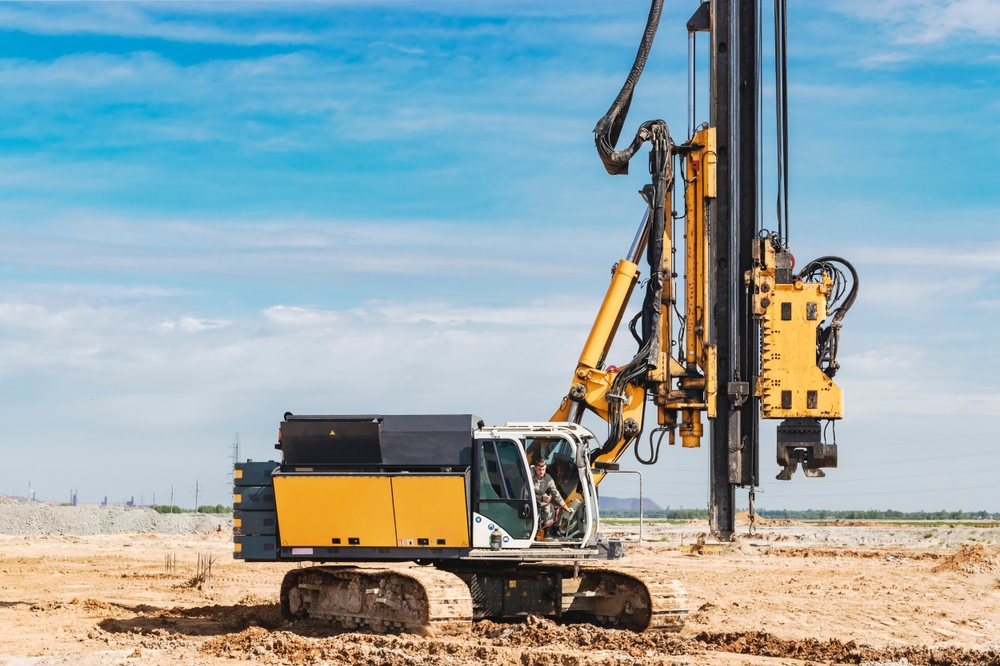
Earth drillers operate drilling equipment for work such as water wells, environmental sampling, foundation investigations, mineral exploration, and other projects outside oil and gas production. Median pay is about $60,190 per year.
The routine can be pretty basic: set up the rig, drill, add or remove sections, watch pressure and equipment readings, collect material, clean up, and move the rig again. Employment is projected to grow about as fast as average, with around 1,700 openings over the projection period. Construction, groundwater work, environmental testing, and site investigations all depend on somebody physically getting below the surface. Remote software isn’t going to wrestle drill pipe out of the ground. Most workers learn heavily on the job. Mechanical experience, construction work, heavy-equipment skills, and commercial driving credentials can all help, since crews move large rigs and supporting equipment between sites. The job can be dirty and repetitive, but that’s part of why fewer people are lining up to do it.
8. Paving, surfacing, and tamping equipment operator

Road paving involves a surprising amount of doing the same thing slowly and accurately for hours. These operators run asphalt pavers, rollers, tampers, screeds, and related machines that spread and compact road-building materials. Median pay is about $53,340 per year.
Your shift may consist of following the paving crew at walking speed, watching gauges and material flow, keeping the machine lined up, and making small adjustments so the finished surface stays even. Employment is projected to grow about as fast as average, with thousands of openings expected. Roads, parking areas, airport surfaces, and other paved infrastructure wear out no matter what happens in the office-job market. The machines have become more sophisticated, but they still operate on physical job sites where people deal with traffic, weather, equipment jams, changing grades, and uneven material. Most operators learn through construction employment, apprenticeships, or on-the-job training. Experience with loaders, skid steers, rollers, or other equipment can provide an easier way in.
9. Surveying and mapping technician

Before somebody builds a subdivision, road, utility line, or commercial property, someone has to stand outside and measure where everything actually is. Surveying and mapping technicians help collect field measurements, set up survey instruments, mark points, maintain records, and turn field information into usable maps. Median pay is about $51,940 per year.
Some days involve repeatedly moving a tripod, holding a survey rod, entering measurements, hammering stakes, and checking that the crew’s numbers match. Employment is projected to grow 5%, with about 7,600 openings expected each year. GPS, drones, and modern surveying tools make crews more efficient, but they don’t eliminate field verification, property measurements, construction layout, or the need to work around buildings and terrain. Entry-level field jobs may be open to workers with a high school diploma and on-the-job training. Technical programs in surveying, GIS, drafting, or civil technology can improve your chances and help you move toward more skilled instrument or mapping work.
10. Food science technician

Food science technicians help test the products and ingredients that move through food plants and laboratories. That can mean preparing samples, checking moisture or acidity, operating lab equipment, recording results, inspecting production conditions, and helping make sure batches meet standards. Median pay is about $52,130 per year.
If you enjoy predictability, testing the same type of sample over and over may be a feature rather than a drawback. Employment is projected to grow faster than average, with thousands of openings expected. Food producers can’t skip quality and safety checks just because the work is repetitive. Instruments can automate pieces of the testing process, but technicians still prepare samples, investigate odd results, maintain equipment, follow sanitation procedures, and deal with physical products coming off production lines. An associate degree in food science, chemistry, biology, or laboratory technology is a common route. Some employers also train workers who already have food-manufacturing or quality-control experience and enough science coursework to handle laboratory procedures.
11. Chemical technician

Chemical technicians spend their days running tests, preparing solutions, cleaning equipment, collecting samples, watching production processes, and recording whether materials meet specifications. Median pay is about $60,390 per year.
This can be repetitive bench work where precision matters more than excitement. Employment is projected to grow about as fast as average, with roughly 6,700 openings over the projection period. Manufacturers, testing laboratories, chemical producers, and other facilities still need people to handle physical samples, troubleshoot equipment, follow safety procedures, and investigate results that don’t look right. Automated instruments can perform many measurements, but somebody has to prepare what goes into them and decide what to do when a test fails. An associate degree in applied science, chemistry, laboratory technology, or a similar field is a common entry route. Hands-on lab classes are useful because employers care about whether you can measure accurately, handle chemicals safely, maintain clean work areas, and follow written procedures without improvising.
12. Polysomnographic technician

Polysomnographic technicians work in sleep labs, where they attach sensors to patients and monitor breathing, oxygen levels, brain activity, heart rate, eye movements, and other signals overnight. Average pay is about $65,814 per year.
Once everybody is hooked up, much of the shift can involve sitting in front of monitors while other people sleep. You watch signals, correct loose sensors, note unusual events, and make sure the study produces usable information. The broader neurodiagnostic field that includes sleep testing is projected to grow faster than average. This work is hard to fully automate because patients move, sensors fall off, signals develop artifacts, equipment acts up, and somebody has to respond in the room. Entry routes vary. Formal sleep-technology programs are available, and people also enter from respiratory care or other neurodiagnostic backgrounds. Employers may prefer or require a recognized sleep credential after you meet the applicable education and clinical-experience requirements.
13. Dialysis equipment technician
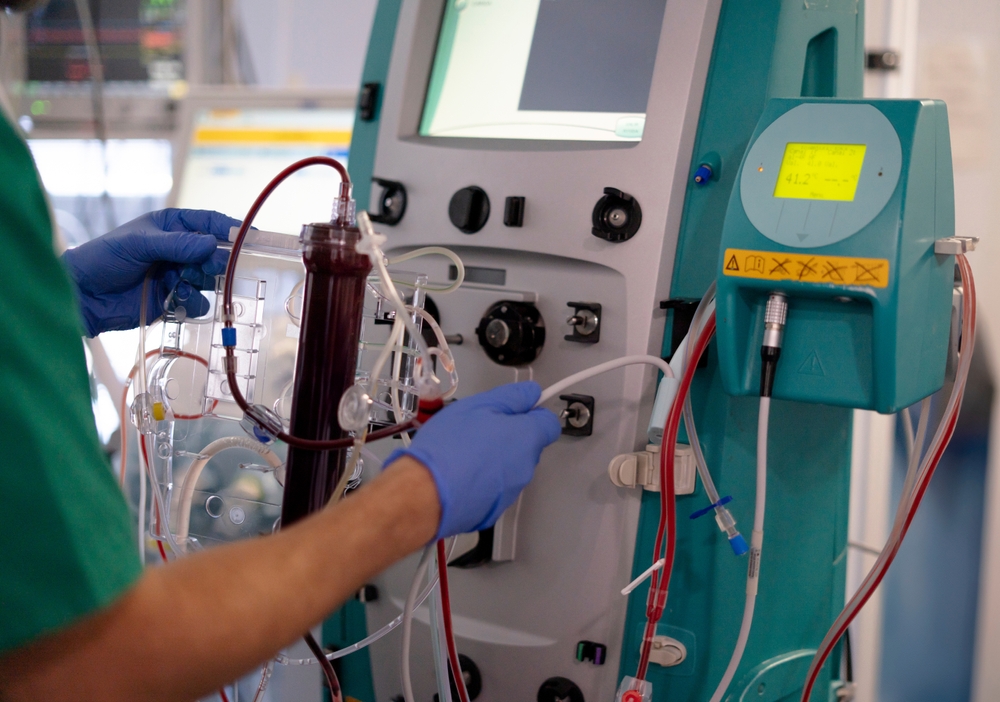
Dialysis clinics depend on machines that move and clean a patient’s blood several times a week. Dialysis equipment technicians concentrate on keeping those machines, water-treatment systems, and supporting equipment working properly. Average pay is about $54,764 per year.
This is preventive maintenance territory: inspect equipment, run tests, replace components, disinfect systems, document service, and troubleshoot machines that aren’t performing correctly. The broader medical-equipment repair field is projected to grow much faster than average as healthcare facilities use more complex equipment. Dialysis machines can’t simply be ignored when they throw an error, and repair work has to happen where the equipment and patients are. Employers commonly look for electronics, biomedical equipment, mechanical, or technical training. An associate degree or certificate can help, although related repair experience may also open doors. Once hired, you’ll need to learn the specific dialysis machines and water systems used by that employer, along with strict maintenance and infection-control procedures.
14. Occupational health and safety technician

Occupational health and safety technicians inspect workplaces for hazards and help check whether companies are following safety rules. They may measure noise, collect air samples, inspect protective equipment, review work areas, investigate incidents, and keep records of what they find. Median pay is about $61,560 per year.
It’s a checklist-heavy job, and much of it involves noticing ordinary problems before they turn into expensive ones. Employment is projected to grow much faster than average, with about 3,400 openings over the projection period. Warehouses, factories, construction operations, transportation companies, and other employers still need actual people to walk through work areas, inspect equipment, talk to workers, and see hazards that aren’t neatly captured in a spreadsheet. Technicians may enter with a high school diploma plus substantial workplace training, while certificates or associate-level coursework in occupational safety can make you more competitive. Experience in manufacturing, construction, transportation, or another safety-sensitive industry can also be useful because you already understand how work is really performed.
15. Industrial machinery mechanic

Factories are packed with conveyors, pumps, motors, gearboxes, packaging machines, and production equipment that eventually wear down. Industrial machinery mechanics keep that equipment running. Median pay is about $64,520 per year.
A big part of the job is preventive maintenance that nobody notices when it’s done correctly: lubricating components, checking belts, replacing bearings, inspecting machinery, aligning parts, and listening for a problem before a machine fails. Employment is projected to grow much faster than average, with tens of thousands of openings expected. More automated factories can actually create more complicated machinery that needs maintenance when sensors, motors, pneumatic systems, and mechanical components stop cooperating. Many mechanics start with a high school diploma and lengthy on-the-job training. Industrial maintenance, mechatronics, machining, welding, or electrical programs can shorten the learning curve and make you more useful around modern production equipment.
16. Mobile heavy equipment mechanic

Bulldozers, graders, cranes, loaders, and other heavy machines spend their days pushing, lifting, digging, and shaking themselves apart. Mobile heavy equipment mechanics inspect, service, diagnose, and repair the hydraulic, mechanical, and pneumatic systems that keep them working. Median pay is about $65,510 per year.
Routine oil and filter changes, hose inspections, hydraulic leaks, worn pins, brake adjustments, and endless preventive-maintenance checks make up a large share of the work. Employment is projected to grow faster than average, with about 16,500 openings over the projection period. Construction and other equipment-heavy industries lose money when a machine sits broken, so employers have a strong reason to keep mechanics around. Diagnostic software can tell you that a system has a problem, but it can’t crawl under a muddy loader and replace the failed component. Employers often prefer diesel, heavy-equipment, or technical-school training, although apprenticeships and employer training are also common ways to build the necessary skills.
17. Refrigeration rack technician
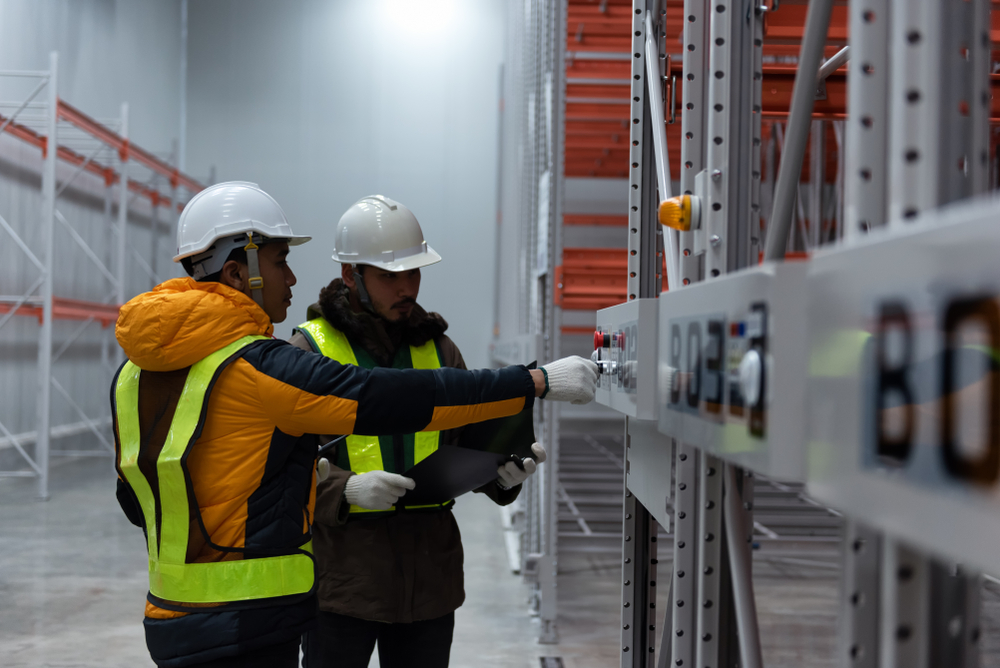
Large grocery stores, warehouses, food distributors, and similar facilities use commercial refrigeration systems that may run dozens of coolers and freezers from one equipment rack. Refrigeration rack technicians maintain and troubleshoot those systems. Average pay is about $60,315 per year.
The routine isn’t flashy: check pressures and temperatures, look for leaks, clean components, test controls, replace parts, log readings, and answer service calls when something stops staying cold. The larger heating and refrigeration service field is projected to grow 8%, with about 40,100 openings expected each year. Food businesses can’t leave a failed refrigeration rack alone while thousands of dollars of inventory warms up. The equipment is physical, complicated, and spread through real buildings, which keeps skilled service work local. Trade-school refrigeration or HVAC training is a common starting point. Technicians who work with regulated refrigerants also need the appropriate refrigerant-handling certification, and rack systems usually require additional hands-on experience beyond basic residential air conditioning.
18. Surgical technologist

Surgery sounds dramatic from the outside, but surgical technologists spend a lot of time doing controlled, repetitive work. They prepare operating rooms, arrange sterile instruments, count supplies, help gown and glove the surgical team, pass instruments, and keep the sterile field organized. Median pay is about $64,650 per year.
The job still carries real pressure because mistakes matter, but much of a normal shift revolves around setup, procedure, counting, cleaning, restocking, and doing it all again for the next case. Employment is projected to grow faster than average, with about 7,000 openings over the projection period. Hospitals and surgery centers need someone physically present who understands sterile technique and can respond immediately when the surgeon needs a particular instrument or supply. Most surgical technologists complete a certificate, diploma, or associate program that includes supervised clinical training. Professional certification can also improve job prospects and may be preferred by employers.











