
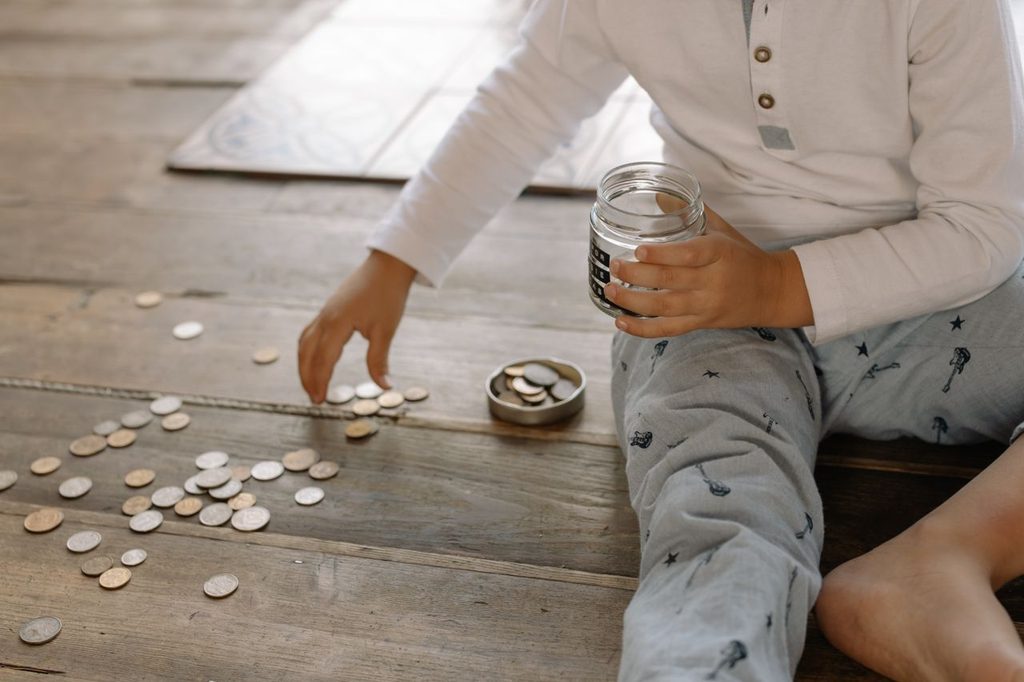
A handful of loose change might not seem particularly exciting to an adult, but to a curious child, those coins can hold an entire world of discoveries. Coin collecting, formally known as numismatics, introduces children to history, geography, and money management through objects they can actually hold. Unlike hobbies that require expensive equipment or ongoing subscriptions, collecting coins can begin with whatever is sitting in the family change jar. With a little encouragement, parents can turn this simple activity into a rewarding interest that grows alongside their children.
Table of contents
Start with everyday coins
Children don’t need rare or expensive coins to begin a collection. In fact, familiar currency often provides the best introduction because kids can recognize differences without feeling overwhelmed by unfamiliar terminology. Start by examining pennies, nickels, dimes, and quarters together, paying attention to dates, designs, and mint marks.
State quarters offer an especially accessible starting point. Children can search for different states, identify landmarks and symbols, and learn about the places represented on each coin. The U.S. Mint’s America the Beautiful quarters, which feature national parks and historic sites, provide another opportunity to connect collecting with geography.
Encourage children to choose a collecting theme that interests them. Some might enjoy finding coins from their birth year, while others prefer animals, historical figures, or foreign currency. Giving kids ownership over their collections helps maintain their enthusiasm and makes each new discovery feel personal.
Teach the difference between value and price
One of the most useful lessons coin collecting offers is that a coin’s monetary value isn’t always the same as its collectible value. A quarter generally spends like any other quarter, but certain coins may command higher prices because of their rarity, condition, or historical significance.
Parents can explain that collectors evaluate coins using factors such as mintage, preservation, and demand. A coin that looks old isn’t necessarily valuable, and a newer coin with an unusual minting error might attract considerable interest.
As children become more knowledgeable, introduce the idea of responsible buying and selling. If your family eventually decides to sell your coin collection to reputable companies that specialize in this because you’re ready to part with certain pieces, take time to compare offers and understand how dealers determine their prices. The awkwardness of making a sale can be avoided by researching a dealer’s credentials, asking about fees, and getting independent opinions on potentially valuable coins.
This also creates an opportunity to discuss budgeting, patience, and the difference between collecting for enjoyment and treating collectibles as financial investments.
Make collecting an educational adventure
Coins offer a surprisingly hands-on way to explore subjects children encounter in school. Foreign currency can introduce different languages, national symbols, and historical leaders, while older American coins can spark conversations about previous generations and changing designs.
Try connecting new discoveries to family outings. A visit to a history museum might inspire children to investigate coins from a particular period, while a vacation could introduce them to commemorative coins associated with a destination. Even a trip to the library can become an opportunity to research unfamiliar designs.
For younger children, sorting coins by size, denomination, or year reinforces observation and basic math skills. Older kids can practice research by identifying mint marks, comparing production dates, and learning why some designs were discontinued.
Parents can also encourage children to maintain a simple collecting journal. Recording where each coin came from, what makes it interesting, and what they’ve learned gives the collection a personal history beyond its contents.
Explore the stories behind older coins
Family heirlooms can make coin collecting particularly meaningful. A coin saved by a grandparent or brought home from another country may offer a tangible connection to family experiences that children otherwise know only through photographs and stories.
Older collections also provide an opportunity to explain the difference between sentimental and financial value. Families familiar with selling antiques may already understand that age alone doesn’t determine what an object is worth. Coins follow similar principles, with rarity, authenticity, condition, and collector interest influencing market prices.
If children discover unfamiliar coins in a family collection, encourage them to research the pieces before cleaning or handling them extensively. Scrubbing an old coin can damage its original surface and reduce its collectible value. Potentially valuable pieces should remain in protective holders until a knowledgeable professional can examine them.
Not every inherited coin needs to become a financial asset. Sometimes the story of who owned it, where it traveled, or why someone saved it provides a more meaningful reason to keep it.
Help kids care for their collections
Proper storage teaches children to respect the objects they’ve gathered while protecting them from preventable damage. Coin albums, individual capsules, and archival-quality holders provide inexpensive ways to organize collections without exposing delicate surfaces to unnecessary handling.
Choose holders designed specifically for coins, avoiding materials containing PVC that can damage metal surfaces over time. Teach children to handle collectible coins by their edges with clean, dry hands and to avoid polishing them. Younger children should always have adult supervision, since coins present a choking hazard.
As the collection grows, let children organize it according to their interests rather than insisting on a complicated cataloging system. A labeled album arranged by year or country may be all they need.
Most importantly, allow the hobby to develop at its own pace. A child who spends an afternoon searching for an unusual quarter may be just as engaged as one who eventually studies rare historical coins. The real reward is discovering that ordinary objects can hold fascinating stories.










