
The Roseville pottery vase you listed on eBay sold for $165. You shipped it, paid the platform fee, and walked away with $130. The same piece sat in a dealer’s booth down the street with a $310 price tag and sold in two weeks. That gap is real, it is repeatable, and it has nothing to do with luck.
eBay’s traffic works against you when you are selling antiques and collectibles. Serious collectors shop there, but so does everyone else, and your piece sits in a sea of identical search results, most of them cheaper. The buyers who know what your item is actually worth are often shopping somewhere else entirely.
These twelve venues consistently get sellers more money for antiques and collectibles. Some take a higher percentage than eBay. Most end up netting you more anyway, because the buyers they attract will pay what something is actually worth.
Table of contents
Ruby Lane

Ruby Lane has been the internet’s most trusted address for antiques and vintage collectibles since 1998. The platform vets every seller before they can open a shop, which keeps out the reproductions and misrepresented pieces that undermine buyer confidence on general marketplaces. That trust translates directly into higher selling prices. Buyers come here specifically looking for quality, not a deal.
The fee structure is a 9.9% commission on sales up to $2,500 per item, dropping to 5% between $2,500 and $7,500, plus a $45 monthly shop fee. The commission is capped at $250 per item, which makes it genuinely attractive for high-value pieces. A piece that sells for $8,000 nets you $7,530 after the fee cap, versus roughly $6,940 after eBay’s cut. On anything in the $300 to $800 range, the targeted audience more than compensates for the monthly maintenance cost.
Ruby Lane is best for jewelry, art glass, ceramics, porcelain, vintage dolls, fine jewelry, and small decorative arts. Furniture is harder to ship, so it gets less traction here than on other platforms. Set realistic prices based on dealer retail, not eBay’s completed listings. The buyers here know what things cost, and they are not expecting a bargain-bin discount.
Heritage Auctions

Heritage Auctions is the world’s largest collectibles auction house, with over 1.5 million registered bidders and category specialists who know their fields. When motivated bidders compete for something specific, prices go where the market actually takes them, which is almost always higher than a fixed-price eBay listing attracting the first buyer who notices it.
Seller commissions at Heritage vary by category, typically running 10% to 15% for signature live auctions. Photography, cataloging, and insurance are included in that fee with no hidden add-ons. For weekly internet auctions, the seller’s commission is around 15%. The key advantage is what those fees buy you: access to the entire Heritage buyer network, professional catalog descriptions, and the credibility that makes collectors trust what they are bidding on.
Heritage performs best for coins, sports cards and memorabilia, original comic art, vintage comics, fine art, jewelry, historical documents, Americana, wine, and Hollywood memorabilia. A common postcard or a garden-variety flatware set is not a fit. But if you have a key-date Morgan dollar, a signed game-used jersey, or a first-edition piece with solid provenance, Heritage will reach the buyers who will fight over it. Contact them through their consignment inquiry page and a specialist will tell you whether your item is appropriate for their auctions.
Chairish
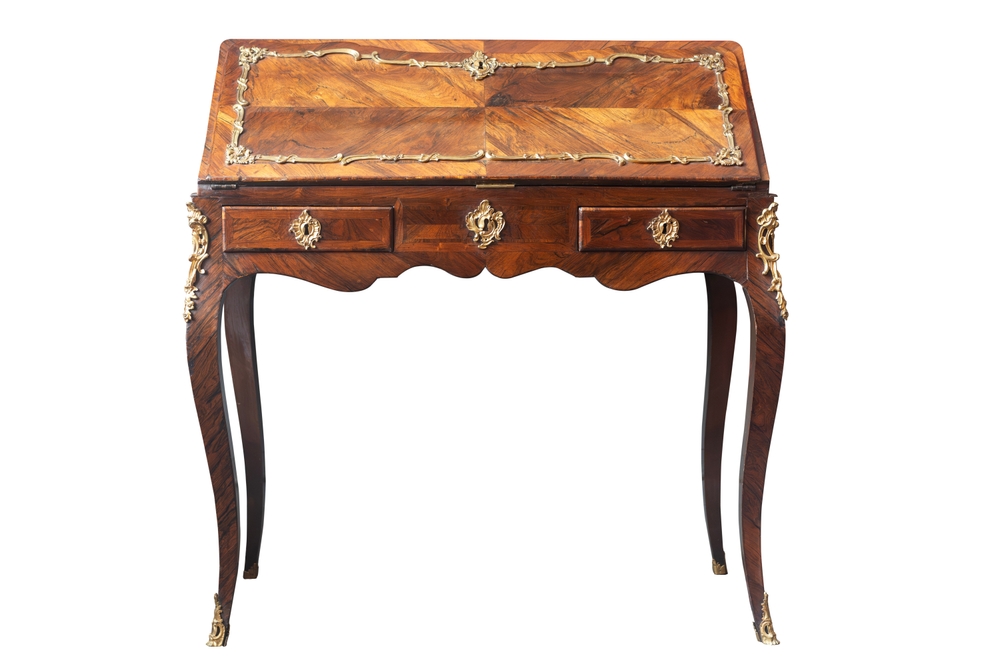
Interior designers account for a significant share of Chairish’s buying activity. That single fact explains why prices on the platform consistently outperform eBay for furniture, lighting, rugs, and decorative arts. Designers are buying for clients, not for themselves, and they are willing to pay fair retail when they find exactly what they need. A mid-century credenza priced at $1,200 on Chairish reaches a buyer who considers it a solution to a design problem. The same piece on eBay competes with twenty similar listings and draws lowball offers.
Commission rates depend on your seller plan. Basic consignors pay around 30%, which shrinks as your listing activity grows. Platinum sellers pay 20% on items up to $2,500 and 12% between $2,501 and $25,000. The commission sounds steep until you factor in that Chairish reviews every listing, edits your lead image, and handles SEO. The platform also manages white-glove freight for large pieces, which eliminates the logistics headache that keeps many sellers off furniture-friendly venues entirely.
Stick to vintage and antique furniture, lighting, rugs, mirrors, and decorative accessories with genuine style. Chipboard furniture and mass-produced items do not make it through the curatorial review. Pricing should reflect dealer retail, not eBay’s race-to-the-bottom completed sales. Chairish’s “Pink Book” provides historical sales data for comparable items and is worth reviewing before you price anything.
1stDibs

1stDibs serves a buyer who already knows the difference between a Nakashima slab table and a mid-century-inspired reproduction, and is prepared to pay what the real one costs. The platform is exclusively for vetted dealers and galleries. You need to apply, provide references, and be accepted before you can list. That gatekeeping is exactly what creates the price environment that benefits sellers of genuinely high-quality pieces.
Commission rates are negotiated as part of the membership agreement and typically fall between 15% and 25% depending on category and plan. Monthly membership fees vary. The total cost of selling is higher than eBay. The prices achieved are also higher, often substantially. A piece of estate jewelry that sells for $800 on eBay regularly reaches $1,400 to $2,000 on 1stDibs when the photography and provenance documentation are handled properly.
The platform works best for high-quality vintage and antique furniture, fine jewelry, works on paper, sculpture, and decorative arts priced above $500. Below that threshold, the membership fees erode margins quickly. If you are an established dealer with documented, high-quality inventory, this is worth the application process. If you are an occasional seller clearing out an estate, the other options on this list will serve you better.
Catawiki

Catawiki runs more than 600 online auctions a week across 80 categories and is the most visited curated auction marketplace in Europe. That European buyer base matters enormously for specific categories. Continental silver, antique maps, military medals, vintage watches, coins, and estate jewelry routinely outperform US auction results on Catawiki because the bidder pool includes motivated collectors who cannot easily source these items through their local market.
The seller fee is 12.5% of the final sale price, with buyers paying an additional 9% protection fee on their end. Before your item goes live, one of Catawiki’s 240-plus in-house experts reviews and approves the submission. That curation is both a filter and a signal to buyers: when something appears on Catawiki, it has been vetted. That credibility supports higher final prices than the same item would reach on an unmoderated platform where buyers are uncertain about what they are getting.
Catawiki sets minimum opening bids, which vary by category and item value. You can also set a reserve. Not every item is accepted, and the experts reject over a million submissions per year. That is not a flaw in the platform. It is what keeps the buyer pool active and confident. Submit through their website, include clear photos and provenance, and set realistic reserve prices. Shipping from the US to European buyers is the seller’s responsibility, so factor that cost into your reserve calculation.
Everything But The House

Everything But The House, known as EBTH, is a full-service online estate auction platform. You contact them, they come to you (or you ship items to them), they photograph and catalog each piece professionally, list it on their platform, run the auction, handle payments, and ship to buyers. You receive a check. If you have ever tried to photograph, describe, list, pack, and ship fifty pieces of vintage china through eBay yourself, you understand why that full-service model has significant value.
The commission follows a sliding scale based on the final bid amount. An item that sells for $800 returns 70% to the seller. The percentage improves as the final bid climbs. EBTH’s buyer pool is nationwide, and the auction format creates competitive bidding that often drives prices above what a fixed-price listing would generate. Their category strength is broad: furniture, art, jewelry, collectibles, vintage fashion, instruments, and estate content of all kinds.
EBTH currently operates in a limited number of metro areas for in-home pickup, so check their service area before counting on that option. For sellers in covered areas, or for anyone willing to ship items to their warehouse, the trade-off of a higher commission for zero logistics headaches is often worthwhile. It also reaches buyers who never look at eBay but regularly bid on estate content through specialty platforms.
Regional auction houses via Invaluable and LiveAuctioneers
Every mid-sized city has auction houses that specialize in specific categories: a house in New England that focuses on American folk art, one in the Midwest that does agricultural antiques and early pottery, one in the South that handles estate silver and Victorian furniture. These specialists know their categories, they know their local collectors, and they run their auctions on platforms that broadcast to millions of online bidders through Invaluable and LiveAuctioneers. A local auctioneer’s buyer list of 2,000 becomes 2,000 local bidders plus anyone in the world who is watching the live feed.
Commission structures vary by house, but seller commissions typically run 10% to 20% for consigned property. Some auction houses charge no seller’s commission at all on high-value lots, making their money entirely from the buyer’s premium. The specialist knowledge these houses bring to the catalog description significantly affects bidding: a well-researched, accurately dated catalog entry on a piece of American art pottery draws more serious bids than a vague eBay listing from a seller who is not sure what they have.
Search Invaluable or LiveAuctioneers to find auction houses in your region that specialize in your category. Review their recent completed sales to assess whether your item fits their buyer base and what comparable pieces have sold for. Call their consignment desk directly. For a well-documented piece in the right specialty house, the final hammer price will almost always exceed what the same item achieves on eBay.
Replacements, Ltd.

Replacements, Ltd., based in Greensboro, North Carolina, stocks more than 470,000 patterns of china, crystal, and silverware. When someone breaks a piece of their grandmother’s Gorham sterling service or chips a Wedgwood soup bowl, Replacements is where they go to find the replacement. That demand is specific, it is real, and it drives fair prices for sellers whose pieces match patterns Replacements actively needs.
This is not a consignment arrangement. Replacements makes an outright purchase offer based on the pattern, condition, and how much inventory they currently hold of that specific piece. You submit photos and descriptions through their sell request form, they evaluate and respond with an offer, and if you accept, you ship the items and receive payment. No commission, no waiting for an auction to close, no packing and shipping to a buyer who may return the item. The offer reflects wholesale, not retail, but it is a clean transaction for items that are genuinely in-demand patterns.
Replacements primarily works with china, flatware, crystal, and estate jewelry. They are selective: they do not purchase items in poor condition, and they work with a relatively small pool of regular sellers. If you have name-brand sterling flatware, vintage Wedgwood, or discontinued Lenox patterns, start here before listing on any marketplace. A quick sell request costs nothing, and if they want what you have, you will have your answer in a day or two.
Antique mall booth rental

Renting a booth at an established antique mall is the closest thing to running your own shop without carrying the overhead of a standalone storefront. You set your own prices. The item sits in your booth until it sells, and you collect the proceeds minus the mall’s cut. That cut is typically 10% to 20% of each sale, plus monthly booth rent ranging from around $100 to $400 depending on size and location. The math works out very differently from eBay when you price items at actual dealer retail rather than the distressed prices that race-to-the-bottom online listing encourages.
The psychology of booth shopping also works in your favor. Buyers in antique malls are looking, browsing, touching, and making decisions based on what they see in front of them. A piece of art pottery that photographs flat on a phone camera and sells for $95 on eBay can sit in a well-arranged booth at $275 and find a buyer in three weeks. Visual appeal, condition, and placement within the booth matter more than SEO keywords and competitive undercutting.
Choose malls that attract serious collectors rather than casual browsers, which usually means better-maintained facilities in established antique districts rather than flea market hybrids. Staff at reputable malls typically allow price negotiation with buyers on your behalf using parameters you set. Walk the mall before you sign a lease, pay attention to the quality of competing booths, and look at the sold sticker patterns on other dealers’ pieces to assess turnover.
Specialty dealers (direct sale)
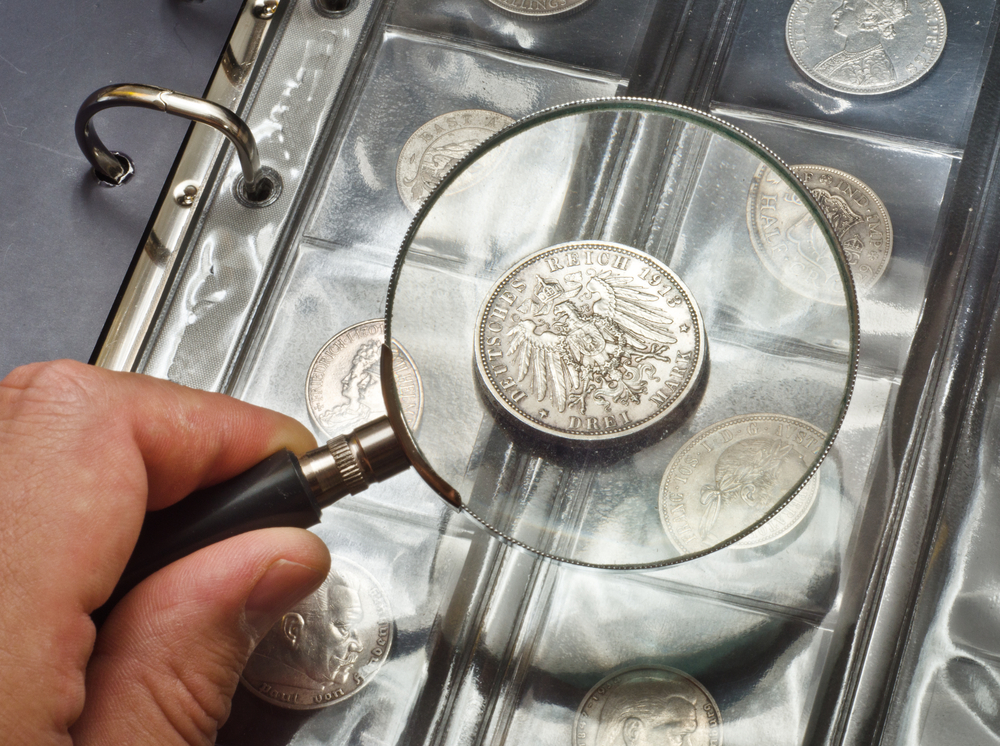
A coin dealer has a customer who has been looking for a specific Morgan dollar date for eight months. An antiquarian bookseller has a standing customer for first-edition American literature. A vintage watch dealer knows exactly who will pay top dollar for the Omega Seamaster that just came in. These specialists do not work from a price guide. They know their buyers personally, and when the right piece comes in at the right price, the transaction moves immediately.
Selling directly to a dealer means accepting wholesale rather than retail. But the gap between what a specialist dealer pays and what eBay nets you after fees, returns, and the unpredictability of who is watching on any given day is often smaller than it looks. No photography. No listing. No packing and shipping to a buyer who may dispute the condition. No 10% to 15% platform fee. Cash or check, often the same day.
The key is finding the right specialist, not the nearest shop. A general pawnbroker is not the same as an established coin shop with a collector clientele. Use the resources of the American Numismatic Association for coins, the Antiquarian Booksellers Association of America for books, and the American Society of Jewelry Historians for period jewelry. Find the specialist who services collectors in your specific category, not the generalist who takes everything and knows nothing deeply. One conversation with the right dealer will tell you immediately whether you have found the correct buyer.
Collector clubs and specialty organizations
The National Reamer Collectors Association meets annually and publishes a newsletter with a buy-sell-trade section. The American Political Items Collectors organization has an active dealer network. The Antique Doorknob Collectors of America exists and has members who will pay serious money for specific pieces. Collector organizations represent the most motivated buyers in any category: people who have been collecting for decades, who know exactly what they need, and who are not the least bit interested in bargaining something down to an eBay price.
Most collector organizations publish newsletters or maintain websites with classifieds sections available to members. Many host annual shows where dealers set up tables. Some maintain online forums where members post items for sale. Joining the relevant organization for your item’s category costs $25 to $75 in annual dues in most cases, and access to a community of buyers who will pay fair market value for items in their area of interest is worth considerably more than that.
Search for the relevant organization by category. Depression glass, pressed glass, art pottery, postcards, advertising tins, vintage kitchen items, political memorabilia, vintage sewing tools, and hundreds of other niches have active national organizations. The Collector’s Club Finder at the American Alliance of Museums is a starting point. The conversation you start there will tell you more about what your item is worth than any completed eBay search will.
Facebook collector groups

Facebook has a collector group for virtually every antique and collectible category, and many of them are extraordinarily active. The Vintage Pyrex Lovers group has over 100,000 members. There are groups for Depression glass, Roseville pottery, vintage cast iron, political buttons, American art pottery, vintage sewing machines, antique fishing lures, and on and on. These are not casual browsers. They are people who have been collecting for years, who know every pattern and variation, and who will pay a fair price for something they have been hunting.
Facebook charges no selling fees for transactions conducted outside of Facebook Marketplace’s payment system, meaning you and the buyer can agree on a price, they send payment directly, and you ship the item without paying a platform cut. That alone, compared to eBay’s 12% to 13% final value fee on most collectibles, is money back in your pocket on every sale. The buyer also pays actual collector value, not the lowest-common-denominator price that general marketplace browsing produces.
To sell in these groups, join the community before you post. Read the rules, which vary by group. Most require clear photos, a specific asking price, and your location. Some require documentation for high-value pieces. Sellers who participate in discussions and build credibility in the group before posting for sale consistently receive better offers and faster responses than those who appear only to sell. The community vets its own members, which is part of what makes it safe to transact there.











