
Managing a household alone demands endless energy, quick thinking, and constant micro-choices. Kids frequently debate household chores, activity picks, or weekend plans, leaving parents exhausted. Simple digital tools offer an entertaining way to restore balance without endless negotiations. Digital number tools give kids a sense of fairness, taking pressure off daily parenting choices.

Table of contents
- Stopping daily chore disputes
- Managing screen time and reward systems
- Planning budget-friendly family outings
- Distributing nighttime routines and reading selections
- Rotating cooking duties and meal choices
- Selecting family game night activities
- Organizing weekly carpool and seating charts
- Balancing homework and study sessions
- Lightening the mental load at home
Stopping daily chore disputes
Household tasks often trigger complaints from siblings arguing over who cleans dishes or takes out trash. Spinning a Number Picker Wheel turns basic cleanup into a neutral game where chance decides daily duties. Children accept decisions without blaming mom for favoring one child over another. This system replaces arguments with quick laughter before afternoon chores start.
Managing screen time and reward systems
Setting clear limits on tablet screens or video games creates daily friction in busy homes. A randomized digit setup lets children select a hidden number from 1 to 4 to reveal extra screen allowance. Kids might win 15 extra minutes, 30 minutes, or a bonus weekend activity pass. Delegating reward choices to neutral digits keeps expectations clear and objective.
Educational findings from Learn Do Grow show solo parents execute 1.5 to 2 times more cognitive planning tasks every day compared to coupled parents. Automated number selections take the emotion out of household rules.
Planning budget-friendly family outings
Deciding where to spend Saturday afternoons on a tight budget can spark heated discussions. Numbering low-cost local destinations – such as $0 park visits, library story hours, or splash pads – keeps choices fair. A study in MDPI details how parental exhaustion manifests through emotional distance and reduced feelings of accomplishment. Let kids push a digital button to select option 2, turning cheap outings into exciting prize drawings.
Distributing nighttime routines and reading selections
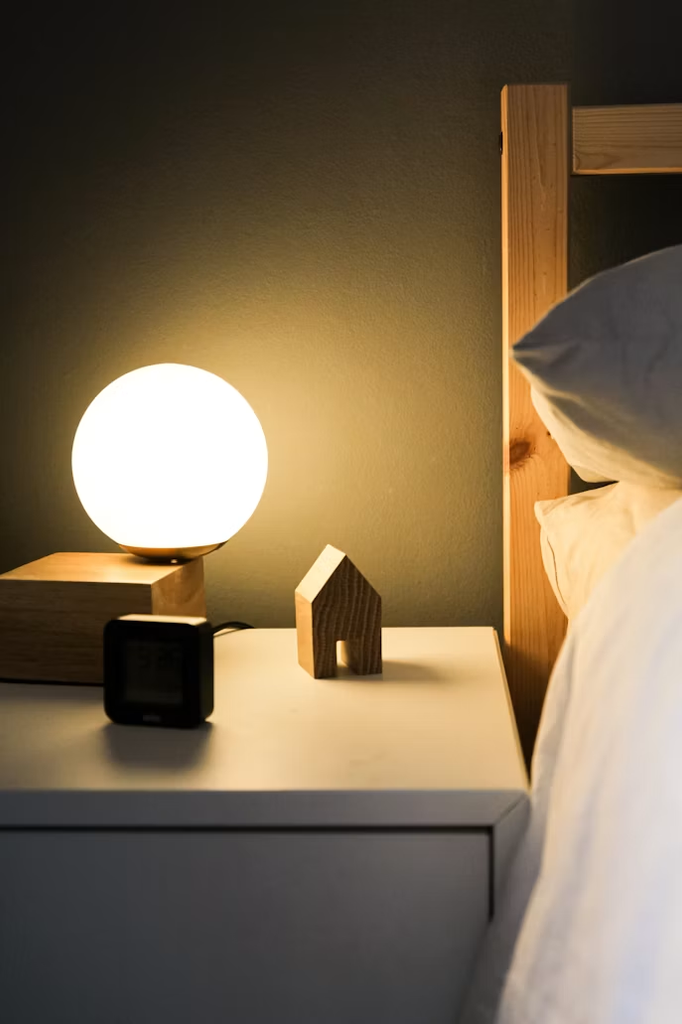
Bedtime routines drag on when children stall over book selections or bath schedules. Assigning numbers to storybooks removes stalling, keeping bedtime preparation structured and calm.
- Number 1 covers short bedtime stories.
- Number 2 selects interactive picture books.
- Number 3 picks chapter book read-alouds.
- Number 4 designates audio story listening.
Practical home management insights show structured daily routines significantly cut decision fatigue and clear headspace. This randomized routine gets kids into bed faster without tears or delay.
Rotating cooking duties and meal choices
Dinner decisions weigh heavily on solo heads of household trying to satisfy picky eaters. Official reports from the U.S. Census Bureau show solo mothers head nearly two-thirds of the 10 million single-parent homes nationwide. Letting children draw a number from 1 to 7 assigns weekly dinner themes like taco Tuesday or homemade pizza night.
Dinner menu magic
Assigning digits to family recipes encourages kids to try new food options without fuss. Recent academic research from Dharani and Balamurugan points out how lone parents experience ongoing stress when thinking about daily survival and providing for children. Allowing math-based generators to select dish 4 or dish 6 takes mom off the hook for dinner complaints.
Selecting family game night activities
Choosing a family board game or movie often leads to drawn-out arguments between siblings. Numbering board games from 1 to 6 turns game selection into an engaging raffle before setup begins. Kids look forward to hitting the generator button to see which box comes off the shelf. Parents avoid spending 20 minutes mediating arguments over card games versus trivia.
Organizing weekly carpool and seating charts
Riding in the car often sparks minor disputes over who gets the front passenger seat or window side. Assigning seat spots to numbers 1 through 3 gives every passenger an equal shot each morning. Kids check the random number output before loading backpacks into the trunk. Neutral digit picks stop morning carpool squabbles before vehicles leave the driveway.
Balancing homework and study sessions
Managing study hours across multiple grade levels challenges any single parent running a busy home. Assigning numbers 1 through 4 to subjects creates structured intervals for math drills, reading, and spelling. Children feel empowered watching an impartial digital picker determine their next study subject. Parents save time avoiding prolonged discussions about which homework assignment comes first.
Lightening the mental load at home
Solo parenting requires managing hundreds of logistical details from dawn until late evening. Statistics published by the Annie E. Casey Foundation reveal 63% of Black children and 50% of American Indian youth grow up in single-parent households. Offloading trivial choices to numerical tools keeps domestic management moving forward efficiently.
Research from the Journal of Marriage and Family surveying 3,000 parents indicates mothers in traditional households manage 71% of home organizational duties. A sociological review published in 2024 notes that raising kids solo brings compounded stressors leading to physical and mental fatigue. Delegating minor daily options to random generators protects emotional energy for big moments.
Building simple systems gives solo parents valuable time back and teaches children about fair odds. Adding playful chance to basic home routines reduces friction, keeping daily schedules running smoothly. Kids enjoy the surprise of random picks, and parents enjoy fewer complaints. A quick click transforms routine chores into fun games for the entire family.










