
It is hard not to feel uneasy when companies keep talking about doing more work with fewer people. Plenty of office jobs that once looked safe are changing fast, and switching careers gets harder when you have a mortgage, health insurance, or other people depending on your paycheck.
Some work is much harder to hand over to software. Machines still need to be repaired. Patients still need hands-on care. Buildings, power grids, aircraft, hospitals, ships, and emergency operations still need trained people who can make judgment calls when something goes wrong.
Many of these careers also have a practical way in through an apprenticeship, associate degree, certification, industry experience, or a focused college program. Some take longer to reach, but none require becoming a surgeon or spending a decade in medical training.
Table of contents
- 1. Elevator and escalator installer and repairer
- 2. Electrical power-line installer and repairer
- 3. Substation and relay technician
- 4. Construction superintendent
- 5. Biomedical equipment services technician
- 6. Sterile processing manager
- 7. Certified industrial hygienist
- 8. Commissioning engineer
- 9. Facilities manager
- 10. Transportation, storage, and distribution manager
- 11. Commercial pilot
- 12. Ship engineer
- 13. Emergency management director
- 14. Detective or criminal investigator
- 15. Food scientist and technologist
- 16. Diagnostic medical sonographer
- 17. Infection preventionist
- 18. Wound care nurse
1. Elevator and escalator installer and repairer

Elevator mechanics do far more than tighten bolts in office buildings. They install and troubleshoot motors, cables, control systems, doors, hydraulics, sensors, and safety equipment on elevators, escalators, and other lifting systems. When a unit stops between floors or starts behaving strangely, somebody has to physically inspect it, find the fault, and make sure it is safe before passengers use it again.
Median pay works out to about $52.84 per hour. Employment is projected to grow 6% through 2035, with roughly 2,000 openings a year. Most workers enter with a high school diploma and a paid apprenticeship, although licensing may also be required. Modern buildings keep adding more complicated controls, while older elevators need regular repairs and upgrades. That combination makes experienced mechanics useful even when new construction slows down. You will find the jobs with elevator contractors, building-equipment companies, large institutions, and public facilities.
2. Electrical power-line installer and repairer

Lineworkers build and maintain the electrical lines that keep homes, hospitals, factories, and businesses running. The job can mean climbing poles, working from bucket trucks, replacing damaged equipment, installing new lines, and heading into storm-damaged areas when everybody else is trying to get out. It is demanding work, but the physical location, electrical hazards, and unpredictable problems make it difficult to automate.
Median pay is about $45.83 per hour, and employment is projected to grow 10% through 2035. Rising electricity demand and grid upgrades are expected to keep crews busy. A four-year degree is not the normal route. Workers commonly start with a high school diploma, technical instruction, and extensive on-the-job training or an apprenticeship. Utilities and specialized contractors are major employers. This career is not for anyone who hates heights, bad weather, or irregular hours, but it offers a realistic route to strong pay without spending years in a university classroom.
3. Substation and relay technician

When electricity moves from a power plant toward your neighborhood, substations and protective relays help control where it goes and shut things down when something becomes dangerous. Technicians in this specialty test, maintain, and repair transformers, breakers, relays, control equipment, and other systems that protect the grid. A bad diagnosis can cause outages or damage extremely expensive equipment, so utilities need people who understand both electronics and real-world electrical systems.
Workers in the powerhouse, substation, and relay specialty earn median pay of roughly $49.53 per hour. Employment in this particular specialty is projected to grow 10% through 2035 as the grid faces heavier demand and more equipment needs maintenance. Some people get there through electronics programs at technical schools or community colleges, while others move over after working as electricians. Training continues after hiring because the equipment is specialized. The work is found primarily with utilities and other organizations responsible for power generation and distribution.
4. Construction superintendent

A construction superintendent is the person on the site making sure the actual building gets built properly. You coordinate crews and subcontractors, deal with inspections, check workmanship, solve schedule problems, watch safety issues, and handle the steady stream of surprises that appear once plans meet concrete, pipes, weather, deliveries, and human beings. Software can help schedule a project, but it cannot walk a job site and figure out why three trades are about to collide in the same ceiling.
Average pay is about $56 per hour. The broader construction-management field is projected to grow 9% through 2035, with tens of thousands of openings each year. Superintendents often work their way up through the trades rather than arriving with an advanced degree. Experience as a carpenter, electrician, foreperson, assistant superintendent, or other construction professional can matter a great deal. Larger projects may favor college-trained candidates, but industry experience remains a common route into the job.
5. Biomedical equipment services technician
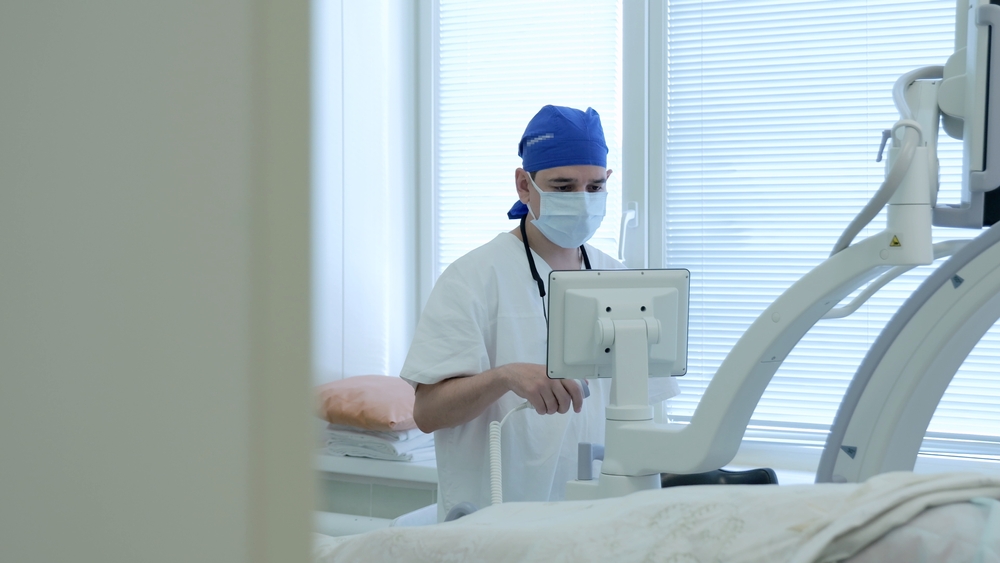
Hospitals are packed with equipment that cannot simply be thrown away when it flashes an error message. Biomedical equipment specialists maintain and troubleshoot devices such as patient monitors, infusion equipment, surgical technology, diagnostic systems, and other clinical machines. The better-paying technician roles usually come after you have built several years of experience and learned how to work safely around increasingly complicated equipment.
An experienced biomedical equipment services technician averages about $43 per hour. The broader medical-equipment repair field is projected to grow 13% through 2035 as healthcare facilities use more technology and need people who can keep it running safely. Entry routes include associate degrees and certificates in biomedical technology, electronics, or related fields. Some employers also train people with strong military, electronics, or repair backgrounds. Hospitals, equipment manufacturers, service companies, and medical-device suppliers employ these technicians. It is a good example of technology creating maintenance work rather than eliminating it.
6. Sterile processing manager

Surgery depends on an entire behind-the-scenes system that patients rarely see. Sterile processing departments clean, inspect, assemble, sterilize, track, and distribute the instruments used in operating rooms and other clinical areas. A sterile processing manager runs that operation, handles staffing and workflow problems, monitors quality and infection-control procedures, and makes sure the right instruments are ready when a surgical team needs them.
Average pay is about $45 per hour. This is normally an advancement job rather than something you walk into on your first day in healthcare. A common route is to become a certified sterile processing technician, build several years of hospital experience, and move into lead and supervisory roles. Healthcare management employment overall is projected to grow 24% through 2035 as facilities deal with more patients, procedures, regulations, and operational complexity. Robots may help move or clean equipment, but hospitals still need accountable people checking instruments, resolving problems, training staff, and keeping a safety-critical department running.
7. Certified industrial hygienist

Industrial hygienists figure out what is making a workplace unsafe before workers get hurt or sick. They may test for chemical exposure, excessive noise, dust, fumes, heat, biological hazards, or other risks in factories, construction sites, laboratories, utilities, and industrial facilities. The job combines science with a lot of real-world observation. You cannot judge a ventilation problem or exposure risk properly without understanding what workers are actually doing on the site.
Certified industrial hygienists average about $45 per hour. The closely related occupational health and safety specialist field is projected to grow 18% through 2035. Employers are dealing with new equipment, changing safety rules, extreme heat, complex chemicals, and more automated machinery, all of which can create new hazards instead of removing old ones. Many industrial hygienists have a bachelor’s degree in occupational health, chemistry, biology, engineering, or another science field, followed by professional experience and certification. It is a strong fit for someone who likes investigative work but would rather inspect a plant than sit behind a desk all week.
8. Commissioning engineer

A building can look finished and still have serious problems hiding inside it. Commissioning engineers test systems such as heating, cooling, ventilation, electrical controls, pumps, sensors, and building automation to make sure everything actually performs the way it was designed. They may review plans, inspect installations, run equipment through different operating conditions, investigate failures, and work with contractors to fix problems before a project is handed over.
Average pay is around $54 per hour. The work is especially useful in hospitals, laboratories, large commercial buildings, manufacturing plants, data centers, and energy-efficiency projects where a system failure can become expensive very quickly. Mechanical engineering employment, one of the main backgrounds feeding commissioning work, is projected to grow 11% through 2035. A bachelor’s degree in mechanical, electrical, or building-systems engineering is a common starting point, although experienced controls and building-systems professionals sometimes move into commissioning through field expertise. Computers can flag problems, but somebody still has to prove a physical building works under real operating conditions.
9. Facilities manager

A facilities manager keeps a large building or group of buildings functioning when almost nobody else is thinking about them. That can include HVAC systems, electrical problems, roofs, elevators, contractors, emergency plans, building inspections, energy projects, security issues, and maintenance schedules. Hospitals, universities, factories, corporate campuses, warehouses, and public buildings all need people who know what to do when something breaks at the worst possible time.
Median pay is about $51.28 per hour, and employment is projected to grow 5% through 2035. Energy-efficiency upgrades, building-code requirements, disaster planning, and aging facilities all support continued demand. Some employers prefer a bachelor’s degree, but facilities professionals also move up after years in maintenance, construction, engineering, property operations, or the skilled trades. That makes it more accessible than many management careers for people with strong hands-on backgrounds. Building software can monitor temperatures or send alerts, but somebody still has to decide whether a strange vibration means a minor maintenance call or a shutdown before equipment fails.
10. Transportation, storage, and distribution manager

This is the person responsible for keeping a physical flow of goods or transportation moving when deliveries are late, equipment breaks, staffing changes, or demand suddenly jumps. Managers may oversee warehouses, distribution centers, trucking operations, shipping networks, or other transportation facilities. The job mixes planning with constant real-world problem solving, including safety, staffing, inventory movement, equipment, customers, and deadlines.
Median pay is $51.55 per hour, and employment is projected to grow 6% through 2035. About 18,300 openings are expected each year. This is also one of the better-paying management tracks where a bachelor’s degree is not always the standard entry ticket. A high school diploma plus several years of related experience can be enough for some employers, particularly for people who move up through warehouse, trucking, shipping, or logistics operations. Software can optimize routes and track inventory, but a computer cannot personally untangle every missed trailer, damaged shipment, sick employee, equipment failure, or customer emergency.
11. Commercial pilot

Commercial pilots fly charter aircraft, corporate planes, sightseeing flights, cargo operations, agricultural aircraft, and other non-airline services. The job involves much more than steering the airplane. Pilots evaluate weather, aircraft condition, fuel, routes, passenger or cargo issues, airport conditions, and unexpected changes that can turn a routine flight into a serious safety decision.
Median commercial-pilot pay works out to roughly $59.24 per hour on a full-time equivalent basis. Employment for commercial pilots is projected to grow 5% through 2035. You do not need medical-school-style training, but you do need flight training, licenses, medical clearance, and enough flying hours for the work you want. People often build experience through instruction or smaller commercial operations before moving to better-paying jobs. Modern airplanes already automate large parts of a flight, yet trained pilots remain responsible for dealing with weather, system failures, changing conditions, and the lives of the people on board.
12. Ship engineer

Ship engineers keep the machinery below deck working while a vessel is far from the nearest repair shop. They operate and maintain engines, generators, pumps, boilers, electrical systems, and other equipment that keeps ships moving and functioning. On larger vessels, engineers may supervise engine-room crews and take responsibility for different systems during their watch.
Median pay for ship engineers works out to about $52.66 per hour. Employment is projected to remain stable with modest growth through 2035, while the larger water-transportation field is expected to generate thousands of openings as workers leave or retire. Training requirements depend on the vessel and position. Many workers start in lower-level maritime jobs, build required sea time, complete approved training, and earn progressively higher credentials. The lifestyle is the tradeoff. Some jobs mean long stretches away from home. But an engine failure in the middle of a voyage still needs an experienced person who understands the machinery and can make repairs under pressure.
13. Emergency management director

Emergency management directors plan for the events everybody hopes never happen. They coordinate preparations for severe weather, fires, industrial accidents, evacuations, infrastructure failures, and other emergencies. When a real incident occurs, they help connect government agencies, hospitals, utilities, emergency crews, businesses, and community organizations that may all be responding at once.
Median pay is about $44.87 per hour, with employment projected to grow 4% through 2035. Demand is supported by the need for organizations to keep essential services running through disasters and recover afterward. This is generally not an entry-level management job. Employers commonly want a bachelor’s degree along with significant experience in emergency response, public safety, the military, healthcare, disaster planning, or government operations. For someone already working in one of those areas, it can be a realistic next career step. Planning software can run scenarios, but during an actual emergency somebody still has to weigh incomplete information, coordinate people, and make decisions with real consequences.
14. Detective or criminal investigator

Detectives and criminal investigators interview people, examine crime scenes, collect evidence, track leads, obtain records, prepare cases, and testify in court. Technology has changed how investigators work, but the core job still involves judging whether stories make sense, noticing what does not fit, questioning witnesses, protecting evidence, and dealing with people who may be scared, angry, dishonest, or grieving.
Median pay for detectives and criminal investigators is about $45.09 per hour. Overall police and detective employment is projected to grow about as fast as the wider job market through 2035, with roughly 60,100 openings across the field each year. Education requirements vary widely. Many investigators first complete an agency academy and spend time in patrol or another law-enforcement assignment before moving into investigations. Some agencies require or prefer college education. It is demanding work and certainly not a fit for everyone, but it remains one of the clearest examples of a job where human observation, interviews, judgment, and courtroom accountability still matter.
15. Food scientist and technologist

Food scientists are not sitting around inventing new potato-chip flavors all day. They investigate food safety, processing, shelf life, ingredients, packaging, contamination, quality, and production problems. Some work in laboratories, while others spend significant time in manufacturing plants testing products and figuring out why a process is not producing safe or consistent results.
Median pay for food scientists and technologists works out to about $42.65 per hour. Employment is projected to grow 6% through 2035 as producers deal with food safety, pests, disease, climate pressures, changing ingredients, and the need to improve how food is made. A bachelor’s degree in food science, biology, chemistry, agriculture, or a related subject is the usual starting point. Food manufacturers, research organizations, testing laboratories, and government agencies all employ these workers. Computer tools can process test results faster, but somebody still needs to design the tests, inspect physical production, investigate contamination, and decide whether a product is safe to release.
16. Diagnostic medical sonographer

Sonographers use ultrasound equipment to produce images that physicians use to diagnose medical conditions. Getting a useful image is not as simple as pushing a button. You position patients, adjust the equipment, choose the right views, recognize when an image is not good enough, and work around pain, limited mobility, anxiety, and different body types. The job requires both technical skill and a steady bedside manner.
Median pay works out to about $46.44 per hour, and employment is projected to grow 14% through 2035. Sonographers commonly enter through an associate degree or an approved postsecondary certificate, followed by professional certification. Hospitals, imaging centers, physicians’ offices, and outpatient facilities hire them. Some people later specialize in areas such as vascular, cardiac, or abdominal imaging. Image-analysis software may help physicians and technologists, but somebody still has to work directly with the patient, manipulate the probe, adapt the exam in real time, and capture usable images safely.
17. Infection preventionist

Infection preventionists help hospitals and other healthcare organizations stop infections from spreading among patients, staff, and visitors. They investigate infection patterns, review procedures, work with clinical teams, help manage outbreaks, educate staff, and look for weak points in areas such as hand hygiene, isolation, equipment use, and environmental cleaning. It is part detective work, part healthcare, and part safety management.
Average pay for an infection control preventionist is about $48 per hour. Related public-health and healthcare-management occupations are also expanding quickly as healthcare systems become larger and more complicated. Many infection preventionists come from nursing, microbiology, epidemiology, laboratory science, or public health and add specialized infection-control training or certification. Hospitals are major employers, but long-term care systems and other healthcare organizations need the same expertise. Software can spot patterns in data, but an outbreak still requires someone to investigate what happened on the ground, talk to staff, change procedures, and make sure those changes are actually followed.
18. Wound care nurse

Wound care nurses treat patients with pressure injuries, surgical wounds, diabetic ulcers, burns, infections, and other wounds that may not heal easily. They assess tissue, clean and dress wounds, monitor healing, educate patients and families, and work with physicians, therapists, dietitians, and other clinicians when a wound becomes complicated. The job requires close physical examination and constant adjustment as a patient’s condition changes.
Average pay is about $53 per hour. The larger registered-nurse workforce is projected to grow 6% through 2035, with about 180,800 openings expected each year. The route starts by becoming a licensed RN through an approved nursing program. Nurses can then build bedside experience and pursue wound-care training and certification. Hospitals, outpatient wound centers, nursing facilities, rehabilitation centers, and home-health organizations all use this specialty. Cameras and software may help track whether a wound is shrinking, but patients still need a trained clinician to examine the tissue, manage treatment, notice complications, and teach them how to care for the wound at home.











