
You put off the $80 oil change because the car runs fine without it. You skip the dentist because nothing hurts. You pay only the credit card minimum because that leaves more cash for groceries this week. Every one of those choices looks responsible in the moment they’re made.
My uncle drove on a balding (but still legal) back tire for four months to avoid buying a new set. He hydroplaned at fifteen miles an hour in a parking lot and wrote off his bumper, which ended up costing more than the tire would have.
A habit that costs more later isn’t frugal. It’s the same bill, arriving bigger and later, and there are more ordinary habits like this than most people realize.
Table of contents
- Stretching oil changes past their limit
- Driving on tires that are already bald
- Putting off the dentist because nothing hurts
- Skipping the annual physical to save the copay
- Doing your own wiring to avoid an electrician
- Buying in bulk food you don’t actually eat
- Banking with no cushion and no overdraft protection
- Paying the credit card minimum to keep more cash on hand
- Going without renters or homeowners insurance
- Buying the cheapest version of a big appliance
- Ignoring a small roof leak
- Forgetting to change the air filter
- Cutting cable, then stacking five streaming apps
- Sleeping on a mattress a decade past its prime
- Skipping the eye exam and squinting through an old prescription
- Refusing to pay for financial advice on a big decision
- Waiting too long to replace brake pads
- Skipping the annual termite inspection
Stretching oil changes past their limit

An oil change costs somewhere between $35 and $125 depending on the shop and the type of oil, and skipping it to save that money is one of the more expensive habits on this list. Dirty oil stops protecting the engine’s moving parts, sludge builds up, and wear accelerates in ways you won’t notice until something fails. When the engine actually goes, a full replacement can run $2,000 to $10,000, depending on the vehicle and local labor rates. That isn’t a rare worst case. It’s the standard range mechanics quote once a neglected engine finally gives out.
The comparison only runs one way. An oil change every 5,000 to 7,500 miles costs a few hundred dollars a year, total. An engine replacement costs thousands of dollars once, plus a rental car or ride shares while the work gets done. If money is tight, ask a mechanic which interval is actually safe for your specific car instead of stretching it on a guess. Some newer engines can go 10,000 miles between changes without trouble. Others can’t, and guessing wrong is what turns a $75 errand into a four-figure repair.
Driving on tires that are already bald
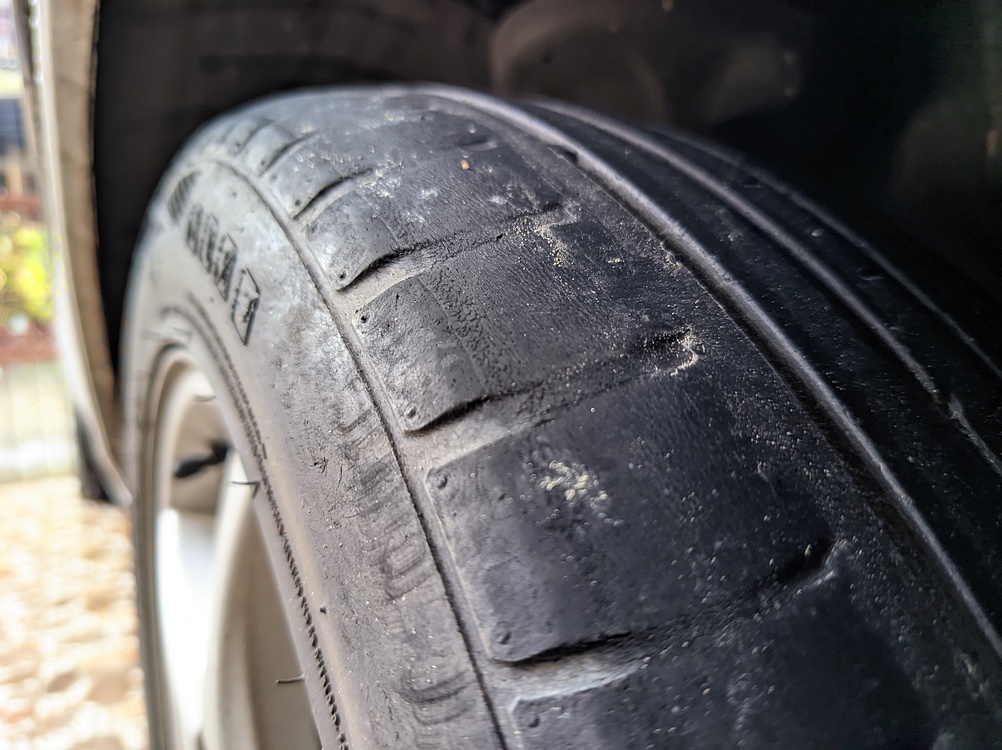
New tires are expensive, so it’s tempting to squeeze a few more months out of the ones already on the car. Tread does most of the work of keeping a car on the road in wet weather, and once it wears down, that grip disappears fast. Tread worn down to 4/32 of an inch is measurably linked to a higher risk of crashes, and stopping distances on wet pavement stretch out well before a tire looks obviously bald.
This isn’t about buying the priciest tires on the shelf. Price barely predicts how well a new tire performs. It’s specifically about waiting too long to replace tires already worn down, since old rubber hydroplanes more easily and takes longer to stop no matter what it cost when new. A set of four decent all-season tires typically runs $500 to $800 installed. A single skid on worn tires can cost that much in an insurance deductible alone, before a higher premium for years afterward gets added on top. Check the tread with a quarter. If Washington’s head disappears into the grooves, the tires are fine. If it doesn’t, the car is running on borrowed time.
Putting off the dentist because nothing hurts

A routine cleaning and exam usually runs $100 to $300 without insurance, and it’s easy to talk yourself out of that when your teeth feel fine. Cavities and gum disease rarely announce themselves early. By the time something actually hurts, the cheap fix is usually already gone. A root canal on a molar, not counting the crown that typically follows, runs around $1,175, and that’s before paying for the crown itself.
Most insurance plans cover two cleanings a year at little or no cost, which makes skipping them even harder to defend on financial grounds alone. Even without insurance, two checkups a year cost far less than one root canal, let alone the extraction and implant that can follow if a tooth can’t be saved. Gum disease is the quieter problem, since it can progress for years without pain and has been linked to heart disease and diabetes on top of the dental bill. The comparison is simple: a few hundred dollars a year in prevention against a few thousand in repair, once decay reaches a nerve instead of stopping at enamel.
Skipping the annual physical to save the copay

Even with insurance, a copay for an annual physical can seem unnecessary when you feel perfectly fine. But most U.S. health care spending isn’t driven by sudden illness. It’s driven by chronic conditions that build quietly over years, and roughly 90 percent of the nation’s annual health care spending goes toward people managing chronic and mental health conditions, many of which are far cheaper to treat when caught early.
High blood pressure, prediabetes, and early kidney problems typically show up on routine bloodwork years before they cause any symptom you’d notice on your own. A physical that costs $0 to $50 out of pocket can catch these while a change in diet, more exercise, or a low-cost prescription is still enough to manage them. Waiting until symptoms appear usually means the condition has already progressed to where treatment is more expensive, more disruptive to daily life, and sometimes permanent. Catching a problem early tends to mean a diet change or a cheap generic prescription. Catching it late tends to mean a hospital stay, a specialist, and years of costly management for something a routine blood draw would have caught.
Doing your own wiring to avoid an electrician
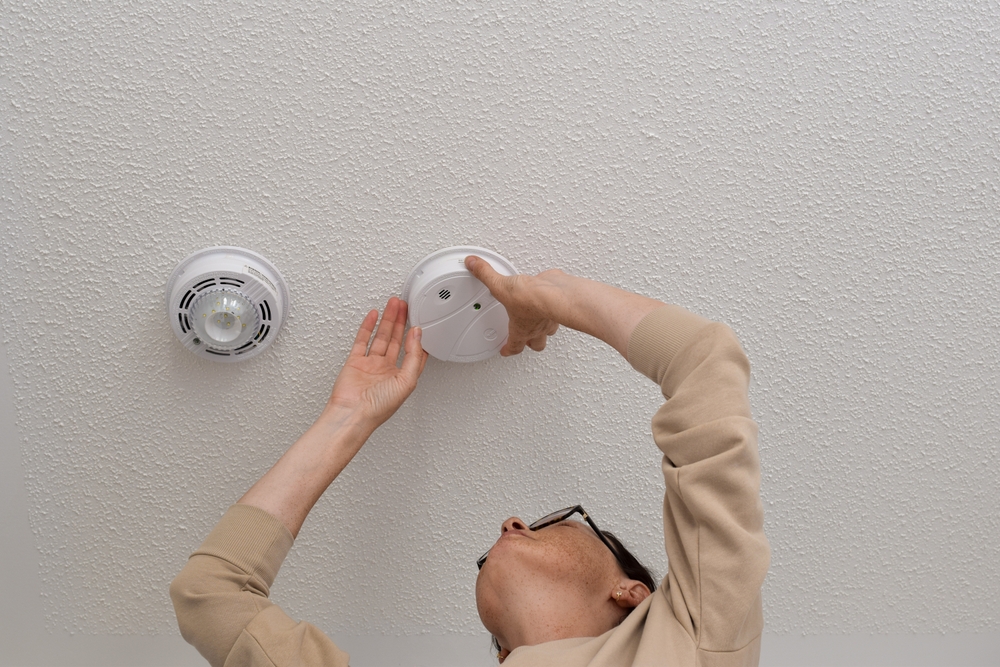
Watching a tutorial and running a new circuit yourself can save several hundred dollars in labor, and for plenty of home projects, that trade-off makes sense. Electrical work is different. Mistakes here don’t always show up right away, and when they do, they show up as house fires. Electrical failures and malfunctions cause an estimated 46,700 home structure fires in the U.S. each year, along with hundreds of deaths and $1.4 billion in property damage, and faulty amateur wiring is a recurring cause investigators find at the scene.
There’s a financial angle beyond the obvious safety one. Homeowners insurance can deny a claim, or pursue you for the cost afterward, if an investigation traces a fire back to wiring that wasn’t installed by a licensed electrician or wasn’t permitted. That turns a project meant to save a few hundred dollars into one where a real fire claim gets denied outright. Swapping a like-for-like light fixture or outlet is usually fine for a confident homeowner. Anything touching the electrical panel, a new circuit, or old aluminum wiring belongs to a licensed electrician, whose fee is small next to what a mistake actually costs.
Buying in bulk food you don’t actually eat

Stocking up on family packs of produce and meat because the per-pound price is lower looks like smart shopping, and sometimes it is. It stops being smart the moment half of it goes soft in the crisper drawer or gets freezer-burned before anyone gets to it. The average American family of four loses about $1,500 a year to food that gets thrown away instead of eaten, and a lot of that waste starts with a bulk buy that looked like a bargain at checkout.
The discount on a large pack only counts as savings if the whole thing gets eaten before it spoils. Fresh produce has a short window, and a five-pound bag of spinach for the price of a two-pound bag isn’t a deal if three pounds end up in the trash. Buying smaller amounts more often, or reserving bulk buys for things that freeze or store well, like rice, dried beans, or pasta, keeps the unit price down without the waste. Check what’s already sitting in the fridge before the next bulk run. The cheapest food is always the food that actually gets eaten.
Banking with no cushion and no overdraft protection

Choosing a checking account with no monthly fee looks like the frugal move, and it usually is, right up until a payment clears before a paycheck does. About a quarter of U.S. households pay an overdraft fee in a given year, and Congress voted in 2025 to overturn a rule that would have capped most overdraft fees at $5, so at most banks a single overdraft still costs somewhere between $20 and $35.
That fee applies whether the overdraft was for ten dollars or three hundred, which makes it brutal for anyone living close to their balance. A $4 coffee that triggers a $30 overdraft fee costs eight times what it should. Most banks let customers turn off overdraft coverage for debit card purchases entirely, so a shortfall just gets declined instead of approved and penalized. Others offer a small cushion, usually $20 to $50, that doesn’t trigger a fee if the balance dips briefly below zero. Either option beats a no-fee account with no protection at all, where one tight week turns into a $30 to $100 penalty for coming up short by a few dollars.
Paying the credit card minimum to keep more cash on hand
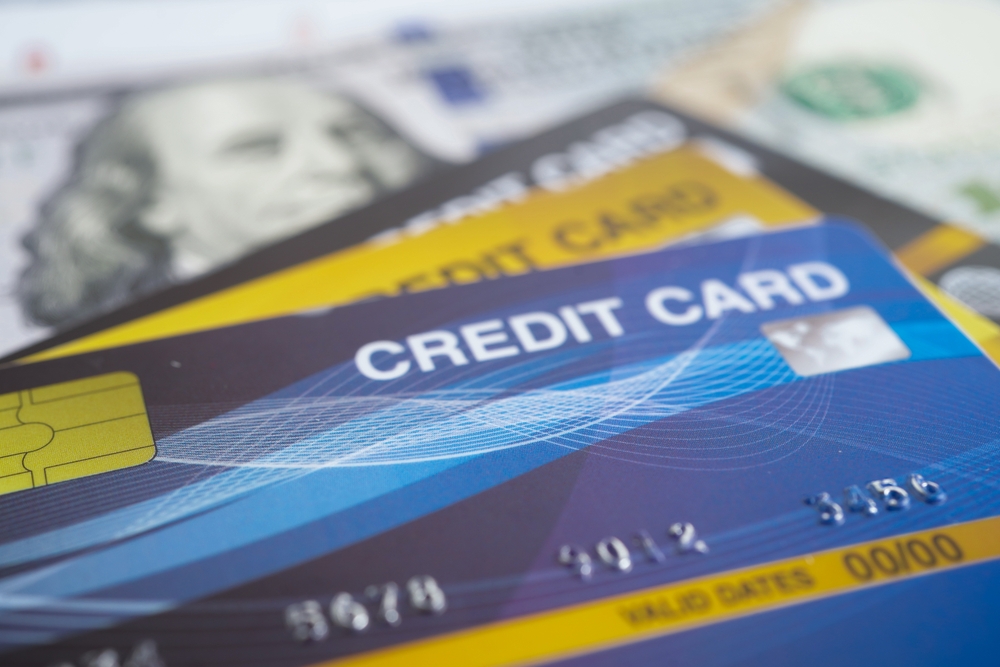
Paying only the minimum on a credit card frees up cash for everything else this month, which is exactly why it’s such an easy habit to fall into. It’s also one of the most expensive ways to manage money available. The average credit card interest rate sits at around 21 percent APR, and minimum payments are calculated to keep that interest running for as long as possible.
On a $5,000 balance at that rate, paying only the minimum stretches repayment out for years and can add thousands of dollars in interest on top of the original debt, sometimes more than the balance itself. Every dollar that goes to interest is a dollar that did nothing to reduce what’s actually owed. Fixing this doesn’t take a windfall. Adding even $25 or $50 above the minimum payment each month cuts years off the payoff timeline, because more of each payment goes toward the balance instead of the bank’s margin. If rent or groceries actually depend on paying only the minimum, that points to a budget problem worth addressing directly, rather than a payment strategy that quietly compounds against you month after month.
Going without renters or homeowners insurance

Renters insurance costs about $23 a month on average nationwide, and it’s one of the easiest expenses to skip when nothing has ever gone wrong. Nothing going wrong yet is not the same as nothing going wrong ever. A kitchen fire, a burst pipe upstairs, a break-in, or a dog bite that turns into a liability claim can wipe out thousands of dollars in belongings or legal costs in a single afternoon, none of which a landlord’s insurance covers.
Homeowners run a version of the same risk when they let coverage lapse to save a few hundred dollars a year, or underinsure a home to keep the premium low. A policy that costs $20 or $30 less a month isn’t a saving if it also means a $15,000 claim gets denied, or only partially paid, because the coverage limit was set too low. The honest test is simple: could you replace everything you own, or rebuild part of your home, out of pocket tomorrow? If not, the monthly premium buys protection against a loss you couldn’t otherwise absorb, a different category of expense entirely from a subscription you could live without.
Buying the cheapest version of a big appliance

Choosing the bargain washing machine or refrigerator over a mid-range model can save a few hundred dollars at checkout, and that’s real money. It’s worth knowing what tends to happen next. Sixty percent of people surveyed had a major appliance stop working within five years, and 58 percent of them replaced it instead of repairing it, often because the repair cost approached what a new unit would run anyway.
Cheaper appliances tend to use thinner components, weaker motors, and parts that were never designed to be repaired at all, which shortens their working life and makes an eventual breakdown more likely to end in a full replacement instead of a $150 fix. A mid-range model that costs $200 more upfront but lasts twice as long is the better deal even before factoring in the hassle of shopping for a replacement, arranging delivery, and living without a working fridge or washer in the meantime. This doesn’t mean buying the priciest model on the floor. It means checking reliability ratings before checkout instead of sorting by price alone, since the lowest sticker price and the lowest total cost are often two different numbers.
Ignoring a small roof leak

A small roof leak often starts as a $300 to $500 fix: a loose shingle, cracked flashing, a bit of sealant. Putting it off because it’s not actively raining inside the house seems harmless, since the damage is slow and mostly out of sight. It doesn’t stay out of sight for long. Water that seeps past roofing materials into the decking, insulation, and interior walls can turn that same small repair into a job easily totaling over $15,000 once framing, drywall, and mold remediation get involved.
Roof leaks are patient. Water finds the path of least resistance and keeps finding it every time it rains, so a problem that looked minor in March can be structural by October. Homeowners insurance also tends to treat sudden damage differently than damage from a leak that was clearly ignored for months, which means delaying the fix can cost the claim as well as the repair. An annual roof inspection runs a few hundred dollars and catches most of these problems while they’re still cheap. Waiting for a bigger, more convenient repair bill isn’t a plan. It’s a more expensive version of the same job, paid for later instead of now.
Forgetting to change the air filter
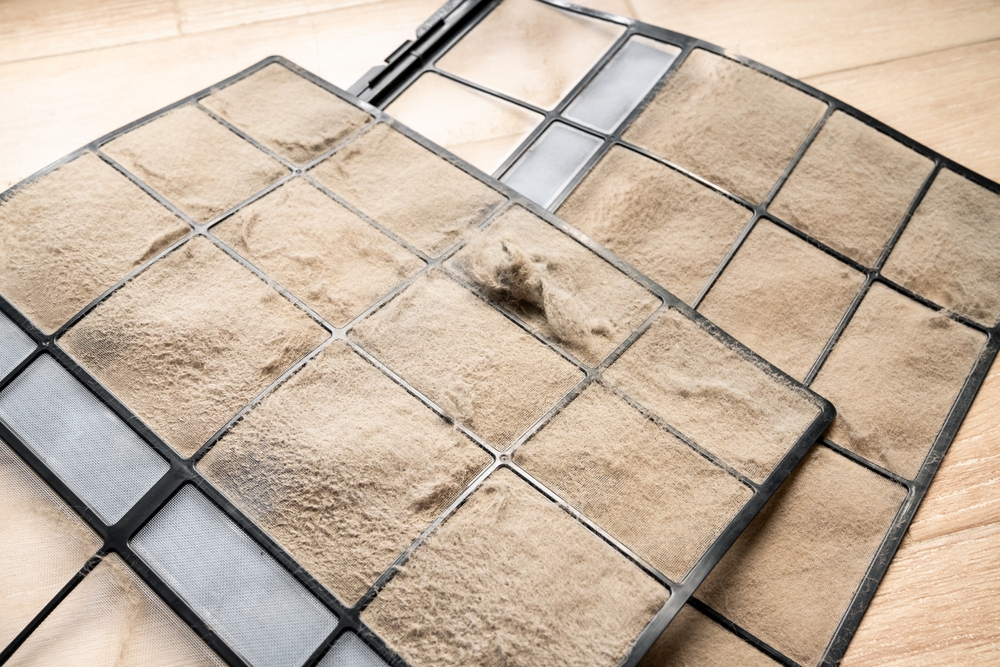
An HVAC air filter costs $5 to $30 depending on the size and type, and it’s an easy thing to forget about for months at a stretch. A dirty filter doesn’t just get worse at trapping dust. It restricts airflow enough that the whole system has to work harder to hit the same temperature. Replacing a dirty, clogged filter with a clean one can lower an air conditioner’s energy use by 5 to 15 percent, which shows up directly on the monthly electric bill.
The strain doesn’t stop at the utility bill. Restricted airflow forces the blower motor and other components to run longer and harder than they were built for, which shortens the life of a system that costs thousands of dollars to replace outright. A filter that costs $10 and gets changed every one to three months is one of the cheapest maintenance habits available, and skipping it to save a few dollars a month is a rare case where the frugal-sounding choice barely saves anything, while quietly running up both the energy bill and the odds of an expensive repair down the line.
Cutting cable, then stacking five streaming apps
Cutting the cord looked like an obvious win a few years ago, and on paper it still is. Cable and satellite subscribers report spending about $125 a month, compared with roughly $69 a month for the average household’s streaming subscriptions combined. The trouble starts after the cord gets cut, when a show worth watching turns up on a fifth or sixth platform and gets added without much thought.
Subscriptions are built to be easy to add and easy to forget about, and $8 or $15 a month doesn’t register much in the moment it gets charged. Add up five or six of those and the total creeps back toward cable-level pricing, minus the sports package and the live news that used to come with it. Going back to cable isn’t the answer. A real audit every few months works better: cancel anything that hasn’t been opened in the last thirty days, and rotate subscriptions instead of holding all of them at once. Watch three months of a service for a specific show, then cancel it and pick up the next one, rather than paying for six libraries when you’re only using one or two.
Sleeping on a mattress a decade past its prime

A decent mattress runs $600 to $1,500, which is exactly the kind of expense that’s easy to keep postponing when the current one still technically holds you off the floor. Mattresses should be replaced every 6 to 8 years under normal conditions, and most people keep theirs well past that without noticing how much it’s degraded, because the decline happens a little at a time.
The cost of skipping a mattress replacement doesn’t show up on a receipt. It shows up as worse sleep, more back and neck pain, and the kind of chronic tiredness that quietly affects work, mood, and how much gets spent on coffee trying to compensate. A sagging mattress also traps more dust mites and allergens over time, which can aggravate allergies and asthma for anyone sensitive to them. That’s not a dramatic, one-time cost the way a car repair is, which is exactly why it’s easy to keep ignoring. Waking up sore, sleeping better in hotels than at home, or not being able to remember when the mattress was bought are all signs a new one has already paid for itself in better sleep.
Skipping the eye exam and squinting through an old prescription

An eye exam runs $50 to $250 without insurance, and if the current glasses seem to work fine, it’s tempting to stretch the interval well past what’s recommended. Adults age 19 to 40 should get a comprehensive eye exam at least every two years, and more often for anyone with a family history of eye disease, diabetes, or high blood pressure.
An outdated prescription causes headaches, eye strain, and squinting that most people chalk up to screen time or getting older, then quietly live with for years. The bigger issue is what a comprehensive exam catches that a vision screening at the pharmacy never will: glaucoma, diabetic retinopathy, and early signs of high blood pressure, all cheaper and easier to manage the earlier they’re caught. Buying new glasses off an old prescription to save the exam fee also means paying for lenses that don’t fully correct anyone’s vision, which is money spent on glasses that don’t do their one job properly. The exam fee is small next to either outcome: paying twice for glasses, or missing a health problem that gets more expensive the longer it goes unnoticed.
Refusing to pay for financial advice on a big decision

Paying a fee-only financial advisor a few hundred dollars for a single consultation, or a percentage fee for ongoing management, seems like an expense that’s easy to skip when you’re comfortable reading a few articles and making the call yourself. For routine budgeting, that’s often true. For a large, one-time decision, like rolling over a 401(k), timing Social Security, or deciding how to draw down retirement savings, the comparison changes. Good financial advice is estimated to add up to roughly 3 percent in net annual returns through better asset allocation, tax-aware withdrawals, and simply avoiding panic-driven mistakes during market swings.
On a $200,000 retirement account, 3 percent a year compounds into a substantial amount of money over a decade, far more than a one-time advisory fee of a few hundred to a couple thousand dollars. The mistakes an advisor helps avoid, cashing out at the wrong moment, missing a tax-efficient withdrawal order, rolling over a 401(k) incorrectly and triggering a tax bill, tend to be expensive precisely because they’re hard to undo. A single paid consultation before a major financial decision is one of the few expenses that reliably pays for itself several times over.
Waiting too long to replace brake pads
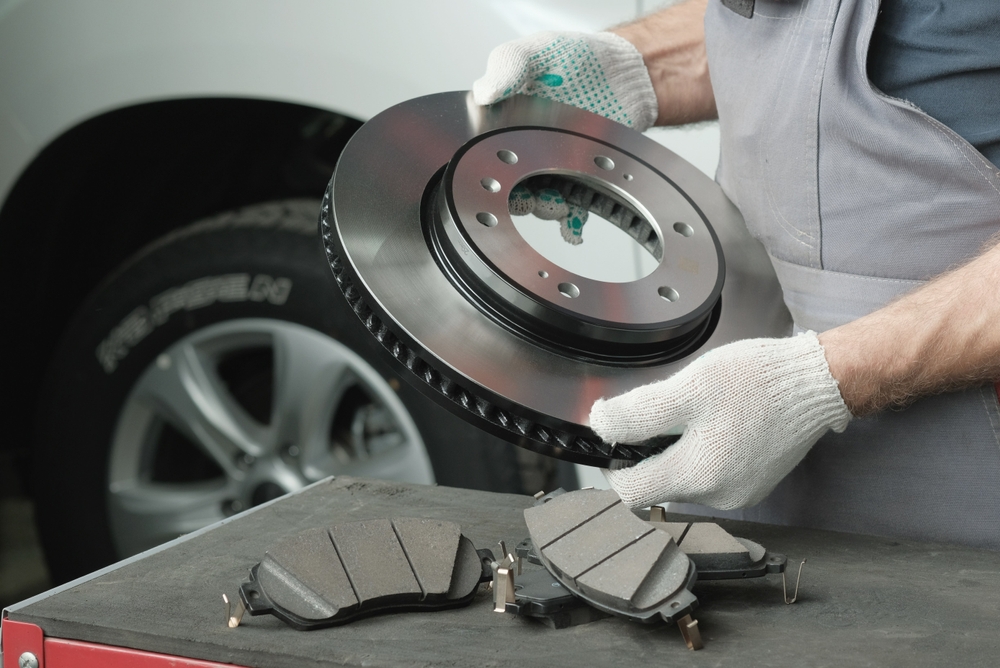
Brake pads wear down gradually, and most cars give a warning: a thin metal tab that squeals against the rotor once the pad material runs low. Ignoring that sound to put off a repair bill is a habit that gets more expensive by the week, not the month. Replacing brake pads alone typically costs $330 to $390 per axle, while pads and rotors together run $901 to $1,084 per axle, because once the pad wears through completely, the metal backing plate grinds straight into the rotor.
That’s the real cost of waiting: a repair that could have been pads only turns into pads and rotors, sometimes calipers too, for two to three times the price. There’s a safety cost as well, since worn pads increase stopping distance right when it matters most. The habit isn’t complicated to break. Get brakes checked at every oil change, and treat a squeal or a grinding sound as a this-week problem instead of a someday problem. A $300 repair handled promptly beats a $900 repair handled reluctantly, and it’s the same job, just caught at a different stage of the same wear.
Skipping the annual termite inspection

A termite inspection typically costs $75 to $150 a year, and it’s an easy thing to skip when no termite has ever been spotted in or around the house. Termites are subtle by design. Colonies can work inside walls and framing for years before any visible sign shows up, and by the time floors sag or wood sounds hollow, real structural damage has already been done. Termites cause an estimated $6.8 billion in property damage across the U.S. every year, and standard homeowners insurance almost never covers it.
That last part is what makes this habit riskier than most others here. A burst pipe or a kitchen fire is usually a covered claim. Termite damage is treated as a preventable maintenance issue, which means the entire repair bill, sometimes running into the tens of thousands of dollars for a serious infestation, lands on the homeowner directly. An annual inspection is cheap specifically because it’s built to catch a problem while it’s still small enough to treat instead of rebuild. Skipping it doesn’t save the inspection fee forever. It just moves the cost from a small, predictable number to a large, unpredictable one.











