
You skip the $80 oil change because rent is due Friday. You let the dental cleaning slide because the deductible reset in January and you haven’t hit it yet. Six months later the car needs a new transmission and the tooth needs a root canal, and both bills land in the same month your paycheck was already stretched thin.
Cutting your budget makes sense when money is tight. Most people have to do it at some point, and there is no shame in that. But not every cut actually saves you money. Some of them just delay the bill and let it grow while you are not looking.
Here is where 18 of those popular cuts quietly turn into a bigger bill than the one you were trying to avoid.
Table of contents
- Stopping 401(k) contributions before the employer match
- Skipping the doctor when you are sick
- Putting off cancer screenings and other preventive tests
- Letting car maintenance slide
- Skimping on HVAC tune-ups
- Letting home or renters insurance coverage shrink
- Skipping dental cleanings
- Rationing prescription medications
- Dropping life insurance
- Letting the emergency fund hit zero
- Skipping eye exams
- Putting off small home repairs
- Cutting mental health therapy
- Skipping the vet for pets
- Canceling identity theft protection
- Dropping to state-minimum auto insurance
- Swapping groceries for cheaper, less nutritious food
- Letting health insurance lapse to save on premiums
- Bottom line
Stopping 401(k) contributions before the employer match

If your company matches retirement contributions and you are putting in less than the match requires, you are turning down free money every single payday. The average worker who misses the full match leaves $2,954 a year on the table, and that number compounds. Ignore the match for 30 years and you have handed back more than $88,000 in straight cash, before any investment growth gets added on top.
This is one of the easiest cuts to reverse, because it barely touches your take-home pay. A lot of retirement plans default new employees into a 4% contribution rate, which usually sits below what is needed to capture the full match. Check your plan documents or call HR and ask exactly what percentage triggers the full match, then set your contribution there before you touch anything else in your budget. It is the one line item in your paycheck that pays you back immediately, guaranteed, no market timing required.
Skipping the doctor when you are sick

A third of American adults have skipped or postponed care they needed in the past year because they could not afford it. That includes people with insurance: 37% of insured adults still avoided care because of the cost, so having a plan does not fully protect you from this one.
The trouble with skipping the doctor when you are sick is that most conditions get more expensive to treat the longer they go untreated. A bladder infection that costs $150 to clear up with antibiotics can turn into a kidney infection that costs thousands in an emergency room visit. A cough that could have been strep throat can turn into pneumonia. About one in five people who put off care say their condition got noticeably worse as a direct result of the delay, not better. If cost is the barrier, ask about a sliding-scale clinic or urgent care instead of the ER, or a payment plan, before you decide to just tough it out.
Putting off cancer screenings and other preventive tests

Preventive screenings catch problems while they are still cheap and treatable. Skip them and you are betting nothing is wrong, which is a bad bet given how often people are wrong. Ninety percent of Americans delay preventive screenings, and younger women skip them at especially high rates, with 68% of Gen Z women avoiding at least one recommended screening.
Mammograms, colonoscopies, skin checks, and blood pressure screenings exist because catching a problem at stage one costs a fraction of catching it at stage three, both in dollars and in what your body goes through. Most insurance plans, including ACA marketplace plans, cover preventive screenings at no cost to you, because insurers know the numbers work in their favor too. If you have coverage, skipping the screening usually means leaving a free test on the table. Cost is not even the top reason people give for skipping these appointments. Fear of a bad result, the hassle of taking time off work, and plain discomfort with the process rank just as high, so a quick call to ask what a screening actually involves can be worth more than you would expect.
Letting car maintenance slide
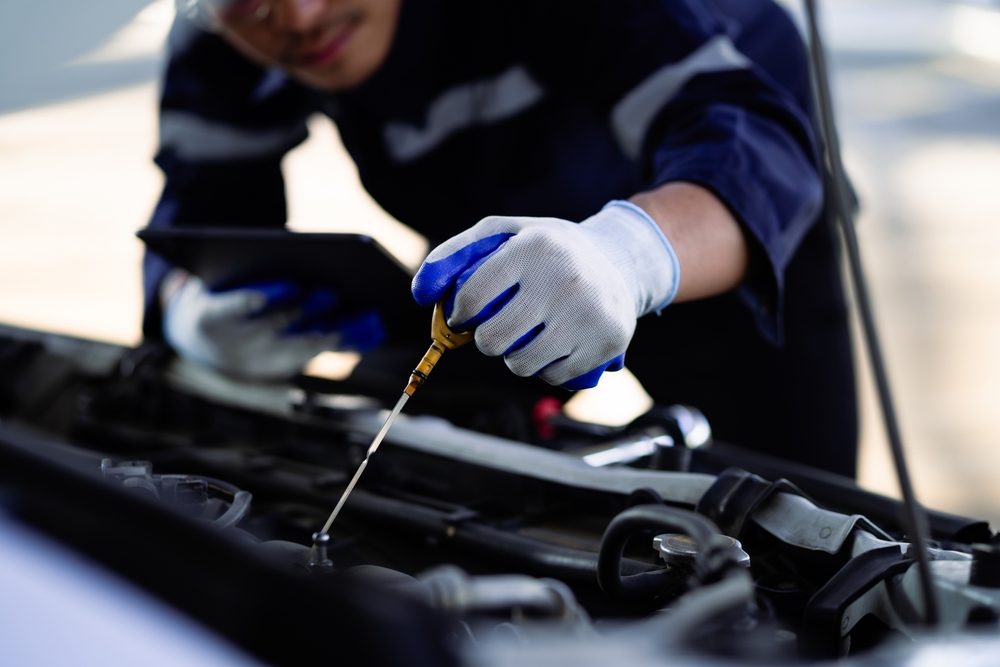
An oil change costs $80 to $120 now, and the car still runs fine without it, so putting it off seems like an easy call in the moment. About a third of U.S. drivers have skipped or delayed recommended vehicle maintenance, and an estimated 64 million Americans would have to borrow money to cover an unexpected repair bill when deferred maintenance catches up with them.
A $150 spark plug left unreplaced can destroy a catalytic converter that costs over $1,000. Brake pads that should have been swapped for a few hundred dollars turn into damaged rotors and calipers running well past $1,000. And if your car is still under warranty, skipping scheduled maintenance can void that coverage entirely, leaving you on the hook for repairs the manufacturer would otherwise have paid for. Skipped inspections carry a safety cost too: an undetected exhaust leak can let carbon monoxide into the cabin, and worn brakes that would have failed an inspection are exactly the kind of thing that shows up at the worst possible moment on the road.
Skimping on HVAC tune-ups

An annual HVAC tune-up runs about $75 to $200, and it is an easy line item to cut when the system is still blowing air fine. But that visit is what catches small, cheap failures before they turn into big, expensive ones. $200 to $400 a year in maintenance is a fraction of a single $1,200 compressor failure or a $1,000 heat exchanger repair, and most mid-life breakdowns trace back to a skipped filter change or a dirty coil a tune-up would have caught.
A well-maintained furnace or AC unit can last 15 to 20 years. One that is neglected tends to fail years early, and a full system replacement runs $5,000 to $12,500 for a combined furnace and AC swap. If a service plan is not in the budget right now, at minimum change your own filters every 90 days, which costs $4 to $35 a filter and takes about five minutes.
Letting home or renters insurance coverage shrink

Homeowners insurance premiums have climbed fast enough in the past few years that plenty of people have quietly downgraded their coverage or let it lapse just to keep the bill manageable. That is a dangerous trade. About two out of three U.S. homes may already be underinsured, meaning the payout would not even cover what it costs to rebuild after a total loss.
Rebuilding costs have risen faster than most policies have kept pace with, and only around 30% of homeowners have updated their coverage to match current construction prices. If you have not reviewed your policy since you bought the house, call your agent and ask for a fresh replacement-cost estimate. Renters insurance carries the same risk in miniature: it typically runs $15 to $30 a month and covers the one thing a landlord’s policy never will, which is your own belongings. It is also worth remembering that a standard homeowners policy does not cover flood damage at all. That protection has to be purchased separately, and skipping it is its own kind of coverage gap for anyone living near water or in a heavy-rain region.
Skipping dental cleanings
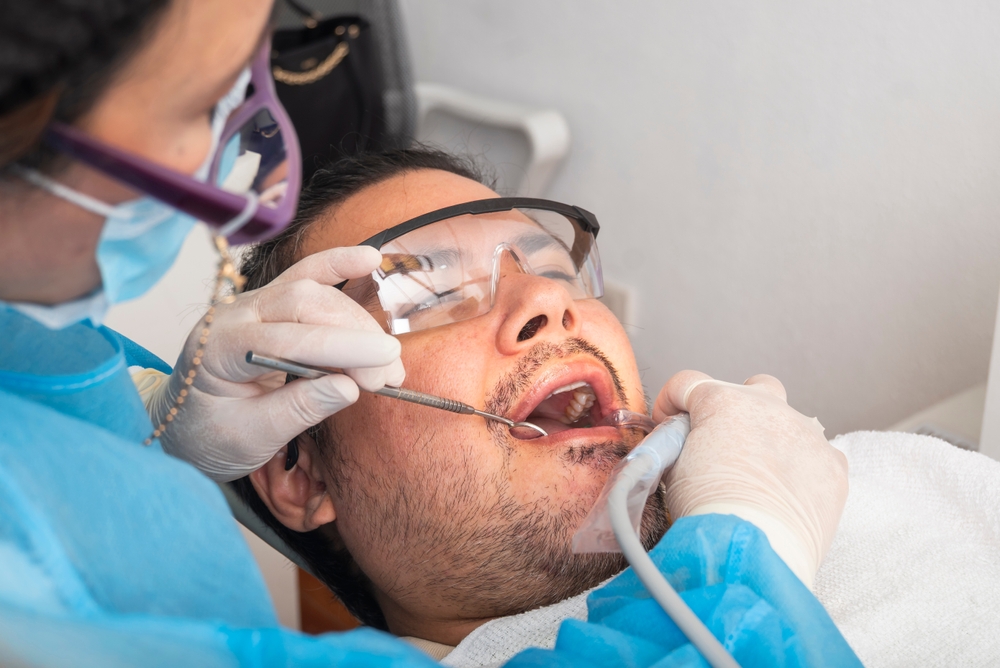
Dental care is the health service Americans skip most often over cost. 18% of U.S. adults went without dental treatment they needed in 2025 because they could not afford it, more than any other category of care, including doctor visits and mental health counseling.
A routine cleaning costs somewhere between $75 and $200 without insurance. Skip enough of them and small cavities turn into root canals running $500 to $1,500, or extractions and implants that climb into the thousands. Gum disease left untreated does not stay in your mouth either. It is linked to heart disease and diabetes complications. If you do not have dental coverage, look into a dental school clinic near you, which typically charges half the going rate for cleanings and fillings performed by supervised students. Skip care long enough and the problem often lands in an emergency room instead of a dental chair, where the same issue costs $750 to $1,500 to manage and still leaves the actual dental work undone.
Rationing prescription medications

Cutting pills in half, skipping doses, or not filling a prescription at all has become common enough that about four in ten adults now say they have done at least one of these things in the past year to save money. About three in ten took an over-the-counter substitute instead of filling what their doctor actually prescribed.
This is one of the riskiest cuts on this list, because plenty of medications do not work in half doses or with gaps in the schedule. Blood pressure medication, insulin, and antibiotics in particular need to be taken exactly as prescribed or they stop doing their job, sometimes dangerously. If cost is the issue, ask your pharmacist about a generic version, a manufacturer copay card, or a 90-day supply, which is often cheaper per pill than a 30-day fill. Never adjust a dose on your own without talking to whoever prescribed it. Discount cards and manufacturer savings programs can knock a surprising amount off the price at the register, and it costs nothing to ask the pharmacist to check before you pay full price or skip the fill altogether.
Dropping life insurance

Only 51% of Americans currently own a life insurance policy, and roughly 100 million adults say they either have none or do not have enough. Young adults overestimate the price of a policy by 10 to 12 times what it actually costs, which is a big part of why so many skip it.
A healthy 30-year-old can often get a 20-year, $250,000 term policy for somewhere around $15 to $25 a month, not the hundreds of dollars most people guess. If something happens to you and there is no coverage in place, whoever depends on your income is left covering a funeral that averages $8,000 to $10,000, plus whatever debt and lost income follows. If you have kids, a mortgage, or anyone who relies on what you bring in, term life insurance is one of the cheapest bets you can make against the worst outcome. Coverage through your job usually ends the day you leave that job, so relying on a workplace policy alone can leave your family exposed during a layoff or career change, right when money is already tight.
Letting the emergency fund hit zero

More than a quarter of U.S. adults, 27%, have no emergency savings at all, and 59% could not cover a surprise $1,000 expense without borrowing the money somehow. Raiding or skipping this fund seems harmless right up until the car breaks down or the water heater dies.
Without savings to fall back on, an unexpected expense turns into credit card debt at 20% interest or higher, or a payday loan with even worse terms. That debt then makes it harder to save the next time, and the cycle repeats. Even $500 tucked into a separate account turns an emergency into an inconvenience instead of a crisis. Start with $20 a paycheck if that is what you can manage right now. It is not nothing, and it adds up faster than you would expect, especially in a high-yield savings account, which currently pays several times more interest than a standard checking account while still letting you pull the money out the moment you actually need it.
Skipping eye exams

Most people underestimate how much an eye exam actually catches. It is not just about needing new glasses. More than half of people who get their eyes tested less than once every two years say cost or a lack of vision coverage is the main reason they skip it.
An eye exam can pick up early signs of diabetes, high blood pressure, and glaucoma before you would notice symptoms anywhere else in your body. Glaucoma in particular causes no pain and no obvious symptoms until vision loss has already started, and that loss does not come back. A comprehensive exam without insurance runs roughly $100 to $200, though plenty of retailers offer exams in the $70 to $100 range even without a vision plan. Skipping it to save $100 is a bad trade against permanent vision loss you cannot undo. Kids need these exams too. Undiagnosed vision problems are one of the most common, and most fixable, reasons a child starts struggling in school, long before anyone thinks to blame their eyesight.
Putting off small home repairs

A homeowner who ignores a $200 roof patch can end up needing a $20,000 roof replacement within a single season, and a $150 leaky pipe repair left alone can cause $7,000 in water damage. Seventy-one percent of homeowners postponed at least one repair in the past year, and the average deferred repair now costs more than $5,600 to fix once it finally gets addressed.
Water is the biggest threat on this list. Roof leaks, plumbing leaks, and poor drainage cascade into mold, rot, and structural damage faster than almost anything else in a house. If you can only afford to fix one thing this year, prioritize anything involving water intrusion first, then anything touching the electrical system or gas lines, since those put your safety at risk and not just your wallet. A crack in the driveway can wait. A dripping pipe under the sink cannot. If a full repair is not in the budget yet, even a temporary fix like a tarp over a roof leak or a call to the landlord about a leak buys time without letting the damage spread while you save up for the real one.
Cutting mental health therapy

Sixty percent of people say they have avoided mental health care because of financial constraints, and that share climbs even higher among people already dealing with serious financial stress. Therapy sessions typically run $100 to $288 out of pocket, which is a real barrier for a lot of households.
Untreated anxiety, depression, and chronic stress do not just sit still while you wait for money to loosen up. They tend to affect sleep, work performance, and physical health, which can end up costing more in missed income or medical bills than the therapy would have cost. If money is the wall, look into a community mental health center, which often charges on a sliding scale from $0 to $69 a session, or ask your insurer for a list of in-network providers with lower copays before assuming therapy is out of reach. If you are employed, check whether your workplace offers an employee assistance program. A lot of them include several free counseling sessions a year that most employees never realize are sitting there unused.
Skipping the vet for pets
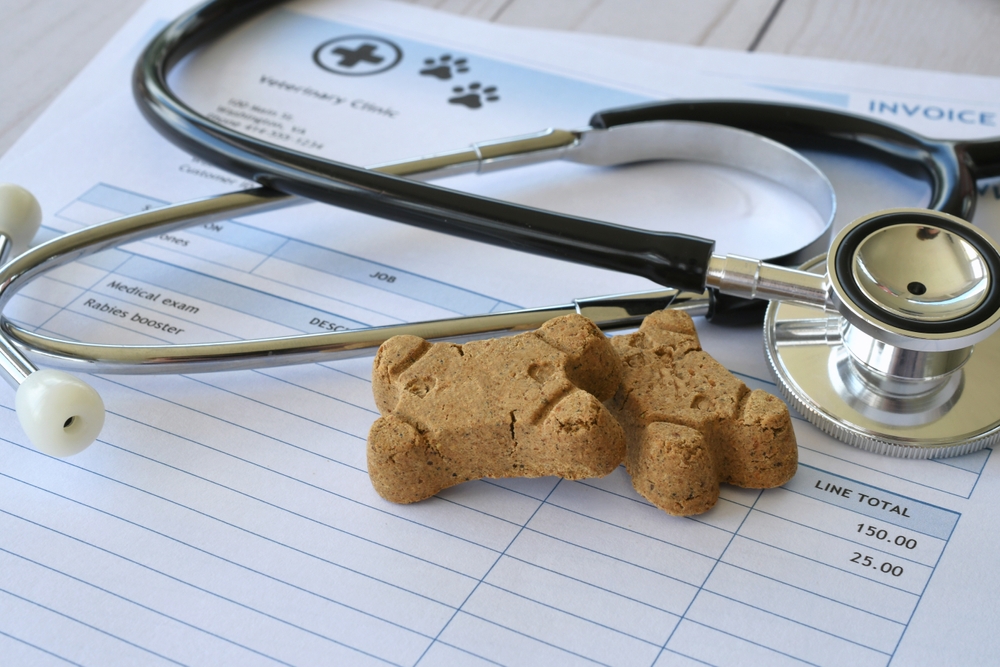
More than half of U.S. pet owners, 52%, have skipped or declined veterinary care their pet needed in the past year, and 71% of them say cost was the reason. Even among households earning $90,000 or more, a third reported skipping care for the same reason.
Preventive care like vaccinations, dental cleanings, and bloodwork catches problems while they are still a $100 to $300 fix. Skip them and a treatable issue can turn into an emergency surgery costing thousands, or a condition that has gone too far to treat at all. If cost is the obstacle, ask your vet about a payment plan, look into a low-cost clinic through a local humane society, or consider pet insurance before your animal gets sick, since most policies will not cover a condition that already exists by the time you sign up. Pet insurance itself usually runs $30 to $60 a month for a dog and somewhat less for a cat, and locking in a policy while your pet is young and healthy keeps that monthly cost lower for the life of the policy.
Canceling identity theft protection

Fraud is not a rare, unlucky event anymore. Consumers reported losing more than $12.5 billion to fraud in a single year, a 25% jump from the year before, and more than 1.1 million identity theft reports were filed in that same period.
Identity theft protection services are not free, usually $10 to $30 a month, and canceling one to save that money seems harmless until someone opens a credit card in your name or files a tax return before you do. Recovering from identity theft can take dozens of hours and months to fully untangle. If the monthly fee is too much right now, you can freeze your credit for free with all three bureaus, which blocks new accounts from being opened in your name and costs nothing. Do that before you cancel anything else. A credit freeze is stronger protection than a fraud alert, because it blocks lenders from even viewing your credit report until you lift it yourself, and lifting it takes only a few minutes online when you actually need to apply for credit.
Dropping to state-minimum auto insurance

Every state except New Hampshire requires drivers to carry liability insurance, but the minimums are often shockingly low. Some states only require $25,000 in bodily injury coverage per person, an amount that does not come close to covering a serious accident. A liability-only policy averaged about $820 a year in late 2025, less than a third of what full coverage costs, which is exactly why so many people drop down to it when money is tight.
The problem is what happens if you cause an accident that costs more than your policy covers. You become personally responsible for the difference, and that debt can follow you through wage garnishment for years. If you own a home, have savings, or expect to earn a decent income, state minimums leave nearly everything you own exposed. Raising your liability limits usually costs surprisingly little compared to the coverage you gain, often just a few dollars more a month.
Swapping groceries for cheaper, less nutritious food

When grocery budgets get tight, the first thing to go is usually the expensive, healthy stuff. Eighty percent of people surveyed said they have bought cheaper, less nutritious food because of high prices in the past year, and 66% said they skipped meals or ate less altogether.
Cheaper calories tend to come from processed food that is higher in sodium, sugar, and refined carbohydrates, and lower in the nutrients that keep you functioning well. Over time, that trade shows up as fatigue, weight gain, and a higher risk of diabetes and heart disease, all of which cost more to treat than the groceries would have cost to buy in the first place. If your budget is tight, dried beans, frozen vegetables, eggs, and oats are some of the cheapest sources of real nutrition in the store, and they stretch further than most processed alternatives. SNAP and WIC exist for exactly this kind of squeeze, and neither program requires you to be unemployed to qualify, only under the income limit for your household size, which is higher than most people assume.
Letting health insurance lapse to save on premiums

With enhanced ACA subsidies expired, premiums on the marketplace more than doubled for the average enrollee in 2026, and people are responding by dropping coverage entirely. About 9% of last year’s ACA enrollees went uninsured once their new premiums arrived, and another 17% say they are at risk of doing the same because they cannot afford the new cost.
More than half of the people who kept their coverage said they have had to cut spending on food and clothing just to afford the premium. Going without insurance entirely is a bigger gamble: one emergency room visit or hospital stay can run tens of thousands of dollars, enough to wipe out savings that took years to build. Before dropping coverage altogether, check whether you qualify for Medicaid, a lower-tier bronze plan, or a community health center that charges on a sliding scale based on income. A bronze plan with a high deductible is not much protection day to day, but it still caps what a single bad accident or diagnosis can cost you, which a $0 premium never will.
Bottom line

Cutting your budget is sometimes the only choice you have. Just make sure what you are cutting actually saves you money instead of quietly moving the bill somewhere more expensive.











