
Some jobs pay a premium because most people would rather stay clean, dry, and far away from whatever is leaking, smoking, rotting, rusting, or stuck in a pipe. If you can handle grime, bad smells, heavy gear, and the occasional shower the minute you get home, the paycheck can look very different.
The better-paying dirty jobs are not all the usual construction trades. Landfills, ships, rail yards, utilities, factories, pipelines, aircraft hangars, environmental cleanup sites, and industrial plants all need people who can work safely when conditions are rough. These careers are not easy money. Many require apprenticeships, licenses, safety credentials, travel, odd hours, or several years of hands-on experience. But they also depend on people who can physically inspect, repair, operate, and troubleshoot things in the real world.
Table of contents
- 1. Landfill gas technician
- 2. Elevator and escalator installer and repairer
- 3. Ship engineer
- 4. Asbestos abatement supervisor
- 5. Powerhouse, substation, and relay repairer
- 6. Commercial diver
- 7. Corrosion technician
- 8. Hydrovac operator
- 9. Industrial hygienist technician
- 10. Rail car repairer
- 11. Nondestructive testing technician
- 12. Pipeline technician
- 13. Electrical power-line installer and repairer
- 14. Pile driver operator
- 15. Rotary drill operator in oil and gas
- 16. Stationary engineer and boiler operator
- 17. Aircraft mechanic and service technician
- 18. Wind turbine service technician
- 19. Industrial machinery mechanic
- 20. Heavy equipment mechanic
- 21. Plumber, pipefitter, or steamfitter
1. Landfill gas technician
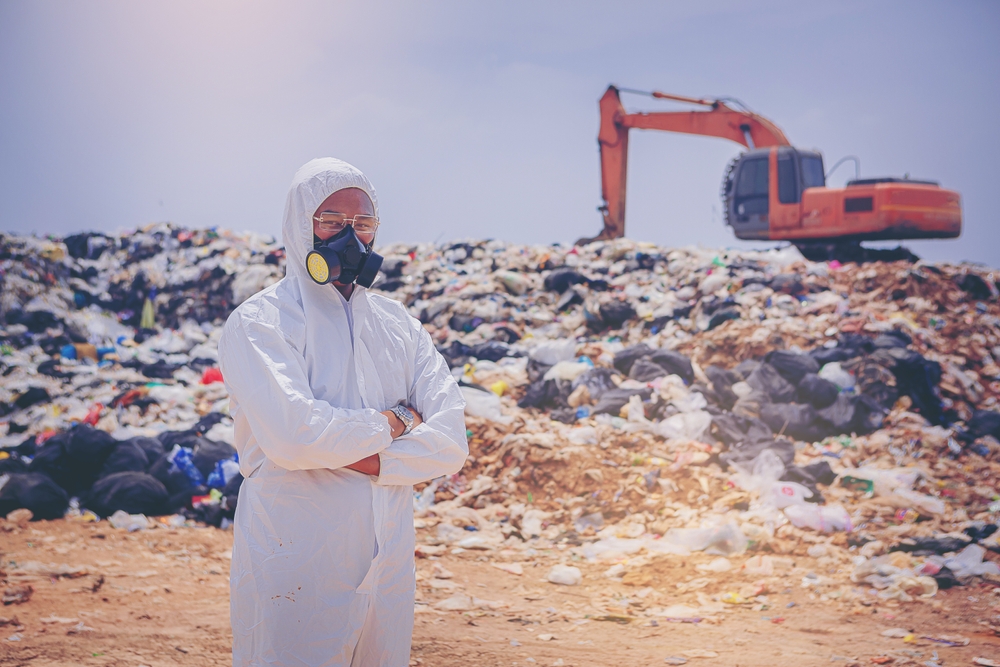
A landfill gas technician spends the day on top of, around, and sometimes practically inside the workings of a giant pile of decomposing garbage. The job involves checking methane extraction wells, adjusting valves, maintaining blowers and flares, dealing with condensate, and testing the gas collection system. Mud, trash, strong smells, insects, and nasty weather come with the territory. Average pay is about $93,306 per year as of 2026, which is surprisingly strong for a job that rarely makes career lists.
This is also more technical than it sounds. Modern landfills have tightly controlled gas systems that must keep methane from migrating off-site or building up where it should not. Some facilities also turn landfill gas into usable energy. Technicians commonly come in with mechanical, electrical, environmental, or equipment-maintenance experience, and technical certificates can help. Operating and closed landfills can require gas monitoring and control for years, so the work does not end when the final garbage truck leaves. That creates a steady maintenance niche for people willing to work where most others would rather not.
2. Elevator and escalator installer and repairer

Elevator work is not the polished lobby job it appears to be from the outside. Technicians spend plenty of time in shafts, pits, crawl spaces, and cramped machine rooms coated with dust, grease, and old lubricant. They install motors, cables, controls, doors, hydraulic systems, and safety equipment, then troubleshoot those systems when something fails. Median pay is $106,580 per year, putting this trade well into six figures before considering what overtime or emergency work may add.
Nearly everyone learns through a paid apprenticeship, typically after finishing high school. Mechanical ability, electrical knowledge, and comfort working at heights matter more than looking good in clean clothes. Employment is projected to grow 5%, faster than the overall average, and existing elevators also need constant inspections, repairs, and modernization. Buildings cannot simply ignore a broken lift, especially hospitals, high-rises, transit facilities, and properties where accessibility is essential. That combination of safety rules, aging equipment, and hands-on repair work gives experienced technicians some useful staying power.
3. Ship engineer

The engine room of a working vessel can be hot, noisy, oily, and nothing like the passenger decks upstairs. Ship engineers keep propulsion systems, generators, pumps, electrical equipment, refrigeration, fuel systems, and other machinery working while the vessel is underway. Depending on the ship, you may be dealing with bilge water, leaking oil, diesel residue, grease, corrosion, and repairs in tight spaces. Ship engineers had median annual earnings of about $101,320 in recent national wage data.
Getting there takes more than showing up with a wrench. Maritime credentials are required for many positions, and engineers can enter through maritime education programs or work their way up through engine-room jobs while earning the necessary credentials and sea time. Growth is modest rather than explosive, but vessels still need licensed people responsible for machinery and safety, and replacement hiring matters in a workforce where experienced crew members eventually retire. Cargo vessels, ferries, research ships, tug operations, and other marine employers all need people who can solve a mechanical problem far from the nearest repair shop.
4. Asbestos abatement supervisor
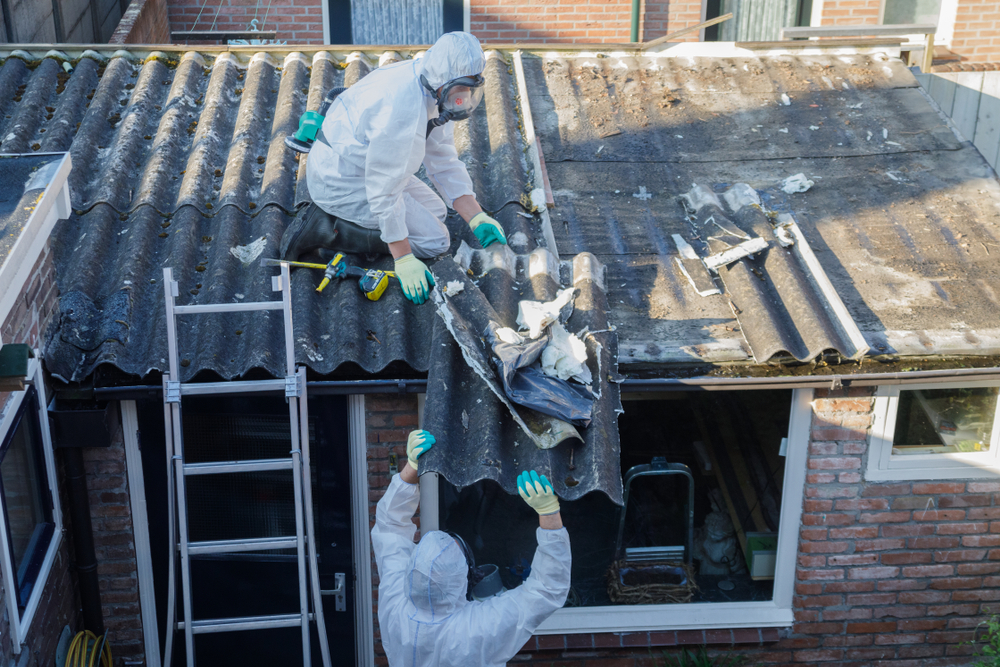
There is dirty work, and then there is supervising a crew removing hazardous material from an old building while everyone is wearing respirators and protective suits. Asbestos abatement supervisors oversee containment areas, decontamination procedures, worker protection, waste handling, and the removal process itself. They may work around dusty insulation, old pipe coverings, demolition debris, ceiling material, and cramped mechanical spaces. Average pay is about $85,324 per year as of 2026.
You normally do not walk straight into the supervisor role. Workers first complete required asbestos training, learn proper removal and containment procedures, and build experience before qualifying to run crews. Safety and regulatory knowledge are a big part of the value here because mistakes can expose workers, occupants, and contractors to serious risk. This is not a rapid-growth occupation, but old buildings are still renovated, demolished, repaired, and repurposed every year. When regulated hazardous material is found, somebody trained has to contain it, remove it, document the work, and make sure the crew follows the rules.
5. Powerhouse, substation, and relay repairer

Substation repairers work around the heavy electrical equipment most people only see from the other side of a fence. They inspect and repair breakers, transformers, relays, control equipment, and other systems that move electricity through the grid. Outdoor substations can mean mud, rain, grime, transformer residue, corroded hardware, and emergency repairs after severe weather. Inside generating facilities, heat, dust, oil, and awkward spaces can be part of the job. Median pay for powerhouse, substation, and relay electrical repairers is $103,020 per year.
Employers usually want a high school education plus substantial electrical training, work experience, or technical education. Many people reach this specialty after learning electrical systems in utilities, industry, or another skilled trade. The broader electrical repair field is fairly steady, but this particular power-grid specialty has stronger prospects as utilities replace equipment and expand capacity. Relays and diagnostic tools have become more sophisticated, yet somebody still has to go to the substation, isolate equipment safely, test it, find the fault, and make a repair without turning a bad day into a dangerous one.
6. Commercial diver
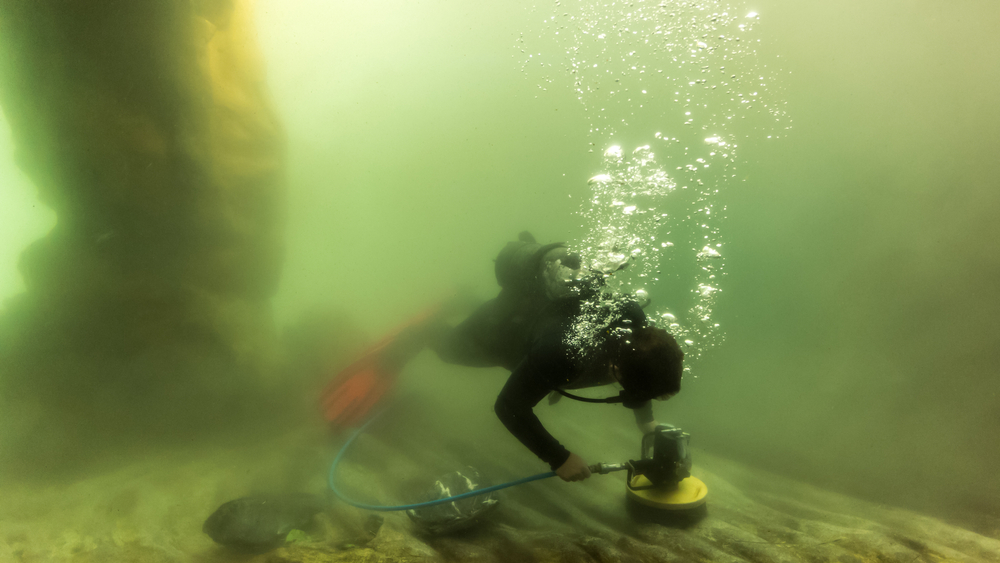
Commercial diving is a long way from leisurely scuba diving in clear tropical water. Divers inspect bridge supports, repair ships, work on underwater pipelines, remove marine growth, handle rigging, cut metal, recover equipment, and perform construction below the surface. Visibility may be terrible, the water may be cold or dirty, and mud can turn a simple task into a slow one. Recent national occupational data put average annual pay for commercial divers at about $75,570, with specialized and experienced divers able to earn considerably more.
Commercial diving schools teach surface-supplied air systems, underwater tools, rigging, emergency procedures, and job-site safety. Extra skills such as welding, inspection, or nondestructive testing can make a diver much more useful to an employer. The field is relatively small, so it should not be treated as an unlimited hiring boom. Still, bridges, ports, dams, vessels, marine construction, and offshore infrastructure require inspection and repair in places that cannot be reached with a normal toolbox. The more technical your underwater skills become, the less interchangeable you are with someone who simply has a diving certification.
7. Corrosion technician

Rust can be expensive, and corrosion technicians are paid to find it before a pipeline, storage tank, bridge component, or industrial system develops a much bigger problem. Field technicians take electrical readings, inspect coatings, test cathodic-protection systems, examine buried structures, and help diagnose why metal is deteriorating. The work can involve muddy rights-of-way, rusty tanks, standing water, peeling coatings, dirty test stations, and plenty of time outdoors. Average pay is about $81,074 per year as of 2026.
This is one of those technical careers many people never hear about until they work around pipelines or industrial facilities. Training in electricity, instrumentation, coatings, or mechanical systems is useful, and industry corrosion certifications can help technicians move into more advanced inspection and cathodic-protection work. Demand comes from a simple problem: metal keeps corroding whether the economy is exciting or not. Pipelines, water systems, tanks, marine equipment, and infrastructure must be inspected and maintained throughout their service lives. Good technicians combine measurements with field judgment, because the important question is not merely whether rust exists, but why it is happening and what will stop it.
8. Hydrovac operator
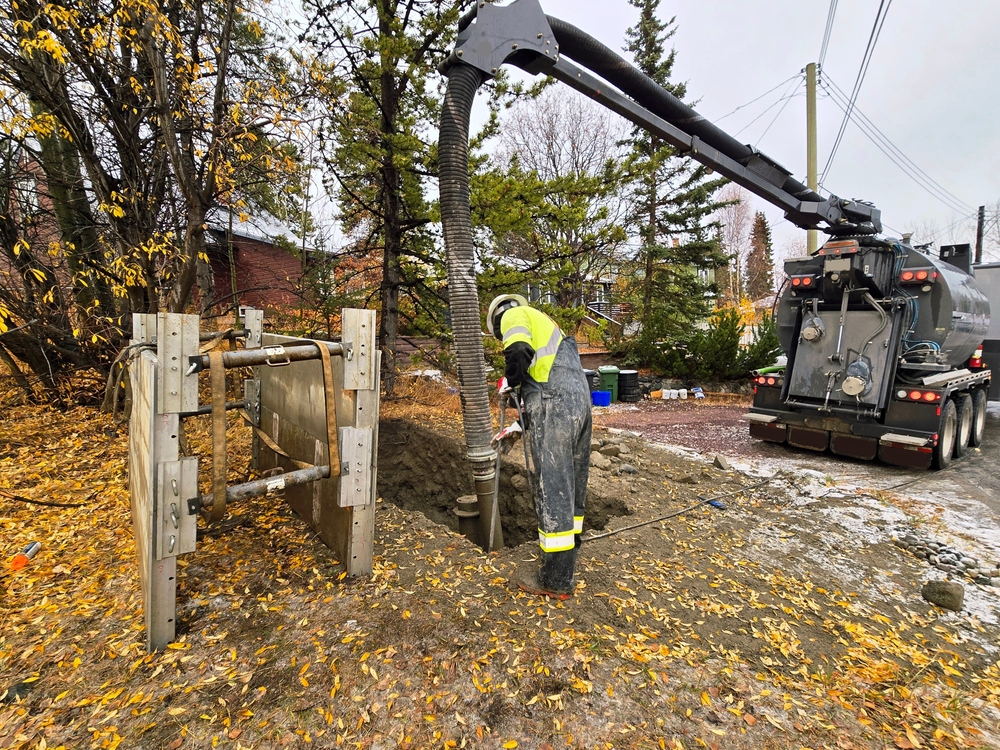
A hydrovac operator uses high-pressure water and a powerful vacuum system to remove soil without tearing blindly through whatever is buried underneath. The process is often used to expose gas lines, electrical cables, pipes, and other underground utilities before construction or repairs begin. It is precise compared with regular excavation, but it is definitely not clean. Operators handle wet soil, thick slurry, muddy hoses, dirty tanks, standing water, road grime, and whatever else comes out of the hole. Average pay is about $73,570 per year as of 2026.
A commercial driver’s license is commonly useful because the vacuum equipment is truck-mounted, and employers also value excavation, utility, or heavy-equipment experience. Operators need to understand safe digging practices and know how to work carefully around infrastructure that can be dangerous or expensive to damage. Hydrovac work benefits from the continuing need to repair buried water, energy, telecommunications, and utility systems. It is also used on industrial sites where ordinary digging would be too risky. You are not just driving a truck. You are controlling powerful equipment while trying to expose a buried line without turning it into an emergency.
9. Industrial hygienist technician

An industrial hygienist technician goes looking for the things at work that can make people sick. That may mean entering a dusty factory, a mold-damaged building, a chemical processing area, a noisy production floor, or a remediation site to collect samples and measure exposure. Technicians may set up air pumps, test surfaces, monitor noise, check ventilation, and document workplace conditions while wearing protective gear themselves. Average pay for this specialized title is about $95,478 per year as of 2026.
Education varies widely in this field. Higher-level industrial hygiene jobs often favor science degrees, while technician and field positions can also draw people with safety, environmental, laboratory, military, or hazardous-materials experience. Specialized training in sampling equipment and occupational hazards adds value. The larger occupational health and safety field is projected to grow much faster than average as employers deal with workplace hazards, compliance requirements, and complex industrial processes. Much of the job happens where the exposure actually occurs. A report can be written later, but somebody still has to enter the building, place the monitors, examine the conditions, and figure out what workers are really breathing or touching.
10. Rail car repairer
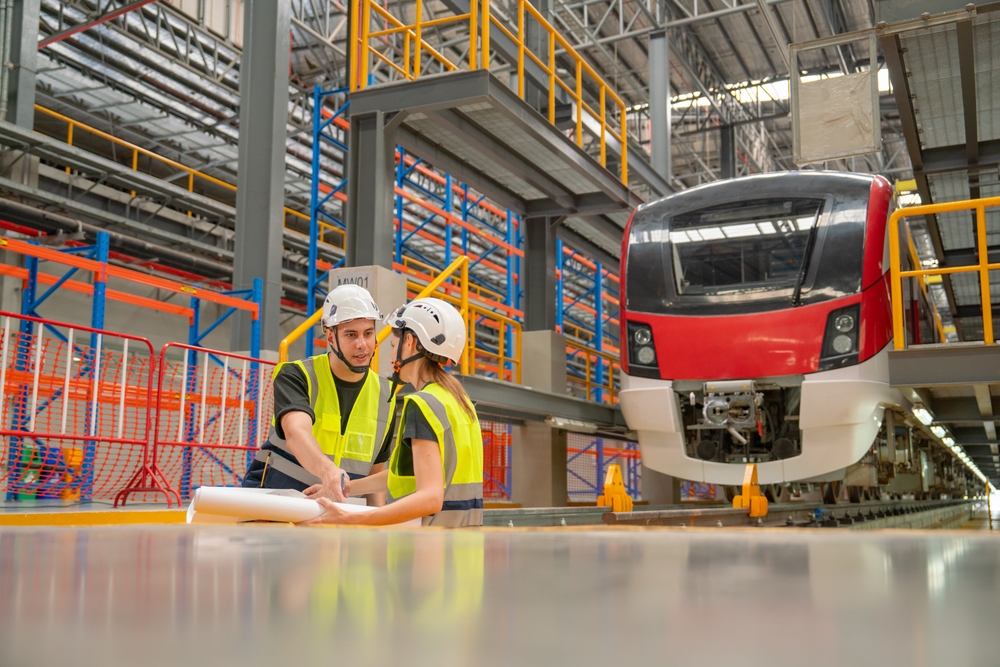
Freight and passenger rail cars take a beating, and the people repairing them get acquainted with every layer of grime underneath. Rail car repairers inspect and fix brakes, wheels, axles, suspension parts, couplers, doors, bearings, air systems, and structural components. Much of the job happens in yards and shops where workers crawl under equipment coated in grease, brake dust, rust, dirt, and whatever the car carried down the tracks. In the rail transportation industry, median annual pay for rail car repairers is about $80,320.
A high school education is a common starting point, followed by employer training or technical schooling in diesel, welding, industrial maintenance, or mechanical repair. The occupation is expected to remain fairly steady, with continuing replacement needs as experienced workers leave the field. Railroads cannot put off brake inspections or send a damaged freight car down the line indefinitely. Fleets have to be inspected, repaired, and returned to service. For mechanically minded people who do not mind outdoor yards, heavy components, odd shifts, and work clothes that will never stay clean, rail maintenance can provide a solid industrial career without sitting behind a desk.
11. Nondestructive testing technician

Nondestructive testing technicians look for cracks, bad welds, corrosion, and hidden defects without destroying the equipment they are inspecting. Depending on the specialty, they may use ultrasound, radiography, magnetic particles, or liquid penetrants on pipelines, aircraft parts, storage tanks, pressure vessels, bridges, and industrial machinery. Field assignments can put you in refineries, shipyards, fabrication shops, dirty tanks, or around oily equipment and rusted steel. Average pay is about $64,314 per year as of 2026.
Many technicians enter through technical training and work toward industry Level I and Level II qualifications under experienced personnel. Welding, metallurgy, mechanical, or inspection experience can shorten the learning curve. Employment growth in the closest federal occupation group is modest, but thousands of openings are expected as workers leave the field, and inspection remains necessary in industries where a hidden flaw can cause an expensive or dangerous failure. Equipment can help produce readings and images, but technicians still have to choose the right test, prepare the surface, position equipment correctly, recognize questionable results, and sometimes crawl into very unpleasant places to get the measurement.
12. Pipeline technician
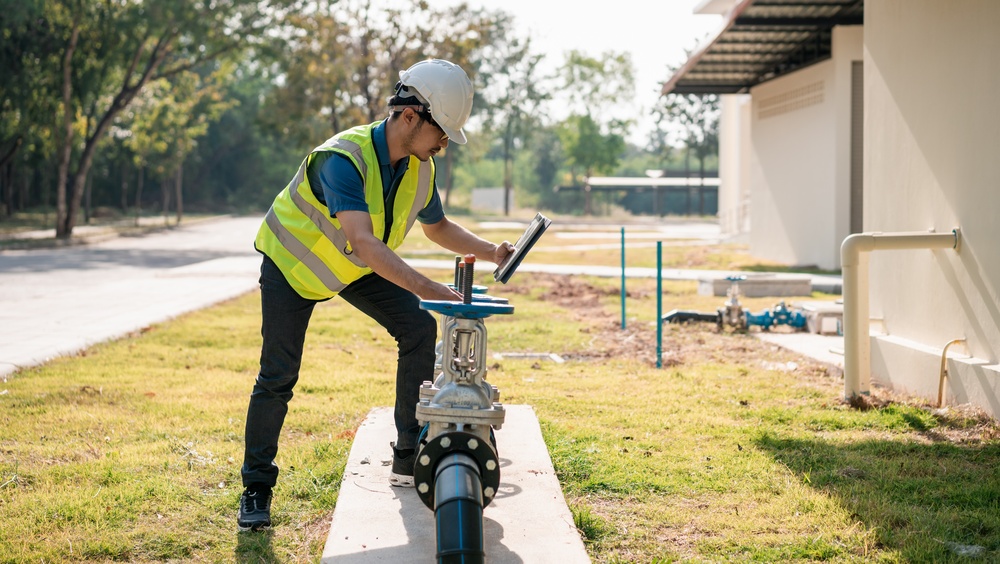
Pipeline technicians keep the equipment along oil, gas, and other pipeline systems operating safely. They may inspect valves, pumps, meters, controls, pressure equipment, launchers, receivers, and sections of line, then perform maintenance when something is leaking, corroded, stuck, or reading incorrectly. Field conditions can include mud, weeds, standing water, grease, oily residue, insects, heat, cold, and long drives to remote equipment sites. Average pay is about $70,004 per year as of 2026, with experienced technician levels paying considerably more.
Mechanical, electrical, instrumentation, welding, and industrial maintenance backgrounds can all lead into pipeline work. Some employers train technicians internally, while technical-school programs in process technology or industrial systems can help you get started. This is less about building endless new pipelines and more about maintaining the huge network already in the ground. Valves must work, pressure has to stay within safe limits, leaks must be found, and equipment has to meet inspection requirements. A lot of the value comes from knowing a particular system well enough to notice when something looks, sounds, smells, or behaves differently than it should.
13. Electrical power-line installer and repairer

Lineworkers do not get to choose sunny, pleasant days for every repair. They climb poles and towers, operate bucket trucks, pull cable, replace damaged equipment, and restore service after storms. That can mean mud, rain, ice, broken branches, road grime, hydraulic fluid, and long shifts in rough conditions. There is also the obvious danger of working around high voltage and at serious heights. Median annual pay reached $95,320 in 2025.
A high school diploma is typically enough to begin the path, but lineworkers need technical instruction and substantial on-the-job training. Apprenticeships are common, and employers put heavy emphasis on safety, climbing, electrical knowledge, and physical ability. Employment is projected to grow 10% through 2035, much faster than average, as the electrical system expands and existing infrastructure needs repair and upgrades. It is also a career where emergencies create unavoidable demand. When a storm drops a line or damages distribution equipment, the repair has to happen outdoors, on location, often before everyone else can get back to normal.
14. Pile driver operator

Pile driver operators build the hidden support systems underneath bridges, docks, large buildings, retaining walls, and other heavy structures. They control equipment that drives long steel, concrete, or timber piles deep into the ground. On marine projects they may work from barges; elsewhere they deal with excavation sites, mud, dust, grease, diesel exhaust, rain, and heavy rigging. Median annual pay for pile driver operators is about $70,510.
People commonly learn through an apprenticeship or extensive on-the-job training, often after gaining experience around cranes, heavy equipment, rigging, or construction. Communication with the ground crew matters because the machinery is powerful and mistakes can become dangerous quickly. Employment for this specialty is projected to grow about as fast as the overall economy, while broader infrastructure work continues to create demand for skilled operators. Bridges, ports, flood-control projects, industrial facilities, and large foundations still require deep structural support. This is a useful niche for someone who likes operating big equipment but wants a specialty that takes more skill than simply moving dirt from one end of a site to the other.
15. Rotary drill operator in oil and gas
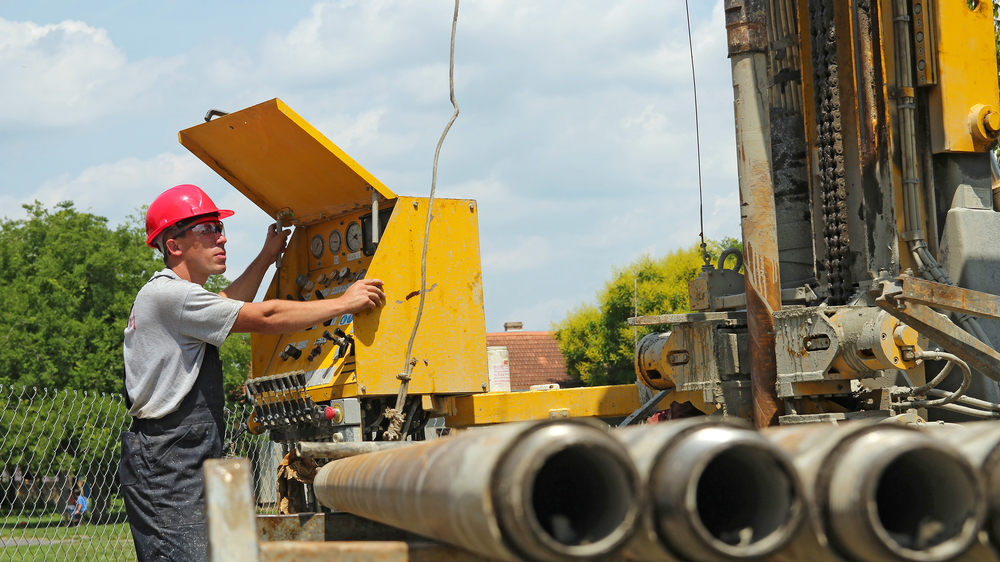
Rotary drill operators work directly on the equipment that turns a drill string into the earth. They monitor gauges, operate controls, handle drilling equipment, and work with crews adding pipe and keeping the process moving safely. Drilling mud, pipe grease, hydraulic fluid, dirt, water, and oily surfaces make clean clothing a lost cause. The work can also mean heat, cold, noise, heavy equipment, and long shifts. Median annual pay for rotary drill operators in oil and gas is about $67,890.
Formal college education usually is not the main barrier. Workers often begin in more junior drilling-crew jobs and learn equipment, safety procedures, and rig operations on the job before moving up. This field is more cyclical than utilities or building maintenance, so hiring can rise and fall with energy activity. Even so, domestic production and worker replacement continue to support thousands of openings across oil and gas occupations. The machinery may become more advanced, but drilling sites still need experienced crews who can recognize trouble, handle pipe and equipment, respond to changing conditions, and keep a complicated physical operation running safely.
16. Stationary engineer and boiler operator

Stationary engineers keep the large mechanical systems inside hospitals, factories, campuses, commercial buildings, and industrial facilities running. They operate boilers, chillers, pumps, compressors, generators, and related equipment, then troubleshoot problems before a small failure shuts down something important. Boiler rooms can be hot, loud, dusty, and coated in oil or grease. Maintenance sometimes means crawling around equipment or dealing with soot and dirty mechanical spaces. Median annual pay is $78,620.
A high school diploma plus extensive on-the-job training is one common route, although apprenticeships and technical programs in stationary engineering, HVAC, or industrial maintenance can make you more competitive. Licensing or employer certification may also be required depending on the equipment and workplace. Employment is projected to grow about as fast as average, with replacement openings adding to demand. Large facilities cannot simply switch off their heating, cooling, steam, and power systems when equipment gets temperamental. Experienced operators also learn the sounds, temperatures, pressures, and quirks of a particular plant, which makes good troubleshooting skills especially valuable.
17. Aircraft mechanic and service technician

Aircraft mechanics may work around machines that cost millions of dollars, but that does not make the job clean. Engines, landing gear, hydraulic systems, fuel systems, brakes, and moving parts bring grease, carbon residue, hydraulic fluid, fuel smells, and plenty of awkward spaces. Mechanics inspect aircraft, replace worn parts, track down problems, and document repairs closely because safety rules leave little room for guesswork. Median annual pay for aircraft mechanics and service technicians is $79,870.
Many mechanics complete an approved aviation maintenance program and earn the required mechanic certificates. Others qualify through military or qualifying work experience. This is skilled maintenance rather than generic wrench turning, and every repair has to meet strict standards. Employment for aircraft and avionics mechanics and technicians is projected to grow 6% through 2035, faster than average, with more than 13,000 openings expected each year across the group. Commercial fleets, cargo aircraft, private aviation, repair facilities, and manufacturers all need technicians to keep airplanes airworthy. Inspection and sign-off requirements also keep trained humans directly involved in the work.
18. Wind turbine service technician

Wind turbine technicians spend much of the day hundreds of feet above the ground, but there is still plenty of grime up there. Inside the nacelle are gearboxes, bearings, hydraulic systems, electrical equipment, lubricants, dust, and machinery that needs regular inspection and repair. Techs may replace components, change filters and fluids, troubleshoot electrical faults, and climb towers carrying tools and safety gear. Median annual pay is about $62,580.
Technical schools offer wind-energy programs that can lead into the occupation, followed by employer training in specific turbine models, climbing, rescue, electrical systems, and safety. You need to be comfortable with heights, weather, confined spaces, and physical work. Wind turbine technician employment is among the fastest-growing occupations in the country as more turbines enter service and existing equipment requires maintenance. Building a turbine is only the beginning. Gearboxes wear, sensors fail, blades need inspection, bolts need checking, and electrical problems have to be traced. Someone still has to climb the tower and put hands on the machine when a fault will not clear itself.
19. Industrial machinery mechanic

Industrial machinery mechanics are the people factories call when a conveyor stops, a production machine starts vibrating, or a pump decides it has had enough. They repair and maintain motors, bearings, belts, gearboxes, hydraulic systems, production lines, packaging machines, and other equipment. Depending on the plant, the grime may include machine oil, coolant, metal dust, grease, food residue, sawdust, or material from whatever the factory produces. Median pay for industrial machinery mechanics is about $64,520 per year.
A high school education can be enough to enter, although industrial maintenance, mechatronics, machining, or electrical programs can make the first job easier to land. Much of the deeper skill comes from working beside experienced mechanics and learning how equipment fails. The occupation has strong projected growth as manufacturers rely on increasingly complex machinery and need people capable of keeping it running. Advanced equipment does not eliminate maintenance. It often creates more motors, sensors, drives, actuators, and control systems that can fail. A mechanic who understands both the mechanical side and basic electrical troubleshooting can become especially useful when downtime is costing the plant money by the minute.
20. Heavy equipment mechanic

Heavy equipment mechanics repair bulldozers, excavators, loaders, graders, cranes, mining machines, and other equipment designed to spend its life in dirt. Unsurprisingly, the machines arrive covered in mud, grease, hydraulic oil, dust, and whatever material the crew has been moving. Mechanics diagnose engine, drivetrain, hydraulic, brake, and electrical problems, often wrestling with very large parts in a shop or making repairs right on the job site. Median annual pay across heavy vehicle and mobile equipment service technicians is about $63,850.
Employers commonly hire people with a high school education and train them on the job, though diesel or heavy-equipment technology programs can provide a useful head start. Computer diagnostics are now part of the trade, but so are pressure gauges, hydraulic hoses, seized bolts, dirty undercarriages, and components that weigh more than you do. Employment in this group is projected to grow faster than average as construction, farming, mining, and other industries continue using complex mobile machinery. Equipment owners lose money whenever a machine sits broken, which makes a skilled technician who can diagnose a failure quickly worth keeping around.
21. Plumber, pipefitter, or steamfitter

Plumbing earns its dirty-job reputation honestly. Depending on your specialty, you may deal with backed-up drains, sewage lines, corroded pipes, flooded basements, muddy trenches, old mechanical rooms, cutting oil, rust, sludge, and water coming from places it absolutely should not. Pipefitters and steamfitters also work around large industrial piping systems carrying water, chemicals, steam, or other materials. Median annual pay for plumbers, pipefitters, and steamfitters is about $63,800.
Most people learn through a multiyear paid apprenticeship that mixes classroom instruction with supervised work. Licensing requirements apply to many plumbers, and experienced workers can specialize in commercial, industrial, medical-gas, service, or other demanding systems. Employment is projected to grow at least as fast as the overall economy, with tens of thousands of openings expected each year from growth and worker replacement. Buildings will always have pipes hidden behind walls, underground, and under floors, and those systems eventually clog, crack, freeze, corrode, or wear out. When wastewater is rising instead of draining, sending an email is not going to fix it.











