
When layoffs keep hitting office jobs, boring starts to look pretty good. Boilers still need checks. Rail signals still need testing. Food plants still need sanitation audits. Hospitals still need machines that work when somebody plugs them in.
A lot of dependable work is hidden in maintenance rooms, utility yards, factories, labs, transportation systems, and inspection departments. The days can involve checklists, gauges, measurements, scheduled tests, and the same equipment over and over. But that routine is also part of the appeal. When a job is tied to physical equipment, safety rules, licenses, or required inspections, employers can’t simply decide the work no longer needs doing.
Table of contents
- 1. Stationary engineer and boiler operator
- 2. Substation relay technician
- 3. Avionics technician
- 4. Rail car repairer
- 5. Biomedical equipment technician
- 6. Calibration technician
- 7. Industrial machinery mechanic
- 8. Railroad signal maintainer
- 9. Aerospace engineering and operations technician
- 10. Surveyor
- 11. Transportation inspector
- 12. Food safety specialist
- 13. Certified industrial hygienist
- 14. Fire sprinkler inspector
- 15. Environmental compliance specialist
- 16. Control and valve repairer
- 17. Polysomnographic technologist
- 18. Industrial electrician
1. Stationary engineer and boiler operator

If spending a shift checking pressure gauges, water levels, pumps, valves, and temperature readings sounds thrilling, this probably isn’t your career. Stationary engineers keep the mechanical systems inside large buildings running. They may operate boilers, chillers, generators, compressors, and heating systems, then record readings and make routine adjustments. Hospitals, factories, schools, government buildings, and large commercial properties need this work. Median pay was $36.15 per hour in 2024.
The occupation is expected to grow slowly, but thousands of openings still come up each year as experienced workers retire or leave. Most people enter with a high school diploma and learn through lengthy on-the-job training or an apprenticeship. Some employers or local authorities also require an operating license. Building software can monitor temperatures and send alarms, but it can’t walk into a mechanical room, trace a leaking valve, restart a failed pump, or safely bring a boiler back online.
2. Substation relay technician

Relay technicians spend their days around the protective equipment that keeps electrical substations from turning equipment failures into much bigger problems. A normal shift can mean testing relays, checking circuit breakers, comparing readings with specifications, tracing wiring, and documenting every result. The work is exacting and repetitive because utilities can’t afford casual guesses when high-voltage equipment is involved. Workers in the powerhouse, substation, and relay repair category had median pay of $48.53 per hour in 2024.
Employment in this specialty is projected to grow as utilities maintain and upgrade an increasingly complicated electrical grid. The usual route includes electrical or electronics training followed by substantial supervised experience on utility equipment. This isn’t a job where a computer diagnosis ends the problem. Someone still has to enter the substation, isolate equipment, connect test gear, find the bad component, make the repair, and verify that the protection system works before power equipment goes back into service.
3. Avionics technician

Avionics technicians deal with the less glamorous side of aviation: wiring diagrams, connectors, instrument tests, navigation equipment, radios, control systems, and maintenance records. Much of the job involves following a procedure, testing a system, finding a fault, replacing or repairing a component, then testing everything again. Airlines, repair facilities, aircraft manufacturers, and other aviation operators employ them. Avionics technicians earned median pay of about $39.13 per hour in 2024.
Avionics employment is projected to grow faster than the overall job market as aircraft fleets add more electronic systems. Many technicians complete a postsecondary avionics program, while others come through military training or build skills on the job. Modern aircraft can detect plenty of their own faults, but that doesn’t remove the technician. Somebody still has to inspect wiring, use test equipment, replace hardware, troubleshoot intermittent problems, and sign off on safety-sensitive maintenance before the aircraft can return to service.
4. Rail car repairer
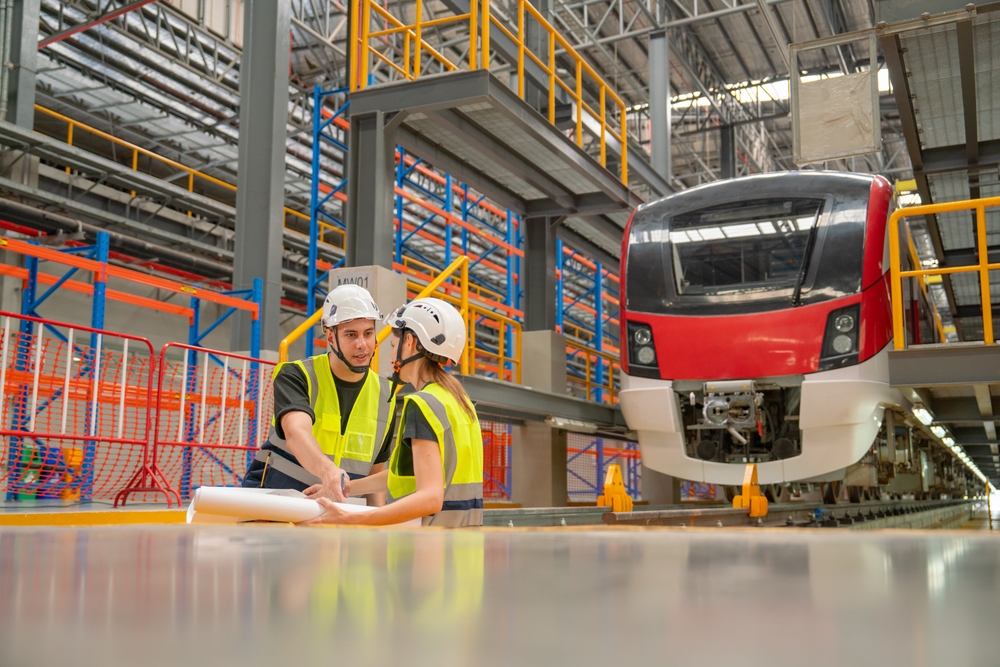
A rail car repairer may inspect the same kinds of brakes, wheels, bearings, doors, couplers, and suspension parts for years. Freight cars and passenger equipment take a beating, so the job includes crawling around heavy equipment, checking for wear, replacing damaged parts, and documenting maintenance. Rail yards, transit systems, and railroad companies depend on workers who can spot problems before equipment gets sent back onto the tracks. Median pay works out to about $31.58 per hour based on 2024 earnings.
Projected growth is modest, but ongoing freight and passenger service means rail equipment still needs regular inspections and repair. A high school diploma is a common starting point, followed by extensive employer training. Mechanical experience with diesel equipment, hydraulics, welding, or heavy machinery can help. Sensors can report that a component is getting hot or a brake isn’t behaving normally. They don’t remove worn hardware, inspect the damage underneath, install replacement parts, and make sure a several-ton rail car is safe to move again.
5. Biomedical equipment technician

Hospitals are packed with equipment that has to work correctly every single time, including patient monitors, infusion pumps, ventilators, defibrillators, and other electronic devices. Biomedical equipment technicians inspect, calibrate, maintain, and repair that gear. A lot of the work is scheduled preventive maintenance: open the device, run tests, compare readings, replace worn parts, attach a new inspection label, and move to the next machine. Medical equipment repairers earned median pay of $30.11 per hour in 2024.
Employment is projected to grow much faster than average as healthcare facilities use more sophisticated medical technology. An associate degree in biomedical technology or a related electronics field is a common route, although certificate programs and relevant technical experience can also lead in. Remote diagnostics may tell a technician which board has failed, but hospitals still need someone on-site to inspect damaged equipment, swap parts, calibrate sensors, complete required safety checks, and return the device to clinical use.
6. Calibration technician

Calibration technicians make sure measuring devices actually measure what they claim to measure. They may spend hours checking pressure gauges, thermometers, electrical meters, scales, laboratory instruments, or manufacturing sensors against known standards. If something is off, they adjust it, retest it, record the results, and often attach a sticker showing when the next check is due. Labs, factories, aerospace companies, repair businesses, and research facilities employ them. Median pay was $31.27 per hour in 2024.
Calibration jobs are projected to grow about as fast as the overall labor market, with recurring openings as workers leave the field. Technical education in electronics, instrumentation, engineering technology, or a related area is common, although some employers train workers with strong mechanical or electronics backgrounds. More automated equipment doesn’t eliminate calibration work. It often creates more sensors and measuring devices that must be checked against physical standards. When a factory or laboratory depends on precise measurements, somebody still has to prove the instruments are correct.
7. Industrial machinery mechanic

Industrial machinery mechanics keep production equipment moving after the novelty has worn off and everybody else just wants the conveyor to stop making that noise. They inspect motors, bearings, belts, gearboxes, pumps, rollers, and other machinery, then lubricate, adjust, replace, or rebuild parts as needed. Preventive maintenance can mean following the same service schedule on dozens of machines. Median pay is about $31.02 per hour.
Demand is strong, with industrial machinery mechanic employment projected to grow much faster than average. The irony is that more factory automation can create additional maintenance work because automated production lines still contain motors, drives, sensors, bearings, robots, and mechanical components that wear out. A high school diploma is often enough to begin, followed by a year or more of employer training, although industrial maintenance programs can make it easier to get hired. A diagnostic system may identify a fault code. Someone still has to open the machine and fix what failed.
8. Railroad signal maintainer

Railroad signal maintainers look after crossing gates, track circuits, signals, switches, batteries, wiring, and other equipment that tells trains when and where they can safely move. The daily routine can include scheduled inspections, voltage tests, cleaning equipment, tightening connections, replacing worn components, and filling out maintenance records. It is methodical work where getting the same boring test right every time matters. Median pay for signal and track switch repairers is about $44.45 per hour.
Employment growth is expected to be slow but positive, with regular openings from turnover and replacement needs. A high school diploma can be enough to enter, followed by railroad-specific technical training and supervised experience. The equipment may be increasingly computerized, but the physical rail network remains spread across thousands of miles of track, crossings, cabinets, and switch machinery. When a signal fails in freezing rain or a crossing gate won’t come down, a human technician still has to find the fault and make the system safe.
9. Aerospace engineering and operations technician

The aerospace industry sounds exciting until your assignment is to check the same test fixture, sensor, cable, and measurement system for the 40th time. Aerospace engineering and operations technicians set up testing equipment, install instruments, collect measurements, maintain test facilities, and help engineers verify that aircraft and spacecraft components meet specifications. Much of the job is careful procedure rather than Top Gun. Median pay was $38.38 per hour in 2024.
Employment is projected to grow faster than average as aerospace companies develop new aircraft, satellites, drones, and defense systems. An associate degree in engineering technology is a common route, although employers may also consider technical certificates and relevant hands-on experience. Software can model a design before anything is built, but physical hardware still has to be assembled, instrumented, tested, measured, inspected, and maintained. When a vibration sensor gives a strange reading during a real test, somebody needs to check the wiring, test setup, and equipment before engineers trust the data.
10. Surveyor

Surveying involves a lot more standing beside a tripod than most children imagine when choosing a career. Surveyors measure property lines, construction sites, roads, and other land features, then compare field measurements with deeds, maps, and legal records. The work can mean returning to the same site to check control points, verify elevations, or settle tiny measurement differences that matter a great deal on paper. Median pay was $34.97 per hour in 2024.
Employment is projected to grow about as fast as the overall job market, with thousands of openings expected each year. Most surveyors need a bachelor’s degree, and licensed surveyors generally must meet additional experience and exam requirements before certifying legal work. Drones, GPS equipment, and digital mapping have made fieldwork faster, but they haven’t removed the legal and professional responsibility attached to a boundary. A machine can collect coordinates. Someone still has to decide which records control, resolve conflicting evidence, verify accuracy, and put a professional name behind the final survey.
11. Transportation inspector

Transportation inspectors spend their careers checking whether vehicles, equipment, cargo, or operating systems meet safety rules. Depending on the employer, that can mean examining rail equipment, aircraft operations, commercial vehicles, or shipping activities and then documenting anything that doesn’t pass. It is a checklist-heavy job where finding nothing wrong can still mean completing pages of records. Median pay is about $44.28 per hour.
Projected employment is fairly steady, and recurring openings come from the need to replace experienced inspectors. This is usually not a job people enter with zero industry knowledge. Employers often want previous experience with the transportation equipment or operations being inspected, followed by specialized regulatory or agency training. Cameras and automated monitoring can help identify possible problems, but inspection work still carries human responsibility. Somebody has to examine physical conditions, question crews, compare what happened with the rules, decide whether equipment can stay in service, and document a finding that may have legal consequences.
12. Food safety specialist

A food safety specialist can spend a morning checking hand-washing stations, sanitation logs, refrigerator temperatures, allergen controls, pest records, and whether workers followed the same written procedure they followed yesterday. Food manufacturers, processors, commercial kitchens, and other regulated operations hire these workers to prevent contamination and keep production within safety standards. Average pay is about $38 per hour.
The usual route includes a bachelor’s degree in food science, biology, chemistry, public health, or a related field, plus practical experience with food manufacturing and safety systems. Training in hazard-control procedures is also commonly useful. Broader food science employment is projected to grow faster than the overall job market as companies deal with safety requirements, testing, new products, and large-scale food production. Software can organize inspection records and flag a missing temperature entry. It can’t smell a sanitation problem, inspect a production line, interview workers, collect a questionable sample, and decide whether a batch needs to be held.
13. Certified industrial hygienist

Industrial hygienists investigate the unglamorous things people breathe, touch, hear, and stand next to at work. They may measure chemical exposure, noise, dust, heat, ventilation, or other hazards, then write recommendations for reducing the risk. A lot of the job involves sampling pumps, meters, forms, exposure records, protective equipment, and repeat visits to see whether a problem was actually fixed. Average pay for a certified industrial hygienist is around $45 per hour.
Most workers build toward the specialty through a science, engineering, safety, or health degree, field experience, and professional certification. The larger occupational health and safety field is projected to grow much faster than average as employers deal with workplace hazards, changing equipment, new materials, and safety requirements. Sensors can continuously measure noise or air quality, but somebody still has to decide where to sample, judge whether the reading represents a real worker’s exposure, inspect the process causing it, and recommend controls that will hold up during an audit or investigation.
14. Fire sprinkler inspector

Fire sprinkler inspectors spend a surprising amount of time looking at pipes that everyone else hopes never get used. They examine valves, gauges, sprinkler heads, alarms, pumps, and related equipment, run required tests, record results, and note anything that needs repair. Much of the work repeats on a schedule because fire protection systems have to stay ready even when a building hasn’t had a fire in decades. Average pay is about $35 per hour.
Many inspectors come up through sprinkler installation, fire protection, building maintenance, or another mechanical trade and add inspection and testing credentials as they gain experience. Broader fire inspection work is projected to grow, helped by continued enforcement of fire and building codes in both new and existing properties. Electronic monitoring can tell a building manager that a valve changed position. It doesn’t walk the property, spot a painted-over sprinkler head, test water flow, inspect a damaged fitting, or put a qualified person’s name on the inspection paperwork.
15. Environmental compliance specialist

If reading permits, checking storage containers, reviewing waste records, collecting samples, and confirming that a facility followed environmental rules sounds pleasantly uneventful, environmental compliance may fit. Specialists visit industrial sites and other facilities to look for pollution, handling, disposal, or reporting problems before they become expensive violations. They also spend plenty of time documenting what they found and what the company needs to correct. Average pay is about $41 per hour.
A bachelor’s degree in environmental science, chemistry, biology, engineering, or a related field is a common starting point, followed by practical compliance experience. Employment for the broader environmental scientist and specialist field is projected to grow about as fast as the overall labor market, with thousands of openings each year. Companies still have legal responsibility for what leaves a smokestack, drain, tank, landfill, or waste area. Software can organize permits and monitoring results, but a real person often has to inspect the site, collect evidence, interpret the rules, and defend the findings.
16. Control and valve repairer
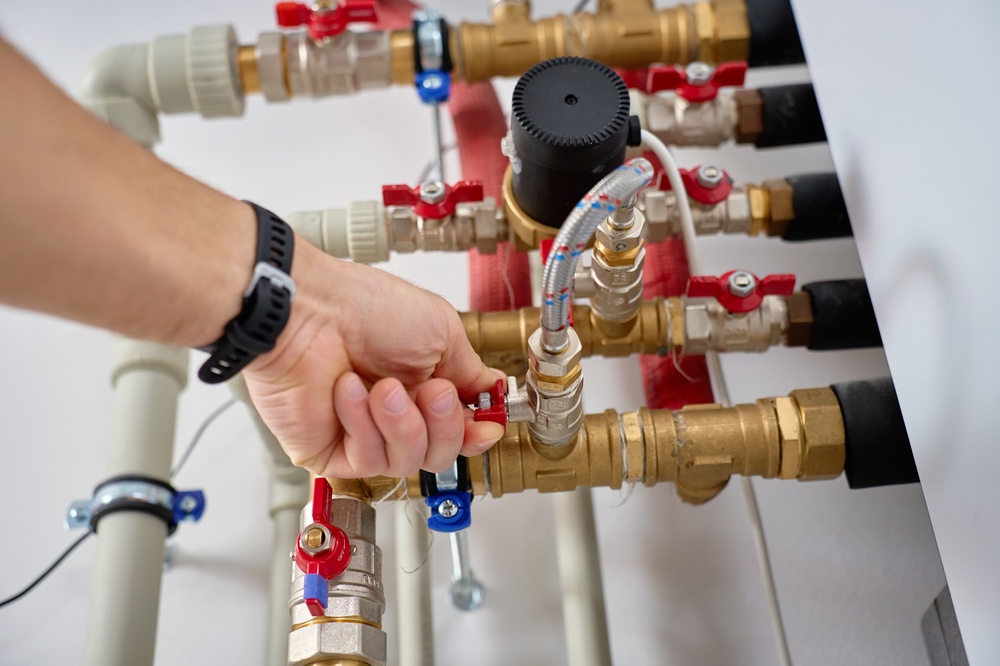
Control and valve repairers maintain the devices that regulate pressure, temperature, flow, and other basic processes in utility and industrial systems. They may dismantle valves, test regulators, replace seals, adjust controls, check meters, and then put everything back together to confirm it operates within specification. The equipment is essential but rarely glamorous. Much of the work comes down to scheduled inspection, mechanical troubleshooting, and careful adjustments. Median pay is about $35.74 per hour.
Employment is projected to remain fairly stable, with several thousand openings expected as existing workers retire or move on. A high school diploma plus mechanical or technical training can lead into the field, and employers typically provide additional on-the-job instruction for their equipment. Digital controls have changed how systems are monitored, but valves, regulators, actuators, and meters are still physical devices exposed to heat, pressure, vibration, dirt, and wear. Eventually a person has to shut the equipment down, take it apart, replace what failed, and make sure it doesn’t leak when the system starts again.
17. Polysomnographic technologist

Sleep technologists get paid to watch other people sleep, although the night is less peaceful than that sounds. They attach sensors to a patient’s scalp, face, chest, and legs, check the signals, monitor breathing and brain activity, correct loose leads, document events, and sometimes adjust treatment equipment during an overnight study. Hours of steady monitoring are followed by meticulous cleanup and records. Average pay for a polysomnographic technologist is about $32 per hour.
Certificate and associate degree programs are common routes into sleep technology, with professional registration often helping workers qualify for better positions. The broader neurodiagnostic technology group that includes sleep technologists has a positive outlook and is identified as a growing occupation. Computer systems already flag possible breathing events and unusual signals, but patients still roll over, knock off sensors, become anxious, need help with equipment, or develop symptoms during the night. A qualified person needs to know whether a strange line on the screen is a real event or simply a loose wire.
18. Industrial electrician

Industrial electricians deal with motors, control panels, wiring, breakers, sensors, production machinery, and all the electrical hardware that keeps a plant operating. Preventive maintenance can be deeply repetitive: inspect a panel, tighten connections, test a motor circuit, clean components, record the readings, and move to the next scheduled machine. When something does fail, the job turns into careful troubleshooting rather than creative brainstorming. Average pay for an industrial electrician is about $31 per hour.
Electrician employment overall is projected to grow much faster than average, with a large number of openings expected each year. Industrial positions usually require electrical training plus substantial hands-on experience, often through an apprenticeship, technical program, or work in another electrical role. Modern factories may run highly automated production lines, but all that automation sits on top of real wiring, motors, drives, breakers, and control equipment. When a plant loses power to one section of a line, somebody still has to lock out the equipment, open the cabinet, find the fault, and repair it safely.











