
Your kid comes home humming a song you haven’t thought about in 30 years. Their friend is wearing a scrunchie and a windbreaker that looks exactly like one you owned in sixth grade. McDonald’s just brought back the Changeables Happy Meal toys, the ones that turn into robots, originally launched in 1987. You are either thrilled or slightly unsettled by all of this. Possibly both.
The 80s revival is not subtle right now. It’s showing up in music, fashion, toys, home decor, and fast food promotions. And it’s landing differently than past nostalgia cycles, partly because it isn’t only adults driving it. Kids and teenagers who were nowhere near being born in 1987 are genuinely into it.
There’s something real underneath the trend worth paying attention to, because it’s not just about neon and cassette tapes.
Table of contents
Why nostalgia is hitting harder than usual
The appetite for 80s culture isn’t random. It’s a reaction. Families right now are dealing with high costs, packed schedules, kids who are online constantly, and a flood of parenting apps all promising to bring order to the chaos. When life feels relentless, the past starts to look peaceful, even when it wasn’t.
That’s exactly what nostalgia does. It edits out the hard parts and hands you back a highlight reel. Brands are well aware of this. Pinterest’s 2026 trend forecast called out a “Throwback Kid” wave, pointing to surging searches for vintage kids’ clothes, classic toys, and cozy, analog childhood spaces. Searches for “80s luxury” on Pinterest surged 225% in 2025, and interest in 1970s childhood toys was up 280%. People aren’t just noticing the trend. They’re actively seeking it out.
For parents especially, the appeal makes sense. The 80s represent a version of childhood that felt less supervised, less expensive, and less optimized. Kids went outside. They got bored. Nobody scheduled their free time. Whether or not that was actually better is a different question. But the fantasy of it is powerful when you’re managing your child’s screen time, enrichment activities, and emotional regulation all before 9 a.m.
How kids are actually finding it
Here’s what’s interesting: most kids aren’t discovering the 80s through their parents’ old photo albums or home videos. They’re finding it on TikTok, in thrift stores, on streaming platforms, and in the background music of short-form videos. The decade comes to them pre-filtered, stripped of context, and genuinely fresh.
That’s a big part of why the trend has traction with teenagers. Gen Z didn’t live through the era. They have no memory of the Cold War, the AIDS crisis, or the specific tedium of rewinding VHS tapes. What they see is the aesthetic: the bold silhouettes, chunky jewelry, bright colors, and playful prints that defined the decade. Those looks are now showing up across runways and secondhand racks alike, and teens can copy them for almost nothing if they shop vintage or thrift.
Music travels the same way. A song gets used in a 15-second video, picks up millions of views, and suddenly a 14-year-old knows every word to something recorded before their parents finished high school. Then it shows up in a show, a commercial, a game. The reach compounds fast.
This is actually a decent opening for a real conversation. Ask your kid what they like about the style or the music, and you’ll probably learn something about what they’re looking for in it. Sometimes it’s the aesthetic. Sometimes it’s the idea of a simpler time, which tells you something about how they’re feeling about right now.
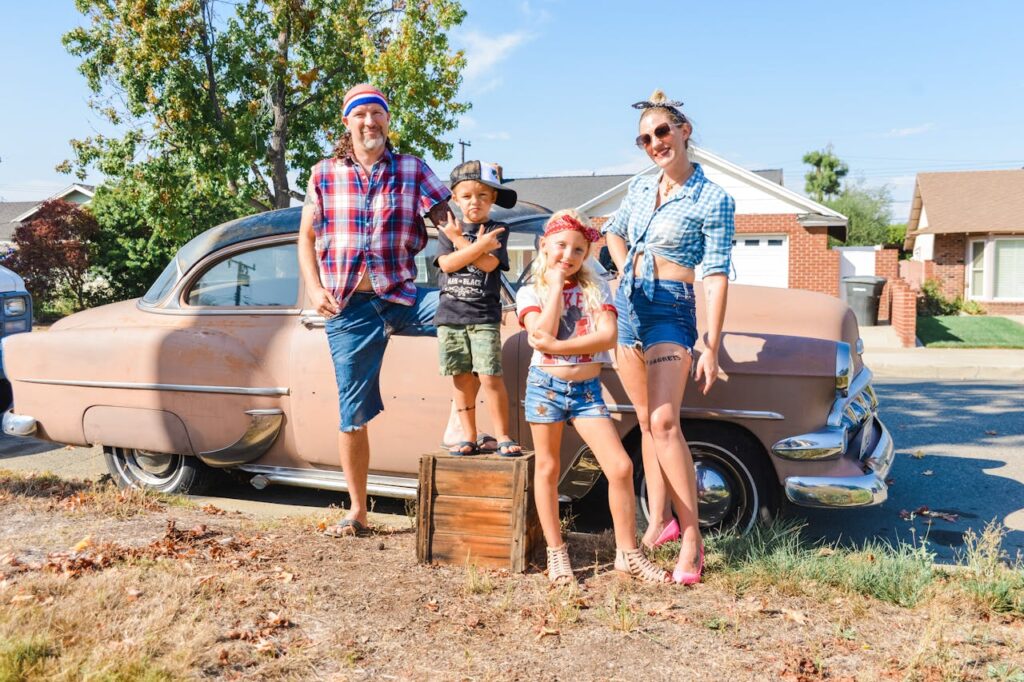
Retro toys are back in a serious way
The 80s revival isn’t just clothes and music. Toys are a major part of it. Classic, physical, non-app-dependent toys are showing up in stores, thrift shops, and Happy Meals, and kids are genuinely interested in them.
McDonald’s brought back the Changeables Happy Meal toys in January 2026, the Transformers-style toys that flip from a McDonald’s food item into a robot or dinosaur. They were originally launched in 1987 and were, according to McDonald’s own senior marketing director, the single most-requested Happy Meal program across social media and customer service channels. The 2026 version has 16 characters. They sold out fast at a lot of locations.
It’s a smart move by McDonald’s, and it tells you something about how the trend works. Parents recognize the toys from their own childhood and feel something. Kids see them as novel and cool. Both generations end up engaged, which is the goal. Brands have figured out that nostalgia is a shortcut to that emotional reaction, and they’ll keep using it.
The practical takeaway for parents: you don’t have to buy into every comeback product to let your kid engage with the trend. A used toy from a thrift store, a garage sale find, or a library event that features classic games can scratch the same itch for a fraction of the price. Simple doesn’t require a brand new purchase.
What’s actually worth bringing back from 80s parenting
This is where people get a little misty-eyed and start saying things like “kids today just need more fresh air.” There’s some truth in that impulse, even if the framing is annoying. Some things about how kids spent their time in the 80s were genuinely good, not because the decade was superior, but because certain habits hold up regardless of era.
More unstructured outdoor time is near the top of the list. Kids who play outside without a structured agenda, who get bored and have to figure out what to do next, develop problem-solving skills and tolerance for discomfort that no app can replicate. Boredom isn’t a crisis to manage. It’s a condition that produces creativity, if you let it run its course instead of immediately filling it.
Simple family dinners are worth bringing back too. Not elaborate ones. A little meal planning and a grocery list that covers the basics will do. A sandwich night counts. So does breakfast for dinner. Even twice a week makes a difference in how connected a family feels.
Libraries are genuinely underused by most families right now, and they’re free. Books, programs, storytimes for little kids, homework help for older ones. If you’re looking for ways to spend less while giving kids more, a library card is one of the best tools available.
Chores are the other one. Kids in the 80s did more around the house, not because parents were harsher, but because it was expected. A kid who folds laundry, wipes down counters, and helps with dinner is learning something real about how households function and how to take care of themselves. It also makes your life slightly less exhausting, which matters.
What should stay in the past

Nostalgia is selective by design, which means it’s worth being deliberate about what you’re actually romanticizing. The 80s childhood had real problems. Mental health got ignored, kids were expected to shake off things that actually needed attention, bullying went largely unchecked, and a lot of families operated on rigid role expectations that put enormous weight on women in particular.
Shame-based discipline, the “toughen up and deal with it” approach, didn’t produce resilient kids. It produced kids who hid what they were struggling with. A successful single mother is already carrying enough without adding pressure to recreate some perfect throwback childhood on top of it. That’s not a model worth reviving, no matter how calm and uncomplicated the era looks in retrospect.
Unsafe independence isn’t the same as healthy independence either. Kids still need clear rules, safe adults, and a sense that someone is paying attention when something goes wrong. The goal isn’t to recreate 1986. The goal is to pull out the parts that genuinely worked, the outdoor time, the less-stuff, the boredom, the chores, and leave behind the parts that didn’t.
The trend is worth paying attention to precisely because it’s telling you what a lot of families are quietly looking for right now: less, slower, simpler. You don’t need a revival to give them that.











