
Some of the strangest careers are also the ones most people never hear about. Hospitals need people to recover donated tissue. Factories need workers who prove measuring tools are actually measuring correctly. Pipelines need specialists whose whole job is stopping buried metal from slowly eating itself.
These jobs tend to exist because something physical, regulated, dangerous, or highly specialized has to be handled correctly. Many have small workforces, which is one reason they rarely show up in the usual career lists.
The training paths vary widely. Some require a science degree, while others are built around technical school, certification, apprenticeships, or years of hands-on experience.
Table of contents
- 1. Tissue recovery specialist
- 2. Coroner investigator
- 3. Histology technician
- 4. Polysomnographic technologist
- 5. Bone densitometry technologist
- 6. Biosafety officer
- 7. Food safety auditor
- 8. Cemetery manager
- 9. Nondestructive testing technician
- 10. Cathodic protection technician
- 11. Metrology technician
- 12. Semiconductor equipment technician
- 13. Radiation safety specialist
- 14. Damage prevention specialist
- 15. Railroad signal maintainer
- 16. Fire sprinkler inspector
- 17. Elevator inspector
- 18. Marine cargo surveyor
1. Tissue recovery specialist

Tissue recovery specialists work with donated human tissue after a person dies. Depending on the organization, that can include recovering bone, skin, tendons, heart valves, blood vessels, or other tissue that may later be used in transplant procedures. Average national pay is about $62,582 per year.
This is careful, physical work performed under strict medical and legal procedures. Specialists may work in operating rooms, hospitals, morgues, or dedicated recovery facilities, sometimes after normal business hours because donation can’t simply be postponed until Monday morning. Employers often look for people with anatomy knowledge or backgrounds such as surgical technology, emergency medicine, healthcare, or mortuary work, although training routes differ. New hires learn sterile technique, documentation, donor identification, tissue handling, and recovery procedures. The work has a built-in need for people because every donor is different, the recovery must be performed in person, and mistakes can make donated tissue unusable.
2. Coroner investigator

A coroner investigator is sent out when a death needs more than a doctor signing a routine certificate. The investigator may examine the scene, photograph the body and surroundings, interview witnesses or relatives, collect medication information, review medical history, and help determine whether an autopsy or further investigation is necessary. Average pay is about $74,541 per year.
The work can take you into homes, hospitals, accident scenes, outdoor locations, and other places most people would rather avoid. Investigators need to notice details without disturbing evidence and deal respectfully with families who may have just received terrible news. Requirements vary by agency, but backgrounds in forensic science, biology, criminal justice, nursing, emergency medicine, or death investigation can be useful. Some investigators later earn professional death-investigation credentials. Local authorities will continue to need trained people to document unexpected, suspicious, unattended, or legally reportable deaths, and much of that work depends on what a person sees and learns at the actual scene.
3. Histology technician

Histology technicians turn pieces of human tissue into microscopic slides that pathologists can examine for cancer and other diseases. They preserve specimens, embed them in wax, cut tissue into extremely thin sections, stain the sections, and prepare slides without destroying the tiny details a doctor needs to see. Average pay is about $71,256 per year.
You might spend your shift handling samples taken during surgery, biopsies, or autopsies rather than dealing directly with patients. Accuracy matters because one badly prepared specimen can delay or complicate a diagnosis. Hospitals, pathology laboratories, cancer centers, research facilities, and medical laboratories employ histology workers. Entry routes commonly include an associate degree, a laboratory-focused certificate, or qualifying science coursework followed by supervised experience. Professional certification can make you more competitive. Laboratory machines can automate parts of staining and processing, but somebody still has to judge tissue quality, troubleshoot badly cut sections, recognize preparation problems, and make sure the right patient’s tissue ends up on the right slide.
4. Polysomnographic technologist

Polysomnographic technologists get paid to monitor what happens while other people sleep. They wire patients to sensors that track brain activity, breathing, oxygen levels, heart rhythm, eye movement, and muscle activity, then watch the signals throughout the night. Average pay is about $65,900 per year.
A typical shift can involve a patient whose breathing repeatedly stops, a sensor that comes loose at 2 a.m., or a nervous person who can’t fall asleep because they’re covered in wires. Technologists have to recognize bad data, fix equipment, follow testing protocols, and respond appropriately when something unusual appears. Sleep centers, hospitals, neurology practices, and respiratory clinics employ these workers. Certificate and associate-degree programs provide entry routes, and registered sleep-technologist credentials are widely recognized. Neurodiagnostic work continues to have a favorable employment outlook, while sleep apnea and other sleep disorders keep clinics busy. Home testing handles some straightforward cases, but complicated studies still require a trained person watching the patient and the equipment.
5. Bone densitometry technologist
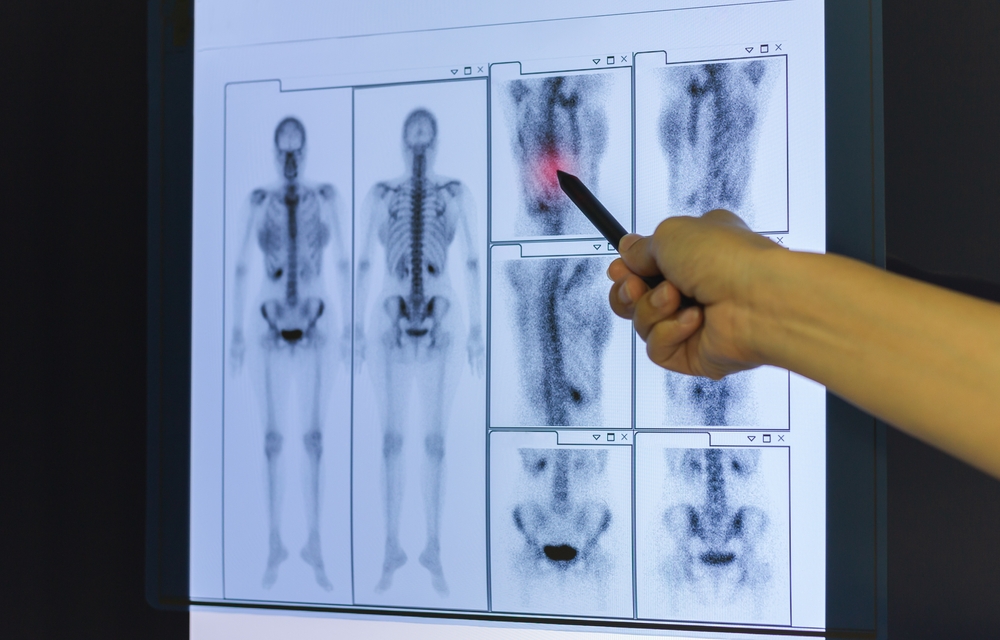
Bone densitometry technologists use low-dose imaging equipment to measure how much mineral is packed into a patient’s bones. The scans help doctors evaluate osteoporosis, fracture risk, and changes in bone health over time. It sounds simple until you need to position a patient correctly, account for implants or physical limitations, and produce a scan accurate enough to compare with one taken years earlier. Average pay is about $63,487 per year.
Many people enter this specialty after training in radiologic technology, although pathways vary by employer. Additional bone-density education and professional credentials can help you move into dedicated DXA work. Hospitals, imaging centers, endocrinology practices, orthopedic offices, and osteoporosis clinics use these technologists. An aging population means doctors have plenty of reason to monitor bone loss and fracture risk. The scanner handles the measurement, but the person operating it still has to position patients, recognize artifacts, follow radiation-safety procedures, check whether a scan is technically usable, and deal with people who may have mobility problems or recent fractures.
6. Biosafety officer
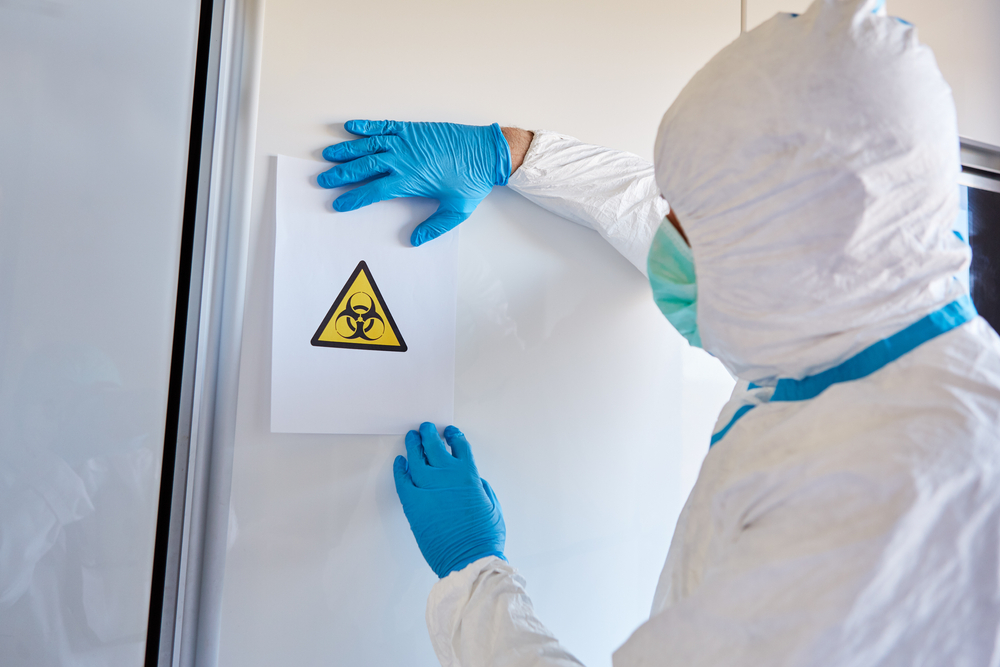
A biosafety officer worries professionally about what could escape from a laboratory. These specialists evaluate research involving infectious organisms, genetically modified materials, human specimens, animals, and other biological hazards. They may inspect laboratories, review research plans, investigate exposure incidents, train workers, and decide what containment procedures are appropriate. Average national pay is around $69,198 per year.
Universities, research hospitals, pharmaceutical companies, biotechnology facilities, and government laboratories employ biosafety staff because biological research comes with rules that can’t be ignored. A bachelor’s degree in biology, microbiology, public health, laboratory science, or a related subject is common, followed by hands-on laboratory experience and specialized safety training. This is partly paperwork, but the important work happens when the written procedure meets a real laboratory. Someone has to notice that a containment cabinet is being used incorrectly, that a waste stream is unsafe, or that a proposed experiment creates a risk the original protocol missed. Growing biomedical research and strict compliance requirements give qualified safety professionals a durable niche.
7. Food safety auditor

Food safety auditors visit factories, warehouses, processors, kitchens, and other facilities to figure out whether the food coming out of them is being produced safely. They inspect sanitation, temperature controls, allergen procedures, pest prevention, employee practices, traceability records, and dozens of other details consumers never see. National pay averages about $72,633 per year.
This can mean walking through a refrigerated plant at dawn, checking whether cleaning procedures actually match the written plan, or tracing how a raw ingredient moves through production. Food science, microbiology, quality assurance, agriculture, and manufacturing experience can all lead toward auditing. Credentials in areas such as hazard analysis and food-safety systems are commonly useful. Large food companies, certification organizations, manufacturers, distributors, and consulting firms employ auditors. Software can organize records, but it can’t smell a sanitation problem, watch workers bypass a procedure, inspect a production line from floor to ceiling, or question why the paperwork says one thing while the factory is clearly doing another.
8. Cemetery manager

A cemetery manager runs the operation behind rows of headstones most people barely think about. The job can involve coordinating burials, locating graves, keeping permanent records, working with funeral homes, scheduling grounds crews, maintaining roads and landscaping, handling family questions, and making sure nobody opens the wrong plot. Average pay is about $64,673 per year.
There isn’t one universal education path. People may move into cemetery management from funeral service, grounds operations, property management, municipal work, administration, or customer service. What matters is being able to manage both physical property and unusually sensitive situations. Some cemeteries are privately operated, others belong to religious organizations, public authorities, or larger death-care companies. Death-care employment is expected to remain steady, supported partly by replacement needs and continuing demand for end-of-life services. Even as cremation becomes more common, cemeteries still handle interments, memorials, records, maintenance, family visits, and decades of obligations tied to existing burial grounds.
9. Nondestructive testing technician

Nondestructive testing technicians look for cracks, corrosion, weak welds, and hidden defects without cutting the object apart to see what’s inside. Depending on the job, they may use ultrasound, magnetic particles, penetrant dyes, eddy currents, or industrial radiography to inspect aircraft parts, pipelines, bridges, pressure vessels, and manufactured components. Average pay is about $64,324 per year.
That makes this a strange mix of detective work, physics, field labor, and safety compliance. You may be looking for a defect smaller than a fingernail in a structure that weighs several tons. Technical schools, community colleges, military experience, welding backgrounds, and employer training can all lead into the field. Technicians build qualifications in individual testing methods and progress through industry certification levels. Aerospace companies, refineries, manufacturers, engineering contractors, power facilities, and infrastructure companies all need inspection work. Better sensors make testing more precise, but someone still has to choose the right method, position the equipment correctly, interpret questionable indications, and decide whether a suspicious reading is an actual defect.
10. Cathodic protection technician

Cathodic protection technicians fight rust using electricity. Their job is to prevent buried or submerged metal structures from corroding, including pipelines, storage tanks, docks, water systems, and other infrastructure. They take electrical readings, inspect protective systems, troubleshoot failed components, and help determine whether metal that looks perfectly fine from the outside is quietly deteriorating underground. An entry-level cathodic protection technician averages about $66,800 per year.
This field sits somewhere between electricity, chemistry, pipeline work, and infrastructure inspection. Technicians spend time outdoors with meters and test equipment rather than simply watching corrosion data from an office. Training often combines electrical or technical experience with specialized corrosion-control courses and industry certification. Pipeline companies, utilities, engineering firms, storage-terminal operators, and infrastructure contractors hire these workers. The reason the niche persists is simple: buried steel can fail catastrophically if corrosion isn’t caught. Monitoring systems provide useful information, but field technicians still have to reach test stations, investigate abnormal readings, locate failing components, and determine what is actually happening to the structure in the ground.
11. Metrology technician

Metrology sounds like weather forecasting, but it is actually the science of measurement. Metrology technicians make sure gauges, scales, torque tools, pressure sensors, thermometers, electrical instruments, and other measuring devices are accurate. Average pay is about $69,083 per year.
If a laboratory scale is slightly wrong, a medical device could be built out of tolerance. If a torque wrench is wrong, a critical bolt could be overtightened or left dangerously loose. These technicians compare equipment against traceable standards, adjust instruments, document results, and decide whether a device can return to service. Associate degrees or technical training in electronics, instrumentation, engineering technology, or calibration can provide a starting point. Employers include aerospace manufacturers, pharmaceutical plants, medical-device companies, laboratories, utilities, and precision factories. Automated equipment still depends on trustworthy measurements, which means somebody has to prove the sensors and tools feeding those systems are correct. The more precise an industry becomes, the more expensive a tiny measurement error can be.
12. Semiconductor equipment technician

Semiconductor equipment technicians maintain the machines used to manufacture computer chips. Those machines deposit microscopic layers of material, etch patterns, move wafers, create vacuum conditions, control gases, and perform processes most people never see outside a cleanroom. Average pay is about $70,652 per year.
The technician’s world includes cleanroom suits, precision tools, electronics, robotics, vacuum systems, chemicals, and machines that can cost millions of dollars. When equipment goes down, production can stop, so troubleshooting matters. An associate degree or technical program in electronics, mechatronics, semiconductor manufacturing, or industrial maintenance is a common route. Chip manufacturers and the companies that build and service fabrication equipment are major employers. Semiconductor processing jobs are projected to grow faster than average as demand for chips continues across vehicles, electronics, communications, and medical equipment. Highly automated factories still need people who can physically maintain, calibrate, clean, diagnose, and repair the equipment doing the automation.
13. Radiation safety specialist
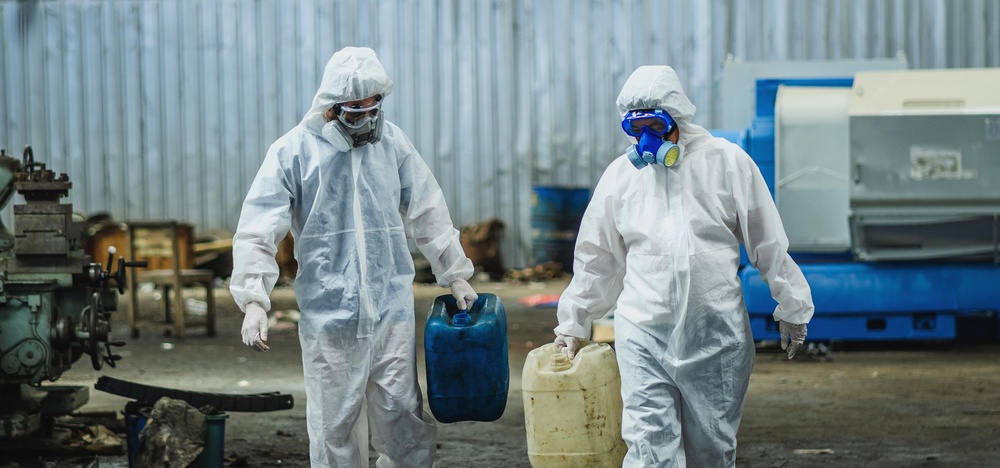
Radiation safety specialists make sure radioactive materials and radiation-producing equipment are being used without exposing workers, patients, researchers, or the public to unnecessary risk. They may inspect work areas, review dosimetry records, investigate unusual readings, survey equipment, train employees, and manage procedures for storing or disposing of radioactive material. Average pay is about $76,281 per year.
Hospitals, universities, laboratories, energy facilities, manufacturers, and research organizations all use radiation in different ways. The entry path depends on the setting, but backgrounds in health physics, radiation science, nuclear technology, physics, environmental health, or a related technical area are common. The job is unusual because much of the danger is invisible. You cannot smell a radiation problem or look across a room and see contamination, so workers rely on instruments, procedures, and careful investigation. Regulations also require organizations to take radiation protection seriously. Someone still needs to walk the site, check how materials are stored, question unexpected instrument readings, and decide what needs to happen after an exposure or contamination incident.
14. Damage prevention specialist
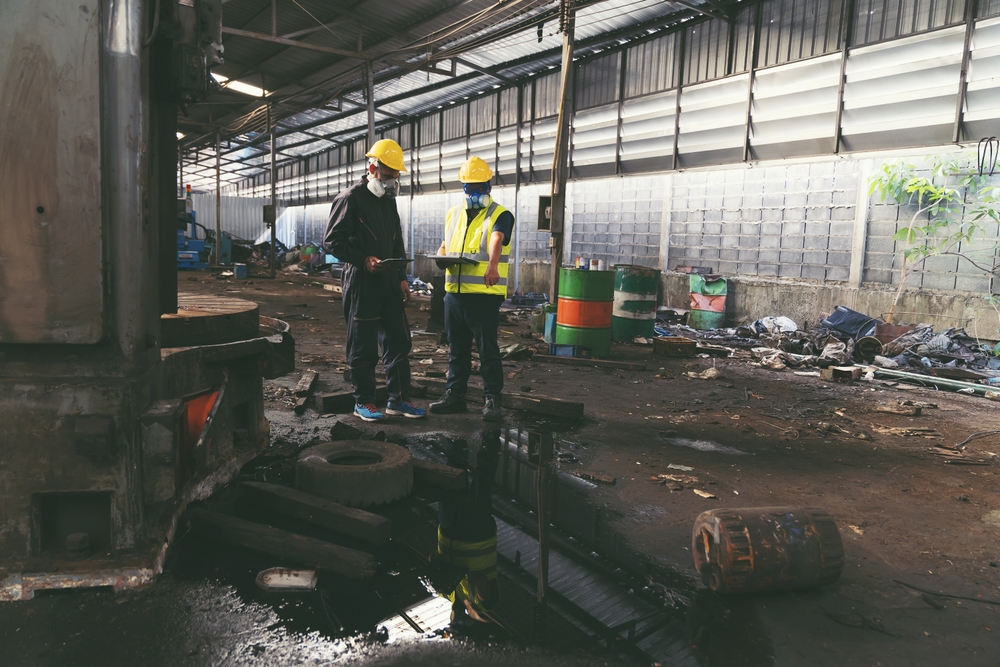
Damage prevention specialists try to stop construction crews from accidentally digging into pipelines, electrical lines, communications cables, and other buried infrastructure. They review planned excavation, visit work sites, examine utility markings, investigate near misses or damage, and work with contractors to keep digging from turning into an emergency. Average pay is about $66,647 per year.
People often reach this job through utility locating, pipeline operations, construction, safety work, surveying, or field inspection. Employers may include utilities, pipeline operators, engineering contractors, telecommunications companies, and infrastructure firms. Much of the work happens outside, where plans and maps have to be compared with what actually exists in the ground. That distinction matters because old records can be incomplete and buried lines don’t always sit exactly where someone expects. Roads keep getting dug up, new buildings keep going in, and aging underground infrastructure keeps needing repairs. Preventing one serious line strike can save enormous amounts of money, which gives experienced people who understand buried systems a continuing role.
15. Railroad signal maintainer

Railroad signal maintainers keep the lights, switches, crossing equipment, circuits, and control systems that tell trains where and when they can safely move. Average pay is about $67,289 per year.
This is not the person driving the locomotive. A signal maintainer may be miles away tracing an electrical fault, testing a highway crossing, replacing a damaged component, or figuring out why a signal system is reporting something it shouldn’t. Electrical, electronics, industrial maintenance, or railroad experience can provide useful preparation, with extensive job-specific qualification after hiring. Freight railroads, passenger systems, transit agencies, and contractors employ signal workers. Transportation electronics are expected to continue supporting maintenance demand, and rail systems have little room for casual failures. Remote monitoring can tell a control center that a fault exists. It cannot open a trackside cabinet in bad weather, trace damaged wiring, replace hardware, and verify that trains can safely use the system again.
16. Fire sprinkler inspector

Fire sprinkler inspectors spend their days deliberately testing systems everyone hopes will never be needed. They inspect valves, pumps, gauges, pipes, alarms, water flow, and other pieces of fire-protection systems in buildings such as hospitals, warehouses, offices, apartments, factories, and schools. Average pay is about $73,665 per year.
Inspectors may drain systems, trigger alarms, document corrosion, identify blocked or damaged components, and make sure equipment meets applicable testing schedules and fire codes. Many come from sprinkler fitting, fire alarm work, plumbing, inspection, or other building trades, then add specialized certifications and testing experience. Fire-protection contractors, inspection companies, large facilities, and building-service firms employ them. New buildings create more systems to inspect, while existing buildings require recurring tests for years after construction ends. Digital monitoring can report that a valve is closed or a pressure reading has changed, but someone still has to physically inspect equipment, conduct required tests, find deteriorated components, and put their professional judgment behind the result.
17. Elevator inspector

Elevator inspectors ride elevators for a living, but not because they enjoy going up and down. They examine elevators, escalators, lifts, and related safety equipment to determine whether the machinery meets required standards. Average pay is about $76,229 per year.
The inspection can involve brakes, doors, cables, controls, emergency systems, machine rooms, pits, and other places passengers never see. Many inspectors first spend years installing or repairing elevator equipment before moving into inspection, and professional qualification or licensing may be required depending on the work. Public agencies, inspection companies, insurers, building owners, and contractors use qualified inspectors. Elevators are heavily regulated because failure can injure or trap people, and older buildings continually need modernization and periodic safety checks. Sensors can generate fault codes, but an inspector still has to examine the actual equipment, witness tests, recognize unsafe conditions, and decide whether a machine carrying people should remain in service.
18. Marine cargo surveyor

Marine cargo surveyors inspect goods moving through ports and aboard ships to document their quantity, condition, handling, or damage. They may examine containers, bulk commodities, machinery, vehicles, refrigerated cargo, or other shipments before loading, after unloading, or when somebody claims something went wrong in transit. Average pay is about $62,828 per year.
The job can take you onto docks, into warehouses, through ship holds, and around large industrial cargo that may be worth millions of dollars. Maritime experience, logistics knowledge, engineering backgrounds, cargo handling, inspection work, or specialized survey training can all lead into the field. Surveyors work for inspection companies, insurers, shipping businesses, cargo owners, claims organizations, and maritime firms. International trade produces endless opportunities for arguments about whether goods were damaged before loading, during a voyage, or after arrival. Photographs and tracking systems help, but somebody still has to physically examine the cargo, understand how it was secured or handled, notice damage that records missed, and produce an independent account that several companies may rely on.











