
Your Medicare Part D plan’s Annual Notice of Change letter is about to land in your mailbox, and this year it’s carrying more than the usual few-dollar bump. Standalone prescription drug plans have dropped from 709 nationwide in 2024 to just 360 in 2026, and the final count for 2027 won’t be public until the annual plan review wraps up later this month.
That’s only one piece of what’s shifting. The temporary subsidy that’s kept Part D premiums artificially low is going away, your deductible is climbing, and Medicare just locked in lower prices on more than a dozen widely used prescription drugs. Some of this will save you money. Some of it won’t.
Open enrollment for 2027 coverage runs October 15 through December 7, and reading your Annual Notice of Change letter closely before then is the only real way to know how any of this lands on you specifically.
Table of contents
- Standalone Part D plans keep disappearing
- The subsidy that kept your premium down is going away
- Your Part D deductible is climbing to $700
- Your out-of-pocket cap for prescriptions is climbing to $2,400
- Medicare Advantage plans can now offer hemp products as a perk
- A new pilot lets some Medicare patients try doctor-guided CBD
- Telehealth coverage survives another year
- Medicare negotiated lower prices on 15 more drugs, including Ozempic and Wegovy
Standalone Part D plans keep disappearing

If you buy stand-alone Medicare Part D coverage rather than getting drug benefits bundled into a Medicare Advantage plan, your options have been narrowing for a few years running, not just this one. The number of standalone plans available nationwide fell from 709 in 2024 to 464 in 2025, then to 360 in 2026, as insurers scaled back their offerings or exited the market altogether.
That decline traces back to the 2025 overhaul of the Part D benefit under the Inflation Reduction Act, which shifted more of the financial risk for covered drugs from the federal government onto plan sponsors. Fewer companies want to carry that risk through a stand-alone plan, so they’re consolidating around Medicare Advantage plans that bundle drug coverage with medical coverage instead.
The finalized 2027 landscape, including exactly how many stand-alone plans will exist and what they’ll cost, won’t be public until the annual release in September. Until then, assume your current plan might not renew on the same terms, or might not renew at all. Check the plan finder on Medicare.gov once your notice arrives, rather than assuming this year’s plan is still your best option.
The subsidy that kept your premium down is going away
For the past two years, a federal demonstration program has quietly cushioned the price of stand-alone Part D coverage, paying plan sponsors extra to hold premiums steady while the industry adjusted to the 2025 benefit redesign. That support cut the average monthly premium by an estimated $26 in 2025 and $16 in 2026.
The program winds down at the end of 2026 rather than extending into 2027. Two years of subsidies cost $9.8 billion combined, and the reasoning for letting it lapse is that insurers now have enough experience with the redesigned benefit to price plans without extra help.
What that means for your wallet depends entirely on which plan you’re in. Most people should see increases under $10 a month, though that’s a national average, not a promise about your specific plan. Insurers are setting 2027 premiums without the safety net that kept last year’s increases modest, and plan-by-plan pricing won’t be public until the September landscape release. If your current plan has a track record of creeping premiums, this is the year it might catch up with you.
Your Part D deductible is climbing to $700
The standard Medicare Part D deductible, the amount you pay out of pocket before your plan starts covering prescriptions, is rising from $615 to $700 for the 2027 plan year.
Not every plan charges the maximum. Some Part D and Medicare Advantage drug plans charge less, and a handful charge nothing at all. But no plan can charge more than the federal ceiling, so $700 is the number you’ll see quoted on any Annual Notice of Change letter or plan comparison tool this fall.
If you take expensive brand-name medications early in the year, a higher deductible means more months of paying full price before coverage kicks in. If your prescriptions are mostly generics, or your plan has a low or $0 deductible tier, the increase might barely register. Either way, it’s one of the first numbers worth checking when you compare 2027 plans, since it directly affects how much you spend before your coverage does any real work.
Your out-of-pocket cap for prescriptions is climbing to $2,400

Once your spending on covered prescriptions hits a set ceiling each year, Part D covers 100% of what’s left for the rest of the calendar year. That ceiling is rising from $2,100 to $2,400 for 2027.
The deductible and the catastrophic cap work together. You pay everything until you hit your deductible, your plan covers most of the cost until your total spending reaches the cap, and after that you owe nothing more for covered drugs until January resets the clock. There’s no coverage gap or “donut hole” phase left to worry about in between.
For anyone managing several expensive prescriptions, particularly newer specialty drugs, this cap is still one of the more beneficiary-friendly pieces of the 2025 Part D overhaul. A $300 higher ceiling means a few hundred extra dollars spent before you’re fully protected, but it’s still a dramatically lower ceiling than Part D offered just a few years ago.
Medicare Advantage plans can now offer hemp products as a perk

Federal law still treats marijuana as a controlled substance, and Medicare Advantage plans remain barred from covering it in any form. But a finalized update to the rules governing Special Supplemental Benefits for the Chronically Ill opens the door to a narrow category of hemp products instead.
Under the change, Medicare Advantage plans can offer hulled hemp seed, hemp seed protein powder and hemp seed oil that the FDA has ruled “generally recognized as safe,” as a supplemental benefit for qualifying chronically ill enrollees. These are low-THC hemp seed derivatives, not the CBD or THC products most people associate with cannabis, and they’re limited to enrollees who already meet a plan’s chronic illness criteria.
It’s a narrow benefit, and not every Medicare Advantage plan will bother offering it. But if your plan’s list of supplemental perks has grown a little unusual this year, this rule change is probably why.
A new pilot lets some Medicare patients try doctor-guided CBD
Separate from the hemp seed rule above, a new program called the Substance Access Beneficiary Engagement Incentive lets providers in a handful of Medicare payment models talk with patients about hemp-derived products, including certain CBD products, as part of managing chronic pain or sleep problems.
Participating organizations can furnish these products at their own expense, up to $500 a year per eligible beneficiary, once they’ve secured approval for a written implementation plan. The incentive is already available through two existing payment models, and opens up to organizations in the new Long-term Enhanced ACO Design model starting January 1, 2027, which takes over once the ACO REACH model winds down at the end of 2026.
Here’s the limit: you can’t ask for this benefit at a regular doctor’s visit, and Medicare itself doesn’t pay for or reimburse the products directly. Only patients whose care already runs through one of these specific accountable care models, with a provider organization that has opted in, will ever see it offered. For most people on traditional Medicare, this program simply won’t apply.
Telehealth coverage survives another year

Medicare’s expanded telehealth coverage, the rules letting you see a doctor by video or phone from home instead of driving to a clinic, has run on borrowed time since the pandemic ended. Congress has kept extending it in short bursts rather than making it permanent, and each deadline has brought fresh uncertainty about whether virtual visits would suddenly stop being covered.
The latest extension followed a brief government shutdown in early 2026. The funding package that ended it extended key Medicare telehealth waivers through December 31, 2027, covering things like audio-only visits, the removal of geographic restrictions on where patients can be located, and continued eligibility for rural health clinics and federally qualified health centers to serve as telehealth providers.
That gives beneficiaries and providers a full year of certainty, more than recent extensions have offered. It doesn’t make these flexibilities permanent, though, and lawmakers are still negotiating standalone legislation that would settle the question for good instead of revisiting it every year.
Medicare negotiated lower prices on 15 more drugs, including Ozempic and Wegovy
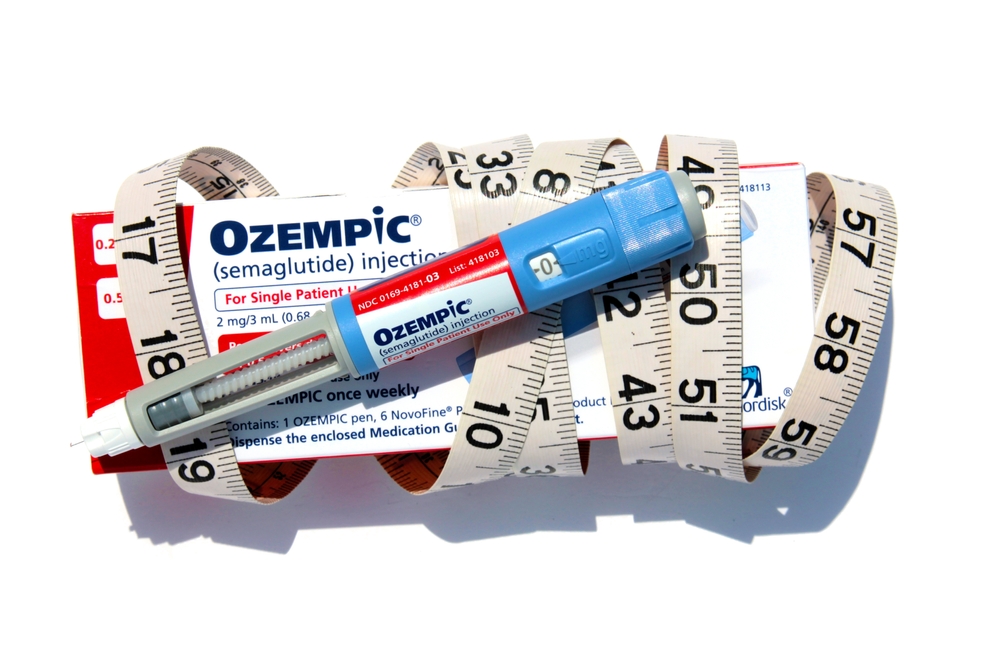
The second round of Medicare’s drug price negotiation program wraps up on January 1, 2027, when new government-negotiated prices take effect for 15 more medications used by roughly 5.3 million people with Part D coverage.
The list includes some of the most talked-about drugs on the market. Negotiated prices bring Ozempic, Rybelsus and Wegovy down to $274 for a 30-day supply, a 71% cut from the 2024 list price of $959, cut Breo Ellipta by 83%, and lower cancer treatments Ibrance and Calquence by roughly 50% and 40%.
The new prices are projected to save Medicare beneficiaries an estimated $685 million in out-of-pocket costs once they take effect. Don’t assume the negotiated number is exactly what you’ll pay at the pharmacy, though. Your actual cost still depends on your specific plan’s formulary tier, your deductible status, and where you fall in the benefit’s coverage phases. The negotiated price is the ceiling manufacturers can charge, not automatically your copay. A separate federal pricing deal has also pushed the Ozempic and Wegovy price even lower for some Medicare enrollees ahead of the official 2027 start date, so the number at the pharmacy counter this year may already look different.
None of this requires action today. But once your Annual Notice of Change letter and the finalized 2027 plan details arrive this fall, that’s worth twenty quiet minutes with a cup of coffee before open enrollment closes on December 7.











