
You scrub the oven, patch the nail holes, and hand back the keys. Three weeks later a letter shows up saying your landlord is keeping $400 of your deposit for “carpet replacement” and “wall repair,” on a carpet that was already old when you moved in and walls you never touched beyond the usual scuffs. None of it is damage. It’s just a place that’s been lived in.
This happens constantly, and it’s not bad luck. Nearly nine in ten renters hand over a security deposit when they move in, and the typical amount now sits at $750. Yet just over half of renters say their landlord never clearly explained how or when they’d get that money back. Landlords who pull these moves are counting on one thing: that you don’t know which charges on your statement are actually legal.
Most of these tricks collapse the moment a tenant cites the actual law back to the landlord instead of just arguing about fairness.
Table of contents
- Your “damage” is actually normal wear and tear
- They bill you full price for carpet or paint that was already worn out
- There was no move-in inspection, so there’s nothing to hold them to
- They blow past the legal deadline and bet you won’t notice
- The deduction list has no receipts behind it
- Your deposit was illegal from day one
- Your deposit got renamed a “nonrefundable fee”
- A pet deposit pushes you over the legal cap
- They keep the interest your money earned
- A cleaning clause gets enforced no matter how clean you left it
- One roommate’s mess costs everyone’s deposit
- You get billed for the landlord’s own maintenance job
- Your deposit becomes “last month’s rent” without your say-so
- A disputed balance shows up in collections instead of court
- The next tenant pays for the same “necessary” repaint
Your “damage” is actually normal wear and tear
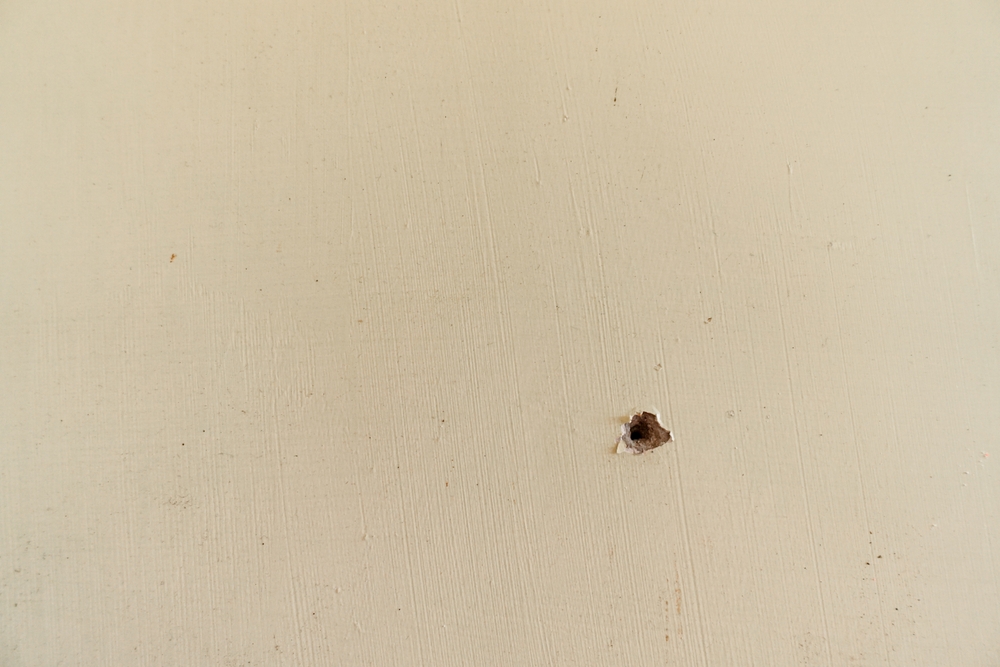
A landlord can only deduct from your deposit for damage beyond normal wear and tear, not for the ordinary toll of someone living in a place for a year or two. The two get blurred on purpose, because the law treats them completely differently. Normal wear and tear is deterioration that happens no matter how carefully a tenant cares for the place: faded paint, worn patches in carpet where you walked every day, a loose cabinet hinge, nail holes from hanging a picture.
None of that is deductible, no matter how it reads on an itemized list. If your landlord writes “damage” next to a scuffed baseboard or a carpet that’s simply lost its shine after a few years of normal living, ask directly what caused it and when. A vague description that could just as easily describe ordinary aging is a sign the charge won’t hold up if you push back. Keep your lease and any move-in photos, because the burden is on the landlord to prove the damage went beyond what normal living would cause, not on you to prove it didn’t.
They bill you full price for carpet or paint that was already worn out

Carpet and paint wear out on a predictable schedule, and most guidance accounts for that when a landlord tries to bill you full replacement cost. Carpet is generally treated as having a useful life of five to ten years, and paint two to three, after which a landlord can’t charge you for a brand new installation even if you left a stain or two behind.
If your carpet was already seven years old when you moved out, a landlord billing you for new carpet is trying to charge you for wear it would have needed replacing for anyway. The most you’d actually owe is a prorated share based on whatever time was left in the carpet’s expected life, often a small fraction of the full cost. Ask for the installation date of the item being replaced. If the landlord can’t produce one, or the item is clearly older than its expected lifespan, you have grounds to dispute the entire charge, not just negotiate it down.
There was no move-in inspection, so there’s nothing to hold them to

Some landlords skip the move-in walkthrough entirely, hand over the keys, and call it done. That’s rarely an oversight. Without a signed move-in condition report or photos, there’s no record contradicting whatever they decide to claim at move-out, and proving a condition existed before you moved in falls largely on you.
California law gives tenants the right to request a pre-move-out inspection in the final two weeks of a tenancy, specifically so you get advance notice of anything a landlord plans to charge for, and a chance to fix it yourself first. Most states don’t require this by statute, which is exactly why documenting the unit yourself matters. Photograph every room, every appliance, every wall, with a timestamp, on the day you move in and the day you move out, and email the photos to yourself so there’s a dated record outside your phone. If a landlord never offered a walkthrough and now claims damage dating back to day one of your lease, your own photos are often the only thing standing between their version and yours.
They blow past the legal deadline and bet you won’t notice

Every state sets a hard deadline for returning a deposit or sending an itemized statement, and missing it is one of the most common, and most punishable, mistakes a landlord makes. New York gives landlords just 14 days after move-out, and if they miss it, they forfeit the right to keep any portion of the deposit, regardless of what repairs it was meant to fund. California allows 21 days. Texas allows 30, and a Texas landlord who misses that window owes three times the amount wrongfully withheld, plus a $100 penalty and attorney’s fees.
A landlord who’s slow for a legitimate reason will usually say so in writing before the deadline passes. One who goes quiet, stops answering calls, and mails a check, if any, weeks or months late is often counting on you not knowing when your state’s clock started, or not knowing that a missed deadline can flip the entire case in your favor regardless of what the unit looked like when you left. Check your specific state’s deadline and mark it the day you hand back the keys.
The deduction list has no receipts behind it

An itemized list that just says “cleaning, $300” or “repairs, $450” with no backup is doing exactly what it looks like: hoping you won’t ask for proof. California law is specific about this. A landlord who deducts for repairs or cleaning must include copies of receipts or invoices for the actual work along with the itemized statement, not just a number they came up with.
Plenty of other states follow a similar principle even where it isn’t spelled out quite so precisely: the deduction has to be specific enough that a tenant can actually evaluate whether it’s reasonable, not just trust the total. If your statement arrives with round numbers, no vendor names, no invoice dates, and no explanation of how a figure was calculated, write back and ask for the documentation before you accept it or pay anything further. A landlord with a legitimate claim will usually have the paperwork already. One who doesn’t will often drop the charge rather than produce it.
Your deposit was illegal from day one

Before you even get to deductions, check whether the deposit itself was legal. Roughly half the states cap how much a landlord can charge, usually one or two months’ rent, while 21 states set no statutory limit at all and leave the amount to the market. California now caps most landlords at one month’s rent regardless of whether the unit is furnished, down from two or three months before mid-2024. New York caps deposits statewide at one month’s rent under the Housing Stability and Tenant Protection Act.
If you paid more than your state allows, you’re usually entitled to get the excess back, sometimes with penalties on top, even if the lease says otherwise. A lease clause that violates a state cap doesn’t make the overcharge legal; it just means the landlord is hoping you never check. Look up your specific state’s limit, not a national average, before assuming a two or three month deposit was ever allowed where you live.
Your deposit got renamed a “nonrefundable fee”

Calling something a “nonrefundable move-in fee” or “nonrefundable cleaning fee” instead of a deposit is a popular way around deposit laws, because fees and deposits are regulated differently in a lot of states. A payment meant to cover potential damage or unpaid rent is, legally, a deposit no matter what label is stapled to it, and a landlord can’t avoid the obligation to return it just by calling it a nonrefundable fee instead.
A handful of states, California among them, go further and prohibit nonrefundable deposits of any kind, meaning every dollar collected has to be treated as refundable and subject to the same itemization and deadline rules as a standard deposit. If your lease lists a “nonrefundable” charge that functions exactly like a deposit, protecting against damage or unpaid rent, that label may not hold up where you live. Ask what law specifically makes that fee nonrefundable rather than accepting the lease language as the final word.
A pet deposit pushes you over the legal cap

Pet deposits sound like a separate line item, but in a lot of states they’re not. Where a state caps total security at, say, two months’ rent, a landlord who’s already collected two months can’t legally tack on an additional pet deposit, because pet deposits usually count toward the same cap rather than sitting outside it.
New York goes further and bans the practice outright. Under the Housing Stability and Tenant Protection Act, there’s no such thing as a separate pet deposit, regardless of what a lease tries to charge. If you’re being asked for a security deposit at the legal maximum and a separate pet deposit on top of it, check whether your state treats pet deposits as part of the overall cap before you pay it. If it does, the pet charge may be entirely unenforceable, not just negotiable. Some landlords get around this by charging monthly pet rent instead, which usually isn’t capped the same way, so read your lease carefully to see which structure you actually agreed to before assuming the cap protects you.
They keep the interest your money earned

In the roughly seventeen states that require it, your security deposit isn’t just sitting in a drawer. It’s supposed to earn interest that eventually comes back to you, either paid out directly or credited against rent. Arizona, for one, requires landlords to pay 5% interest annually on deposits they hold.
Despite that, only about 5.6% of renters report ever actually being paid interest on their deposit, which tells you how rarely landlords volunteer this money without being asked. If you live in a state that mandates it, you’re owed that interest whether or not the landlord mentions it, and it should show up as a separate line item when your deposit is returned, not get silently absorbed into the total. Some states only require it under specific conditions, like a building over a certain unit count or a tenancy that’s lasted more than a few months, so look up your state’s exact threshold, and if you qualify, ask for a written accounting of what your specific deposit earned over the length of your tenancy.
A cleaning clause gets enforced no matter how clean you left it

Some leases include a clause requiring professional carpet cleaning or a flat cleaning fee at move-out, regardless of how clean the unit actually is when you leave. These clauses are often legal to include in the lease itself, but that doesn’t mean the charge can legally come out of your security deposit.
In Wisconsin, a lease can require a tenant to arrange and pay for professional carpet cleaning, but that requirement doesn’t give a landlord the right to deduct the cost from the security deposit when the actual issue is just normal wear and tear, since normal wear and tear can’t be charged against a deposit under any circumstance. The contract obligation and the deposit deduction are two separate questions, and plenty of landlords blur them on purpose. If you’re billed a flat cleaning fee straight out of your deposit and you left the unit clean, ask whether your state treats routine cleaning the same way, as something a landlord can’t recoup through the deposit no matter what the lease says.
One roommate’s mess costs everyone’s deposit
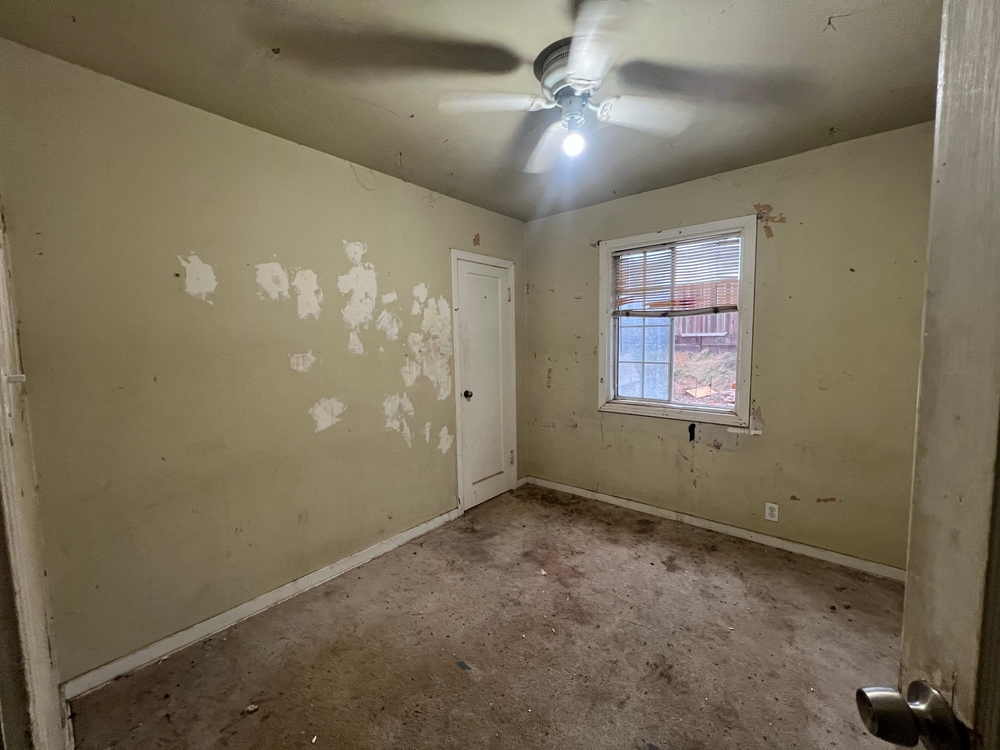
Sign a lease with roommates and you’ve probably also signed a joint and several liability clause, whether you noticed it or not. It means each of you is on the hook for the whole unit, not just your own room or your share of the rent, and if there’s damage anywhere in the property, a landlord can recover it from any tenant on the lease, not only the one who caused it.
In practice, that means one roommate’s hole in the wall or ruined carpet can wipe out the entire group’s deposit, and the landlord has no legal obligation to sort out who actually owes what. That’s a dispute between roommates, not something the landlord is required to untangle for you. Before signing a joint lease, agree in writing with your roommates about how you’ll handle a situation where one person’s damage threatens everyone’s money back, and keep your own photo record of your specific space in case you ever need to prove your area wasn’t the problem.
You get billed for the landlord’s own maintenance job

An HVAC system that dies of old age, a water heater that finally gives out, a stove burner that stops working after years of normal use: none of that is your responsibility to pay for out of your deposit. Routine breakdowns from age and ordinary use fall under a landlord’s maintenance obligations, not tenant damage, and when an appliance or system fails from wear and tear rather than tenant negligence, the repair cost is the landlord’s to cover, not the tenant’s.
Landlords sometimes blur this by listing a worn-out appliance on the move-out deduction sheet as though you broke it, betting you won’t know the difference between something you damaged and something that simply reached the end of its working life. Ask directly whether the item failed from age or from something you specifically did, and ask for documentation either way. If a repair technician’s notes describe normal mechanical failure rather than tenant misuse, that charge doesn’t belong on your deposit statement at all.
Your deposit becomes “last month’s rent” without your say-so

Some landlords simply apply your security deposit to your final month’s rent when you give notice, then present a separate damage bill at move-out as though the deposit never existed. In states with strong tenant protections, that’s backwards. New York’s tenant protection law specifically prohibits using a security deposit to cover last month’s rent unless the tenant agrees to it in writing, precisely because a deposit and a month of rent serve two different legal purposes.
If your landlord applies your deposit to rent without asking, then bills you separately for cleaning or repairs out of money that no longer exists, you may be dealing with a double charge dressed up as two different things. Check your lease and any written communication for whether you actually agreed to that application in writing. If you didn’t, point to the specific clause or statute in your state that governs how a deposit can and can’t be used, and ask for a corrected accounting.
A disputed balance shows up in collections instead of court

When a landlord believes you owe money beyond what the deposit covers, the legal path is to prove the claim, in an itemized statement, a demand letter, or in court if you dispute it. Sending the balance straight to a collection agency skips all of that, and it works because most tenants don’t realize a debt in collections can sit on a credit report for up to seven years and will often just pay to make it go away, valid or not.
A referral to collections isn’t proof the debt is legitimate, and you have the right to dispute it directly with the collection agency and the credit bureaus rather than assuming it’s settled. It’s also worth knowing what you’d be giving up by paying quietly: roughly 35 states let a tenant recover at least double a wrongfully withheld deposit, and about ten allow triple damages, numbers that disappear the moment you pay a collector instead of pushing back on the underlying charge. If the balance is disputed, say so in writing, in detail, before any money changes hands.
The next tenant pays for the same “necessary” repaint

If a landlord replaced the carpet or repainted a unit right before you moved in, and actually billed the previous tenant for that exact job, the same item can’t legitimately be new again when it’s billed to you a year or two later, under the same useful-life standards that govern how long carpet and paint are expected to last.
Some landlords charge every departing tenant for the same repaint or recarpet regardless of whether the work was ever actually redone between tenancies, treating it as a built-in charge rather than a real cost. There’s no way to catch this from the outside, but you can ask directly: when was this item last replaced, and is there a receipt from that date? A landlord who installed new carpet the week before your lease started should be able to produce that invoice easily. One who can’t, or who gives a vague answer, may be charging you for upkeep that happened long before you ever lived there, or that never happened at all.
None of these tactics survive once you know the specific law behind them, and a short email citing the right statute often settles a dispute faster than a landlord expects. Keep your paperwork, know your state’s deadline, and don’t assume silence on your end means the charge was fair.











