
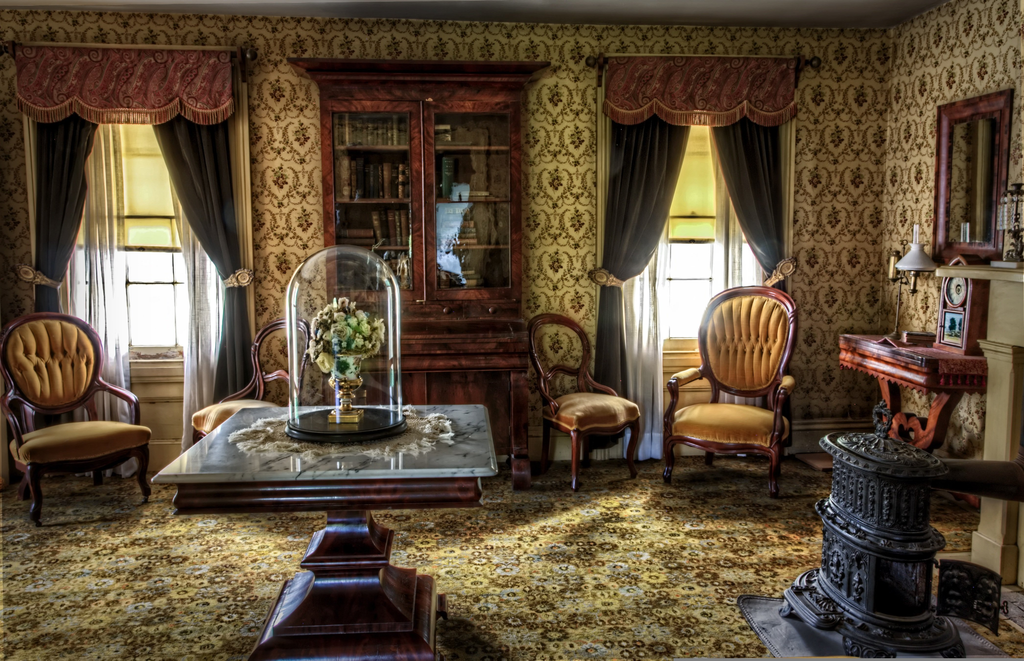
Vintage textiles give a room the kind of character that brand-new décor rarely delivers. Their worn fibers, softened colors, handmade details, and old patterns help a space feel layered instead of overly polished.
They also work across many styles, from modern apartments to cozy traditional homes. Let’s discuss why vintage textiles deserve a place in your décor.
Table of contents
Vintage textiles make a room feel collected
Vintage textiles give a room the feeling of discovery. A worn tapestry, old quilt, or handmade rug can make the space look curated because it carries details that cannot be perfectly duplicated.
Designers are paying attention to that quality. In Apartment Therapy’s 2025 trend coverage, many designers pointed to vintage quilts and tapestries as pieces expected to appear more often in homes.
The appeal goes beyond nostalgia. These textiles add visual memory, which helps a room feel less like a setup and more like a place shaped by real choices.
They add warmth without making things busy
Some rooms need warmth, not more stuff. Vintage textiles are useful because they add softness through material, color, and age rather than extra décor sitting on every surface.
A faded pattern can make modern furniture feel less rigid. Worn wool, cotton, or silk also helps a space feel more relaxed, especially when the rest of the room is simple.
Rooms that feel too bare underfoot can gain texture and quiet color from vintage rugs without making the design feel crowded. Because older floor coverings vary heavily in scale and condition, finding the right fit requires looking closely at pile height and proportion. Specialty suppliers like Rug Source help shoppers navigate these specifics by allowing them to compare size, color, weave, and pattern side-by-side, ensuring the final choice grounds the room rather than overwhelming it.
Vintage pieces bring better texture
A room does not need louder colors to be more interesting. Often, better texture does the job, especially when it comes from textiles that have aged, moved, and show visible craftsmanship.
Vintage pieces can bring texture through:
- Quilted surfaces
- Worn wool pile
- Embroidered patterns
- Frayed natural edges
Those tactile details work well beside smooth flooring, painted walls, or modern upholstery. The space feels more dimensional without extra clutter or a busier color palette.
They help your home feel more personal
Photo-ready rooms can still feel strangely impersonal when every choice follows the same trend. Vintage textiles interrupt that sameness with pieces selected for meaning, memory, or simple attraction.
Maybe a faded blue reminds you of an old family home. A woven pattern might speak to your love of travel, folk art, or handmade objects, while a stitched border can become the small detail you notice every morning.
Over time, those choices create a quiet visual record of your taste. The home begins to feel less styled for approval and more shaped around the people who live there.
They are a smart slow décor choice
Building a home around vintage textiles turns decorating into a series of considered choices rather than one rushed shopping trip. Each find has to earn its place through color, condition, function, and the way it supports the room.
That mindset can also reduce the urge to replace things constantly. A textile with character can stay relevant through new paint colors, different furniture layouts, and changing tastes.
The best slow décor pieces also make practical sense beyond style:
- Easy storage
- Seasonal flexibility
- Repair potential
- Multiple uses
Give the room a piece with a past
A home gets more interesting when not every detail arrives brand new. One older textile can shift the mood of a room and make the space feel less predictable.
Start small with a piece you would still enjoy years from now. The right choice will feel less like a trend and more like something that always belonged there.










