
If your paycheck keeps getting eaten by rent, groceries, insurance, and one surprise bill after another, a small raise may not be enough. A job that pays $40 an hour or more can change the math in a real way.
The tricky part is finding work that will be around for years to come. Many office jobs look shaky right now, especially where AI can chew through repeatable tasks. The stronger choices tend to involve patients, safety rules, skilled equipment, physical work, or decisions that carry real risk.
These roles are not all easy to break into. Some require licenses, degrees, apprenticeships, or years of field experience. But they are realistic U.S. careers with solid pay, steady need, and work that still depends heavily on trained people.
Table of contents
- Diagnostic medical sonographer
- MRI technologist
- Nuclear medicine technologist
- Radiation therapist
- Dental hygienist
- Physical therapist
- Speech-language pathologist
- Genetic counselor
- Elevator and escalator installer and repairer
- Electrical power-line installer and repairer
- Commercial pilot
- Captain, mate, or pilot of a water vessel
- Marine engineer or naval architect
- Construction manager
- Industrial hygienist
- Hydrologist
- Data center engineer
- Producer or director
- Discover job hunting tips, ways to earn more, and flexible working options:
Diagnostic medical sonographer

Diagnostic medical sonographers use ultrasound equipment to create images doctors use to diagnose injuries, illness, pregnancy issues, heart problems, and blood-flow concerns. It is technical work, but it is also very human. You have to position patients, notice when something looks off, keep people calm, and capture clear images while someone may be scared or in pain.
Median pay is about $42.95 per hour, and demand is strong because ultrasound is used across hospitals, imaging centers, OB-GYN offices, cardiology practices, and outpatient clinics. Many people enter through an associate degree or postsecondary certificate, then build pay by adding specialties like vascular, cardiac, or high-risk obstetric sonography. This job is not just button-pushing. The scan depends on the person holding the probe, reading the room, and knowing when to get a clearer view.
MRI technologist
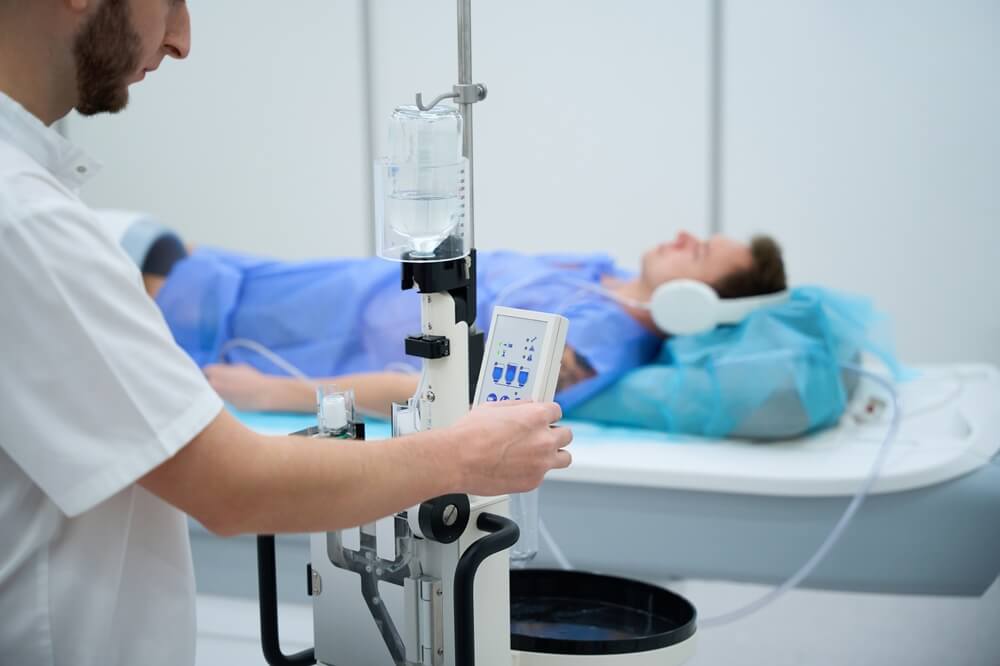
MRI technologists run magnetic resonance imaging scanners, position patients, follow safety rules, and produce detailed images of the brain, spine, joints, organs, and soft tissue. The machine is powerful, but the technologist matters. You screen for metal implants, handle anxious or claustrophobic patients, adjust the scan, and work with radiologists when something needs a closer look.
Median pay is about $42.40 per hour, with especially steady demand in hospitals, outpatient imaging centers, orthopedic groups, and diagnostic labs. Most workers start with radiologic technology training, then add MRI-specific coursework and certification. This is a good fit for someone who can stay calm, follow safety steps exactly, and deal kindly with people who may be uncomfortable. Software can help with imaging, but a trained person still has to manage the patient and the room.
Nuclear medicine technologist

Nuclear medicine technologists prepare small amounts of radioactive drugs, give them to patients, and use special cameras to track how organs and tissues are working. The job blends healthcare, chemistry, safety rules, and patient care. You may help doctors find heart disease, cancer, bone problems, thyroid issues, and other conditions that do not always show up clearly on standard scans.
Median pay is about $46.64 per hour. Jobs are found in hospitals, imaging centers, specialty clinics, and cancer-care settings. Training usually means an associate degree or certificate in nuclear medicine technology, followed by certification and strict radiation-safety procedures. It is a smaller field than nursing or general radiology, which can make openings competitive, but that same specialization helps protect the work. You are handling regulated materials, real patients, and equipment that leaves very little room for careless mistakes.
Radiation therapist

Radiation therapists help treat cancer and other serious diseases by giving prescribed radiation treatments. They work with oncologists, medical physicists, dosimetrists, and nurses to place patients correctly and operate complex treatment machines. The work can be emotionally heavy, because you often see the same patients over many appointments, during one of the hardest stretches of their lives.
Median pay is about $49.03 per hour. Growth is slower than some healthcare jobs, but demand stays steady because cancer care is not going away, and most openings come from people retiring or leaving the field. Radiation therapists usually need an associate or bachelor’s degree in radiation therapy, plus certification. This job rewards calm people who can be precise and warm at the same time. A machine may deliver the treatment, but a person has to line up the patient, spot problems, and keep the process safe.
Dental hygienist

Dental hygienists clean teeth, take X-rays, check gums, screen for oral disease, apply preventive treatments, and teach patients how to care for their mouths. It can be repetitive, but it is not mindless. You are working in a small space, using sharp tools, reading patient comfort, and spotting issues before they become expensive or painful.
Median pay is about $45.32 per hour, with strong demand in private dental offices, public health clinics, specialty practices, and group dental chains. Most hygienists complete an associate degree in dental hygiene and pass licensing exams. The job can be physically tiring on your hands, neck, and back, so good ergonomics matter. It also offers something many healthcare jobs do not: more daytime schedules and fewer overnight shifts. For people who like healthcare but do not want hospital chaos, this can be a practical path.
Physical therapist

Physical therapists help people recover from injuries, surgeries, strokes, chronic pain, balance problems, and mobility loss. The work is hands-on and problem-solving heavy. You test movement, build treatment plans, coach exercises, adjust techniques, and push people without humiliating them. A good PT has to understand the body, but also how fear, pain, aging, and frustration affect recovery.
Median pay is about $48.57 per hour, and demand is strong as more adults age into joint replacements, falls, sports injuries, and chronic conditions. PTs work in hospitals, rehab centers, outpatient clinics, schools, home health, and sports medicine practices. The path usually requires a doctorate in physical therapy and licensure, so it is not a quick pivot. But for people willing to invest in the training, the work is local, personal, and hard to replace with a screen.
Speech-language pathologist

Speech-language pathologists help people with speech, language, swallowing, voice, and communication problems. Some work with children who have developmental delays. Others help adults recover after strokes, brain injuries, cancer treatment, or neurological disease. The work can be slow and detailed, but progress can be life-changing for patients and families.
Median pay is about $45.87 per hour, with strong growth across schools, hospitals, rehab centers, nursing facilities, home health, and private clinics. Most SLPs need a master’s degree, supervised clinical hours, and licensure. This job depends on observation, patience, and trust. You are not just handing someone a worksheet. You are watching how they breathe, swallow, hear, process words, and respond when they are tired or embarrassed. That kind of care still needs a trained human in the room.
Genetic counselor

Genetic counselors help people understand inherited health risks, testing options, family history, pregnancy concerns, cancer risk, and rare conditions. They explain complicated medical information in plain language and help patients make decisions without pushing them. The work sits at the crossroads of science, medicine, and counseling, which makes it more personal than many lab-based careers.
Median pay is about $47.55 per hour, and demand is growing as genetic testing becomes more common in cancer care, fertility medicine, prenatal care, pediatrics, and specialty clinics. The usual path is a master’s degree in genetic counseling, supervised clinical work, and certification. This is not a huge field, but it is a serious one. Patients often come in worried, confused, or overwhelmed. A genetic counselor helps them understand risk without turning their life into a spreadsheet.
Elevator and escalator installer and repairer

Elevator and escalator technicians install, maintain, and repair the systems that move people through office towers, hospitals, airports, apartment buildings, transit stations, and malls. The job combines electrical work, mechanics, hydraulics, troubleshooting, and safety rules. It can mean tight spaces, heights, heavy parts, and urgent calls when a system traps people or shuts down a building.
Median pay is about $51.24 per hour, and demand is helped by building upgrades, accessibility needs, and the constant maintenance older systems require. Most workers enter through a paid apprenticeship, often after some trade-school, electrical, or mechanical prep. It is not a soft job, and openings can be competitive because the pay is strong. But once you are trained, the skill set is very specific. Elevators cannot be repaired from a laptop, and building owners cannot ignore them for long.
Electrical power-line installer and repairer

Power-line installers and repairers build, maintain, and fix the lines that carry electricity to homes, hospitals, factories, and businesses. The job can mean climbing poles, working from bucket trucks, handling storm repairs, and dealing with high-voltage systems in bad weather. It is dangerous work, and the pay reflects the risk and skill involved.
Median pay is about $44.50 per hour, with strong demand from grid upgrades, severe weather repairs, new construction, and utility maintenance. Many workers start with line school or a utility apprenticeship, then build experience under strict safety rules. Overtime and emergency call-outs can raise income, but they also mean long days and rough conditions. This is not a career for someone who wants predictable desk hours. It is for people who can handle heights, weather, teamwork, and real consequences.
Commercial pilot

Commercial pilots fly charter flights, medical transport, aerial tours, cargo, corporate aircraft, helicopters, and other non-airline routes. They plan flights, check weather, inspect aircraft, coordinate with air traffic control, and make judgment calls when conditions change. It is a job where calm decisions matter, because small mistakes can become serious fast.
Median pay is about $122,670 per year, which lands near the top of this hourly range on a full-time schedule. Demand is steady for charter, emergency medical services, cargo, agriculture, utility inspection, and private aviation work. You need flight training, a commercial pilot certificate, medical clearance, and enough flight hours to qualify for better jobs. Training is expensive, and early jobs may pay less while you build hours. Still, the work depends on human judgment, weather sense, regulation, and responsibility in the cockpit.
Captain, mate, or pilot of a water vessel

Captains, mates, and pilots of water vessels operate tugboats, ferries, cargo vessels, harbor craft, research boats, tour boats, and other working vessels. They oversee navigation, crew safety, cargo, weather decisions, radio communication, docking, and emergency procedures. The work can be peaceful one hour and stressful the next, especially in traffic, storms, fog, or tight channels.
Median pay is about $41.13 per hour. Growth is modest, but the field has steady replacement demand because it takes time to build licenses, sea time, and trust. Workers often start as deckhands or sailors, then move up through documented sea service, exams, and credentials. Jobs exist in transportation, ports, tourism, construction support, government operations, and energy. This is a good fit for people who can handle odd schedules, time away from home, and responsibility for a crew and vessel.
Marine engineer or naval architect

Marine engineers and naval architects design, build, test, and maintain ships, boats, offshore platforms, propulsion systems, and marine equipment. They may work on cargo ships, defense vessels, ferries, research vessels, tugboats, or clean-energy projects tied to the water. The job is technical, but it also involves real-world limits like corrosion, storms, fuel use, safety, and tight spaces.
Median pay is about $50.80 per hour, with demand supported by shipbuilding, vessel upgrades, port work, defense needs, and offshore energy. Most roles require a bachelor’s degree in marine engineering, naval architecture, or a related engineering field. Some people come from military or maritime backgrounds and add engineering credentials later. This is not a huge occupation, but it is specialized. Ships and marine systems are expensive, regulated, and hard to fix after a bad design choice, so skilled people matter.
Construction manager

Construction managers keep building projects from turning into expensive chaos. They coordinate schedules, budgets, crews, subcontractors, inspections, materials, safety rules, and client expectations. One day may involve a permit issue, the next a weather delay, a late concrete pour, or a crew conflict. You need to understand the jobsite and the paperwork.
Median pay is about $51.43 per hour, with strong demand from housing, infrastructure, commercial building, hospital work, schools, and industrial projects. Some managers have construction degrees, but many move up from trades, field supervision, estimating, or project coordination. The best ones can read plans, talk to workers without sounding clueless, and catch small problems before they become lawsuits. This is not a role that gets handed over easily to software, because every jobsite has people, weather, delays, safety risks, and money on the line.
Industrial hygienist

Industrial hygienists help protect workers from hazards like chemicals, dust, fumes, noise, mold, heat, radiation, and poor ventilation. They inspect workplaces, collect samples, review safety data, recommend controls, and help companies avoid sick workers and costly violations. The work shows up in manufacturing, construction, laboratories, hospitals, utilities, government, and consulting.
Average pay is about $46 per hour, and demand is strong because employers still need people who understand real hazards in real buildings. Many industrial hygienists have degrees in occupational health, environmental science, chemistry, biology, or engineering. Certification can raise pay and credibility. This is a smart option for someone who likes science but does not want a pure lab job. You may be in a plant one week, a school the next, and a construction site after that, solving problems that affect people’s lungs, hearing, skin, and long-term health.
Hydrologist

Hydrologists study water: where it goes, how clean it is, how much is available, and what happens when there is too much or too little. They may work on floods, droughts, groundwater, drinking-water supplies, wetlands, pollution cleanup, construction projects, mining, agriculture, or climate-related planning. It is a science job with a lot of fieldwork and public impact.
Median pay is about $44.26 per hour. Demand is steady because water problems keep getting more expensive and harder to ignore. Employers include consulting firms, government agencies, utilities, engineering companies, research groups, and environmental organizations. Most hydrologists need at least a bachelor’s degree in hydrology, geology, environmental science, or a related field, and many roles prefer graduate training. This work is not just running models. You may collect field samples, review maps, explain risk to decision-makers, and help communities plan around water that does not behave politely.
Data center engineer

Data center engineers keep the physical and technical backbone of modern computing running. They may work with servers, cooling systems, power distribution, backup generators, cabling, monitoring tools, networking equipment, and emergency response plans. When a data center has problems, businesses, hospitals, banks, apps, and public systems can feel it fast.
Average pay is about $40 per hour, with higher pay as you move into infrastructure, reliability, facilities, or commissioning roles. Demand is tied to cloud services, streaming, online banking, healthcare records, and the huge buildout of computing facilities. Some people enter through IT support, electrical work, HVAC, military technical roles, or networking certificates. This is a strong choice for someone who likes tech but does not want to spend all day writing code. The job has screens, but it also has equipment, heat, noise, power, and uptime pressure.
Producer or director

Producers and directors lead creative projects for film, television, theater, streaming, live events, ads, training videos, and digital media. They manage budgets, schedules, crews, talent, locations, scripts, vendors, and deadlines. The work can be glamorous from the outside, but most of it is coordination, problem-solving, negotiation, and keeping a production moving when something goes wrong.
Median pay is about $83,480 per year, which sits just over $40 an hour on a full-time schedule. Demand is projected to grow faster than average, helped by video, live programming, branded content, training media, and entertainment. Many producers and directors start in assistant, stage, camera, theater, event, or production-office roles, then build credits and contacts. This is not the safest path on the list, and income can swing. But for people who can lead teams, handle pressure, and make creative calls in real time, it is a real career, not just a dream job.
Discover job hunting tips, ways to earn more, and flexible working options:

21 high-paying careers that desperately need workers, but nobody wants to do them: The pay is generous, but these jobs are searching for workers.
No background check jobs: 12 background friendly jobs: If you’re struggling to find a job due to past issues, here are jobs you can get without background checks.
15 remote jobs you probably didn’t know pay $150,000+ In 2026: High income and flexible work hours from home is not a myth — here are some remote-friendly careers.











