
You’re clearing out a closet and you find a shoebox of old phones nobody bothered to recycle. A Motorola flip phone, a chunky little gaming gadget you begged your parents for, a T-Mobile Sidekick with a keyboard that used to slide out sideways. Your first instinct is the junk drawer or the trash. Your second instinct, if you know what you’re looking at, is to check what any of it might actually be worth before you do anything else.
The 2000s are deep into their collector era now. Anything from a Y2K flip phone to a velour tracksuit can carry real money if the right person wants it back, and the “right person” turns out to be a much bigger group than you’d expect. Nostalgia for the decade has collided with genuine scarcity: a lot of this stuff got tossed the second something newer came out, which means the surviving examples in good shape are thinner on the ground than anyone realized at the time.
This list mixes the genuinely findable with a few true grails, so you know both what’s realistic and what the absolute ceiling looks like. Condition and completeness decide almost everything here. A working device with its box beats a working device alone by a wide margin, and a device that doesn’t power on is often worth a fraction of one that does.
Table of contents
- 1. Motorola Razr V3i Dolce & Gabbana gold edition
- 2. Nokia N-Gage QD
- 3. T-Mobile Sidekick II
- 4. Apple iPod Mini, first generation
- 5. Microsoft Zune 30
- 6. Halo 2 Limited Collector’s Edition
- 7. Sony PSP-1000
- 8. Nike Dunk SB Low Staple NYC Pigeon
- 9. Air Jordan 11 Concord, 2000 retro release
- 10. 2000 Bowman Chrome Tom Brady rookie card
- 11. 2003-04 Topps LeBron James rookie card
- 12. Juicy Couture velour tracksuit
- 13. WWE Jakks Pacific Classic Superstars ToyFare exclusive figures
- 14. Halo 3 Legendary Edition
- 15. Nintendo DS Lite
1. Motorola Razr V3i Dolce & Gabbana gold edition
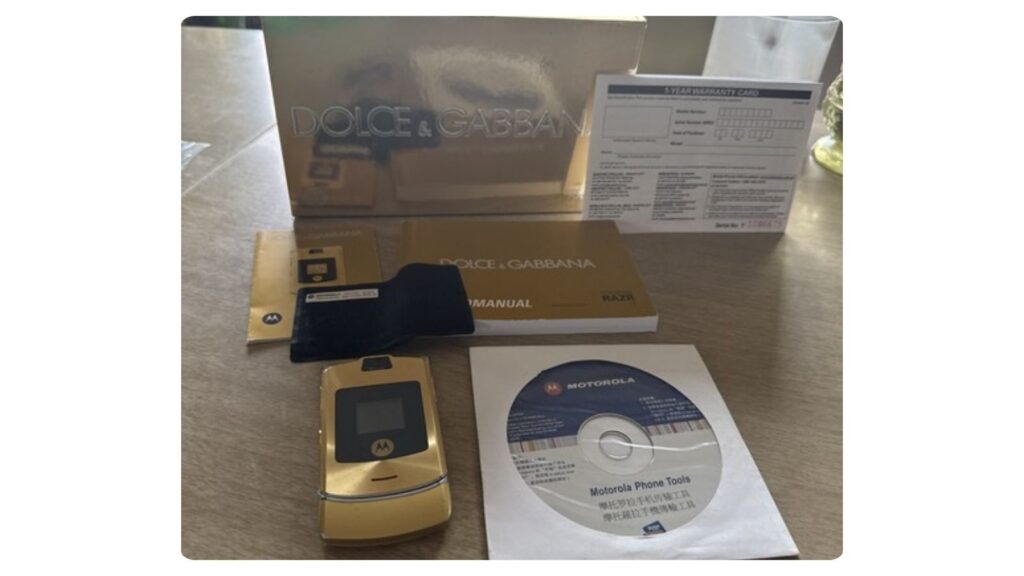
Before foldable phones, there was the Razr, and before the Razr became a joke to teenagers who’d never used one, it was a status symbol. In 2006, Motorola partnered with Dolce & Gabbana on a run of 1,000 numbered gold units, each one laser marked at the factory and sold through D&G boutiques with a matching charm and presentation box.
A working example in decent cosmetic shape, sold on its own without much fanfare, typically brings around $150 to $300. Numbered units that still have the original gold box, the D&G charm, and the paperwork intact push considerably higher, with clean examples bringing $500 or more. The number stamped on the back matters to buyers who collect the set seriously, since a low number out of 1,000 reads as more desirable than a high one.
Check the hinge and the external screen first. These flip phones lived in pockets and purses for years before anyone thought to protect them, so scuffing on the gold finish and a cracked outer display are common. A phone that still powers on and holds a charge is worth meaningfully more than one being sold as a display piece only, and sellers who are upfront about a dead battery tend to do better than ones who let a buyer discover it after the sale.
2. Nokia N-Gage QD
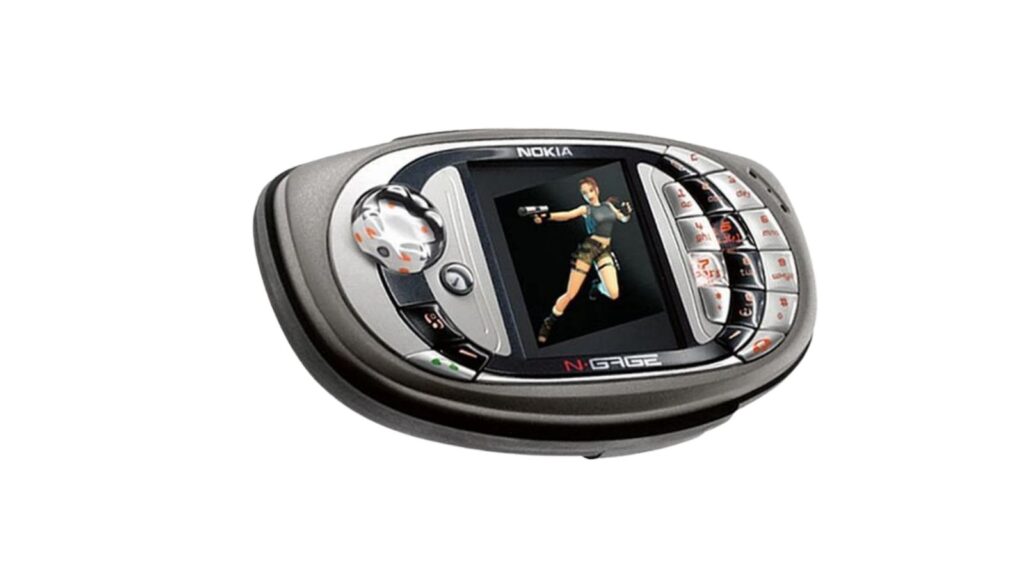
Nokia’s attempt to merge a phone with a handheld game console never caught on the way the company hoped, which is exactly why it matters now. The N-Gage QD (2004) fixed some of the original model’s design complaints, but sales still lagged badly behind the Game Boy Advance. Low sell-through at the time means low survival now.
Loose, working QD units typically bring around $110 to $130 today. Complete examples with the original box and manuals push toward $250 to $300, and factory sealed units in genuinely new condition have reached past $500. The device used a hot swappable memory card slot on the side, which sounds minor until you’re checking one for functionality: a worn or damaged slot cover is a common issue and worth inspecting closely before you buy or sell.
Physical game cartridges for the N-Gage carry their own small market, and a working system paired with a couple of the more obscure titles is worth more as a set than the phone alone. If you find one in a drawer, resist the urge to test the battery by leaving it plugged in overnight. These batteries are two decades old and swelling is common, which can crack the case.
3. T-Mobile Sidekick II
AaSieLTD via eBay
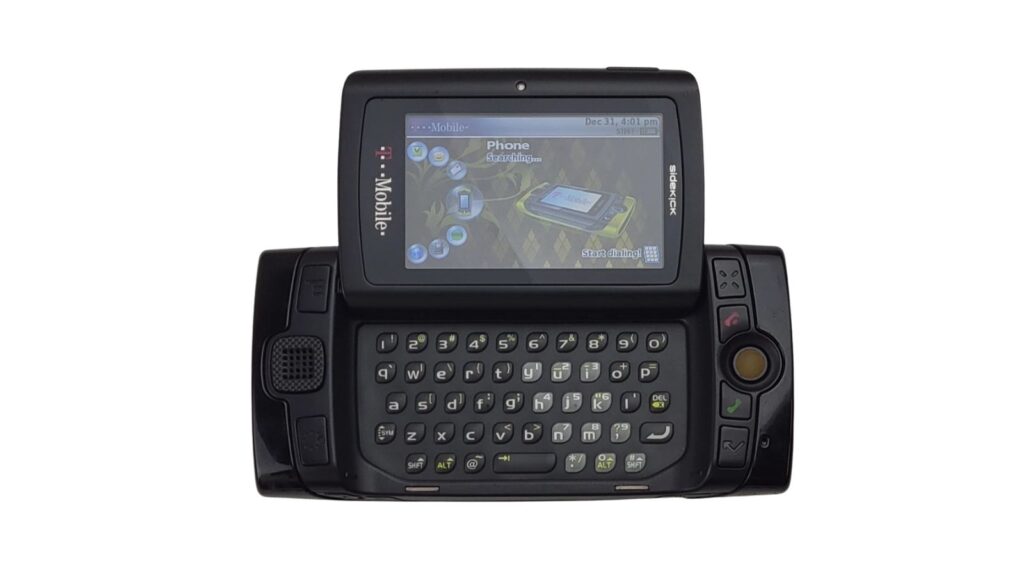
Before smartphones normalized the touchscreen, the Sidekick was the phone that made texting cool. Its flip up screen and hidden keyboard turned up in the hands of Paris Hilton, will.i.am, and half of reality television, and the design still reads as genuinely clever twenty years on.
A working Sidekick II in solid cosmetic condition is typically worth around $465 to $475, and boxed examples with the original packaging intact tend to land at the higher end of that range. The real prize is the pink Juicy Couture collaboration edition, which trades hands for up to $800 when it’s working and presentable. These devices can’t connect to modern networks, so buyers are paying purely for the object, not the function, which makes cosmetic condition and a clean screen the deciding factors.
The swivel hinge that lets the screen flip up is the weak point on nearly every surviving Sidekick. A loose or broken swivel drops the price fast, since it’s the signature mechanism the whole device is built around. Test it gently before listing, and mention any looseness upfront rather than letting a buyer find it themselves.
4. Apple iPod Mini, first generation
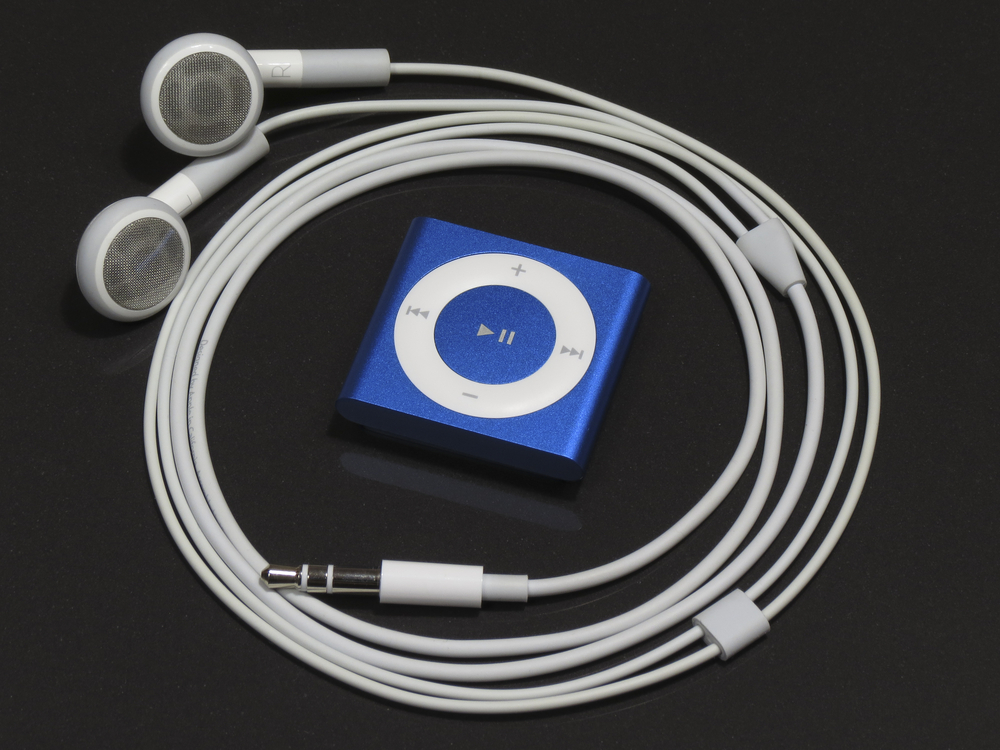
The click wheel iPod Mini launched in 2004 as a smaller, pastel-colored alternative to the original iPod, and it became one of Apple’s fastest sellers before getting discontinued just over a year later in favor of the Nano. That short production window is part of why certain colors and conditions now carry real value.
A basic working Mini with some cosmetic wear typically brings $20 to $60, which sounds modest until you compare it to what mint, boxed examples pull. A Mini in genuinely excellent condition with its original packaging can climb to $200 or more, especially in colors that were discontinued earliest, like the original blue. Battery health is the honest question buyers ask first, since a twenty-year-old lithium battery rarely holds a full charge anymore, and a dead or swollen battery is a genuine safety issue, not just a inconvenience.
Scratches on the mirrored click wheel ring are almost universal and don’t hurt value much on their own. What does hurt value is a cracked screen or a click wheel that no longer registers scrolling accurately, since that affects actual usability for anyone who wants to plug it in and listen.
5. Microsoft Zune 30
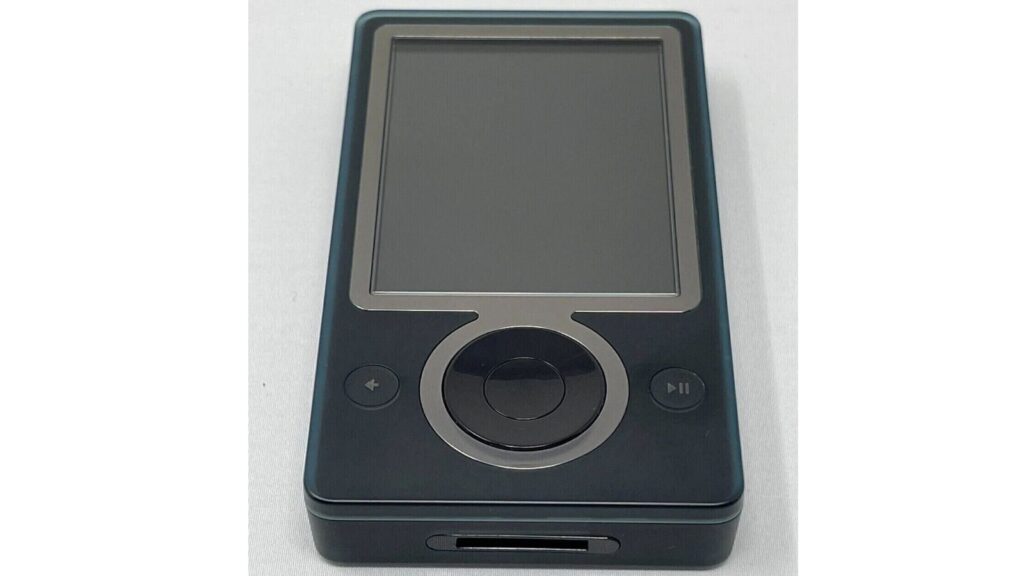
Microsoft’s answer to the iPod became an instant punchline, largely thanks to its default brown color scheme, but the Zune has quietly built a small, sincere collector following in the years since. The original 30GB model launched in November 2006, and Microsoft randomly seeded 100 magenta units and 100 orange units into ordinary retail boxes at launch, each one shipping with a numbered certificate of authenticity.
A standard working black or brown Zune 30 in decent shape typically sells for modest money, generally under $100 in tested, working condition. The numbered launch colors are a different story entirely: an unused magenta unit with its certificate has been valued at close to $1,000, and interest in these has only grown as the device has become a genuine piece of tech history rather than just a punchline. If you find an unfamiliar bright color in an old Zune box, check the included paperwork for a certificate before assuming it’s a standard release.
The “Z2K” bug, a software glitch that froze every 30GB Zune at midnight on December 31, 2008, briefly made headlines and is now a fun piece of trivia rather than a value concern, since it resolved itself within a day. What actually matters for resale is whether the device still boots and holds a charge, since these were never designed with easy battery replacement in mind.
6. Halo 2 Limited Collector’s Edition
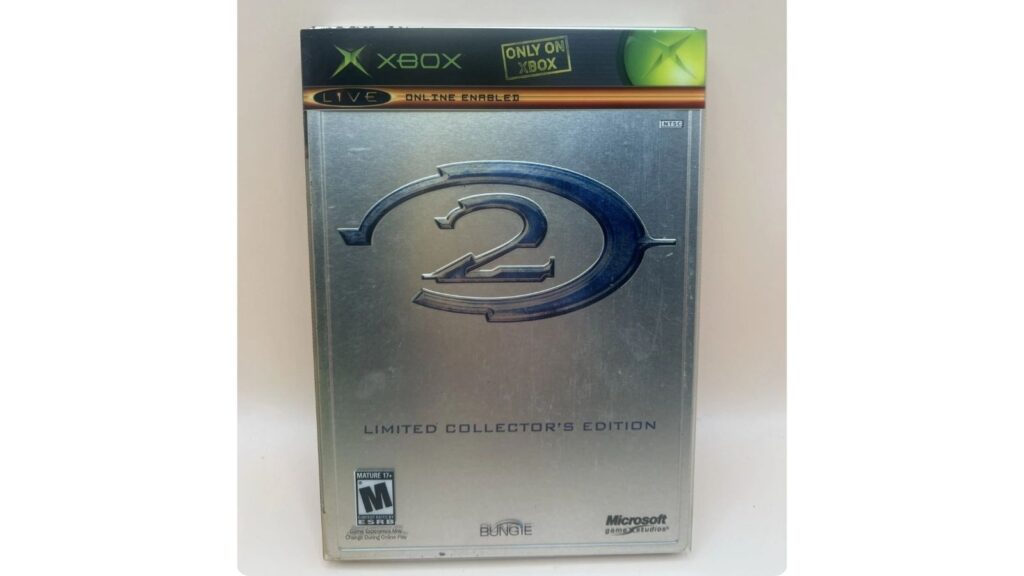
Halo 2 was one of the biggest game launches of its era, and Microsoft marked the occasion with a limited collector’s edition packaged in a metal steelbook case instead of the standard plastic, bundled with a bonus disc of behind the scenes content and concept art. Millions of people bought it, played it to death, and eventually sold the loose disc for pocket change, which is exactly why complete, unplayed copies now stand out.
A loose disc alone is worth very little, typically under $20, while a complete steelbook with its insert and bonus disc runs closer to $25 to $30. The real jump comes with factory sealed copies, which regularly bring $300 or more, and professionally graded sealed copies in top condition are typically worth several hundred dollars and up, with the best examples pushing into four figures.
The metal steelbook case is prone to surface rust if it was stored anywhere damp, which tanks the value of an otherwise complete set. Check the edges and the disc tray hinge for orange spotting before assuming a case is in good shape, and know that a case swapped in from a different copy is common enough that serious buyers will ask about matching serial details.
7. Sony PSP-1000
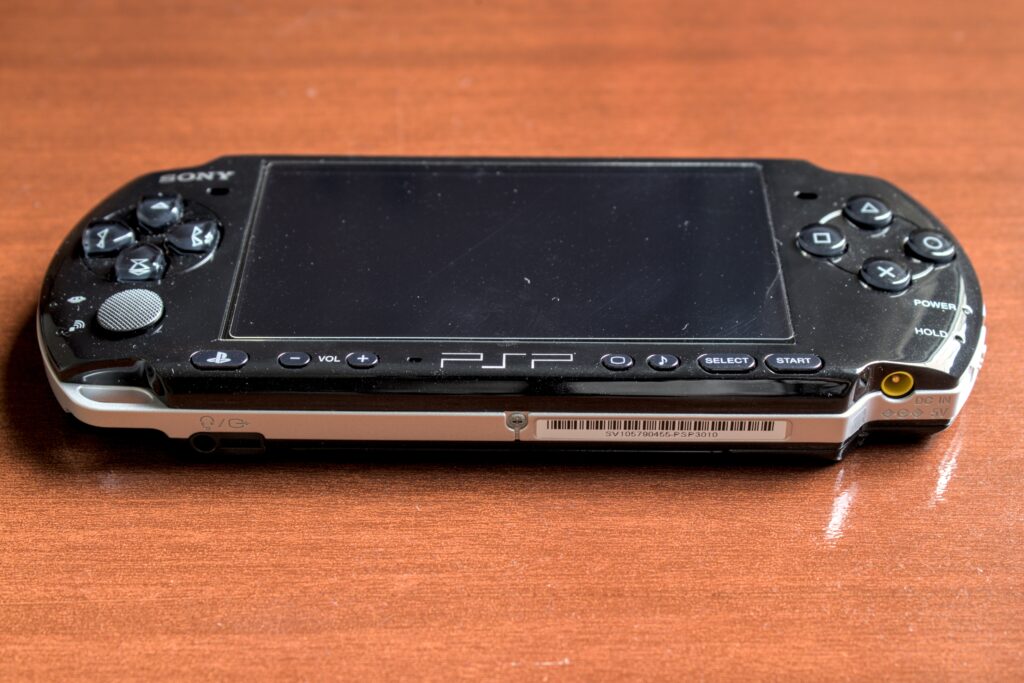
Sony’s original PlayStation Portable launched in 2005 as a genuine rival to Nintendo’s handheld dominance, with a bright widescreen display and the ability to play movies on UMD discs, a format that quietly died along with the format wars of the era. The base black launch console is common enough to find, but condition varies wildly depending on how hard it got used.
A loose, working PSP-1000 typically brings around $90, while a complete example with the original box, charger, and manuals climbs to roughly $300. Factory sealed, unopened units are the real find here, regularly reaching $500 or more. Japan-only launch colors like Ceramic White and Metallic Blue carry a further premium over the standard black for collectors specifically chasing color variants.
The analog nub is the part most likely to fail after two decades of use, so test it for drift before buying or pricing one to sell. UMD games and movies included with a unit add modest value on top, but only if the discs are scratch free, since the drive mechanism itself is fragile and a stuck or grinding UMD tray is a common, expensive repair.
8. Nike Dunk SB Low Staple NYC Pigeon
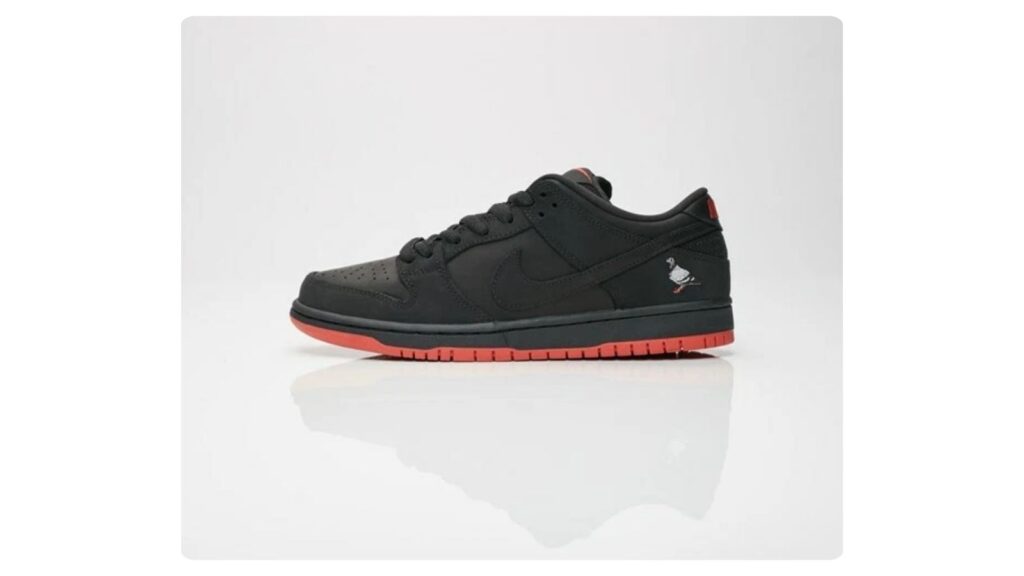
Not everything on this list is realistic to stumble across, and this is the clearest exception. Jeff Staple’s 2005 collaboration with Nike SB is widely credited with turning sneaker collecting from a niche hobby into a mainstream obsession, and the story around it has become sneaker legend in its own right: reports from release day describe crowds so large outside the NYC store that police were called in.
Only 150 pairs were produced. On the resale market, average sale prices have hovered around $10,000 or more, with individual sales occasionally pushing well past that depending on condition and size. This is squarely a grail entry, not something the average closet is likely to hold, but it belongs on any honest list of 2000s items with real money behind them, and pairs do occasionally surface at estate sales from people who bought them to wear rather than to invest.
If you do encounter a pair claiming to be an original Pigeon Dunk, authentication is not optional. The design has been reissued and heavily counterfeited over the years, and the box, the stitching pattern on the pigeon graphic, and the sockliner printing all need to check out before anyone should treat a claimed pair as genuine.
9. Air Jordan 11 Concord, 2000 retro release
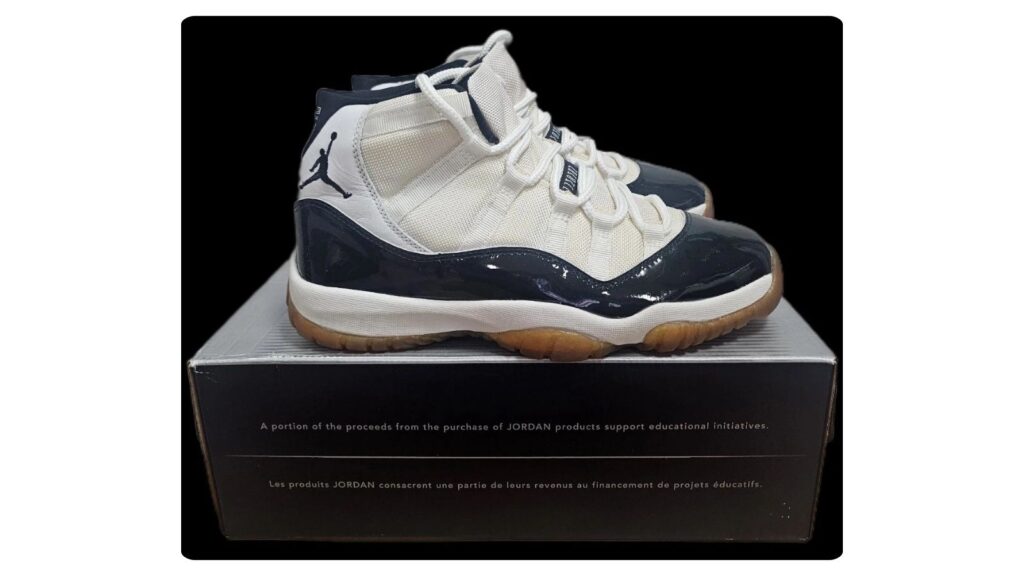
The Concord colorway is one of the most recognizable in Jordan Brand history, tied to Michael Jordan’s 72-win season with the Bulls, and Nike has retroed it more than once to meet demand. The 2000 release predates the more famous 2011 and 2018 retros, and deadstock pairs from that specific run carry a meaningful premium over the later reissues among collectors who care about which retro year they own.
Deadstock 2000 release pairs in common men’s sizes typically trade in the $300 to $450 range, with less common sizes pushing higher and heavily worn pairs bringing considerably less. The patent leather mudguard is the signature design element and also the first thing to show damage, so cracking or peeling along that black panel is the single biggest value killer on any pair from this era.
Box condition matters more here than on most sneakers, since Jordan Brand packaging from this specific release year is part of what collectors use to verify the retro date. A crushed or missing box doesn’t make a pair fake, but it does make it harder to prove which release year you’re holding, and that uncertainty shows up in the price.
10. 2000 Bowman Chrome Tom Brady rookie card
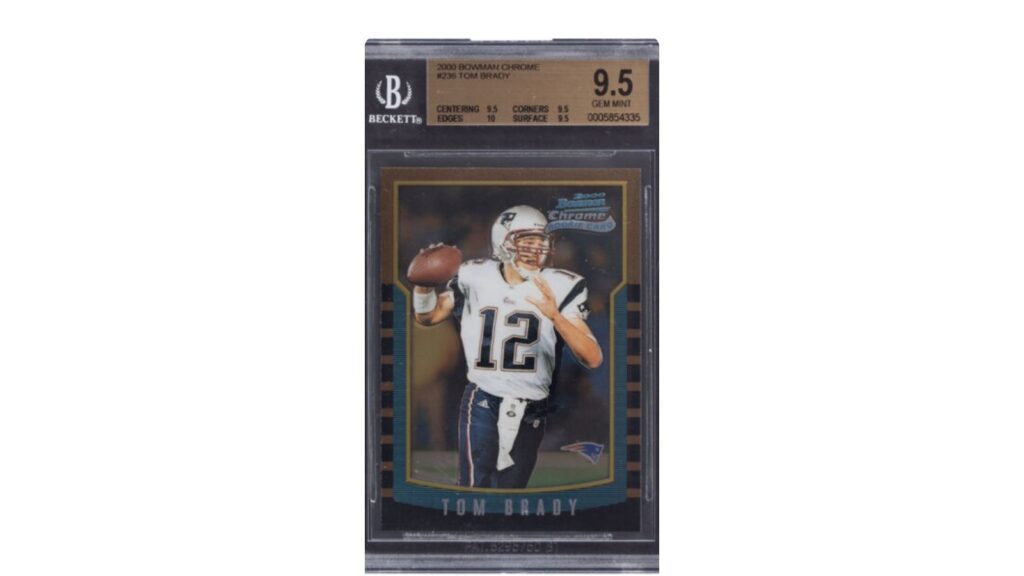
Tom Brady was a sixth round draft pick nobody expected much from, and his 2000 Bowman Chrome rookie card captured him mid throw in a Patriots uniform before any of what came next had happened. It’s since become one of the most recognized rookie cards in modern sports history, right alongside his own legend.
Raw, ungraded copies in decent shape typically sell in the low hundreds of dollars, reflecting how widely the product was distributed at the time. Professionally graded copies are where the real money lives: a PSA 9 is currently worth around $2,700 to $2,900, while a true gem mint PSA 10 regularly brings $14,000 to $19,000. The rare Refractor parallel, seeded at roughly 1 in every 281 packs, is worth well over $70,000 in high grade, a genuine outlier that shows the ceiling on this card without being remotely typical.
Centering is the single biggest factor separating a PSA 9 from a PSA 10 on this card, and it’s visible to the naked eye if you know to look: hold the card up and check that the border width is roughly even on all four sides. A card that looks sharp but sits off-center in the wrapper is common in this set and worth knowing about before you pay for professional grading.
11. 2003-04 Topps LeBron James rookie card
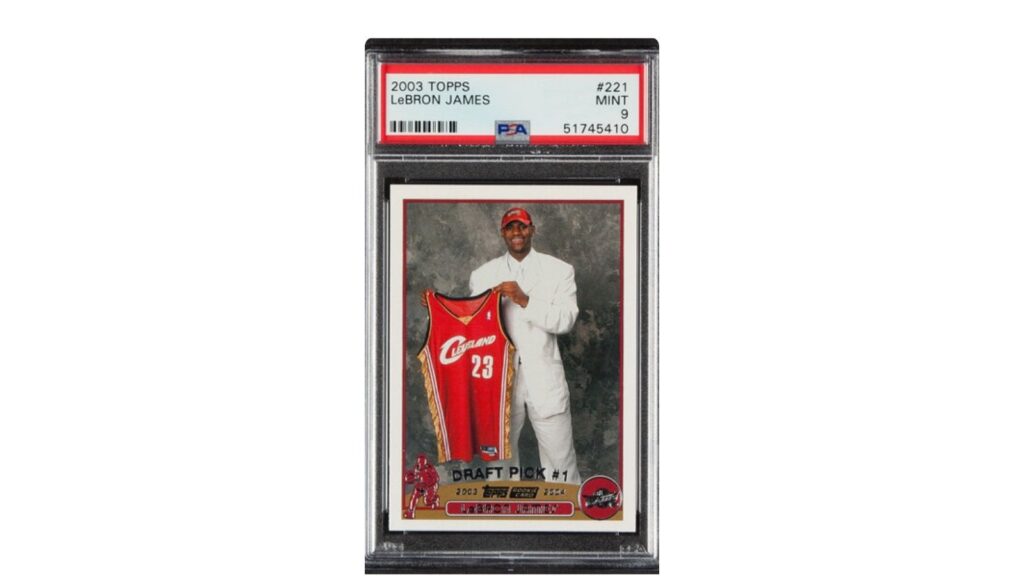
LeBron James arrived in the league already carrying the weight of impossible expectations, and his base rookie card from the 2003-04 Topps set is one of the most widely owned entry points into his rookie class, since Topps base product was heavily distributed and opened by kids who had no idea what they were holding.
Raw copies in solid condition typically sell for around $300 to $500 today, a figure that moves with James’s on-court news and broader market conditions. Professionally graded PSA 10 copies are a different tier entirely, regularly bringing $7,000 to $8,500. The pricier Topps Chrome version of his rookie class, with its refractor parallels, commands even more, but the base Topps card is the one an average collector from that era is most likely to actually own.
Corner wear is the main enemy on this card, since it was printed on relatively thin stock and handled constantly by kids trading it in school hallways. Check all four corners under good light for soft whitening before assuming a card is in the condition you think it is, since even minor fraying can drop a grade significantly.
12. Juicy Couture velour tracksuit
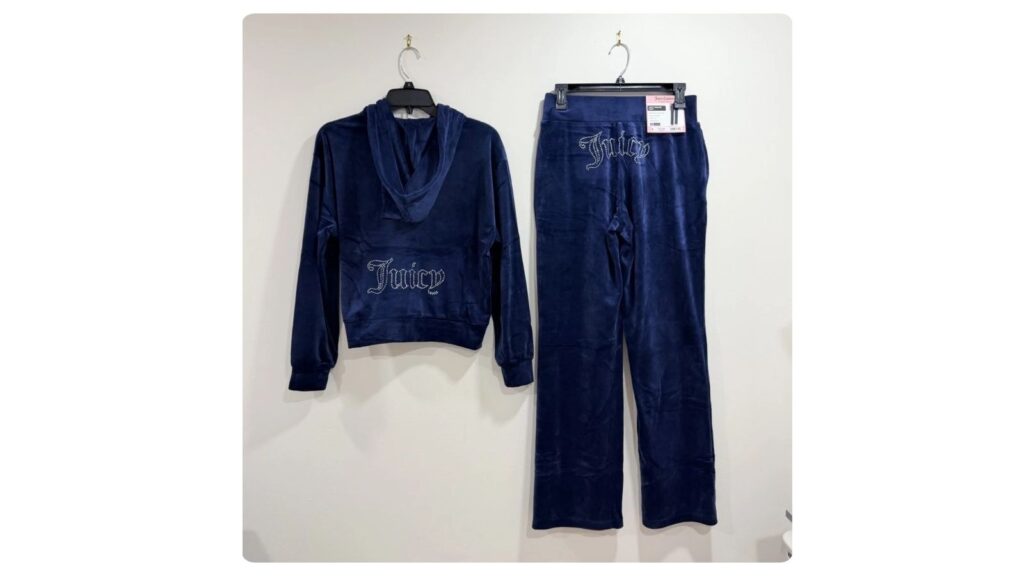
No single piece of clothing defines early 2000s celebrity style quite like the Juicy Couture tracksuit: a soft velour set, usually in candy colors, with the brand’s script logo running across the back in rhinestones or embroidered thread. Paris Hilton, Britney Spears, and half of gossip magazine culture wore these constantly, and the look has cycled back into fashion relevance with the current wave of Y2K nostalgia.
Matched sets, meaning a jacket and pants from the same original release rather than mixed pieces, typically bring around $120 to $200 in good condition, with tan, pink, and navy among the more commonly found colors. Rarer colorways and sets featuring the full rhinestone bling logo tend to command more at the top of that range, particularly in smaller sizes that fit current buyers shopping the trend.
The zipper pull with the embroidered “J” is the detail counterfeiters get wrong most often, so check it closely along with the interior tag before assuming a set is authentic. Piling on the velour is common and largely cosmetic, but a cracked or peeling rhinestone logo is a genuine value killer, since that decoration can’t be repaired without being obviously redone.
13. WWE Jakks Pacific Classic Superstars ToyFare exclusive figures
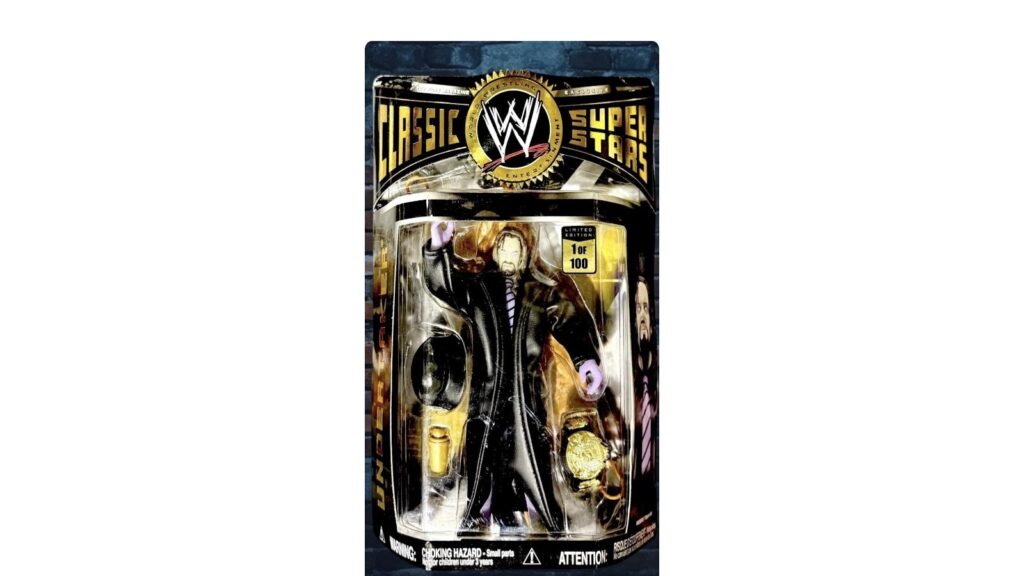
Jakks Pacific made WWE action figures by the millions during the 2000s, and most of them sell for next to nothing today simply because there are so many still floating around basements and toy bins. The exception is the Classic Superstars line’s ToyFare exclusive figures, a run of specialty variants limited to just 100 pieces each and distributed in connection with the now defunct ToyFare magazine.
A regular mainline Jakks figure from this era is genuinely worth very little, usually just a few dollars, and shouldn’t be mistaken for something valuable just because it’s from the 2000s. The ToyFare exclusives are the real story: a glow in the dark Undertaker limited to 100 pieces is typically worth $500 to $800, and an Ultimate Warrior variant from the same exclusive run carries a similar value around $800. These carried a printed limitation number on the package, which is the single fastest way to tell a real exclusive from an ordinary mainline release.
Package condition drives most of the value on any figure still sealed, since collectors overwhelmingly want the figure in its original blister pack rather than loose. A carded figure with a crushed bubble or a torn card back loses a meaningful chunk of value even if the figure itself is undamaged.
14. Halo 3 Legendary Edition
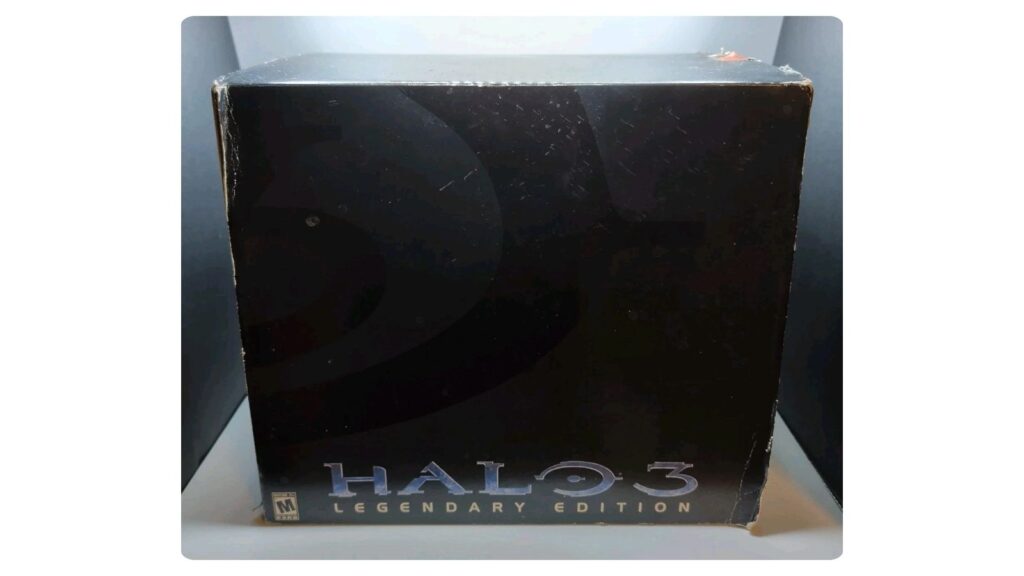
Halo 3 landed in September 2007 as one of the most anticipated game launches of the console era, and its Legendary Edition packaged the disc alongside a scale replica of Master Chief’s helmet on a display stand, along with a poster and bonus content discs. Millions of copies sold, and most of those helmets ended up on a shelf somewhere rather than carefully preserved, which is exactly what makes clean, complete sets stand out now.
A loose game disc by itself is worth relatively little, around $50, while an unsealed but complete set with the helmet, poster, and discs intact runs closer to $100. A genuinely factory sealed Legendary Edition is the prize, regularly valued around $300, with professionally graded sealed examples pushing a bit higher still.
The helmet itself is the piece most likely to have separated from its box over the years, since kids displayed it on desks and shelves long after the box got recycled. A complete set with the original box, the helmet, and its display stand all present and undamaged is worth substantially more than any of those pieces sold individually, so it pays to check whether a “just the helmet” listing might actually be part of a bigger set worth reuniting.
15. Nintendo DS Lite
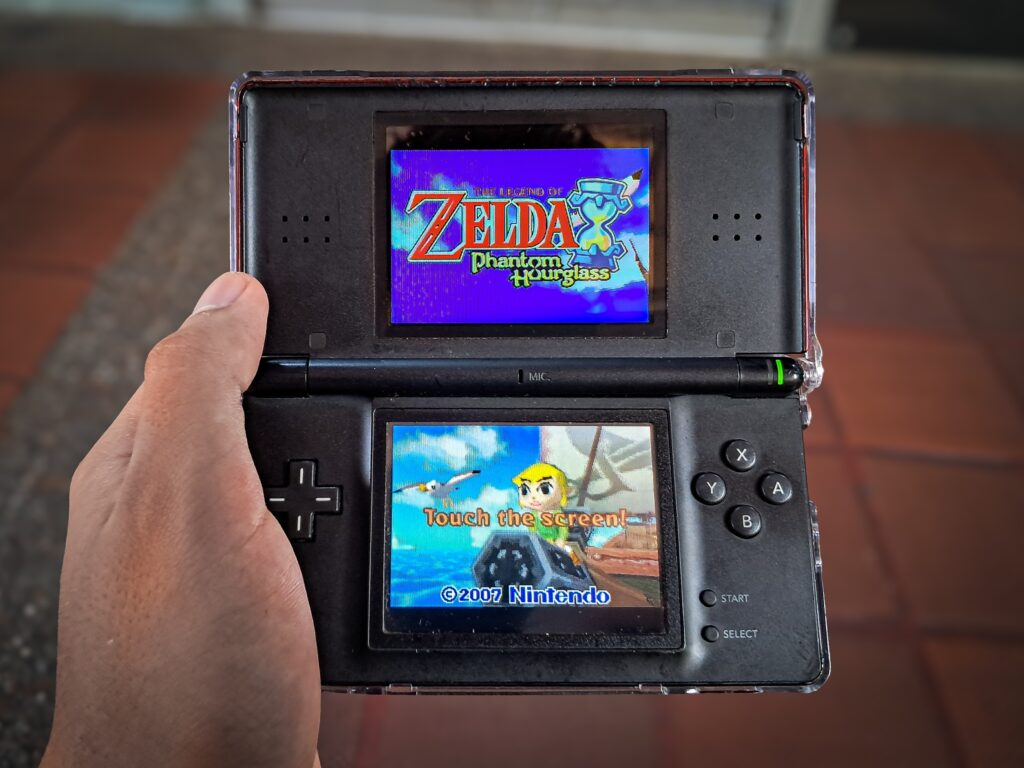
The DS Lite redesigned Nintendo’s original clamshell handheld into something slimmer and genuinely stylish when it launched in 2006, and it became one of the best selling handhelds of all time. Most surviving examples are ordinary and worth modest money, but Nintendo and its retail partners also produced a wide range of promotional and regional exclusive color variants that collectors specifically hunt for today.
A standard loose, working DS Lite in black or white typically brings around $50 to $55, while a complete example with box and charger runs closer to $130, and factory sealed units are typically worth $250 to $500 or more depending on the color. The real grail territory belongs to genuine regional promotional exclusives: a sealed, professionally graded DS Lite made as a Seattle Mariners stadium giveaway has been valued as high as $2,400, a reminder that stadium and store promotional exclusives from this era can be worth checking closely rather than assuming every colored DS Lite is the common version.
The hinge is the part to inspect on any DS Lite, sealed or not, since it’s a known failure point after two decades of folding and unfolding. That’s obviously impossible to check on a sealed unit, so provenance and an intact factory seal matter more than anything else for proving the console inside has never been opened.











