
In 2000, the hottest job listings still said things like webmaster and desktop publisher. Dial-up internet was normal, and “the cloud” meant weather.
A quarter century later, the U.S. Bureau of Labor Statistics tracks entire occupational categories, complete with median wages and ten year growth projections, for jobs that simply did not exist back then. Data scientist wasn’t a job title until 2008. Information security analyst didn’t get its own federal occupation code until 2010. Solar installer went from a niche hobby to one of the fastest growing jobs in the country.
Eighteen of them are below, with 2026 wage data and what it actually takes to break into each one. Some need a four year degree and a lot of math. Others need a certificate you can finish in a few months. A few of them, you could start working toward this weekend.
Table of contents
- Data scientist
- Machine learning engineer
- Cybersecurity analyst
- Cloud architect
- Digital forensics analyst
- Solar photovoltaic installer
- Wind turbine service technician
- Electric vehicle technician
- Home energy auditor
- Sustainability analyst
- Telehealth program coordinator
- Bioinformatics scientist
- Commercial drone pilot
- Robotics technician
- Additive manufacturing technician
- Social media manager
- Podcast producer
- Esports coach
Data scientist

“Data scientist” wasn’t a job title anywhere until 2008, when engineers at Facebook and LinkedIn coined the term to describe work that didn’t fit neatly into statistician or programmer. Today it’s one of the best paying jobs in the country. The median data scientist earned $112,590 in 2024, and the field is projected to grow 34% through 2034, more than ten times faster than the average job.
The work itself mixes statistics, coding, and business judgment: pulling messy data out of a company’s systems, building models that predict what happens next, and explaining the results to people who don’t know what a regression is. Most data scientists have at least a bachelor’s degree in math, statistics, or computer science, though a growing number of employers care more about a strong portfolio than a specific diploma. If you’re good with numbers and patient enough to clean data nobody else wants to touch, this is one of the rare careers where the paycheck actually matches the demand.
Machine learning engineer

Machine learning engineers build the systems that let software learn from data instead of running on fixed rules, and the entire field runs on techniques that were mostly research curiosities in 2000. The closest match in federal data is computer and information research scientists, and workers in that category earned a median of $140,910 in 2024, with employment projected to grow 20% through 2034.
That title barely existed twenty five years ago because the underlying tools didn’t exist either. Deep learning frameworks, GPU-accelerated training, and the massive datasets that make modern AI possible are almost entirely a 2010s and 2020s development. Most machine learning engineers come from a computer science or engineering background, and a graduate degree helps but isn’t always required if you can point to real projects. Pay in the private sector regularly outpaces the federal median for senior roles, especially at companies racing to build their own AI products.
Cybersecurity analyst

Information security analyst is one of the few tech jobs with a paper trail proving it didn’t exist as a distinct occupation before 2000. The federal government didn’t even have a job code for it until 2010, when regulators broke it out as a brand new occupation because cybersecurity work had grown too big to lump in with general IT.
Fifteen years later, it’s one of the best paying, fastest growing jobs in the country. The median information security analyst made $124,910 in 2024, and the field is projected to grow 29% by 2034. Most analysts have a bachelor’s degree in computer science or a related field, though certifications like Security+ or CISSP can substitute for some of that on a resume. The job is part detective work and part construction: watching networks for intrusions, building the digital walls that keep hackers out, and cleaning up after the walls fail anyway. Every company that handles money, medical records, or customer data needs someone doing this now, and most of them are still short-staffed.
Cloud architect

Nobody was hiring a cloud architect in 2000 because the cloud didn’t exist yet, at least not as a business. Amazon didn’t launch its cloud computing service until the mid-2000s, and it took years after that for renting computing power over the internet to become the default way companies run their software instead of the exception.
The federal government tracks this work under computer network architects, a category that also barely existed in its current form before 2010. Workers in that role earned a median of $130,390 in 2024, with growth projected at 12% through 2034, and cloud specialists at the senior end of that range routinely clear six figures by a wide margin. The job is essentially designing the digital plumbing that lets a company’s data and applications run reliably across remote servers instead of an office server room. Most people get here after several years in network administration or systems engineering rather than straight out of school, and certifications from AWS, Microsoft Azure, or Google Cloud carry real weight with employers.
Digital forensics analyst

Digital forensics analysts recover and analyze evidence from laptops, phones, and cloud accounts after a crime, a data breach, or a workplace investigation, and the job is recent enough that the federal government still doesn’t track it as its own line item. It falls under a catch-all category the Bureau of Labor Statistics calls computer occupations, all other, where wages averaged $108,970 in 2024 and employment is projected to grow 8% through 2034.
The role barely existed before smartphones and cloud storage turned everyone’s life into recoverable data. Investigators piece together deleted files, trace how an attacker got into a network, and testify about what they found in court. Most analysts come from a computer science or criminal justice background, often after working in IT support or law enforcement first. Police departments, private security firms, and corporate legal teams all hire for this now, and demand keeps climbing as more crime, corporate and otherwise, leaves a digital trail.
Solar photovoltaic installer
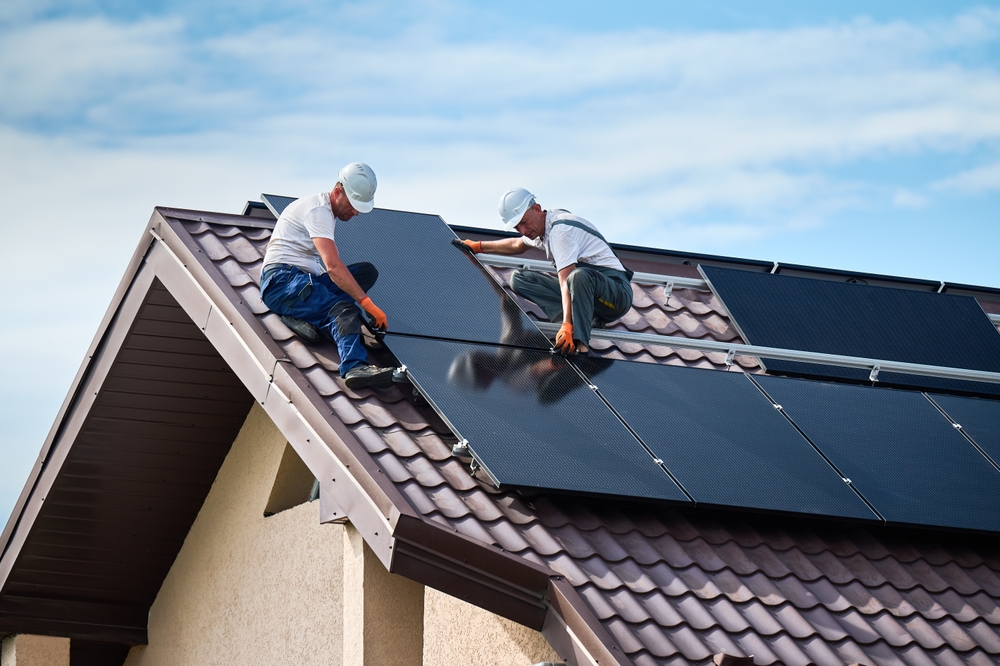
Rooftop solar existed in a niche form in 2000, but solar photovoltaic installer wasn’t a real career path yet. The industry’s main credentialing body, NABCEP, wasn’t founded until 2002, and it took the better part of a decade after that for residential solar to go from a hobbyist’s project to a mainstream home upgrade.
It’s since become one of the two fastest growing jobs in the entire U.S. economy. The median solar installer earned $51,860 in 2024, and employment is projected to grow 42% through 2034, roughly fourteen times the average rate for all jobs. The work is physical: mounting racking systems on roofs, wiring panels to inverters, and testing the finished system, often in full sun. Most installers train through a certificate program lasting a few months to a year rather than a four year degree, and experienced techs who move into design or project management roles can push well past the median.
Wind turbine service technician

Utility-scale wind power was a rounding error in the U.S. energy mix in 2000. The turbines dotting rural highways today, and the technicians who climb inside them for a living, are almost entirely a product of the wind boom that took off in the 2000s and accelerated through the 2010s.
It’s now one of the two fastest growing jobs in the entire country, alongside solar installer. The median wind turbine technician earned $62,580 in 2024, and employment is projected to grow 50% through 2034. The work means climbing hundreds of feet inside a turbine tower, often in confined spaces and rough weather, to diagnose and repair the mechanical and electrical systems that keep the blades turning. Most technicians train through a one to two year postsecondary certificate program rather than a four year degree, making it one of the higher paying trades that doesn’t require years of unpaid education to break into.
Electric vehicle technician

Electric vehicles were still a novelty act in 2000. Mass-market EVs are largely a 2010s phenomenon, and the technician who can safely work on a battery pack carrying hundreds of volts is an even newer specialty than the cars themselves.
The Bureau of Labor Statistics folds this work into the broader automotive service technicians and mechanics category, where the median wage was $49,670 in 2024, with 4% growth projected through 2034. That number undersells the opportunity for EV specialists specifically. Automakers sold 1.3 million electric vehicles in 2024, roughly 8% of every new car sold, and most shops still don’t have a technician certified to touch a high-voltage system. A standard automotive program plus a separate EV or hybrid certification, often six months to two years, is enough to move into this specialty, and shops are actively paying a premium for anyone who can do the work. Dealerships, independent repair shops, and the manufacturers themselves are all competing for the same small pool of qualified people, which is exactly the kind of imbalance that tends to push wages up faster than the official averages suggest.
Home energy auditor

Weatherization work existed before 2000, but energy auditor as a certified, thermal-camera-wielding profession is mostly a product of the last fifteen years. Blower-door tests and infrared scans that pinpoint exactly where a house is leaking heat became standard practice well after most people graduated high school in 2000.
Wages vary widely by certification and region: recent job market data puts the average home energy auditor salary at $61,950, with experienced auditors clearing well into six figures in high cost markets. The job means walking through a house or commercial building, measuring where energy is wasted, and telling the owner exactly what to fix first. Most auditors get in through a certificate program from the Building Performance Institute rather than a college degree, and the training typically runs a few weeks to a few months. With utility costs climbing and states offering rebates for efficiency upgrades, homeowners are paying for this advice more than they used to.
Sustainability analyst

The letters ESG didn’t mean anything to anyone in 2000. The term itself wasn’t invented until a 2004 report asked major financial institutions to start factoring environmental, social, and governance issues into their investment decisions. It took another decade for companies to start hiring full-time staff to actually do that work.
The federal government tracks most of this work under environmental scientists and specialists, where the median wage was $80,060 in 2024, with 4% growth projected through 2034, though ESG-specific analyst roles inside finance and consulting firms often pay noticeably more than that baseline. The work involves measuring a company’s environmental footprint, tracking its labor and governance practices, and turning all of it into the reports investors and regulators now expect. Most people land here with a bachelor’s degree in environmental science, business, or finance, and the role has become a real career track rather than a side project for the marketing department.
Telehealth program coordinator

Telehealth existed in a limited, mostly rural form before 2000, but the coordinator role built around scheduling, running, and troubleshooting virtual appointments at scale barely existed until broadband, then smartphones, then a pandemic made video visits routine.
Pay for the role varies by employer and region: current job market data puts the average telehealth coordinator salary at $64,365, with healthcare systems in major metro areas often paying above that. The job sits at the intersection of healthcare administration and customer service: scheduling virtual visits, troubleshooting the technology when a patient can’t get their camera working, and making sure clinical staff and patients are both where they’re supposed to be at the same time. Most coordinators come in with a background in healthcare administration or medical office work rather than a clinical degree, and a growing number of hospital systems, mental health practices, and rural clinics are hiring for this full time now instead of folding it into another job.
Bioinformatics scientist

Bioinformatics existed in a small academic corner before 2000, but the field exploded after the Human Genome Project finished mapping human DNA in 2003 and left researchers sitting on more genetic data than anyone knew how to analyze by hand.
The federal government tracks this work under biological scientists, all other, where the median wage was $93,330 in 2024. Growth in that broader category is modest, but demand for bioinformatics specifically is being pulled upward by drug companies, hospitals, and agricultural firms that now generate genetic data faster than they can interpret it. The work combines biology with serious computer science: writing code that sorts through genetic sequences to find patterns tied to disease, drug response, or crop traits. Most bioinformatics scientists have at least a master’s degree, often a PhD, blending a life sciences background with programming skills that most biology majors didn’t touch twenty five years ago. It’s a slower path into the workforce than most careers on this list, but the specialists who get there are in real demand, since a biologist who codes and a programmer who understands genetics are still two very different, hard to find people.
Commercial drone pilot
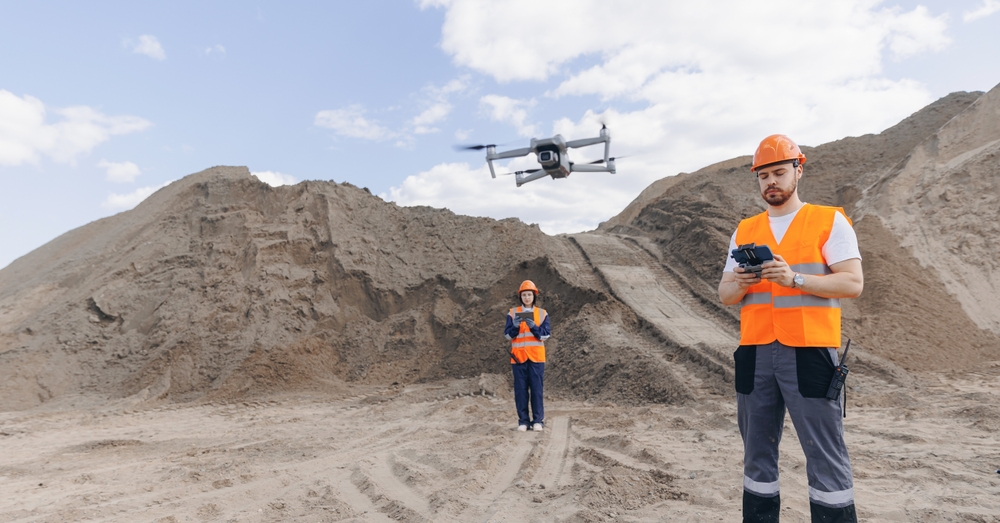
There was no such thing as a commercial drone pilot in 2000, legally speaking, because the FAA didn’t create a path to fly one for money until Part 107 took effect in 2016. Before that, flying a drone for a paycheck required an actual pilot’s license and a special exemption that could take months to get approved.
Now it’s a certificate you can earn in an afternoon of studying and a single test. Full-time commercial pilots realistically earn between $57,000 and $95,000 a year, with the top end going to specialists in infrastructure inspection, surveying, and mapping rather than wedding photography. The barrier to entry is low: no college degree, a $175 test, and a drone. The ceiling depends entirely on what you do with the certificate. Real estate photography pays modestly and is crowded; utility inspection, construction mapping, and agricultural work pay considerably more and have far less competition for people willing to learn the software that goes with it.
Robotics technician

Industrial robots have been on factory floors since the 1960s, but the modern robotics technician, the person who installs, calibrates, and troubleshoots the collaborative robots now common in warehouses and small manufacturing shops, is a newer role built around technology that mostly didn’t exist in 2000.
The Bureau of Labor Statistics tracks this work under electro-mechanical and mechatronics technologists and technicians, where the median wage was $70,760 in 2024. Growth in the category is modest, about 1% through 2034, but that reflects a mature field rather than a shrinking one; automation keeps expanding even when net job counts hold steady, because someone still has to keep the robots running. Most technicians enter with an associate’s degree or postsecondary certificate rather than a four year degree, and the job mixes mechanical hands-on work with enough electronics and programming knowledge to diagnose why a robotic arm just stopped moving mid-shift. Warehouses, food production plants, and small manufacturers that could never have afforded industrial robotics twenty five years ago are now buying compact, lower cost systems, and every one of them needs somebody local who can keep the equipment running.
Additive manufacturing technician

3D printing technology is decades old, but it stayed locked inside expensive industrial machines until a key patent expired in 2009 and a wave of affordable desktop printers turned it into a real manufacturing trade almost overnight.
Additive manufacturing technicians now earn an average of $51,890 a year, with aerospace and medical device manufacturers paying well above that for technicians who can run production-grade metal printers. The job means operating and maintaining 3D printers that build parts layer by layer instead of cutting them from a block of material, checking print quality, and troubleshooting failed builds before they waste expensive material. Most technicians train through a community college certificate or associate’s degree program rather than a bachelor’s, and the field is growing fastest in aerospace, medical devices, and automotive prototyping, where printing a part on demand beats waiting weeks for a traditional supplier. A machinist background helps, since reading a blueprint and understanding tolerances matters just as much on a printer as it does on a lathe.
Social media manager

Nobody managed a company’s social media in 2000 because there was no social media to manage. Facebook launched in 2004, Twitter in 2006, and Instagram in 2010; the job of running a brand’s presence across all of them didn’t exist until well after those platforms had audiences worth talking to.
Current pay data puts the average social media manager salary at $71,445, with technology and financial services companies paying above that average. The job covers a lot more than posting: planning content calendars, running paid campaigns, tracking what’s actually driving engagement instead of just vanity metrics, and increasingly, responding to customers who now expect a company to answer them on social media faster than by phone. Most people break in with a marketing or communications degree, but a strong portfolio of managed accounts and measurable results now matters more to employers than the diploma itself. Small businesses that once handled this themselves are increasingly hiring it out, either to a full-time employee or a freelancer managing several accounts at once.
Podcast producer

Podcasting is a word that didn’t exist until 2004, when the format itself was invented alongside the iPod boom, and it took nearly another decade for podcast producer to become something a person could put on a resume instead of a hobby.
Pay for the role varies enormously by show size and industry: current data puts the average podcast producer salary at $69,296, with media companies and corporate in-house shows generally paying more than independent productions. The job covers the entire production chain: booking guests, writing scripts or outlines, running the actual recording session, editing the audio, and managing the release schedule. Most producers come from a background in journalism, audio engineering, or media production rather than a dedicated podcasting degree, since one didn’t exist until recently either. With podcasting now a multibillion dollar industry, companies are hiring in-house producers instead of treating shows as a side project for the marketing team.
Esports coach

Competitive gaming existed in arcades decades before 2000, but esports coach as a paid, full-time job is a product of the last ten to fifteen years, once prize pools, sponsorships, and college scholarship programs made it worth someone’s while to train a team the way a traditional sports coach would.
Current job market data puts the average esports coach salary at $61,121, with head coaches at well-funded collegiate or professional programs earning considerably more. The job looks a lot like coaching any other sport: reviewing gameplay footage, building practice schedules, managing player mental health and burnout, and developing strategy against specific opponents. Most coaches come up through competitive playing experience rather than a coaching credential, since neither the degree nor the career path existed when they were choosing a major. Hundreds of colleges now field varsity esports teams with paid coaching staff, something that would have sounded like a joke in 2000.











