scroll top

Late August is when fall shopping still feels early, but the easy-to-miss problem is that the best seasonal colors, prints, and clothing sizes do not wait for sweater weather. Sam’s Club already has fall throws, warm layers, harvest decor, baking staples, and cold-weather meal shortcuts in stock, and some options are already showing spotty availability.

The better buys are the things that will actually get used: a slow cooker that can cover dinner and potlucks, fleece layers priced like basic T-shirts, reusable table pieces, and fall foods that cost far less than picking up individual servings elsewhere. A plastic pumpkin sign that takes up attic space for 11 months did not make the cut.

Prices are accurate at the time of publishing but may vary by store or sell out quickly. Pickup, delivery, and shipping availability can also vary by club.

Member’s Mark Fall Lounge Throw

lounge throw
Image Credit: Sam’s Club

A decent throw blanket is one of the easiest fall upgrades because it has a job after October. This Member’s Mark version measures 60 by 70 inches and costs $10.88. Sam’s Club currently lists several fall-inspired patterns, and some designs have already become harder to find.

Under $11 is a sensible price for an oversized, machine-washable blanket that can live on the sofa, guest bed, or back seat during colder months. It also works as a low-cost seasonal change if you want the house to feel different without buying pillows, bedding, and decorations to match. People with very limited linen storage should probably choose one favorite pattern rather than treating blankets like collectibles.

Crock-Pot 7-quart Cook & Carry programmable slow cooker
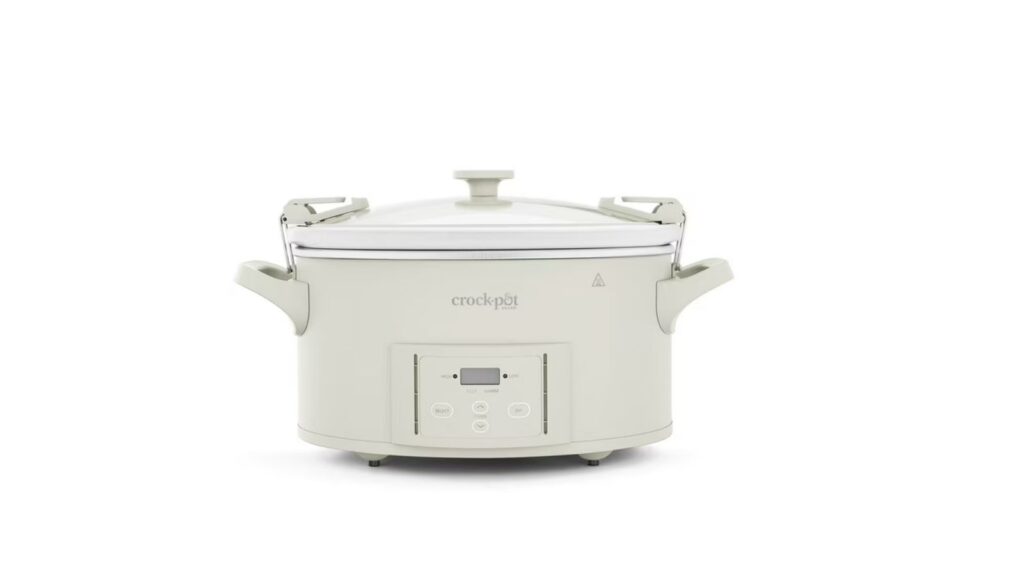
Crock Pot
Image Credit: Sam’s Club

Fall is when a slow cooker starts earning its cabinet space again. This 7-quart Crock-Pot is $59.88 and includes programmable controls, a locking travel lid, removable stoneware, and an insulated thermal carrying bag. The capacity is large enough for family meals, chili, pulled meat, or a dish headed to a potluck.

The value is in the bundle. A separate insulated slow-cooker carrier is another thing to buy and store, so getting one with the cooker makes the price easier to justify. This is especially useful for households that batch cook or routinely spend too much on takeout during busy evenings. If you already own a functioning slow cooker, though, there is no financial prize for owning a second one.

Counting Daisies Fall Sweatshirt

Fall sweatshirt
Image Credit: Sam’s Club

Kids’ seasonal clothes can get expensive for something they may wear for only a couple of months. The Counting Daisies Fall Sweatshirt is a much easier $11.98, with several graphics covering fall, Halloween, game-day, and western-inspired looks. It is a cotton-poly blend with ribbed trim and is machine washable.

That price makes sense for a school-day sweatshirt that can handle playground dirt and repeated washing without making you nervous every time ketchup appears. It also gives kids a seasonal top without paying specialty-store prices for a design they may outgrow before next fall. Sizes tend to be the weak point with seasonal clothing, so this is one category where buying while the full range is around is more practical than waiting for a clearance rack.

Member’s Mark 16-piece Bubble Reactive Dinnerware Set

dinnerware set
Image Credit: Sam’s Club

No one needs new dishes just because the leaves are changing. If your current set is chipped, mismatched, or missing half the bowls, this one is worth a look. The Member’s Mark 16-piece set is currently $29.96, down from $39.96, with cream, green, orange, and taupe options. It is dishwasher and microwave safe.

At roughly $1.87 per piece, the sale price is hard to argue with for everyday stoneware. The warmer colors fit a fall table but are neutral enough to keep using in January, which is a better deal than dinnerware that screams one holiday. This makes the most sense as a replacement purchase, a starter set for a first apartment, or inexpensive extra place settings before hosting season begins.

Member’s Mark Pumpkin Spice Cake Balls

pumpkin spice cake balls
Image Credit: Sam’s Club

These are firmly in seasonal-treat territory, but the math works well for a group. A 24-count package of Member’s Mark Pumpkin Spice Cake Balls costs $18.97, or about 79 cents each. They combine pumpkin-spice cake with a coated exterior and come decorated for fall. Sam’s Club describes them as a limited-time fall item.

That makes them more useful for an office table, school event, football gathering, or party than buying a handful of individually priced bakery treats. You can put out two dozen portions without doing any baking, decorating, or emergency frosting repair. For a household of one or two people with no event coming up, 24 cake balls is admittedly a lot of commitment to pumpkin spice.

Member’s Mark Men’s Fleece Pant

fleece pants
Image Credit: Sam’s Club

Basic cold-weather clothes are one of the places warehouse pricing can quietly do well. Member’s Mark Men’s Fleece Pants are $14.98 and come in black, green, gray, and navy. They have a brushed fleece interior, drawcord waist, classic fit, and a polyester-spandex fabric blend.

For less than $15, these work as lounge pants, dog-walking pants, weekend errand clothes, or an extra warm layer for someone who refuses to turn the thermostat up another degree. Neutral colors also mean they are not really seasonal even though fall is when they become useful. This is a better buy for someone replacing worn sweatpants than for a closet already holding six nearly identical pairs.

Member’s Mark 3-wick scented candle

scented candle
Image Credit: Sam’s Club

A 24-ounce candle is a substantial one, and the Member’s Mark version is $14.97. Current fall scents include Fireside Cider, Crimson Dahlia, and Mystic Pear. It uses a three-wick soy wax blend, and Sam’s Club lists a burn time of up to 40 hours. Shipping was already unavailable for the checked option, although local pickup and delivery were still showing.

This is the kind of seasonal purchase that works best when you actually burn candles, not when they sit on a shelf because the jar looked nice in August. For regular candle users, the size helps the price make sense, and one large candle can replace buying several smaller seasonal ones. Anyone sensitive to fragrance has an easy way to save the full $14.97: skip it.

Member’s Mark Chicken Pot Pie
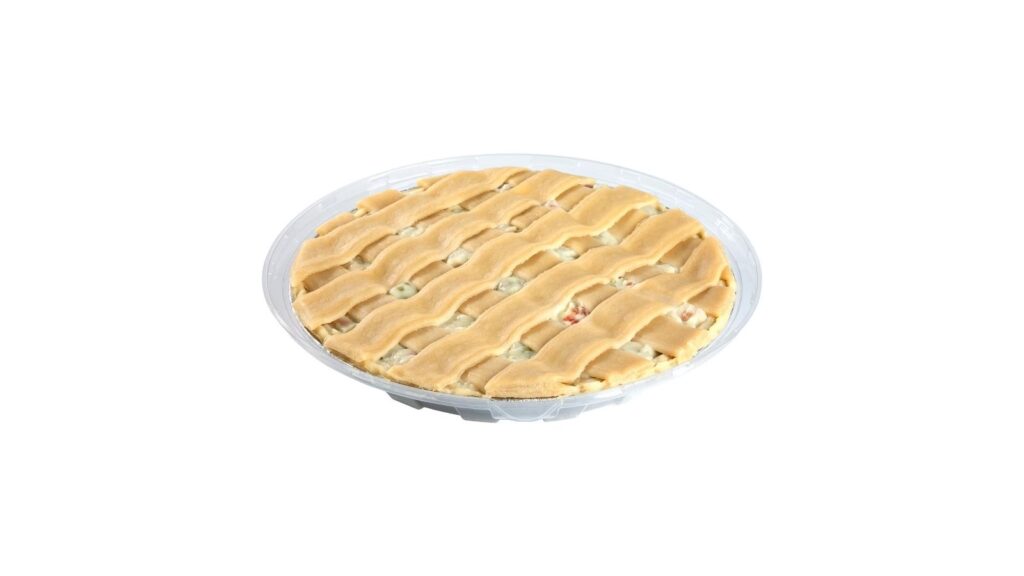
chicken pot pie
Image Credit: Sam’s Club

Cold evenings have a way of turning a $15 dinner plan into a $45 takeout order. Member’s Mark Chicken Pot Pie is sold by weight at $3.94 per pound, with the current average package priced around $21.28. Your final total will depend on the exact pie you pick up.

This is not cheaper than cooking chicken pot pie completely from scratch, but that is not the useful comparison for everyone. It is a large prepared dinner that can replace restaurant food on a night when cooking from scratch was never going to happen. Families with busy school or work schedules get the strongest value here. Smaller households should think about whether they are willing to eat leftovers before bringing home a pie large enough to dominate the refrigerator shelf.

Member’s Mark natural water hyacinth placemats
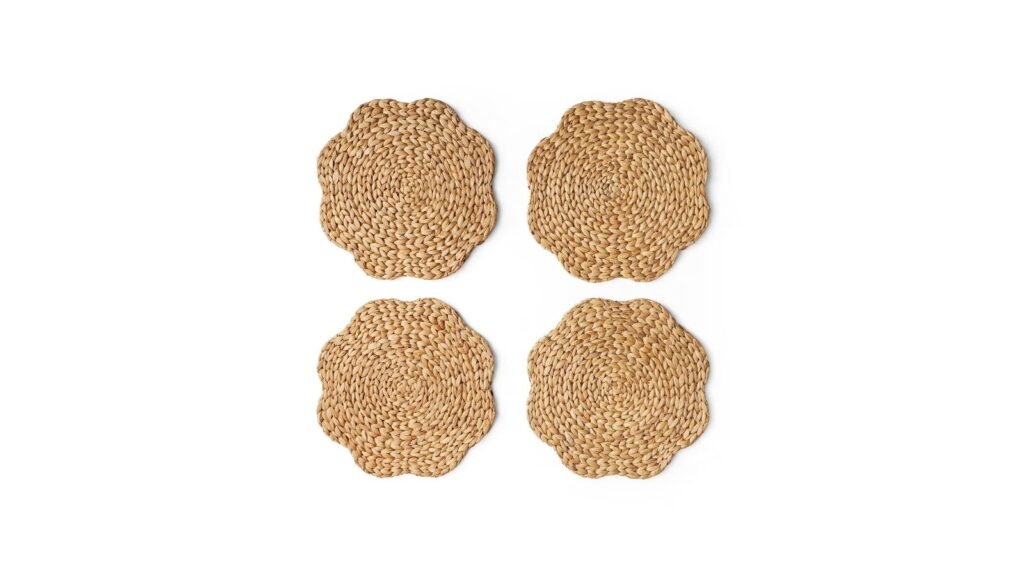
natural water hyacinth placemats
Image Credit: Sam’s Club

Seasonal table decor gets expensive when every piece is useful for exactly one Thursday in November. This four-pack of handwoven water hyacinth placemats is $12.94, putting each one at about $3.24. The mats are 15 inches across and are designed to help protect the table from spills, stains, and hot dishes.

The natural woven look fits fall dinners without becoming useless after Thanksgiving. They can stay on the table year-round, which is the sort of seasonal decorating that does not require another storage tote. Renters and people with small kitchens may especially appreciate something flat that stacks away easily. At this price, a set of four can also freshen up an older table without replacing the table, runner, dishes, and everything else sitting on it.

Member’s Mark Boys Fleece Shacket

fleece shacket
Image Credit: Sam’s Club

A warm kids’ layer for under $10 is worth noticing before the size selection gets picked over. The Member’s Mark Boys Fleece Shacket is currently $9.98, down from $12.98 through September 20. It has a brushed fleece exterior, sherpa lining, snap front, chest pocket, handwarmer pockets, and several color and print choices.

This fills the useful gap between a sweatshirt and a winter coat, especially for cool school mornings when a heavy jacket is too much. The sub-$10 sale price also makes more sense for a fast-growing kid than spending heavily on a fashion layer that may be too small next fall. Parents buying ahead should resist going too far up in size, though. Saving three dollars is less impressive if the thing fits properly sometime around 2029.

Member’s Mark Natural Pecan Halves
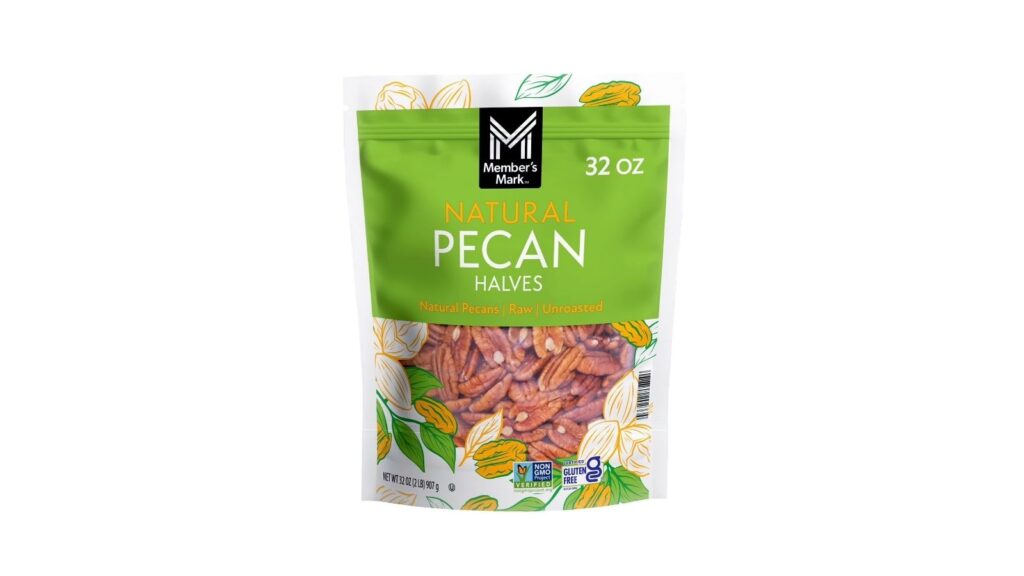
pecan halves
Image Credit: Sam’s Club

Fall baking gets pricey when recipes send you back to the store for another tiny bag of nuts. Member’s Mark Natural Pecan Halves come in a 32-ounce bag for $14.98, which works out to about 47 cents an ounce. Sam’s Club currently lists the bag in its fall assortment with multiple fulfillment options.

Two pounds is most useful for people who actually bake, make granola, top oatmeal, or put nuts out for holiday gatherings. Buying one larger bag can be more convenient than paying for small packages every time pecan pie, cookies, or sweet potatoes appear on the menu. If pecans are an occasional garnish in your house, bulk sizing works against you, so leave the oversized bag for someone who will finish it.

Member’s Mark 30-inch Harvest Greenery Wreath

harvest greenery wreath
Image Credit: Sam’s Club

A wreath can get expensive surprisingly fast, especially once it is large enough not to look lost on a front door. Member’s Mark’s 30-inch Harvest Greenery Wreath is currently $49.96. It is a full-size seasonal piece designed for fall rather than a small tabletop decoration trying to justify a wreath price.

Nearly $50 is not pocket change, so the value depends on using it for several years. For someone who normally buys a fresh or new fall wreath every season, one reusable piece can stop that repeat expense. It also covers a lot of visual space on its own, which means you may not need six smaller decorations around the entry. Apartment dwellers with no storage space, or anyone already owning a perfectly good wreath, can save more by passing.

Member’s Mark Broccoli Cheddar Soup
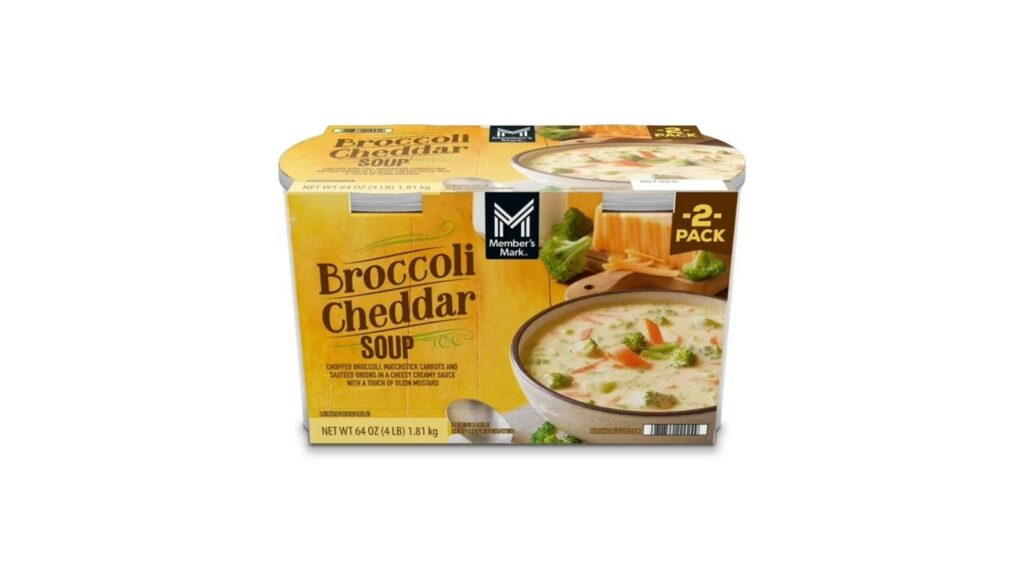
Broccoli Cheddar soup
Image Credit: Sam’s Club

Soup season is easier when dinner can be assembled instead of cooked. Member’s Mark Broccoli Cheddar Soup comes as two 32-ounce containers for $8.98, or $4.49 per container. That gives you 64 ounces total, and Sam’s Club currently lists pickup and delivery availability.

Add bread, sandwiches, or a salad and you have an easy cold-weather meal that is still well below the cost of ordering soup and sandwiches for several people. The two-container packaging is also more practical than opening one enormous tub at once. This is a convenience buy rather than a scratch-cooking bargain, but on nights when the real alternative is delivery, convenience has a dollar value too.

Member’s Mark Halloween Kitchen Towel Set

kitchen towel set
Image Credit: Sam’s Club

Seasonal kitchen towels at least have the decency to be useful. Member’s Mark sells a six-pack for $11.86, or just under $2 per towel. The current assortment includes Ghost, Harvest, and Pumpkin sets, with each towel measuring 17 by 28 inches. They are machine washable and combine printed and embroidered designs.

A six-pack makes sense if your kitchen towels are stained, frayed, or mysteriously disappearing at the same rate as socks. You can put a couple out for the season and keep the rest in regular rotation instead of treating them like precious decor. The price also makes these an inexpensive host gift split into smaller bundles. Anyone with a drawer that already takes physical force to close should probably work through the towels already in there first.

Member’s Mark Organic 100% Pure Maple Syrup
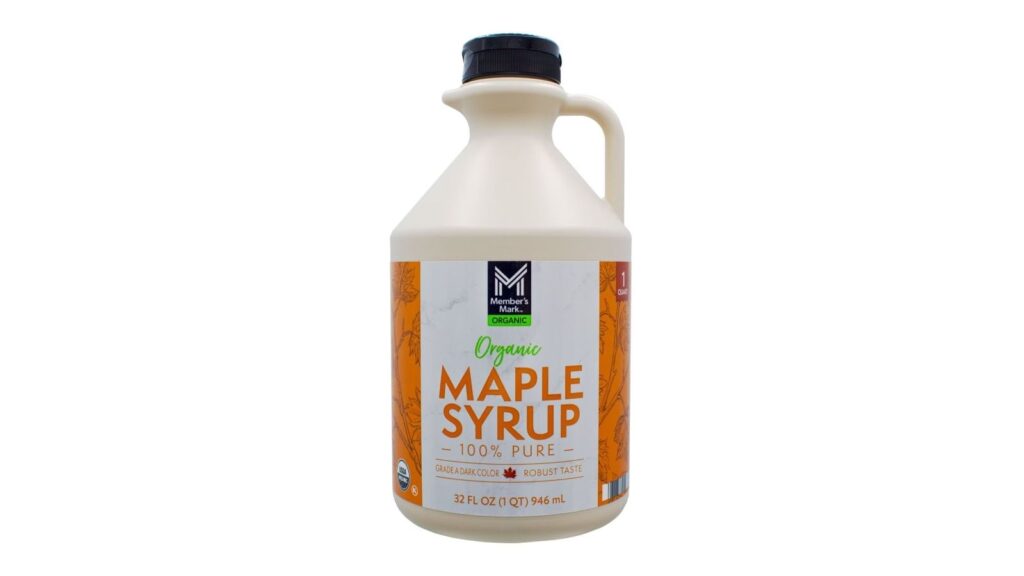
maple syrup
Image Credit: Sam’s Club

There is a big difference between maple-flavored pancake syrup and actual maple syrup, including at checkout. Member’s Mark Organic 100% Pure Maple Syrup is $12.28 for a 32-ounce bottle, or about 38 cents an ounce. It is currently part of Sam’s Club’s fall favorites assortment.

The larger bottle is useful once fall breakfasts and baking start calling for maple syrup more often. It can go on pancakes, oatmeal, yogurt, roasted vegetables, or into recipes without making you ration a tiny bottle by the teaspoon. Pure maple syrup is never going to compete with bargain pancake syrup on sticker price, so this only counts as value if that is what you already buy. Otherwise, paying extra for a pantry ingredient you do not care about defeats the point.

Tramontina enamel cast iron bread oven
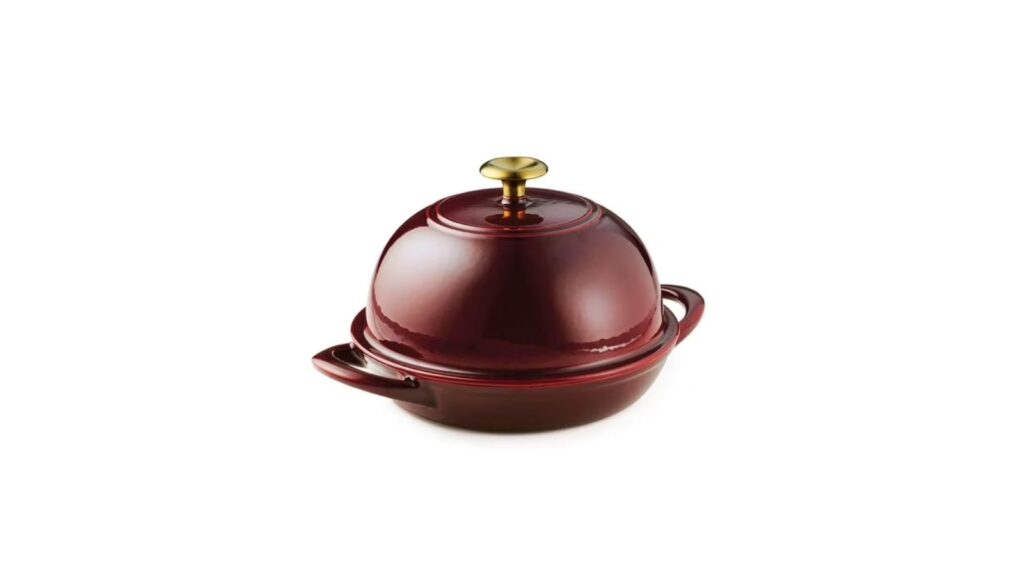
bread oven
Image Credit: Sam’s Club

Home bread baking can be inexpensive once you own the right equipment, but specialized cookware often costs more than the flour will for years. Tramontina’s 9.5-inch enamel cast iron bread oven is currently $47.94. The enameled cast iron holds heat well and gives frequent bread bakers a dedicated covered vessel rather than improvising with whatever pot happens to fit.

Under $50 is a reasonable entry point for someone who regularly makes crusty loaves and has been eyeing pricier cast iron baking pieces. It is also the sort of cookware that can stay useful for years rather than one fall. There is an obvious caveat: if baking bread is something you did twice during a brief burst of ambition, another heavy pan is not going to revive the hobby.

Member’s Mark Tart & Sweet Apple Turnovers

sweet apple turnover
Image Credit: Sam’s Club

Apple pastries fit fall without requiring you to peel a single apple. An eight-count package of Member’s Mark Tart & Sweet Apple Turnovers costs $5.98, which comes to about 75 cents each. They are currently listed in Sam’s Club’s fall favorites bakery selection, with availability depending on the local club.

That per-piece price is useful when you need breakfast for weekend guests, dessert for a casual dinner, or something to put next to coffee without spending bakery-counter prices one pastry at a time. Eight is also a more manageable warehouse quantity than some giant party packs. They are still a treat rather than a grocery staple, but at under $6 for the package, the convenience charge is refreshingly small.

Member’s Mark Decorative Harvest Pumpkins

Fall pumpkins
Image Credit: Sam’s Club

Fall decor can turn into a collection of $8 objects very quickly. Member’s Mark keeps this set simpler: three decorative harvest pumpkins for $44.98. The hand-painted set comes in white, sage, and rust tones with a textured look, giving you three coordinated pieces for about $15 each.

The price makes more sense for someone starting a fall decor collection than for anyone whose basement already contains enough pumpkins to open a roadside stand. Three substantial pieces can cover a mantel, console, or dining table without adding lots of smaller clutter, and neutral colors make them easier to reuse from September through Thanksgiving. Because they are purely decorative, storage is the real cost to consider. Small-home shoppers should measure the closet before measuring the mantel.

Member’s Mark Premium Silver-Look Cutlery Combo
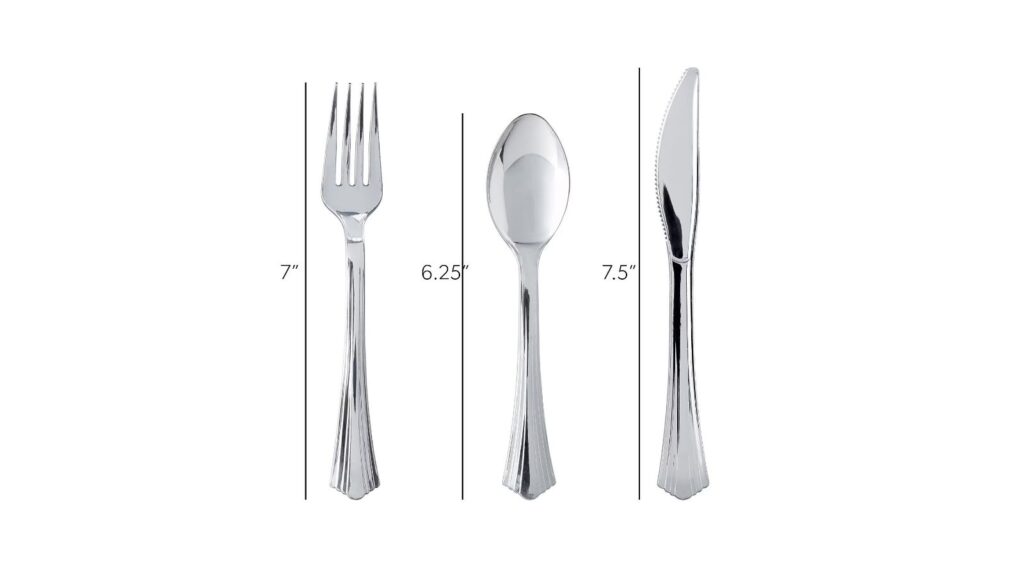
Cutlery
Image Credit: Sam’s Club

Hosting season creates an impressive amount of washing up. Member’s Mark’s Premium Silver-Look Cutlery Combo contains 180 pieces for $12.78, or about 7 cents per utensil. It is a practical stock-up for football Sundays, Halloween gatherings, school events, and Thanksgiving overflow when the regular silverware drawer cannot keep up.

The useful part is not that disposable cutlery is exciting. It is that one box can cover several gatherings for less than the cost of repeatedly grabbing small packs at the last minute. The silver-look finish also works for occasions where basic white plastic feels a little too much like the office break room. Households that rarely host will get less value from 180 pieces, so this is very much a buy based on actual plans, not imaginary future parties.

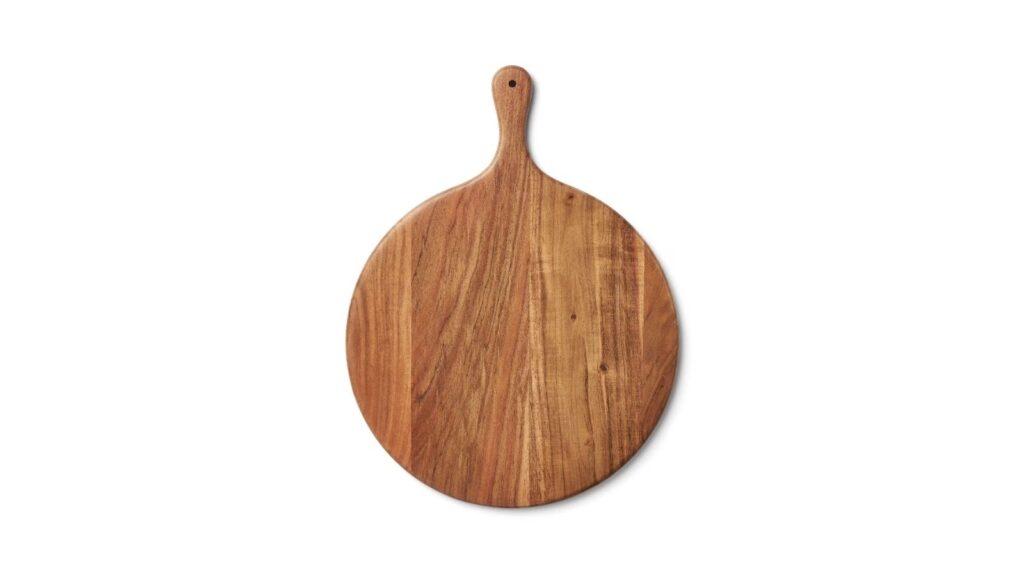
Member’s Mark Acacia Wood Charcuterie Boards
Wood Charcuterie Board
Image Credit: Sam’s Club

Fall starts a long stretch of football snacks, birthdays, holiday dinners, and people appearing at your house hungry. Member’s Mark sells two large acacia wood charcuterie boards for $24.97, which puts each board at about $12.49. One is rectangular and the other round, giving you separate surfaces for snacks, cheese, fruit, or desserts.

That is a useful price for serving pieces that can come out all year instead of disappearing with the fall decorations. Two boards also let you split sweet and savory food without buying another platter at the last minute. They require hand washing, so anyone who considers the dishwasher a sacred right should know that upfront. For regular hosts, though, a pair of solid wood serving boards for under $25 can replace several less-versatile trays.

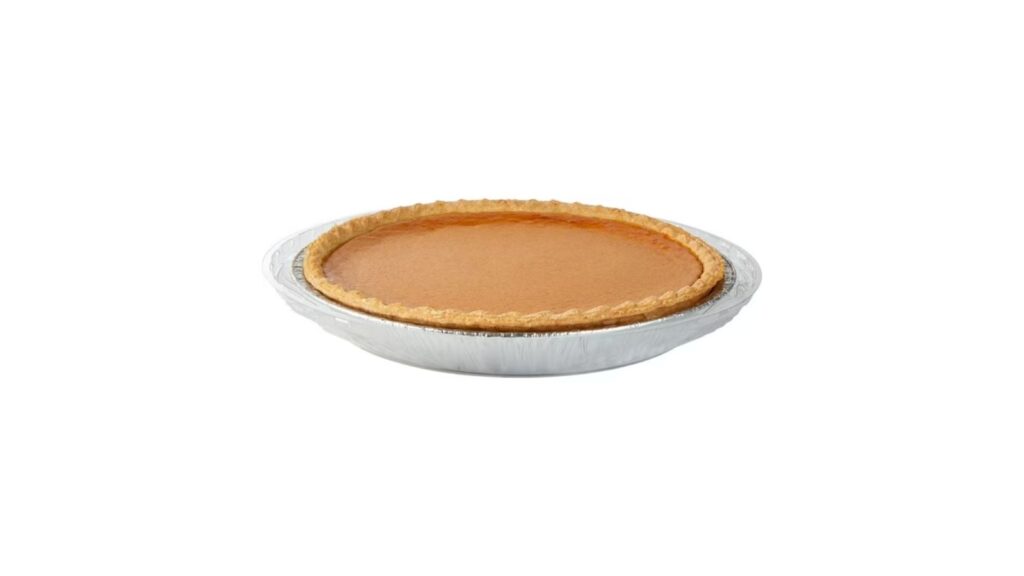
Member’s Mark 12-inch Pumpkin Pie
pumpkin pie
Image Credit: Sam’s Club

There are cheaper ways to make dessert if you enjoy baking and already have every ingredient. For everyone else, a 58-ounce pumpkin pie for $5.98 is difficult to beat. The Member’s Mark pie measures 12 inches across and currently costs about 10 cents per ounce. It is available through the bakery, so exact stock will depend on the club.

This is one of those warehouse buys where the low price and large size actually line up with how people use it. A big pie works for Sunday dinner, a fall gathering, or Thanksgiving without requiring a second dessert run halfway through serving. It also costs less than many individual bakery slices. The only poor-value scenario is buying 58 ounces of pumpkin pie for someone who does not particularly like pumpkin pie, which warehouse sizing cannot fix.


Did you know that stay‑at‑home parents of two children in the U.S. put in roughly 200 hours of unpaid labor every single month? According to Forbes, that work would cost between $4,000 and $5,200 per month to outsource—and in cities like San Francisco, it adds up to an eye‑popping $1.25 million over 20 years.

Here’s the reality: 26% of U.S. mothers are stay‑at‑home parents, and 79% of them say they’re home specifically to care for family. That’s millions of talented, organized women running households full‑time without a paycheck to show for it.

What if you could convert just a tiny sliver of that unpaid effort into real cash—on your terms, around the kids, with no experience required? 

Methodology: How we evaluated these side hustles

We assessed each income method using five criteria that matter to busy moms: 

  1. ease of entry – no specialized degree or prior experience required 
  2. schedule flexibility – can you do it in short nap‑time or after‑bed bursts 
  3. payout speed – how quickly cash reaches you 
  4. realistic earnings – grounded in verified data, not hype 
  5. mom‑friendliness – can you pause without penalty when a child needs you.

1. KashKick: Earn cash in spare moments (Surveys, games & offers)

Some platforms hand you a mess of confusing points that leave you doing mental math just to figure out what you’ve actually earned. Not KashKick. Every dollar you earn is a dollar you get—no points, no conversion charts, no nonsense.

KashKick pays real money through PayPal or Venmo with a $10 minimum, and payouts process in just 1 to 3 business days. You can stack earnings through surveys, casual mobile games, and exploring deals. The platform holds a 4.7-star rating on the App Store. 

On Trustpilot, the team responds to 99% of negative reviews within 24 hours—that’s the kind of customer care that tells you they’re paying attention. Real users back this up.

One pro tip worth knowing: a fully complete profile can lower your survey rejection rate by roughly 25%, according to EarnLab. That’s five minutes of setup that pays you back every time you log in.

2. Survey Junkie: Share Your opinion for PayPal cash

Survey Junkie keeps things refreshingly straightforward. You answer questions, you earn points, you cash out. Even when you get screened out of a survey—and yes, that happens to everyone—you’ll usually pocket a few points as a consolation prize.

According to the platform, completing three surveys a day can net you around $40 a month. That’s not going to fund a vacation, but it might cover a pizza night or two. Cash‑out is easy with a $5 minimum via PayPal or bank transfer, so you won’t have to wait weeks to see your money.

If you’re the type who likes knowing exactly what to expect with minimal surprises, this one fits. It’s boring in the best way—predictable, low‑stakes, and reliably there when you have 15 minutes to kill.

3. Swagbucks: Earn through surveys, videos, and shopping

Swagbucks has been paying people since 2008, which in internet years makes it practically ancient. That longevity is actually reassuring—scam sites don’t stick around for nearly two decades.

The platform uses SB points, and you’ll need roughly 2,530 SB to cash out $25 via PayPal. A fair heads‑up: PayPal payments can take up to 10 business days to process, so this isn’t your go‑to when you need cash tomorrow. 

What Swagbucks lacks in speed it makes up for in variety. You can rack up points through surveys, watching videos, playing games, and—here’s the clever bit—online shopping through their portal. 

For moms who get bored easily doing the same thing day after day, Swagbucks offers a refreshing mix. Just plan those cash‑outs ahead of time.

4. InboxDollars: Get a $5 welcome bonus and cash for simple tasks

InboxDollars has been cutting checks since the year 2000, and it sidesteps the whole points‑to‑dollars headache entirely by sticking with a cash‑based system. That alone makes it worth a look if you find point conversions annoying.

New members get a $5 sign‑up bonus just for joining—no gimmicks, no purchase required. Individual surveys pay between $0.50 and $5, and once you hit the $15 threshold for your first cash‑out, the minimum drops to $10 for future withdrawals. Many users see around $50 to $100 in monthly earnings, which isn’t bad for something you can do while waiting for pasta water to boil.

The interface feels a little old‑school compared to sleeker apps, but there’s something comforting about a platform that’s been reliably paying people for over two decades. 

5. Branded Surveys: Climb loyalty tiers for faster payouts

Branded Surveys operates on a points system where 500 points equal $5, and it rewards loyalty in a way that actually makes a difference. As you complete more surveys, you climb through tiers—and Silver and Gold members unlock perks like instant payouts and better survey availability.

Monthly earnings can range anywhere from $5 to $100 depending on how much time you put in. Payout options include PayPal and bank transfer, so you’ve got flexibility on how you receive your money. The loyalty program is the real draw here. 

This is a solid pick for the mom who knows she’ll be squeezing in surveys regularly and wants her effort to compound over time.

6. Google Opinion Rewards: Ultra‑quick surveys for small payouts

Google Opinion Rewards is the definition of low‑effort earning. The app fires off very short surveys—often under 20 seconds—based on your location and search history. You might get asked about a store you visited or a YouTube video you watched.

Here’s the catch: iOS users get PayPal cash once they hit $2, while Android users receive Google Play credits. That makes it more of a spare‑change earner than a real income stream, but the time commitment is so tiny it’s hard to complain. You can knock out a survey while waiting in the school pickup line or during a commercial break.

Don’t expect to fund your grocery run with this one. Do expect to feel a small, satisfying ping of free money every time a notification pops up. It’s basically found cash for opinions you already have.

7. Sell printables on Etsy: Create once, earn repeatedly

Now we’re shifting gears into something with real earning potential. Digital printables—planners, wall art, party games, invitations—are products you design once and sell indefinitely on Etsy. No inventory, no shipping, no customer service headaches about lost packages.

The numbers are genuinely compelling. A 36‑year‑old mom featured by CNBC built a $10,000‑a‑month Etsy side hustle selling business templates and party games—and she started during maternity leave in 2020.

The upfront creative work is real. You’ll need to learn your way around Canva or a design tool, research trending keywords, and set up listings. But once those digital files are live? They can sell while you’re at the playground, while you’re sleeping, while you’re doing literally anything else. That’s genuine passive income, and it’s rare to find that without a steep learning curve.

8. Virtual Assistant (VA) work: Turn admin skills into hourly pay

Here’s a hot take: running a household is basically project management with higher stakes and worse snacks. The skills you use every day—scheduling, email wrangling, research, organization—are exactly what businesses pay virtual assistants for.

Entry‑level VAs in the U.S. typically earn $20 to $30 per hour, while seasoned assistants with niche skills can charge $40 or more, according to Operations Army. 

A 20‑hour week at $15 per hour yields about $1,200 a month, which is real money that moves the needle on a household budget. Pinterest‑focused VAs can earn $20 to $50 hourly, and some bring in over $1,000 a month focusing solely on that platform.

Jobs can be found on Indeed, Zirtual, Upwork, and Fiverr. The trickiest part isn’t the work—it’s carving out focused blocks of time when the kids are occupied or asleep. 

If you’re the mom who color‑codes the family calendar and actually enjoys it, this might be your sweet spot.

9. Proofreading: Get paid to catch typos and grammar slips

Proofreading is one of those quiet, under‑the‑radar gigs that can pay surprisingly well. You’re reviewing documents for spelling, grammar, and punctuation errors—no content creation, no client brainstorming sessions, just you and your red pen (or digital equivalent).

ProofreadingServices pays $19 to $46 per hour depending on turnaround time, with flexible hours that work from any time zone. The average U.S. proofreader earns about $53,797 per year—roughly $25 an hour—as of September 2024. That’s solid income for a job you can do in pajama pants with a cup of coffee.

If you’re the friend everyone asks to double‑check their résumés and emails, you might already be qualified.

10. Transcription: Type audio files while the kids sleep

Transcription is straightforward in concept: listen to audio recordings and type what you hear. Platforms like TranscribeMe and Rev hire beginners and let you choose when and how much you work.

Pay is typically by the audio minute, and once you find your rhythm, steady transcriptionists can earn $15 to $25 per hour. A typing speed of 60 to 70 words per minute is recommended, though you’ll naturally get faster as you practice. 

The barrier to entry is refreshingly low—a computer, internet connection, and a decent pair of headphones are all you need.

This job is practically designed for the after‑bedtime hours. Pop on headphones, work through some files, and cash out when you’re done. No client calls, no team meetings, no deadlines beyond what you agree to. 

[For a deeper dive into companies hiring beginners, check out The 7 Best At‑Home Transcription Jobs for Beginners.]

11. Freelance on Fiverr or Upwork: Sell your skills from home

Freelance marketplaces like Fiverr and Upwork put you in the driver’s seat. You set your prices, you choose your projects, you decide when to work. If you already have a marketable skill—writing, graphic design, voiceovers, data entry, social media management—you can start monetizing it within days.

Virtual assistants on Upwork earn a median $13 per hour, typically ranging from $10 to $20. On Fiverr, gigs start at $5, which sounds tiny but serves as a portfolio builder. Many sellers start with low‑priced gigs to rack up reviews, then raise rates once they’ve built credibility.

This route works best for moms who already have a skill (even a hobby they’ve gotten surprisingly good at) and don’t mind a short ramp‑up period before the money starts flowing.

12. Affiliate Marketing: Recommend products you love for commission

Affiliate marketing is the long game of online income. You share unique tracking links on a blog, social media, or Pinterest, and when someone buys through your recommendation, you earn a commission.

How much can beginners realistically make? According to Post Affiliate Pro, first‑year affiliate marketers typically earn between $0 and $1,000 per month, with most reaching around $300 to $500 monthly by month twelve. Experienced affiliates in certain niches do significantly better—personal finance affiliates average $8,038 per month (as of 2026).

The upside potential is enormous, but this isn’t the move for a mom who needs cash right now. It’s the move for a mom who’s thinking about where she wants to be financially two years from today.

Posticy is a platform for finding paid guest post opportunities.

13. Start a mom-life or passion blog

Blogging and affiliate marketing are cousins, but blogging casts a wider net. You can monetize through ads, affiliate links, sponsored posts, or selling your own digital products. Over time, your archive of posts becomes an asset that earns while you sleep.

One mom-blogger paid off over $80,000 in debt using a combination of side hustles including drop shipping. That’s the kind of life‑changing outcome that’s possible, but let’s be realistic: it takes 6 to 12 months to build meaningful traffic, and that’s if you’re consistent. Hosting and domain costs are low, and you can start with free tools like WordPress.com or Canva for graphics.

If you’d rather trade hours for dollars and see results this week, pick one of the survey platforms instead. Neither approach is wrong—they’re just different.

14. Micro‑tasking: Pick‑up‑put‑down work in tiny bites

Micro‑task platforms like Amazon Mechanical Turk let you complete tiny, simple jobs—data validation, image tagging, content moderation—that take just a few minutes each. Work is available 24/7 with zero commitment, and you never have to talk to a client or commit to a long‑term project.

The pay per task is small. We’re talking pennies, sometimes nickels. But the flexibility is unmatched. You can snatch a few tasks while the baby dozes, stop instantly when they wake up, and pick up again hours later without anyone blinking an eye. 

Treat micro‑tasking as fill‑the‑gaps income. It won’t pay your mortgage, but those pennies do add up—and unlike a lot of side hustles, this one genuinely requires nothing from you beyond a few spare minutes and a working internet connection.

15. User testing: Get paid to give website feedback

User testing turns your honest opinions into cash. Platforms like UserTesting pay you to record your screen and voice while you navigate a website or app, sharing your thoughts aloud as you go. Tests usually last 10 to 20 minutes and pay around $10 each.

No special skills required—just a computer or smartphone and the ability to think out loud. Payouts typically arrive within 14 days via PayPal. The work itself is genuinely interesting; you get to peek at websites before they launch and your feedback shapes how companies improve their products.

The downside? Test availability fluctuates, so income is inconsistent. You might get three tests one week and zero the next. That makes user testing a fun bonus earner rather than something to budget around. 

If you’re comfortable narrating your thoughts and don’t mind the feast‑or‑famine nature of the work, it’s an enjoyable way to pad your PayPal balance.

Final thoughts: Start small, stack your wins

You don’t need to replace a full‑time income overnight—or ever, really. Even $100 a month from a survey platform plus $400 from a growing Etsy shop adds up to $500 in real cash, earned entirely on a mom‑friendly schedule. That’s a car payment. A grocery run. A little breathing room in the monthly budget.

Pick two or three methods that match your personality and available time slots. Start this week. The “no experience needed” label isn’t a red flag anymore—it’s a legitimate entry point into the online earning world.

Small, consistent effort compounds. Stack those small wins until they become a meaningful part of your family’s finances. Your time is already valuable. These 15 methods just help you get paid for a slice of it.

Family life changes rapidly when major life events happen. Moving across the country, changing careers, or restructuring a household brings heavy emotional stress for parents and children alike.

Finding steady footing requires clear communication, direct planning, and simple daily habits. Taking small action steps every day helps everyone regain balance when life turns upside down.

Learn how to handle tough family life transitions with practical ways to manage change, stress, communication, and emotional challenges.
Image Credit: Alexas Fotos via Pexels

Understanding major shifts in the household

Big structural shifts alter daily dynamic patterns very quickly. Relocating to a new neighborhood or adjusting to single parenthood disrupts familiar schedules. Recognizing that stress is a normal reaction gives family members permission to process feelings without judgment.

Open conversations lower anxiety across all age groups. Sitting down at the kitchen table to discuss upcoming schedules creates a sense of shared purpose. When parents listen closely to worries, children feel heard and supported through every step.

Predictable routines help family members feel more in control during big changes. Write down school, work, meal, and household schedules.

That gives everyone a clear picture of what to expect. Kids may adjust better when familiar activities stay in place. Parents can check in and adjust the schedule as needed. Routines and open communication can make hard transitions easier for everyone.

Marital separation introduces unique legal and financial choices that require immediate attention. Navigating formal paperwork becomes much simpler whether you are facing Divorce Due to Adultery in Singapore or somewhere else; a legal professional can explain every step clearly. Gathering proper documentation early reduces conflict and keeps discussions focused on practical solutions.

Clear boundaries during legal proceedings protect personal mental energy throughout the standard procedure. Professional guidance takes the guesswork out of complex court filings and custody terms.

Legal advisors help families secure fair agreements so everyone can focus on rebuilding their lives. Separating personal emotions from legal paperwork keeps negotiations constructive and efficient.

Giving family members time to adapt

Patience is mandatory when household dynamics shift suddenly. Growth takes time, and emotional recovery rarely happens overnight. Expecting instant adjustment creates unnecessary tension between family members.

A community health organization compared family progress to a caterpillar turning into a butterfly, reminding parents that full adjustment requires real patience. Allowing each person space to process emotions builds long-term resilience. Small steps toward stability add up over several months.

Giving family members space to adjust can make changes in feelings easier to handle. Some people need more time than others to get comfortable with new routines or tasks. Simple activities, regular meals, and familiar traditions can bring steadiness during uncertain times.

Parents can offer comfort without rushing kids or other family members. With patience and steady support, families can slowly build a new sense of ease and balance.

Involving children in daily choices

Children often feel helpless when adults make major life decisions without them. Including young family members in age-appropriate choices restores their sense of personal agency. Simple actions like choosing bedroom paint or planning weekend meals make a huge difference.

A family support resource noted that involving young ones in choices gives them a stronger sense of control during unsettling shifts. Shared decision-making strengthens trust between parents and youth. Children adapt faster when they feel like active partners in the household transition.

Giving kids small jobs can help them feel more connected to changes in the family. Parents can ask for their input on routines, activities, meals, and shared spaces. Offering a few clear options gives kids a say without putting big choices on them.

Regular family talks help parents understand what feels okay and what still worries them. These small moments of involvement can build confidence and make household changes easier to handle.

Setting firm mental health boundaries

Protecting personal well-being keeps parents grounded during stressful seasons. High stress drains energy quickly, making everyday parenting tasks feel overwhelming. Establishing clear personal limits prevents burnout and keeps conflict low.

A mental health advisory service stressed that clear limits remain key to safeguarding emotional well-being. Saying no to extra commitments preserves precious energy for immediate family needs. Healthy personal boundaries allow adults to respond to challenges with patience rather than anger.

Image Credit: Shelby Bauman via Pexels

Creating practical routines for stability

Predictable schedules provide immediate comfort during times of chaos. Maintaining consistent mealtimes, bedtime habits, and weekly chores keeps children grounded. Small daily routines create a safe foundation when external circumstances feel uncertain.

Establishing quick daily habits keeps the household moving forward smoothly:

  • Set fixed sleep schedules for 7 days a week.
  • Share 1 group meal each evening.
  • Designate 15 minutes every morning for family planning.

Consistently following these simple steps helps minimize daily stress. Regular routines give everyone predictable expectations from sunrise to sunset.

Navigating major life shifts requires ongoing patience, clear limits, and honest conversations. Prioritizing structured daily routines helps adults and kids adapt to new circumstances with confidence. Taking things 1 day at a time keeps families strong, united, and prepared for bright future chapters.

Travel nurses who skip the agency route often leave real money and opportunity on the table. The job market for registered nurses is competitive, and finding quality short-term placements on your own takes time, connections, and a lot of cold emailing that rarely goes anywhere.

The top benefits of working with travel nurse agencies go well beyond a steady paycheck. Here are five reasons why thousands of nurses across the US choose agency placements every year.

Higher pay than traditional staff nursing roles

Travel nurse agencies negotiate contracts directly with hospitals and health systems, and those facilities pay a premium to fill short-term gaps. A staff nurse in a standard full-time role gets paid on that hospital’s salary band, nothing more. Travel nurses, by contrast, typically earn weekly gross pay built from a base hourly rate plus tax-free housing and meal stipends, a structure that can push total take-home pay well above what a comparable staff position offers. The PRN Healthcare travel nurse agency model reflects this reality: placements in high-demand specialties like ICU, ER, and labor and delivery routinely come with compensation packages that reward both your clinical skill and your willingness to relocate. Total weekly pay can outpace local staff rates by 20% or more, depending on location and specialty. Facilities in rural or underserved markets often push rates even higher to attract qualified travelers.

Freedom to choose where and when you work

One of the clearest advantages of agency work is ownership of your own schedule. You don’t just accept whatever assignment comes next – you review available contracts, pick the state or city you want, and decide whether a 13-week commitment fits your life right now. That kind of control is rare in traditional nursing employment. Some nurses spend several months in a coastal city, then move somewhere completely different. Others stay close to home but rotate facilities to escape the burnout that comes from the same unit, the same politics, year after year. Agencies with national reach post openings in all 50 states, so you can target specific regions for personal reasons – family, climate, lifestyle, without stalling your career. You can also time assignments around natural breaks, take a few weeks off between contracts, and return when you’re ready.

Access to competitive benefits packages

The assumption that travel nurses sacrifice benefits compared to staff employees doesn’t hold up well against what agencies currently offer. Many now provide health, dental, and vision coverage that kicks in quickly after placement. Some extend that coverage through gaps between assignments so you’re not left uninsured while weighing your next contract. Beyond health coverage, agencies frequently include professional liability insurance, something that genuinely matters in clinical settings where documentation and scope-of-practice questions surface regularly. Read the specifics of any benefits package before you sign, because not all policies are equal; but the era of travel nursing as a “benefits desert” is largely over. Retirement contribution options, referral bonuses, and continuing education reimbursements show up in agency packages far more often now, especially at agencies competing hard for experienced nurses in high-demand specialties.

A streamlined path into new specialties and settings

Travel nursing gives you real clinical exposure that’s difficult to replicate if you stay in one system your entire career. A nurse who completes contracts across a trauma center in Houston, a community hospital in rural Montana, and a pediatric facility in Chicago builds a clinical resume that stands out. Each placement introduces different patient populations, documentation systems, and care protocols. That breadth makes you more adaptable and, frankly, more employable over the long run. Agencies often help match your existing experience to facilities where you can grow, placing a nurse with solid med-surg experience into a step-down unit contract where on-the-job exposure accelerates progression toward more specialized roles. The variety also tends to fight burnout. Nurses who get stuck in repetitive environments often feel the cognitive and emotional drain earlier. Changing settings every few months keeps clinical work feeling fresh and genuinely interesting.

Dedicated recruiter support throughout every contract

Working through an agency means you’ve got a point of contact who knows your file, your preferences, and your contract terms – someone to call if something goes wrong mid-assignment. That matters more than most nurses expect before their first travel contract. Scheduling disputes, housing stipend issues, or credentialing confusion can turn a good placement into a stressful one fast. A recruiter who knows how to work through those problems with the facility is genuinely valuable, especially early in your travel career when you don’t yet know which questions to ask. Good agencies also handle licensing paperwork, credentialing verification, and compliance tracking on your behalf – administrative work that eats up hours when you manage it yourself. The relationship works best when you’re upfront about what you want from each contract, because recruiters can only advocate effectively when they know your priorities.

Conclusion

The top benefits of working with travel nurse agencies come down to better pay, real flexibility, and professional support that staff positions rarely match. Whether you’re drawn by the financial upside, the chance to work in new cities, or the variety of clinical environments, agency placements offer a career model worth taking seriously. Research any agency before you commit, compare compensation structures carefully, and don’t hesitate to ask direct questions about benefits and recruiter availability. Nurses who get the most out of travel work treat it as a deliberate career strategy. It’s not a short-term fix; it’s a long game.

Explore 9 options of cost segregation providers for real estate investors and find the right fit for your property and goals.
Image Credit: Anastasia Shuraeva via Pexels

Real estate investors who wait until tax season to think about depreciation usually leave money on the table. Cost segregation studies break a building into components that depreciate on faster schedules, which can mean a real bump in cash flow in the years right after a purchase, renovation, or buildout. The tricky part is picking who actually runs the study.

Some firms are software platforms that you drive yourself. Others are engineering-heavy consultancies that fold cost segregation into a bigger tax practice. A few work almost exclusively with CPAs and advisors who need a technical partner behind the scenes. Here’s a rundown of nine firms worth knowing before you commit to one.

Best for dedicated cost segregation expertise – R.E. cost seg

R.E. Cost Seg helps property owners accelerate depreciation, reduce taxes and improve cash flow through a cost segregation study. That’s the whole business, not a side offering tacked onto a broader tax practice.

Because cost segregation is all the firm does, clients tend to get a deeper analysis and faster turnaround than they’d get from a generalist CPA handling the study alongside everything else on their desk. That specialization matters most in situations like tenant improvements, where a business builds out leased space and needs to know which of those costs can be separated out and depreciated on an accelerated schedule rather than lumped in with the building itself over decades.

CPAs and financial advisors who don’t want to build cost segregation expertise in-house can bring R.E. Cost Seg in as a technical partner, one that handles the study and the client-facing explanation while the advisor keeps the primary relationship. For an investor who wants a firm that treats cost segregation as its core discipline rather than an add-on service, this is the more natural starting point.

Best for self-guided studies on smaller properties – CostSegregation.com

CostSegregation.com is a self-guided software platform, not a consulting firm. Property owners with real estate up to $1.5 million in building basis (not including land) can run the study themselves, using tools like an instant report generator, an AI-assisted workflow and a land-versus-building allocation advisor.

The pricing is transparent and posted upfront: a residential study runs $495 for a $750,000 tax basis, and a commercial study runs $1,295 for a $1,000,000 tax basis. Properties with a building basis over $1.5 million need a custom quote. The platform also offers a catch-up adjustment schedule under Section 481(a) and audit support if a completed report needs to be revisited.

The trade-off is baked into the model. This is a do-it-yourself tool built for smaller, more straightforward properties, and it isn’t the right fit for an investor who wants a firm to manage the entire study relationship on their behalf.

Best for high-volume engineering-based studies – ETS

ETS is an independent, professionally licensed engineering firm built around helping clients reduce income taxes through cost segregation, the Section 179D energy deduction and R&D tax studies. The firm reports performing over 10,000 of these studies a year, which points to a practice built for scale and a steady, repeatable process across a large client base.

That volume can be a plus for an investor who wants a firm with deep institutional experience. It can also mean less of the individualized attention a smaller specialist offers, since a firm running that many studies annually is, by nature organized around throughput rather than boutique service.

Best for broad specialty tax consulting – McGuire Sponsel

McGuire Sponsel positions itself as the nation’s leading specialty tax consulting firm and cost segregation is one piece of a wider practice that also covers R&D tax credits, fixed asset reviews, global business services and location advisory work.

That breadth suits a business with tax needs beyond depreciation, someone who wants one firm to handle several specialty tax questions at once. An investor whose only need is a straightforward cost segregation study on a single property may find a dedicated specialist a simpler fit.

Best for bundled property tax services – CSSI

CSSI offers cost segregation for property owners, R&D tax credits for businesses, and the Section 179D deduction for energy-efficient buildings. Bundling these three services under one roof works well for an owner who expects to use more than one of them over time.

Because cost segregation sits alongside two other tax specialties here rather than being the firm’s sole focus, an investor looking for a firm built specifically around cost segregation may prefer a more narrowly focused option.

Image Credit: Mikhail Nilov via Pexels

Best for middle-market advisory alongside tax work – Baker Tilly

Baker Tilly is a top-10 advisory, tax, and assurance firm built to bring enterprise-level thinking to middle-market businesses, with guidance shaped by how those businesses actually operate. It’s a fit for an owner who wants tax work handled inside a larger advisory relationship rather than as a standalone engagement.

Best for specialty tax credits and incentives – Corporate Tax Advisors

Corporate Tax Advisors focuses on specialty tax credits and incentives. It suits a business already thinking about credits and incentives more broadly and looking for an advisor built around that category, rather than an investor whose needs start and end with a cost segregation study.

Best for engineer-based depreciation studies – National Cost Segregation Services

National Cost Segregation Services conducts engineer-based cost segregation studies to accelerate depreciation and improve cash flow. It’s a straightforward option for an owner who wants an engineering-driven study without a larger bundled tax practice.

Best for broad financial and compliance guidance – Aprio

Aprio’s practice covers finances, taxes, risk, compliance and growth, so cost segregation would sit inside a much wider advisory relationship rather than as the main event. That works for a business that wants one firm to handle multiple financial questions, but less so for an investor who just needs a cost segregation study done well and quickly.

Which one is right for you

The right firm depends mostly on how much of the process you want to run yourself and how big the property is. If you own a smaller property and don’t mind driving the study, CostSegregation.com’s software and posted pricing make sense. If you’re already working with a firm on other specialty tax credits, CSSI or McGuire Sponsel can let you fold cost segregation into that same relationship. Larger, higher-volume needs might point toward ETS, while a business that wants tax work handled inside a bigger advisory relationship could lean toward Baker Tilly or Aprio.

If your priority is a firm built entirely around cost segregation, one that isn’t juggling R&D credits, 179D studies, or broader advisory work at the same time, R.E. Cost Seg is the more natural pick. That single-discipline focus is exactly what tends to matter most when the property involves something specific like tenant improvements, where getting the depreciation schedule right depends on someone who does this kind of analysis every day rather than a few times a year. For CPAs and advisors who want a technical partner instead of building that expertise in-house, it’s also the option built to work quietly behind an existing client relationship rather than compete for it.

Whichever firm you choose, a cost segregation study only pays off if the underlying depreciation rules under IRS guidance are applied correctly, so it’s worth confirming how a firm documents its methodology before you sign on. The American Society of Cost Segregation Professionals also publishes background on how these studies are typically structured, which is a useful read before comparing quotes.

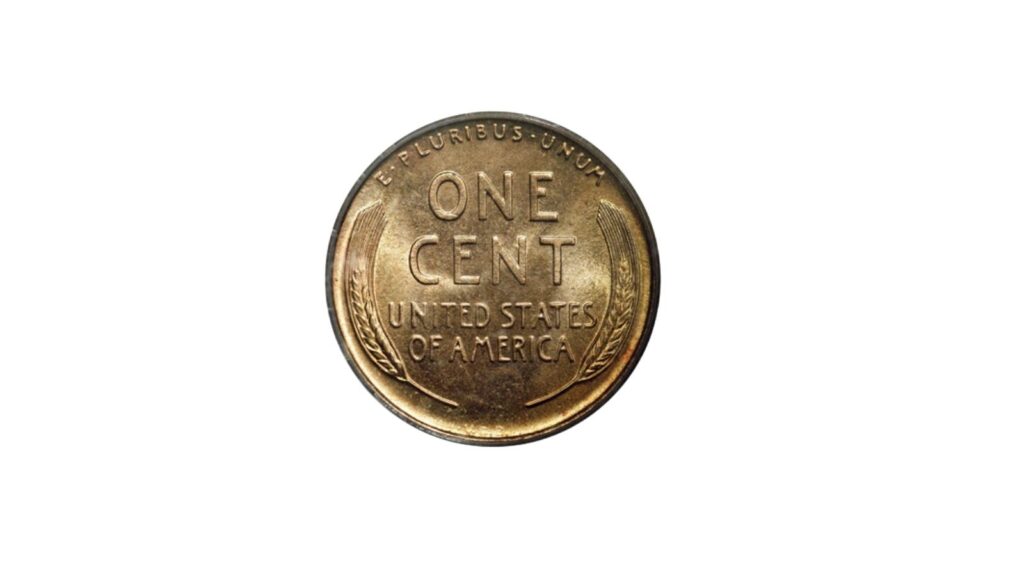
You’re feeding a jar of pennies into a coin-counting machine at the grocery store, flipping each one over out of habit before it disappears into the hopper. Most show the Lincoln Memorial on the back. A few show two curved stalks of wheat instead, and those are the ones worth pulling out and setting aside.

The wheat cent ran from 1909 to 1958, through a designer controversy, a world war that changed what pennies were made of, and decades of die mistakes that never should have made it past inspection. Most of these coins are still worth exactly one cent. What separates an ordinary wheat penny from one worth real money comes down to three things: the date and mint mark, the condition it survived in, and whether it carries a genuine mint error rather than a scratch that looks interesting under bad lighting.

A few of the coins below are the famous names every wheat penny hunter already half-remembers. Most are the ones that get walked past because they’re not the famous names, and that’s exactly why they’re worth knowing.

1909-S VDB Lincoln wheat cent

1909 S VDB Lincoln wheat cent
Image Credit: Heritage Auctions

Everyone who has ever sorted a coin jar has heard of this one, which is exactly why it gets misidentified more than any other wheat cent. The real prize needs two things present at once: an “S” below the date on the front, and the tiny initials “V.D.B.” at the bottom center of the reverse, between the ends of the wheat stalks. Miss either one and you have a different, far more common coin.

San Francisco struck only 484,000 before public backlash over designer Victor David Brenner’s prominent initials got them pulled within weeks. A coin with honest wear typically brings $700 to $1,600 depending on grade, and clean uncirculated examples climb into the low thousands and beyond. The finest known example has reached $168,000.

Here’s the mix-up that trips people up: a 1909 VDB with no “S” is the common Philadelphia version, worth closer to $10 to $45. A 1909-S with no “V.D.B.” is worth more than a common cent but nowhere near the real thing, typically $80 to $400. Counterfeiters add a fake “S” to common Philadelphia coins or fake initials to genuine San Francisco cents without them, so anything priced like the real deal needs certification from PCGS or NGC before money changes hands.

1911-S Lincoln wheat cent

1911 S Lincoln wheat cent
Image Credit: Heritage Auctions

San Francisco struck just over four million cents in 1911, a low number for the era that makes this one of the tougher early dates to find in decent shape. It sits in the shadow of flashier keys like the 1909-S VDB, which means plenty of collectors walk past it without a second look, and that’s part of why it still rewards checking.

A coin with honest circulation wear typically runs $48 to $60 in the lower grades, climbing to $244 and up once you reach uncirculated condition, with sharp, fully lustrous examples bringing several hundred dollars more. The gap between a worn example and a clean one is wide for a coin this old, since so many 1911-S cents simply wore down in ordinary use over five decades of circulation.

Check the mint mark carefully under magnification. Because this date carries real value, some sellers add a fake “S” to a common Philadelphia 1911 cent, and the fake mark often sits slightly off position or looks stamped on top of the surface rather than sunk into it during striking. Any example priced above pocket change deserves a look from someone who can confirm it wasn’t altered.

1914-S Lincoln wheat cent

1914 S Lincoln wheat cent
Image Credit: Heritage Auctions

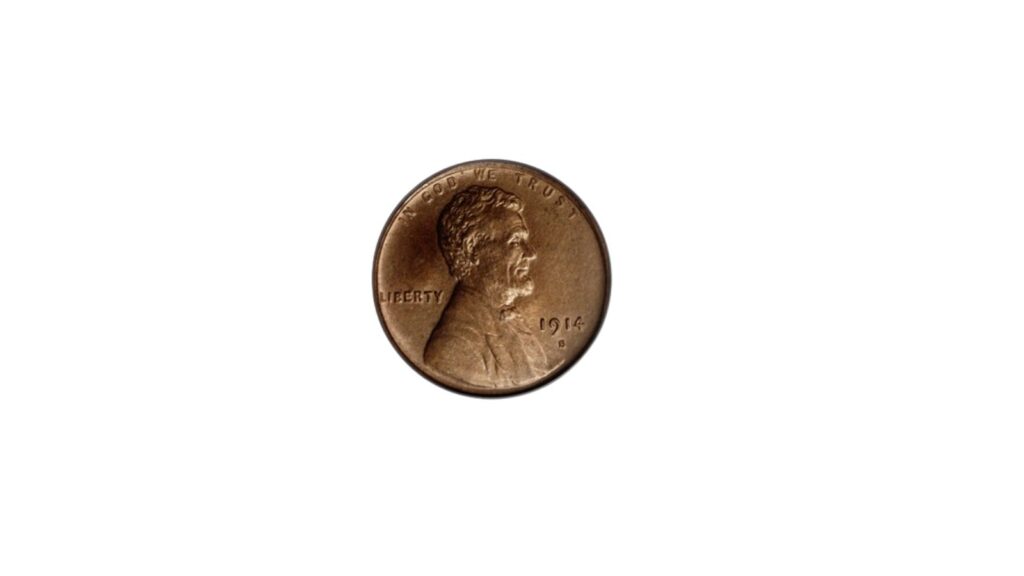
The 1914-D gets all the attention as one of the “big four” Lincoln cent keys, but its San Francisco sibling from the same year is a genuinely scarce coin in its own right, and it costs a fraction of the price. That makes it one of the better values in the entire early wheat cent run for someone building a set without a five-figure budget.

A typical circulated example brings around $30 in the lower grades, with values climbing past $400 in the uncirculated range and reaching $600 or more for coins with full original luster. Because it shares a date with the far pricier Denver issue, sellers occasionally mislabel a worn 1914-S as a 1914-D, whether by mistake or otherwise.

The mint mark is the whole story here. An “S” and a “D” look nothing alike under a loupe once you know what to compare, but a heavily worn coin can make the letter hard to read with the naked eye. Clean the coin to see it better and you’ll destroy whatever value it had, so use a magnifier instead, and get anything that looks promising confirmed before assuming you’re holding the cheaper of the two.

1924-D Lincoln wheat cent

1924 D Lincoln wheat cent
Image Credit: Heritage Auctions

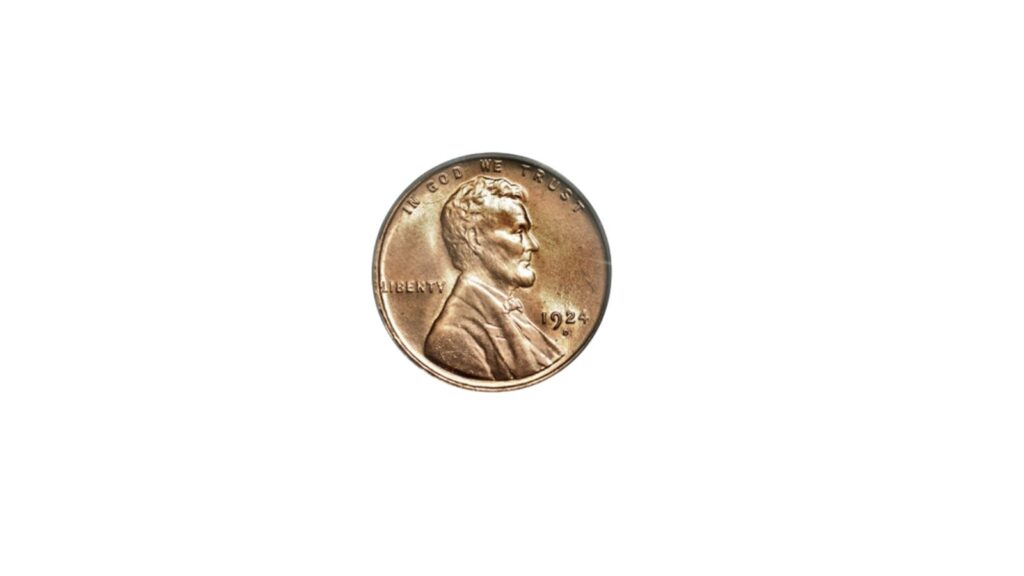
Denver struck a modest run of cents in 1924, and specialists consider it one of the harder Denver dates to find in sharp, fully red uncirculated condition anywhere in the Lincoln cent series from that decade. Circulated examples turn up regularly enough, but clean ones with strong strike detail are a genuine step up in scarcity from what most people expect out of a 1920s wheat cent.

A coin showing honest wear typically carries a value of $50, and uncirculated examples climb to $376 and beyond, with the nicest surviving pieces bringing considerably more. That’s a meaningful jump over most ordinary 1920s dates, which often sit at just a few cents in worn grades.

As with any scarcer Denver issue, watch for an added mint mark on a common Philadelphia 1924 cent. Genuine mint marks were hand-punched into the die and sit slightly recessed with consistent depth, while an added one often looks slightly raised, off-center, or a touch too crisp compared to the wear on the rest of the coin. When the coin is worth real money, that ten-minute check is worth doing before you sell.

1931-D Lincoln wheat cent

1931-D Lincoln wheat cent
Image Credit: Heritage Auctions

The 1931-S gets most of the credit for being the Depression-era Lincoln cent worth watching for, but its Denver counterpart from the same year is also a real low-mintage date, just a more affordable one. The Depression hit coin production hard across the board in 1931, and Denver’s output that year was well below what the Mint struck in most other years of the series.

A worn example typically brings around $10, a real premium over face value for a coin this common-looking, and uncirculated pieces climb toward $75 to $90 or more depending on how clean the surface is. It’s not a coin that will fund a vacation, but it’s a legitimate step above the ordinary 1930s cents most people assume are worthless.

Environmental damage is the main condition issue here rather than counterfeiting. Coins from this era often spent decades in damp basements or old jars, and porosity or dark corrosion pitting knocks the value down fast even when the date and mint mark are perfectly readable. A clean, problem-free surface matters more than people expect on a coin in this price range.

1933-D Lincoln wheat cent

1933-D Lincoln wheat cent
Image Credit: Heritage Auctions

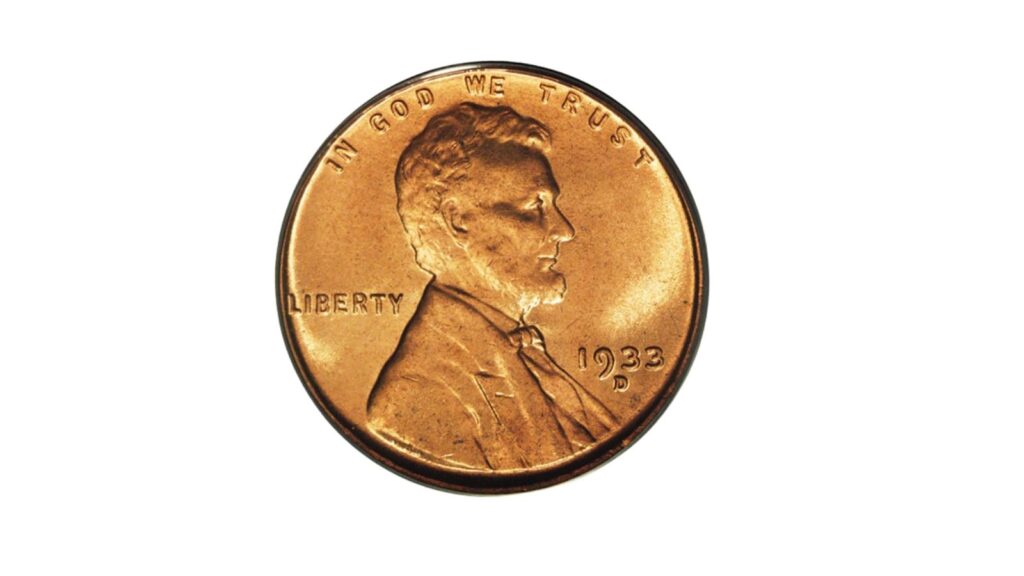
The early 1930s were lean years for the Mint, and Denver’s 1933 output was modest enough that the date carries a real premium over face value even in heavily circulated condition, something that surprises people who assume anything from the Depression era must be common. It’s a coin that regularly turns up in inherited collections and old cigar boxes without anyone realizing it’s worth more than a cent.

A typical worn example carries a value of about $7, which is modest on its own, but the picture changes fast with condition. Choice uncirculated examples with full original red color are a completely different animal, and the finest certified specimen on record has reached $24,000.

That gap between a $7 coin and a $24,000 coin is entirely about surface preservation, not rarity of the date itself. Never clean a wheat cent to make it look brighter, since cleaning strips the original mint luster that graders and buyers are actually paying for. If a 1933-D in your collection still shows bright, unbroken red color rather than the usual brown toning, it’s worth a proper grading opinion before you assume it’s just another common Depression-era cent.

1944-D/S Lincoln wheat cent

1944 D S Lincoln wheat cent
Image Credit: Heritage Auctions

In 1944, the Denver mint accidentally punched a “D” mint mark directly over an existing “S” punch on one of its working dies, leaving faint traces of the original “S” visible underneath and around the final “D” under magnification. Because 1944 was a year of over 400 million Denver cents, this variety hides inside one of the most common dates in the entire series, which is exactly what makes it a satisfying find.

Circulated examples with the overlap clearly visible typically bring $50 to $250 depending on how strong the underlying “S” reads, and the numbers climb sharply from there. Wholesale bid levels for a clean mint state example run close to $800, and the finest certified coin on record has reached $49,938.

Identification takes a loupe and patience. Look for the “D” sitting slightly high or with extra metal bulging around its curves, remnants of the “S” that never got fully erased when the second punch went in. Ordinary machine doubling and simple die chips get mistaken for this variety constantly, so compare against a reference photo from PCGS CoinFacts before assuming you’ve found the real FS-511 variety, and get anything promising certified.

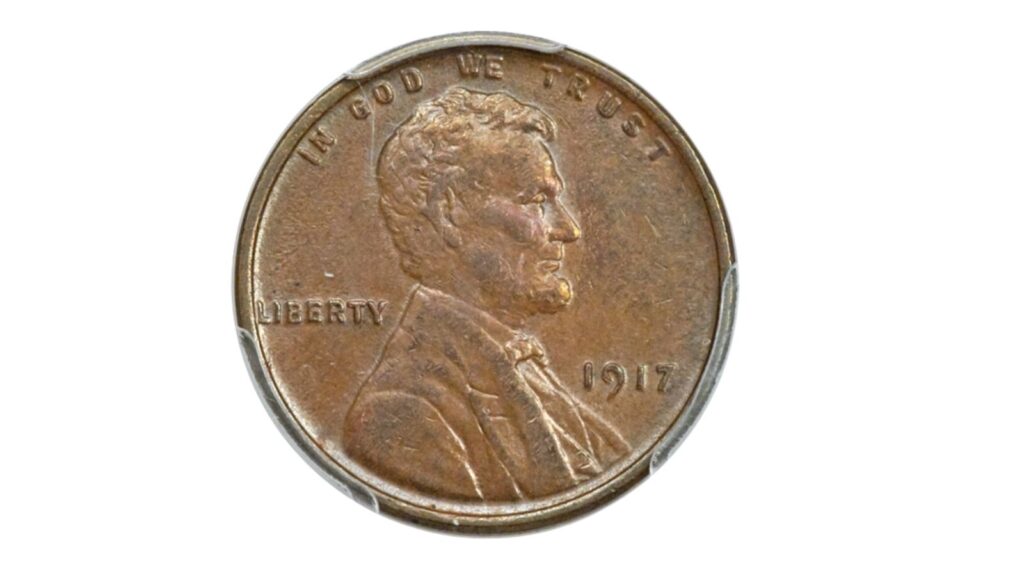
1917 doubled die obverse Lincoln wheat cent

1917 doubled die obverse Lincoln wheat cent
Image Credit: Heritage Auctions

Long before the famous 1955 doubled die made variety collecting mainstream, a 1917 Philadelphia die shifted during hubbing and left the date, the word LIBERTY, and the motto IN GOD WE TRUST all showing clear separation. It’s less famous than its 1955 counterpart mostly because fewer collectors know to look for it, not because the doubling is any less dramatic once you know where to check.

Numismatic experts estimate only around 200 examples survive across every grade combined. A circulated coin with the doubling clearly visible typically brings around $207, with uncirculated examples climbing to $4,248 and beyond. The finest certified example has reached $120,000.

The doubling should look bold and separated, not soft or shelf-like. Ordinary machine doubling, which carries no premium at all, tends to look flat and mushy under magnification rather than showing the crisp, distinct second image that a true hub doubling produces. Compare the date and motto against reference photos before getting excited, and treat any strong match as worth a certification submission rather than a raw sale.

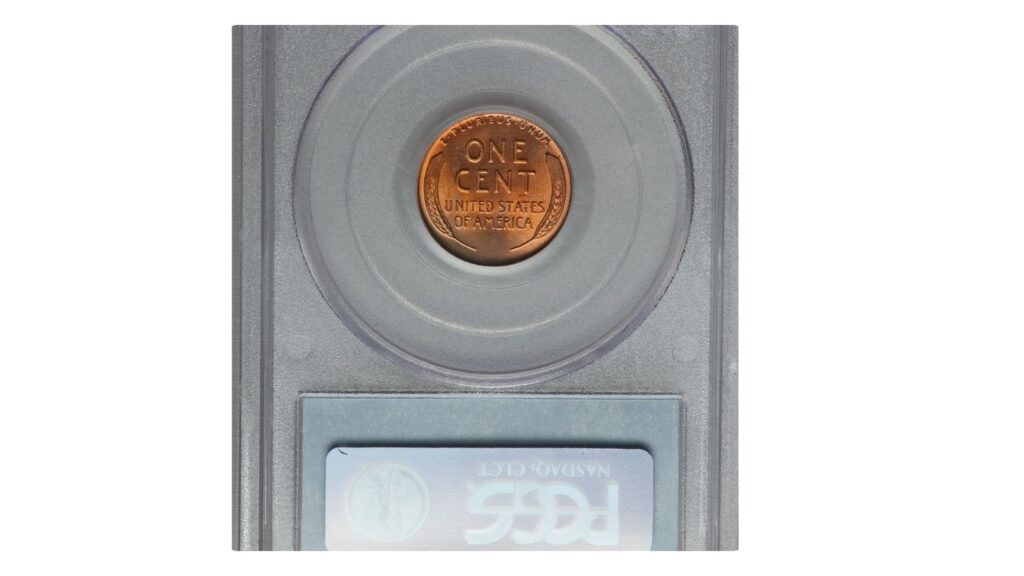
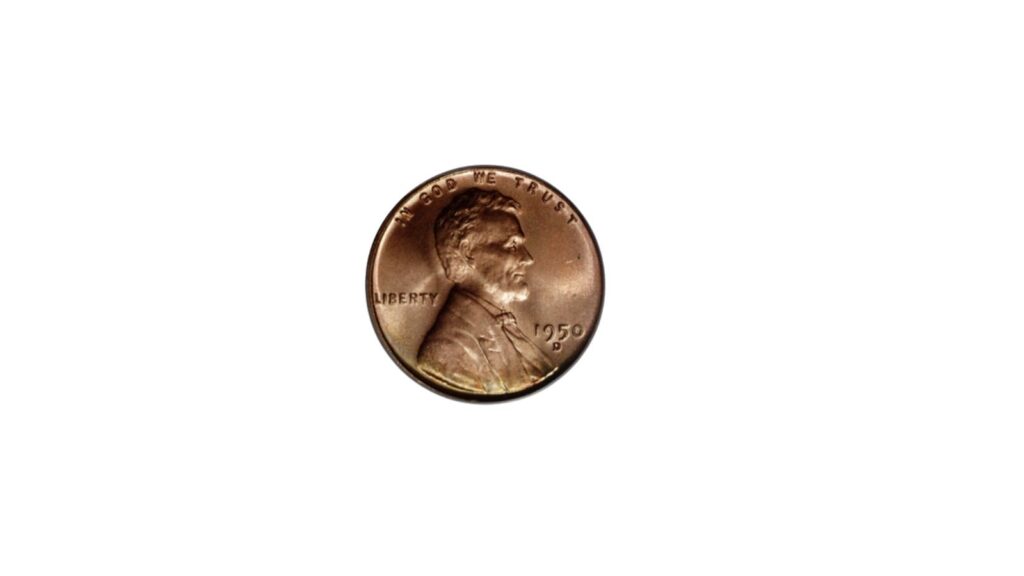
1950-D Lincoln wheat cent in gem red condition

1950 D Lincoln wheat cent in gem red condition
Image Credit: Heritage Auctions

Denver struck nearly 335 million cents in 1950, making it one of the most common dates in the entire wheat cent series and, on paper, the last coin you’d expect to find on a list like this. But mintage numbers don’t tell the whole story. Surviving examples in true gem condition with full, unbroken original mint-red color are shockingly scarce, because most 1950-D cents that stayed uncirculated still picked up bag marks or began toning toward brown decades ago.

A worn 1950-D is worth pennies, and even a nice mint state example with only partial red color typically brings just a few dollars. But push into the top preservation tiers and the numbers change dramatically. The finest certified example, graded a near-flawless MS-68 red, has reached $20,400, more than any other 1950 cent from any mint despite Denver’s mintage being the largest of the three.

That’s the real lesson of this entry: date and mintage matter less than most people assume, and condition can matter more than either. Never clean a wheat cent hoping to brighten it up, since that destroys the original surface graders are actually paying for. If a common date in your collection still shows sharp, glowing red color rather than the usual brown, it’s worth a second look before you assume “common” means “worthless.”

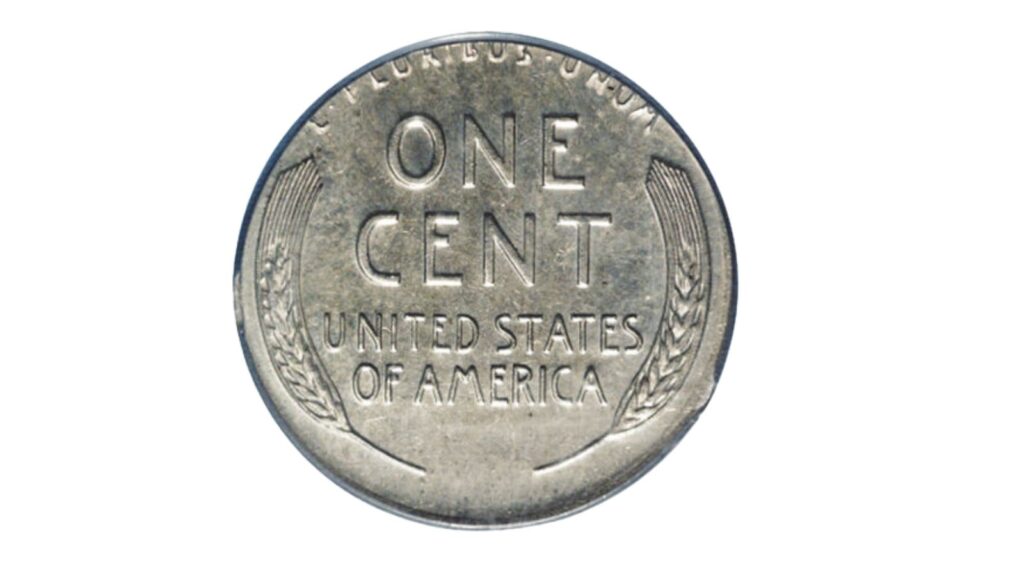
Wheat cent struck on a silver dime planchet

Wheat cent struck on a silver dime planchet
Image Credit: Heritage Auctions

Every so often, a stray dime blank ended up in the wrong bin and got struck with cent dies instead, producing a wheat cent that’s silver instead of copper. Examples are known across several dates through the 1940s and 1950s. The tell is immediate: the coin looks and feels wrong the moment you pick it up, and the rim often shows an incomplete strike because the dime planchet is smaller than the cent design calls for.

Values swing by date and condition, but they’re never small. A well-worn 1943 example has reached $15,275, and lesser-known dates from the 1950s have brought several hundred dollars up into five figures. This is a genuine grail category, not something to expect from an afternoon of sorting.

The most important check is weight, not color. A normal wheat cent weighs 3.11 grams, while a genuine dime-planchet error weighs about 2.5 grams. Most “silver pennies” people find are just plated cents, and those still weigh exactly what a normal cent weighs. If a silver-colored wheat cent weighs light on a digital scale, send it to PCGS or NGC before letting it go cheap.