
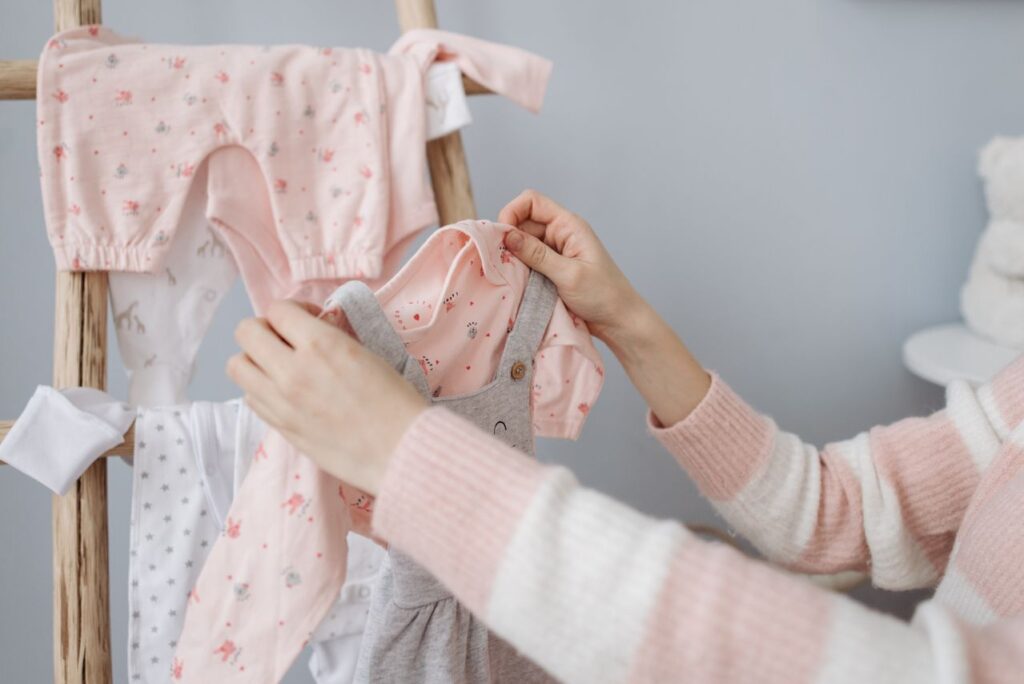
Organic cotton baby clothes aren’t cheap, and they’re not supposed to be. The GOTS-certified fabrics, water-based dyes, and careful construction that make them gentle on sensitive skin also make them worth protecting. Most parents watch a beautiful little sleeper go from pristine to pilled after just a few months, and almost all of it comes down to how the garment is cared for, not the fabric itself. Done right, you can keep organic cotton pieces looking great long enough to pass them along to a second child, donate them in genuinely good condition, or simply get every dollar out of what you paid. Knowing how to make organic cotton baby clothes last longer starts with understanding that this fabric asks for slightly different treatment than conventional cotton; it’s more breathable and dye-sensitive, which means shortcuts that work on a regular onesie will shorten its life fast.
Table of contents
Washing without wrecking the fabric
The way you wash organic cotton clothes matters more than almost any other variable. Parents browsing https://treehousekids.shop/collections/baby-sleepers will notice that most certified organic pieces carry care tags recommending cold or warm water at most, and that’s not marketing language, it’s practical advice. Hot water breaks down natural cotton fibers faster, causes GOTS-approved dyes to fade unevenly, and can lock in protein-based stains like breast milk or formula before they’ve had a chance to lift. Cold water preserves both the color and the structural integrity of the weave, so pieces hold their shape through dozens of washes rather than looking stretched and gray after twenty.
Cycle settings and machine load
Use the gentle or delicate cycle every time. Not just for the first wash. Organic cotton is woven without synthetic reinforcement, which means the agitation of a regular or heavy cycle creates friction between fibers that causes pilling, especially at the knees, elbows, and anywhere near a seam. Keep the spin speed low if your machine lets you. And don’t overfill the drum; when clothes don’t have room to move freely, they rub against each other repeatedly and the surface fibers break down just as fast as a harsher cycle would produce.
Detergent and additives
Enzyme-based detergents are the ones to skip here. They’re great at attacking biological stains, but they also attack cotton fibers over time; you’ll see thinning and pilling in the areas where stains most often land. Choose a plant-based, fragrance-free detergent with no optical brighteners instead. Optical brighteners contain UV-reactive chemicals that coat fabric to make it appear whiter, but they irritate sensitive skin and degrade the natural finish of GOTS-certified cloth. Skip fabric softener entirely. It coats cotton fibers with a thin silicone layer that kills breathability, which is the exact property that makes organic cotton worth buying in the first place.
Drying and storage that adds months to each piece
How a garment dries affects its longevity just as much as how it’s washed, yet most parents give drying almost no thought at all. High dryer heat is the single fastest way to shrink and wear out organic cotton. It’s also entirely avoidable. Air-drying flat or on a line in the shade is the best option when you have time for it; the fabric retains its original dimensions, colors stay truer, and elastic waistbands stay elastic far longer. But if the dryer is unavoidable on a busy day, use the lowest heat setting and pull pieces out while they’re still slightly damp, then lay them flat to finish.
Folding, stacking, and drawer organization
Storage choices affect fabric more than people expect. Hanging organic cotton garments for extended periods, especially knitwear or anything with shoulder seams, stretches them out in ways that can’t be undone. Fold instead, and stack by size so you’re rotating through pieces consistently rather than leaving the same few items at the bottom of the pile, unworn, until they’re outgrown. Keep the drawer from being too packed. Compressed fabric takes on permanent creases and the fibers around those fold lines weaken faster than you’d think. A little breathing room in the drawer isn’t laziness; it’s genuine care.
Pre-treating stains before they set
Here’s the thing: act on a stain within the first five to ten minutes and you’ll save the garment. Rinse the spot with cold water immediately, since hot water sets protein stains. A small amount of plain dish soap or a fragrance-free castile soap worked in gently with your fingertip is enough for most food and spit-up stains. Let it sit for five minutes, rinse, and then wash as normal. What you want to avoid is letting a stained piece sit in a hamper for two or three days before washing. The stain oxidizes, the fibers around it begin to degrade, and no gentle detergent will fully restore the fabric after that. Pre-treating fast, before a stain has time to bond to the cotton structure, is one of the most practical ways to extend the useful life of any piece.
Sizing strategy and long-term garment planning
Fit affects wear patterns more than most parents account for. Clothes that are too small get pulled at during dressing and undressing, the seams take repeated stress, and snaps or buttons get forced. Sizing up slightly, especially during a baby’s first year when growth is fastest, reduces that mechanical wear considerably. So organic cotton baby clothes that fit with a little room last longer because they aren’t stretched to their limits at every wear.
Rotating a small wardrobe
One of the most overlooked tactics for making organic cotton baby clothes last longer is simply owning fewer pieces and cycling through them more deliberately. A wardrobe of twenty items where five pieces carry most of the wear will show damage on those five quickly, while the rest barely get used. A rotation of ten to twelve pieces washed and worn equally spreads the wear across the board, so no single garment reaches its structural limit before the child outgrows it. You’ll notice the difference after just a few months of doing this. Keep a few pieces set aside for outings and family photos, but put the rest into regular rotation without playing favorites. The fabric handles use well; it’s cumulative, uneven stress that shortens its life.
Conclusion
Organic cotton baby clothes last as long as the care they receive. The fundamentals are straightforward: cold water, a gentle cycle, a plant-based detergent, low-heat or air drying, flat storage, and fast stain treatment. None of it is complicated, but each step compounds over time. And a garment cared for consistently from the first wash can stay in good condition through multiple children, or be passed along in shape that’s actually worth passing. The truth is, if you want to know how to make organic cotton baby clothes last longer in a real, practical sense, the answer is treating each wash as if the piece has to survive fifty more. That mindset, more than any single technique, is what separates a garment that lasts two years from one that pills out in three months.










