
You still need a first, entry-level job if you want a real career, but more of those first rungs now pay too little, lead nowhere, or require experience you were never given the chance to get.
The better openings are often in places that still need trained people in the room: hospitals, power crews, repair shops, labs, aviation, energy sites, and skilled trades. These jobs are not easy, and some require certificates, licenses, apprenticeships, or night shifts. But they can give you a real start instead of another dead-end paycheck.
These 18 jobs pay roughly $30 to $45 per hour, have steady or strong demand, and offer a path into work that is harder to replace because it depends on patients, equipment, safety, judgment, and hands-on skill.
Table of contents
- Diagnostic medical sonographer
- Cardiovascular technologist
- Respiratory therapist
- Radiologic technologist
- Surgical technologist
- Occupational therapy assistant
- Physical therapist assistant
- Polysomnographic technologist
- Electroneurodiagnostic technologist
- Clinical study coordinator
- 11. Biomedical equipment technician
- 12. Wind turbine technician
- 13. Electrical power-line installer and repairer
- 14. Aircraft mechanic and service technician
- 15. Aerospace engineering and operations technician
- 16. Industrial machinery mechanic
- 17. Mobile heavy equipment mechanic
- 18. Plumber, pipefitter, or steamfitter
- Discover job hunting tips, ways to earn more, and flexible working options:
Diagnostic medical sonographer

Diagnostic medical sonographers use ultrasound equipment to create images of organs, blood flow, tissue, and pregnancies. You are not just pushing buttons. You are positioning patients, watching the screen closely, capturing the right images, and knowing when something needs a closer look from the medical team.
Median pay is about $42.95 per hour, and demand is strong because ultrasound is used across emergency care, heart care, pregnancy care, and outpatient testing. People usually enter through an associate degree or a postsecondary certificate, then sit for specialty exams. Hospitals, imaging centers, OB-GYN offices, and vascular clinics all hire sonographers. The work is physical, detailed, and very human, especially when patients are nervous or in pain.
Cardiovascular technologist

Cardiovascular technologists help test and monitor the heart and blood vessels. Depending on the job, you may run stress tests, help with echocardiograms, prepare patients for catheterization lab procedures, or collect images and readings doctors use to make treatment decisions.
The national median is about $32.34 per hour. This is a good fit if you like healthcare but do not want nursing. Training is usually an associate degree or certificate, and some employers want certification in a specialty such as echo, vascular, or invasive cardiology. Aging patients, heart disease, and steady use of diagnostic testing help keep this role active in hospitals, outpatient heart clinics, and medical labs.
Respiratory therapist

Respiratory therapists help people who cannot breathe well on their own. They manage breathing treatments, oxygen therapy, ventilators, lung tests, and emergency breathing support. You may work with babies, older adults, surgery patients, or people with asthma, COPD, pneumonia, and other serious lung problems.
Median pay is about $38.68 per hour. Most people enter with an associate degree in respiratory therapy and a license. Hospitals are the big employers, but sleep labs, home health companies, rehab hospitals, and long-term care centers also hire. This job stays hard to replace because you are working at the bedside, adjusting care in real time, and helping scared patients through breathing problems that cannot wait.
Radiologic technologist

Radiologic technologists take X-rays and other diagnostic images that help doctors find broken bones, lung problems, tumors, and injuries. You help move patients safely, place shields, line up the machine, and capture images clear enough for a provider to read.
Typical pay is around $37.34 per hour. The usual path is an associate degree in radiologic technology, followed by licensing or certification. Hospitals, urgent care centers, orthopedic offices, imaging centers, and surgery centers all need radiology techs. The work can be busy and physical, but it has a clear ladder. Many techs later move into CT, mammography, MRI, or interventional radiology for higher pay.
Surgical technologist

Surgical technologists set up operating rooms, prepare sterile tools, pass instruments to surgeons, and help keep procedures moving safely. This is not a quiet office job. You are on your feet, focused, and working as part of a team where details matter.
Median pay is about $30.21 per hour. Many people enter through a certificate, diploma, or associate program, then pursue certification if employers prefer it. Hospitals, outpatient surgery centers, labor and delivery units, and specialty clinics hire surgical techs. The work is tied to real procedures, sterile rules, and fast decisions inside the room, so it is much harder to hand off to software.
Occupational therapy assistant

Occupational therapy assistants help patients relearn daily tasks after illness, injury, surgery, stroke, or disability. That may mean helping someone use adaptive tools, improve hand strength, practice dressing, or safely return to routines at home, school, or work.
Median pay is about $32.86 per hour, with strong projected demand. You usually need an associate degree from an accredited program and a license. OT assistants work in rehab hospitals, nursing facilities, schools, home health, outpatient therapy clinics, and hospitals. The job depends on patience, coaching, body mechanics, and reading how a real person is doing that day. A template cannot do that part for you.
Physical therapist assistant

Physical therapist assistants work under physical therapists to help patients rebuild strength, balance, movement, and confidence. You may guide exercises, help with walking practice, use therapy equipment, track progress, and explain home routines in plain language.
The median rate is about $31.50 per hour. This is an entry path with an associate degree and a license, not a job that requires years as a therapist first. PT assistants are hired by outpatient clinics, hospitals, home health agencies, rehab centers, and nursing facilities. Demand is helped by aging patients, joint replacements, sports injuries, and people trying to stay mobile instead of losing independence.
Polysomnographic technologist

Polysomnographic technologists, often called sleep techs, run overnight and daytime sleep studies. They place sensors, monitor breathing and heart patterns, watch for sleep apnea, and help collect clean data so providers can diagnose sleep disorders.
Average pay is about $32 per hour. Entry paths vary, but many people start with a sleep technology certificate, healthcare background, or on-the-job clinical training, then work toward registry credentials. Sleep centers, hospitals, pulmonary clinics, and durable medical equipment companies hire for this work. It is a niche job, but sleep apnea and other sleep disorders are common, and patients still need a human who can calm them down and fix loose sensors at 2 a.m.
Electroneurodiagnostic technologist

Electroneurodiagnostic technologists, also called END or EEG techs, test the brain and nervous system. They may run EEGs, monitor seizures, assist during surgery, or help collect data for patients with epilepsy, nerve problems, brain injuries, or sleep-related concerns.
Average pay is around $33 per hour. Training can come through a certificate, associate program, or hospital-based pathway, followed by credentials as you build skill. You can find jobs in neurology offices, hospitals, epilepsy monitoring units, sleep labs, and surgical monitoring teams. This role is still hiring because the testing is technical, patient-facing, and tied to real-time observation. You need steady hands, calm communication, and enough judgment to know when something on the screen needs attention.
Clinical study coordinator

Clinical study coordinators help run medical research studies with real patients. They schedule visits, track consent forms, collect study data, prepare records, communicate with participants, and help make sure the study follows strict rules.
Average pay is about $30 per hour. Many entry-level coordinators come in with a health science degree, medical assistant experience, lab experience, or a research assistant background. Hospitals, universities, drug companies, device companies, cancer centers, and contract research firms hire for this role. Software can organize files, but it cannot replace the human work of keeping nervous participants on schedule, catching missing details, and helping a clinical team avoid mistakes.
11. Biomedical equipment technician

Biomedical equipment technicians, also called medical equipment repairers, keep healthcare machines working. They inspect, test, repair, and calibrate equipment such as monitors, infusion pumps, hospital beds, imaging tools, and other devices patients and staff rely on every day.
Median pay is about $30.11 per hour. You can enter through an associate degree or certificate in biomedical technology, electronics, or a related field. Some people come from military electronics or apprenticeship-style training. Hospitals, equipment makers, repair firms, and medical device service companies hire these techs. As healthcare adds more machines, someone still has to show up, troubleshoot the equipment, and make sure it is safe before a patient uses it.
12. Wind turbine technician
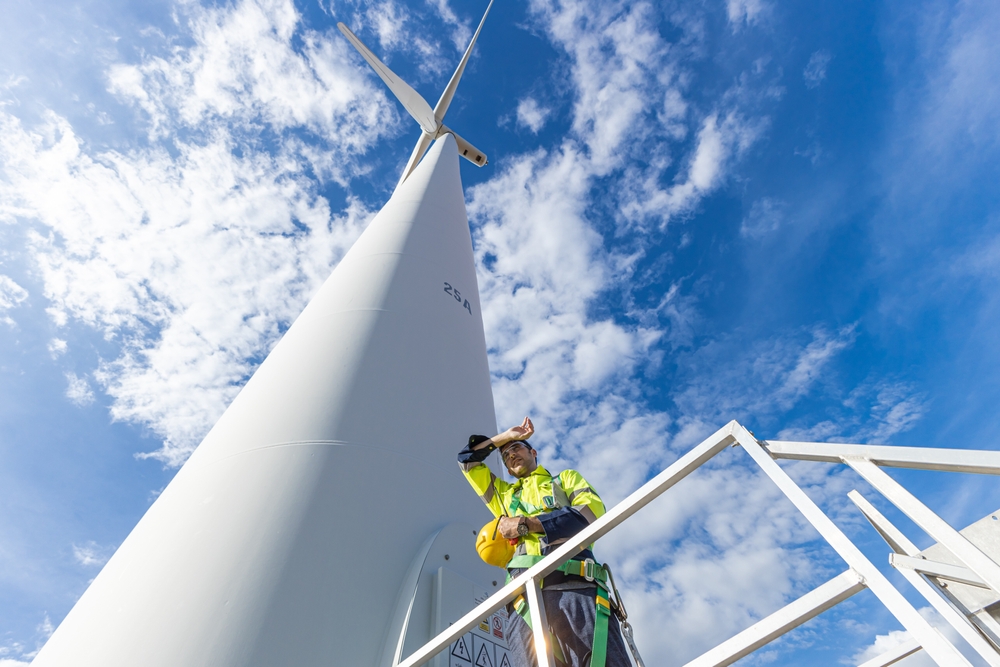
Wind turbine technicians inspect, repair, and maintain wind turbines. You may climb towers, check hydraulic systems, replace parts, test electrical components, and troubleshoot problems that stop a turbine from producing power.
Median pay is about $30.09 per hour, and this remains one of the fastest-growing hands-on trades. Many people enter through a wind energy technology certificate or a community college program, followed by on-the-job training. Wind farms, energy companies, and maintenance contractors hire for this role. The work is physical and weather-dependent, but it is also local, mechanical, electrical, and hard to automate because the job happens hundreds of feet in the air.
13. Electrical power-line installer and repairer

Electrical power-line installers and repairers build and fix the lines that move electricity through neighborhoods, cities, and rural areas. They climb poles, work from bucket trucks, repair storm damage, replace equipment, and help restore power when people need it most.
Median pay is about $44.50 per hour. Entry usually starts with a high school diploma, technical instruction, and a paid apprenticeship. Early apprentice pay may be lower, but the path is real and does not require a four-year degree. Utilities, local governments, and utility construction contractors hire lineworkers. Grid repairs, storms, new construction, and power upgrades keep this job active, and the work has to be done outside, on equipment, by trained people.
14. Aircraft mechanic and service technician

Aircraft mechanics inspect, maintain, and repair planes and helicopters. They check engines, landing gear, brakes, electrical systems, and other parts that have to work correctly before anyone leaves the ground.
Median pay is about $37.83 per hour. Many people enter through an approved aviation maintenance program or qualify through supervised practical experience, then pursue the required mechanic certificate. Airlines, repair stations, aerospace manufacturers, cargo carriers, and government contractors hire these workers. The job is strict for a reason. A checklist can help, but a trained mechanic still has to inspect, document, test, and sign off on work that affects real safety.
15. Aerospace engineering and operations technician

Aerospace engineering and operations technicians help test aircraft, spacecraft, drones, and related systems. They may set up test equipment, collect measurements, troubleshoot prototypes, inspect parts, or help engineers figure out why something is not performing the way it should.
Median pay is roughly $38.38 per hour. The entry path is often an associate degree in engineering technology, though some employers consider certificate training or strong technical experience. Aerospace manufacturers, defense contractors, testing labs, and engineering firms hire for this work. It is a good alternative if you like math and machines but do not want to become an engineer. The job is hands-on, test-based, and tied to equipment that has to work in the physical world.
16. Industrial machinery mechanic

Industrial machinery mechanics repair and maintain the machines used in factories, warehouses, food plants, packaging lines, and other production sites. They diagnose breakdowns, replace worn parts, align motors, read manuals, and get equipment running again before downtime gets expensive.
Median pay is about $30.65 per hour. Some workers learn on the job, while others start with an industrial maintenance certificate, mechatronics training, or apprenticeship. Employers include manufacturers, logistics companies, repair contractors, food processors, and utilities. More automation in factories can actually help this role, because automated equipment still breaks, jams, drifts out of alignment, and needs a skilled person with tools to fix it.
17. Mobile heavy equipment mechanic

Mobile heavy equipment mechanics repair construction, mining, rail, farming, and material-handling equipment. Think loaders, bulldozers, graders, cranes, forklifts, and other machines that take a beating on job sites.
Median pay for mobile heavy equipment mechanics is about $30.76 per hour. Entry can come through a diesel or heavy equipment program, military mechanical training, or a trainee job with a dealer or rental company. Heavy construction, agriculture, rail, equipment rental, and local government fleets all need mechanics. This is practical work for people who like solving problems with machines, not meetings. When a loader is down, a chatbot cannot crawl under it and replace a hydraulic line.
18. Plumber, pipefitter, or steamfitter

Plumbers, pipefitters, and steamfitters install and repair piping systems that carry water, gas, steam, chemicals, and other materials. The work can mean fixing home plumbing, installing commercial systems, maintaining industrial pipes, or working on large construction projects.
Median pay is about $30.27 per hour. Most people enter through a paid apprenticeship, sometimes after a short trade school or pre-apprenticeship program. Apprentice pay can start lower, but you earn while learning and build toward a licensed trade. Contractors, factories, hospitals, schools, utilities, and maintenance companies hire these workers. Pipes still leak, boilers still fail, buildings still need water, and someone trained has to show up with tools.
A better-paying entry path may still mean training, licensing, night shifts, or starting at the lower end while you learn. But these jobs have something many desk jobs do not: work that has to happen in person, around patients, machines, power, buildings, and real-world problems.
Discover job hunting tips, ways to earn more, and flexible working options:

21 high-paying careers that desperately need workers, but nobody wants to do them: The pay is generous, but these jobs are searching for workers.
No background check jobs: 12 background friendly jobs: If you’re struggling to find a job due to past issues, here are jobs you can get without background checks.
15 remote jobs you probably didn’t know pay $150,000+ In 2026: High income and flexible work hours from home is not a myth — here are some remote-friendly careers.











