
The healthcare jobs most people dream about are noisy, high-stakes, and built around crisis. The ones that look good in a medical drama.
The ones that pay just as well and almost nobody talks about are the opposite. Scheduled appointments. Medication check-ins. Chart audits. Sleep study downloads. Forms for employers, insurers, and nursing facilities. Long-term patients with conditions that need the same careful attention, visit after visit, sometimes for years.
These 18 specialties pay between $100 and $130 per hour, which works out to roughly $200,000 to over $260,000 annually for work built on routine rather than adrenaline. Most require years of training, licensing, specialty certification, or fellowship. That barrier is also the protection: these roles sit inside regulated, high-need corners of healthcare where demand is structural. Aging populations, rising rates of chronic disease, and complex billing rules don’t soften in a recession. Neither does the need for people filling these jobs.
If you’re weighing a healthcare path, thinking about switching specialties, or just trying to figure out where the stable, well-paid work actually lives in medicine, this is where to look.
Table of contents
- Occupational medicine physician
- Telemedicine physician
- Physician advisor
- Sleep medicine physician
- Medical director of wound care services
- Addiction medicine physician
- Geriatric physician
- Hospice physician
- Pediatric infectious disease physician
- Pediatric nephrologist
- Pediatric allergist
- Endocrinologist
- Infectious disease physician
- Non-ICU hospitalist
- Internal medicine physician
- Chronic care family medicine physician
- Orthodontist
- Prosthodontist
- Discover job hunting tips, ways to earn more, and flexible working options:
Occupational medicine physician

Occupational medicine physicians deal with work injuries, return-to-work forms, physical exams, drug testing rules, and fitness-for-duty decisions. It is not glamorous. A lot of the day can mean checking backs, wrists, knees, lungs, and hearing tests, then writing clear notes that employers, insurers, and workers can all understand.
Average pay is about $112 per hour. Doctors usually enter this field after medical school, residency, and related board training. The work stays steady because employers still need licensed medical decisions tied to safety, workers’ compensation, and job restrictions. Software can help organize files, but it cannot examine a patient, defend a work restriction, or take legal responsibility for the call.
Telemedicine physician

Telemedicine sounds modern, but the work can be very routine. Many visits are rashes, sinus symptoms, medication refills, lab follow-ups, mild infections, birth control questions, and “do I need to be seen in person?” decisions. You sit, listen, document, prescribe when appropriate, and redirect people when a screen is not enough.
Average pay is about $112 per hour. Most employers want a licensed physician with primary care, urgent care, internal medicine, or family medicine experience. Demand remains solid because patients like access, insurers like lower-cost visits, and many routine problems do not need a hospital. It is still medical care, though, so judgment, licensing, and liability keep it from becoming a simple chatbot job.
Physician advisor

Physician advisors spend much of the day inside charts instead of exam rooms. They review hospital stays, denied claims, observation status, discharge timing, documentation, and whether care meets medical necessity rules. It is one of the least flashy physician jobs around, but hospitals and insurers rely on it heavily.
The lower end of the common pay range lands around $125 per hour, while more senior jobs can pay above this band. Many physician advisors come from internal medicine, hospital medicine, emergency medicine, or family medicine, then move into utilization review and case management work. This job is stable because healthcare billing is complicated, regulated, and expensive. A bad decision can mean lost revenue, denied care, or compliance trouble, so employers still need licensed doctors making the call.
Sleep medicine physician

Sleep medicine is often quiet, scheduled, and deeply repetitive. You review sleep studies, diagnose sleep apnea, adjust CPAP settings, check machine downloads, talk through insomnia habits, and follow patients who are tired but not usually crashing. A normal day can feel like a long run of airway numbers, mask problems, and follow-up notes.
Lower-paid employed roles in this specialty sit around $128 per hour, while some jobs pay more. Physicians usually enter through internal medicine, family medicine, neurology, psychiatry, pediatrics, or pulmonary training, then add sleep medicine fellowship or board certification. Demand is helped by obesity, aging, fatigue, trucking and safety rules, and the long-term health risks tied to poor sleep. Machines collect data, but people still need a doctor to connect symptoms, test results, safety, and treatment.
Medical director of wound care services

Wound care is slow, careful, and not exactly dinner-table conversation. These doctors oversee treatment plans for pressure sores, diabetic foot wounds, venous ulcers, surgical wounds, and wounds that simply will not close. A lot of the work is measurement, cleaning plans, dressing orders, infection checks, and making sure everyone follows the same protocol.
Average pay is about $108 per hour. Physicians may come from family medicine, internal medicine, surgery, podiatry, or rehab backgrounds, then add wound care training and leadership experience. Demand is steady because diabetes, poor circulation, immobility, and aging all feed this field. It is hard to automate because wounds have to be seen, touched, measured, cleaned, and judged in the context of the whole patient.
Addiction medicine physician

Addiction medicine can be repetitive in a very real way. Doctors manage medication-assisted treatment, urine screens, relapse plans, refill timing, counseling coordination, liver labs, pain history, and risk checks. The work can be emotionally heavy, but the daily rhythm is often scheduled follow-up, documentation, and careful prescribing.
Average pay is about $102 per hour. Most addiction medicine physicians start in family medicine, internal medicine, psychiatry, emergency medicine, or another licensed medical field, then add addiction-focused training or board certification. Demand stays strong because substance use disorders are chronic, common, and tightly regulated. Clinics, hospitals, correctional health programs, and community treatment centers need doctors who can prescribe safely, watch for risk, and keep care moving without turning every visit into a crisis.
Geriatric physician

Geriatric physicians handle the medical problems that come with aging: falls, memory loss, weak bones, medication overload, infections, weight loss, dizziness, and family questions about safety. The work is usually slow and detail-heavy. A single visit can mean reviewing ten medications, three specialists, two caregivers, and one very confusing hospital discharge.
Average pay is about $115 per hour. Doctors usually train in internal medicine or family medicine first, then complete geriatric medicine training or certification. This field has stable demand because the older population keeps growing and many patients need help staying out of the hospital. It is not easy work to replace with software because the job is about tradeoffs: safety versus independence, side effects versus benefit, and what kind of care actually makes sense for an older person.
Hospice physician

Hospice physicians do not spend their day chasing dramatic cures. They review eligibility, manage pain and breathing symptoms, adjust comfort medications, speak with families, and sign careful documentation. A lot of the job is calm, repetitive, and paperwork-heavy, even when the subject matter is serious.
Average pay is about $115 per hour. Many doctors come from family medicine, internal medicine, geriatrics, oncology, or palliative care. Demand remains steady because more families need help managing serious illness at home, in nursing facilities, and in hospice programs. This role depends on judgment, communication, prescribing authority, and trust. A tool can flag symptoms, but it cannot sit with a family, weigh comfort against side effects, or take responsibility for end-of-life medical orders.
Pediatric infectious disease physician

Pediatric infectious disease doctors handle the germ problems that are too specific for a regular pediatric visit. They review fevers that will not quit, unusual lab results, immune system issues, vaccine questions, hospital infections, travel-related illness, and long antibiotic plans. Much of the job is reading cultures, adjusting medications, and answering very careful questions.
Average pay is about $110 per hour. This path usually means medical school, pediatric residency, and infectious disease fellowship. The work is narrow, but it stays needed because children with cancer, transplants, immune disorders, and complex hospital stays require careful infection care. It is also hard to replace because every child’s age, weight, immune status, medicine dose, family situation, and lab pattern can change the decision.
Pediatric nephrologist

Pediatric nephrologists care for children with kidney disease, high blood pressure, electrolyte problems, dialysis needs, urinary problems, and transplant follow-up. It can be deeply technical, but much of the day is routine lab review, medication adjustment, fluid rules, growth tracking, and family education.
Average pay is about $129 per hour. Doctors train in pediatrics first, then complete a nephrology fellowship. This is a small specialty, which helps job security because hospitals and children’s systems cannot easily go without it. Kidney disease often lasts for years, so patients need repeated visits and careful monitoring. The work depends on licensed judgment, exact dosing, and long-term relationships with families, especially when dialysis or transplant care is involved.
Pediatric allergist

Pediatric allergists spend a lot of time on asthma plans, food allergy forms, skin testing, allergy shots, eczema, chronic hives, and school paperwork. It is a specialty built around repeat visits and careful checklists. There can be emergencies, but much of the job is controlled testing, prevention, and telling families what to avoid.
Average pay is about $121 per hour. The usual path is medical school, pediatric residency, and allergy and immunology fellowship. Demand is steady because allergies, asthma, and immune concerns are common, and parents need clear plans for schools, camps, travel, and daily life. This work is not easy to hand off to software because testing can trigger reactions, medication plans need judgment, and a child’s history often matters as much as the lab result.
Endocrinologist

Endocrinologists deal with hormones, which often means very long-term, very repetitive care. Common visits cover diabetes, thyroid disease, osteoporosis, adrenal problems, pituitary issues, and medication adjustments. A normal day can be lab values, glucose logs, refill questions, insurance forms, and small dose changes.
Average pay is about $130 per hour. Doctors usually train in internal medicine first, then complete an endocrinology fellowship. Demand stays strong because diabetes and thyroid disease are common, and many patients need care for decades. While apps can track blood sugar and reminders, people still need doctors to spot patterns, change treatment safely, and handle side effects, pregnancy, kidney disease, heart risk, and other complications.
Infectious disease physician

Infectious disease physicians often do quiet detective work. They review blood cultures, fever patterns, antibiotic history, immune status, wound results, and hospital infection rules. Some days are full of consult notes and calls about which antibiotic should be used, stopped, or changed.
Average pay is about $126 per hour. Doctors usually complete internal medicine training, then an infectious disease fellowship. This field has steady demand because hospitals need infection control, antibiotic stewardship, transplant infection care, travel medicine, HIV care, and help with unusual cases. The job is not flashy most of the time, but it carries real responsibility. Choosing the wrong drug, dose, or treatment length can harm patients and fuel resistance, so licensed judgment still matters.
Non-ICU hospitalist

Hospitalists take care of admitted patients who are sick enough to be in the hospital but not necessarily in an operating room or emergency bay. The boring version is rounds, medication reconciliation, discharge planning, lab review, family updates, and endless notes. Much of the job is making sure nothing important gets missed.
Average pay for internal medicine hospitalists is about $130 per hour. Most hospitalists train in internal medicine or family medicine, then work inside hospital systems. Demand stays steady because hospitals need doctors on-site every day to manage admissions, discharges, complications, and care teams. The work is protected by licensure, liability, and real-time clinical judgment. Someone has to decide whether the patient can safely go home, and that decision is rarely simple.
Internal medicine physician

Internal medicine can be boring in the most dependable way. These doctors manage high blood pressure, diabetes, cholesterol, kidney issues, anemia, medication side effects, screenings, and follow-up after hospital stays. It is a lot of slow problem-solving and repeat visits with adults who have more than one thing going on.
Average pay is about $126 per hour. The path is medical school, internal medicine residency, licensing, and board certification for many jobs. Demand is stable because adults keep aging into chronic conditions, and the healthcare system needs doctors who can manage the whole picture instead of one body part. Software can remind patients and organize records, but it cannot replace the medical responsibility of changing meds, weighing risks, and catching what does not fit.
Chronic care family medicine physician

Family medicine is often the opposite of exciting. A regular day can mean blood pressure checks, diabetes follow-ups, medication refills, back pain, vaccines, annual exams, school forms, work forms, and reminders about screenings. The job is broad, but the rhythm can be very predictable in an outpatient clinic.
Average pay is about $118 per hour. Doctors complete medical school, family medicine residency, licensing, and often board certification. This role stays in demand because patients need a front door into the healthcare system, especially in primary care shortages. It is not easy to replace because family doctors know the patient’s history, family situation, risks, medications, and what “normal” looks like for that person.
Orthodontist

Orthodontists straighten teeth and correct bite problems, which can mean years of braces checks, aligner reviews, retainers, X-rays, small adjustments, and patient instructions. It is precise and repetitive. Many visits are short, scheduled, and focused on whether the teeth are moving the way they should.
Average pay is about $117.13 per hour. Orthodontists go through dental school and specialty training before practicing. Demand is fairly steady because kids, teens, and adults continue to seek bite correction and cosmetic alignment, and many cases need hands-on exams and device adjustments. Digital tools can help plan movement, but a real specialist still checks fit, gum health, tooth response, pain, and whether the plan is actually working.
Prosthodontist
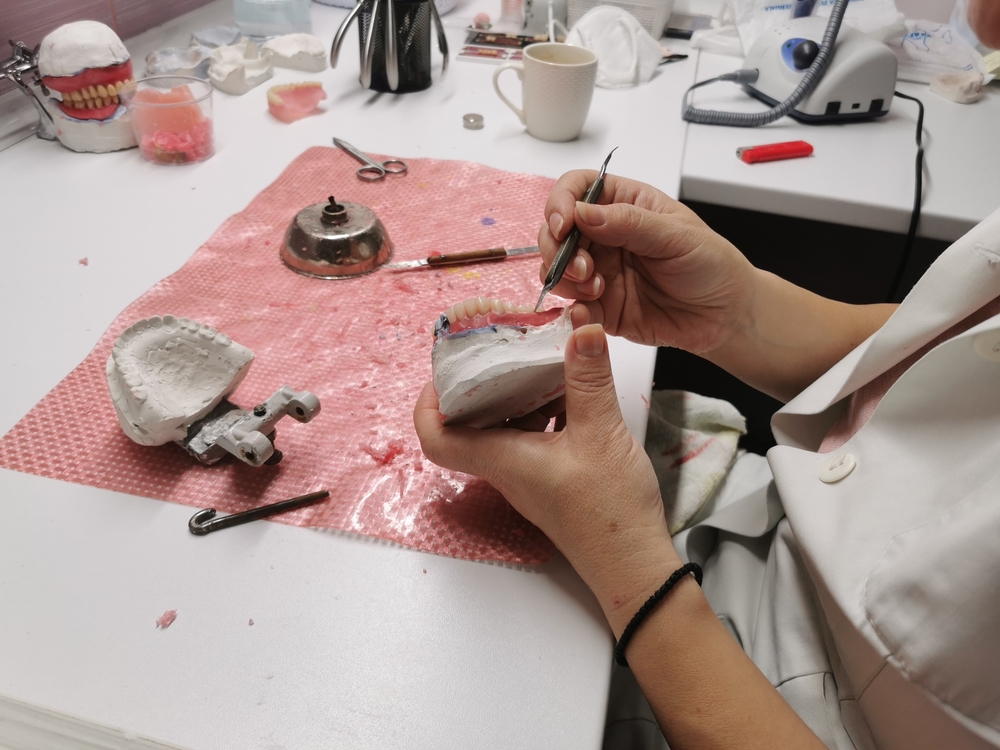
Prosthodontists focus on replacing and restoring teeth. Think dentures, crowns, bridges, implants, bite problems, worn teeth, and complex mouth repairs. The work can be slow, detailed, and repetitive, with lots of measuring, fitting, adjusting, and sending cases back and forth with dental labs.
Average pay is about $115.75 per hour. Prosthodontists complete dental school and advanced specialty training. The work stays useful because aging, tooth loss, cancer care, accidents, and long-term dental damage keep creating need. It is also a hands-on field. Scans and lab technology help, but the final fit, bite, comfort, speech, chewing, and patient expectations still need a trained human in the chair.
Discover job hunting tips, ways to earn more, and flexible working options:

21 high-paying careers that desperately need workers, but nobody wants to do them: The pay is generous, but these jobs are searching for workers.
No background check jobs: 12 background friendly jobs: If you’re struggling to find a job due to past issues, here are jobs you can get without background checks.
15 remote jobs you probably didn’t know pay $150,000+ In 2026: High income and flexible work hours from home is not a myth — here are some remote-friendly careers.











