
A journeyman elevator mechanic in New York can pull down more than $150,000 a year once overtime is added, and the only credential required to get there is a high school diploma. That number surprises most people, since elevator work barely registers on anyone’s list of dream jobs. But it’s a fair preview of what’s actually happening in the skilled trades right now: pay that beats plenty of office jobs, an apprenticeship that pays a wage while you train instead of a program that bills you for the privilege, and a solid shot at not getting automated out of the role in the next decade.
None of this requires starting over at twenty. Every job on this list takes people who already have a work history, a family to support, and no interest in spending four more years and thirty thousand dollars in a lecture hall. What it asks for instead is a strong back for a few years, a willingness to take an apprentice’s wage while learning, and the patience to stick with a trade long enough to become the person training the next guy.
Wages below are 2025 medians from the Bureau of Labor Statistics unless noted, and none of these careers made the list if their own government projections show them getting hollowed out by automation or AI over the next decade. A few are shrinking slightly for reasons that have nothing to do with software, and we say so plainly where that’s true.
Table of contents
- Elevator and escalator installer and repairer
- Electrical power-line installer and repairer
- Electrician
- Plumber, pipefitter, and steamfitter
- Wind turbine service technician
- Solar photovoltaic installer
- Industrial machinery mechanic and millwright
- HVAC and refrigeration mechanic
- Diesel service technician and mechanic
- Construction equipment operator
- Aircraft mechanic and service technician
- Avionics technician
- Welder, cutter, solderer, and brazer
- Structural iron and steel worker
- Sheet metal worker
- Insulation worker
- Stationary engineer and boiler operator
- Boilermaker
- Construction and building inspector
- Crane and tower operator
- Locomotive engineer
Elevator and escalator installer and repairer

Elevator mechanics install, adjust, and repair the elevators, escalators, and moving walkways that keep tall buildings running, and the pay reflects how few people know how to do it. The median wage was $109,910 a year in 2025, the highest of any trade in the government’s handbook, and workers in New York, Boston, and San Francisco routinely clear well past that once overtime and union benefits are factored in.
Getting there means a four-year apprenticeship through the International Union of Elevator Constructors or a similar program, most of it spent learning electrical, mechanical, and hydraulic systems side by side with a journeyman. Apprentices start around half of full pay and get raises as they hit milestones, so the money is real from day one, just not elevator-mechanic money yet.
The reason this trade pays so well is the reason it’s a safe bet for the next decade: nobody is training an AI model to climb into an elevator shaft and replace a hoist cable. Every building with an elevator needs one serviced on a schedule for as long as the building stands, and demand is projected to grow 6% through 2035, faster than the average for all jobs, largely because so many elevators installed during earlier building booms are now old enough to need full modernization. There simply aren’t enough licensed mechanics to keep up.
Electrical power-line installer and repairer

Line workers climb poles and towers to build and fix the wires that carry electricity from power plants to houses, and it’s some of the most physically demanding, best paid work available with only a high school diploma. The median wage hit $95,320 in 2025, and crews that travel for storm restoration work often earn far more once overtime and per diem are added in.
Training usually runs through a lineworker technical program, often a one-year certificate at a community college, followed by an employer or union apprenticeship that can run up to three years. It’s not a job for anyone afraid of heights or high voltage. This is skilled work with real danger built into it, and the safety training reflects that.
What makes this trade worth watching right now is exactly the thing that spooks people about other jobs. The data centers that run AI systems are driving a surge in electricity demand, and every new data center, every EV charging network, and every aging stretch of the grid needs line workers to build and maintain it. The Bureau of Labor Statistics projects 10% growth through 2035, more than three times the average for all occupations, before even counting the wave of retirements expected as the current workforce ages out. If you want a trade where AI is quietly creating job security instead of threatening it, this is the one.
Electrician

Electricians install and maintain the wiring, lighting, and control systems in every home, office, and factory in the country, which is why it’s one of the most reliably employed trades out there. The median annual wage was $63,190 in 2025, with the top 10% of electricians earning more than $108,510, and most of that gap comes down to specialization, licensing level, and whether someone works for themselves.
Most electricians train through a four or five year apprenticeship that combines roughly 2,000 hours a year of paid on-the-job work with classroom instruction in wiring theory and code. A smaller number start at a technical school first and get credit toward the apprenticeship. Either way, a state license and a passing score on the electrical code exam are required before anyone can work independently.
The job outlook here is unusually strong for an occupation this large: employment is projected to grow 9% through 2035, adding more than 75,000 jobs, with about 72,700 openings a year once retirements are factored in. Solar installations, EV charging stations, and the same data center boom pushing up demand for line workers are all adding work for electricians too. It’s hard to find a more stable, well-paying trade that doesn’t require a single day of college.
Plumber, pipefitter, and steamfitter

Plumbers fix the pipes people notice, and pipefitters and steamfitters handle the industrial systems most people never see. Together they made a median of $63,800 in 2025, with the top 10% earning more than $108,420. Plumbers tend to work in homes and small commercial jobs; pipefitters and steamfitters usually work in power plants, refineries, and large mechanical systems, and most of the pay at the top of that range belongs to them.
Training is a four or five year apprenticeship, again with roughly 2,000 paid hours a year plus classroom instruction in local plumbing codes, blueprint reading, and safety. Most states require a license, and reaching master status, the credential many contractors need to run their own business, takes a few more years of experience and another exam on top of that.
Employment is projected to grow 7% through 2035, much faster than average, driven by new construction and the ongoing need to maintain plumbing in the country’s aging housing stock. Sprinkler systems required by fire code in nearly every state are adding demand too. This is also one of the more entrepreneurial trades in the bunch. A large share of plumbers are self-employed, which means the real ceiling on income isn’t the median wage above, it’s how many jobs someone can book in a week.
Wind turbine service technician

Wind turbine technicians climb the inside of a turbine tower, sometimes 300 feet up, to inspect, service, and repair the machines that generate electricity from wind. It isn’t a job for people afraid of heights or confined spaces, and it pays a median of $64,120 a year, with the top 10% earning more than $92,460.
Most people get in through a six-month to two-year wind energy technology program at a community college, followed by paid on-the-job training and safety certifications through the Global Wind Organisation. There’s no four-year degree track for this job, because the industry hasn’t existed long enough to build one, which is part of why it’s so accessible to someone switching careers in their thirties or forties.
One number here should get anyone’s attention: the Bureau of Labor Statistics projects 50% employment growth from 2024 to 2034, making wind turbine technician the single fastest growing occupation the agency tracks. Every wind farm built over the last two decades needs an ongoing crew of technicians to keep it running for its full 20 to 25 year lifespan, and new wind capacity keeps getting added faster than the workforce can grow to service it. Whatever debate exists about wind power as an energy source, the technicians already working on turbines aren’t running out of work anytime soon.
Solar photovoltaic installer
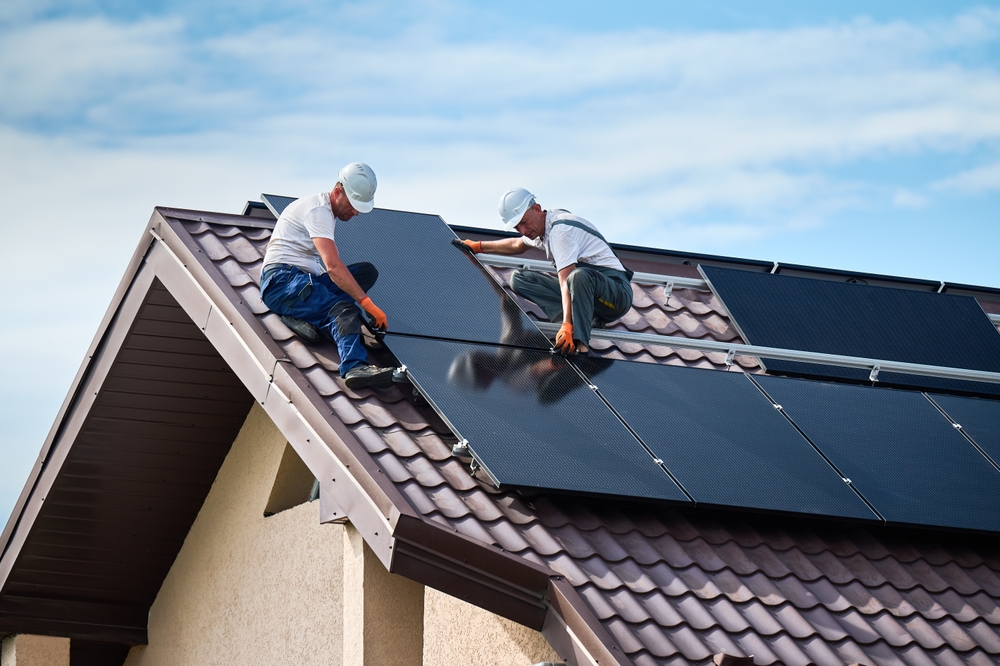
Solar installers mount panels, run the electrical connections, and hook a residential or commercial system into the grid, and the entry point for this trade is about as low as it gets in construction. Most installers need only a high school diploma and up to a year of on-the-job training, and the median wage was $53,140 in 2025, with experienced installers and crew leads earning close to $80,000.
That starting pay is lower than most of the other trades covered here, which is the honest tradeoff for how quickly someone can get in the door. There’s no multiyear apprenticeship standing between a career changer and a paycheck, though additional certifications, particularly the North American Board of Certified Energy Practitioners credential, open up higher paying design and lead installer roles once someone has a season or two of experience.
What solar installing has going for it is speed of growth: the Bureau of Labor Statistics projects 42% growth from 2024 to 2034, one of the fastest rates of any occupation it tracks, with roughly 4,100 openings a year. Falling equipment costs and steady demand for home solar and battery storage are the main drivers. For someone who wants into the skilled trades fast, without years of unpaid or underpaid training first, this is one of the more realistic entry points into the trades, period.
Industrial machinery mechanic and millwright

Millwrights and industrial machinery mechanics install, align, and repair the equipment that keeps factories, power plants, and mills running, which means their job security is tied directly to how much American manufacturing gets automated, not to how much it shrinks. The median wage was $64,100 in 2025, and specialists in precision alignment or vibration analysis often earn considerably more.
Entry usually starts with a high school diploma, then either a formal apprenticeship or a mix of technical school and on-the-job training, with journeyman status typically reached after three to four years. Because the job covers everything from conveyor systems to robotics to hydraulic presses, the learning never really stops.
This is one of the clearest examples anywhere of automation creating trade work instead of eliminating it. The more factories add robots and automated production lines, the more they need skilled mechanics who can install, calibrate, and fix that equipment when it breaks down at 2 a.m. The Bureau of Labor Statistics projects 13% growth through 2034, with about 54,200 openings a year, among the strongest outlooks of any trade that doesn’t require a four-year apprenticeship. If a factory near you is adding robotic arms, somebody has to keep those arms running, and that job doesn’t belong to the robot.
HVAC and refrigeration mechanic

HVAC and refrigeration mechanics install and repair the heating, air conditioning, and refrigeration systems in homes, restaurants, hospitals, and warehouses, and it’s one of the more forgiving trades to break into midcareer. The median wage was $61,010 in 2025, with top earners clearing more than $95,000, and most technicians need only a postsecondary certificate rather than a full multiyear apprenticeship, though longer programs exist for people who want to move faster into commercial and industrial systems.
Training typically runs six months to two years at a trade school, followed by a stretch of paid on-the-job work before someone is fully licensed. Refrigerant handling requires a federal certification, which is a short exam most programs already build into the coursework.
Job growth here is strong and getting stronger. The Bureau of Labor Statistics projects 8% growth through 2034, with roughly 40,100 openings a year, driven by new construction, the replacement of aging systems, and stricter energy codes that require more efficient equipment installed correctly the first time. Extreme heat and extreme cold both drive service calls, so geography doesn’t matter much here. Wherever someone lives, there’s a furnace or an air conditioner nearby that’s eventually going to break.
Diesel service technician and mechanic
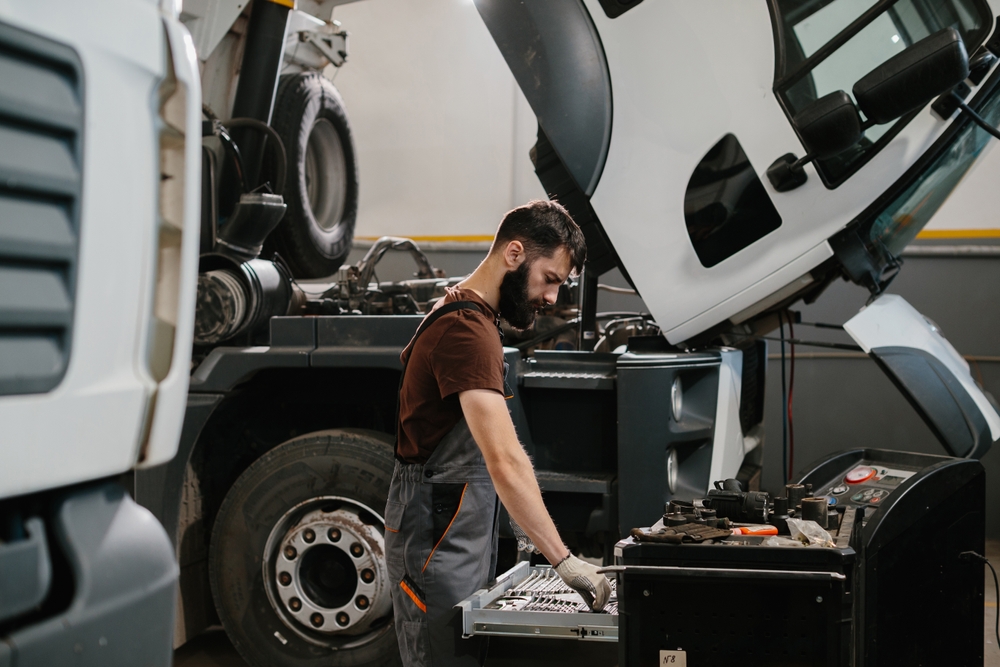
Diesel mechanics keep the trucks, buses, and heavy equipment that move nearly everything in the country running, and getting into it costs less time and money than almost any other trade covered here. The median wage was around $61,000 in 2025, with the top 10% earning close to $89,000, and most technicians train through a six-month to two-year certificate program rather than a formal apprenticeship.
Employers increasingly want to see that certificate, plus manufacturer-specific training once someone is hired, since modern diesel engines run almost as much software as they do mechanical parts. That’s a real shift from a generation ago, and it means the trade rewards people willing to keep learning new diagnostic systems, not just people who are good with a wrench.
Growth here is modest, projected at 2% through 2034, slower than several of the other trades here, largely because trucking volumes have leveled off after years of rapid expansion. But modest growth on a base of nearly 290,000 jobs still means tens of thousands of openings a year, mostly from retirements in a workforce that skews older. For someone who wants to be working, and earning, within a year of deciding to change careers, this is one of the fastest realistic paths to a solid income.
Construction equipment operator
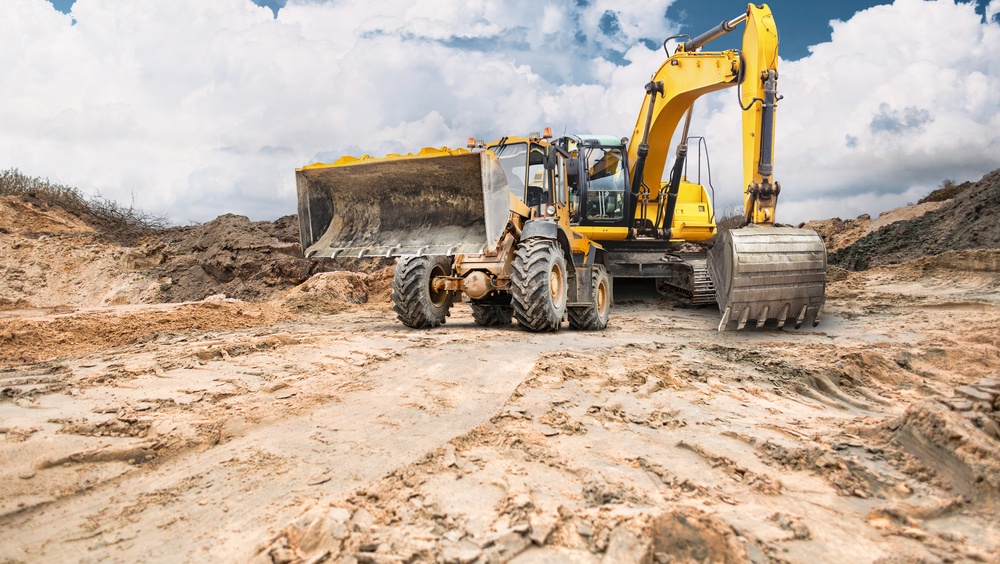
Someone has to sit in the cab of the bulldozer, excavator, or loader that actually builds the road, and that someone earns a median of $58,320 a year, with experienced operators on union jobs clearing well over $90,000 once overtime is added. It’s one of the more physical jobs in construction, but also one of the more accessible. Many operators learn entirely on the job after a high school diploma, while others go through a formal apprenticeship or a certificate program that shortens the learning curve.
Certification on specific machines, cranes especially, adds real earning power fast, since a lot of contractors will pay a premium for someone already certified on the equipment they own rather than train someone from scratch.
The Bureau of Labor Statistics projects 4% growth through 2034, about average, with roughly 46,200 openings a year. Federal infrastructure spending on roads, bridges, and utility work has kept demand steady even as some other construction categories have slowed, and that money is still working its way through multiyear projects. For someone who likes being outdoors, doesn’t mind noise and dust, and would rather run a machine than swing a hammer, this is a legitimate, well-paid way into construction that doesn’t require years of unpaid training first.
Aircraft mechanic and service technician

Aircraft mechanics inspect, maintain, and repair the airframes and engines that keep commercial and private planes in the air, and it’s one of the higher paying trades in this whole group precisely because so few people are qualified to do it. The median wage was $78,680 in 2024, and mechanics working for major airlines or on specialized aircraft often earn considerably more.
Getting certified requires completing an FAA-approved Aviation Maintenance Technician program, typically 18 months to two years, then passing a set of FAA exams to earn an Airframe and Powerplant certificate. Military aircraft maintenance experience can substitute for the schooling, which makes this a natural landing spot for veterans transitioning out of the service.
The industry itself is sounding the alarm about how badly it needs people. Aviation trade groups have estimated a shortage of tens of thousands of qualified maintenance technicians across North America, a gap expected to widen as the existing workforce retires faster than schools can graduate replacements. The Bureau of Labor Statistics projects 5% growth through 2034, faster than average, and that figure likely understates real demand given how openly airlines and manufacturers already talk about the shortage. For someone with any mechanical background, this is a trade where the employer is often more worried about finding you than you are about finding work.
Avionics technician

Avionics technicians work on the electronics inside an aircraft, the navigation systems, radios, radar, and flight control computers, and it’s a more specialized, better paid cousin of general aircraft mechanic work. The median wage was $81,390 in 2024, with top earners clearing more than $110,000, and the entry requirements track closely with aircraft mechanics: an FAA-approved training program, usually 18 months to two years, followed by certification exams.
Where avionics diverges from straight airframe and engine work is the electronics load. Someone in this trade needs real comfort with circuit boards, wiring diagrams, and increasingly complex flight software, since modern aircraft run more like flying computers than the mechanical planes of a few decades ago. That technical bar is part of why the pay runs higher than general aircraft mechanic work.
Growth here tracks the same trend line as the rest of aviation maintenance, driven by an aging technician workforce and aircraft that only get more electronically complex with each new generation. For someone who already has an electronics or electrical background and wants to specialize into aviation, this is a natural next step, and a rare case of technology getting more advanced actually raising the skill floor, and the pay, rather than automating the job away.
Welder, cutter, solderer, and brazer

Welding is the trade most people think of first when they picture the skilled trades, and the median pay reflects how broad and uneven the field actually is: $53,750 a year in 2025 for the typical welder in a factory or repair shop, but far more for anyone who specializes. Underwater welders working on offshore platforms and pipelines can earn well into six figures, and aerospace and nuclear welders, who need advanced certifications and clearance for the tightest tolerances in the industry, routinely clear $80,000 or more.
Entry-level welding can be learned in a matter of months at a technical school or community college, which makes it one of the fastest ways into any skilled trade. The real career move happens after that: stacking certifications in specific welding processes and materials, then specializing into the higher paying niches most beginning welders have never even heard of.
Overall employment growth is slow, just 2% through 2034, since manufacturing has automated a lot of routine, repetitive welding with robotic arms. But that automation has actually pushed pay up for the skilled welders who do the precision, custom, and hard-to-reach work robots still can’t handle.
Structural iron and steel worker

Ironworkers connect the steel skeletons of buildings, bridges, and towers, often hundreds of feet in the air, and it’s one of the more physically demanding, higher paying trades that still only requires a high school diploma to start. The median wage was $62,700 in 2024, with the top 10% earning more than $108,000, and pay varies a lot by region depending on how much high-rise and infrastructure construction is happening nearby.
Training runs through a three to four year apprenticeship, most of it spent learning to read structural blueprints, rig and move heavy steel safely, and weld or bolt connections that have to hold under real load. Fear of heights is disqualifying here in a way it isn’t for most jobs. A lot of the work happens on open steel with nothing but a harness between an ironworker and the ground.
Employment is projected to grow 4% through 2034, about average, with roughly 7,000 openings a year once reinforcing iron and rebar workers are counted alongside structural ironworkers. Infrastructure spending on bridges and heavy construction is the main driver, along with steady demand in commercial building. It isn’t a trade for everyone, but for someone who wants serious pay without a desk or a degree, and doesn’t mind working at height, it’s hard to beat.
Sheet metal worker

Sheet metal workers cut, shape, and install the ductwork, roofing, and metal building components that show up in nearly every commercial construction project, and the trade sits at a comfortable middle point in the pay rankings here: solid pay, steady demand, and a well established apprenticeship path. The median wage was $60,850 in 2024, with top earners passing $100,000, especially those who move into fabrication shop leadership or specialize in HVAC ductwork.
Most sheet metal workers in construction train through a four-year union apprenticeship, while those headed into manufacturing settings often learn on the job or through a shorter technical school program. The trade increasingly overlaps with building information modeling, the 3D design software used to plan how ductwork, plumbing, and electrical systems fit together before construction starts, which has actually made shop-based sheet metal work more technical and better paid over the last decade.
Growth is modest, projected at 2% through 2034, but retirements are keeping close to 10,600 openings a year available, and stricter energy codes requiring tighter, more efficient ductwork are adding demand that offsets the slower overall growth. It’s a trade with real staying power precisely because it sits at the intersection of two things that aren’t going away: buildings that need climate control, and a labor pipeline shrinking faster than the work is.
Insulation worker

Insulation workers install the materials that keep a building’s heating and cooling costs down, everything from fiberglass batts in a new home to spray foam and mechanical insulation wrapped around industrial pipes and tanks. It doesn’t get much attention as a trade, but the median wage was $51,330 in 2025, and mechanical insulators working commercial and industrial jobs typically earn more than residential installers doing standard batts and blown-in attic work.
Most people learn on the job, sometimes through a union apprenticeship that runs three to four years for the mechanical and commercial side of the trade, though residential insulation work can be learned considerably faster. It’s physically demanding, often hot, and frequently requires respiratory protection depending on the material, but it’s also one of the more overlooked entry points into construction for someone without a lot of prior trade experience.
Employment is projected to grow about 2% through the early 2030s, roughly average, with several thousand openings a year. Energy codes keep getting stricter about how well a building has to retain heat and cooling, and every retrofit of an older building or industrial facility with outdated insulation creates real work. It isn’t a glamorous trade, but it’s a necessary one, and it isn’t competing with an app or an algorithm for the job.
Stationary engineer and boiler operator

Stationary engineers run and maintain the boilers, generators, and mechanical systems that keep hospitals, universities, factories, and large commercial buildings heated, cooled, and powered around the clock, and it’s one of the steadier, better paying trades most people have never heard of. The median wage was $75,190 in 2024, with senior and chief engineers on complex systems earning well past $100,000.
Entry requires a high school diploma and long-term, often years-long on-the-job training, and most employers require workers to pass a licensing exam or hold a company-specific certification before operating equipment without supervision. High-pressure boiler licenses, which take longer to earn, open up the better paying jobs at power plants and large industrial facilities.
Growth is projected at a modest 2% through 2034, but the openings that do exist mostly come from an aging workforce retiring out of a trade that isn’t attracting many new entrants, which keeps demand steady for anyone willing to put in the licensing hours. Hospitals and universities in particular need someone qualified running their mechanical systems every single day of the year, which makes this one of the more recession-resistant jobs in construction. Buildings don’t stop needing heat and power just because the economy slows down.
Boilermaker

Boilermakers build and repair the boilers, pressure vessels, and storage tanks used in power plants, refineries, and large industrial facilities, and it’s one of the highest paying trades on this entire list: a median of $76,410 in 2025, with the top 10% earning more than $110,000. It’s also one of the most physically brutal, with work happening inside cramped, hot vessels and often requiring travel for weeks or months at a stretch.
Training runs through a four-year apprenticeship, and applicants with prior welding experience, including military welding backgrounds, typically get priority. Because most boilermaker work is contract based, tied to plant shutdowns and maintenance windows called turnarounds, income can be lumpy: long stretches of overtime followed by gaps between contracts.
Here’s the honest part. Nationwide, employment is projected to decline 2% through 2035, as coal-fired power plants shut down and natural gas and renewable generation, which need far less boiler maintenance, take their place. But the workforce itself is aging out faster than the job is disappearing, and hundreds of openings a year are still expected purely from retirements. For someone with welding skills already and no problem with travel, the pay premium on this shrinking but not gone trade is still real money, at least for another decade or two.
Construction and building inspector

Construction and building inspectors check that new construction and renovations meet building codes, zoning rules, and contract specifications, and it’s one of the more natural second acts for someone who’s already spent years in a construction trade. The median wage was $74,690 in 2025, with senior inspectors and those specializing in electrical or plumbing code earning considerably more.
Most inspectors come in with several years of hands-on trade experience already, whether as an electrician, plumber, or general contractor, and then add certification through their state or through the International Code Council. It’s a much easier career on the body than the trade someone likely came from, mostly daytime hours on job sites, without the physical toll of decades spent installing or repairing things themselves.
Employment is projected to hold essentially flat, down about 1% through 2034, as some jurisdictions consolidate inspection duties or shift work to private inspection firms. But for someone who’s already put in fifteen or twenty years swinging a hammer or bending pipe, this is a realistic, less physically demanding place to land that still pays well and still uses everything they already know. It’s less a growth trade to enter cold and more a graduation point for people already in one of the other trades covered here.
Crane and tower operator
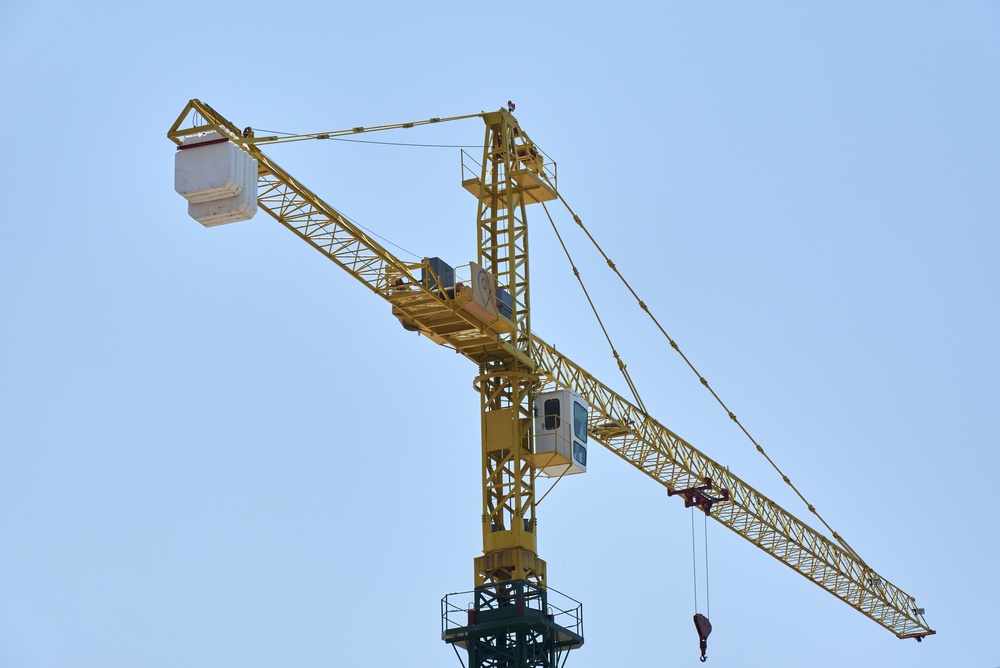
Crane operators run the towering machines that lift steel beams, concrete panels, and heavy equipment into place on major construction sites, and it’s one of the more specialized, better paid jobs a construction equipment operator can move into. The median wage was around $68,000 in 2025, with certified operators on large commercial projects often earning considerably more once overtime and per diem for travel work are included.
Certification, through the National Commission for the Certification of Crane Operators or a similar body, is the real credential here, and most people earn it after some time already working construction or as a rigger. Training combines classroom instruction on load charts and rigging math with hands-on operating time, and it typically takes less than a year for someone with some construction background already.
Job growth is modest but positive, tracking with overall construction and infrastructure spending, and demand tends to concentrate in cities with active high-rise or industrial construction. It’s a job that rewards precision and a cool head over raw physical strength, since a single miscalculated lift can be catastrophic, and that responsibility is exactly why experienced, certified crane operators are hard to find and well compensated once they are.
Locomotive engineer
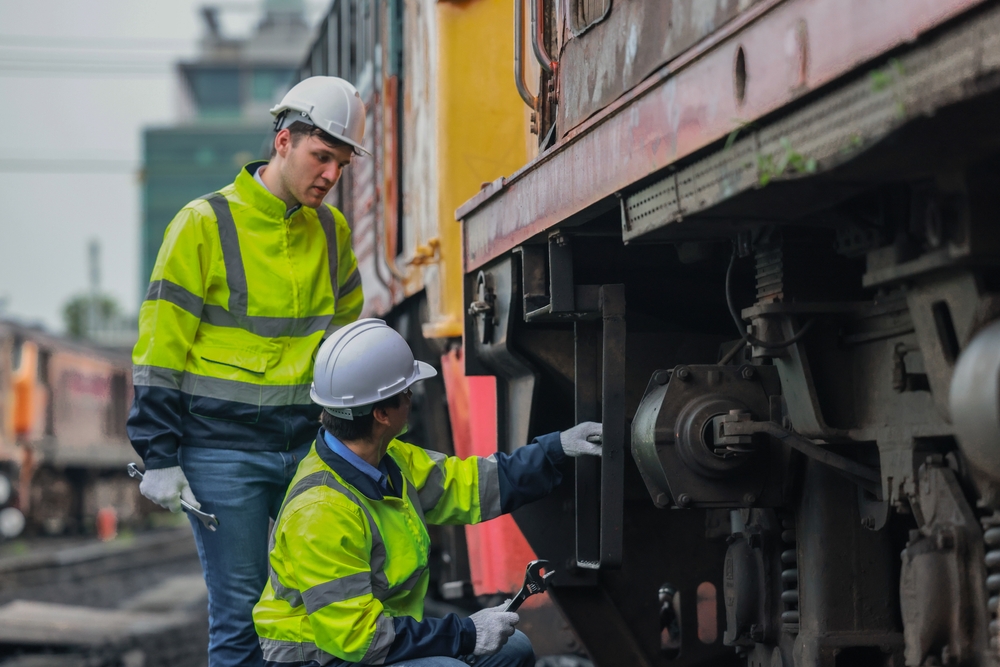
Locomotive engineers operate the freight and passenger trains that move a huge share of the country’s goods, and it’s one of the better paying jobs relative to the training it actually requires. The median wage was around $81,000 in 2025, with senior engineers on major freight lines earning well over $100,000 once mileage pay and overtime are factored in.
Getting there usually means working first as a conductor or brakeman, learning railroad operations and safety rules from the ground up, before moving into engineer training, which typically runs several months of employer classroom and simulator work followed by supervised runs. No college is involved at any point, and railroads generally promote from within their own conductor ranks rather than hiring engineers off the street.
Employment here is essentially flat, with growth projected at less than 1% through the mid-2030s, since freight volumes have leveled off and passenger rail hasn’t expanded much in most of the country. But turnover from retirements in a workforce that skews older keeps real openings available every year, and railroads have struggled publicly with staffing shortages severe enough to affect service. For someone who wants a stable, well-paid, blue-collar career without a single tuition payment, this is a quieter option than most people ever consider.











