
A pound of ground beef cost $3.90 at the start of 2020. Today it’s $6.70, and some cuts are pushing toward $10. Orange juice is up 80 percent since 2019. A box of name-brand cereal that once cost $3.50 now runs $6 to $8, and the box is smaller. Total grocery costs have climbed more than 25 percent over the past five years, and there’s no sign of a broad reversal.
At some point, higher prices stop generating complaints and start generating behavior changes. Not brand switching. Not buying smaller sizes. Cutting items entirely. 82 percent of Americans modified their grocery shopping behavior in 2025 due to cost pressures, and the most common adjustment was removing items from the cart.
None of these are luxury goods. They’re eggs, coffee, bacon, shrimp, and fast food. For millions of households, prices have already made the exit decision.
Table of contents
Ground beef

The clearest sign that something has fundamentally changed: Hamburger Helper is now printing a suggestion on its packaging to try the recipe with hot dogs instead of ground beef. That sentence tells you everything about where prices are.
Ground beef averaged $6.70 a pound in late 2025, up 72 percent from early 2020. Beef and veal prices are projected to rise another 12 percent in 2026. Sales of Hamburger Helper surged 15 percent in late 2025 as shoppers started substituting cheaper proteins, repeating a pattern last seen in the 1970s when beef prices sent Americans scrambling for alternatives.
The root cause is a cattle herd at its smallest since 1951, just 86.2 million head. Drought in grazing regions forced ranchers to sell off cows early rather than pay for feed, compressing supply for years. Rebuilding a cattle herd takes years, not months. Experts who cover the beef market are blunt about the timeline: prices are not coming down significantly before 2028.
Beef steak

Ground beef is painful. Steak has crossed into something closer to a special-occasion food for most households.
The average retail price for fresh beef steaks hit $12.73 a pound in March 2026, up 16 percent from a year earlier. Sirloin averaged $13.55 last summer, compared to $9.41 five years ago. Chuck roast, which used to be the wallet-friendly alternative to steak, hit $8.43 a pound in July 2025. Even bone-in cuts that once sat in the clearance section have crept up with the market.
Restaurant behavior is shifting along with grocery spending. Mid-tier steakhouses are reporting increased traffic as the price gap between cooking steak at home and ordering it at a budget sit-down restaurant has nearly collapsed. When it costs almost as much to sear a ribeye yourself as to have someone else do it, the calculus for buying that steak at the grocery store changes. Most people are simply buying it less, or skipping it altogether for stretches at a time.
Bacon

Bacon has been quietly at record price territory for years, and the number of households who’ve noticed is growing. The nationwide average for a pound of pork bacon was $6.61 in May 2025, close to the January high of $6.70, from real grocery checkout price data. That’s 30 to 40 percent above where prices sat before the pandemic.
What makes bacon expensive is distinct from beef. With beef it’s the cattle herd. With bacon it’s a combination of labor costs, feed costs, transportation, and the fact that pork belly, once a low-value byproduct, is now one of the most in-demand cuts as American appetite for bacon outpaced every other change in the pork market. California’s Proposition 12, which set minimum space requirements for pigs sold into the state, added further cost pressure that spread nationally as producers upgraded facilities.
Prices are expected to stay elevated through 2026. There’s no single relief valve. Plenty of families report buying bacon once a month now, if it’s on sale, instead of picking it up every week like they used to.
Eggs

The egg crisis of early 2025 was genuinely shocking. A dozen Grade A eggs hit an all-time high of $6.23 in March 2025, with some retailers charging over $9 and imposing per-carton purchase limits. One-third of Americans stopped buying eggs entirely at the peak. Prices have since come down sharply, averaging $2.50 a dozen by early 2026, but the behavior shift took hold before the relief arrived.
Bird flu drove the crisis. The HPAI outbreak that began in 2022 affected more than 166 million birds, including 127 million egg-laying hens. In January 2025 alone, nearly 19 million egg-laying hens were culled, about 8 percent of the conventional flock, causing a supply crash the market wasn’t prepared for. The Trump administration imported eggs from Turkey and Brazil and funded flock recovery.
The flock has rebuilt and prices are now relatively stable, but millions of Americans spent months replacing eggs in recipes and cutting them from grocery lists. For households that built new habits during the shortage, the return to normal prices hasn’t automatically reversed the behavioral change. The habit of buying fewer eggs, or not buying them at all, turns out to have a long tail.
Ground coffee

The average retail price of ground coffee hit $9.46 a pound in early 2026, a record. Coffee beans were already expensive after climate disruptions hit Brazil and Vietnam in 2023 and 2024, and a 50 percent U.S. tariff on Brazil added direct cost pressure in mid-2025 before being reversed in November. The reversal doesn’t matter much at the shelf level: retail prices don’t drop as fast as tariffs do. Ground coffee costs rose about 20 percent in 2025 alone.
The average household that drinks coffee at home has seen its annual spend on ground coffee jump roughly $76 since 2024. That’s one item. Arabica coffee futures hit $4.41 a pound in early 2025, the highest price ever recorded. More than 70 percent of consumers in a UBS survey cited high prices as the primary reason they planned to visit Starbucks less.
Some relief may arrive in the second half of 2026 if the Brazilian harvest improves as forecast. But retail prices typically lag bean prices by months because roasters lock in costs through futures contracts. Shoppers who’ve already switched to brewing at home, buying less, or switching to cheaper store-brand coffee may not fully revert even when prices ease. The habit of spending less on coffee turns out to be comfortable.
Orange juice

Orange juice is 80 percent more expensive than it was in 2019, and the problem has nothing to do with a temporary supply disruption. The orange itself is disappearing. Florida, once the dominant source of juice oranges in the U.S., has seen its orange production fall by roughly 92 percent over the past two decades due to citrus greening, an untreatable bacterial disease spread by an invasive insect. There is no cure. Infected trees produce small, bitter, unusable fruit until they die.
Brazil, which supplies the majority of U.S. orange juice imports, is fighting the same disease in its own groves. Tariffs applied to Brazilian imports in 2025 added another layer of cost. Some stores have been charging $8 or $9 for a carton of orange juice. For a product that was once synonymous with cheap, convenient nutrition, that price has ended its run as a breakfast staple for millions of families.
Juice makers are quietly experimenting with mandarin and other fruit blends as substitutes. The classic carton of 100-percent Florida orange juice may become structurally rare and expensive regardless of what overall inflation does. This is a case where the price increase isn’t a policy problem or a temporary shortage. The supply is permanently smaller.
Chocolate

“The era of cheap chocolate is over,” one food economist put it bluntly, and the numbers have backed that up. Cocoa futures hit $12,500 per metric ton in late 2024, the highest in decades. The average U.S. chocolate bar price rose 41 percent between 2021 and 2025, from $2.43 to $3.45. Unit sales of chocolate fell 1.2 percent over that period.
Cote d’Ivoire and Ghana produce about 70 percent of the world’s cocoa. Both have been hit simultaneously by flooding, drought, aging orchards, and disease, creating the tightest cocoa supply market in decades. Meanwhile demand from Asia and Latin America has grown, preventing prices from easing even as American consumers buy less.
Hershey announced double-digit percentage price increases for late 2025, with some pack sizes shrinking and some list prices rising outright. A bag of assorted Halloween candy that cost around $9 five years ago now runs $16. Chocolate has quietly shifted from an everyday impulse purchase to something people think twice about, skip in favor of other snacks, or buy significantly less of each week.
Candy and gum

Chocolate gets the most attention, but candy and gum prices that have nothing to do with cocoa have also surged. Candy and chewing gum prices jumped 10.1 percent in the year ending late 2025. Sugar and sweets are forecast to rise another 6.7 percent in 2026, making it the single food category with the highest projected price increase for the year.
The drivers are distinct from chocolate. Sugar prices have risen with global demand and weather impacts on sugarcane. Manufacturing, energy, and transportation costs for candy makers rose 37 percent between early 2024 and early 2026. Tariff uncertainty has added further cost pressure for companies that import ingredients or finished goods.
For shoppers, this shows up every time they reach for a pack of gum at the register, a bag of Skittles, or holiday candy that’s technically on sale but not as cheap as it used to be. The psychological cost of noticing how much a small treat costs has pushed a lot of people to skip it. Small impulse purchases are easy to eliminate once the price no longer feels reflexive.
Shrimp
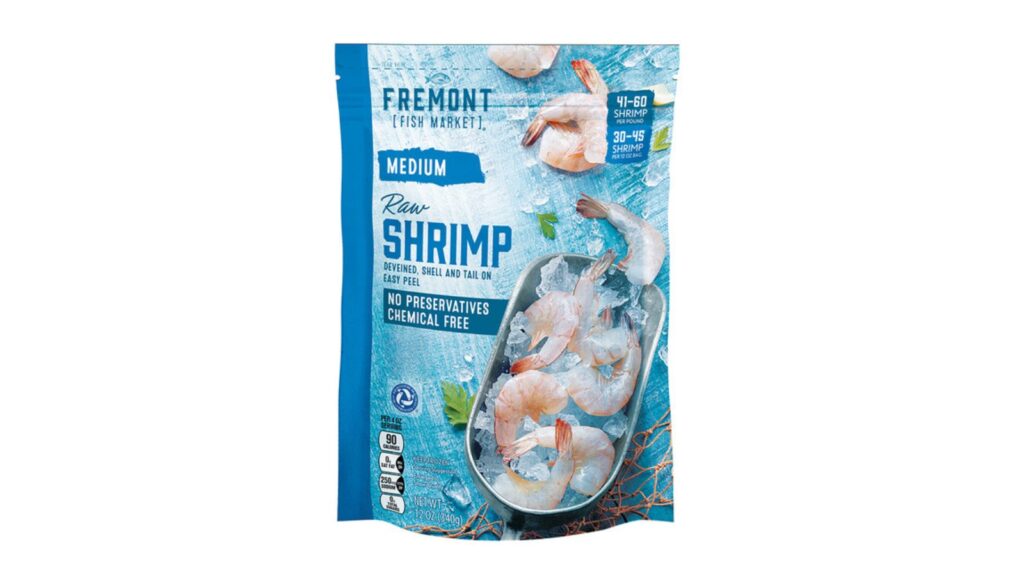
Three-quarters of the seafood Americans eat is imported. That made seafood one of the food categories most directly exposed to the 2025 tariff wave, and shrimp took the hardest hit.
The U.S. imposed a 50 percent tariff on shrimp from India, the nation’s single largest shrimp supplier. Wholesale shrimp prices jumped roughly 21 percent as a direct result. Ecuador, the second-largest supplier, faced tariffs of nearly 22 percent. Asian suppliers including Vietnam and Indonesia faced additional anti-dumping and countervailing duties on top of baseline tariffs, reshaping where importers source from and how much they pay.
Shrimp had been a relatively affordable protein for years. Frozen shrimp became a weeknight staple because it was cheap, fast to cook, and worked in a wide range of dishes. That positioning is under real strain. Tariff-driven shrimp price increases are expected to cause Americans to eat less seafood and more red meat, which is simultaneously more expensive and less heart-healthy. The policy math doesn’t land well for consumers.
Canned tuna and tilapia

Canned tuna and frozen tilapia were the budget proteins: cheap, shelf-stable, decent nutrition, no drama. Tariffs have squeezed both.
The four most popular seafood products in the U.S. are shrimp, salmon, canned tuna, and tilapia, all of them predominantly imported. New tariffs apply across nearly all of it. At one New Hampshire grocery chain, a bag of frozen tilapia rose 46.74 percent in a single year, from $5.99 to $8.79. Canned tuna faces similar pressure as tariffs hit the processing and import supply chain, not just the fish itself.
For households with children, fixed incomes, or tight budgets, these products served a specific function: they were the proteins you could always afford. A can of tuna going from $1.29 to $2.49 might not seem dramatic until you’re buying six of them a week and the rest of the grocery bill has also gone up. The cumulative effect of every category rising at once is that something has to get cut, and these items are no longer too cheap to sacrifice.
Avocados

Avocado prices had already been volatile for years when 2025 arrived with a new record. Large Hass avocados rose more than 75 percent in early 2025, driven by poor harvests and the looming threat of tariffs on Mexico, which supplies roughly 80 percent of U.S. avocados. A single avocado at many stores now runs $1.50 to $2. Organic versions are higher still.
The fruit that became the cultural shorthand for millennial spending has remained expensive even as other produce categories stabilized. For a household that was casually tossing two or three avocados in the cart every week, the calculation has changed. At $2 a piece, a regular avocado habit adds up to $300 or more a year.
Tariff uncertainty around Mexican produce has not been fully resolved. Even when individual avocado prices inch back down, the baseline has shifted significantly compared to five years ago. Food researchers note that consumers who break a purchasing habit during a price spike don’t always return to it even when prices moderate. Guacamole portions at restaurants have gotten smaller. The home version isn’t much cheaper.
Fast food

Fast food was supposed to be the fallback when grocery prices got too high. For much of the last two years, restaurant prices rose 4.1 percent in 2025, roughly double the pace of grocery inflation. A basic combo meal at McDonald’s, Burger King, or Wendy’s that ran $6 or $7 five years ago now typically costs $10 to $13.
The $5 value meal that McDonald’s launched in the summer of 2024 says it all. A chain that built its entire brand identity on affordability had to run a promotional campaign just to remind people it could fit into their budget. That $5 deal moved the sales needle by just 1.3 percent on average, confirming that price damage to consumer trust in fast food runs deep.
Nearly 40 percent of Americans say they’re eating out less frequently than before 2023. Among low-income households, the pullback is sharpest. Fast food was often the quick, practical solution for working parents and anyone who didn’t have time to cook. That solution has become a discretionary spending decision, which means it gets cut first when the budget tightens.
Restaurant delivery

Delivery fees, service charges, and tipping conventions have stacked on top of already-elevated menu prices to create a spending category that many Americans have quietly decided isn’t worth it. Delivery now costs nearly 80 percent more than ordering the same food for pickup, an average of $9.30 more per order in fees and tips once everything is added up.
The shift shows in real numbers. Delivery order totals fell 6 percent in 2025, and total delivery spending dropped 12 percent. Pickup orders, by contrast, grew 14 percent. People still want the food. They’ve just stopped paying the premium to have it brought to them. Gen Z, once the heaviest delivery users, showed the steepest spending decline at quick-service restaurants, down 19 percentage points over two years.
The delivery platforms have tried to hold on with subscription programs, discounts, and promotions. The fundamental math is hard to overcome. A $15 restaurant meal becomes a $26 meal after fees, and once someone makes the mental shift to picking up their own order, saving $10 every time they do it becomes a habit fast. For a lot of households, that habit has already formed.
Name-brand cereal
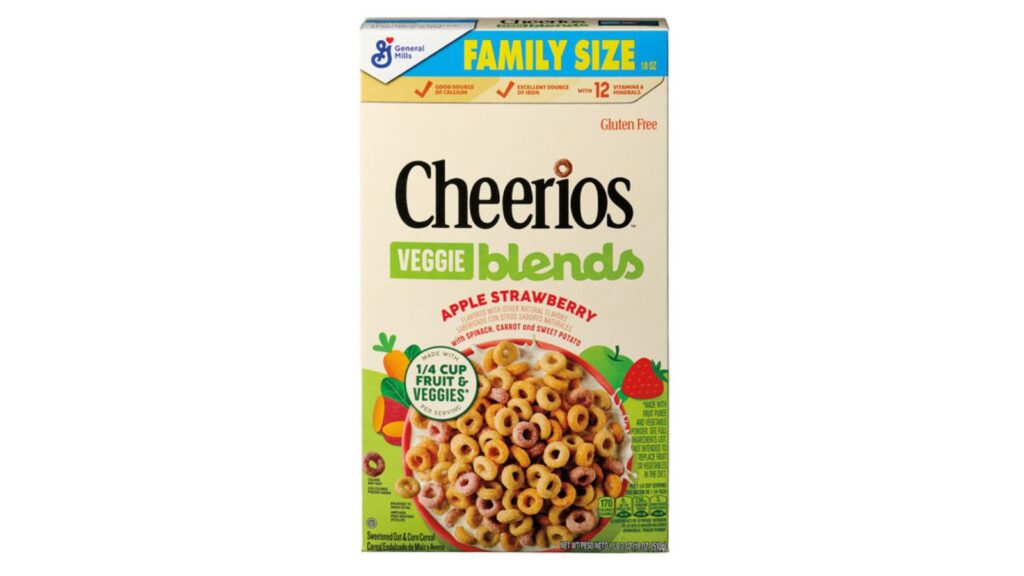
A box of Cheerios, Frosted Flakes, or Honey Bunches of Oats now costs between $5 and $8 at most major grocery stores, and the box is smaller than it was five years ago. Production costs for cereal makers rose nearly a third since the start of the pandemic, driven by grain prices, packaging materials, energy, and labor. The shrinkflation has been real: same price, less cereal, smaller box.
General Mills noted that high prices were pushing shoppers to buy cereal only when it was discounted, particularly in households earning $100,000 or less. The company cut prices on nearly two-thirds of its grocery products in 2025 in an attempt to recover volume. That kind of move doesn’t happen unless the sales data is bad.
Store-brand cereal has picked up real market share. For most families, the quality gap is negligible. The main beneficiaries are the stores themselves. The name brands may recover some shoppers when prices stabilize, but the habit of buying the cheaper version tends to stick. If you switched to the store-brand Cheerios equivalent and didn’t notice a difference, it’s not obvious why you’d go back.
Packaged chips and snacks

Packaged snack prices, including chips, crackers, and granola bars, are forecast to rise 3.1 percent in 2026, above the historical average, and that’s on top of several years of prior increases. PepsiCo, the maker of Lay’s, Doritos, and Cheetos, cut prices by up to 15 percent on many items in 2025 after sales volumes fell. That was not a promotional discount. That was a company reacting to consumers walking away.
Shrinkflation has made snack price comparisons harder to track. A bag of chips that costs the same as last year often weighs one or two ounces less. The price-per-ounce increase is real but invisible at first glance. Shoppers who started calculating cost-per-ounce out of frustration found they were paying significantly more for less food than before.
Brand loyalty in the snack category has weakened faster than in almost any other grocery segment. Private-label chips, once considered inferior, have benefited enormously from consumer willingness to experiment. When a name-brand bag costs $5.99 and the store brand costs $3.29, the brand premium has to justify itself every single time. Increasingly, it isn’t justifying itself, and shoppers aren’t going back.
Olive oil

Extra virgin olive oil hit a record high of $12.39 a bottle in the U.S. in 2024, more than double what it cost two or three years prior. The price surge was driven by severe drought and heat damage across Spain, Italy, and Greece, which collectively produce the vast majority of the world’s olive oil. Spain alone accounts for roughly 45 percent of global olive oil exports, and when Spanish production dropped sharply across consecutive drought years, global prices spiked with it.
Prices have started to ease as 2025/26 harvests improved in several Mediterranean regions. But the U.S. now faces a separate headwind: a 15 percent tariff on EU olive oil exports to the U.S., enacted as part of a broader trade deal that averted a threatened 30 percent levy. The tariff keeps a floor under prices even as global supply recovers.
Many households responded to $12 bottles by switching to canola, vegetable, or avocado oil for everyday cooking and reserving olive oil for specific dishes or salads. Restaurants trimmed olive oil portions. A product that felt like an automatic kitchen staple became a decision. Some of that switching may be permanent, especially in households that discovered they didn’t miss olive oil as much as expected.
Organic produce

Organic produce now costs an average of 52.6 percent more than its conventional equivalent, and the gap varies wildly by item. Organic iceberg lettuce costs 179 percent more than conventional. Organic apple prices jumped more than 50 percent in early 2025. Organic avocados carry a significant additional premium on top of an already-expensive conventional version.
For years, a meaningful segment of the population treated organic as a standard for certain produce, particularly items eaten without peeling. That calculus has shifted. With conventional grocery prices already elevated across most categories, the additional premium for organic has become harder to justify, especially for items where the price gap is two or three times the conventional cost.
Consumer research shows the retreat most clearly among households earning between $50,000 and $100,000, the group that had adopted organic produce most broadly during the 2010s. They’re still buying some organic items, usually a short priority list, but they’ve dropped the rest. The organic aisle has seen real contraction in the American middle-class grocery cart over the past two years.
Imported pasta

Pasta was supposed to be the last refuge of the cheap dinner. Anti-dumping tariffs on Italian pasta have disrupted that. U.S. import tariffs reached as high as 92 percent on major Italian producers including Barilla, making imported pasta dramatically more expensive in a short period of time.
Barilla is also manufactured in the U.S., so not every box on the shelf is affected identically. But the imported Italian pasta category, the thinner, higher-quality products that used to sell for $3 or $4 rather than $1 for domestic varieties, has taken a direct hit. Consumers who preferred the texture and quality of imported pasta found the price gap between imported and domestic widened sharply in 2025.
This one hits differently than most items on this list because pasta was the substitution strategy. When beef costs $7 a pound, you eat more pasta. When the pasta you used to buy costs 92 percent more to import, the substitution chain gets shorter. It’s a relatively small category in dollar terms, but it signals something broader: the cheap alternatives are no longer as cheap as they were, and the room to trade down is running out.











