
Some jobs come with fancy titles, ping-pong tables, and a layoff email before your second cup of coffee. Others are plain, steady, and deeply unsexy, which is exactly why they’re worth a look.
A $30-an-hour job does not have to be glamorous. It may mean inspecting equipment, monitoring patients, fixing machines, keeping records, or working around systems where mistakes are expensive. That kind of work can be dull on paper, but dull can pay the mortgage.
The catch is that “entry level” has started to mean almost nothing. Too many listings want three years of experience, a degree, and the patience of a saint for wages that barely cover groceries. These jobs are different. They are real starting points into fields that still need people, still pay grown-up money, and still depend on human judgment.
Table of contents
- 1. Sleep technologist
- 2. EEG technologist
- 3. NDT technician
- 4. Biomedical equipment technician
- 5. Wind turbine service technician
- 6. Aircraft mechanic
- 7. Avionics technician
- 8. Electrical power-line installer and repairer
- 9. Substation relay technician
- 10. Industrial machinery mechanic
- 11. Occupational health and safety specialist
- 12. Court reporter and real-time captioner
- 13. Cardiac catheterization technologist
- 14. Surgical technologist
- 15. MRI technologist
- 16. Respiratory therapist
- 17. Occupational therapy assistant
- 18. Physical therapist assistant
- Discover job hunting tips, ways to earn more, and flexible working options:
1. Sleep technologist

Sleep technologists monitor patients during overnight sleep studies. You watch breathing, heart rate, oxygen levels, movement, and brain activity while people sleep in a lab or hospital sleep center. It is quiet work, but you have to notice when something is off and document it clearly.
Average pay is about $31 per hour. Many people get started through a sleep technology program, healthcare certificate, or trainee role that leads to a registry exam. Employers include hospitals, sleep labs, neurology groups, and pulmonary clinics.
This job has staying power because sleep apnea, chronic fatigue, heart issues, and breathing problems are not disappearing. Software can collect readings, but a person still has to set up the patient, fix sensors, respond during the study, and make sure the test is usable.
2. EEG technologist

EEG technologists run tests that record brain activity. You place electrodes on a patient’s scalp, operate the equipment, watch for seizure activity or unusual readings, and keep careful notes for the medical team. The work is repetitive in a good way, but it takes patience and accuracy.
Average pay is about $33 per hour. Entry routes vary, but many people start with a neurodiagnostic technology program, hospital trainee job, or related healthcare experience. You may work in neurology clinics, hospitals, epilepsy monitoring units, or intensive care settings.
Demand is supported by seizure care, stroke care, sleep medicine, brain injury treatment, and hospital monitoring. The equipment is technical, but the job still depends on hands-on setup, patient comfort, and knowing when a reading looks wrong because a wire slipped instead of because the patient changed.
3. NDT technician

NDT stands for nondestructive testing. These technicians inspect welds, pipelines, aircraft parts, bridges, pressure vessels, and industrial equipment without cutting them open or breaking them apart. You may use ultrasound, dye, magnets, x-rays, or other tools to find cracks and defects.
Average pay is about $30 per hour. Many workers start as trainees, then build supervised hours and certifications. Employers include aviation shops, refineries, shipyards, utilities, manufacturers, construction contractors, and inspection firms.
This is not glamorous work, but it matters. A missed defect can cause a serious failure. That is why companies still need trained people who can climb, measure, scan, compare readings, and sign off on inspections. The entry path is often more practical than academic, which makes it a solid option for people who like tools, checklists, and field work.
4. Biomedical equipment technician

Biomedical equipment technicians repair and maintain medical devices. That can mean hospital beds, infusion pumps, monitors, defibrillators, imaging support equipment, and other machines used in patient care. Much of the job is testing, troubleshooting, cleaning, documenting, and making sure equipment is safe before it goes back on the floor.
Median pay is about $30.11 per hour. Entry-level jobs often ask for an associate degree in biomedical equipment technology, electronics, or a related field. Some employers also train people with military electronics experience or strong repair backgrounds.
Hospitals and clinics keep adding equipment, and that equipment cannot sit broken in a closet. This role is steady because healthcare facilities need devices that pass safety checks, meet standards, and work during real care. It is a good fit if you like repair work but do not want to be in attics, crawl spaces, or on a roof all day.
5. Wind turbine service technician

Wind turbine service technicians inspect, maintain, and repair wind turbines. You climb towers, check electrical and hydraulic systems, replace worn parts, troubleshoot alarms, and write up what was done. The work can be cold, hot, windy, and repetitive, but it is not desk work.
Median pay is about $30.09 per hour. Many people enter through a wind energy certificate, technical college program, or military mechanical background, then get employer training on specific turbine models and safety systems.
This is one of the stronger growth jobs on the list because energy companies still need crews to keep turbines running. A remote sensor may flag a problem, but it cannot climb the tower, replace a component, torque bolts, or check whether a repair was done safely. For someone who can handle heights and travel, it is a practical entry into energy work.
6. Aircraft mechanic

Aircraft mechanics inspect, repair, and maintain planes and helicopters. You check engines, landing gear, brakes, fuel systems, controls, and other parts that have to work correctly every time. The job is full of checklists, tools, documentation, and safety rules.
Median pay is about $37.83 per hour. Many workers enter after completing an approved aviation maintenance program and earning the needed mechanic certificate. Employers include airlines, repair stations, cargo carriers, business aviation companies, and aircraft manufacturers.
This work is hard to replace because someone has to physically inspect the aircraft, sign off on repairs, and take responsibility for safety. Planes do not maintain themselves, and experienced mechanics continue to age out of the field. It is not an easy job, but it is a clear path for people who like mechanical work and can follow exact procedures.
7. Avionics technician

Avionics technicians work on the electronic systems inside aircraft. That can include communication, navigation, radar, weather systems, flight controls, and instruments. It is quieter than turning wrenches on an engine, but it still involves testing, wiring, diagnostics, and careful repair work.
Median pay is about $39.13 per hour. Entry routes include avionics programs, electronics training, aircraft maintenance school, military aviation electronics experience, or repair station trainee roles.
Aircraft are only getting more electronic, which keeps this work relevant. A computer can report an error code, but a technician still has to trace the fault, test the system, replace the part, and document the repair. Employers need people who are calm with tiny details because small mistakes in aviation can turn into big problems.
8. Electrical power-line installer and repairer

Power-line workers build, maintain, and repair the electrical lines that keep homes, hospitals, stores, and factories running. You may climb poles, work from bucket trucks, install transformers, repair storm damage, and follow strict safety procedures around high voltage.
Median pay is about $44.50 per hour. Many people start through a lineworker school, utility trainee role, or paid apprenticeship. The first stage is physical and closely supervised, but it is still a real entry path into a high-paying trade.
This job is not for everyone. The weather is not always friendly, emergency calls happen, and safety has to come first. But the work is steady because the grid needs upkeep, storm repairs, upgrades, and new connections. It also depends on crews in the field, not just software in an office.
9. Substation relay technician

Substation relay technicians inspect, test, repair, and maintain electrical equipment in substations and power facilities. The job can involve relays, breakers, meters, control panels, batteries, wiring, and test equipment. It is technical, slow-moving work where careful habits matter more than charm.
Median pay for powerhouse, substation, and relay electrical repairers is about $48.53 per hour. Entry paths often include an electrical technology certificate, associate degree, military electrical training, utility trainee job, or apprenticeship.
Utilities and large facilities need this work because the electrical system cannot be treated casually. A bad relay, loose connection, or wrong test result can affect a lot of people. This role is a good fit for someone who likes electricity but wants a more technical maintenance track than standard residential service work.
10. Industrial machinery mechanic

Industrial machinery mechanics keep production equipment running. You might work on conveyors, motors, pumps, packaging lines, robotic arms, mixers, bearings, gears, and sensors. A lot of the job is listening, testing, replacing parts, and finding out why a machine keeps failing.
Median pay is about $30.65 per hour. Entry-level workers often come through manufacturing trainee jobs, technical school, military maintenance, or apprenticeships. Employers include food plants, warehouses, factories, mills, utilities, and repair contractors.
This is boring in the best way because every facility needs uptime. When a machine stops, orders back up and money gets lost. Automation may add more equipment, but that equipment still breaks, jams, overheats, wears down, and needs a person with tools to fix it.
11. Occupational health and safety specialist

Occupational health and safety specialists inspect workplaces and help prevent injuries. You may check machinery guards, chemical storage, training records, air quality, fall protection, noise exposure, and incident reports. It is part field work, part paperwork, and part uncomfortable conversations with managers who need to fix things.
Median pay is about $40.34 per hour. Many entry-level specialist roles ask for a bachelor’s degree in safety, environmental health, science, or a related field. Some technicians move up after hands-on industry experience and safety certifications.
This job should stay useful because employers still have to follow safety rules, train workers, investigate incidents, and adapt to new hazards. Software can store checklists, but it cannot walk a jobsite, smell a chemical leak, notice a shortcut, or get a crew to change a risky habit.
12. Court reporter and real-time captioner

Court reporters and captioners create accurate records of legal proceedings, depositions, hearings, and live events. You may use a stenotype machine, voice writing system, or captioning software, but the job still depends on speed, focus, and accuracy under pressure.
Median pay is about $32.36 per hour. Entry-level workers usually complete a court reporting or captioning program, build speed, and pass certification or licensing requirements where needed. Jobs are found in courts, captioning companies, legal services, and freelance deposition work.
Growth is stable rather than explosive, but the field keeps openings because not enough people finish the training and pass the speed tests. Legal records need accuracy, speaker identification, and judgment when people interrupt, mumble, or talk over each other. That makes skilled reporters more valuable than the job title sounds.
13. Cardiac catheterization technologist
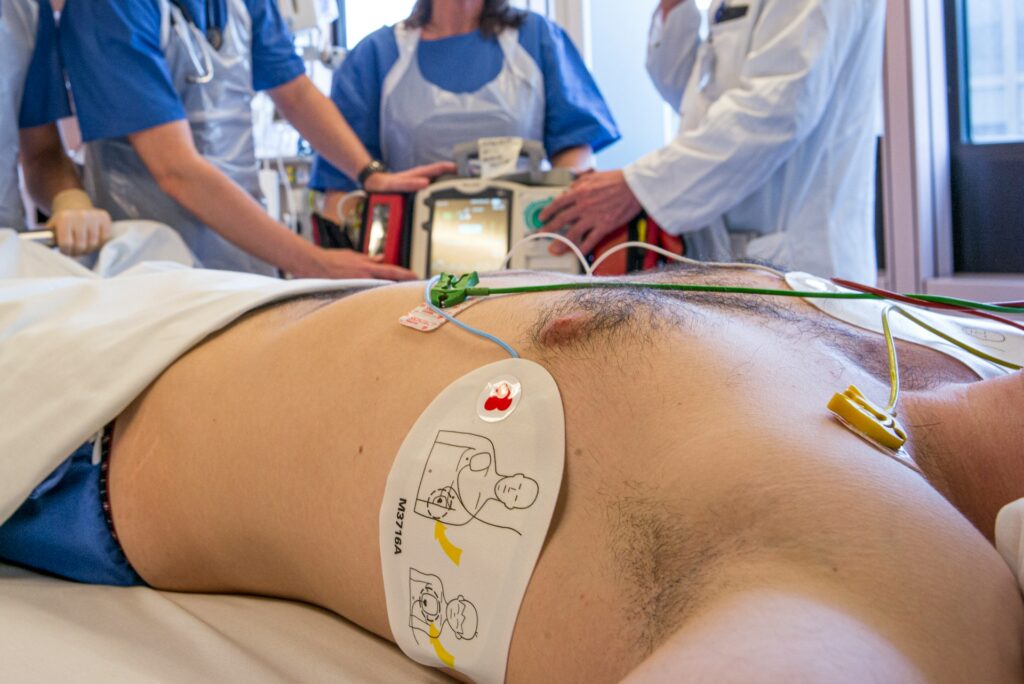
Cardiac cath lab technologists help during heart procedures. You may prep patients, set up sterile equipment, monitor readings, assist doctors during catheterizations, and respond quickly when a patient’s condition changes. The room is controlled and procedural, but the stakes are real.
Average pay is about $39 per hour. Some people enter through cardiovascular technology programs, radiologic technology backgrounds, or hospital training pathways. Employers include hospitals, heart centers, outpatient procedure centers, and specialty cardiology groups.
This job is likely to stay in demand because heart disease remains common and procedures need trained teams in the room. Machines can measure and display data, but they cannot position a patient, anticipate what the physician needs, calm someone who is scared, or react when a procedure changes fast.
14. Surgical technologist

Surgical technologists set up operating rooms, prepare sterile instruments, count supplies, help maintain the sterile field, and pass tools during surgery. It is routine until it is not, which is why attention matters. You need to know what comes next and stay steady when the room gets tense.
Median pay is about $30.21 per hour. Entry-level jobs usually require a surgical technology certificate, diploma, or associate degree. Many employers prefer certification, especially in hospitals and larger surgery centers.
Surgeries still need people in the room. As the population ages and more procedures move to outpatient settings, surgical teams need techs who can keep cases moving safely. This is not a cushy job, but it is a clear healthcare entry point for someone who can handle blood, standing for long periods, and strict rules.
15. MRI technologist

MRI technologists run magnetic imaging scanners that help doctors see inside the body. You position patients, screen for metal risks, choose imaging protocols, monitor the scan, and help people who may be anxious, in pain, or claustrophobic.
Median pay is about $42.40 per hour. Many MRI techs start as radiologic technologists and add MRI training, though some programs focus directly on MRI. Employers include hospitals, imaging centers, outpatient clinics, and specialty medical groups.
The equipment is advanced, but the job still needs a trained person in the room. A scan can be ruined by movement, poor positioning, wrong screening, or a patient who panics halfway through. As imaging remains central to diagnosis and treatment, this role stays more grounded than many desk-based tech jobs.
16. Respiratory therapist

Respiratory therapists help patients who have trouble breathing. They manage breathing treatments, oxygen, ventilators, airway support, and testing for lung function. You may work with premature babies, older adults, emergency patients, surgical patients, or people with chronic lung disease.
Median pay is about $38.68 per hour. Entry-level respiratory therapists typically need an associate degree in respiratory therapy and a license. Hospitals, outpatient clinics, sleep centers, and long-term care facilities hire for this role.
The work can be stressful, but it has solid demand because breathing problems are common and often urgent. Devices help deliver care, but a person still has to assess the patient, adjust treatment, talk with nurses and doctors, and respond when breathing gets worse.
17. Occupational therapy assistant

Occupational therapy assistants help people relearn or improve daily skills after illness, injury, disability, or aging-related changes. You might help someone practice dressing, cooking, gripping tools, using adaptive equipment, or building strength for everyday tasks.
Median pay is about $32.86 per hour. Entry-level assistants usually need an accredited associate degree and a license or certification. Employers include rehab centers, schools, hospitals, home health agencies, nursing facilities, and outpatient therapy clinics.
This job is growing because more people need help staying independent after strokes, surgeries, accidents, and chronic health problems. It is hands-on work that depends on patience, observation, and trust. A screen can show exercises, but it cannot safely guide someone through a hard movement or adjust the plan in real time.
18. Physical therapist assistant

Physical therapist assistants help patients recover movement, strength, balance, and function. You may guide exercises, use therapy equipment, document progress, help patients walk safely, and report changes to the physical therapist. The job is active, repetitive, and people-heavy.
Median pay is about $31.50 per hour. Entry-level PTAs need an accredited associate degree and a license or certification. Common workplaces include outpatient clinics, hospitals, home health, skilled nursing facilities, and rehab centers.
Demand is strong because injuries, joint replacements, strokes, chronic pain, and aging all create steady need for therapy. This job is not easy on the body, but it is hard to replace because progress often depends on human coaching, safe hands-on help, and knowing when a patient is pushing too hard.
Discover job hunting tips, ways to earn more, and flexible working options:

21 high-paying careers that desperately need workers, but nobody wants to do them: The pay is generous, but these jobs are searching for workers.
No background check jobs: 12 background friendly jobs: If you’re struggling to find a job due to past issues, here are jobs you can get without background checks.
15 remote jobs you probably didn’t know pay $150,000+ In 2026: High income and flexible work hours from home is not a myth — here are some remote-friendly careers.











