
October is unusually well timed for stocking the freezer at ALDI. The grocer cut prices on a group of fall staples starting September 23, including apples, pears, squash, potatoes, herbs, garlic, and Brussels sprouts, and says those reductions will remain in place through at least November 3. That puts foods you can actually use through soup season, holiday cooking, and baking on sale at the right moment.
The trick is buying produce that survives freezing well, rather than turning a cheap grocery haul into an expensive bag of freezer-burned mush. Most of these need a little prep first, but that work can save both money and weeknight chopping later. Prices are accurate at the time of publishing but may vary by store or sell out quickly. Online prices can also run higher than in-store prices.
Honeycrisp apples
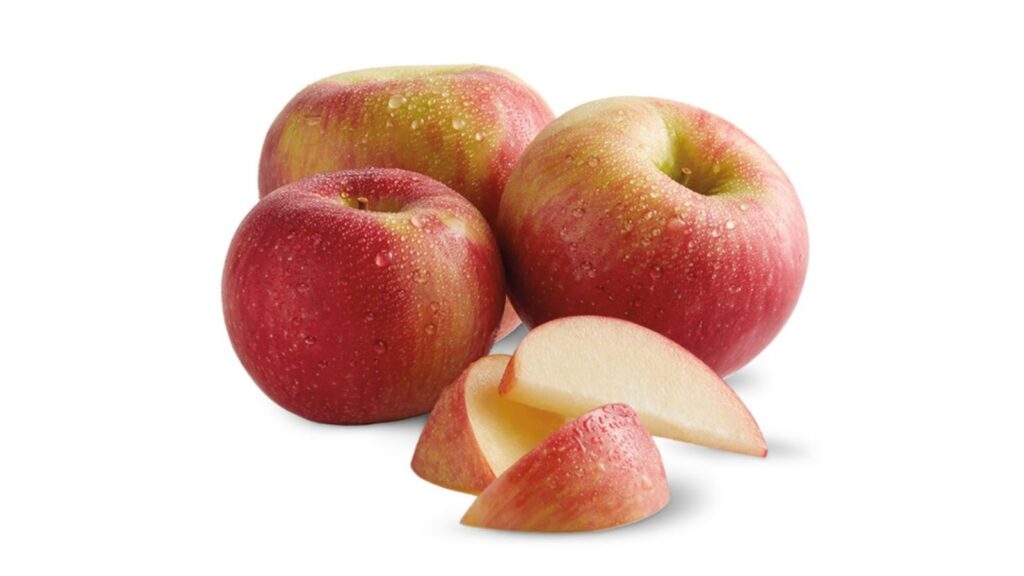
Honeycrisp apples are usually the apple you buy because you really want Honeycrisp, not because they are the cheapest option in the bin. ALDI changes that math with a 2-pound bag for $1.99. ALDI says that price is 35% below last year and its lowest everyday Honeycrisp price in more than five years.
That works out to about $1 a pound, low enough to justify buying an extra bag for the freezer. Peel, core, and slice the apples, then freeze them on a tray before transferring them to a bag. They will lose their fresh crunch after thawing, so save them for oatmeal, apple crisp, muffins, sauce, or pie filling. Freezing also gives you somewhere useful to put the slightly bruised apples nobody reaches for by the end of the week.
Bartlett pears
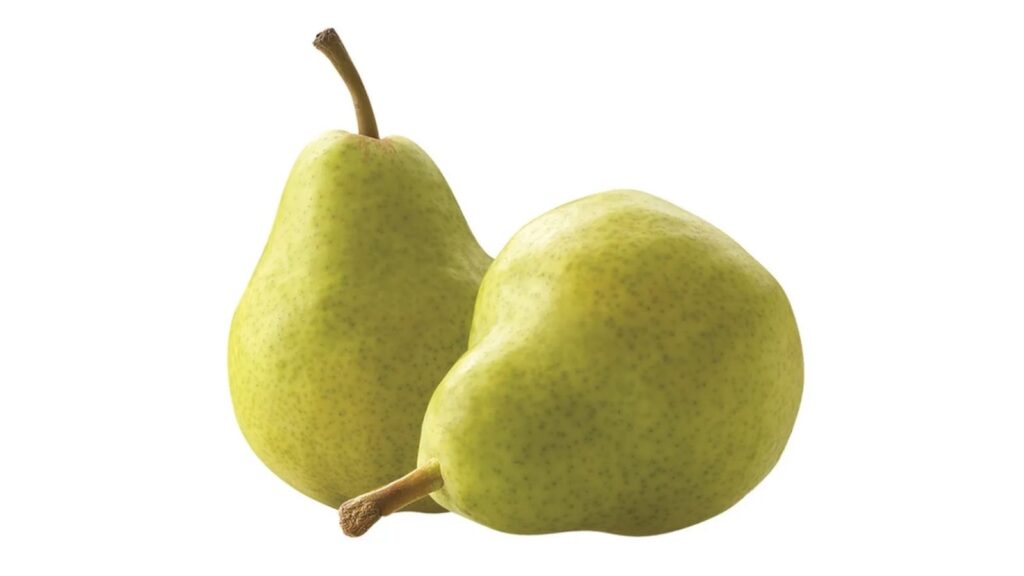
Bartlett pears are another fall fruit ALDI specifically included in its seasonal price reductions. A 3-pound bag is currently $4.95 on the retailer’s online shop, though local pricing can be lower in stores. A larger bag makes more sense when you are willing to freeze part of it rather than trying to eat six ripe pears in two days.
Let the pears ripen, then peel and slice any extras before freezing them in a single layer. Like apples, pears soften once thawed, but that does not matter in smoothies, baked oatmeal, crisps, compotes, or quick breads. Bartletts also become ripe quickly once they get going, so freezing them at their peak can rescue fruit that might otherwise go from “not ready” to “why is this leaking?” surprisingly fast.
Bananas

Few freezer purchases are easier to justify than bananas. ALDI currently lists them at about $0.46 per pound, with the final cost based on weight. At that price, a bunch can provide several smoothie or baking portions for very little money.
Do not put the whole bunch in the freezer with the peels still attached unless you enjoy wrestling with black, frozen banana skins later. Peel ripe bananas, slice or break them into chunks, and freeze them flat before bagging. They are useful for smoothies, banana bread, pancakes, oatmeal, and homemade frozen desserts. This is also one case where waiting until the fruit gets spotty improves the result. Instead of throwing away the bananas nobody wanted to eat on Wednesday, you have sweeter fruit ready for baking on Saturday.
Large avocados
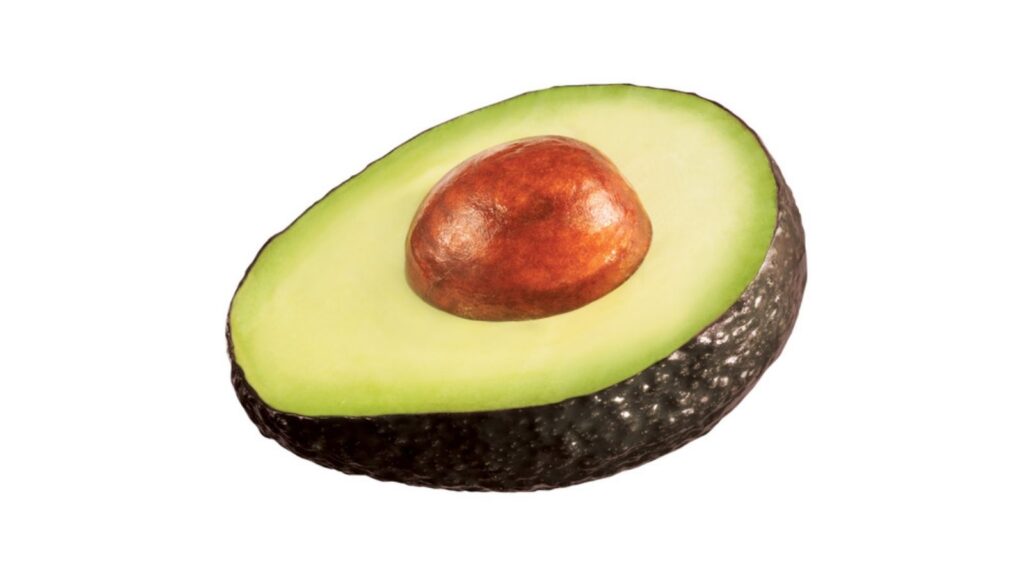
Avocados are easy to skip when they are running $1.50 or $2 each. At $0.59 each at ALDI, buying a few extra becomes much easier to defend, especially if you regularly pay more for guacamole or avocado-based spreads.
Freezing is the insurance policy here because avocados have a famously narrow window between hard and overripe. Do not freeze them whole. Scoop out the flesh and either mash it with a little lemon or lime juice or freeze peeled chunks. The texture will be softer after thawing, so this is not the batch to save for neat avocado slices on toast. It works well for guacamole, dressings, smoothies, sauces, and mashed avocado. At well under a dollar each, you can stock up without needing perfect timing from every avocado in the bag.
Navel oranges
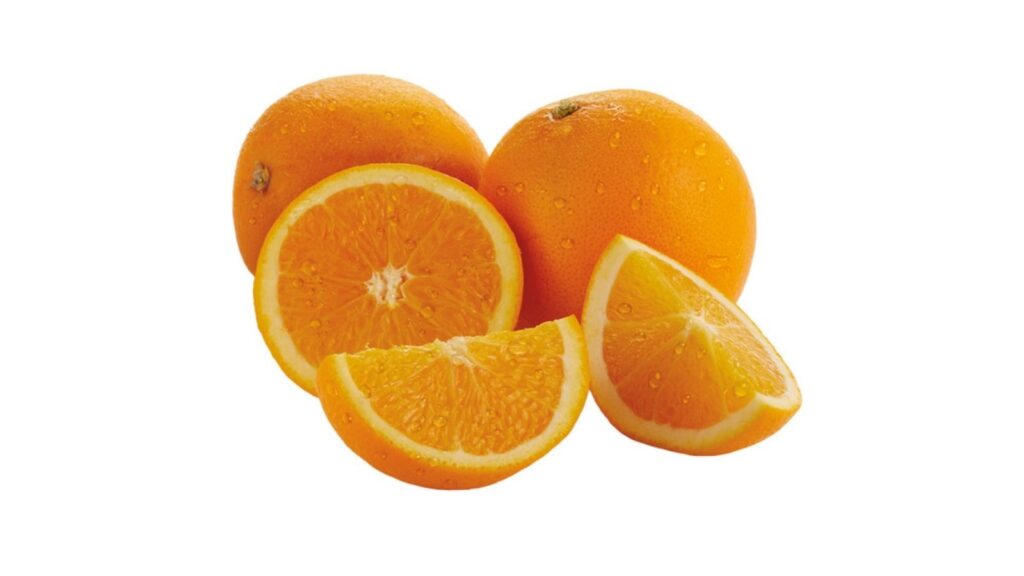
A 3-pound bag of navel oranges is $3.75, or about $1.25 a pound. Bags generally cost less per piece than buying convenience-cut citrus, but the savings disappear if the last two oranges shrivel in the fruit bowl.
For freezing, peel the fruit and separate it into segments, or juice the oranges and freeze the juice in small containers or ice cube trays. The thawed segments will not have the same firm texture as fresh oranges, but they are useful in smoothies, fruit sauces, marinades, and blended drinks. You can also zest the peel before cutting the fruit and freeze that separately for baking. That turns one inexpensive bag into several ingredients instead of asking everyone in the house to suddenly develop an urgent interest in oranges.
Cantaloupe
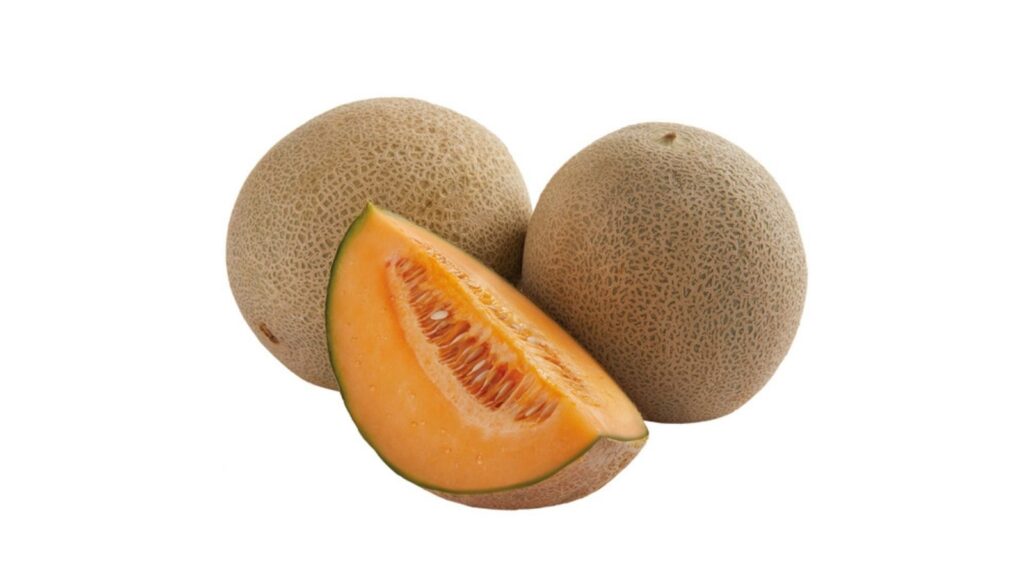
Whole cantaloupe is where the value is. ALDI currently sells one for $3.09, and cutting it yourself gives you far more fruit for the money than relying on tubs of pre-cut melon. The only drawback is that a whole cantaloupe can be a lot to finish before the cut fruit starts getting watery.
Cube whatever you will not eat within a few days, spread the pieces on a tray, and freeze until firm before transferring them to a freezer bag. Thawed cantaloupe is softer, so it is better for smoothies, fruit slushes, or eating partly frozen than for a crisp fruit salad. This works particularly well for smaller households that avoid whole melons because they cannot get through them quickly enough. You still get the lower whole-fruit price without committing to cantaloupe at every meal.
Seedless lemons

Lemons are rarely the star of dinner, but they can quietly cost you money when a recipe needs one and the rest of the bag dries out in the refrigerator. ALDI’s 1-pound bag of seedless lemons is $3.19, and freezing makes the full bag much easier to use.
Zest the lemons first, then squeeze the juice into an ice cube tray and freeze it in small portions. You can keep the zest in a separate freezer container and grab a pinch for pasta, baked goods, vegetables, or sauces. Lemon slices can also be frozen for drinks, although they will soften when thawed. The money angle is less about hoarding lemons and more about actually using the entire purchase. Frozen juice also saves a last-minute store run when a recipe suddenly asks for two tablespoons of fresh lemon.
Broccoli crowns
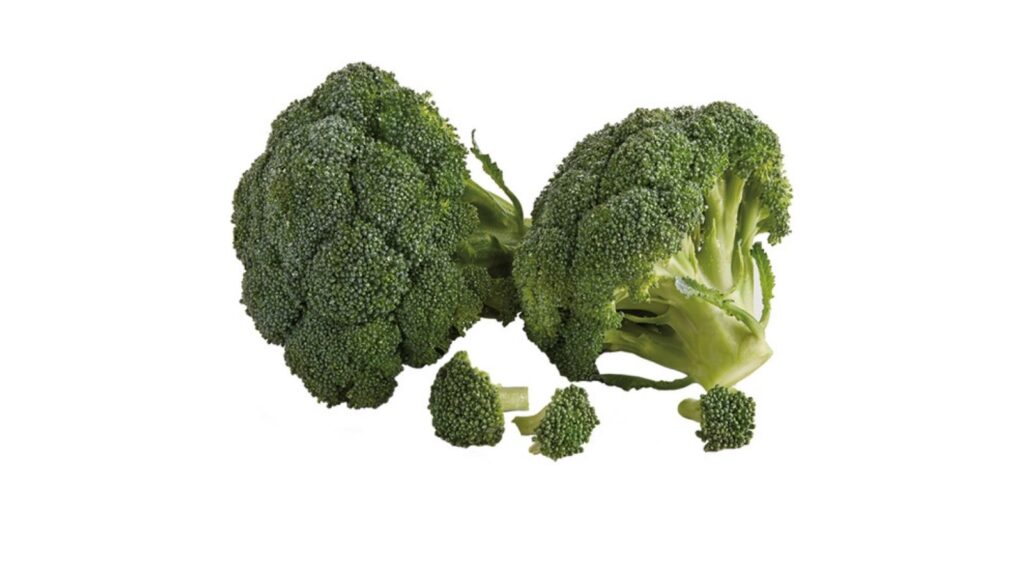
Broccoli crowns are currently $2.09 per pound, with a typical crown weighing a little over a pound. Crowns are useful when you want mostly florets instead of paying for a large woody stalk, and one can stretch across a stir-fry, sheet-pan dinner, or casserole.
Broccoli freezes best after a quick blanch. Cut it into florets, cook them briefly in boiling water, move them to ice water, then drain and dry thoroughly before freezing. That little bit of work helps the broccoli hold its color and texture better than simply tossing raw florets into a bag. Once frozen, it can go straight into soups, pasta, casseroles, or stir-fries. Buying two crowns when the price is reasonable also means you have vegetables on hand during weeks when fresh produce disappears faster than planned.
Cauliflower crowns
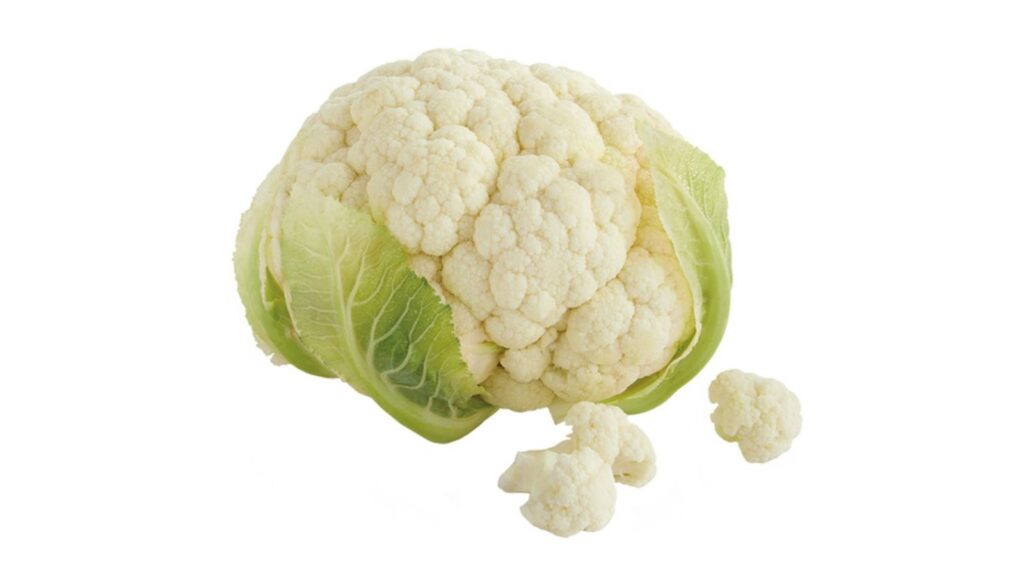
A whole cauliflower crown is $3.25 at ALDI. One head can produce several cups of florets, which gives you plenty for roasted vegetables, curry, soup, cauliflower mash, or casserole without paying for smaller pre-cut packages.
Cauliflower needs much the same freezer treatment as broccoli. Cut the crown into florets, blanch them briefly, cool them in ice water, and let them dry before freezing. You can also roast the florets first and freeze cooked portions for quicker meals. It will be softer after thawing, but that is hardly a problem if it is headed into soup or mash anyway. For anyone who buys a cauliflower with good intentions and then watches it develop suspicious brown spots five days later, freezing half on grocery day is a fairly practical form of damage control.
Fresh whole carrots
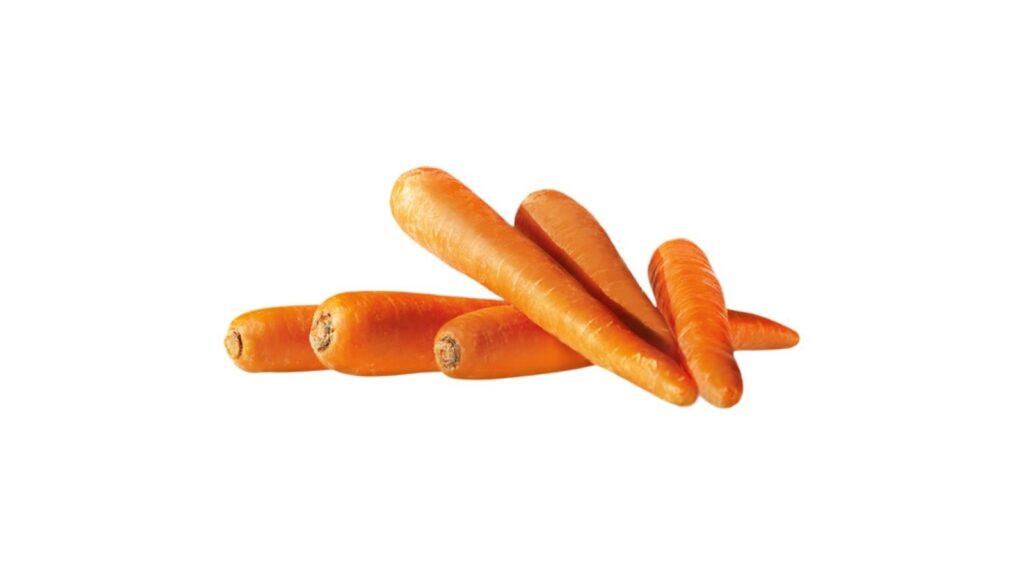
Carrots are one of the cheaper ways to put vegetables into soups, stews, casseroles, and sheet-pan dinners. ALDI sells a 2-pound bag of whole carrots for $2.19, which comes to roughly $1.10 a pound.
If two pounds is more than you will use fresh, peel and slice the extra carrots, blanch them for a few minutes, cool them, and freeze them in portions. They will not have the snap you want for a raw vegetable tray after thawing, but they are well suited to cooked meals. Having chopped carrots already frozen also cuts a step from soup or pot roast prep on busy nights. Whole carrots tend to be cheaper than pre-cut coins or snack packs, so doing the knife work yourself and freezing the surplus keeps the convenience without paying someone else to provide it.
Fresh yellow onions
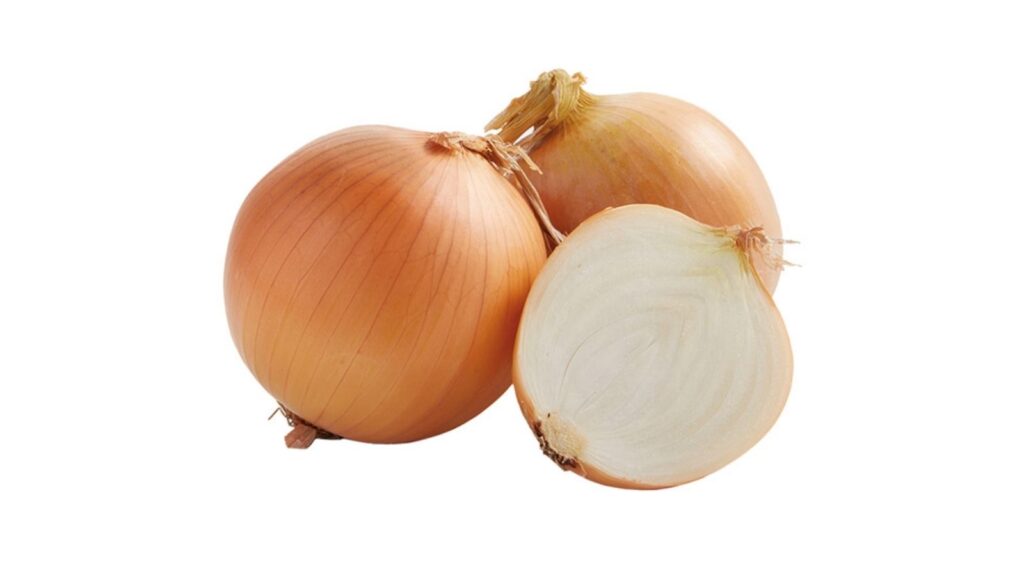
A 3-pound bag of yellow onions costs $2.65, or about 88 cents a pound. That is exactly the kind of staple worth buying in a larger bag because onions show up in everything from chili and pasta sauce to tacos and casseroles.
Better yet, onions do not need blanching before they go into the freezer. Peel and chop them, freeze the pieces flat, then transfer them to a bag or container. Frozen onions lose their crisp texture, but if they are headed into a skillet or soup pot, nobody will know or care. Portioning a few onions at once also gives you the convenience of pre-chopped produce for a fraction of what prepared vegetables can cost. Just seal the bag well unless you want everything else in the freezer to acquire an onion-based personality.
Cabbage
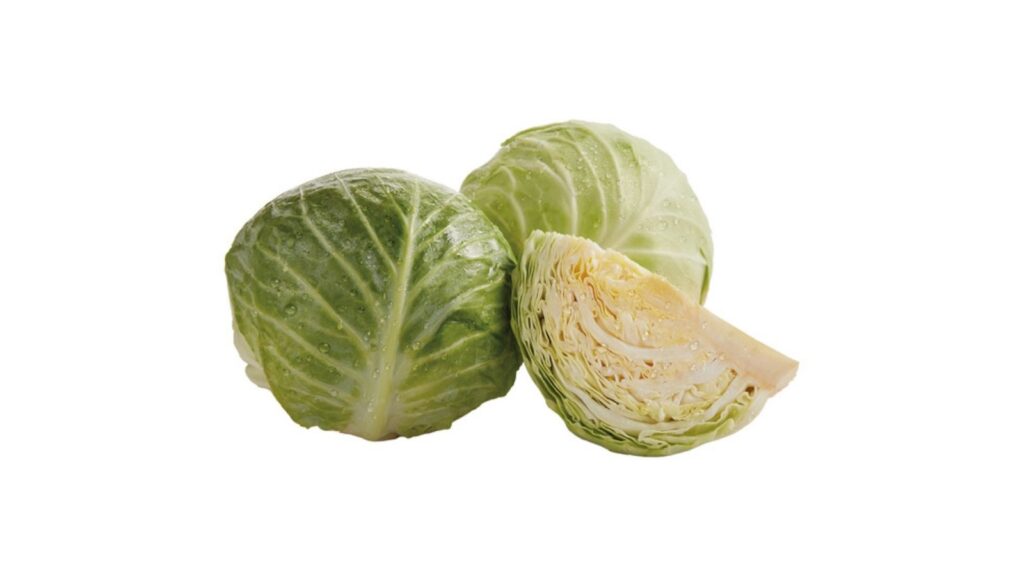
At just $0.79 per pound, cabbage is one of the cheapest fresh vegetables on ALDI’s produce shelves. A typical 3-pound head costs around $2.37 and can stretch across slaw, stir-fries, soups, roasted vegetables, and skillet meals.
A whole head can also be more cabbage than a small household wants to see in one week. To freeze it, cut the cabbage into wedges or shreds and blanch it briefly before cooling and drying it well. Once thawed, use it for cooked dishes rather than fresh slaw because the texture softens. Frozen cabbage is especially useful for soup, egg rolls, fried rice, casseroles, and braised dishes. At less than a dollar a pound, it provides a lot of food for the money, and freezing removes the main downside of buying such a large vegetable.
Zucchini
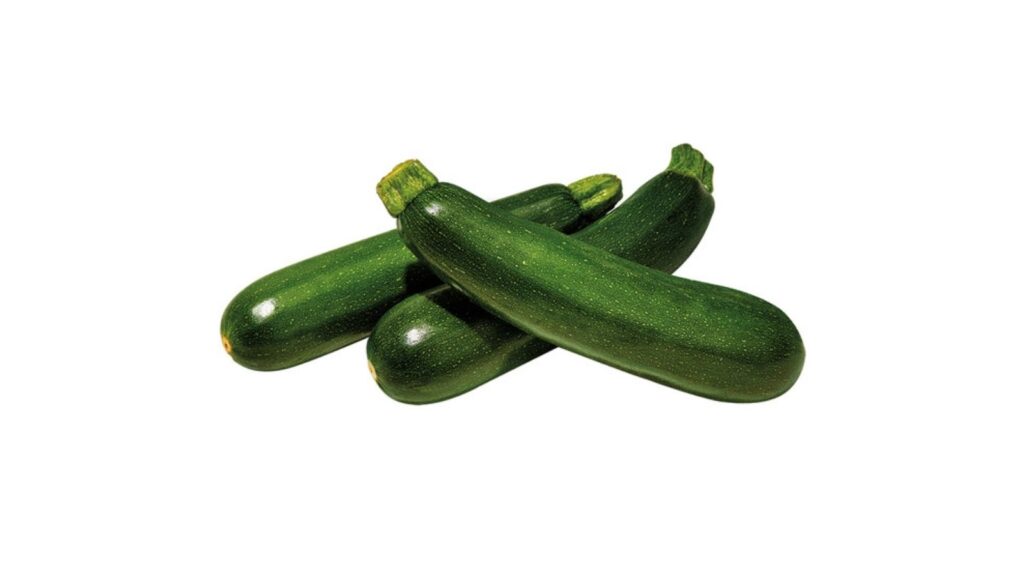
ALDI’s zucchini is currently $1.19 per pound, with the final price based on weight. That is inexpensive enough to buy for dinner and put some aside for baking or winter soups instead of waiting until you need zucchini at a less favorable price.
For zucchini bread and muffins, shred it first, portion it, and freeze. Once thawed, squeeze out excess liquid before adding it to the batter. If you prefer chunks or slices for cooked dishes, blanch them briefly before freezing. Either way, do not expect thawed zucchini to behave like fresh zucchini in a salad. Its high water content means it softens considerably. The freezer value is in recipes where that does not matter, including quick breads, soup, pasta sauce, casseroles, and fritters.
Baby bella mushrooms
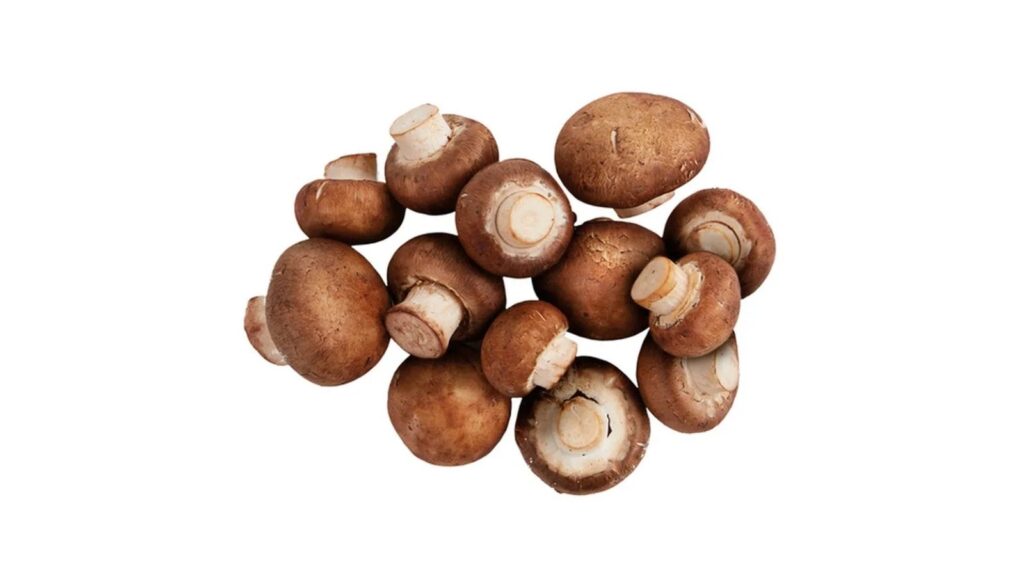
Baby bella mushrooms bring more flavor than plain white mushrooms without demanding much more from the grocery budget. An 8-ounce package is $1.89 at a currently available ALDI location, making them a low-cost addition to pasta, eggs, pizza, soup, or beef dishes.
Mushrooms freeze better cooked than raw. Slice and sauté them until most of their moisture cooks off, let them cool, and freeze them in meal-size portions. Then you can drop a handful directly into pasta sauce, gravy, omelets, or soup without waiting for a fresh package to be used before it gets slimy. That is the practical savings here. Mushrooms have a fairly short refrigerator life once opened, so freezing the unused half of the package can be more useful than repeatedly buying another carton.
Freshire Farms asparagus
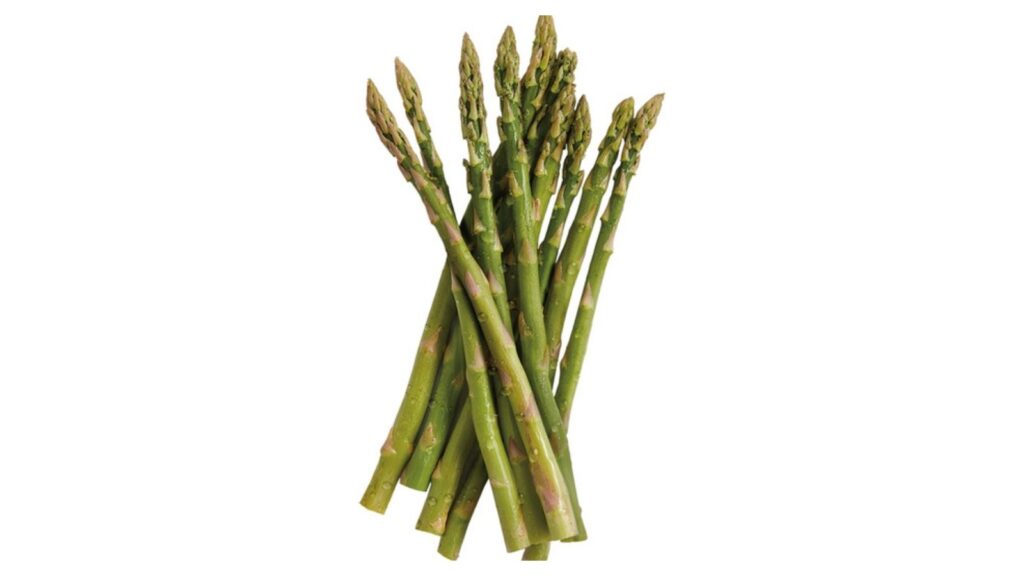
A 1-pound bunch of Freshire Farms asparagus is currently $2.95. For a vegetable that can climb quickly in price outside peak promotions, getting a full pound for under $3 is worth a look if asparagus already appears in your meal rotation.
Trim the woody ends, cut the spears if you prefer smaller pieces, then blanch and chill them before freezing. Frozen asparagus will be softer than fresh, so it is better roasted, stirred into pasta, added to soup, or used in quiche than served as a crisp side dish. Freezing a second bunch can be useful ahead of holiday cooking, when vegetable prices and your grocery list both have a habit of getting longer. It also means the spears are preserved while they are still good instead of being discovered limp in the back of the produce drawer.
Freshire Farms jalapeño peppers
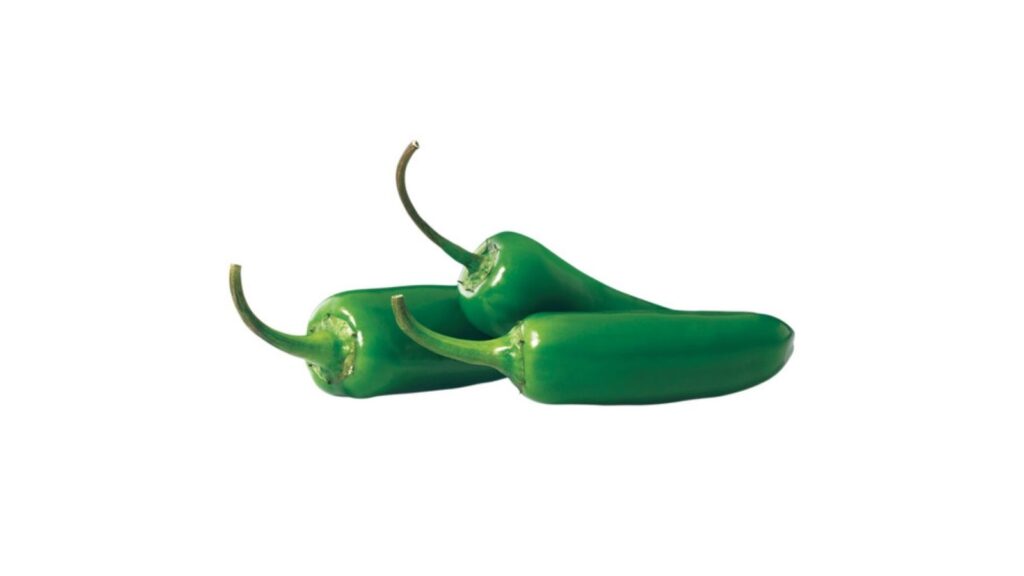
Fresh jalapeños deliver a lot of flavor for very little money. ALDI sells an 8-ounce package for $1.09, which is enough for multiple batches of chili, salsa, tacos, beans, or soup.
They are also unusually freezer-friendly because there is no blanching step required. Wash and dry them, then freeze the peppers whole or sliced. You can remove the seeds first if that is how you normally cook with them. The peppers soften after freezing, but their heat and flavor still work well in cooked dishes. A one-dollar package can easily outlast the week this way, and you avoid buying another pepper or jarred substitute every time a recipe needs a little heat. If your household uses jalapeños one or two at a time, the freezer is arguably where most of the package belongs from the start.
Garlic
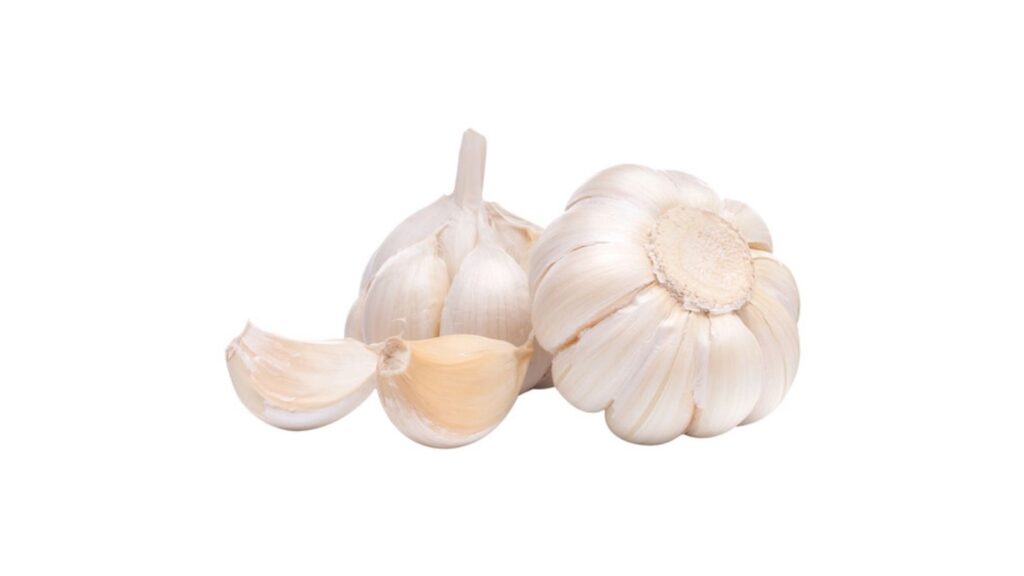
ALDI specifically included fresh garlic in its fall price reductions, and a three-count pack currently costs $1.89. That works out to 63 cents a head, which makes fresh garlic an inexpensive way to build flavor into soups, sauces, roasted vegetables, marinades, and meat dishes.
You do not need to keep all three heads on the counter and hope you remember them. Separate and peel the cloves, then freeze them whole or chop them first and freeze small portions. Frozen garlic becomes a little softer, but that makes no difference once it hits a hot pan. Prepping several heads at once also gives you much of the convenience of jarred minced garlic without paying extra for a small container. For fall batch cooking, having a bag of peeled cloves waiting in the freezer is one of those small conveniences that actually gets used.
Fresh parsley
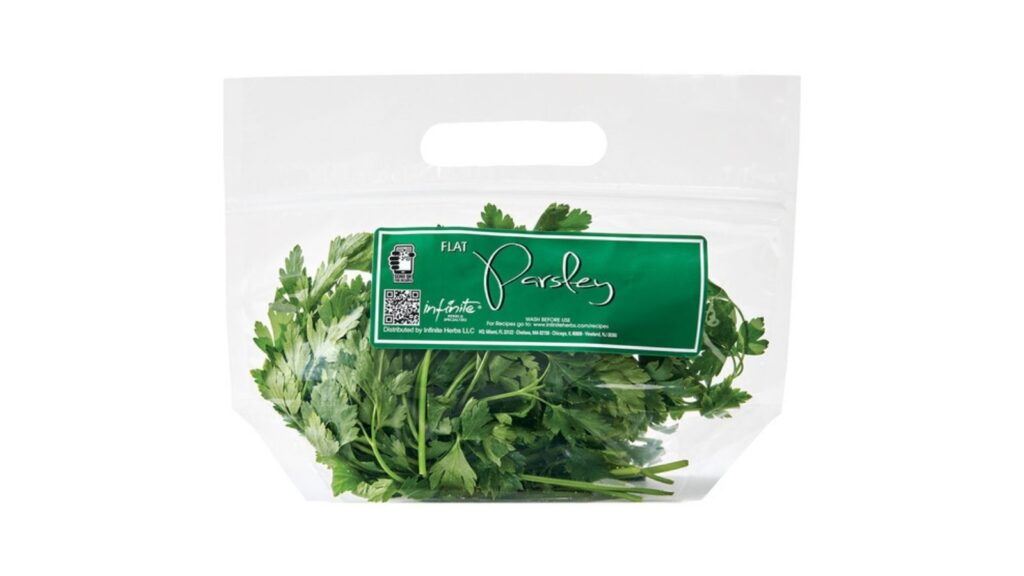
A bunch of parsley costs $1.05, and fresh herbs are another category ALDI says it reduced for fall. One dollar is not a large purchase, but herbs become poor value very quickly when a recipe uses two tablespoons and the rest wilts untouched.
Chop the leftover parsley and freeze it in small portions, either loose in a freezer bag or packed into an ice cube tray with a little water. It will not thaw into attractive garnish, but it works perfectly well in soups, sauces, meatballs, casseroles, and cooked vegetable dishes. This is less about stocking a freezer with pounds of parsley and more about finally using the whole bunch you paid for. It also saves buying another package the next time a recipe calls for a small amount.
Freshire Farms green peppers
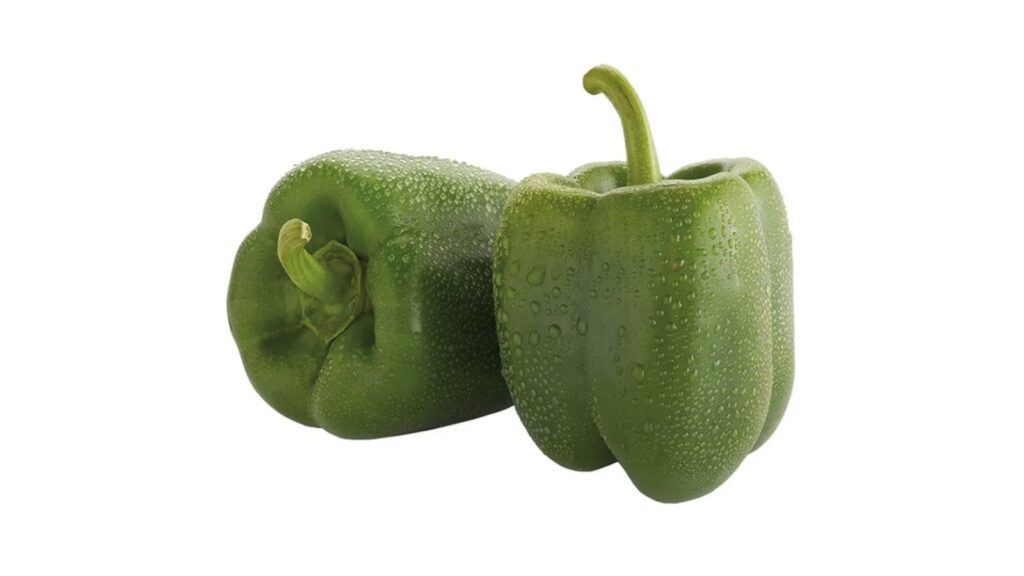
ALDI’s three-pack of Freshire Farms green bell peppers is currently $2.99 at a verified available location, putting each pepper at roughly a dollar. Three peppers can cover several meals if you portion them instead of trying to use the whole pack at once.
Bell peppers are among the easiest vegetables to freeze. Remove the stems and seeds, slice or dice them, and freeze them raw. There is no need to blanch first. They will lose their raw crunch, but frozen peppers are useful for fajitas, omelets, chili, pizza, pasta sauce, soups, and sheet-pan meals. Pre-slicing the full package also gives you a ready-to-cook ingredient for nights when chopping another vegetable feels like one task too many. The dollar-per-pepper price makes the convenience particularly easy to justify.
Butternut squash
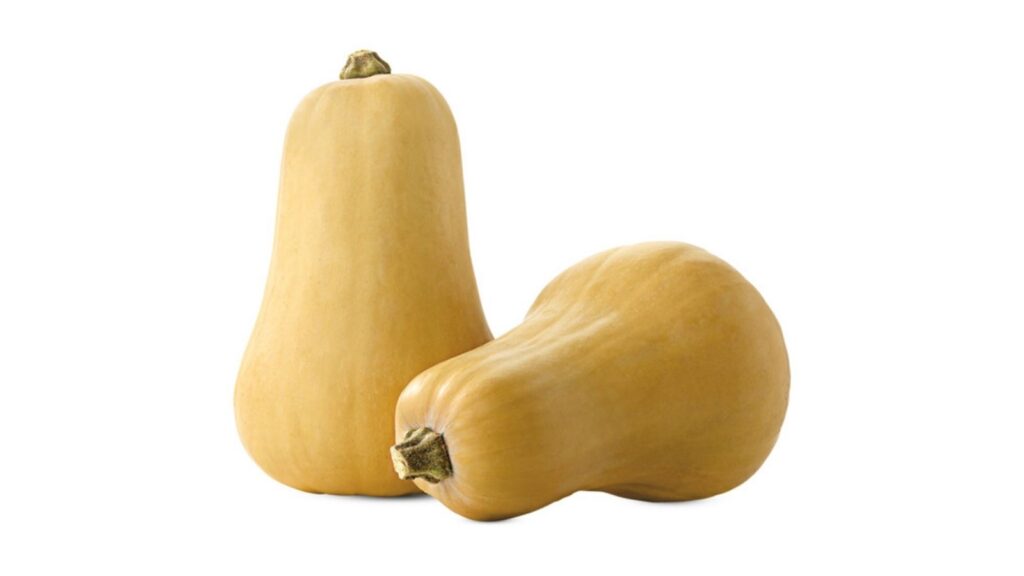
Butternut squash is one of the strongest October buys on the list. ALDI included it in its new fall reductions, and the current price is just $0.89 per pound. A typical squash weighs around 2.75 pounds, putting the whole thing at roughly $2.45.
That is a lot of soup, roasted squash, or puree for a few dollars. Peel and cube the squash, then blanch it before freezing, or roast the whole batch and freeze cooked cubes or puree. The cooked route is particularly useful if you want future soup or side dishes with almost no prep. Squash also takes up less freezer space once it is peeled and cut. At under a dollar a pound during fall, buying an extra one now can make more sense than purchasing pre-cut squash later for convenience.
Spaghetti squash
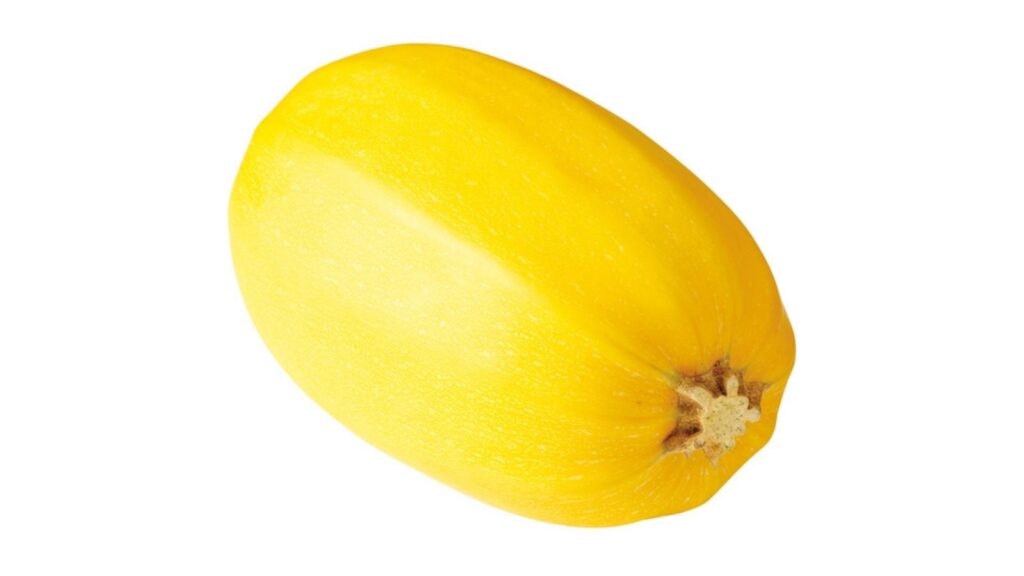
Spaghetti squash also got one of ALDI’s fall price cuts and is currently $0.89 per pound. A typical 3-pound squash comes to about $2.67, which can provide several side-dish portions from one inexpensive piece of produce.
This one needs to be cooked before it goes into the freezer. Roast or bake the squash, scrape out the strands, let them cool, and freeze them in meal-size portions. After thawing, drain or squeeze away any extra moisture before reheating. The strands work well with pasta sauce, pesto, casseroles, or simple butter and seasoning. Buying while the fall price is low lets you preserve a seasonal vegetable without storing several bulky whole squash around the kitchen. Once cooked and bagged flat, it also takes up surprisingly little freezer room.
Baking potatoes
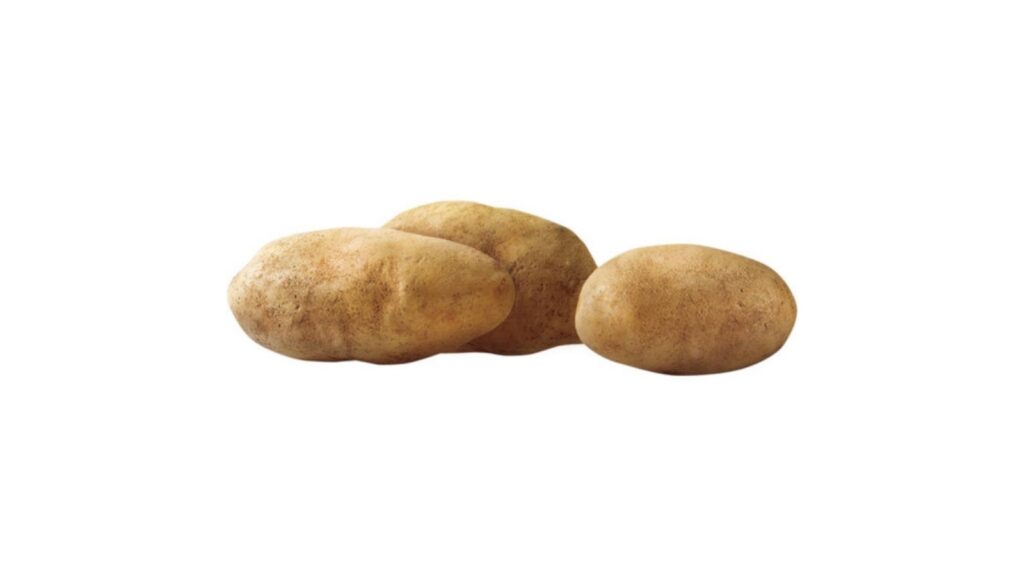
ALDI’s 5-pound bag of baking potatoes is $4.09, which works out to about 82 cents a pound. Potatoes are another category included in ALDI’s fall price reductions, and a five-pound bag gives you plenty of inexpensive meal bulk for baked potatoes, soup, breakfast hash, and mashed potatoes.
Raw potatoes do not freeze particularly well, so this is one purchase that needs cooking first. Par-cook cubes or fries, prepare mashed potatoes, or bake and scoop the flesh before freezing. Once cooled, portion everything into freezer-safe containers or bags. This approach is useful when a five-pound bag is cheaper per pound but too much for your household to finish before the potatoes sprout. You keep the bulk-bag price while turning part of it into ready-made components for future meals.
Sweet potatoes
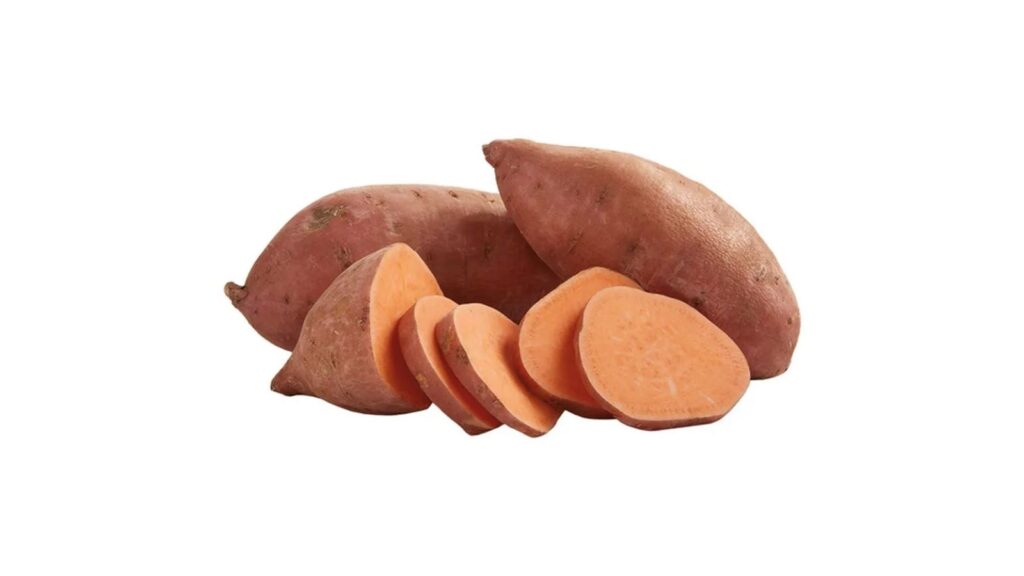
A 3-pound bag of sweet potatoes is $3.29 at a verified available ALDI location, or about $1.10 a pound. They work in both sweet and savory meals, so a bag can cover everything from roasted vegetables and tacos to muffins and holiday sides.
For the freezer, cook them first or blanch peeled cubes before freezing. Mashed sweet potatoes freeze especially well and are easy to portion into smaller containers. You can also roast a tray of cubes and freeze the leftovers for grain bowls, soups, or quick side dishes. Buying the bag rather than individual prepared portions keeps the cost down, while freezing prevents the last potatoes from sitting in a cabinet until they are more roots than vegetables. It is also useful prep before the heavier grocery bills that tend to arrive in November.
Organic celery hearts
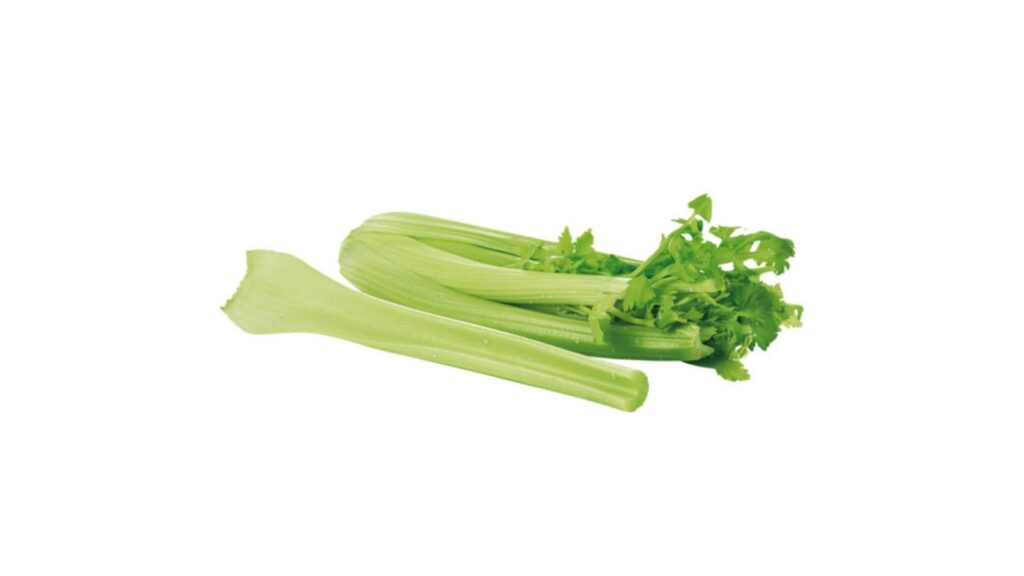
Organic celery hearts are currently $2.75. Celery is not expensive by produce standards, but it is notorious for being purchased for one soup recipe and then slowly bending itself into a U-shape in the crisper drawer.
If you mostly use celery for cooking, chop the extra stalks as soon as you get home and freeze them in small portions. You can freeze celery raw for soups and stock, although a brief blanch helps maintain better quality for longer storage. Either way, it will lose the crunch needed for ants-on-a-log or fresh salads. That is fine if the destination is chili, stuffing, soup, stew, or sauce. The real value comes from turning a full package into several future recipe portions instead of paying $2.75 for three stalks and a science experiment.
Brussels sprouts
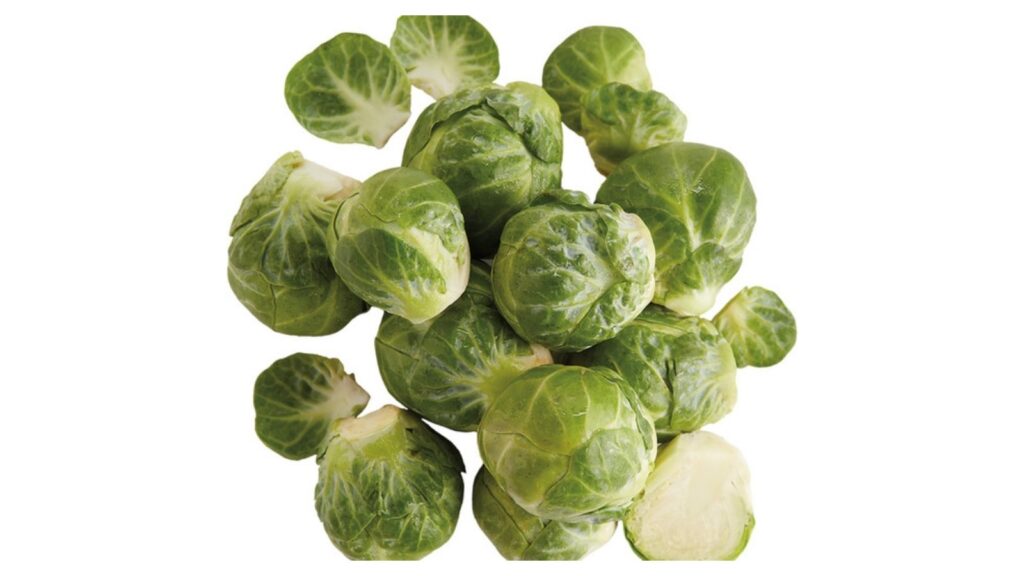
Fresh Brussels sprouts are part of ALDI’s fall produce price reductions and currently cost $3.29 for a 1-pound package. October is a useful time to buy them if they are already on your holiday menu or you regularly roast them for weeknight dinners.
Trim the ends, remove any rough outer leaves, and blanch the sprouts before cooling, drying, and freezing them. Smaller sprouts can stay whole, while larger ones are easier to use later if cut in half. Frozen Brussels sprouts are best roasted or added to cooked dishes rather than treated like fresh produce after thawing. Buying ahead also spreads some holiday food spending into October and leaves one less fresh vegetable to hunt down during a crowded Thanksgiving-week grocery run. For a vegetable specifically included in ALDI’s fall cuts, that is a practical use of both the price and the freezer.











