
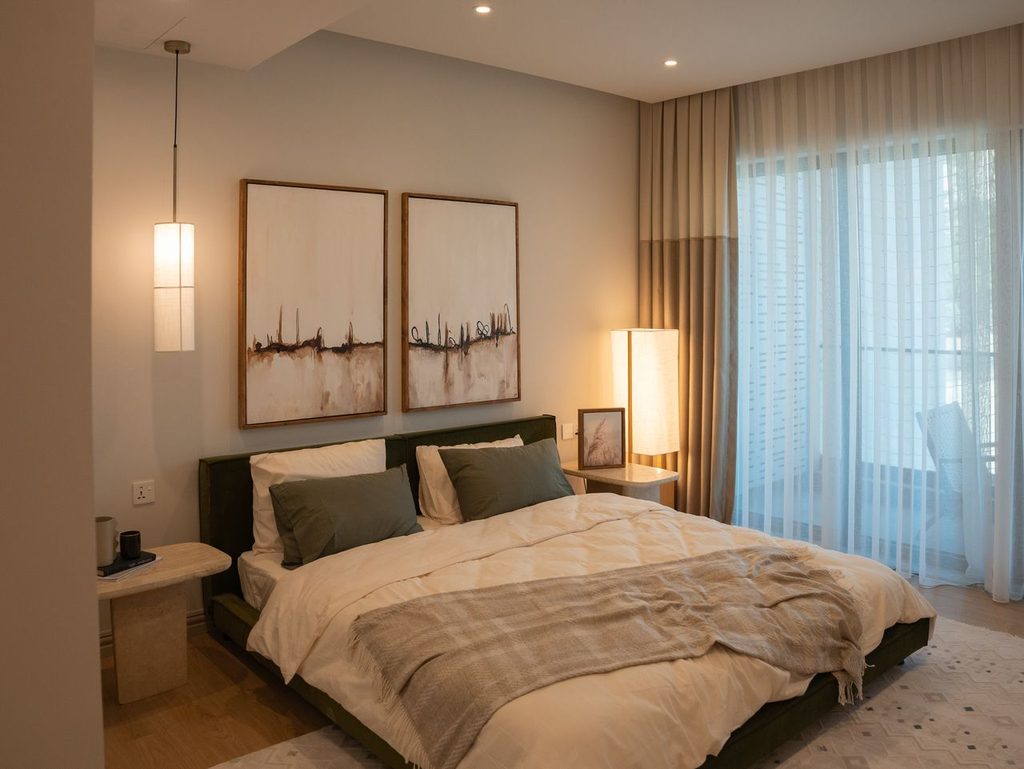
Walk into two rooms with identical furniture, paint, and floor plans, and the one with better lighting will almost always feel more inviting, more spacious, and more put together. Lighting is often treated as a finishing touch, something to sort out after the sofa is delivered and the walls are painted. In reality, it shapes how a space looks, how it functions, and even how the people inside it feel. Getting it right can transform an ordinary house into a comfortable home.
Table of contents
Light sets the mood before anything else does
Every room sends an emotional signal the moment someone steps into it, and light is the main driver of that signal. Warm, low-level illumination tends to feel relaxed and intimate, while bright, cool light feels energetic and alert. Designers often describe this as the difference between color temperature and brightness, and understanding both is the foundation of good home lighting.
Color temperature is measured in kelvins. Bulbs rated around 2,700K produce the soft, amber glow most people associate with a cozy evening, whereas bulbs at 5,000K or above mimic midday daylight and suit tasks that demand focus. Using the wrong temperature in the wrong room is one of the most common mistakes homeowners make. A kitchen lit with sleepy yellow bulbs makes chopping vegetables harder, and a living room blasted with daylight-white LEDs can feel more like a dentist’s office than a place to unwind.
The three layers every room needs
Professional designers rarely rely on a single fixture to light a room. Instead, they build illumination in layers: ambient, task, and accent. Ambient lighting provides the general glow that lets people move safely through a space. Task lighting concentrates brightness where specific activities happen, such as reading, cooking, applying makeup, or working at a desk. Accent lighting adds depth and drama by highlighting artwork, textured walls, shelving, or architectural details.
A room with only one overhead fixture tends to look flat, because light coming from a single point creates harsh shadows and leaves corners dim. Adding a floor lamp beside a reading chair, a pair of sconces near a mirror, or a strip of under-cabinet lights in the kitchen distributes brightness more evenly and gives the eye multiple points of interest. The result feels deliberate rather than accidental, even when the budget is modest.
Why bedroom lighting deserves special attention
The bedroom is where lighting choices have some of the most direct effects on daily wellbeing. Evening exposure to bright, blue-rich light can suppress melatonin, the hormone that helps regulate sleep, and research on circadian rhythms has repeatedly linked late-night light exposure to delayed sleep onset. A bedroom that relies on a harsh ceiling light until the moment of lights-out works against the body’s natural wind-down process.
A better approach is to give the room options. Bedside lamps with warm bulbs, dimmable overhead fixtures, and low-level wall lights allow occupants to shift from a bright morning routine to a soft nighttime atmosphere. Vendors often offer a wide selection of bedroom lights, from sculptural pendants and minimalist table lamps to smart bulbs that adjust automatically through the day, so there is usually a style and price point to match any décor. Choosing fixtures with dimming capability is especially worthwhile, since a single lamp can then serve for dressing, reading, and winding down.
Natural light is the most valuable resource
No bulb fully replicates sunlight, and good lighting design begins with making the most of the daylight a home already receives. Studies of office and residential environments have found that people with greater access to natural light report better mood and more consistent sleep schedules. One frequently cited workplace study found that employees in daylight-rich offices slept an average of 46 minutes longer per night than those in windowless spaces.
Homeowners can stretch natural light further with a few simple adjustments. Sheer curtains diffuse sunlight without blocking it, mirrors placed opposite windows bounce brightness deeper into a room, and light-colored walls reflect far more daylight than dark ones. Trimming outdoor shrubs that crowd windows is another inexpensive fix. When daylight fades, artificial lighting should pick up where it left off rather than compete with it.
Lighting changes how large a space feels
Light also affects perceived size. Dim corners make a room feel smaller because the eye stops at the edge of the lit area. Washing walls with light, either through recessed fixtures or wall-mounted lamps, pushes those visual boundaries outward. Low ceilings benefit from uplights and fixtures that direct brightness toward the ceiling, creating an illusion of height, while a long, narrow hallway looks wider when light is spread evenly along both walls.
Fixtures themselves contribute to the effect. An oversized pendant over a dining table anchors the room and defines the space, while a cluster of small, well-placed lamps can make a studio apartment feel layered and expansive. Scale matters here, and a common guideline suggests that a dining fixture should measure roughly half to two-thirds the width of the table beneath it.
Efficiency and cost deserve a place in the plan
Lighting also affects the monthly budget. According to the U.S. Department of Energy, lighting accounts for roughly 10 percent of the average household’s electricity use, and switching from incandescent bulbs to LEDs can cut that portion by 75 percent or more. LED bulbs also last up to 25 times longer than traditional ones, which means fewer replacements and less waste over time.
Small changes can deliver big results
Upgrading a home’s lighting does not require a full renovation. Swapping a few bulbs for the right color temperature, adding a dimmer switch, placing a lamp in a dark corner, or introducing a mirror to bounce daylight can noticeably improve a room within a single afternoon. The cumulative effect of these small adjustments is often greater than that of a new piece of furniture or a fresh coat of paint, and at a fraction of the cost.










