
The living room is chilly near the window, the overhead light is too harsh, and the chair you sit in every evening never seems to support your back. None of it is serious enough to justify remodeling. It’s still irritating when you deal with it every day.
Comfort is often about fixing one specific annoyance, not buying another decorative pillow or replacing furniture that works. A draft stopper, a better-placed lamp, or a change to a fan setting can make more difference to daily life than a much bigger purchase.
Several of these fixes cost nothing, most are within reach of renters, and none involves tearing your house apart.
Stop the cold air sneaking in under the door
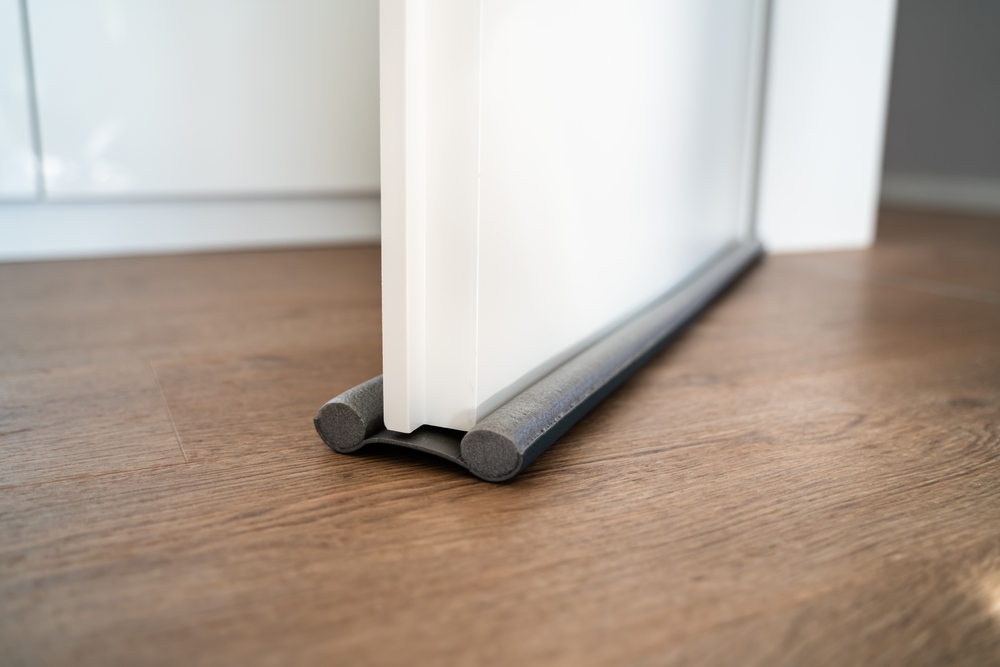
A cold stripe of air along the floor can make an otherwise warm room miserable. Check the bottom of the front or back door on a windy day. If there’s a visible gap or you can feel air coming through, fix that before spending more money on heating the room.
A fabric draft stopper is the fastest option. A rolled towel works until you find something better, while a correctly sized door sweep is more convenient for an exterior door that opens constantly. Check that the door still moves freely, closes properly, and latches.
Draft stoppers can reduce air leaking around exterior doors. They don’t need to be expensive or pretty to work. Avoid blocking deliberate vents or making changes that interfere with a fire-rated door’s operation.
Replace the worn seals around your windows
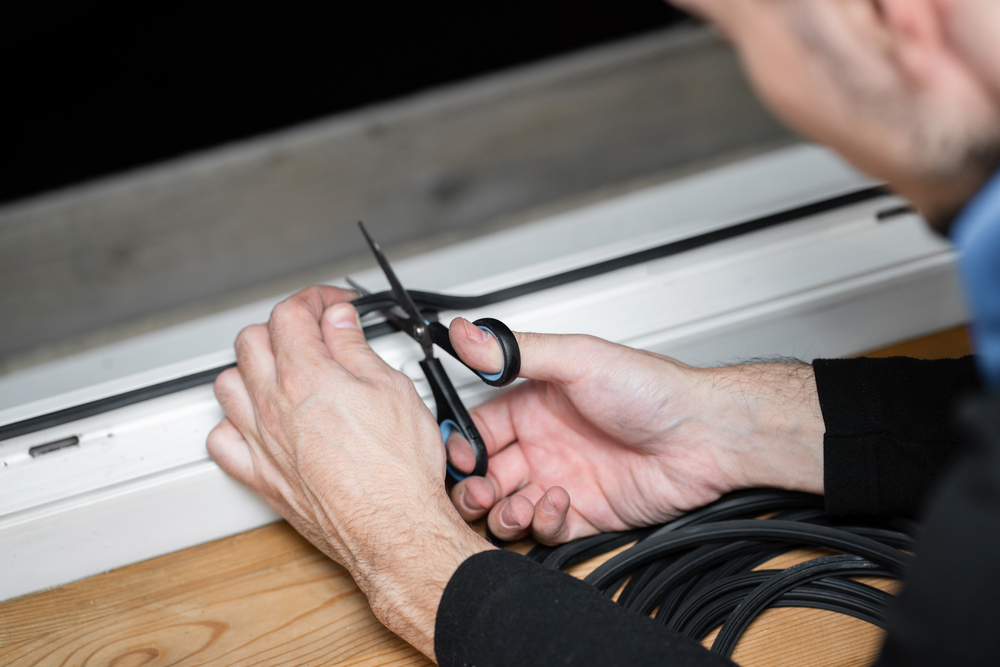
Window seals don’t last forever. Foam can flatten, rubber can crack, and adhesive strips eventually peel away. The result is a cold draft even though the window appears to be closed, and the most exposed room takes the blame for a problem around the frame.
Open the window and inspect the parts that meet when it’s closed. Remove damaged weatherstripping, clean the surface, and fit a replacement designed for that style of window. Thickness matters. If the strip is too thick, you may not be able to lock the window; too thin, and the draft is still there.
Use weatherstripping on moving joints and caulk on fixed gaps. Don’t caulk a window shut to save a few dollars. You need to be able to open it when ventilation or an emergency demands it.
Try insulating film on a particularly chilly window

Sometimes the window is sealed and the area beside it still feels much colder than the rest of the room. You don’t have to replace the glass immediately to make sitting nearby more pleasant. A clear interior insulating-film kit is a relatively low-effort seasonal measure.
These kits fit over the inside of the frame, creating a still-air layer between the plastic and the glass. Measure carefully, follow the directions, and test the adhesive in an inconspicuous spot if the window frame has delicate paint or a rental finish. The result should be taut, not flapping against the glass.
Window attachments are among the recommended ways to improve cold-weather window comfort. Film won’t fix water getting into a wall, damaged glazing, or rotten wood, and it must not stop you using an emergency exit.
Work your curtains with the weather
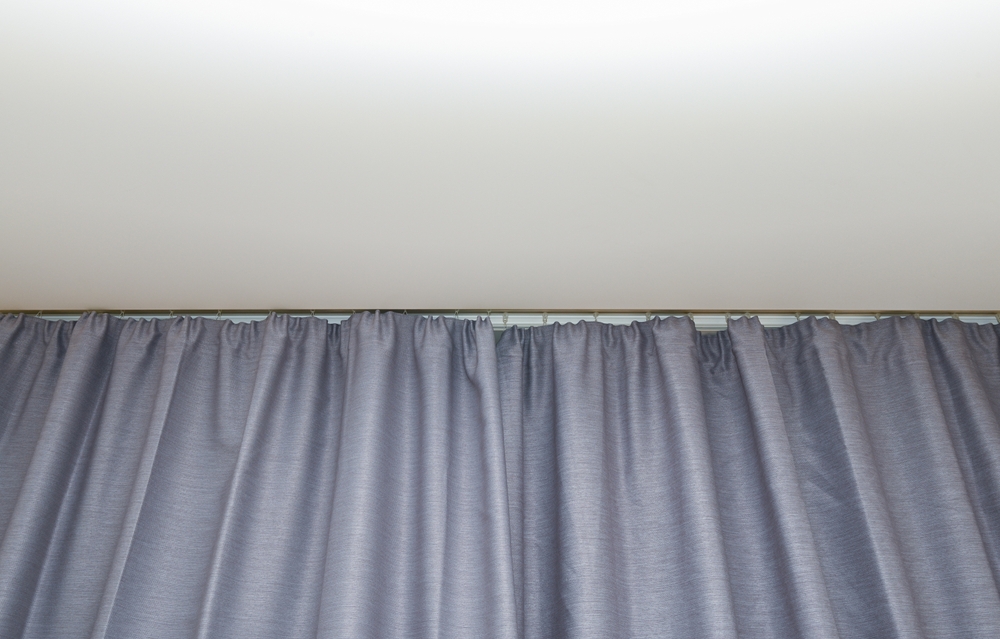
Those curtains can do more than give the neighbors privacy. On a blazing afternoon, sunlight through a west-facing window heats the room you actually want to sit in. Close blinds or curtains on the sunny side before the worst of the afternoon heat arrives.
During colder months, open the coverings where the sun falls during the day, then close them after dark. If existing curtains are thin, a liner may be enough without replacing the whole set. There’s no advantage in buying heavy drapes for every room regardless of how the windows face.
Window coverings can reduce direct summer sun and help retain winter warmth. Keep long curtains well away from heaters and uncovered vents. Changing when you open and close what you already own is a genuinely free comfort upgrade.
Make your ceiling fan useful in winter, too
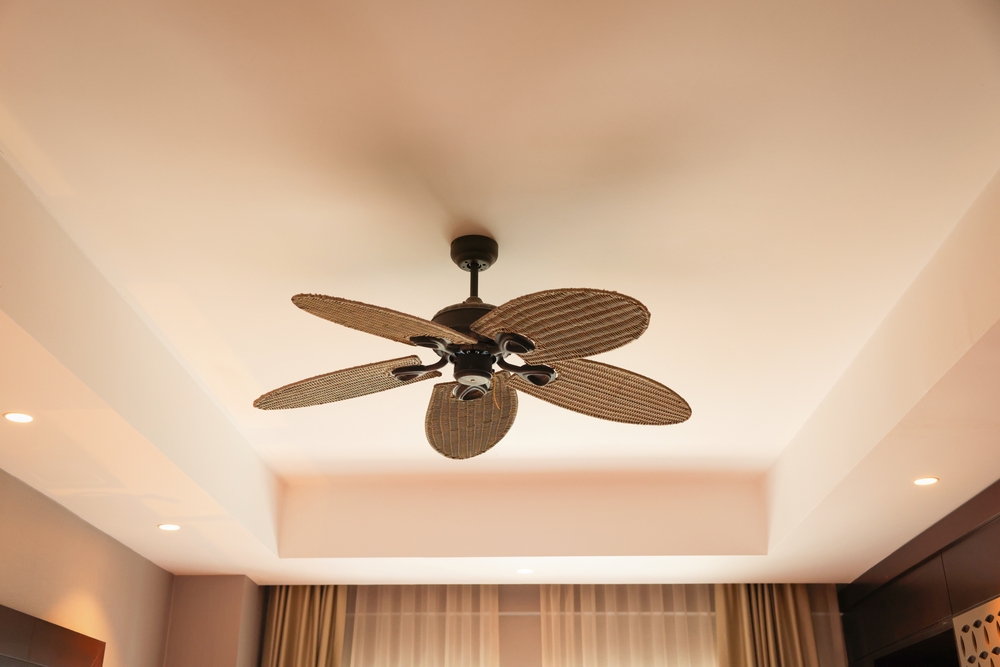
A ceiling fan isn’t automatically a summer-only appliance. The warmest air in a room often collects up near the ceiling, while everyone sitting below complains that it’s cold. Many ceiling fans can reverse direction to circulate that air more gently.
In winter, a clockwise setting at low speed can push warm air back toward the occupied space. In summer, you normally want a breeze that you can actually feel on your skin. Check the manufacturer’s instructions or remote settings, since designs vary.
The fan doesn’t create heat or make the air colder. It changes the way air moves and, therefore, how the room feels. There’s no point letting it spin in an empty room. Turning the fan off when no one’s there costs nothing and avoids unnecessary electricity use.
Get the sofa out of the way of your vents
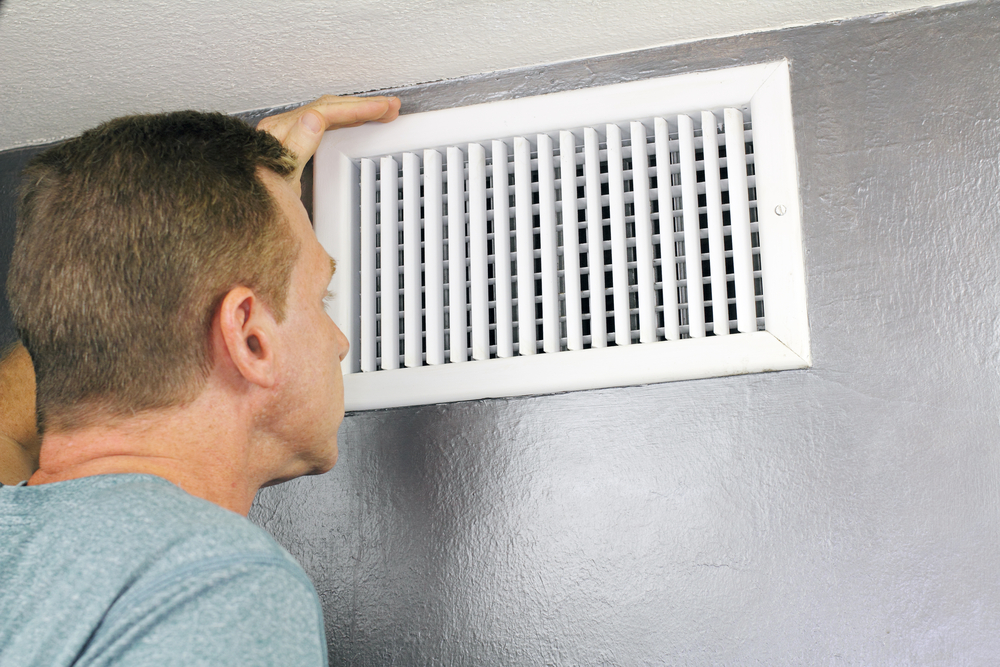
An expensive heating or cooling system can’t do its job properly if the air is blowing straight into the back of a sofa. Walk through the rooms while the system is running and check whether big pieces of furniture, boxes, or thick rugs are sitting on supply or return vents.
Pull furniture away enough to leave a clear path for air. Then think about the spot where you actually sit. A favorite armchair pushed against a cold outside wall or directly into a draft can feel unpleasant even when the thermostat says the room is warm enough.
You don’t need to redesign the living room. Try shifting the chair, rotating the sofa, or moving a storage basket. If the room is still uncomfortable, there may be a real heating, cooling, or insulation issue. But rearranging what you already have is a sensible first move.
Check the filter in your heating and cooling system
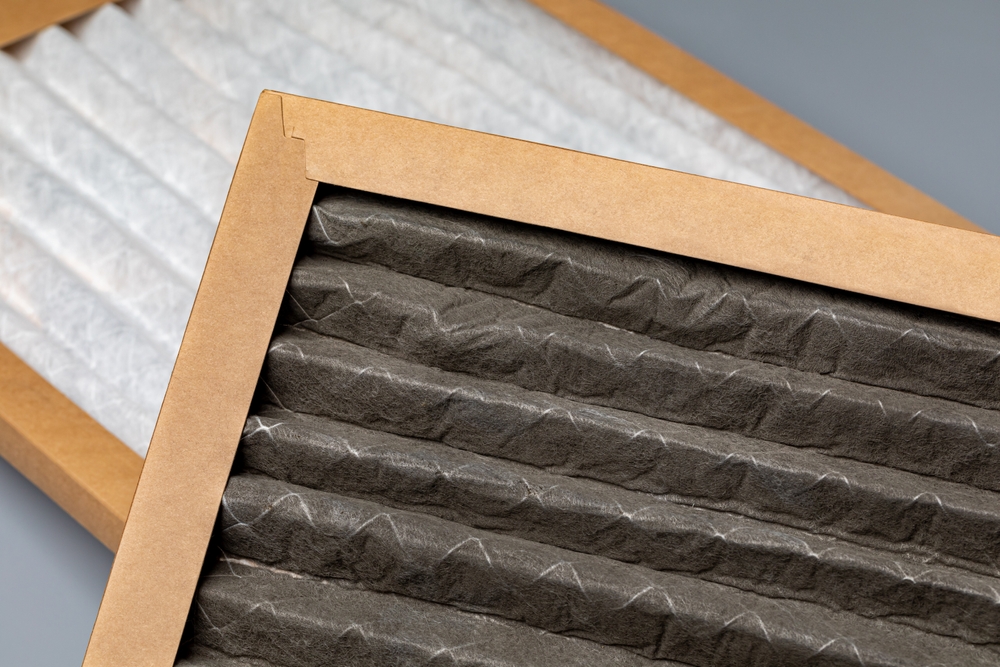
The air conditioner runs, but the house seems stuffy. The furnace comes on, but some rooms take forever to get comfortable. A dirty filter isn’t the only possible cause, but it’s one of the few you can check without booking a service call.
Find the filter, confirm the correct replacement size, and check the equipment instructions. Use a filter that your system is designed to handle rather than automatically buying the thickest or most expensive one. If the filter is reusable, follow its cleaning directions.
An HVAC filter should be checked every month and replaced when dirty. During heavy use, it may need more frequent attention; a three-month interval is a common maximum in the guidance. A clogged filter restricts airflow and can make the system work harder. That’s a boring job with a useful payoff.
Reset the thermostat schedule around your real life

Your thermostat might still be working on a routine you stopped following months ago. If you’re now home in the afternoons but the system still switches to an away setting at noon, it’s no mystery why that room gets uncomfortable.
Check the program for weekdays and weekends. Arrange occupied temperatures around when people actually use the space, with less demanding settings when everyone is gone or asleep. You don’t need to buy a smart thermostat to do this. Even a manual one can be adjusted more deliberately instead of cranking it up or down in frustration.
A thermostat schedule aligned with your day can reduce unnecessary heating and cooling. Follow the guidance for your particular heating system, especially if you have a heat pump, and don’t force one preferred room temperature on a household where people need different conditions.
Replace harsh bulbs with the right kind of light

The ceiling fixture may be fine. The glaring bulb inside it is what makes your living room feel like an office after hours. Before buying a new lamp, look at the color-temperature rating of the bulb you’re using.
Bulbs marked 2,700 to 3,000 Kelvin produce a warmer-looking light than those at higher Kelvin ratings. Then check lumens, which tell you how bright the bulb actually is. A soft-colored light that’s too dim for reading can be as frustrating as a harsh one.
Choose a bulb compatible with the fixture and any dimmer. You can replace older bulbs with efficient LEDs as they wear out, rather than throwing away a whole houseful of working lights. Keep clear, brighter lighting where you chop vegetables, read tiny print, or do detailed work.
Put a lamp next to the chair you actually use
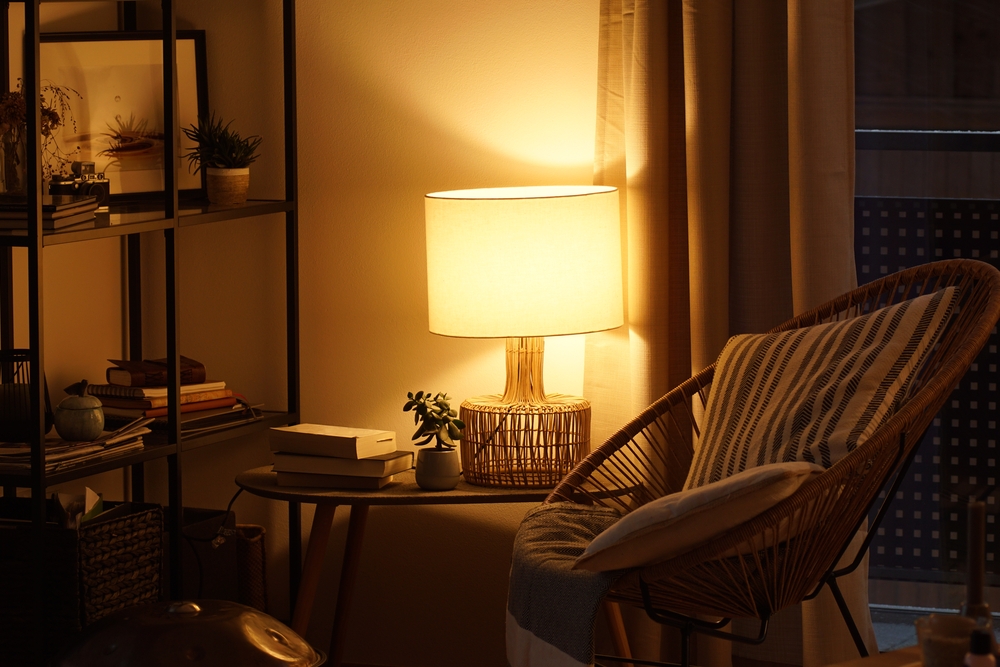
Why light an entire room like a workshop just to read a book? A lamp aimed at the page can be far more useful than another ceiling fixture. And it might already be sitting in the spare room doing absolutely nothing.
Bring a table or floor lamp to your usual reading, crafting, or paperwork spot. Position it so the light falls onto the work rather than into your eyes. Move it to avoid throwing a shadow across the page with your hand. A lamp behind your shoulder can work nicely, but experiment rather than buying something because a room photo looks nice.
Focused light also means one person can work while everyone else enjoys softer lighting. Keep cables out of walkways, use a stable base, and fit the right bulb for the shade. Better placement is often the entire fix.
Give bare feet somewhere warmer to land

The little patch of tile or hardwood beside the bed can feel brutal on a cold morning. A rug there improves the experience far more directly than replacing a perfectly serviceable bed frame or buying matching bedroom accessories.
Measure the area your feet reach when you stand up, not just the space that looks good in a photograph. A small washable rug may be all you need. If there’s a spare rug in another room, try moving it before paying for a new one. A soft area beside the sofa can help, too.
Put an appropriate non-slip pad underneath, especially on smooth floors. Check that the backing won’t damage the finish and that the edges don’t curl into a tripping hazard. An inexpensive rug that slides across the room every time you step on it has missed the point.
Add cushioning where you stand to cook or wash dishes

Ten minutes at the sink is one thing. An hour preparing food on a hard floor is another. If your feet and legs feel tired after standing in the kitchen, a cushioned mat in that one busy spot may be worth more than a shelf of fancy gadgets.
Choose a mat made for standing, with a stable nonslip underside and edges that lie flat. Check that it doesn’t interfere with the dishwasher, cabinet doors, or a narrow walkway. Avoid stacking it on top of a loose rug, and clean underneath it regularly.
Anti-fatigue mats can help reduce discomfort from long periods of standing. They aren’t a reason to stay in one position for hours, though. Take breaks and move around. You don’t need to cover the entire kitchen floor to make the sink area more comfortable.
Fix the fit of the chair before replacing it
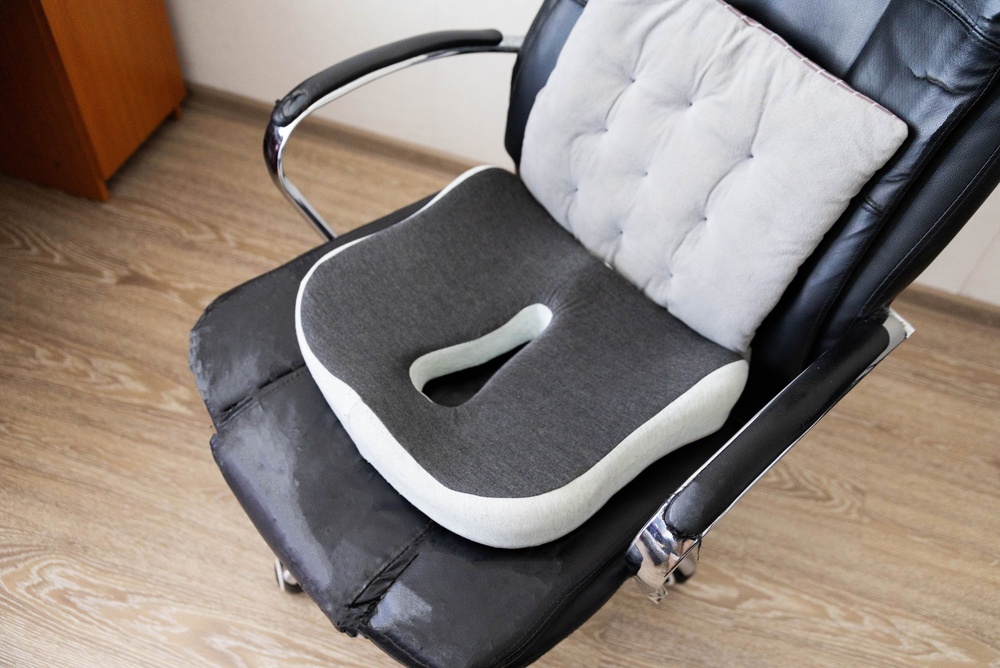
A chair can be reasonably well made and still feel awful when the height or backrest position is wrong. If your feet don’t reach the floor comfortably, or there’s no support for the small of your back, try adjusting the chair before shopping for a new one.
Your feet should have solid support, and the backrest should support your lower back. A small rolled towel can temporarily fill a gap behind your waist, but don’t stuff a giant pillow behind your entire back and force yourself to perch on the seat edge. If the chair has adjustments, test one at a time.
Good seating allows proper lower-back support and a comfortable working height. A broken, unstable chair is another matter and should be repaired or replaced. For a sound chair that’s simply set up badly, the fix may cost nothing.
Make your screen easier to look at

A laptop on a low table can leave you leaning forward and staring down for hours. A mouse that’s too far away can be just as annoying. Often the real problem isn’t the computer but how it’s arranged relative to your chair.
Bring the screen directly in front of you and keep frequently used equipment within easy reach, with your elbows close to your sides. If you raise a laptop screen on a stable stand or some sturdy books, pair it with a separate keyboard and mouse for extended typing. Otherwise the keyboard winds up much too high.
An ergonomically arranged workstation reduces awkward reaching and postures. It’s possible to improve a basic setup without buying a designer desk. Change position regularly, too. There’s no perfect posture that stays comfortable if you never move.
Find out whether the air is too wet or too dry

A room that’s always clammy needs a different fix from a room made unpleasantly dry by winter heating. Guessing wrong can mean spending money on a humidifier when what you really needed was better ventilation.
A small hygrometer measures relative humidity. Aim for roughly 30% to 50% indoor relative humidity. Check it in the problem room rather than assuming conditions are the same throughout the house. Damp windows, a wet wall, or a musty smell should prompt you to look for leaks and moisture sources.
Don’t try to hide dampness behind paint or air freshener. High moisture levels can encourage mold. Depending on the cause and outside conditions, the fix may be a bathroom fan, a repair, a short period of ventilation, or adjusting a humidifier you already own.
Actually use the bathroom exhaust fan
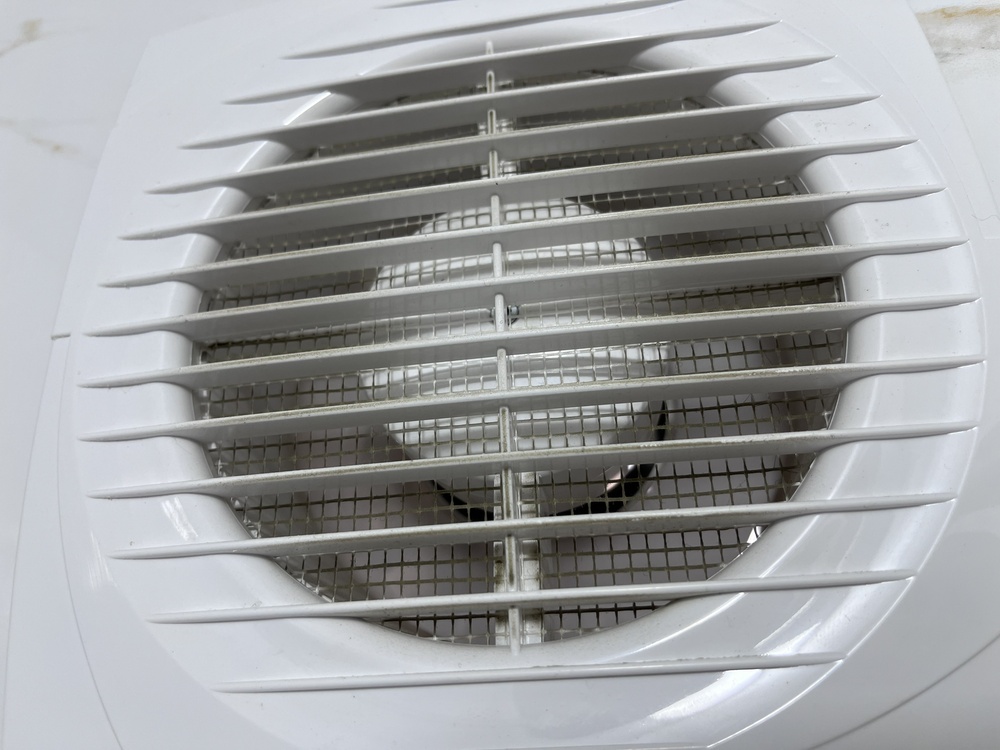
If your mirror is still dripping long after a shower and towels never seem to dry, the room isn’t clearing moisture well. Running a working bathroom exhaust fan during showers is a simple habit that can make the space less damp and stuffy.
Leave it running afterward until the steam clears. If the fan is rattling or barely moving air, clean its accessible grille as the manufacturer recommends. Make sure the fan exhausts outdoors. A motor that makes noise while doing very little is not a ventilation strategy.
Proper bathroom ventilation removes moisture that can encourage mold and mildew. When there’s no working fan, opening a window may help when conditions allow. If the bathroom has an ongoing leak or serious mold problem, that needs a real repair, not a prettier shower curtain.
Make your bedroom properly dark

The curtains are closed, but the streetlight still shines around them. Then there’s a glowing clock and a charging cable blinking beside the bed. You might be dealing with more light than you realize when you try to sleep.
Sit or lie in the bed after dark and see what’s actually bright. Close gaps at the curtain edges, turn the clock around, or move blinking electronics. A simple sleep mask can be enough if you can’t modify the window covering. If morning sunlight is the main problem, removable blackout lining or a room-darkening shade may be useful.
A dark, cool, quiet room can support better sleep. Keep a clear route to the bathroom and enough low-level light to avoid falling over things at night. The goal isn’t to turn the room into an obstacle course.
Quiet the bedroom without buying more gadgets

Traffic, hallway sounds, and a phone buzzing with messages all seem louder at 2 a.m. Before ordering a sound machine, look at the noises you can control. Move a rattling fan, silence nonessential alerts, and stop a loose bedroom door from banging.
Some people prefer earplugs, while others sleep better with a steady, low background sound that masks occasional noises. An existing fan may do that job. Set your phone to do-not-disturb but allow calls from anyone who genuinely needs to reach you in an emergency.
Reducing noise and limiting nighttime alerts are among the practical steps for a better sleep environment. Don’t buy a white-noise gadget just because someone else swears by one. Solve the sound that’s actually waking you up.











