
Imagine you want to rent an apartment or apply for a mortgage. While your income and budget matter, your past repayment habits may also affect your options. This is where payment history comes in.
Payment history is one of the most important aspects of a credit profile, which is why it is risky to skip payments. It shows how you have managed debts and credit accounts over time. It adds up to the financial history that helps prove your reliability to lenders, landlords, and financial institutions. Lenders may also review your income, existing debts, and other details before making a decision.
This article explains payment history and how it can influence your future financial choices. Read on.
Disclaimer: This article is sponsored by CreditCube and includes links to CreditCube’s website. This article is for informational purposes only and does not constitute financial, legal, or tax advice. Credit scoring models, credit reporting practices, and lending requirements vary. Loan availability, eligibility, terms, and costs depend on the provider and your location. Review your credit reports and any loan agreement carefully before making a financial decision. CreditCube does not guarantee the accuracy, completeness, or suitability of this information for your circumstances.
Table of contents
- What is payment history and why does it matter?
- How does payment history affect your credit score?
- How payment history can influence your future financial choices
- What happens when you miss a payment?
- How to build and maintain positive payment history
- How to prepare your payment history before a major financial decision
- Frequently asked questions about payment history
- Final thoughts: Your payment habits shape your financial future
What is payment history and why does it matter?
Payment history is a record that shows how you repay debts and manage credit accounts. It shows whether you pay on time, miss due dates, or fall behind on what you owe. It is also a key part of many credit scoring systems. For example, it makes up 35% of a typical FICO score calculation. This makes it an important factor when lenders review credit applications.
Many creditors report account information, often monthly, to the three nationwide credit bureaus (Equifax, Experian, and TransUnion), including whether a payment is current or late. This history is built from a diverse mix of accounts, including credit cards, mortgages, auto loans, and installment loans. However, not every lender or bill provider reports payment activity to all three bureaus.
Note that payment history is not the same as credit history. Payment history focuses on your record of paying debts. Credit history covers a wider range of details, including account types, account age, past borrowing activity, and public records such as bankruptcies where applicable.
How does payment history affect your credit score?
Your payment history can affect your credit score because it shows how you manage debts under each credit agreement. Credit scoring models use this information and additional information, such as account balances and payment records, to assess your repayment behavior. However, each model may weigh payment records differently, so the effect varies from person to person.
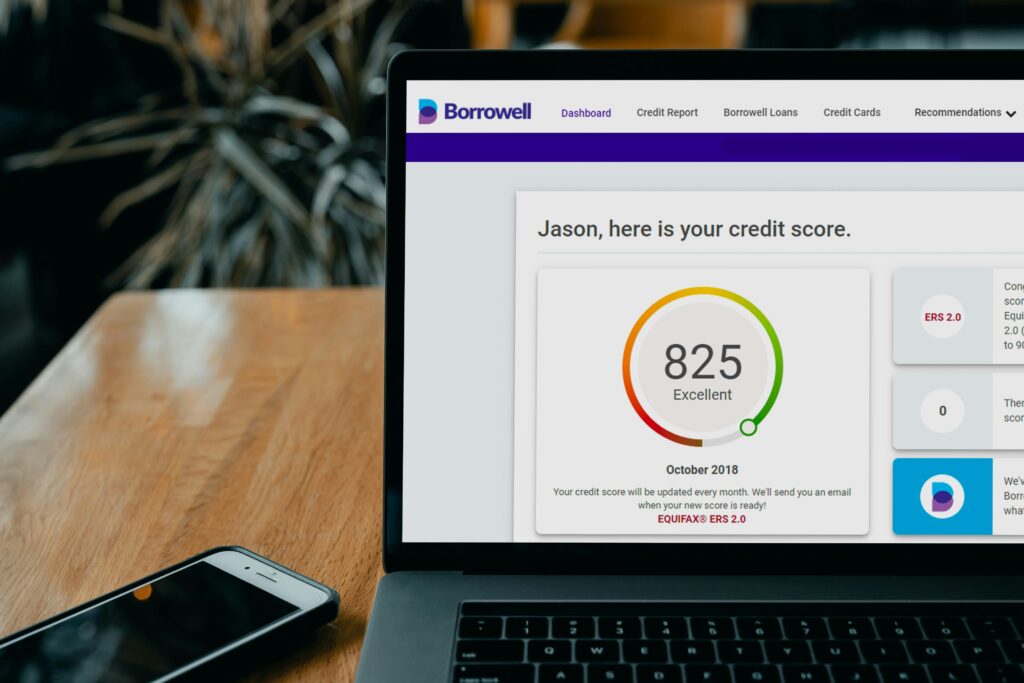
On-time payments and credit score stability
Paying your bills by their due dates can help maintain a positive credit record. For credit accounts, this usually means paying at least the required minimum on time. Over time, consistent payments can support a stronger credit profile.
However, on-time payments alone do not guarantee a high credit score. Other factors, such as credit card balances, account age, and recent applications, may also affect the result.
Late payments and their potential consequences
A payment can be late under your account agreement before it appears as a 30-day delinquency on your credit reports. In the United States, creditors generally report missed payments in 30-day increments, but reporting practices may vary.
The effect of a late payment depends on several factors, including how late it is, how often it happens, and how recently it occurred. One late payment may affect two people differently because their credit profiles differ. Paying on time and checking your credit reports can help you track your repayment record.
| Payment pattern | Possible effect |
| On-time payments | Can support a positive credit profile. |
| Occasional late payments | May harm your credit score. |
| Repeated delinquencies | May signal greater credit risk. |
How payment history can influence your future financial choices
Your payment history can influence more than your credit score. It may also affect how lenders assess applications and the terms they offer, especially when you manage debts alongside costs such as medical expenses. Below are some of the things a payment history may influence.
Qualifying for loans and credit cards
When you apply for loans or credit cards, lenders may review your credit reports. This is why understanding why credit scores matter can help you see how repayment habits may influence financial decisions. Your credit reports show how you have managed credit accounts over time, which lenders may use to assess repayment risk.
A record of on-time payments may support your application. In contrast, repeated missed payments may raise concerns about repayment risk. But your payment history alone does not guarantee approval or determine your borrowing limit. Lenders also consider income, existing debts, and other application details.
Interest rates and the total cost of borrowing
Your credit profile may affect the interest rate a lender offers. A stronger profile could help you qualify for a lower rate, while a weaker one may lead to a higher offer. However, rates also depend on the lender, loan type, and other factors.
Consider this hypothetical example. Two people borrow $5,000 for three years, with fixed rates and monthly repayments.
| Example | Annual interest rate | Approximate total interest |
| Borrower A | 8% | $640 |
| Borrower B | 18% | $1,500 |
These figures are estimates and exclude fees. They show how a higher interest rate can increase borrowing costs. Actual offers and repayment amounts will vary.
Renting a home or financing a car
Your credit history may also matter when you rent a home or finance a vehicle. Some landlords review credit reports to assess how applicants have managed financial obligations. Vehicle lenders may use similar information when assessing credit risk.
However, landlords and lenders serve different purposes. A landlord may focus on rental risks, while a vehicle lender assesses the risk of lending money. Each may also consider other details.
Accessing credit when traditional options are limited
A lower credit score may limit some borrowing options, but it does not mean every traditional lender will reject your application. Depending on your circumstances, you could explore credit union loans, secured credit products, nonprofit credit counseling, or other available options.
Some online lenders, including lenders associated with Native American tribes, offer loans with terms that vary by provider. These loans may carry high borrowing costs, so review the APR, fees, total repayment amount, and payment schedule before applying. Availability, licensing requirements, eligibility, and costs vary by state and provider. Some products may be unavailable or restricted where you live.
Check the lender’s licensing or regulatory information, such as a state license or a tribal regulatory authority, and whether it reports payments to the major credit bureaus. Without that reporting, making payments on a loan may not help build your credit history.
Note. Lenders that do not rely on traditional credit scores may consider other factors, such as income, bank account activity, existing debts, and living expenses. Their application requirements vary. Before accepting an offer, review the full loan terms and make sure the payments fit your budget.
What happens when you miss a payment?
Missing a payment may lead to late fees or other consequences under your credit agreement. If a credit account becomes 30 days past due, the creditor may report the delinquency to the credit bureaus. The effect on your credit score depends on your credit profile and the scoring model used.
If the balance remains unpaid, the creditor may continue collection efforts or transfer the debt to a collection agency, depending on the account and applicable rules. In the United States, credit reports may show delinquencies at 30, 60, or 90 days late.
The difference between 30, 60, and 90 days late
A 30-day late payment may harm your credit score, but the effect varies by person. A 60-day delinquency can signal greater repayment risk. At 90 days late, the account is more seriously overdue, and the creditor may take further action under the agreement. Fees, penalty rates, account closure, and collection activity depend on the creditor’s policies and applicable law. These actions by the lender may leave a black mark on your credit reports for some years.
How long do late payments stay on your credit report?
In the United States, most negative payment information may remain on your credit reports for up to seven years. The reporting period depends on the type of information and the applicable rules. Accurate late-payment records are not automatically removed just because you pay the overdue balance. However, their effect on your credit score may lessen over time. Check your reports for errors and dispute any inaccurate information.
Paying an overdue balance does not automatically remove an accurate late-payment record. However, checking your reports can help you find errors. If you spot incorrect information, you can dispute it with the relevant credit bureau.
How to build and maintain positive payment history
Building a positive payment history starts with a plan you can follow each month. The aim is to pay bills on time without leaving yourself short of money for essential needs. These six steps can help you manage due dates and keep your credit records accurate.
Step 1. Set up automatic payments
Automatic payments can help you avoid missed due dates. If possible, set them to cover at least the minimum payment on each credit account. Check your bank balance first, though. If funds are too low, an automatic withdrawal could lead to overdraft fees.
Step 2. Use payment reminders
Set calendar alerts a few days before each bill is due. This gives you time to check the amount and arrange payment. You could also keep a bill calendar that matches your paydays with upcoming expenses.
Step 3. Create a realistic budget
Good budgeting helps you see how much money is available after essential costs. List your income, housing costs, food, transport, and debt payments. Then set aside money for bills before spending on less urgent items. If your expenses exceed your income, review the budget and identify where you need support.
Step 4. Contact lenders before missing payments
If you expect trouble paying a bill, contact your lenders early. Explain what you can afford and ask about hardship plans or a different due date. Review any changes to your agreement, and ask for the new terms in writing.
Step 5. Review your credit reports
Check your credit reports for incorrect late-payment records, wrong balances, or accounts you do not recognize. If you find an error, dispute it with the credit bureau and the company that supplied the information. Correcting mistakes can help keep your credit history accurate.
Step 6. Build consistent repayment habits
Keep making payments on time and avoid taking on debt you cannot manage. There is no quick fix for a damaged payment record. Credit scoring models vary, and changes depend on your wider credit profile. Focus on habits you can maintain, rather than chasing a fast score increase.
How to prepare your payment history before a major financial decision
Before you apply for a mortgage, car loan, or new credit card, review your payment history. This helps you spot problems before a lender checks your credit. It also gives you time to correct errors that could affect your application or the terms you receive. Start with these steps:
- Check your credit reports. Review your reports for errors and dispute any incorrect information with supporting evidence.
- Address collection accounts. Contact collection agencies to confirm the debt and discuss repayment options. Get any agreement in writing before you pay. Paying a collection account may not remove it from your credit reports.
- Automate bill payments. Set up auto-pay to avoid missed payments. You can also adjust due dates to match your payday.
- Use credit-building tools. Consider Experian Boost to add eligible on-time utility and phone payments to your credit profile.
- Lower credit card balances. Keep your credit utilization low by paying down balances. Paying before your statement closes may reduce the reported balance.
- Limit new credit applications. Avoid unnecessary applications before major financial decisions, as multiple applications can temporarily lower your score.
- Keep older cards open. Older accounts can support your credit history. Check for fees and other conditions before closing unused cards.
Frequently asked questions about payment history
How much does payment history affect your credit score?
Payment history is a major factor in many credit scoring models. For example, it accounts for 35% of a typical FICO score. However, the exact impact depends on your wider credit history, including late payments, account balances, and other details.
Can one missed payment damage your credit score?
Yes, one missed payment can hurt your credit score if the creditor reports it as late. In the United States, creditors generally report late payments after they reach 30 days past due.
How long does it take to improve payment history?
There is no fixed timeline. You can start building better habits as soon as you resume paying on time. However, accurate late-payment records may remain on your credit reports for up to seven years. Their effect on your score may lessen over time as your overall record improves.
Do rent and utility payments count toward payment history?
Not always. Many utility companies and landlords do not report regular payments to the major credit bureaus, so they may not count toward your payment history. These payments are generally made under service agreements rather than credit accounts. However, some rent-reporting or utility-reporting services may allow you to add eligible payments to certain credit reports.
Final thoughts: Your payment habits shape your financial future
Your payment history can influence how lenders view your applications and the terms they offer. Paying on time, checking your credit reports, and correcting errors can help you maintain a stronger credit profile. However, past mistakes do not define your financial future. Focus on steady progress rather than quick fixes.