
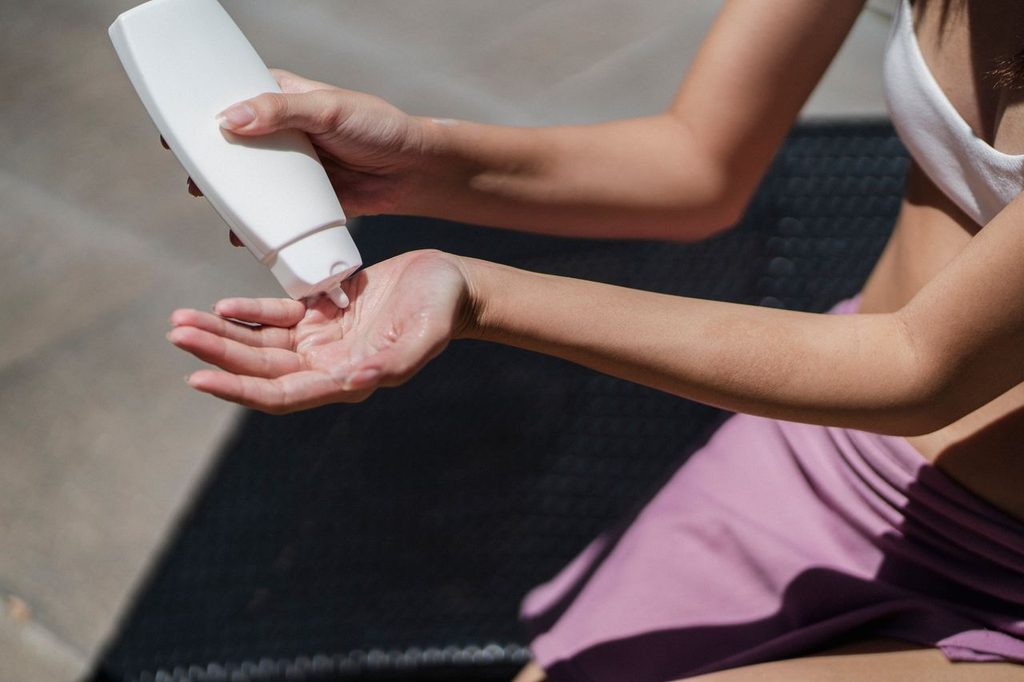
Dry skin can feel tight, rough, flaky, or uncomfortable, especially after bathing or spending time in air-conditioned environments. Changes in weather, frequent washing, harsh cleansers, and naturally low skin moisture can all contribute to dryness. For some people, the problem is occasional, while others need a consistent skincare routine to keep their skin comfortable.
Choosing the right lotion for dry skin involves more than picking a product with a pleasant fragrance or rich texture. The ingredients, how often you apply it, and the way you care for your skin can all influence how well your routine works.
Moisturizers such as Jergens Ultra Healing Moisturizer are designed to help address dryness and support softer-feeling skin. However, understanding what makes a lotion effective can help you choose a product that suits your skin’s needs.
Table of contents
- 1. Look for ingredients that help retain moisture
- 2. Consider richer formulas for very dry areas
- 3. Apply lotion while your skin is slightly damp
- 4. Choose products that suit your skin type
- 5. Avoid skincare habits that make dryness worse
- 6. Maintain a consistent moisturizing routine
- 7. Know when dry skin needs more than lotion
- Conclusion
1. Look for ingredients that help retain moisture
One of the most important considerations when choosing a lotion is its ingredient list. Different moisturizing ingredients serve different purposes, and many effective formulas combine several types.
Humectants, such as glycerin and hyaluronic acid, attract water to the outer layers of the skin. Emollients help soften rough areas by filling spaces between skin cells. Occlusive ingredients, including petrolatum, help reduce moisture loss by forming a protective layer.
A lotion that combines these functions can be useful for maintaining skin hydration throughout the day. The right combination depends on how dry your skin is and which textures you prefer.
2. Consider richer formulas for very dry areas
Lightweight lotions may work well for mild dryness, but rough elbows, knees, hands, and heels may benefit from a richer moisturizer.
Creams and thicker lotions often contain more oils or other ingredients that help reduce moisture loss. They can be particularly useful during colder weather or when the skin feels persistently tight.
Jergens Ultra Healing Moisturizer is an example of a product marketed for dry skin and formulated to help improve skin softness and hydration. When comparing similar products, consider their moisturizing ingredients, texture, and suitability for your skin rather than relying on branding alone.
For extremely dry areas, applying moisturizer more frequently may help. If your skin is cracked, painful, or persistently irritated, however, a thicker lotion may not address the underlying cause.
3. Apply lotion while your skin is slightly damp
Timing can make a difference in how you moisturize your skin.
After bathing or washing, gently pat your skin with a towel instead of rubbing it completely dry. Apply lotion while your skin is still slightly damp to help retain moisture.
This habit is especially useful because hot water and prolonged bathing can strip away some of the skin’s natural oils. Keeping showers relatively short and using lukewarm water can also help reduce dryness.
For the best results, make moisturizing part of your regular routine rather than waiting until your skin begins to feel uncomfortable.
4. Choose products that suit your skin type
Not every moisturizer feels or performs the same way on every person’s skin.
People with mildly dry skin may prefer lightweight lotions that absorb quickly. Those with very dry skin may find richer creams more comfortable, particularly on areas prone to roughness.
If you have sensitive skin, look for formulas with fewer potential irritants and consider fragrance-free options. Fragrance can cause irritation in some individuals, although many people can use fragranced products without problems.
If you are prone to clogged pores or breakouts, consider whether the product is labeled non-comedogenic and whether it is intended for use on the face or body. Body lotions are not automatically suitable for facial skin.
5. Avoid skincare habits that make dryness worse
Even a good moisturizer may not provide lasting comfort if everyday habits continue to dry out the skin.
Consider making these adjustments:
- Avoid excessively hot showers and long baths.
- Use gentle cleansers instead of harsh soaps when possible.
- Pat your skin dry rather than rubbing it vigorously.
- Limit excessive exfoliation, especially when your skin is already flaky or irritated.
- Wear gloves when handling cleaning products that may irritate your hands.
- Apply moisturizer after washing your hands and whenever dry areas need additional care.
Indoor air can also contribute to dryness. If the air in your home is consistently dry, a humidifier may help make the environment more comfortable.
6. Maintain a consistent moisturizing routine
Consistency often matters more than using a large number of skincare products.
For everyday body care, apply lotion after bathing and reapply when your skin feels dry. Pay particular attention to frequently washed areas, such as your hands, and exposed areas that tend to lose moisture.
You do not necessarily need several moisturizers for different parts of your body. A suitable everyday lotion may be sufficient for many people, while particularly dry areas may require a thicker product.
Give your routine time to work, but pay attention to how your skin responds. If a product causes burning, itching, redness, or a rash, stop using it and consider seeking professional advice if the reaction persists.
7. Know when dry skin needs more than lotion
Most cases of ordinary dry skin can be managed with gentle cleansing and regular moisturizing. However, persistent dryness may sometimes be associated with eczema, contact dermatitis, psoriasis, or another skin condition.
Warning signs include deep cracks, bleeding, significant itching, persistent redness, swelling, or a rash that does not improve with basic skincare.
In these situations, switching between lotions may not solve the problem. A healthcare professional or dermatologist can help identify the cause and recommend appropriate treatment.
Avoid applying ordinary moisturizer to skin that appears infected without seeking medical advice, especially if there is increasing pain, warmth, swelling, or discharge.
Conclusion
Choosing the best lotion for dry skin starts with understanding your skin’s needs and learning which ingredients help maintain moisture. A suitable formula, gentle bathing habits, and consistent application can make a noticeable difference in everyday skin comfort.
Whether you prefer a lightweight lotion or a richer moisturizer such as Jergens Ultra Healing Moisturizer, focus on how well the product supports your skin rather than choosing based on fragrance or packaging alone. With a practical routine and attention to signs of irritation, you can better manage dryness and maintain softer, more comfortable skin.










