
Lawns add unique aesthetics to your home’s exterior. Well-maintained turf gives you quality relaxation and increases property value. Most Malvern homeowners struggle to keep green grass because of busy schedules. Like many property owners elsewhere, a quick weekend fix may seem like an ideal solution.
The bad news for quick-fix DIYers is that not all turf is the same. Climate, soils, pests, and diseases affect your maintenance approach. You must understand the problem in your field. Maintenance will be easier when you have everything straight. It helps you stop wasting time and resources trying every random, fast YouTube treatment hack you come across.
These seven lawn problems in Malvern require your immediate attention for the best maintenance.
Table of contents
1. Weeds and foreign grass
Lawn maintenance is easy when all you have to do is mow. But you must ensure you have the grass species you desire on your property. Broadleaf weeds constantly creep into your yard and steal nutrients and water. These hinder the grass from growing normally and optimally. Eliminating them is a vital step for lawn care in Malvern to maintain a clean field and uniform turf growth.
You may think that weeds are only unrelated plants, like clover or amaranthus. But even some types of grass can damage your lawn and destroy its growth. Crabgrass is notorious for crowding your desired grass and squeezing it, limiting the lawn growth rate. Another example is quackgrass. This outgrows the lawn quickly. It limits uniformity. Manual uprooting and applying selective chemical sprays will help with all weed types.
2. Pests and bugs
Healthy yards require proactive protection. Pests can land on your lawn and destroy the lush aesthetics in hours or days. You must determine the native Malvern pests that could harm your hard work. Moles dig tunnels in the soil and create mounds in the field. They instantly ruin the curb appeal. They also pull down grass to build nests. Voles are notorious for eating the grass roots, causing them to dry and leave bare soil patches.
Spraying castor oil-based repellents works excellently for moles. The scent and ingredients make the soil unpleasant, sending them out of your yard. Moles rely on another pest: white grubs. These also eat the roots and cause the grass to turn brown because it cannot take up enough water. You may also notice raccoons, birds, and skunks in your field.
Chemical sprays can kill the grubs. That deprives the moles of their food, forcing them to move. You may also use nematode-treated water. Those burrow and kill the grubs. For voles, use traps and cut your lawn low. It will send them off because they have no hiding place.
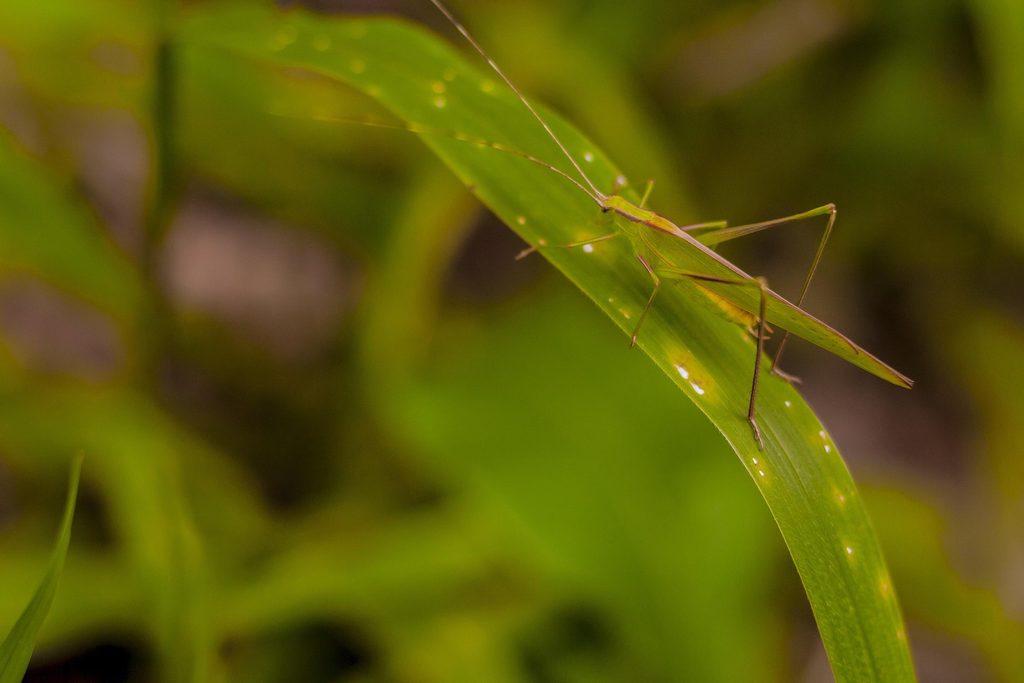
Insects, like grasshoppers and crickets, chew on grass blades and young shoots. They also make holes in the leaves. They strip the grass of its green, natural look. You can discourage them by mowing low or spraying neem oil.
3. Fungal infestation and lawn diseases
A beautiful green yard can suddenly develop strange spots. In Malvern, hot, humid summer nights create the perfect breeding ground for these hidden infections. You will see circular brown patches or a powdery coating covering your grass blades. These issues happen when moisture sits on the turf for too long.
Stopping these yard diseases requires changing how you handle moisture and airflow. Shift your watering schedule to the early morning. This lets the sun dry the leaves quickly without affecting the soil. Remember to bag your grass clippings when the yard is sick to avoid spreading the problem to clean areas. If the spots continue, apply a selective treatment spray.
4. Pet waste and chemical burns

Your dog might be your best friend, but their bathroom habits can be an enemy to your turf. Dog urine contains high amounts of nitrogen and salts that burn the grass roots. This leaves ugly, dead brown spots in your yard. You can spot the damage by a ring of dark green, fast-growing grass that looks completely uneven.
Accidental fertilizer spills cause the same problem. To fix these chemical burns, flush the affected spots with a lot of water to dilute the chemicals in the soil. Create a designated mulch or gravel spot for your pet.
5. Soil compaction and bare spots
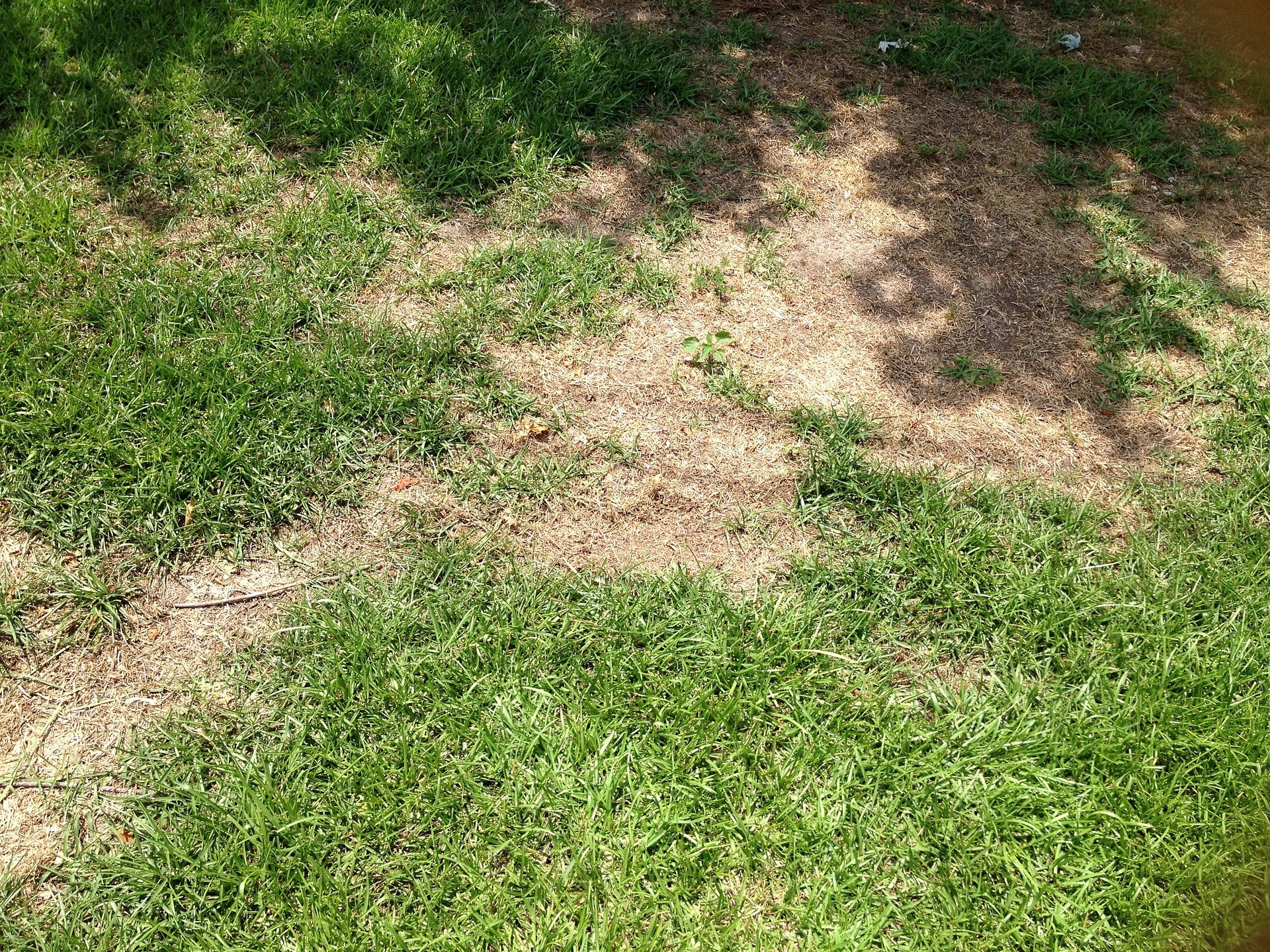
Constant foot traffic and heavy lawnmowers squash the clay Malvern soil flat over time. When soil is tightly packed, air, water, and nutrients cannot reach the roots. This suffocation thins out the turf, eventually causing it to disappear. You are left with ugly bare dirt patches across your field.
You can rent a core aerator to pull plugs of dirt out of the ground so the soil can breathe again. Then spread new grass seed over the bare spots and water them daily. This routine will quickly fill in the gaps and restore your uniform field.
6. Seasonal stress and climate shock
Malvern weather can be harsh on your turf as the seasons shift. Freezing winters and scorching, dry summer weeks push the grass into shock. Spiking temperatures make the turf shut down. It turns a dormant brown color to protect itself from dying.
Your yard can survive these climate swings by adjusting your maintenance routine based on the weather. Avoid mowing during the hot summers. Also, never cut the blades too short when the grass is stressed. Leave the lawn a bit taller to shade the soil. It keeps the root system cool until the weather balances out.
7. Thatch buildup and turf smothering
A thick layer of dead grass and old stems can secretly choke your yard. When this debris piles up, it blocks fresh air, water, and fertilizer from reaching the roots. Your turf will feel spongy, look weak, and lose its green, natural appeal.
You must clear out this suffocating mat to let your lawn breathe again. Use a heavy thatch rake or a power dethatcher to rip up the old debris. Once you remove the matted layer, your grass can finally access nutrients and recover its vibrant look.
Summing up
Homeowners maintain a clean, lush lawn to improve their property appeal. A beautiful yard can visually increase the home value. You enjoy better relaxation and health benefits from a fresh, aesthetically pleasing outdoor space. You want to ensure optimal turf maintenance for long-term benefits.
Understanding the problems homeowners in Malvern experience with their lawns is the first step to building perfect curb appeal. Various indicators help you uncover the critical issues to address. Consistent, accurate treatment efforts will yield the perfect results for the most desirable yard.










