
The sink is draining slowly again, and there’s a puddle sitting around the breakfast dishes. Now you have to figure out whether a plunger will sort it or whether you’re about to pay someone to take apart the pipes. Professional drain cleaning can cost $147 to $352, and a blocked main line or damaged disposal can push the bill higher.
Some things are bad for every drain. Grease is the obvious culprit, but ordinary cooking scraps, paper, and leftover chemicals can also create expensive problems. A garbage disposal helps with certain foods, but it isn’t a magic exit from your home’s plumbing. What it can safely grind depends on the model, and the waste still has to travel through a pipe afterward.
One small change makes most of this easier: scrape the plates and pans before turning on the faucet. Keep a strainer in the sink, and put a food-waste container close enough that using it isn’t an extra chore.
Table of contents
- Cooking grease and bacon fat
- Coffee grounds
- Flour, dough, and cake batter
- Rice
- Pasta
- Oatmeal
- Potato peels
- Celery strings and asparagus ends
- Corn husks and silk
- Onion skins
- Eggshells
- Clam and oyster shells
- Chicken bones and large meat bones
- Peach pits and avocado stones
- Nut shells
- Produce stickers
- Paper towels and napkins
- Wet wipes
- Leftover paint
- Solvents, pesticides, and concentrated cleaners
- Unused prescription and over-the-counter medicine
Cooking grease and bacon fat
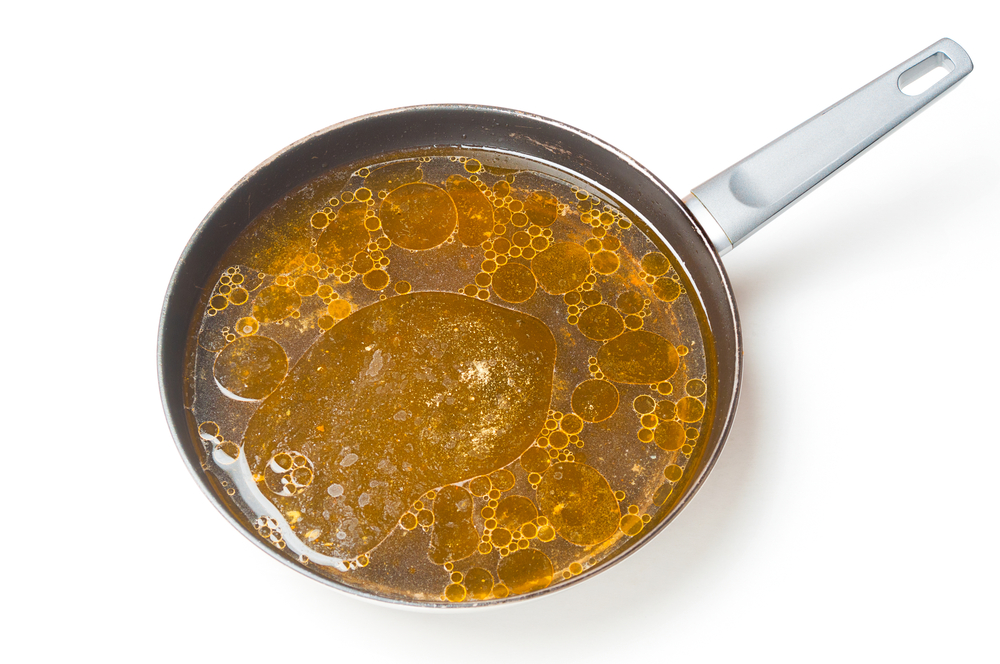
That puddle of bacon grease is liquid while the pan is warm, which makes pouring it down the sink horribly tempting. But fat can cool, cling to pipe walls, and trap other material. Cooking grease and oil can cause drain clogs and sewage backups. The garbage disposal doesn’t change the chemistry of the grease, and running hot water after it may only move the problem farther into the pipe.
Let it cool enough to handle, scrape or pour it into a sealable container, and put the container in the trash under local rules. Wipe the last film off pans with a paper towel before washing them. Butter, shortening, meat drippings, and leftover frying oil count too. A little residue from normal washing is unavoidable; tipping out a skillet or a deep fryer is entirely different.
Coffee grounds
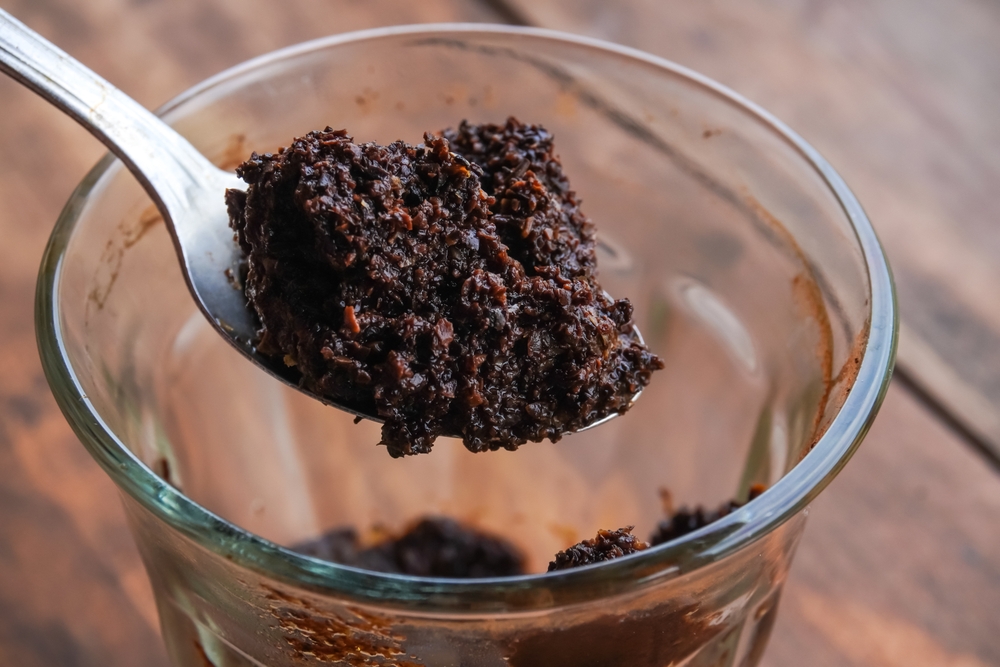
Wet coffee grounds look harmless because they’re so small. But they don’t dissolve in water, and enough of them can settle in a trap or mix with greasy residue to form sludge. Some manufacturers specifically warn against sending grounds into the disposal, particularly in larger amounts. Pouring the contents of a French press down a sink without a grinder is a reliable way to add unnecessary solids to the pipe.
Knock used grounds into the trash or compost and rinse only what remains stuck to the cup or filter. There is a wrinkle that most lists miss: some current garbage disposals permit coffee grounds when used properly. That’s not a reason to assume a bucket of grounds is fine for every drain. If you don’t know your model or have older plumbing, keep the bulk out.
Flour, dough, and cake batter
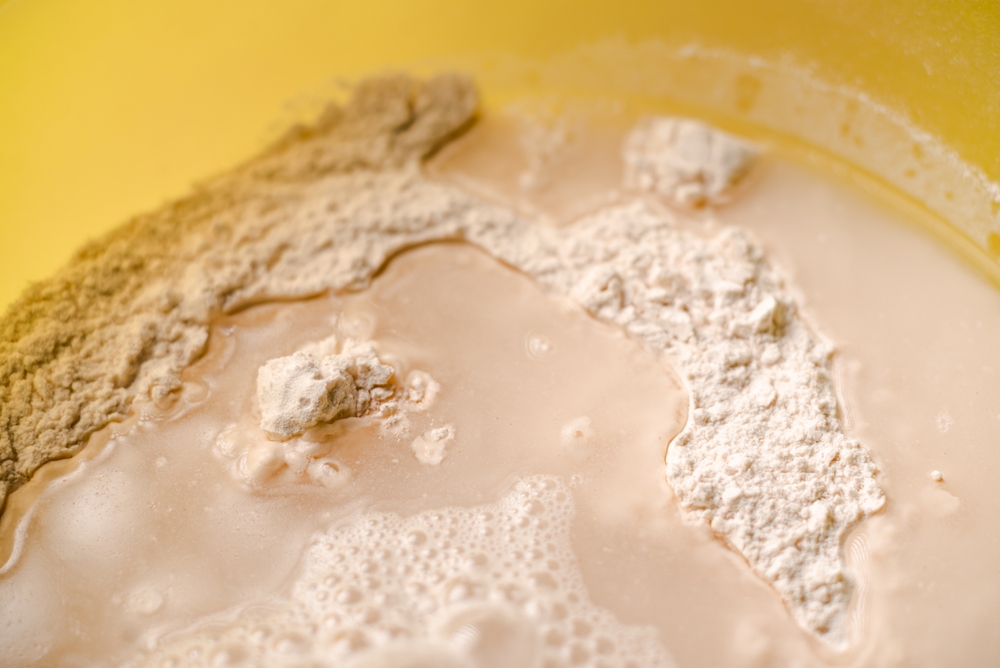
A dusting of flour on a measuring cup is no crisis. Half a bowl of batter tipped into the sink is another matter. Flour becomes sticky when wet, while raw dough is already elastic enough to cling to surfaces. Flour, dough, and batter can thicken and coat a drain. None needs to dry into literal cement to cause trouble; a sticky mass can collect the other scraps that follow it.
Use a spatula to scrape mixing bowls before washing. Put spoiled dough or unused batter in the trash rather than adding water and trying to thin it into a liquid. This isn’t a warning against baking or doing the dishes. It’s a warning against using the sink to dispose of a failed batch. Scraping takes seconds, and the residue left afterward is much easier for the water to carry away.
Rice
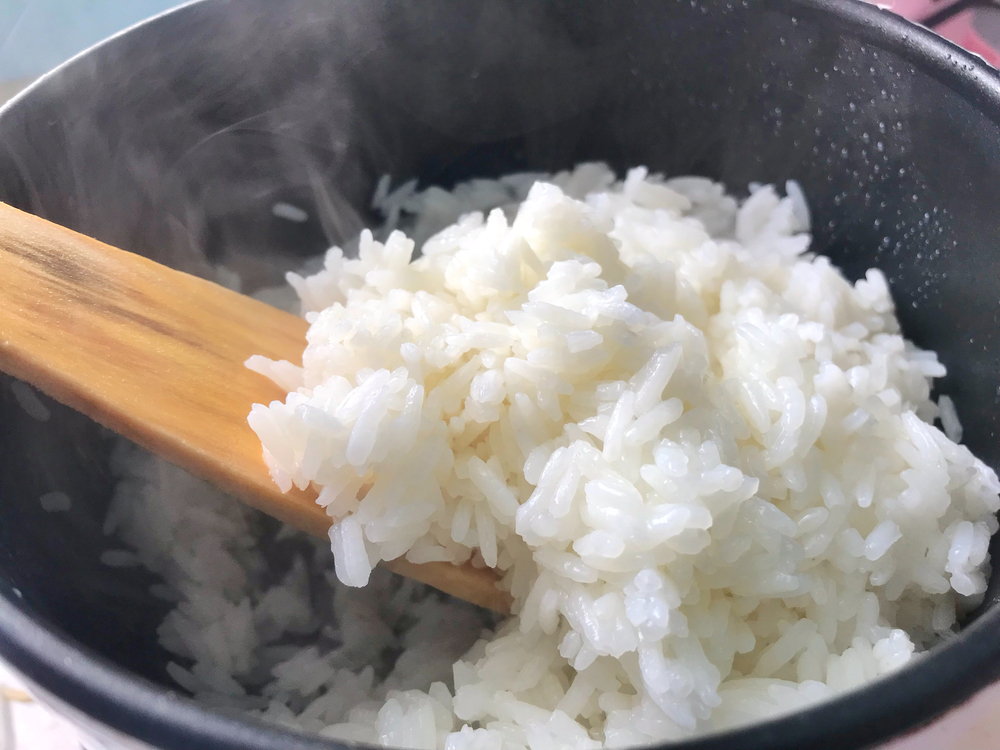
The little grains left on a dinner plate seem too insignificant to worry about. A whole container of cooked rice, however, can compact into a sticky lump. Uncooked rice adds the complication of absorbing water. Large amounts of starchy rice can become gluey and contribute to blockages. Once a pipe is partly narrowed by other buildup, even small food scraps have less room to move.
Scrape leftover rice from takeout containers and pans into a suitable food-waste container. A few grains left after scraping are ordinary washing-up. And the word ‘never’ deserves some care here: some modern disposals are approved to grind rice. They can handle appropriate small amounts when used correctly, not necessarily the full contents of a neglected rice cooker. The quantity and the condition of the downstream pipes still matter.
Pasta
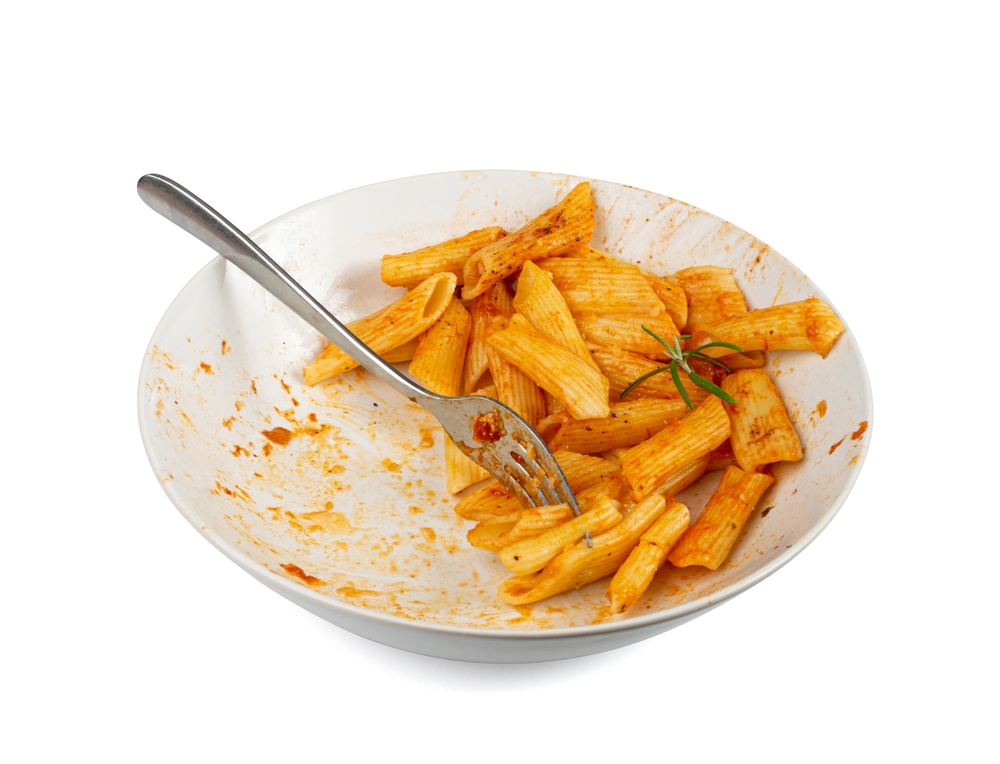
A pot of overcooked pasta doesn’t belong in the sink just because it’s soft. Large amounts of pasta can form a heavy, starchy clump, especially when other scraps are already gathering in the drain. Pasta is among the foods that can cause a gummy buildup if dumped in quantity. Grinding it into smaller pieces doesn’t make the starch vanish.
Drain cooking water as usual, but scrape uneaten noodles into the food-waste bin or trash first. A few stray pieces rinsed off the plate are not the same thing as dumping a family-size portion. Some garbage disposals are designed to process pasta, and that’s fine within their instructions. What matters is not mistaking ‘the motor can grind it’ for ‘the whole plumbing system can handle unlimited amounts.’
Oatmeal
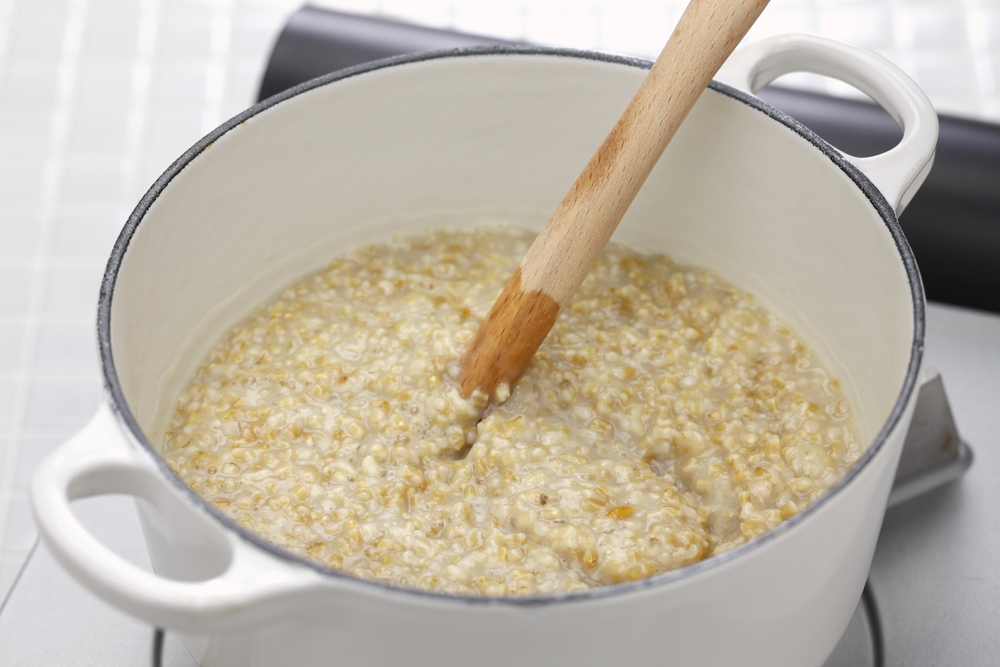
Anyone who has washed a porridge pan knows how stubborn the residue can be. It’s sticky on the spoon, sticky on the bowl, and not especially welcome inside a drain. Oats can swell and create a sticky buildup in a disposal, especially if you rinse away a whole leftover serving rather than the film left after scraping.
Scoop the uneaten oatmeal into the trash or a suitable food-waste collection before washing the bowl. This is particularly worthwhile if your sink is already draining slowly. The aim isn’t to keep every oat flake out of the plumbing. It’s to stop turning leftover breakfast into a thick slurry that has to squeeze past the bends in a pipe. A rubber spatula is rather cheaper than having someone clear that bend.
Potato peels
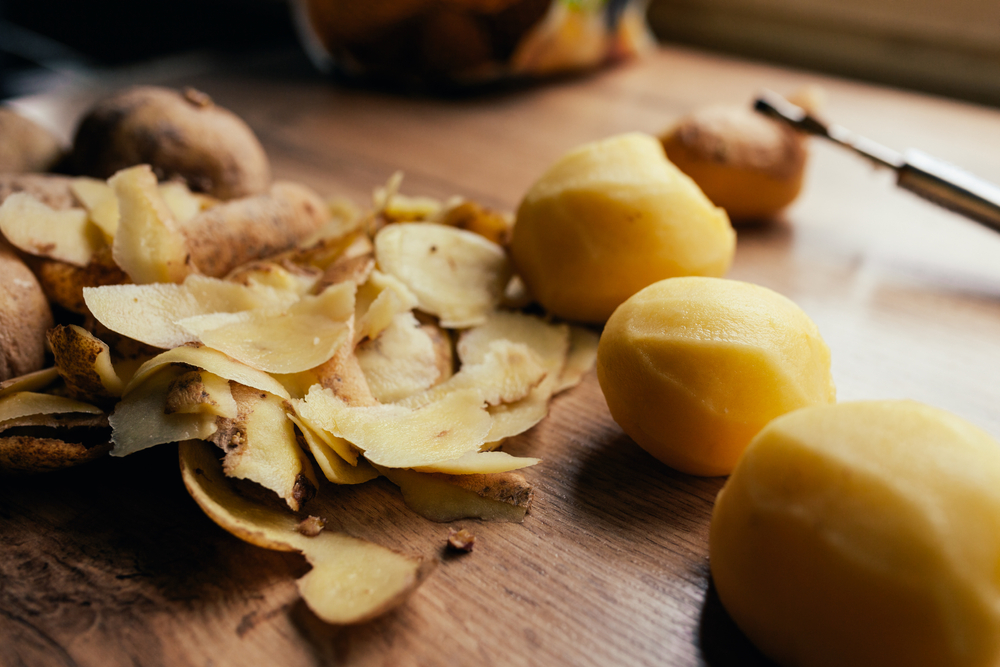
Peeling potatoes straight into the sink is convenient until there’s a wet pile of skins around the drain. Thin peelings can slip through the grinder without being processed fully, while a large load of starchy scraps can form a plug. Disposal guidance warns about big quantities of potato peels. The risk is highest when you treat the machine like the bucket beneath a vegetable peeler.
Peel over a bowl, then empty the skins into your food-waste container. You can still rinse the potatoes in the sink. Certain disposals are rated to grind potato peels, so a stray strip is not evidence that you’ve ruined the appliance. But grinding a mountain of peels after cooking Thanksgiving dinner is an unnecessary test. Save the disposal for the ordinary little bits that remain after scraping.
Celery strings and asparagus ends
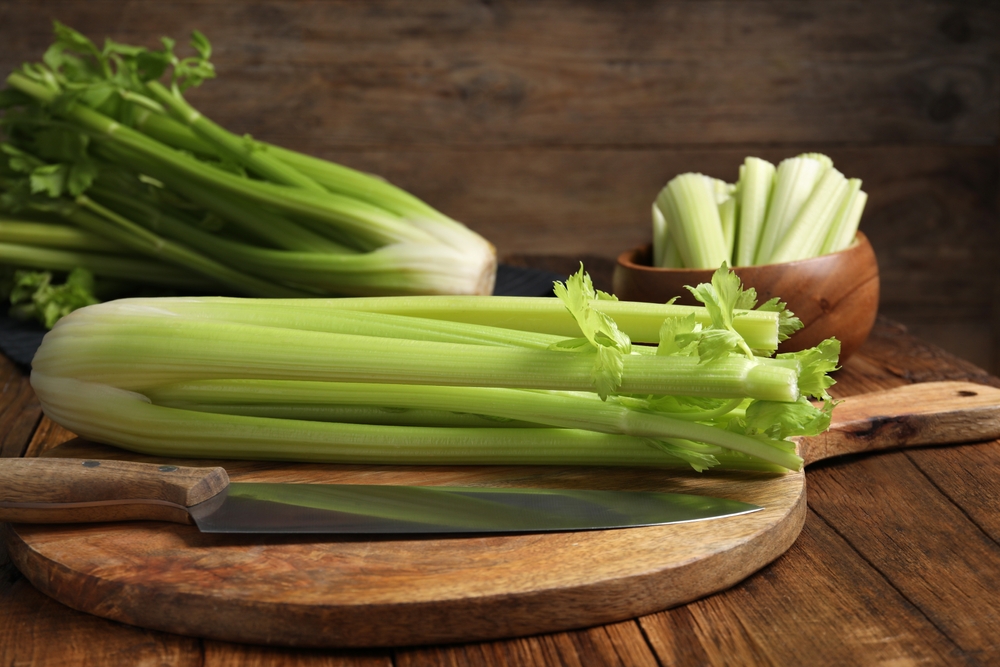
Long vegetable fibers are a different problem from sticky starch. Celery strings and the woody ends of asparagus can pass through a grinding chamber in awkward lengths, especially on simpler machines. They may tangle or collect farther along the pipe. Fibrous vegetables are a stated limitation for many standard garbage disposals. That makes a handful of trimmings riskier than the same volume of soft cooked vegetables.
Cut the tough ends off over the board and move them straight into the scraps bin. Some high-powered disposals are built for fibrous foods, but the motor installed under your sink might not be. Check the model instead of testing it with a whole bunch of celery. The difference between a machine that tolerates a few short pieces and one that can process a large bundle is worth knowing before it starts making an alarming noise.
Corn husks and silk
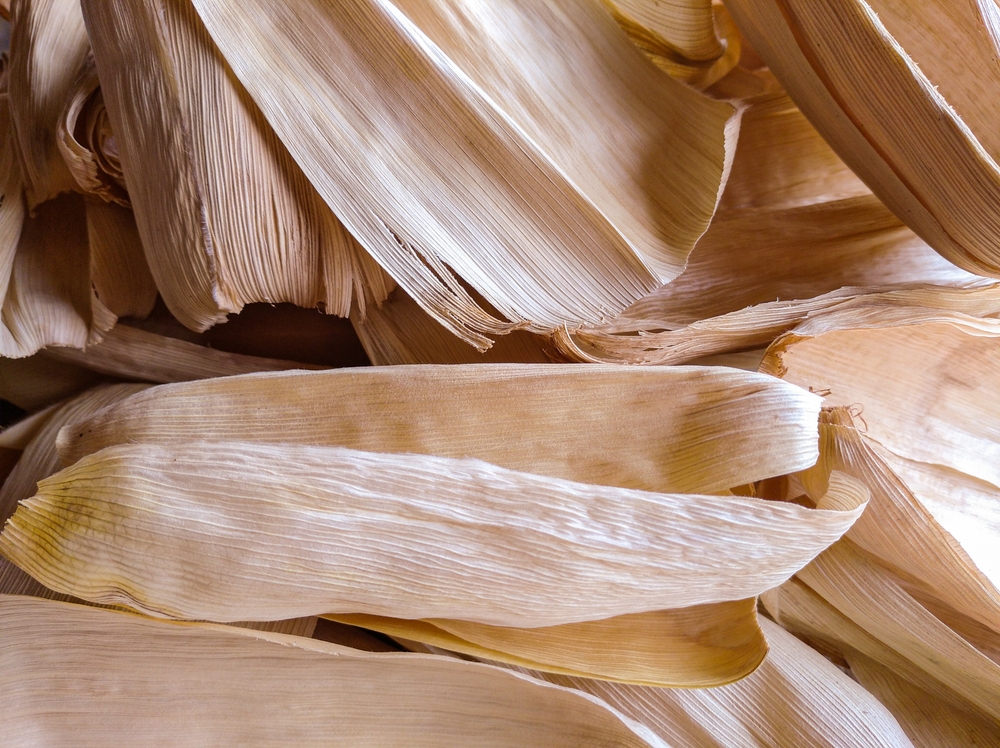
Stripping corn produces a lot of waste that doesn’t behave like the sweet kernels. The husks are long and fibrous, while the silk is thin enough to twist together. Corn husks are among the materials basic disposals are often advised not to grind. The problem isn’t just getting them through the opening; material that escapes the grinder intact still has to get past the pipe bends.
Strip corn over a tray, bowl, or food-waste container. The cob deserves its own check against your manual, since some higher-powered machines can handle cobs and others are not designed for them. No part of corn needs to disappear down the sink simply because it grew on the same plant. Put the husks away before dinner and you’re left with far less cleanup afterward.
Onion skins
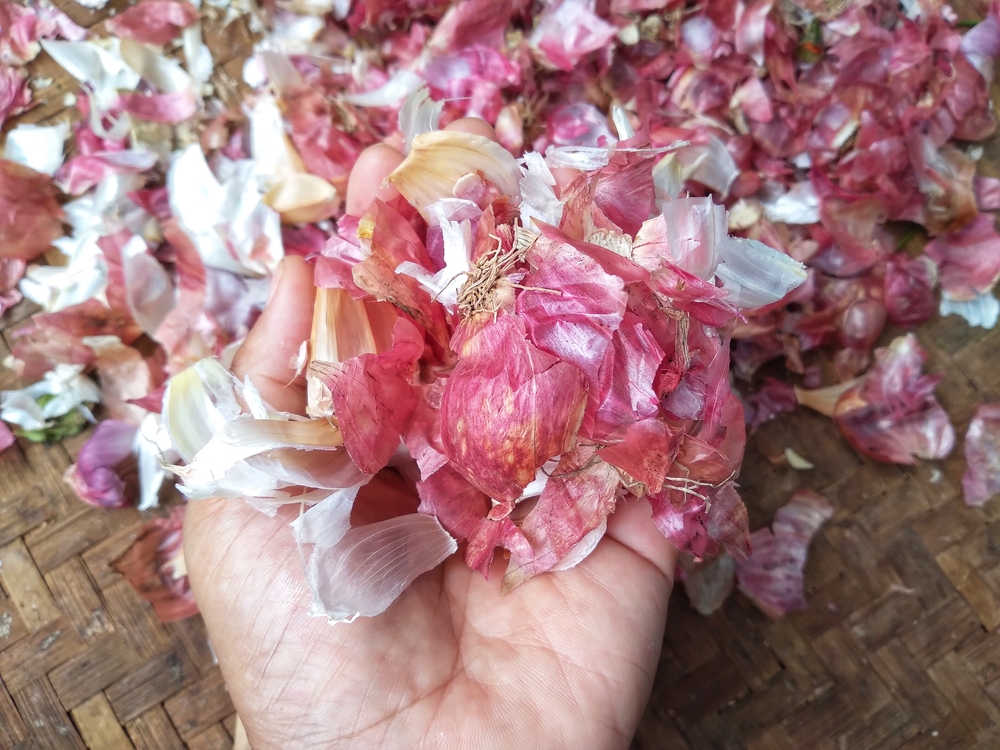
Dry onion skins seem too flimsy to cause plumbing trouble. Yet those papery sheets are awkward for a grinder to catch, and the stringy inner layers can collect with other fibrous waste. Some disposal instructions include onion skins among foods to avoid. A whole pile rinsed through after chopping onions is a bigger concern than one tiny scrap.
Peel onions on the cutting board and brush the skins into the trash or food-waste container before you wash up. The soft onion pieces left on a plate are not the same thing as several onions’ worth of outer skin. It’s a useful distinction because the goal isn’t to turn dinner preparation into a laboratory procedure. It’s to stop sending difficult material into a narrow pipe for no good reason.
Eggshells
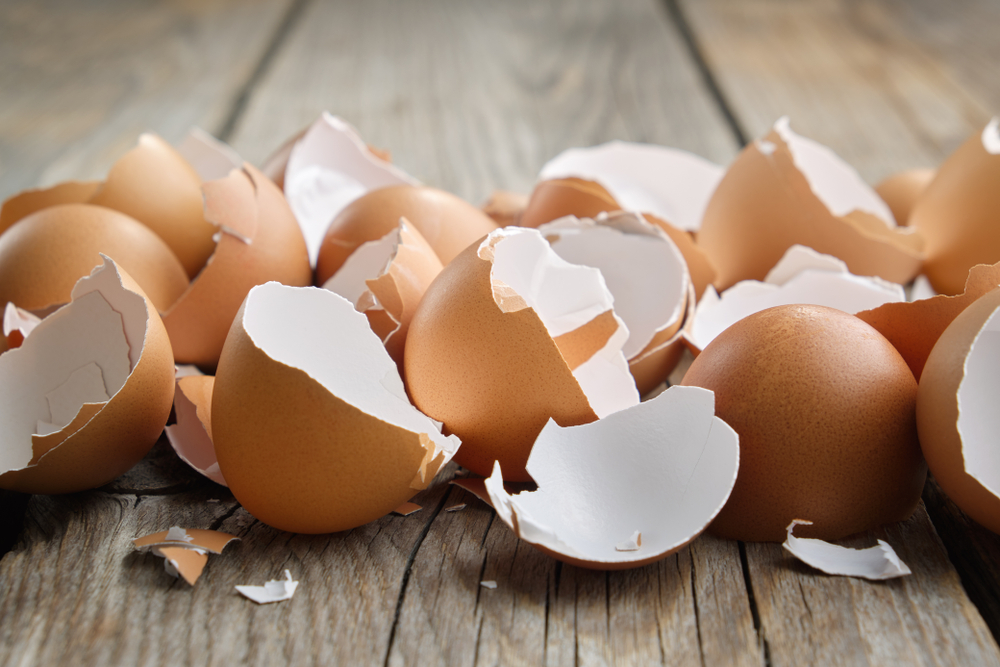
There’s an old claim that eggshells sharpen garbage disposal blades. It sounds practical, except the grinders in modern units don’t use knife blades in the first place. Crushed shells can also add grit to the drain when a lot go through together. Some manufacturers advise against eggshells because of possible buildup. Using shells as a maintenance trick is not a sensible reason to take that risk.
Drop the shells into the food-waste bin or a compost container if your system accepts them. There’s no need to panic about a single shell, though. some current models are designed to handle eggshells, which is why absolute warnings about every grinder are misleading. The cautious habit is simply not to dump a pile in the sink, particularly if you have an older disposal and no idea what its instructions say.
Clam and oyster shells
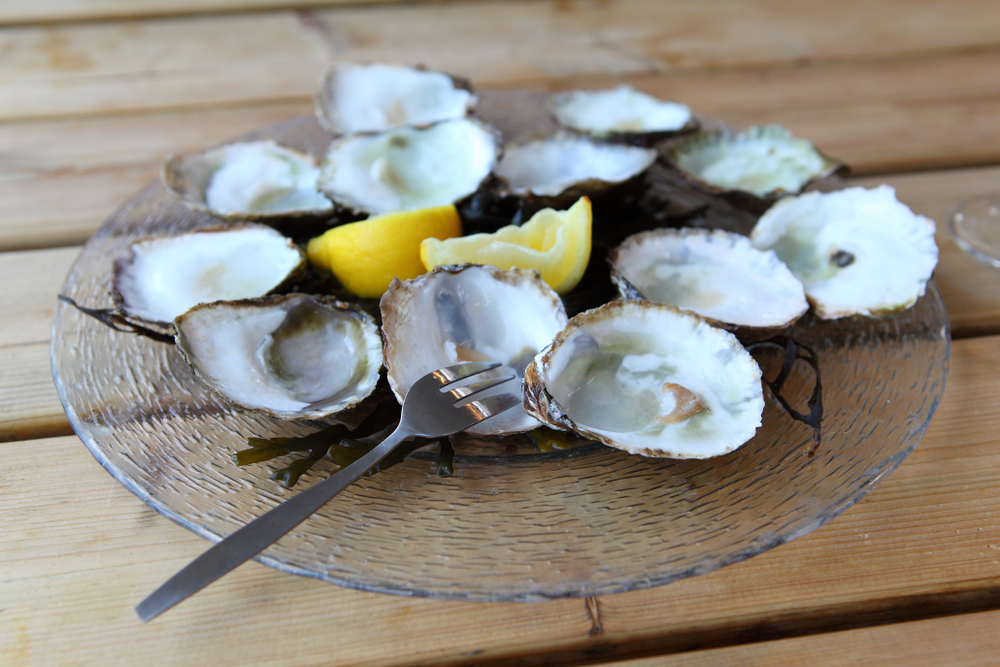
Thick clam and oyster shells are hard enough to make a nasty racket in a disposal. They can jam equipment, and any large fragments that make it out are still a problem for the pipe. Some appliance instructions explicitly exclude clam and oyster shells. They aren’t comparable to a soft piece of leftover fish.
Collect the shells at the table and follow your local disposal rules. Some coastal areas offer oyster-shell recycling, which is a better use for them than feeding them into a grinder. Thin shrimp shells may be permitted by certain higher-powered machines, so don’t treat all seafood scraps as identical. But a stack of half-shells from dinner is going into the trash or a shell collection, not into a kitchen sink.
Chicken bones and large meat bones
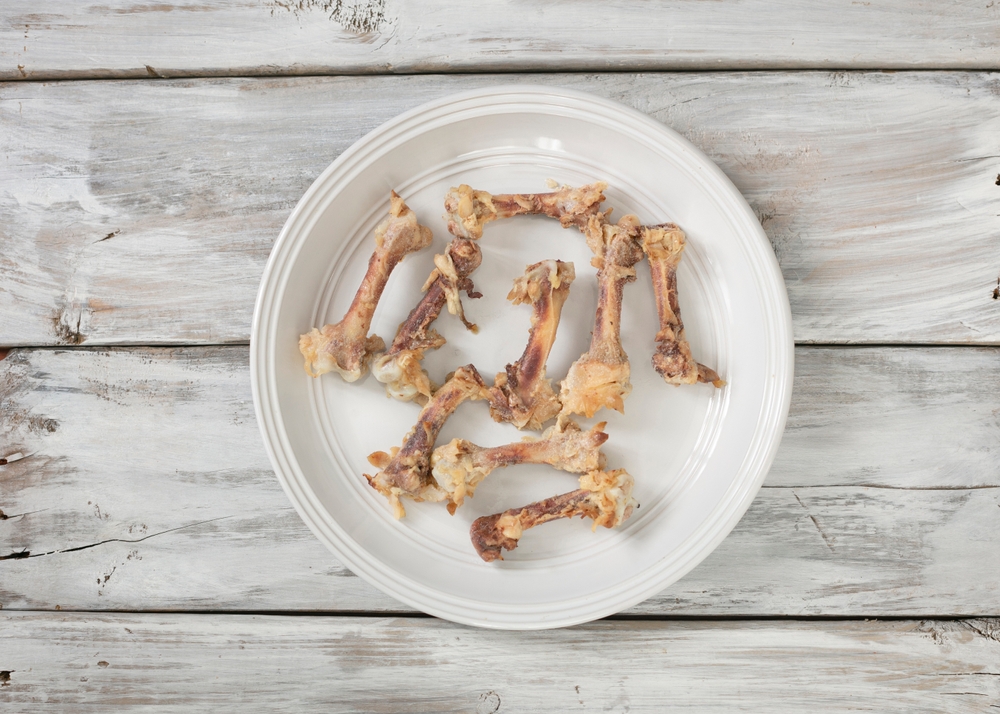
A disposal that can manage a few tiny chicken bones is not automatically designed for the bone left from a beef roast. Large hard pieces can lodge in the grinding mechanism, and fragments can get caught in older pipes. Large whole bones are specifically excluded by some appliance instructions. A motor that stops suddenly is a very poor trade for saving yourself a trip to the trash can.
Put bones with the other meal scraps and use the manual to judge any exception for your machine. Some advanced models are built to handle smaller bones, but that’s a model feature, not a universal rule. If the disposal jams, cut the power and use the manufacturer’s clearing procedure. Reaching into it to fish out a bone is not worth the risk. A pair of tongs for handling scraps before they’re dropped is much easier.
Peach pits and avocado stones

A peach pit is hard, dense, and easy to miss among soft fruit scraps. An avocado stone is larger still. Either can jam a unit that wasn’t designed to grind it, even though the fruit flesh itself is ordinary food waste. Manufacturers classify fruit pits as hard materials that need special care. In a sink without any grinder, there’s no sensible reason to send them toward the trap.
Take pits out while preparing fruit and put them in the appropriate solid-waste container. The model exception is genuine: some newer power-series disposals can handle peach and avocado pits. If you don’t know what unit you have, don’t use an expensive mechanical experiment to find out. The same caution applies to olive pits and other hard fruit stones that can hide in otherwise soft leftovers.
Nut shells
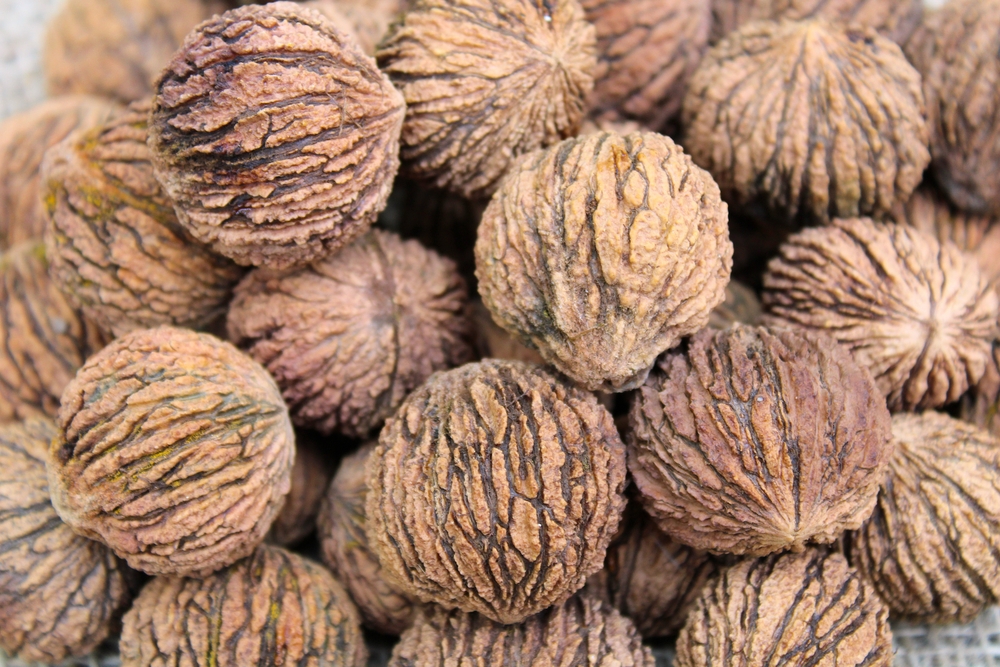
Cracked walnut and pecan shells are jagged and hard. They don’t dissolve, and fragments can grind poorly or settle in an awkward section of pipe. Nut shells are listed among materials that may cause grit and disposal problems. A few fragments accidentally rinsed off a plate are one thing; clearing an entire baking session’s worth of shells into the drain is another.
Use a bowl for shells as you crack nuts, then empty it into the trash or an approved food-waste stream. The shell isn’t the same as the nut itself, and nut butter is a separate issue because its fat content can contribute to greasy buildup. This is one of those habits that’s easiest to fix before the mess reaches the sink. Keep the waste on the worktop and the washing-up becomes simpler.
Produce stickers
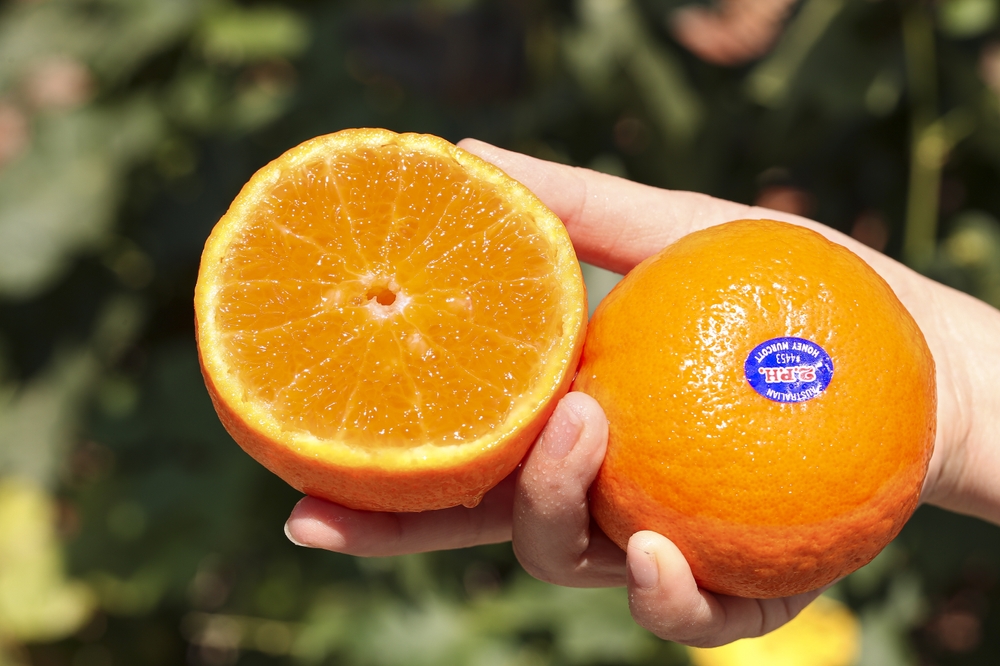
That tiny sticker on a banana or apple looks inconsequential. It is still a label, not a piece of food, and the garbage disposal isn’t designed to remove plastic and adhesive from the waste stream. Produce labels are among the non-food materials to keep out of the grinder. They can cling to surfaces or pass farther into the wastewater system instead of breaking down.
Peel labels off before you wash or chop produce, then throw them away. It’s also worth checking peels before they go into a compost container. This isn’t about one escaped sticker causing a $1,000 repair by itself. It’s about avoiding needless non-food debris that the disposal cannot meaningfully process. The sticker takes a second to remove, and there’s no reason for it to visit the kitchen plumbing at all.
Paper towels and napkins
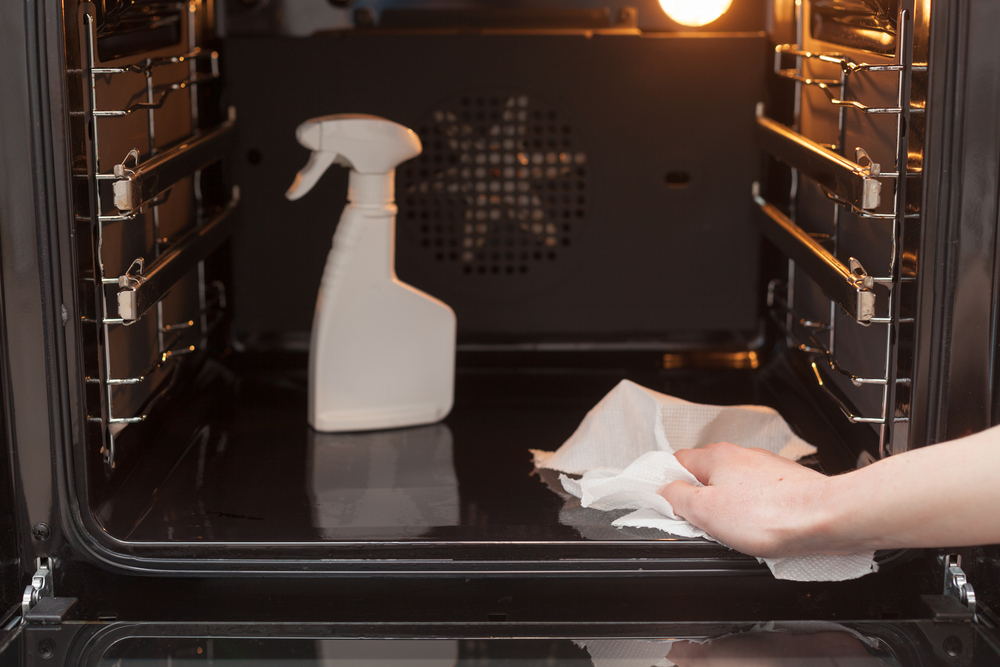
Paper towels absorb water and are designed to hold together while you wipe up messes. Neither characteristic makes them suitable for a drain. They can lodge in a trap and gather scraps around them, especially when the pipe is already partly blocked. Paper towels should be kept out of household wastewater systems. A garbage disposal is not a substitute for a trash can or paper shredder.
Wiping greasy pans with a paper towel is still a good habit. Just throw that used towel into the appropriate waste bin afterward rather than washing it down the plughole. If your community collects food-soiled paper for composting, follow that program’s rules. Napkins and paper towels that slip into a sink strainer are easy to pick out while still visible. They are much less fun to retrieve once they’re in the pipe.
Wet wipes
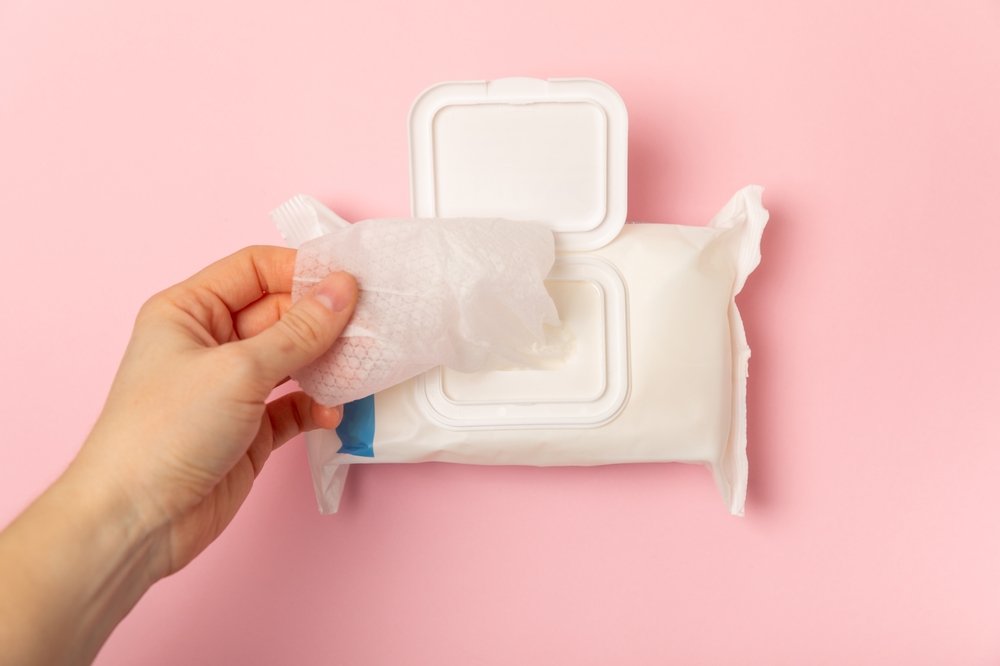
A wet wipe may feel soft enough to flush away, but many wipes are made to stay intact while they’re being used. That is precisely the quality you don’t want in a drain. Wipes can combine with grease to create severe sewer blockages, and a grinder is not designed to turn them into safe wastewater. The word ‘flushable’ on a packet does not mean ‘safe for the kitchen sink.’
Put disinfecting wipes, cleaning wipes, and baby wipes in the trash unless their specific disposal guidance tells you otherwise. Don’t push a wipe through the strainer with the tap or try to chop it up in the disposal. If one falls into the bowl, take it back out. It’s a very small inconvenience compared with a callout for a pipe that now contains a tough, wet sheet of material.
Leftover paint

Washing a lightly used brush is a different job from tipping the rest of a paint tin into the kitchen sink. Paint can contain hazardous ingredients, and thick leftovers don’t belong in plumbing. Paints are among household materials that require special disposal care. Oil-based products are particularly unsuitable for drains, and even water-based paint should not be disposed of in bulk this way.
Keep leftover paint in its original container and check your local household hazardous waste program or product instructions. Clean tools as directed for the particular paint rather than assuming the food-prep sink is the right place to get rid of everything. When a project is finished, it can be tempting to clear the worktop quickly and forget about the residue. Your plumbing is not the place to put the unfinished cleanup.
Solvents, pesticides, and concentrated cleaners
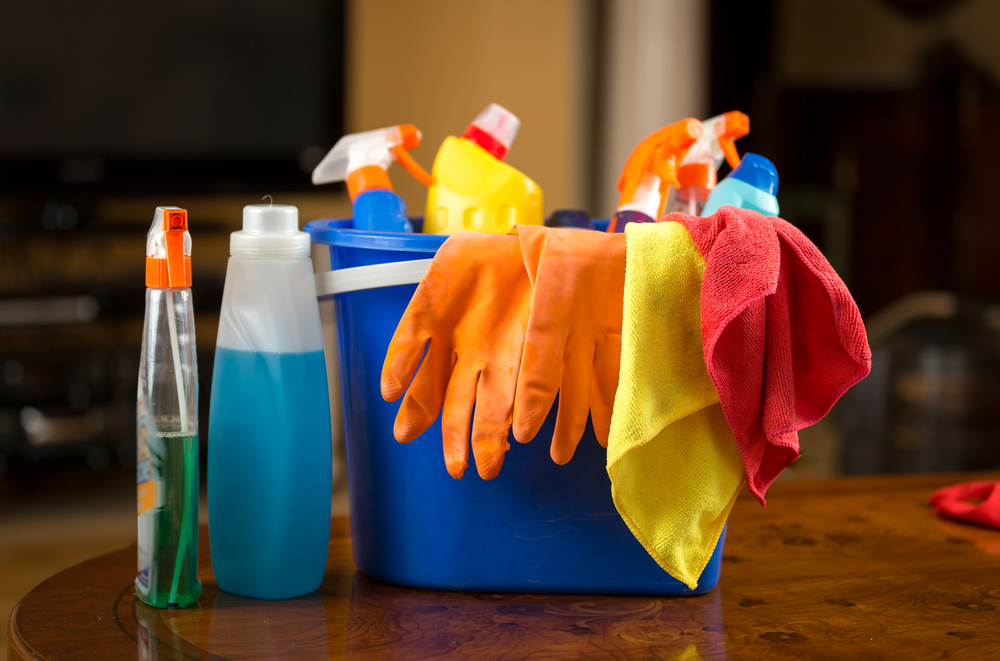
Paint thinner, degreaser, pesticide leftovers, and strong cleaning concentrates don’t become harmless just because they’re mixed with tap water. Household hazardous chemicals poured into drains can threaten workers, wastewater treatment systems, and septic tanks. A sink is not a disposal point for half-used bottles from the garage or the cupboard under the sink.
Take unwanted products to an appropriate local collection program, following label instructions and keeping different chemicals separate. Never mix drain cleaners or combine them with bleach in an attempt to clear a clog. Ordinary dishwashing liquid used as intended is not the issue. The problem is pouring concentrated, unwanted products away as waste. If you have a septic system, the stakes are higher because strong chemicals can damage the organisms that treat wastewater.
Unused prescription and over-the-counter medicine

An old bottle of liquid medicine might seem like an easy thing to empty into the sink before recycling the packaging. It isn’t the recommended default. The preferred way to dispose of most unwanted medications is through a drug take-back or mail-back program. This warning is primarily about responsible disposal and water quality, rather than a single spoonful of medicine causing a clogged pipe.
There’s an important exception. Certain potentially dangerous medicines are on the FDA flush list, and when take-back isn’t readily available, their instructions may call for flushing. Follow that specific guidance rather than a blanket rule that every medicine must stay out of water at all costs. For medicine not on the list, use take-back services or the FDA’s approved household-trash procedure when appropriate. Don’t pour a medicine cabinet’s worth of unwanted pills and liquids into the kitchen drain.











